What Is the Difference Between Class 2 and Class 3 High Visibility Clothing?
A Practical Guide for Safety Managers and Workers
The primary difference between Class 2 and Class 3 high visibility clothing is the level of protection offered, dictated by the amount of visible material required by the ANSI/ISEA 107 standard. Class 3 garments mandate significantly more fluorescent background material and retroreflective tape than Class 2, and crucially, they must have sleeves with reflective material. This makes Class 3 essential for workers in high-risk environments, such as those near traffic exceeding 50 mph (80 km/h) or in low-light, complex backgrounds, as the sleeves provide 360-degree visibility and define the human form. Class 2, typically sleeveless vests, is suitable for lower-risk areas with slower traffic and better visibility.
Class 2 vs. Class 3: At a Glance
| Feature | Class 2 | Class 3 |
|---|---|---|
| Background Material | Min. 775 in² (0.50 m²) | Min. 1240 in² (0.80 m²) |
| Reflective Material | Min. 201 in² (0.13 m²) | Min. 310 in² (0.20 m²) |
| Sleeves | Not required (typically sleeveless) | Required with retroreflective material |
| Typical Garments | Sleeveless vests | Jackets, sweatshirts, sleeved vests |
| Intended Environment | Slower traffic (< 50 mph), good weather, less complex background | High-speed traffic (> 50 mph), poor weather, complex background |
Understanding Class 2 High Visibility Clothing
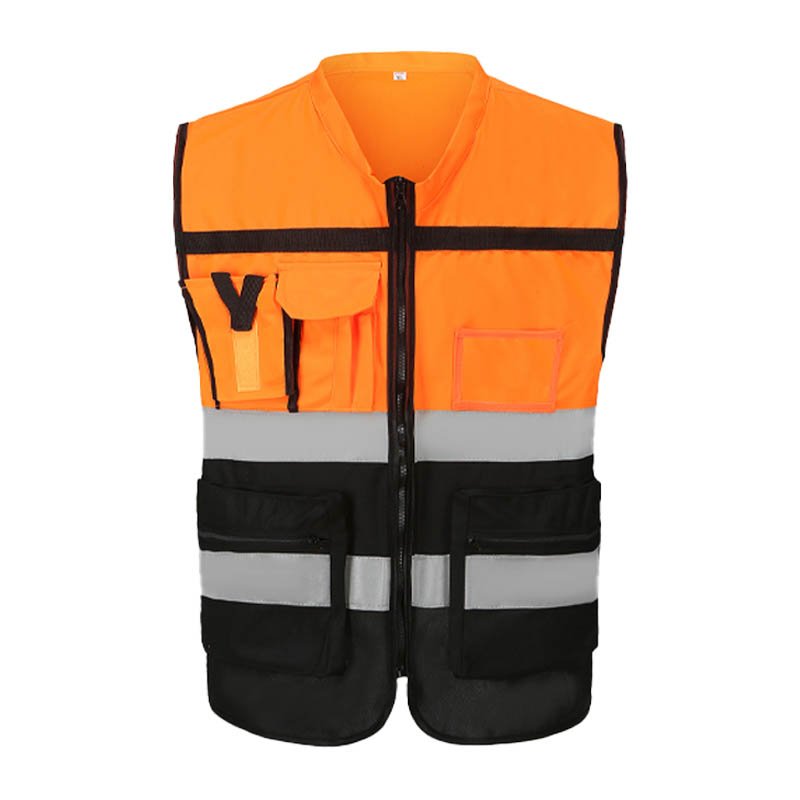
Class 2 is the most commonly used level of high-visibility clothing. It’s designed for workers who are exposed to traffic traveling under 50 mph (80 km/h) and where work backgrounds are not complex. Think of airport ground crews, parking lot attendants, and forestry workers. The primary goal of Class 2 is to provide superior visibility in conditions where a worker’s full attention may be diverted from traffic.
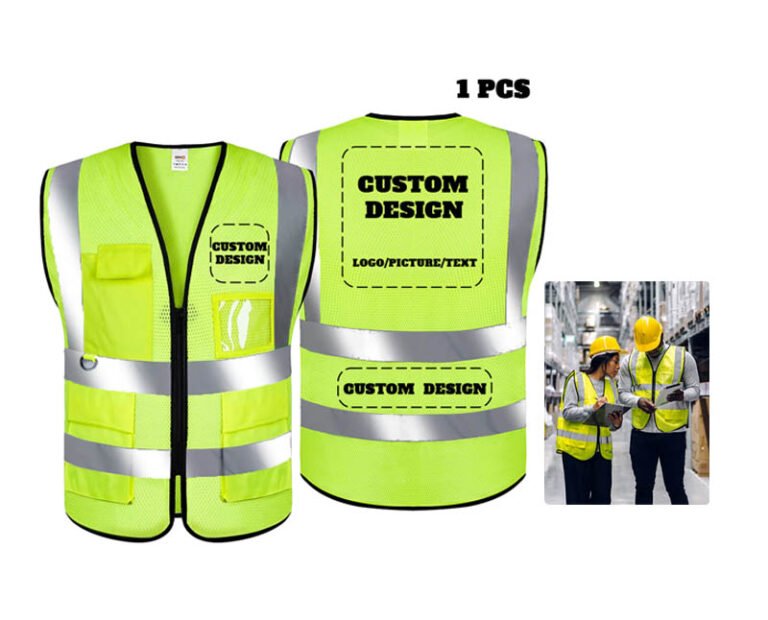
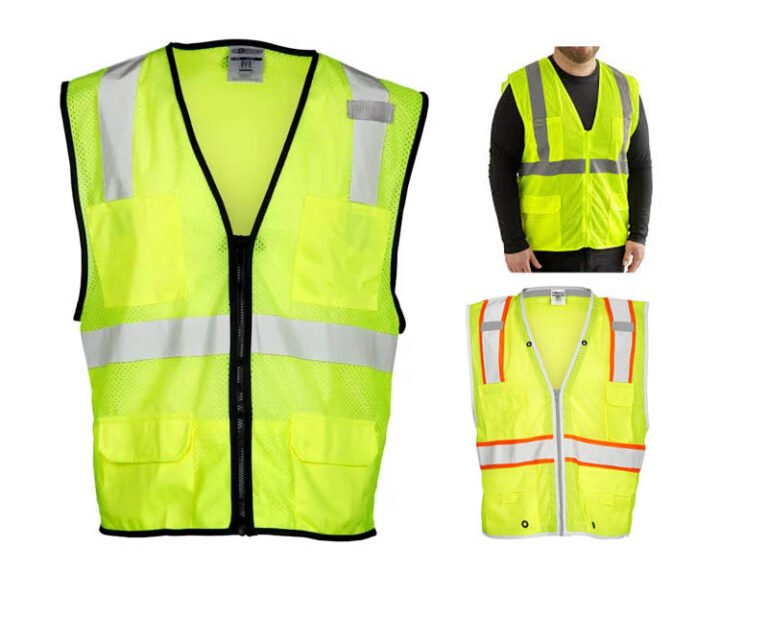
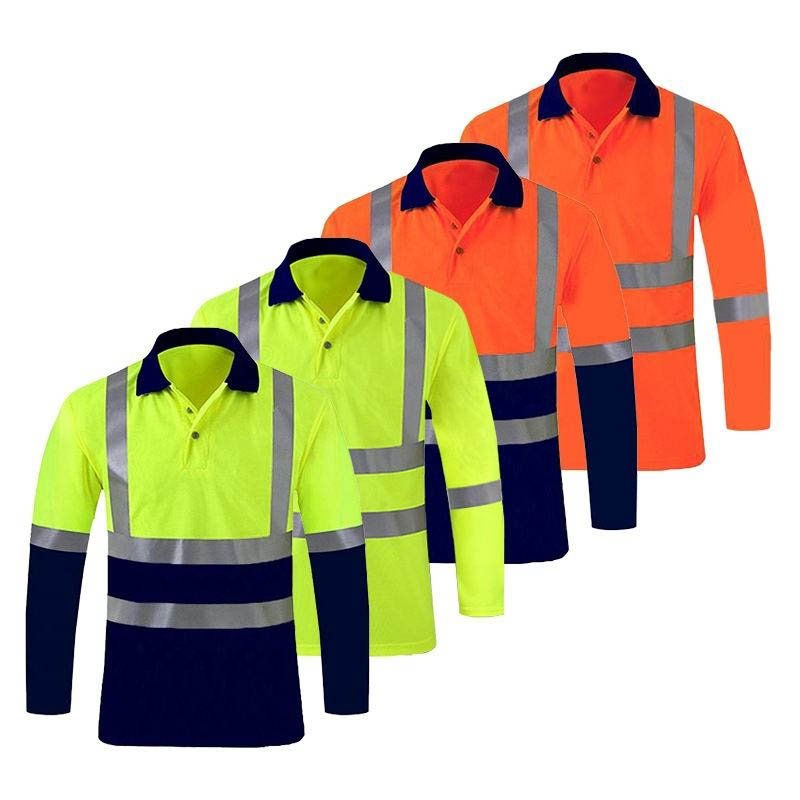
Garments in this category, most often hi-vis vests, offer 360-degree visibility by placing fluorescent material and reflective stripes over the shoulders and around the torso. While it provides good conspicuity, the lack of sleeves makes it less effective at defining the human shape from a distance compared to Class 3.
Understanding Class 3 High Visibility Clothing
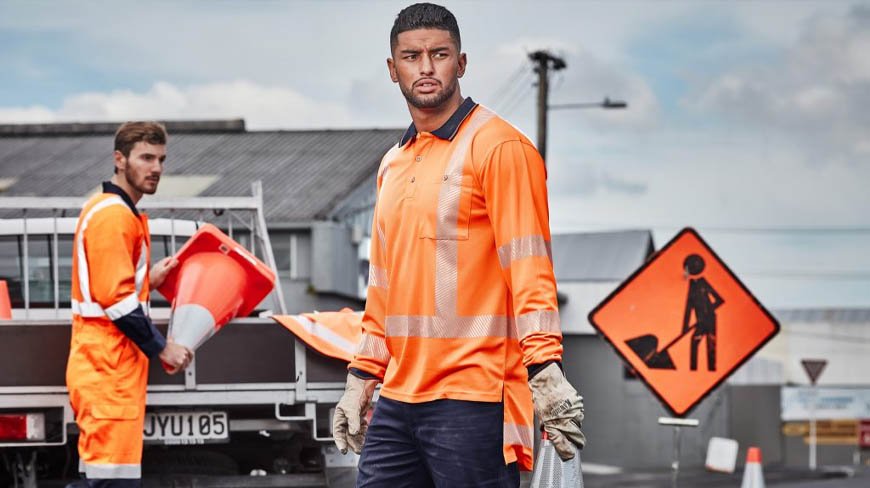
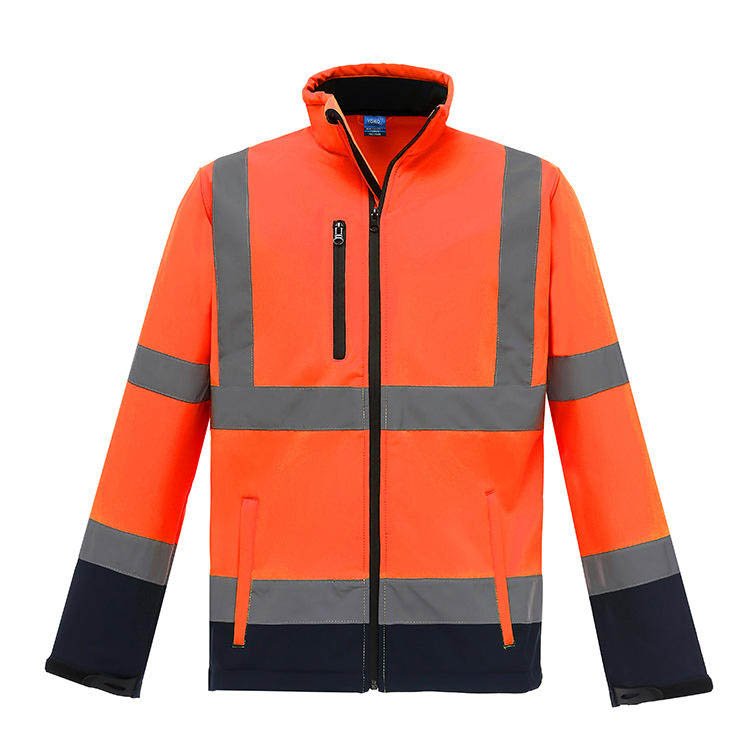
Class 3 provides the highest level of visibility and is intended for workers in the highest-risk situations. This includes exposure to high-speed traffic (over 50 mph), complex work backgrounds, and poor light or adverse weather conditions like rain, fog, or snow. Highway construction crews, emergency responders, and railway workers are prime examples of who needs this level of protection.
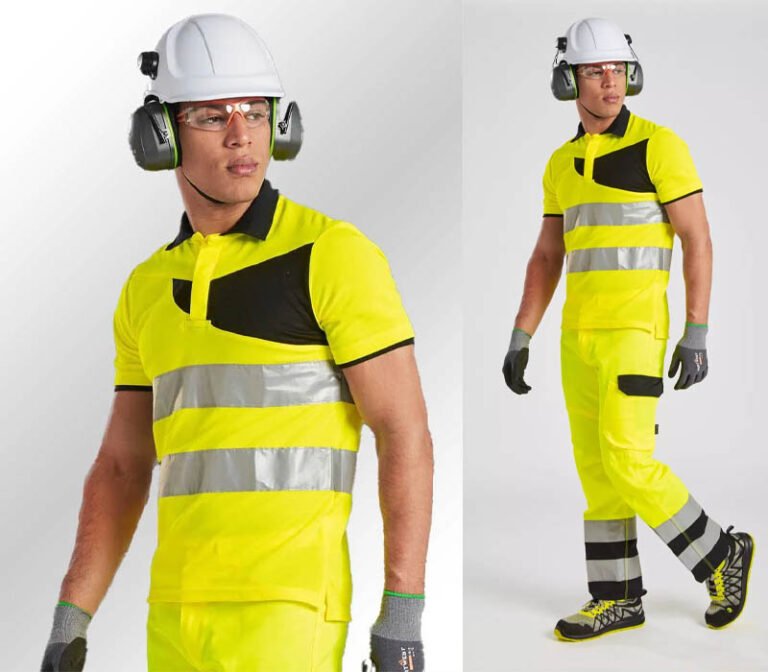
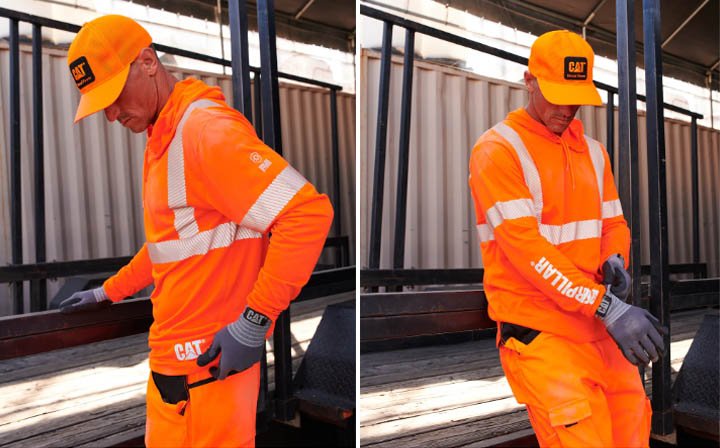
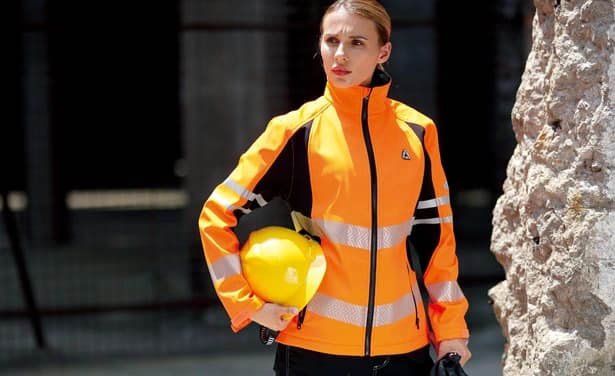
The key distinction of Class 3 clothing is the mandatory inclusion of sleeves and the increased surface area of BOTH fluorescent and reflective materials. Garments like hi-vis jackets, sweatshirts, and some full-body suits fall into this category. This extended coverage provides maximum visibility from all angles and at greater distances.
The Critical Role of Sleeves: More Than Just Material
The sleeve requirement for Class 3 is not arbitrary; it’s based on human perception. When a driver sees a bright, moving object from a distance, their brain needs to identify it instantly. A sleeveless vest presents a simple rectangular shape. However, a garment with sleeves presents a distinctly human silhouette. The movement of the arms is a powerful biological motion cue that helps a driver’s brain recognize a person, triggering a faster and more cautious reaction.
This is especially vital in cluttered urban or construction environments where a Class 2 vest might blend in with barrels, signs, or other equipment. The added reflective material on the arms and full fluorescent coverage ensures the worker stands out, even when partially obscured or in motion.
My Insight: From the Field
“In my years of outfitting crews globally, the conversation about Class 2 versus Class 3 always comes down to one simple principle: risk assessment, not just compliance. Many clients initially focus on the perceived cost savings of Class 2 vests. But I always steer the conversation to the worker’s actual environment. The critical difference isn’t just the amount of reflective tape; it’s the sleeves. Class 3 garments, with their mandatory sleeves, are essential for defining the human silhouette from a distance, especially in poor weather or against complex urban backgrounds. A driver’s brain recognizes a human shape with arms much faster than a simple torso block. My advice is always the same: if your team works anywhere near traffic moving over 50 mph (80 km/h) or in consistently low-light/foul-weather conditions, the debate is over. You need Class 3. The small additional investment is negligible compared to the massive increase in visibility and the safety of your people. When in doubt, always upgrade to Class 3. It’s the cheapest insurance you’ll ever buy.”
– A VizGlo Safety Expert
Making the Right Choice for Your Team
Choosing between Class 2 and Class 3 isn’t about meeting the bare minimum; it’s about conducting a thorough risk assessment. Ask yourself: What are the worst-case conditions my team will face? Consider vehicle speed, weather, lighting, and the complexity of the work site. While Class 2 is adequate for many situations, the enhanced protection of Class 3 is non-negotiable for high-risk jobs. Investing in the proper level of visibility is a direct investment in your team’s well-being.
Ready to ensure your team is fully protected? Explore our complete range of certified high-visibility solutions.
Frequently Asked Questions
Can a Class 2 vest be worn over a Class 3 jacket? –
No, this is a common and dangerous mistake. Wearing a non-compliant or Class 2 vest over a Class 3 jacket covers the reflective and fluorescent material on the jacket’s torso and sleeves, effectively downgrading the entire garment’s rating to that of the vest. This can compromise worker safety and violate compliance standards. Always ensure the outermost garment meets the required visibility class for the job site.
Is there a color difference between Class 2 and Class 3 garments? –
No, the approved fluorescent background colors are the same for all ANSI/ISEA 107 classes. The standard allows for fluorescent yellow-green, fluorescent orange-red, and fluorescent red. The choice between these colors usually depends on the work environment to ensure the highest contrast. For instance, fluorescent yellow-green is common in urban settings, while fluorescent orange-red is often used in snowy or natural foliage backgrounds.
What are Class E pants and how do they relate to Class 2 and 3? –
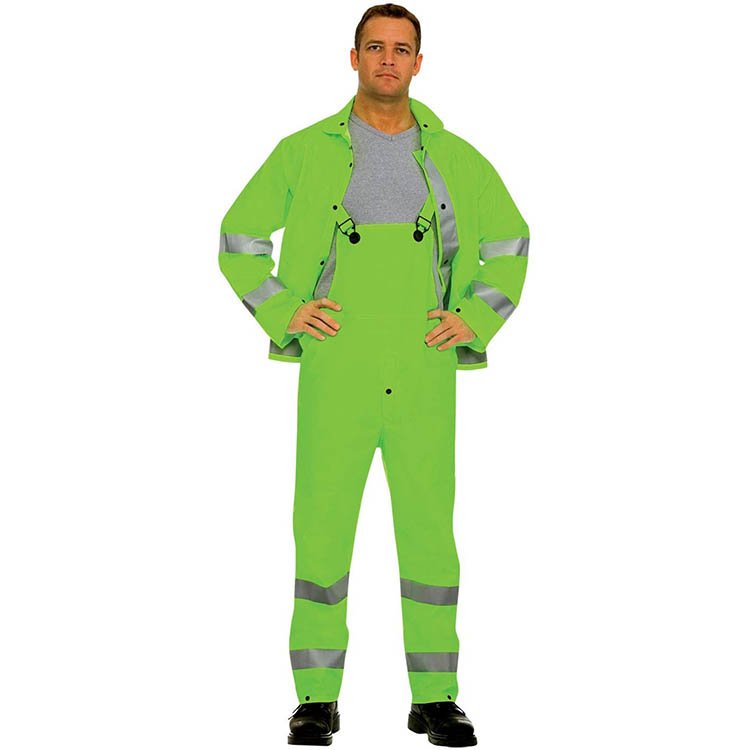
Class E refers to high-visibility trousers, bibs, or shorts intended to be worn with other hi-vis items. They are not rated to be worn alone. When Class E pants are paired with a Class 2 garment (like a vest), the combined ensemble achieves a Class 3 rating. This is a flexible way to meet Class 3 requirements, especially in warmer weather where a full jacket might be too hot.
Does the European EN ISO 20471 standard have the same classes? –
The European standard, EN ISO 20471, also uses a three-class system (Class 1, 2, and 3) based on the minimum area of visible materials. While the principles are very similar—with Class 3 offering the highest level of visibility—the exact material requirements in square meters differ slightly from the ANSI/ISEA 107 standard. It’s crucial to specify which certification is required for your region when ordering.