The Best Hi-Vis Polo Shirts for Construction, Roadwork, and Warehousing
There’s no one-size-fits-all solution. The right hi-vis polo depends on your specific work environment, hazards, and comfort needs.
Finding Your Ideal Hi-Vis Polo: It’s About Matching the Job
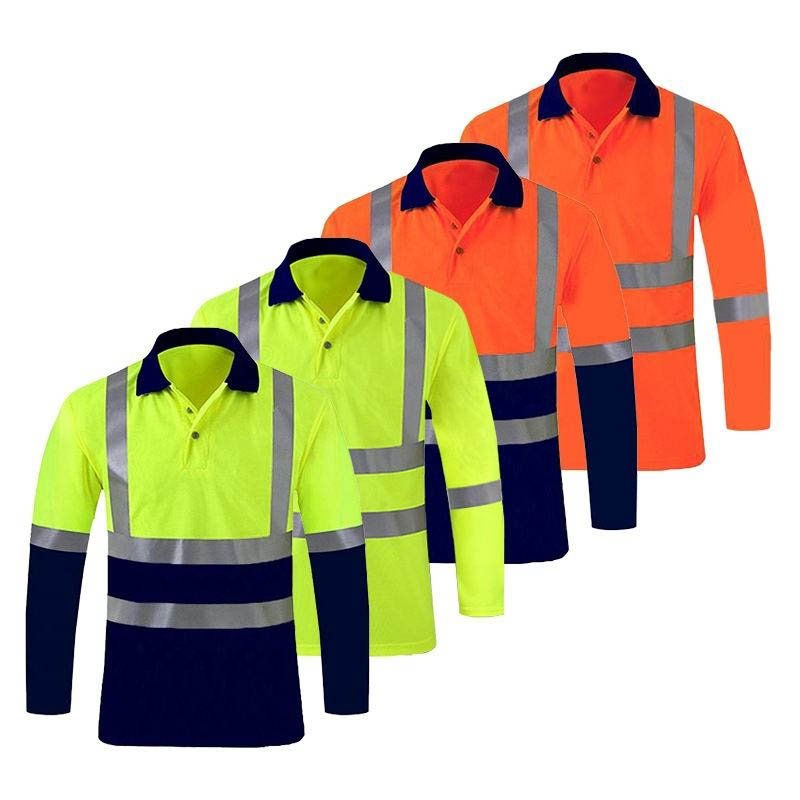
The truth is, there is no single “best” hi-vis polo shirt. The optimal choice is a tailored solution based on your specific work environment. For construction workers, prioritize durability with higher GSM fabrics, reinforced stitching, and functional pockets for tools. For roadwork crews, maximum conspicuity is non-negotiable—choose ANSI/ISEA 107 Type R, Class 2 or 3 certified polos in high-contrast colors like lime or orange paired with dark lower panels. For warehouse operations, comfort and breathability reign supreme—lightweight, moisture-wicking fabrics like bird’s-eye mesh polyester prevent overheating while maintaining visibility for equipment operators. The best polo is the one that balances safety requirements, job-specific demands, and worker comfort for your unique application.
Why Industry Matters: Tailored Solutions Over Universal Claims
From years of working with safety managers globally, I’ve learned that the concept of a single “best” hi-vis polo is a myth. Each work environment presents unique challenges that demand specific solutions. Understanding these industry-specific needs is the foundation of making the right choice for your team.
The key factors that vary dramatically between industries include:
- Hazard Exposure: Physical risks from materials, machinery, and environmental conditions
- Visibility Requirements: ANSI class ratings and specific color protocols
- Durability Demands: How much wear and tear the garment will endure
- Comfort Needs: Temperature management, mobility, and day-long wearability
- Functional Features: Pockets, tool loops, and specialized attachments
According to the Bureau of Labor Statistics, different industries have vastly different safety requirements, making a one-size-fits-all approach to hi-vis apparel both impractical and potentially unsafe.
Construction: Durability-First Approach
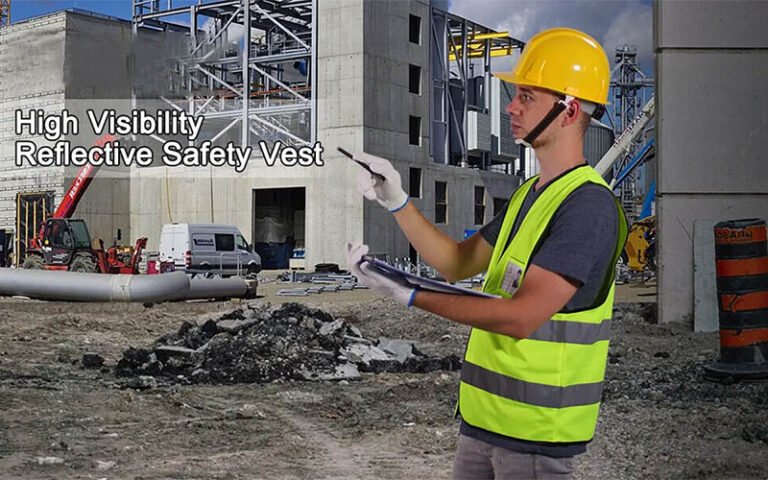
Construction sites are unforgiving environments where hi-vis polos face constant abuse from rough materials, sharp edges, and demanding physical work. The keyword here is durability—workers need robust fabrics that won’t easily snag on rebar or tear against rough surfaces.
Essential Features for Construction Hi-Vis Polos:
- Higher GSM Fabric: Look for 170-220 GSM (grams per square meter) for superior longevity
- Reinforced Stitching: Double-needle construction at stress points prevents seam failure
- Functional Pockets: Not luxury features—essential tools for carrying measuring tapes, pens, and small hardware
- Snag-Resistant Materials: Polyester blends that resist tearing and maintain shape after repeated washing
- ANSI Class 2 Minimum: Most construction sites require Class 2 certification for adequate visibility around equipment
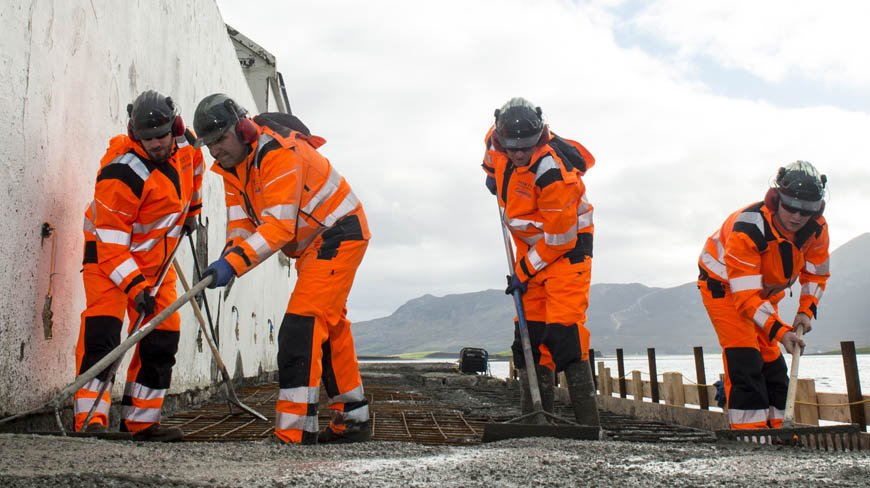
A smart investment in construction is a polo that can handle the abuse while maintaining its safety features. A garment that falls apart after a month of use isn’t a bargain—it’s a liability.
Roadwork: Maximum Visibility Standards
When it comes to roadwork, maximum conspicuity is non-negotiable. Workers are exposed to high-speed traffic in conditions that can change rapidly—dawn, dusk, rain, and fog all present additional visibility challenges that demand the highest safety standards.
Critical Requirements for Roadwork Hi-Vis Polos:
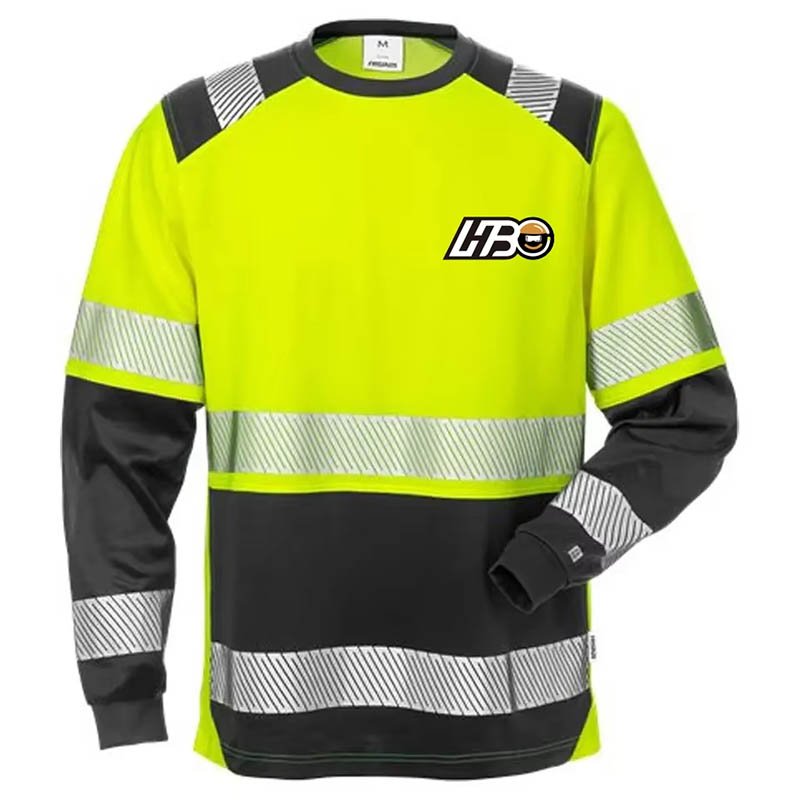
- ANSI/ISEA 107 Type R, Class 2 or 3: Mandatory for roadway work applications
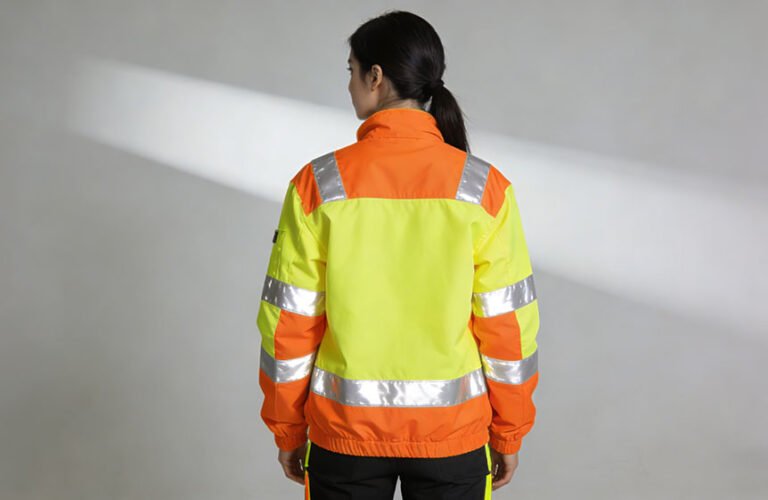
- High-Contrast Designs: Lime or orange paired with black or navy lower panels—enhances fluorescent visibility against complex backgrounds
- 360-Degree Reflective Tape: Ensures visibility from all angles, especially during vehicle approach patterns
- Weather Resistance: Fabrics that maintain visibility and comfort in varying weather conditions
- Color Protocol Compliance: Many DOT regulations specify exact colors for different crew roles
The Occupational Safety and Health Administration (OSHA) emphasizes that proper high-visibility apparel is crucial for reducing struck-by vehicle incidents, which remain a leading cause of workplace fatalities in roadwork environments.
Warehousing: Comfort and Breathability
Warehouse environments present a unique challenge—workers need visibility for forklift operators and equipment safety, but they’re also in constant motion in climate-controlled or non-climate-controlled spaces. Here, comfort and breathability become king.
Optimal Features for Warehouse Hi-Vis Polos:
- Lightweight Fabrics: 130-160 GSM materials that don’t add bulk or heat retention
- Moisture-Wicking Technology: Bird’s-eye mesh polyester excels at keeping workers dry and comfortable
- Enhanced Mobility: Athletic cuts and stretch panels for unrestricted movement
- ANSI Class 1 or 2: Depending on traffic patterns and equipment types in the facility
- Easy Care: Fabrics that maintain their properties through frequent washing cycles
The goal is preventing overheating and fatigue while ensuring visibility for equipment operators—a balance that requires careful fabric selection and design consideration.
Professional Buying Guide: Beyond the Class Rating
While ANSI class ratings are important, they’re just the starting point. Professional buyers know to look deeper into the technical details that separate good polos from exceptional ones.
Advanced Considerations:
- Reflective Tape Technology: Is it segmented for better flexibility and breathability? Segmented tapes move with the worker and provide better long-term durability.
- UPF Rating: Does the fabric provide UV protection for outdoor workers? Look for UPF 30+ ratings.
- Colorfast Properties: Will the fluorescent colors maintain their intensity after repeated washing and UV exposure?
- Fabric Stretch: Does it include elastane or spandex for improved mobility and shape retention?
- Antimicrobial Treatment: Essential for garments worn in hot, humid conditions or during extended shifts.
My ultimate tip? Look beyond the class rating. Ask about the reflective tape technology—is it segmented for better flexibility and breathability? Does the fabric have a UPF rating for sun protection? The details are what separate a good polo from a great one that your team will actually want to wear.
For a comprehensive selection of professionally-designed hi-vis polos that meet these advanced criteria, explore our complete hi-vis polo shirts and t-shirts collection, where each garment is engineered for specific industry applications.
Ready to Outfit Your Team with the Right Hi-Vis Polos?
Don’t settle for generic solutions. Your team deserves hi-vis apparel that’s specifically designed for their work environment and safety needs. Whether you need construction-grade durability, roadwork-level visibility, or warehouse-optimized comfort, we can help you find the perfect match.
Frequently Asked Questions
How often should hi-vis polos be replaced?
Replacement frequency depends on usage intensity and wash cycles. Construction environments typically require replacement every 6-12 months, while warehouse applications may extend to 12-18 months. However, any polo showing significant fading of fluorescent colors, damaged reflective tape, or structural wear should be replaced immediately regardless of age.
Can hi-vis polos be customized with company logos?
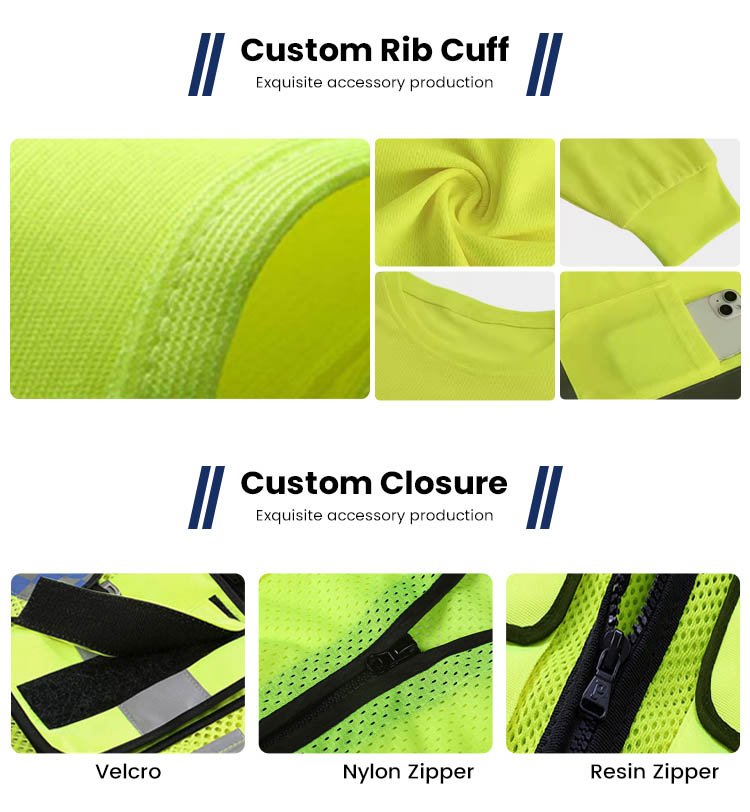
Yes, but logo placement is critical to maintaining certification. Logos must not interfere with the required fluorescent background material or reflective tape placement specified by ANSI standards. Professional customization ensures compliance while building brand identity. Heat transfer, embroidery, and screen printing are all viable options when properly executed.
What’s the difference between moisture-wicking and regular polyester?
Moisture-wicking polyester uses specialized fiber construction and chemical treatments to pull sweat away from the skin and accelerate evaporation. This keeps workers drier and more comfortable compared to standard polyester, which can trap moisture against the skin. For active workers or warm environments, moisture-wicking technology significantly improves comfort and reduces heat stress.
Are there different hi-vis colors for different job roles?
Yes, many organizations use different hi-vis colors to distinguish between job roles and authority levels. Common practices include lime for general workers, orange for supervisors or specialized roles, and specific colors for different contractors on multi-company job sites. However, all colors must still meet ANSI/ISEA 107 standards for the respective work environment.