A Deep Dive into ANSI/ISEA 107 & EN ISO 20471 Standards
Understanding the Critical Differences Between North American and European High-Visibility Safety Standards
Why These Standards Are NOT Interchangeable
ANSI/ISEA 107 and EN ISO 20471 are fundamentally different high-visibility safety standards that govern worker safety in North America and Europe respectively. While both aim to ensure workers are visible in hazardous environments, they are NOT interchangeable. ANSI/ISEA 107 focuses on performance classes (Type O, R, P) tied to specific work environments and traffic exposure, while EN ISO 20471 mandates stricter requirements for reflective tape placement, including circumferential torso coverage, and more rigorous washing durability tests. Understanding these distinctions is not merely academic—it’s the difference between market access, regulatory compliance, and avoiding costly shipment rejections. A garment certified for the U.S. market will likely fail European compliance, and vice versa.
“From my desk dealing with clients spanning North America, Europe, and the Middle East, the most frequent and critical question I address is not what the standards are, but why they are not interchangeable. Clients often see ‘hi-vis certified’ and assume global compliance—this is a costly mistake.”
1 ANSI/ISEA 107 Explained: Types, Classes & Performance Levels
The ANSI/ISEA 107 standard, officially titled “High-Visibility Safety Apparel and Accessories,” is the governing specification for worker visibility in the United States and Canada. Updated regularly (the current version is ANSI/ISEA 107-2020), this standard categorizes garments based on performance types and classes that correspond directly to the wearer’s work environment and exposure to traffic hazards.
Understanding ANSI Types: O, R, and P
| Type | Use Case | Traffic Speed |
|---|---|---|
| Type O (Off-Road) | Workers in parking areas, warehouses, or environments with vehicle speeds ≤25 mph | ≤25 mph |
| Type R (Roadway) | Roadway workers, utility crews, emergency responders near traffic | ≥25 mph |
| Type P (Public Safety) | Law enforcement, emergency responders requiring higher visibility and durability | All speeds |
ANSI Performance Classes: 1, 2, and 3
Within each Type, ANSI defines three performance Classes based on the minimum area of background material (fluorescent fabric) and retroreflective material (reflective tape):
-
1Class 1: Minimum visibility for low-traffic environments. Requires 155 sq. in. of background material and 155 sq. in. of reflective material. Typically used for parking lot attendants or warehouse workers.
-
2Class 2: Moderate visibility for workers near roadways or equipment. Requires 775 sq. in. of background material and 201 sq. in. of reflective. Common for roadway flaggers and utility crews.
-
3Class 3: Maximum visibility for high-risk, high-speed traffic areas. Requires 1,240 sq. in. of background and 310 sq. in. of reflective with 360° visibility. Mandatory for highway construction workers.
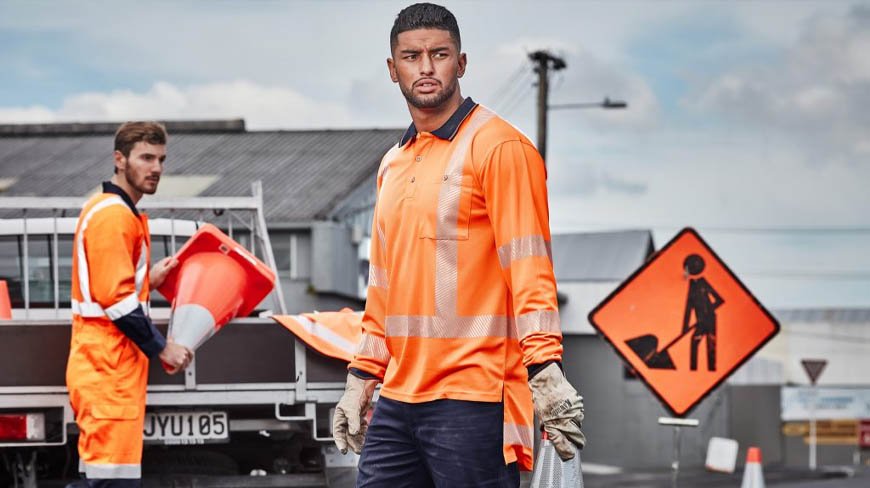
💡 Pro Tip: ANSI’s Type system is unique to North America. European standards do not categorize by traffic speed or work environment in the same way—this is a fundamental difference that affects procurement decisions.
2 EN ISO 20471 Classes: Understanding Class 1, 2, and 3
The EN ISO 20471 standard is the European (and increasingly global) benchmark for high-visibility protective clothing. Unlike ANSI’s Type-based approach, EN 20471 focuses purely on the quantity and placement of fluorescent and reflective materials, with a strong emphasis on ensuring visibility from all angles and under repeated washing cycles.
EN ISO 20471 Class Breakdown
| Class | Background Material (m²) | Reflective Material (m²) | Typical Application |
|---|---|---|---|
| Class 1 | 0.14 m² | 0.10 m² | Low-risk environments, warehouse work |
| Class 2 | 0.50 m² | 0.13 m² | Medium-risk, municipal workers, logistics |
| Class 3 | 0.80 m² | 0.20 m² | High-risk, motorways, construction sites |
Critical Design Requirements Under EN ISO 20471
What sets EN ISO 20471 apart from ANSI is its prescriptive design mandates:
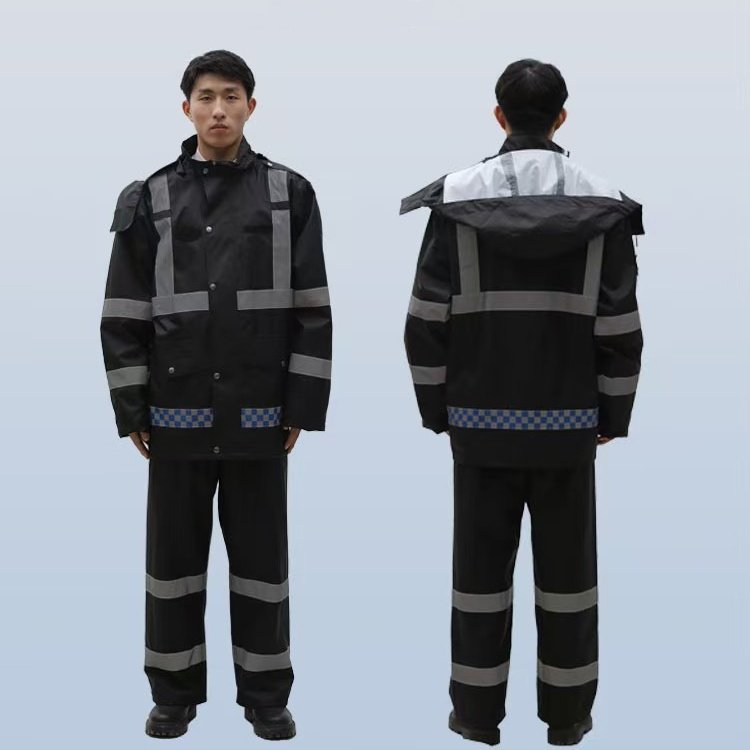
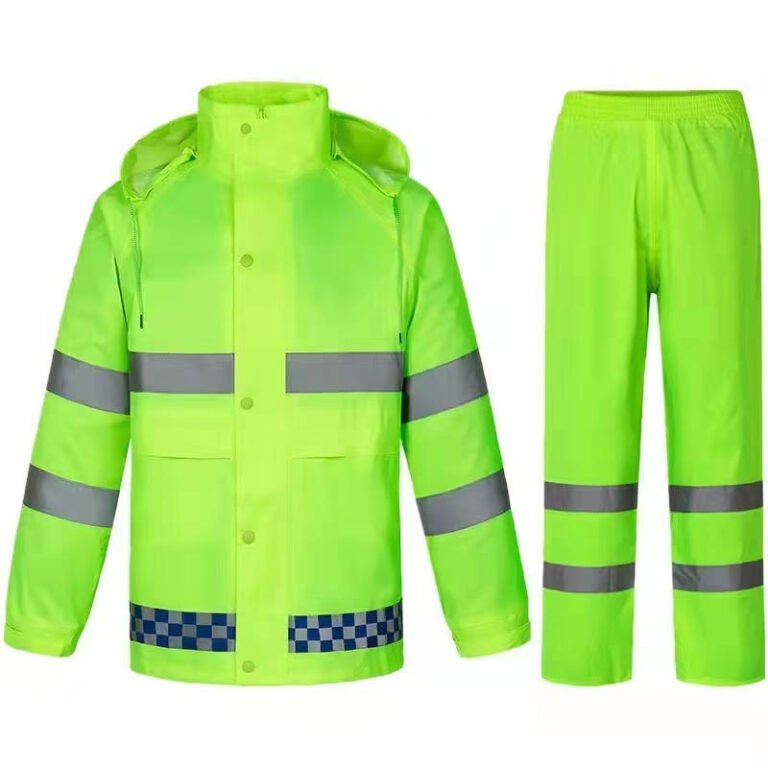
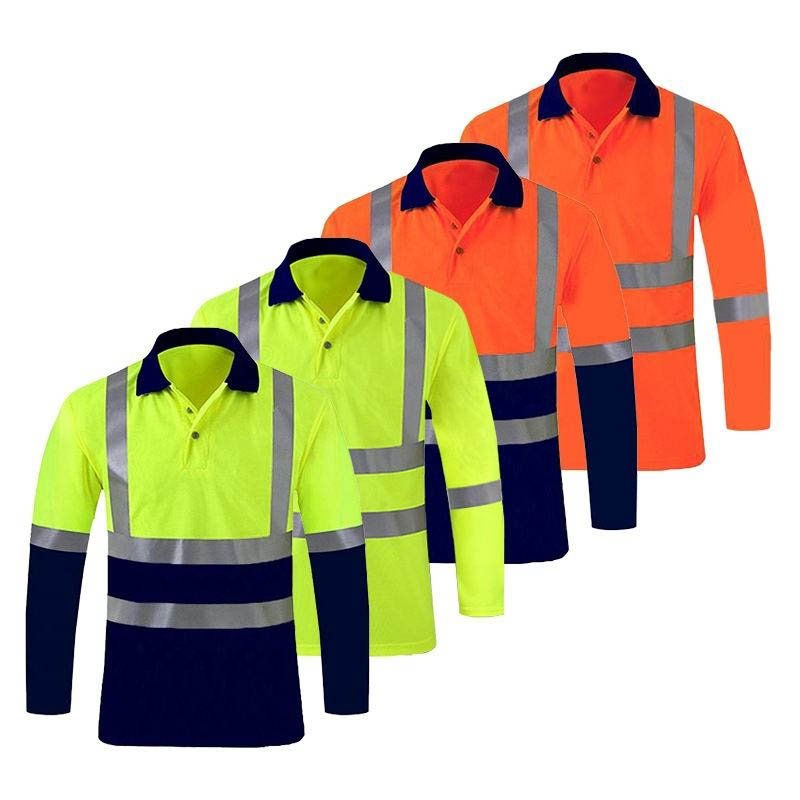
- Circumferential Torso Coverage: Reflective tape must encircle the torso (horizontally and vertically), ensuring 360° visibility. This is non-negotiable for Class 2 and 3 garments.
- Sleeve Requirements: For Class 3 certification, sleeves must have reflective bands positioned to be visible when arms are extended.
- Wash Durability Testing: Materials must maintain minimum retroreflectivity after 5 industrial wash cycles (minimum), with many manufacturers testing up to 25-50 washes to guarantee long-term compliance.
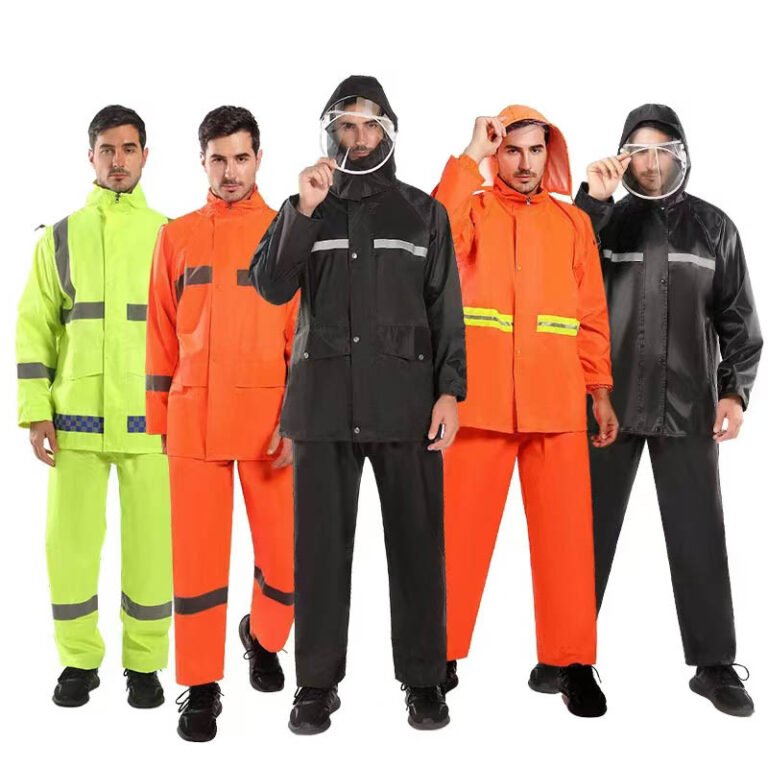
- Color Options: Only fluorescent yellow-green, orange-red, or red are permitted background colors, with strict chromaticity requirements.
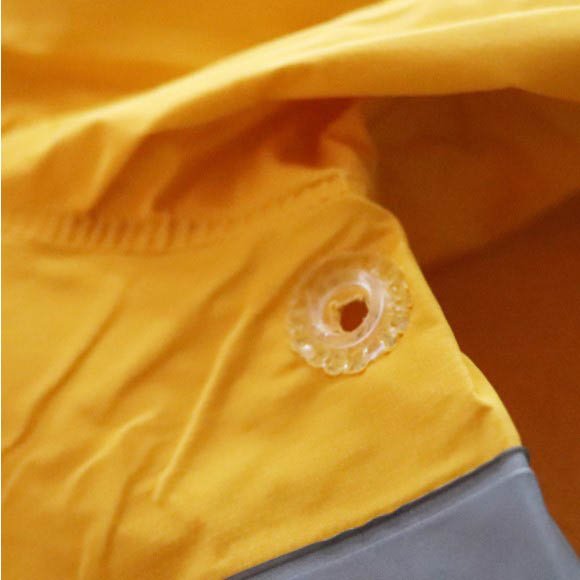
⚠️ Compliance Warning: A garment that meets ANSI Class 2 does NOT automatically meet EN ISO 20471 Class 2. The tape placement alone—ANSI allows shoulder straps, while EN mandates torso circumscription—will cause rejection at European borders.
3 Key Technical Differences: Beyond Just Compliance
The divergence between ANSI/ISEA 107 and EN ISO 20471 extends into multiple technical dimensions that directly impact manufacturing, quality control, and end-user safety.
🇺🇸 ANSI/ISEA 107 Characteristics
- ✓ Environment-based categorization (Type O, R, P)
- ✓ Flexible tape placement (no mandatory circumscription)
- ✓ Simpler wash testing requirements
- ✓ Allows lime-yellow and orange-red backgrounds
- ✓ Focus on performance in specific scenarios
🇪🇺 EN ISO 20471 Characteristics
- ✓ Universal classification (Class 1, 2, 3 globally applicable)
- ✓ Mandatory circumferential torso coverage
- ✓ Rigorous 5+ wash cycle testing with strict retroreflectivity thresholds
- ✓ Strict color chromaticity requirements
- ✓ Emphasis on 360° visibility and durability
Real-World Impact: A Procurement Case Study
Scenario: A U.S.-based distributor orders 10,000 ANSI Class 2 Type R vests for their North American clients. Encouraged by initial success, they attempt to enter the European market with the same stock, marketing them as “Class 2 compliant.”
Result: The shipment is rejected at customs. The reason? The reflective tape configuration does not circumscribe the torso as required by EN ISO 20471, and the wash durability data does not meet the minimum 5-cycle test. The distributor faces:
- €15,000 in shipping and storage fees
- Complete product redesign and re-manufacturing costs
- 6-month delay in market entry
- Damaged reputation with European partners
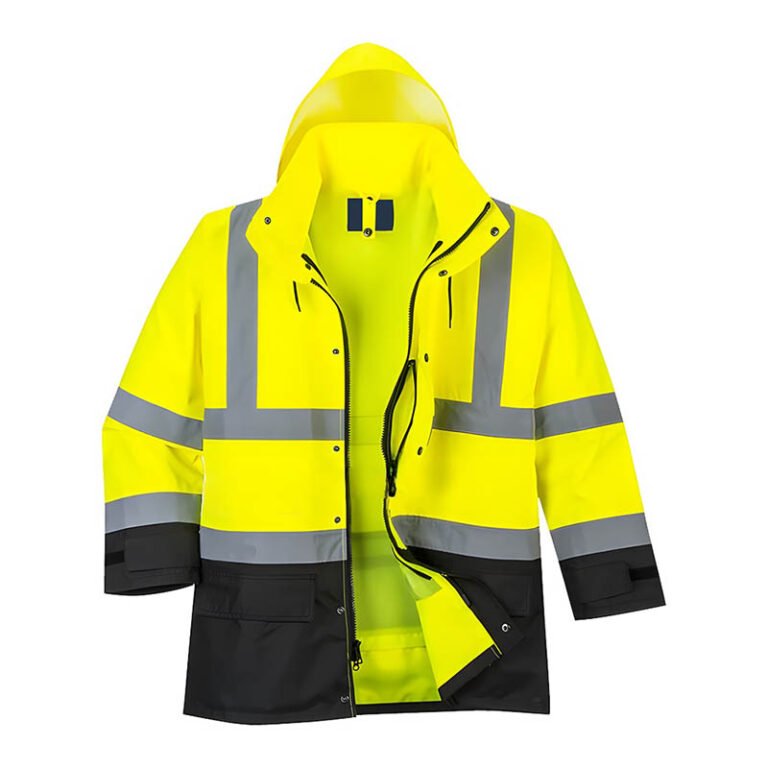
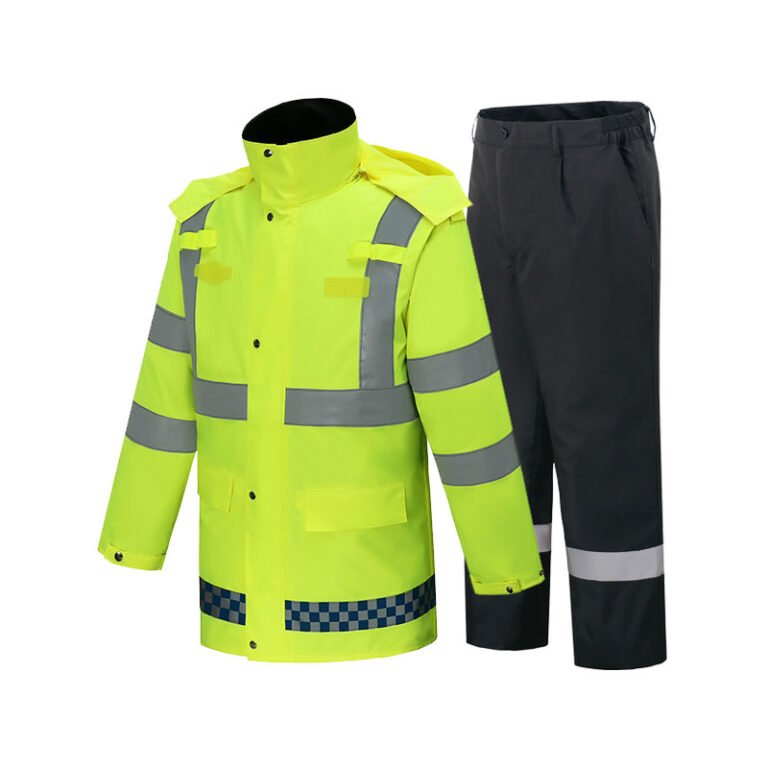
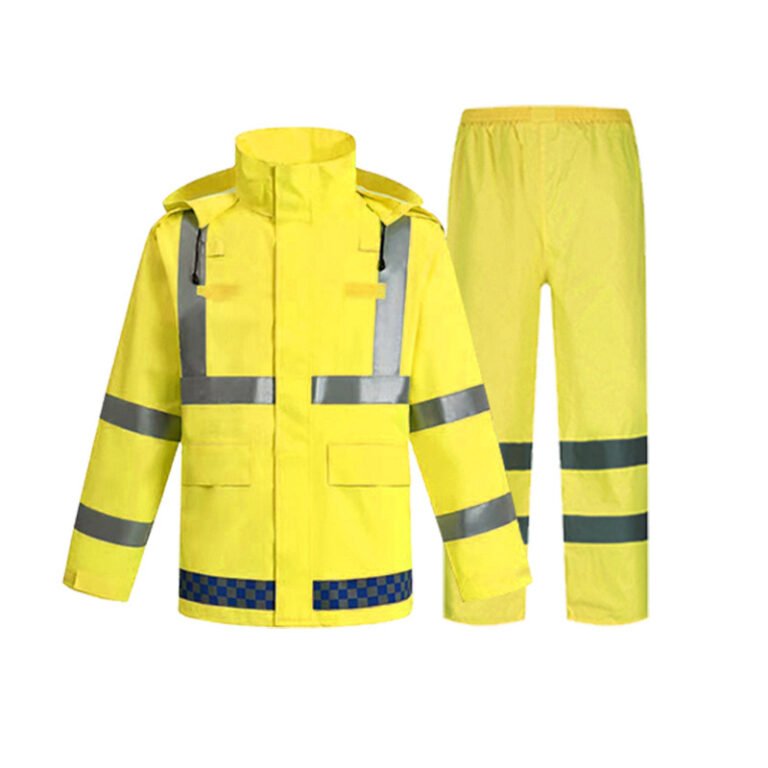
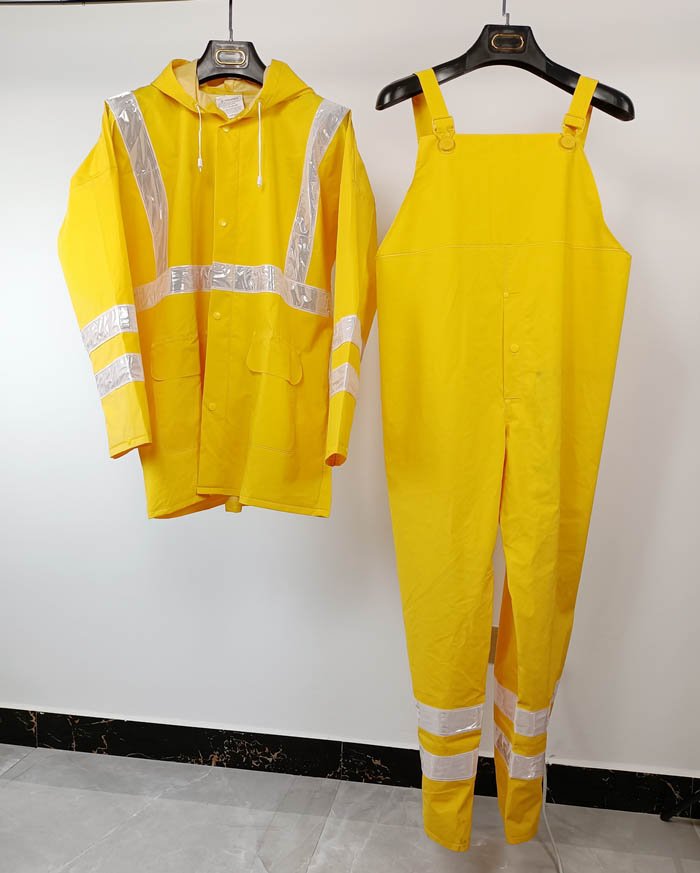
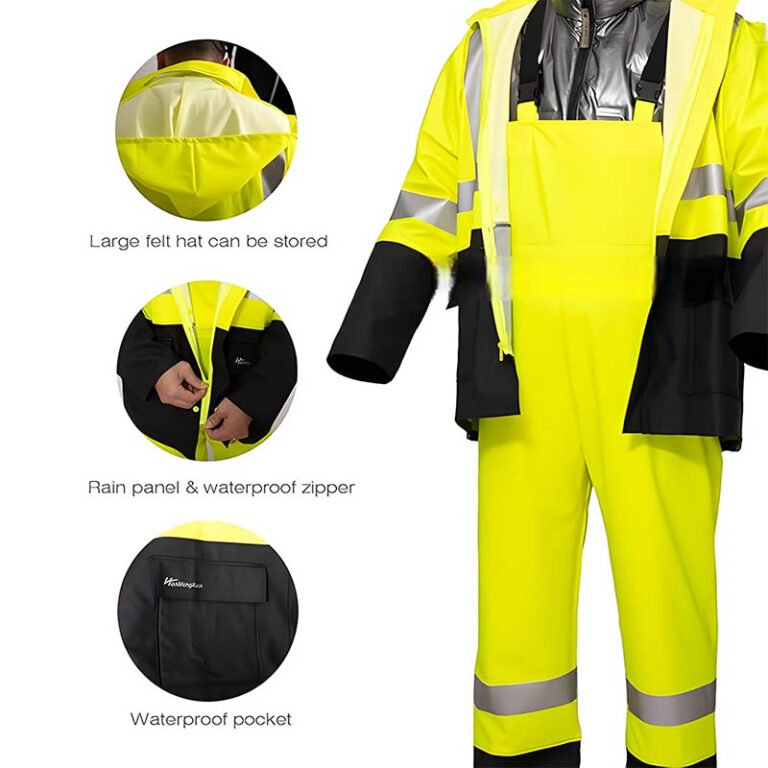
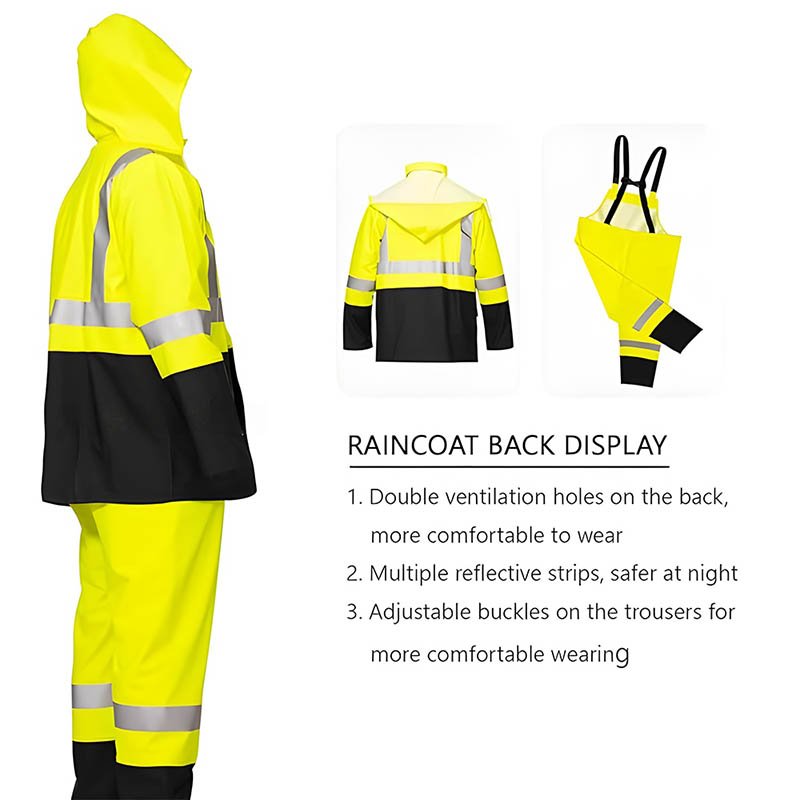
✅ Solution: Working with a manufacturer like VizGlo Safety who maintains dual certification capabilities and understands both ANSI and EN requirements from the design stage prevents these costly mistakes. Our hi-vis raincoats and workwear lines are engineered with region-specific compliance built in.
4 Market Access and Procurement Strategy
Understanding these standards is not merely a compliance exercise—it’s a strategic business decision that affects market penetration, pricing, inventory management, and customer trust.
Geographic Market Requirements
🌎 North American Market (USA, Canada, Mexico)
Primary Standard: ANSI/ISEA 107
Enforcement: OSHA (USA), provincial regulations (Canada)
Key Decision Factor: Choose Type and Class based on job site environment and traffic exposure. Class 3 is typically mandatory for highway work.
🌍 European Market (EU, UK, Norway, Switzerland)
Primary Standard: EN ISO 20471 (with CE marking required)
Enforcement: National labor authorities, construction site regulations
Key Decision Factor: Class 3 is often mandated for motorway and heavy construction work. Wash durability is heavily scrutinized.
🌏 Middle East, Asia-Pacific, Australia
Common Standards: EN ISO 20471 (Australia: AS/NZS 1906.4 & 4602.1, which align closely with EN)
Trend: Increasing adoption of ISO standards globally
Key Decision Factor: Check specific national regulations, but EN certification often provides the broadest market access.
Procurement Best Practices
🎯 For Distributors and Resellers:
- Define your target market first: Don’t assume “hi-vis certified” means global acceptance. Specify ANSI or EN in your RFQs.
- Request test reports: Ask manufacturers for wash durability data, retroreflectivity test results, and third-party certification documents.
- Consider dual certification: If you serve both North American and European clients, work with manufacturers who can provide garments meeting both standards (though this typically requires separate SKUs).
- Audit your supply chain: Visit factories or request detailed QC processes. A manufacturer’s understanding of why standards differ is as important as meeting them.
🏭 For End-User Companies (Construction, Utilities, Logistics):
- → Risk Assessment: Match the standard and class to your specific work environments and local regulations.
- → Lifecycle Costing: EN-certified garments may have higher upfront costs but offer better wash durability, reducing replacement frequency.
- → Training: Educate your procurement team on the differences. A misunderstanding here can lead to non-compliant purchases and worker safety risks.
5 How to Choose the Right Standard for Your Business
The decision between ANSI/ISEA 107 and EN ISO 20471 should be driven by a clear understanding of your operational geography, customer base, and long-term market strategy.
Decision Flowchart
Where are your end-users located?
- Primarily North America → ANSI/ISEA 107
- Primarily Europe/UK → EN ISO 20471
- Global operations → Consider dual SKU strategy
What is the work environment?
- Low-speed traffic, warehouses → ANSI Type O, Class 1 or EN Class 1
- Roadway work, moderate traffic → ANSI Type R, Class 2 or EN Class 2
- Highway, high-speed, high-risk → ANSI Type R, Class 3 or EN Class 3
Do you need long-term durability?
If garments will undergo frequent industrial washing (e.g., rental fleets), EN ISO 20471 certified products typically offer superior long-term performance due to stricter wash testing.
Are you launching a private label brand?
Partner with an OEM manufacturer like VizGlo Safety who can guide design specifications based on your target markets’ standards, ensuring compliance from the prototype stage.
💡 Expert Recommendation: When in doubt, prioritize the market with the stricter standard. A garment designed to meet EN ISO 20471 Class 3 can often be downgraded or adapted for ANSI markets, but the reverse is rarely true without significant redesign.
? Frequently Asked Questions
Can I use ANSI-certified clothing in Europe?
Short answer: No. ANSI/ISEA 107 certification is not recognized for regulatory compliance in Europe. European regulations require EN ISO 20471 certification with CE marking. Using ANSI-only certified garments in European work sites can result in fines, insurance issues, and most importantly, inadequate worker protection due to different design requirements (e.g., lack of circumferential torso coverage).
Is EN ISO 20471 accepted in the United States?
Partially. While OSHA does not mandate a specific standard, many U.S. employers specify ANSI/ISEA 107 in their safety programs. EN ISO 20471 Class 3 garments typically exceed ANSI Class 3 requirements in terms of material area and durability, so they are often functionally acceptable. However, for formal compliance documentation and bidding on government contracts, ANSI certification is usually required. Always verify with the specific employer or regulatory body.
What is the cost difference between ANSI and EN certified garments?
EN ISO 20471 certified garments are typically 10-20% more expensive at the manufacturing level due to: (1) more reflective material required (circumferential coverage), (2) stricter wash testing protocols, and (3) CE marking certification costs. However, this upfront cost is often offset by longer garment lifespan and reduced replacement frequency. For bulk procurement, negotiate with manufacturers who specialize in both standards—like VizGlo Safety—to optimize cost-efficiency.
How can I verify if a garment is truly certified?
Check the garment’s permanent label. ANSI-compliant garments must have a sewn-in label stating the standard (e.g., “ANSI/ISEA 107-2020 Type R Class 3”). EN ISO 20471 garments must display the CE marking, the notified body number, and the pictogram showing the class (1, 2, or 3). Request test reports from third-party labs (e.g., UL, Intertek, SGS) and verify the notified body number for European garments via the EU database.
What happens if I import non-compliant hi-vis clothing?
Consequences can be severe: Customs may seize the shipment, impose fines, or require re-export at your expense. In the EU, selling non-compliant PPE can result in market bans and legal liability if a worker is injured. In the U.S., OSHA violations can lead to citations and fines. Beyond legal risks, your brand reputation suffers irreparable damage. Prevention is always cheaper than correction.
Can a manufacturer provide garments certified to both standards?
Yes, but typically as separate SKUs. Due to the different design requirements (especially reflective tape placement), a single garment design rarely satisfies both standards simultaneously. However, experienced OEM manufacturers like VizGlo Safety can develop platform designs with modular configurations—allowing efficient manufacturing of ANSI and EN variants from a common base pattern, reducing tooling costs and lead times for distributors serving multiple markets.
Partner with a Standards Expert
Don’t risk non-compliance or costly rejections. VizGlo Safety manufactures hi-vis clothing certified to both ANSI/ISEA 107 and EN ISO 20471, with 15+ years of export experience to over 50 countries.
✓ ISO 9001 Certified Factory | ✓ BSCI Compliant | ✓ OEM/ODM Services | ✓ 50,000+ pcs/month Capacity
Conclusion: Standards as Strategic Assets
The distinction between ANSI/ISEA 107 and EN ISO 20471 is not a minor technical detail—it’s a critical strategic decision that impacts market access, product design, manufacturing costs, and ultimately, worker safety. As global supply chains become more interconnected, distributors, brand owners, and end-users must approach hi-vis clothing procurement with a clear understanding of these standards’ implications.
From my years working across continents, I’ve seen firsthand how a misunderstanding here can derail entire product launches. The key is to partner with manufacturers who don’t just meet standards, but truly understand them—who can guide you through design decisions, testing protocols, and certification processes with expertise and transparency.
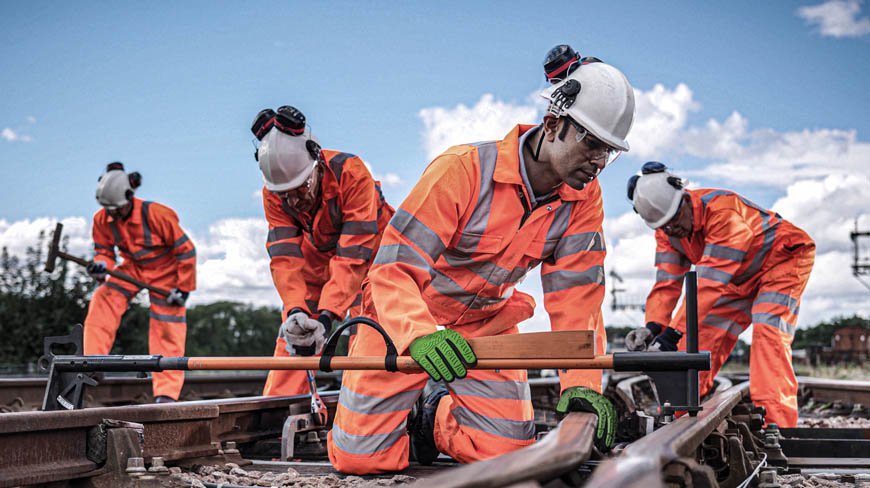
Whether you’re outfitting a North American construction crew, equipping European railway workers, or building a global safety brand, VizGlo Safety is your partner in navigating the complex landscape of hi-vis compliance. Our dual-certification capabilities, vertical integration from reflective materials to finished garments, and commitment to quality ensure that your workers are protected and your business is compliant—wherever your market takes you.