A Buyer’s Guide to Custom Logos: Screen Printing vs. Embroidery
You’ve selected the perfect hi-vis garments for your team. Now for the final touch: your company logo. But which method is best? Let’s settle the debate.
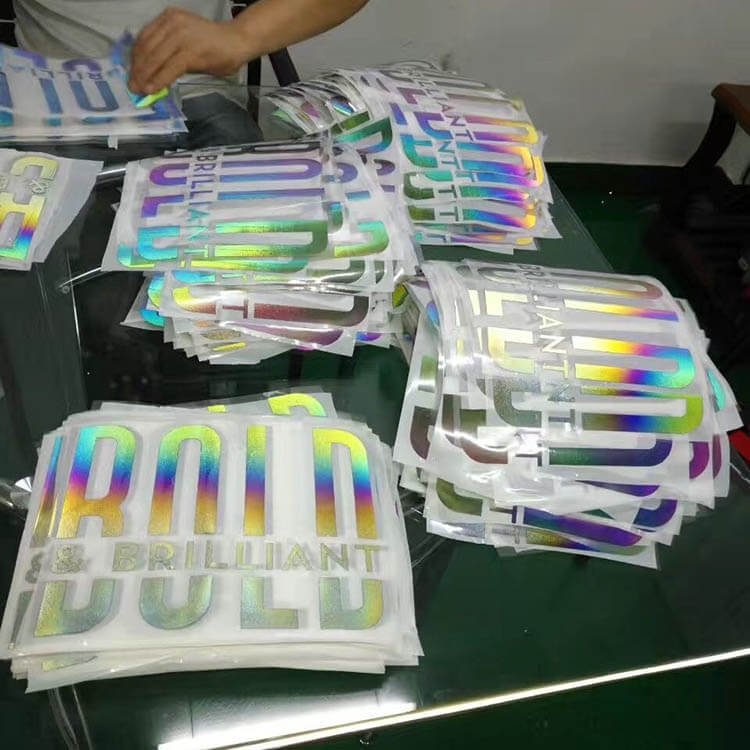
When choosing between screen printing and embroidery for custom logos, the decision depends on garment type, budget, and desired durability. Screen printing is a cost-effective method ideal for large, detailed logos on smooth, lightweight fabrics like t-shirts, applying ink for a flat finish. Embroidery involves stitching the logo with thread, offering a premium, highly durable, textured result that excels on thicker garments like polo shirts, hoodies, and jackets. For hi-vis workwear, durability and fabric function are critical, often making embroidery the more resilient choice for longevity, while screen printing (or heat transfer) is necessary for preserving the integrity of waterproof materials.
Expert Insight: A Technical Decision, Not Just an Aesthetic One
“As someone who consults with safety managers and procurement officers daily, the screen printing vs. embroidery debate goes far beyond simple aesthetics or budget. For hi-vis and workwear, it’s a technical decision with safety implications. My advice always steers the conversation toward two critical factors: garment function and long-term durability. For instance, embroidering a waterproof jacket will puncture its membrane, while a large, dark screen-printed logo might compromise the garment’s ANSI/ISEA 107 safety classification by covering too much fluorescent material. The right choice protects not only your brand’s image but also your investment and your team’s safety.”
– Head of Customization, VizGlo Safety
Deep Dive: Screen Printing
Screen printing is a classic technique where ink is pushed through a stenciled mesh screen onto the fabric, creating the logo one color at a time. It’s like a highly precise and durable stencil painting process.
Pros:
- Cost-Effective for Bulk Orders: The more you print, the lower the cost per item.
- Excellent for Detail: Captures intricate designs and fine text well.
- Vibrant Colors: Produces bright, opaque colors that stand out.
- Lightweight Feel: Adds no significant weight to the garment.
Cons:
- Less cost-effective for small runs or many colors.
- Can crack or fade over time with harsh washing.
- Not ideal for coarse or thick fleece-like textures.
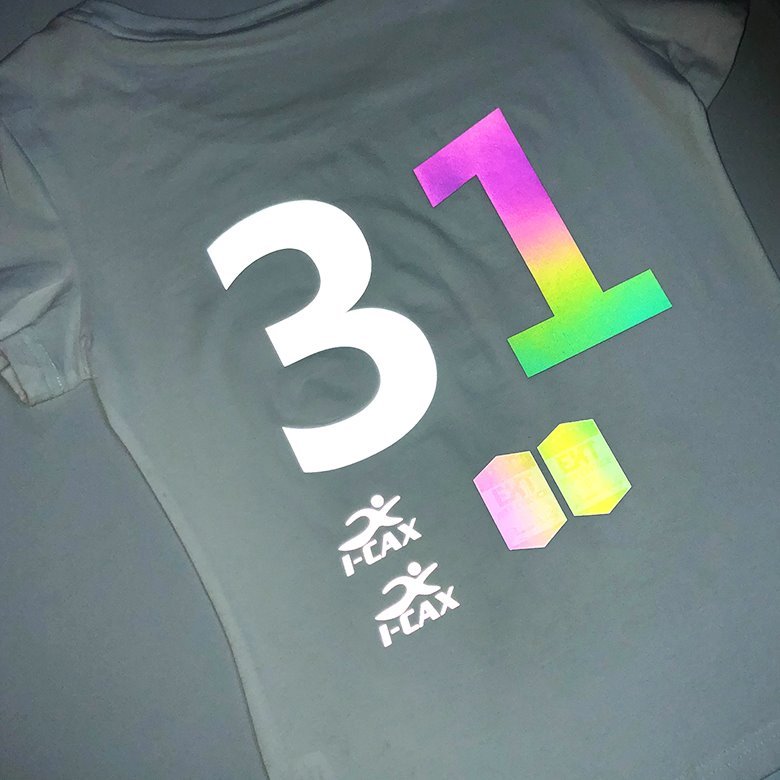
For standard high-visibility t-shirts and vests, screen printing is often a fantastic choice. To learn more about our custom hi-vis t-shirt OEM services, explore our full range of capabilities.
Deep Dive: Embroidery
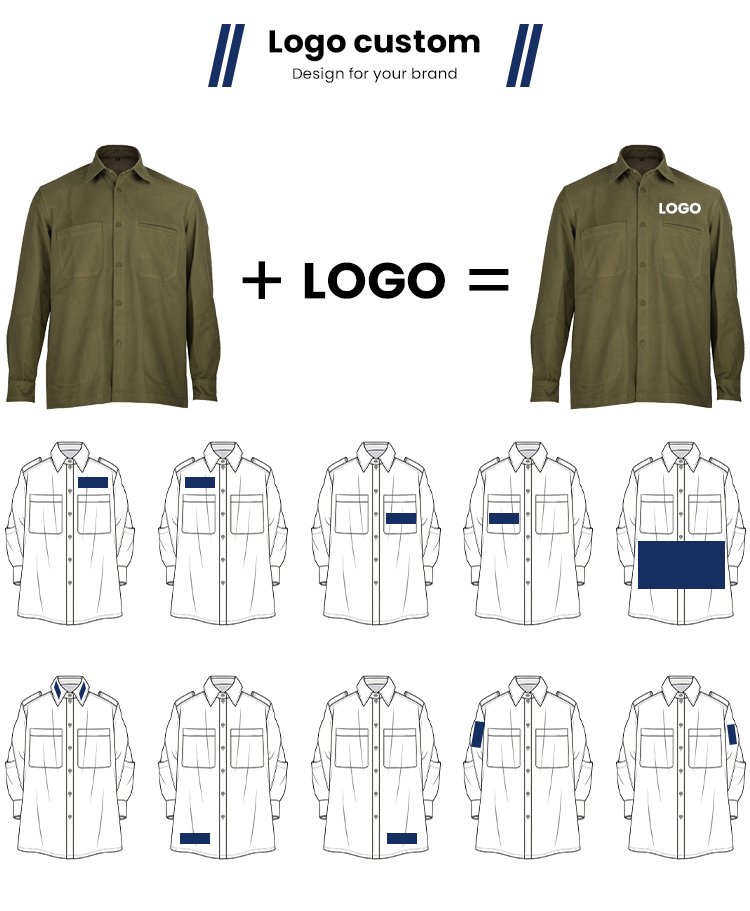
Embroidery uses high-speed, computer-controlled machines to stitch your logo directly into the fabric with durable thread. This creates a textured, three-dimensional design with a distinctly professional and high-end feel.
Pros:
- Exceptional Durability: The stitched logo often outlasts the garment itself.
- Premium Appearance: Adds perceived value and a professional look.
- Resilient: Holds up to industrial laundering and rough conditions.
- Versatile: Works perfectly on thick fabrics like polos, jackets, hoodies, and hats.
Cons:
- Higher cost for large or very complex logos.
- Can cause puckering on very thin, lightweight fabrics.
- Not suitable for waterproof garments without post-treatment.
At-a-Glance: Screen Printing vs. Embroidery Comparison
| Factor | Screen Printing | Embroidery |
|---|---|---|
| Best For | T-shirts, lightweight vests, large back logos. | Polo shirts, jackets, hoodies, hats, fleece. |
| Durability | Good, but can crack/peel over many washes. | Excellent, wash-resistant, often outlasts garment. |
| Look & Feel | Flat, smooth, part of the fabric. | Textured, raised, premium and professional. |
| Cost (Large QTY) | Very cost-effective. | Can be more expensive, priced by stitch count. |
| Waterproof Gear | Ideal (or Heat Transfer) – does not puncture fabric. | Not recommended – needle holes compromise waterproofing. |
The Critical Factor: Safety & Compliance for Hi-Vis Wear
For standard fashion, the choice is simple. For professional hi-vis clothing, the decision has safety consequences.
Compliance Alert!
According to standards like ANSI/ISEA 107, a hi-vis garment must have a minimum surface area of fluorescent background material. A very large, solid, dark-colored screen-printed logo (especially on the back) can reduce this visible area, potentially voiding the garment’s safety classification. When customizing, it’s crucial to work with a manufacturer who understands these rules to ensure your branded apparel remains compliant.
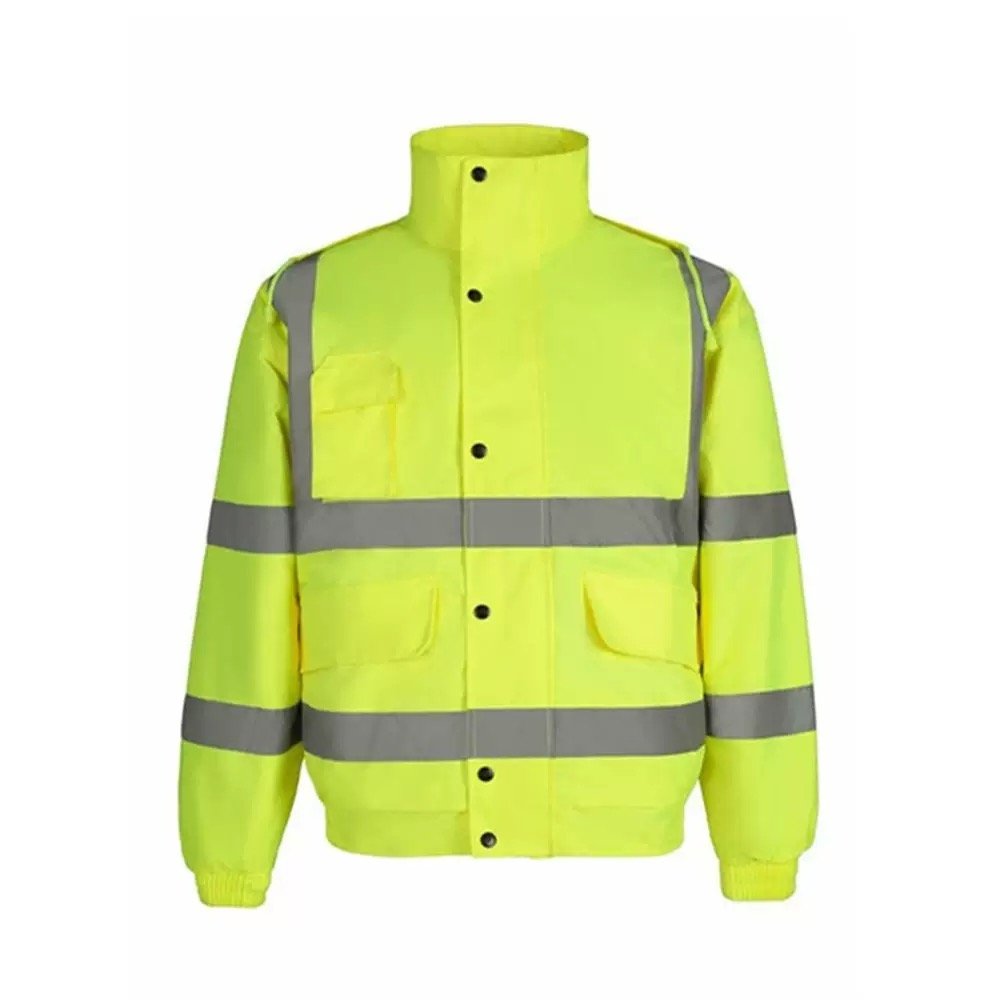
Ready to Brand Your Gear the Right Way?
Don’t leave your brand identity and safety compliance to chance. As a leading OEM/ODM manufacturer, VizGlo Safety provides expert guidance on the best customization methods for your specific workwear needs. We ensure your logos are beautiful, durable, and fully compliant.
Request a Custom Logo ConsultationFrequently Asked Questions
Which is cheaper, screen printing or embroidery? ▾
For large orders with a simple logo, screen printing is almost always cheaper per item. For small orders or logos with a very low stitch count, embroidery can sometimes be competitive. Embroidery costs are based on the number of stitches, while screen printing costs are based on the number of colors and quantity.
How long does each logo method last? ▾
Embroidery is the clear winner for longevity. A well-embroidered logo will not fade and is extremely resistant to BSoaps, often outlasting the fabric of the garment itself. Screen printing is durable but can show wear (cracking, peeling, fading) after many cycles in an industrial laundry.