5 Common Mistakes to Avoid When Placing a Bulk Order for Safety Apparel
Don’t let these critical errors compromise worker safety or destroy your budget
The most critical mistake when placing a bulk order for safety apparel is treating it as a simple transaction rather than a strategic investment in worker safety and company reputation. The five major mistakes include: focusing solely on lowest price per unit instead of total cost of ownership, ignoring compliance with regional safety standards (ANSI vs EN ISO 20471), failing to establish clear quality specifications, poor timeline planning that leads to rush orders, and selecting suppliers based on price alone rather than their expertise and reliability. Each of these errors can result in non-compliant products, production delays, compromised worker safety, and significant hidden costs that far exceed any initial savings.
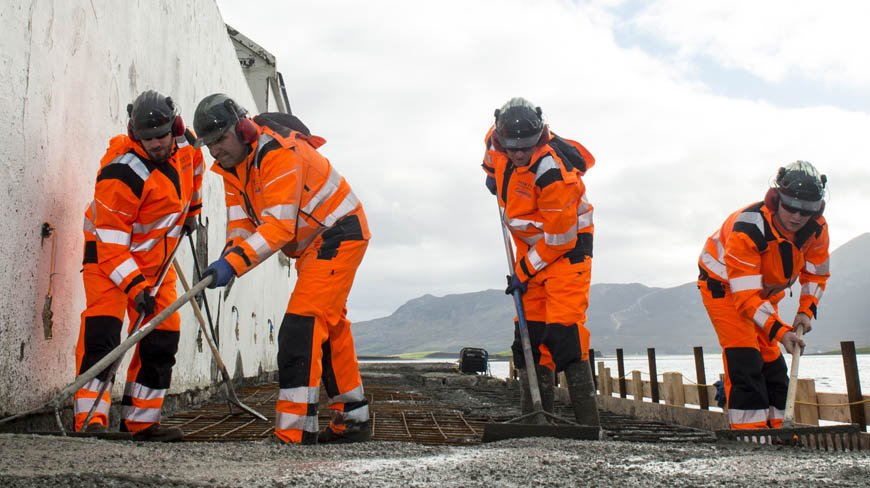
When your team’s safety depends on the protective clothing they wear every day, a bulk order for safety apparel becomes far more than a procurement exercise—it becomes a critical business decision that can impact worker wellbeing, regulatory compliance, and your company’s reputation. Yet surprisingly, even experienced safety managers and procurement professionals fall into predictable traps that can turn what should be a straightforward purchase into a costly nightmare.
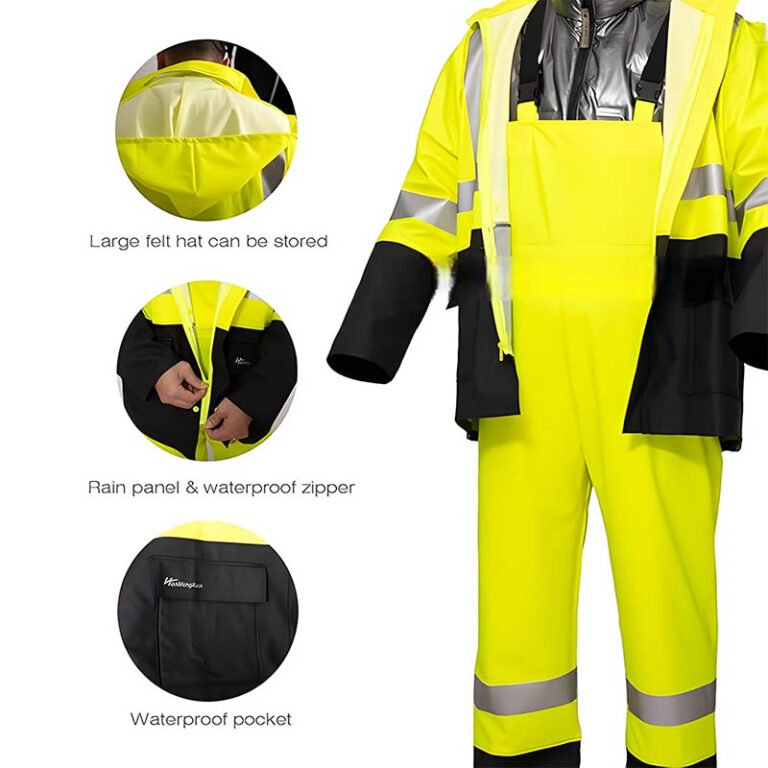
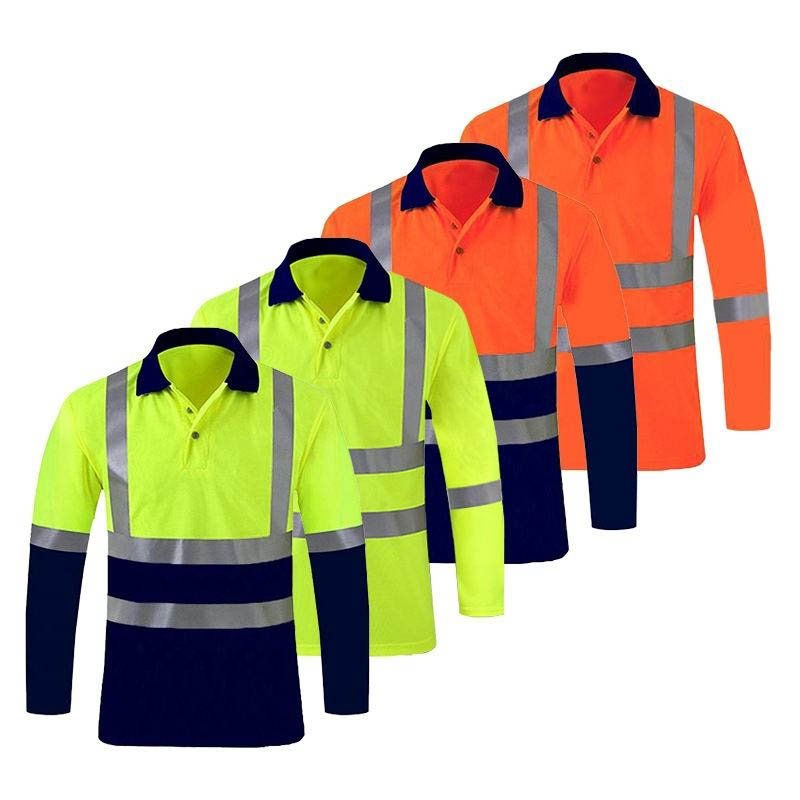
Whether you’re outfitting a construction crew with specialized hi-vis hoodies for construction work or equipping warehouse teams with compliant safety gear, understanding these common pitfalls—and how to avoid them—can save you thousands of dollars while ensuring your workers get the protection they deserve.
Mistake #1: Focusing Only on Price Instead of Total Value
The conversation that starts and ends with “What’s your lowest price per unit?” is often the beginning of a problematic bulk order. While budget constraints are real, focusing exclusively on the upfront cost per garment ignores the total cost of ownership—a metric that reveals the true financial impact of your decision.
Hidden Costs That Multiply Your “Savings”
- Replacement frequency: Cheap garments that fade, tear, or lose reflectivity after a few washes require replacement sooner, often doubling your annual apparel costs
- Productivity loss: Poorly fitted or uncomfortable clothing reduces worker efficiency and increases fatigue
- Compliance risks: Non-compliant garments can result in regulatory fines, work stoppages, and legal liability
- Brand reputation: Workers wearing faded, ill-fitting safety gear reflect poorly on your company’s professional image
Pro Tip:
Calculate cost per wear, not cost per garment. A $25 hoodie that lasts 50 washes costs $0.50 per wear, while a $15 hoodie lasting 20 washes costs $0.75 per wear—making the “expensive” option 33% more economical.
Smart procurement teams understand that investing in quality hi-vis sweatshirts and hoodies from reputable manufacturers often reduces total ownership costs while providing superior worker protection and satisfaction.
Mistake #2: Ignoring Safety Standards and Compliance Requirements
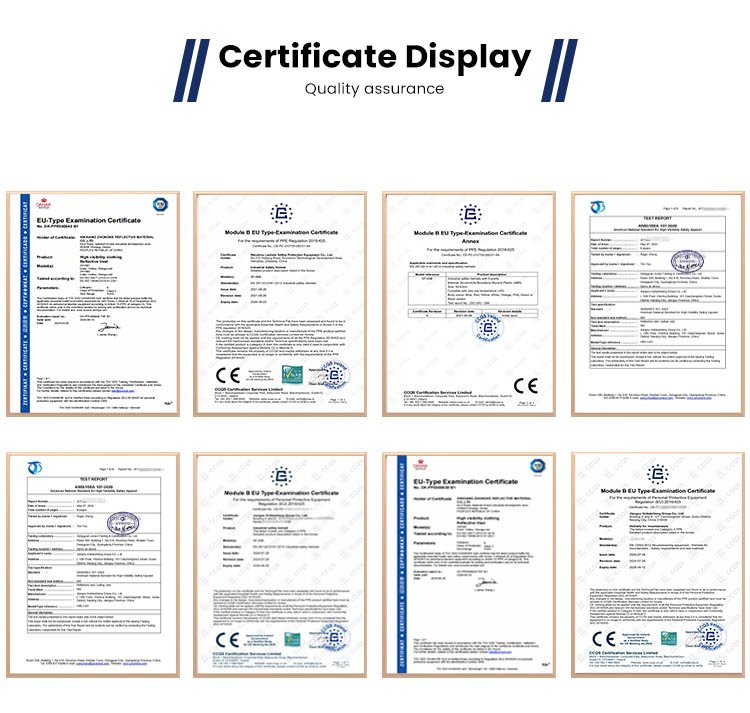
One of the most dangerous mistakes in bulk safety apparel ordering is assuming that all “high-visibility” clothing meets the same standards. Different regions, industries, and work environments require specific compliance certifications that aren’t interchangeable.
Regional Standards Aren’t Universal
| Region | Standard | Key Requirements | Common Mistake |
|---|---|---|---|
| North America | ANSI/ISEA 107 | Class 1, 2, 3 performance levels | Ordering EN-compliant only |
| Europe | EN ISO 20471 | A, B, C class designations | Assuming ANSI equivalence |
| Australia/New Zealand | AS/NZS 4602.1 | Day/night requirements | Using international standards |
Understanding these differences is crucial when selecting appropriate garments. For instance, Class 3 requirements under ANSI standards specify different reflective tape configurations than equivalent European standards, making cross-regional compliance a complex issue.
Warning:
Using non-compliant safety apparel can result in OSHA citations ranging from $7,000 to $70,000 per violation, plus potential liability if accidents occur due to inadequate protective equipment.
Mistake #3: Failing to Define Clear Specifications and Quality Standards
Vague specifications lead to disappointing results. Many bulk orders fail because buyers assume suppliers understand their exact needs without providing detailed requirements for fabric weight, reflective tape quality, construction methods, and performance expectations.
Critical Specifications to Define
Fabric Requirements:
- GSM (grams per square meter) weight
- Fabric composition and blend ratios
- Shrinkage tolerances after washing
- Color fastness requirements
- Special properties (flame resistant, moisture-wicking)
Construction Standards:
- Seam strength and construction method
- Reflective tape attachment method
- Hardware quality (zippers, snaps, buttons)
- Sizing consistency and tolerance
- Quality control inspection criteria
For example, when ordering workwear with specific GSM requirements, a 280 GSM fleece will perform dramatically differently than a 200 GSM alternative in cold weather conditions, yet both might be described as “heavy-duty” by different suppliers.
“The best bulk orders are the boring ones—where every detail is specified in advance, samples are approved, and both parties know exactly what’s expected. Exciting surprises in safety apparel are never good surprises.” — Senior Procurement Manager, Fortune 500 Construction Company
Mistake #4: Poor Timeline Planning and Rush Orders
Nothing destroys a bulk order’s value proposition like discovering you need the garments “next week” when proper production requires 4-6 weeks. Rush orders force suppliers to cut corners, increase costs, and often result in quality compromises that defeat the purpose of bulk purchasing.
Realistic Timeline Breakdown
Standard Bulk Order Timeline (1000+ pieces):
- Week 1: Specification finalization and sample approval
- Weeks 2-4: Material sourcing and production preparation
- Weeks 5-7: Manufacturing and quality control
- Week 8: Final inspection and shipping preparation
- Weeks 9-10: International shipping and customs clearance

Consequences of Rush Orders
- 25-50% price premiums for expedited production and shipping
- Limited fabric and color options based on immediate availability
- Reduced quality control time leading to higher defect rates
- Shipping by air freight instead of economical sea transport
- No time for pre-production samples or specification adjustments
Smart companies plan their safety apparel needs seasonally, placing orders for winter work hoodies in late summer and lighter garments well before spring projects begin.
Mistake #5: Choosing the Wrong Supplier Partner
The cheapest quote often comes from suppliers who lack the expertise, certifications, or manufacturing capabilities to deliver professional-grade safety apparel. Choosing the wrong supplier partner can result in compliance issues, quality problems, and service headaches that persist long after the order is delivered.

Red Flags When Evaluating Suppliers
Warning Signs:
- Cannot provide compliance certificates
- Unwilling to send pre-production samples
- No established quality control processes
- Limited industry experience or references
- Prices significantly below market average
- Poor communication or delayed responses
Positive Indicators:
- Industry certifications (ISO 9001, BSCI)
- Proactive communication about specifications
- Established client testimonials
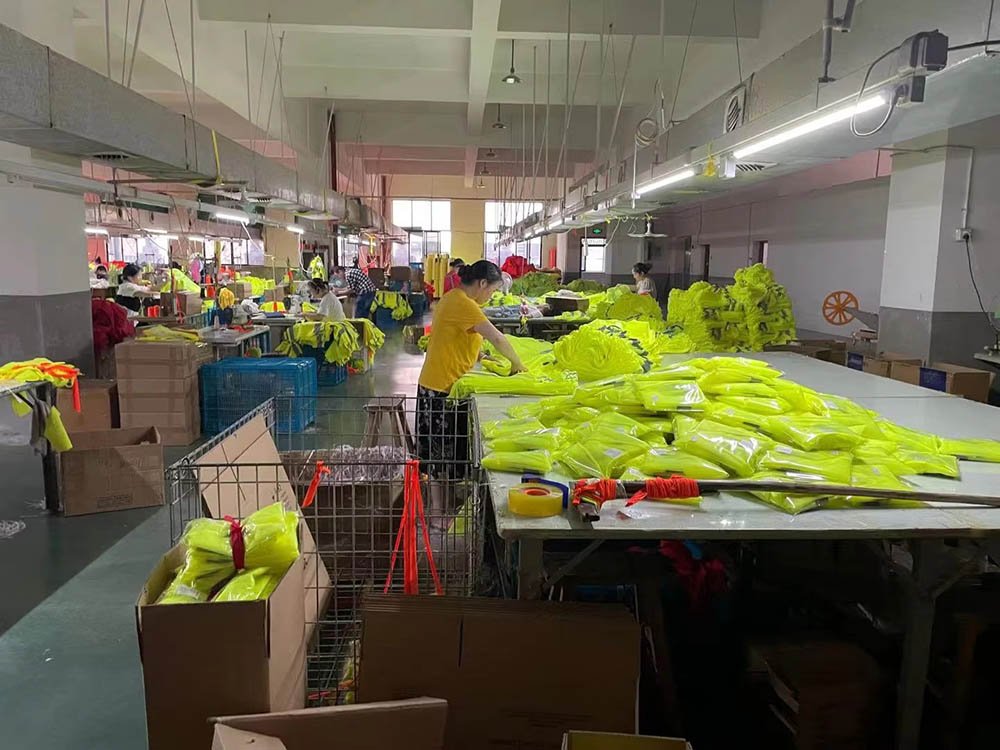
- Transparent manufacturing processes
- Ability to handle custom requirements
- Comprehensive after-sales support
When evaluating suppliers for direct manufacturing partnerships, look beyond price to assess their technical expertise, quality systems, and ability to support your long-term needs.
Success Factor:
The best supplier relationships develop into partnerships where manufacturers understand your specific needs, industry requirements, and quality expectations—leading to better products and smoother ordering processes over time.
Expert Insight: The Strategic Approach to Bulk Ordering
From my desk, fielding inquiries from across the globe, I see one pattern consistently separate a smooth, successful order from a logistical nightmare. The most critical mistake buyers make is treating a bulk order as a simple transaction instead of a strategic investment in their team’s safety and their company’s reputation.
The conversation often starts and ends with, “What is your lowest price per unit?” But the real, and far more important, conversation should be about the total cost of ownership. This includes the hidden costs of non-compliance with regional standards (like ANSI vs. EN ISO 20471), the immense risk of production delays upending project timelines, and the brand damage caused by poor-quality garments that fail in the field.
A successful order isn’t about finding the cheapest supplier; it’s about securing the right partner who understands your market, guarantees compliance, communicates proactively, and delivers a product that is truly fit for purpose. Getting this initial partnership wrong doesn’t just waste the budget—it fundamentally compromises the safety you’re trying to ensure in the first place.
— Senior International Sales Manager, VizGlo Safety Technology
Your Next Steps: Building a Successful Bulk Order Strategy
Avoiding these five mistakes transforms bulk ordering from a procurement headache into a strategic advantage. Companies that get bulk ordering right often report 30-40% cost savings compared to small-batch purchases, while achieving better compliance rates and worker satisfaction.
Plan Ahead
Start planning seasonal orders 3-4 months in advance to ensure optimal pricing and quality.
Document Everything
Create detailed specifications and require pre-production samples before committing to large quantities.
Build Partnerships
Invest in relationships with qualified suppliers who understand your industry and quality requirements.
Whether you’re planning your first major safety apparel purchase or looking to optimize existing processes, remember that the goal isn’t just to buy clothing—it’s to invest in a comprehensive safety solution that protects your workers, ensures compliance, and supports your business objectives.
For companies ready to experience the difference that professional-grade safety apparel makes, explore our comprehensive range of certified hi-vis clothing and safety solutions designed for demanding work environments.
Ready to Place Your Next Bulk Order Right?
Get expert guidance on specifications, compliance, and strategic planning for your safety apparel needs.
Get Your Free ConsultationFrequently Asked Questions
What’s the minimum order quantity for bulk safety apparel pricing?
Most manufacturers offer bulk pricing starting at 100-500 pieces per style and size, with better pricing tiers at 1,000+ pieces. However, the “minimum” depends on customization requirements—custom logo applications may require higher minimums.
How do I ensure compliance with local safety standards?
Always specify your regional requirements (ANSI/ISEA 107, EN ISO 20471, or AS/NZS standards) and request compliance certificates before ordering. Different regions have different color and reflectivity requirements that aren’t interchangeable.
What’s the typical lead time for custom bulk orders?
Standard production takes 4-6 weeks, plus 1-3 weeks for international shipping. Custom features like embroidered logos or special printing may add 1-2 weeks. Always plan for 8-10 weeks total timeline to avoid rush charges.
How can I calculate the total cost of ownership for safety apparel?
Include initial cost, expected lifespan (wash cycles), replacement frequency, compliance risk costs, and productivity impacts. A garment lasting 100 washes versus 50 washes effectively doubles your cost-per-wear, making quality a crucial factor in total ownership cost.
What quality controls should I expect from a professional supplier?
Look for suppliers with ISO 9001 certification, pre-production sampling, in-line quality inspections, and final audit processes. They should provide detailed quality reports and be willing to discuss their testing procedures for reflectivity and durability.
Related Articles
Team Workwear Solutions
Comprehensive guide to outfitting entire teams with coordinated safety apparel.
Why Teams Choose Custom Hi-Vis
Discover why more companies are switching to custom hi-vis solutions for their workforce.
Science Behind Hi-Vis Technology
Understanding the technology that makes high-visibility clothing effective in different conditions.