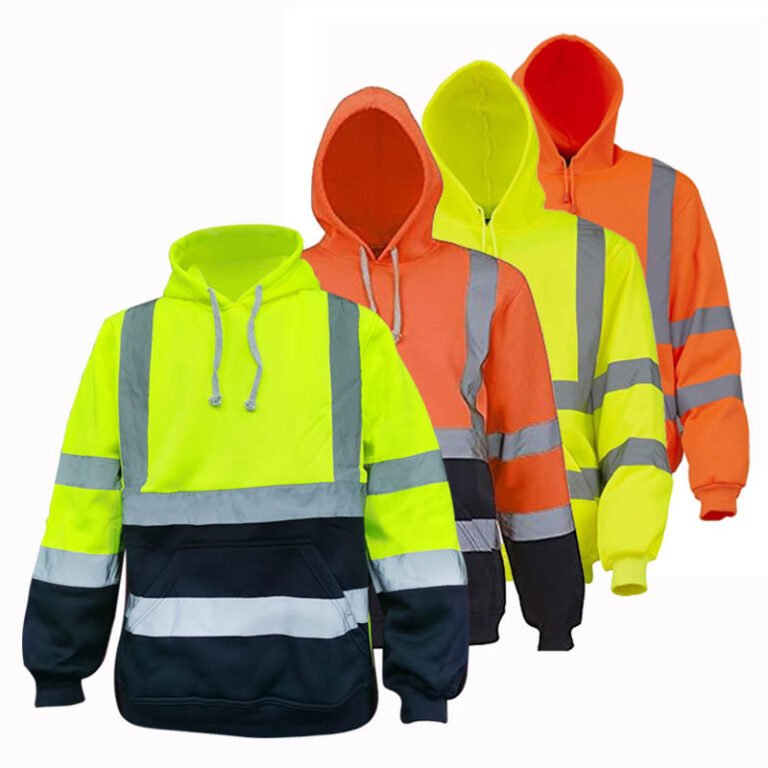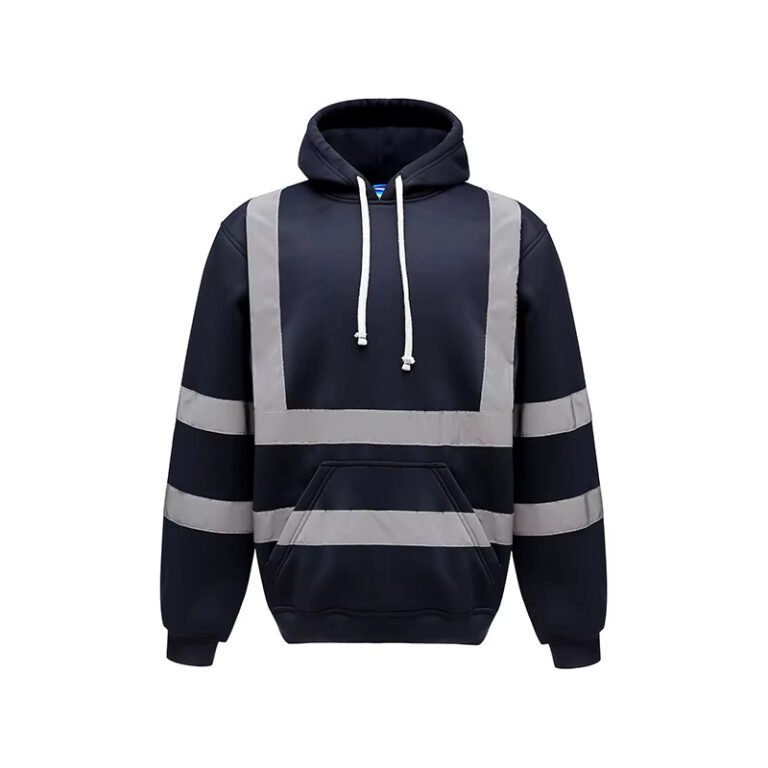
The Ultimate Buyer’s Guide to Hi Vis Rain Gear for Construction Workers
Making informed decisions to keep your crew safe, dry, and productive in any weather condition
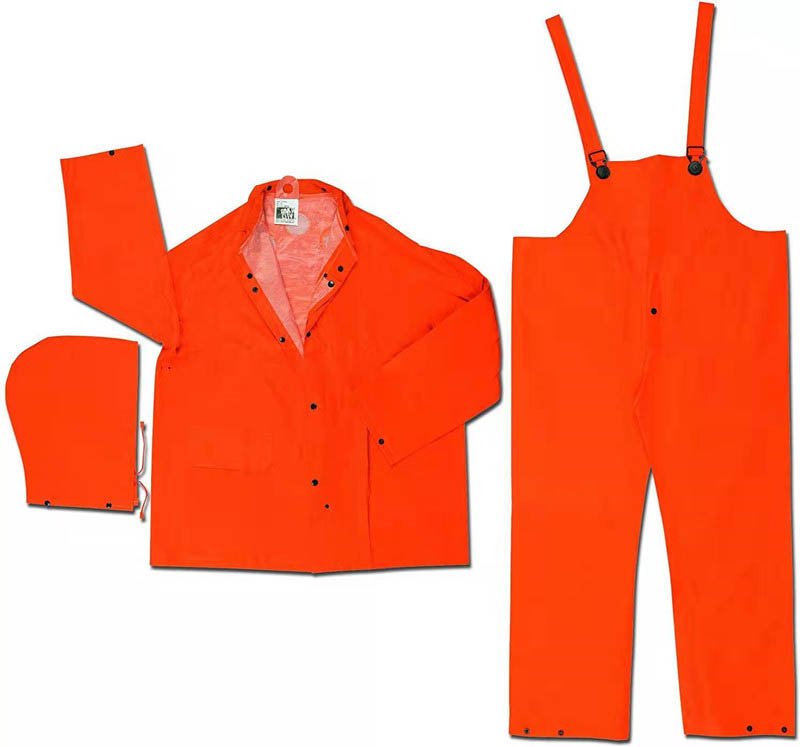
What Makes Quality Hi-Vis Rain Gear for Construction Workers?
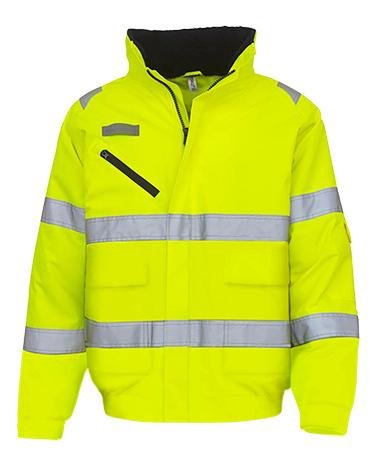
Quality hi-vis rain gear for construction workers must deliver on three critical fronts: compliance with safety standards (ANSI/ISEA 107 or EN ISO 20471), functional waterproofing combined with breathability (minimum 5,000 g/m²/24hr), and construction-grade durability with reinforced seams and worker-friendly design. The best gear keeps workers both visible and comfortable—preventing the dangerous “boil-in-the-bag” effect where non-breathable jackets trap sweat, leaving workers damp and cold from the inside. Look for waterproof ratings of at least 10,000mm H₂O, taped seams, YKK or equivalent zippers, hoods designed to fit over hard hats, and pockets accessible while wearing tool belts. True value isn’t measured by the lowest price per jacket, but by the cost per day of keeping your crew safe, dry, and productive on site.
💡 Pro Tip:
Workers who refuse to wear their PPE due to discomfort defeat the entire safety investment. Prioritize breathability and functional design equally with waterproofing.
Beyond the Spec Sheet: The Human Factor
If you’re a procurement manager, safety officer, or business owner responsible for outfitting construction crews, you’ve likely encountered countless spec sheets boasting impressive waterproof ratings and ANSI classifications. While these metrics are undeniably important starting points, they only tell half the story of what makes truly effective hi-vis rain gear.
The single biggest mistake buyers make—a mistake I’ve witnessed from Houston to Hamburg—is focusing exclusively on waterproof ratings (like the mm/H₂O specification) and safety class designations, while completely overlooking the “human factor” that determines whether your investment actually protects workers in the field.
⚠️ The “Boil-in-the-Bag” Problem
A completely sealed, non-breathable jacket will indeed keep rain out, but it creates a dangerous secondary problem: it traps sweat and body heat inside. This phenomenon, which we call the “boil-in-the-bag” effect, leaves workers dangerously damp and cold from their own perspiration. The result? Teams refuse to wear their PPE, completely defeating your safety investment.
This is where breathability and functional durability enter the equation—two factors that separate gear that gets worn from gear that sits in the truck.
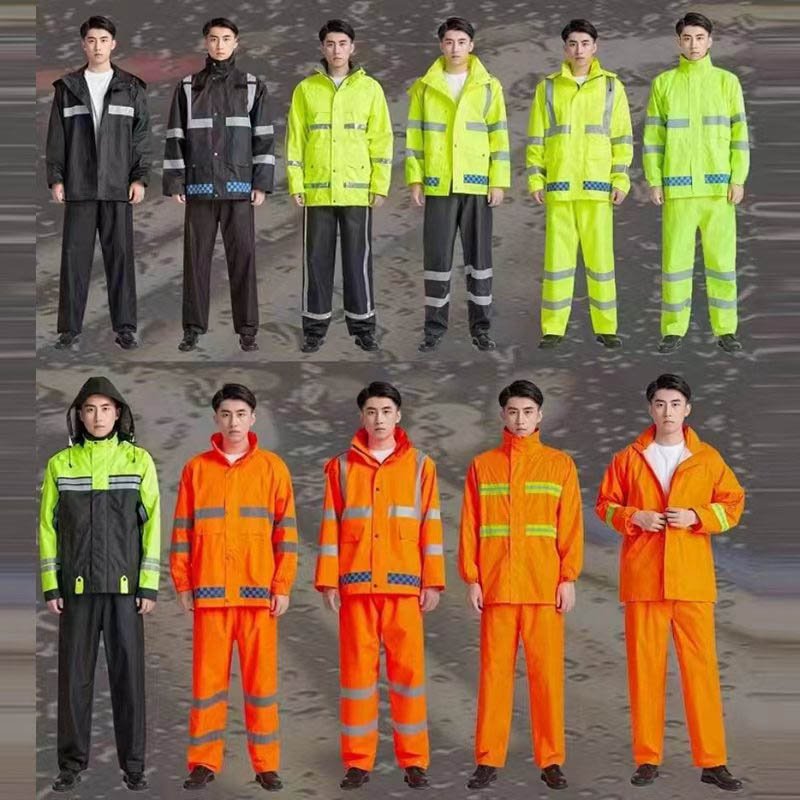
Understanding Waterproof Ratings: More Than Just Numbers
Waterproof ratings, measured in millimeters of water column (mm H₂O), indicate how much water pressure a fabric can withstand before leaking. But what do these numbers mean in practical, job-site terms?
| Rating (mm H₂O) | Performance Level | Suitable Conditions |
|---|---|---|
| 0-5,000mm | Water Resistant | Light drizzle only (not suitable for construction) |
| 6,000-10,000mm | Waterproof (Basic) | Moderate rain, limited duration |
| 10,000-20,000mm | Highly Waterproof | Heavy rain, extended work shifts (Recommended) |
| 20,000mm+ | Professional Grade | Extreme conditions, all-day protection |
Industry Recommendation:
For construction applications, specify a minimum of 10,000mm H₂O rating. This ensures protection during typical 8-12 hour shifts in moderate to heavy rain without breakthrough.
However, the waterproof rating alone doesn’t guarantee a dry worker. Seam construction is equally critical. Ensure all seams are heat-taped or welded, not just stitched, as needle holes create potential leak points under pressure.
The Critical Role of Breathability: The Spec Nobody Talks About
Here’s where most buying guides fall short: they fail to emphasize breathability as a co-equal priority with waterproofing. Breathability is measured in grams of moisture vapor transmitted per square meter over 24 hours (g/m²/24hr), often abbreviated as MVTR (Moisture Vapor Transmission Rate).
A construction worker performing physical labor generates significant body heat and perspiration. If this moisture cannot escape through the fabric, it condenses on the inside of the jacket, creating the same wet, uncomfortable condition you were trying to prevent with waterproof gear in the first place.
🔍 The Breathability Benchmark
For active construction work, target these minimum breathability ratings:
- Light Activity: 5,000 g/m²/24hr minimum
- Moderate Work: 8,000-10,000 g/m²/24hr
- Heavy Labor: 15,000+ g/m²/24hr (ideal)
Look for modern membrane technologies like Gore-Tex, eVent, or proprietary breathable/waterproof laminates. These engineered fabrics allow moisture vapor molecules to escape while preventing larger water droplets from entering—solving both problems simultaneously.
Additionally, consider ventilation features like underarm zippers, back vents, or mesh-lined interior panels that enhance air circulation without compromising waterproof integrity. Our hi-vis raincoat collection integrates these advanced breathability solutions as standard features.
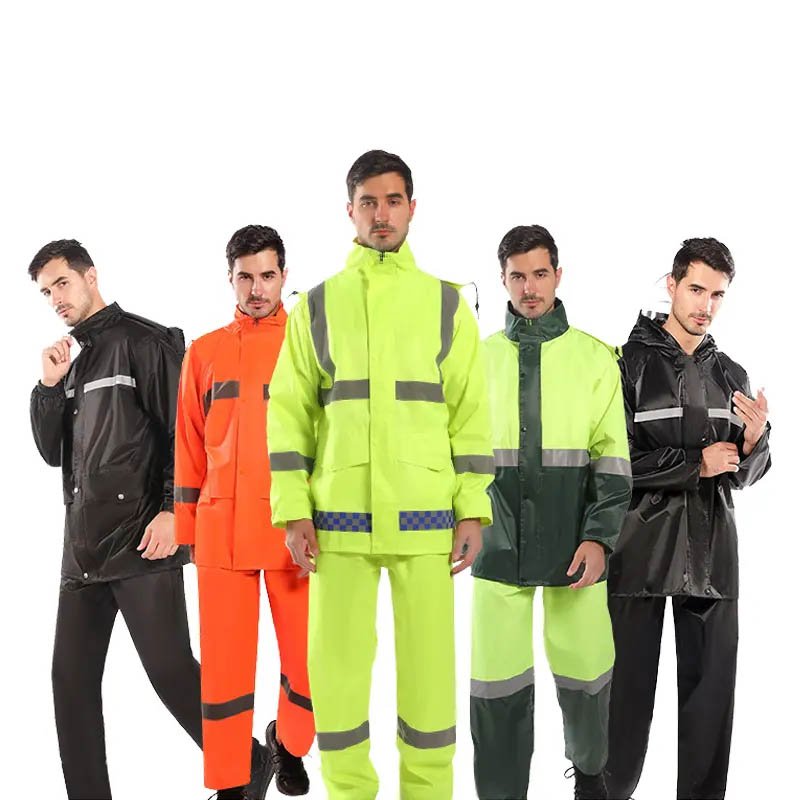
Safety Standards: Decoding ANSI/ISEA and EN ISO Classifications
High-visibility clothing must meet specific safety standards that define how visible a worker remains in various conditions. Understanding these classifications ensures legal compliance and, more importantly, genuine worker protection.
North American Standard: ANSI/ISEA 107
Class 1
Minimum visibility
Low-traffic areas, parking lots, warehouses. Not recommended for roadway construction.
Class 2
Moderate visibility
Traffic speeds up to 25 mph, moderate weather. Suitable for most construction sites.
Class 3
Maximum visibility
High-speed traffic (50+ mph), highway work, poor visibility conditions. Required for roadway construction.
European Standard: EN ISO 20471
The European standard uses a similar three-class system but with slightly different material area requirements. For international operations or export markets, ensure your gear carries both certifications.
Critical Requirements for Certification:
- Minimum background material area (fluorescent yellow, orange, or red-orange)
- Minimum retroreflective material area and placement
- Combined-performance material specifications (if applicable)
- Minimum color specifications and retroreflectivity coefficients
Important: Certification labels should be permanently affixed and legible. Counterfeit or non-compliant gear puts workers at legal and physical risk. Always verify certification documentation from your supplier.
Functional Design Features That Separate Good from Great
Real construction sites demand more than just waterproof fabric and reflective tape. The gear must work with the worker, not against them. After years of feedback from procurement managers and safety officers, these design features consistently separate gear that gets used from gear that gets abandoned:
1. Hard Hat-Compatible Hood Design
A hood that doesn’t accommodate a hard hat is useless on a construction site. Look for:
- Extended crown volume to fit over standard hard hats without restricting head movement
- Adjustable drawcords (front and rear) to secure the hood in wind
- Stiffened brim that doesn’t collapse and obstruct vision
- Roll-away design when not in use (stored in collar)
2. Tool Belt-Accessible Pockets
Standard pocket placement often becomes blocked when workers wear tool belts. Specify:
- High-placement chest pockets accessible above tool belt level
- Interior pockets for valuables (phone, wallet, keys)
- Reinforced pocket openings that won’t tear under repeated use
- Drainage grommets to prevent water accumulation
3. Mobility-Enhancing Construction
Restrictive rain gear limits a worker’s ability to perform tasks safely:
- Articulated sleeves (pre-bent at the elbow) for natural arm movement
- Action back pleats or gussets for bending and reaching
- Adjustable cuffs (Velcro or snap) to seal over gloves
- Extended back hem for coverage when bending or kneeling
4. Visibility Optimization
Reflective tape placement matters as much as quantity. Effective designs include:
- 360-degree visibility (front, back, and side views)
- Horizontal and vertical tape for body outline recognition
- Segmented or prismatic tape for enhanced reflectivity
- Tape placement that remains visible when arms are lowered
“We switched to VizGlo’s hi-vis rain jackets last year, and the difference was immediate. The hood actually fits over hard hats without sliding off, and the chest pockets mean guys don’t have to remove their tool belts to access their phones. Compliance went from 60% to near 100% overnight.”
— Mike Patterson, Safety Director, Texas-based commercial contractor
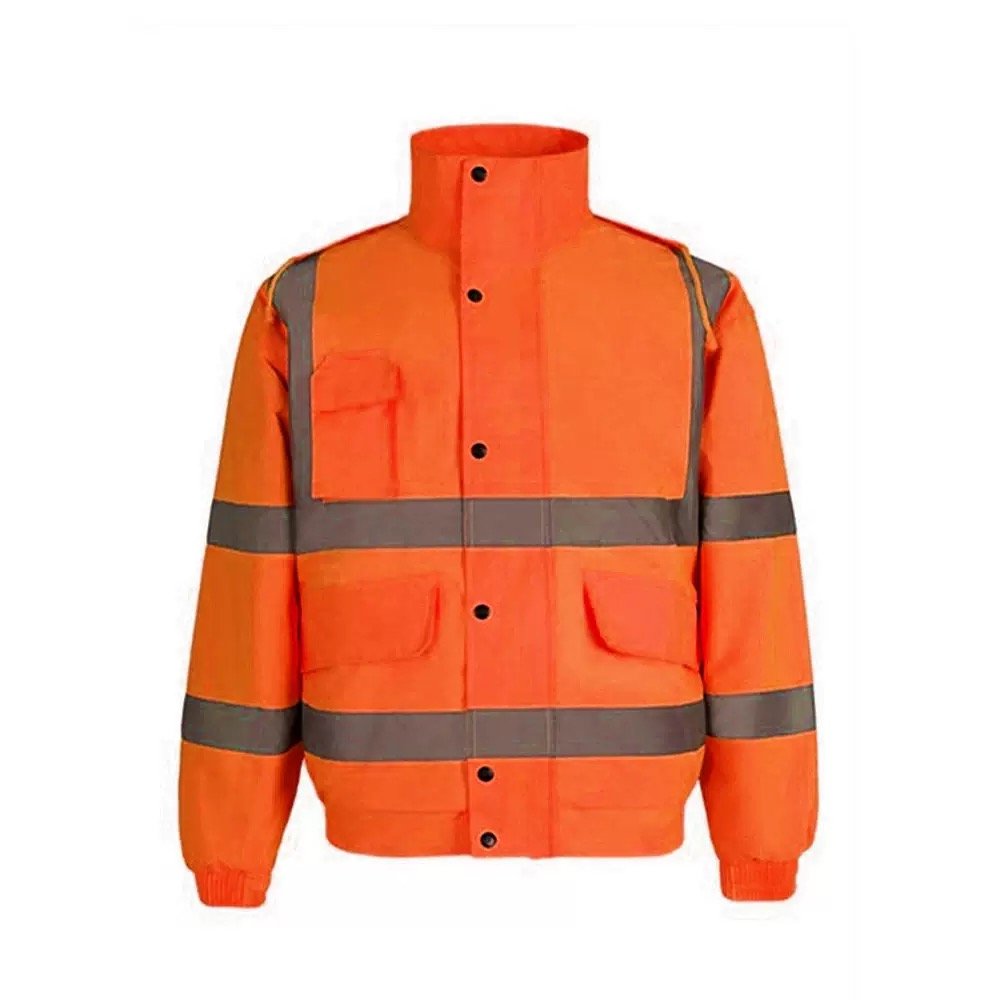
Durability: Built to Survive Real Construction Sites
A jacket with perfect specs that fails after three weeks on a job site represents a total loss of your investment. Construction environments are brutal—snagging on rebar, abrading against concrete blocks, constant flexing at stress points. Functional durability separates professional-grade gear from consumer products mislabeled as “workwear.”
Critical Durability Indicators:
Seam Construction
All major seams should be double or triple-stitched and heat-taped. Single-stitch seams will fail under tension within weeks. Examine sample garments—can you pull the seam apart by hand? If yes, reject the supplier.
Zipper Quality
Specify YKK or equivalent heavy-duty waterproof zippers. Cheap zippers are the number one failure point. Storm flaps should fully cover zippers to prevent water infiltration and protect against wind-driven rain.
Reinforced Stress Points
Elbows, shoulders, pocket openings, and hem corners should feature bar-tack reinforcement or double-layer fabric. These high-wear areas determine garment lifespan.
Reflective Tape Durability
Tape should be sewn on all edges, not just heat-applied. Heat-only application delaminates after 20-30 industrial wash cycles. Also verify the tape itself is certified for minimum retroreflectivity after 50 wash cycles per ANSI standards.
Fabric Denier Rating
For the outer shell, look for minimum 300-denier polyester or nylon. Higher denier = greater tear and abrasion resistance. Oxford weave fabrics provide additional durability over plain weaves.
Request wash-and-wear test data from your supplier. Legitimate manufacturers will provide certification that garments maintain waterproofing, breathability, and visibility standards after 50+ industrial laundry cycles at 60°C (140°F).
True Cost Analysis: Beyond the Price Tag
When evaluating hi-vis rain gear suppliers, the lowest per-unit cost rarely represents the best value. Smart procurement requires total cost of ownership (TCO) analysis that factors in garment lifespan, worker productivity, and safety compliance.
The Real Cost Calculation:
Cost per Day = (Purchase Price + Replacement Cost) ÷ Useful Life in Days
Then factor in: Compliance fines avoided + Productivity impact + Worker retention
❌ Cheap Gear “Savings”
- • $25/jacket × 50 workers = $1,250
- • Lasts 30 days before failure
- • Replacement: $1,250 every month
- • Workers refuse to wear (compliance issues)
- • Lost productivity: 10-15% on wet days
- Annual Cost: ~$15,000+ hidden losses
✅ Quality Gear Investment
- • $75/jacket × 50 workers = $3,750
- • Lasts 2+ seasons (400+ days)
- • Replacement: $3,750 every 18-24 months
- • 95%+ compliance (comfortable + functional)
- • Maintained productivity in all weather
- Annual Cost: ~$2,500 + maximum protection
The “expensive” jacket that lasts 13 times longer than the “budget” option costs 84% less per day of protection. Add in avoided OSHA fines (up to $14,502 per violation as of 2025), reduced injury claims, and retained productivity, and the ROI becomes overwhelming.
Investment Principle:
Quality hi-vis rain gear isn’t an expense—it’s an insurance policy that pays dividends in worker safety, regulatory compliance, and uninterrupted project timelines. Evaluate suppliers on value delivery, not just invoice price.
Your Essential Buying Checklist
Use this comprehensive checklist when evaluating hi-vis rain gear suppliers and products. Print this section and bring it to your next procurement meeting.
☑️ Technical Specifications
☑️ Safety & Compliance
☑️ Functional Design
☑️ Durability Features
☑️ Supplier Verification
Ready to Upgrade Your Crew’s Rain Protection?
VizGlo Safety specializes in manufacturing premium hi-vis rain gear that meets the highest international standards. Our OEM/ODM services allow you to customize every detail to match your exact specifications—from fabric selection to logo placement.
Request Your Free Sample Kit & Quote →Trusted by contractors across 50+ countries. ISO 9001 certified manufacturing.
Frequently Asked Questions
What’s the difference between water-resistant and waterproof rain gear?
Water-resistant fabrics (typically 0-5,000mm H₂O rating) repel light moisture but will eventually soak through in sustained rain or under pressure. Waterproof fabrics (10,000mm+ rating) form an impermeable barrier that prevents water penetration even in heavy rain and extended exposure. For construction applications where workers spend entire shifts outdoors, always specify waterproof-rated gear with heat-sealed seams.
How do I know if a jacket is truly ANSI/ISEA certified or just labeled as such?
Legitimate ANSI/ISEA 107 compliance requires third-party testing and certification. Ask your supplier for: (1) the test lab certification document, (2) the name of the accredited testing facility, and (3) the specific test report number. Permanently sewn-in labels should clearly state the ANSI/ISEA 107 class and performance level. If a supplier cannot provide this documentation, the product is not certified regardless of labeling.
Why does breathability matter if the jacket is waterproof?
Construction workers generate significant body heat and perspiration during physical labor. A completely sealed jacket traps this moisture inside, creating the “boil-in-the-bag” effect where workers become soaked from their own sweat. Breathable membranes allow water vapor molecules to escape while blocking larger liquid water droplets from entering, keeping workers dry from both external rain and internal perspiration. This dual protection is essential for all-day comfort and safety.
What’s a reasonable lifespan expectation for quality hi-vis rain gear?
With proper care and industrial laundering, professional-grade hi-vis rain gear should maintain waterproofing, breathability, and visibility standards for 18-24 months of regular construction use (approximately 200-400 wear days). Budget gear typically fails within 30-90 days. The key indicators of quality are: double-stitched, taped seams; YKK or equivalent zippers; and sewn (not just heat-applied) reflective tape certified for 50+ wash cycles.
Can I customize hi-vis rain gear with our company logo and colors?
Yes, reputable manufacturers like VizGlo Safety offer comprehensive OEM/ODM customization including company logos (embroidered, heat-transferred, or reflective), custom color combinations (within ANSI-approved fluorescent options), pocket configurations, zipper placements, and even proprietary design features. Minimum order quantities typically range from 100-500 pieces depending on customization complexity. Request samples before committing to bulk orders.
What’s the best way to maintain waterproof rain gear?
Follow these maintenance guidelines: (1) Wash regularly in industrial or home machines at 40-60°C (104-140°F) with mild detergent—dirt and oils compromise waterproofing; (2) Avoid fabric softeners which clog breathable membranes; (3) Tumble dry on low heat to reactivate DWR (Durable Water Repellent) coating; (4) Reapply DWR spray treatment every 20-30 washes as needed; (5) Store hung in cool, dry location away from direct sunlight. Proper care extends garment life by 40-60%.
Final Thoughts: Invest in Your Team’s Safety and Productivity
Selecting the right hi-vis rain gear for your construction crew is one of the most impactful decisions you can make as a procurement manager, safety officer, or business owner. The difference between budget gear that fails in weeks and professional-grade protection that lasts seasons isn’t just about cost—it’s about valuing your workers’ safety, comfort, and ability to stay productive in any weather.
Remember the core principles: waterproofing and breathability must work together, not compete. Safety certifications ensure legal compliance and visibility. Functional design features determine whether workers actually wear their PPE. And durability translates directly into cost-per-day value that makes quality gear the smart financial choice.
When you’re ready to move forward, partner with a manufacturer who understands the unique demands of construction environments. Explore VizGlo Safety’s complete hi-vis raincoat collection, engineered specifically for the challenges you face every day on the job site. Your crew deserves protection that works as hard as they do.
About VizGlo Safety
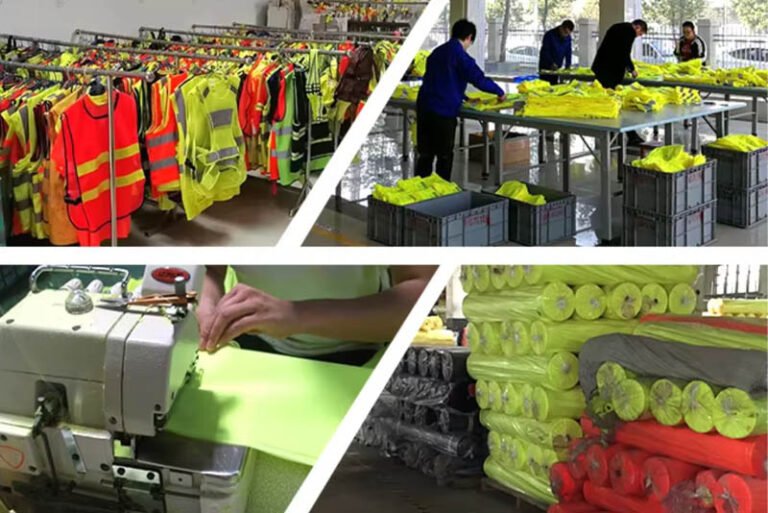
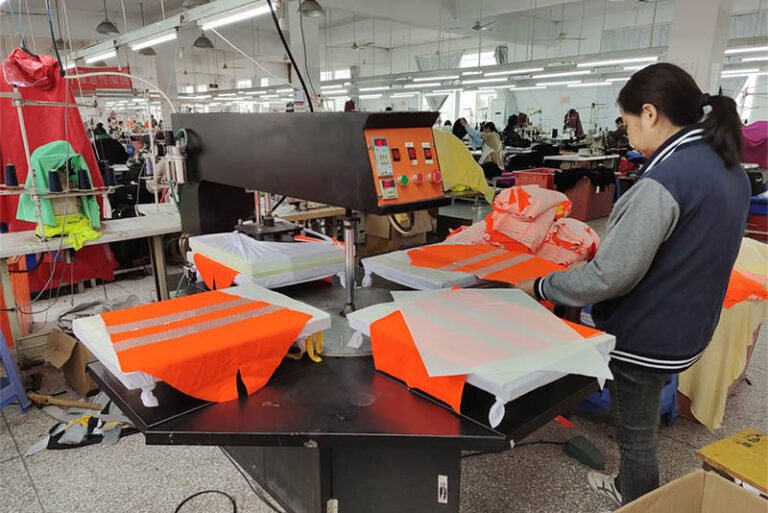
Nanjing VizGlo Safety Technology Co., Ltd. is a leading manufacturer of high-visibility clothing and reflective materials, serving global distributors, private brands, and enterprises for over 15 years. Our ISO 9001-certified facilities integrate vertical production from raw materials to finished garments, ensuring uncompromising quality control and customization flexibility.
Certifications: ANSI/ISEA 107, EN ISO 20471, BSCI, OEKO-TEX Standard 100 • Global Reach: 50+ countries • Capacity: 50,000+ pieces/month