Choosing the Right Work Hoodie: Zip-Up vs. Pullover Hi Vis Hoodies
It’s more than a style choice—it’s a decision that impacts daily comfort, safety compliance, and long-term durability. We’re breaking down the facts to help you make the right call for your crew.
The Deciding Factor: Adaptability vs. Durability
Choosing between a zip-up and pullover hi-vis hoodie ultimately hinges on your specific job requirements, prioritizing either adaptability or durability. Zip-up hoodies offer superior temperature control and convenience, making them ideal for workers in variable climates or roles that require frequent layering changes. In contrast, pullover hoodies provide enhanced durability with no zippers to snag or fail, offer better core warmth, and are often preferred in consistently cold or rugged environments where simplicity and robustness are paramount.
The Champion of Adaptability: The Zip-Up Hoodie
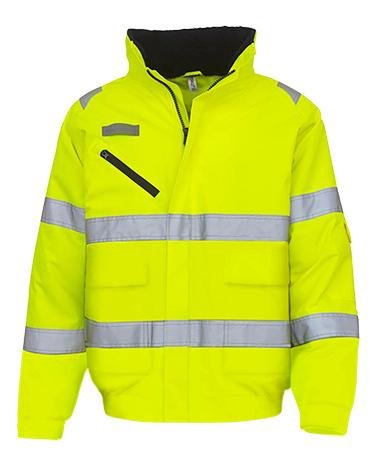
The full-zip hoodie is the undisputed king of versatility. Its primary advantage is its ability to adapt to changing conditions on the fly, a crucial feature for many modern worksites.
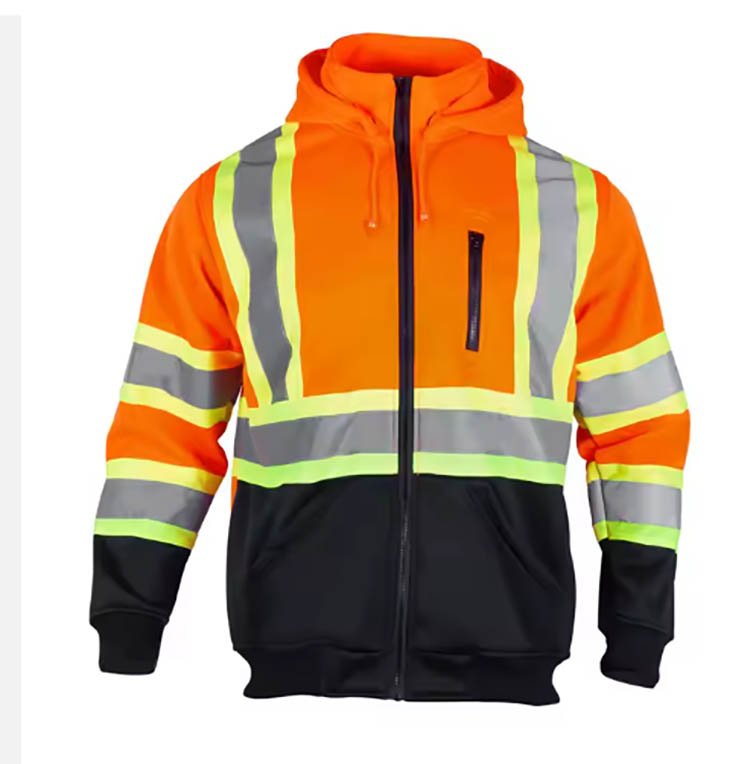
Key Benefits of Zip-Up Hoodies:
- Thermoregulation: This is the zip-up’s superpower. A worker can easily unzip to vent heat when moving from a cold outdoor area to a heated indoor space, or as their body warms up from physical exertion. This adjustment can be made without removing the entire garment, ensuring hi-vis compliance is maintained at all times.
- Convenience and Layering: It functions more like a light jacket. It’s easier to take on and off, especially over other gear or a hard hat. This makes it an excellent mid-layer that can be worn under a heavier hi-vis jacket or over a hi-vis t-shirt.
- Professional Appearance: With the zipper fully or partially open, a zip-up can present a more structured, jacket-like appearance, which can be desirable for team leaders, site supervisors, or client-facing roles.
Potential Drawbacks:
The main weakness is the zipper itself. In dirty, dusty, or debris-heavy environments (like woodworking or masonry), zippers can jam. Over time and with heavy use, they can also break, compromising the function of the hoodie.
The Fortress of Durability: The Pullover Hoodie
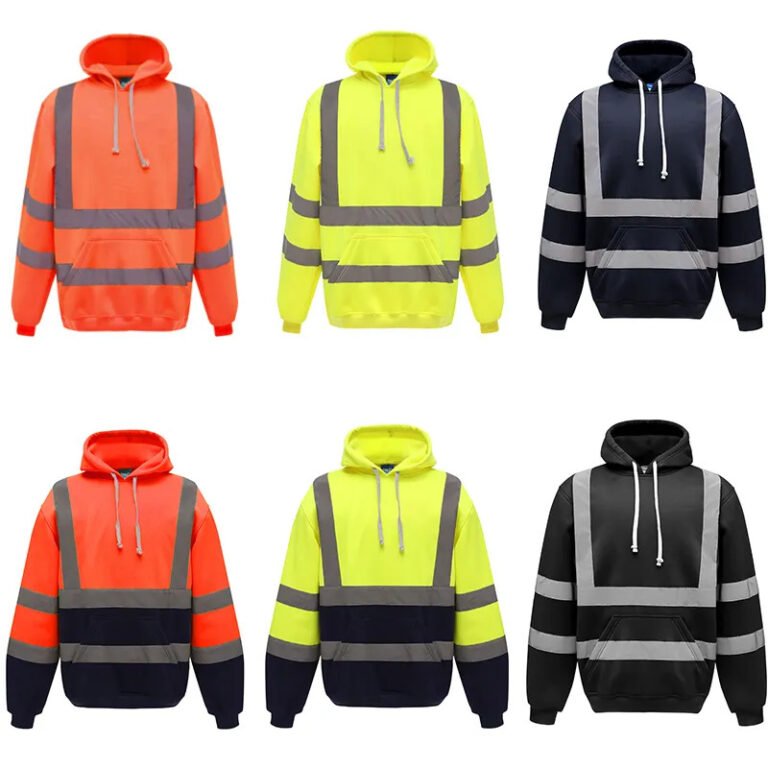
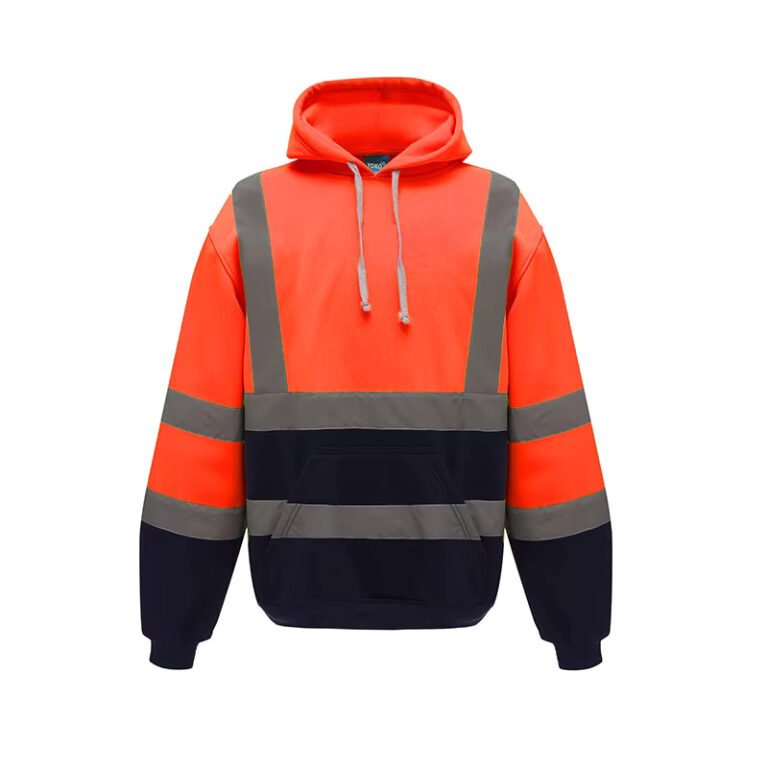
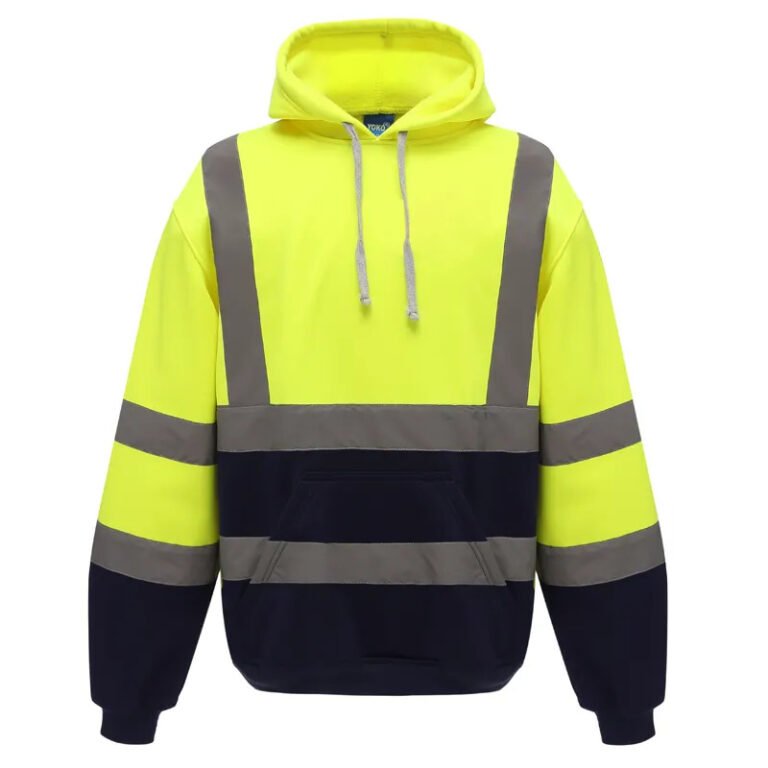
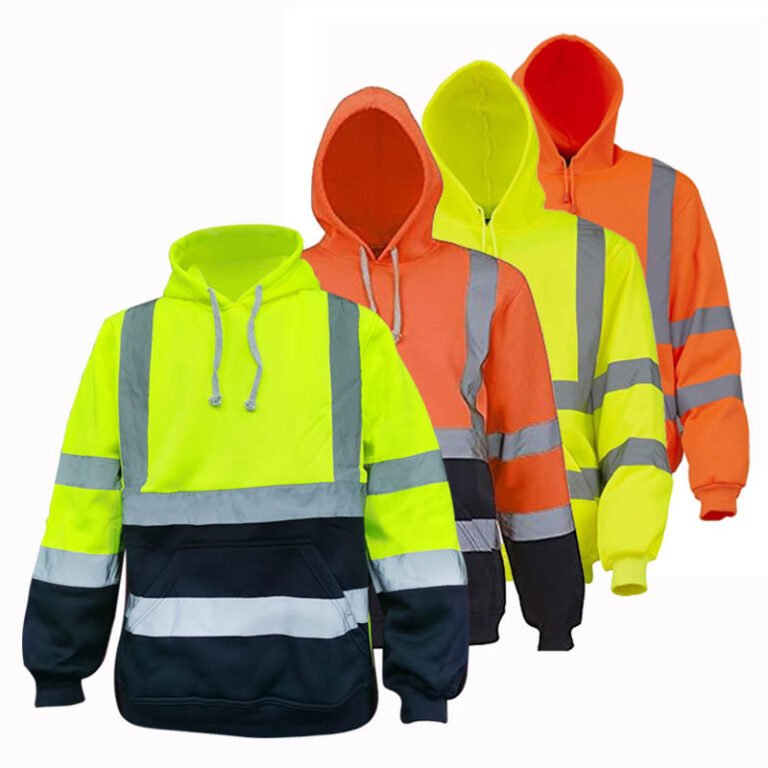
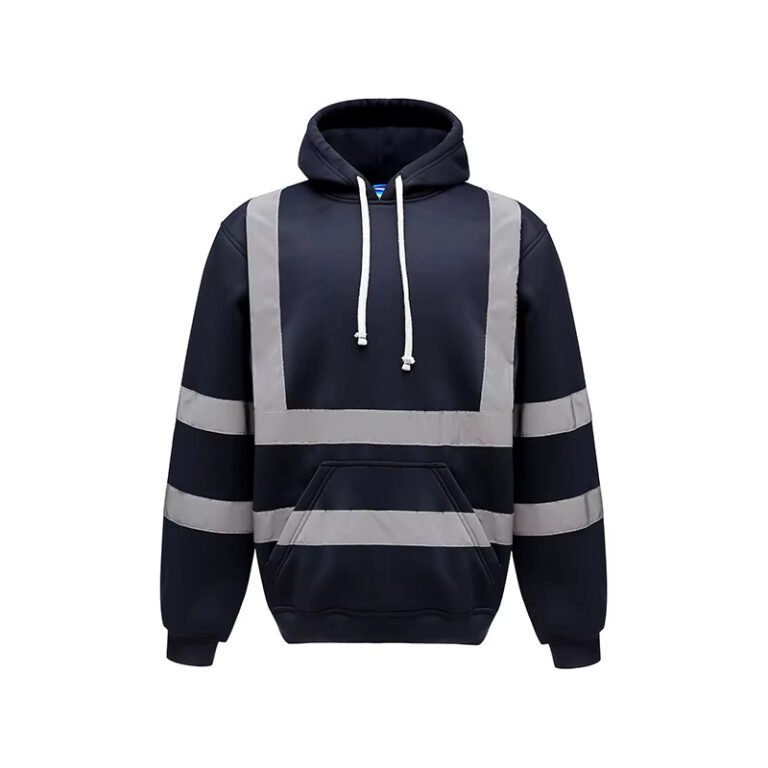
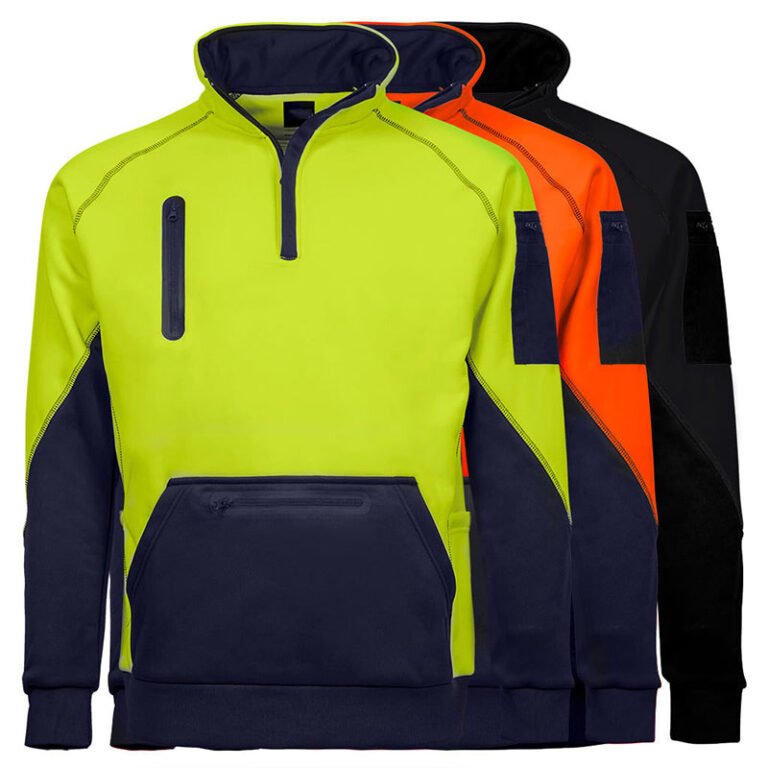
The pullover hoodie is the embodiment of rugged simplicity. By eliminating the zipper, it removes a potential point of failure, making it a favorite in demanding and harsh work environments.
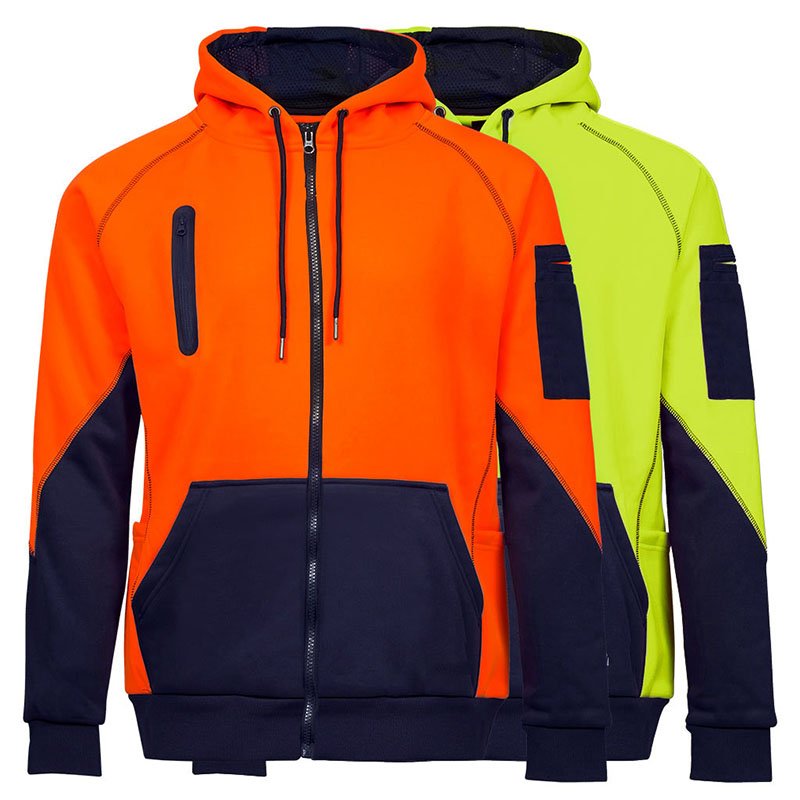
Key Benefits of Pullover Hoodies:
- Enhanced Durability: No zipper means no jamming, snagging, or breaking. This “no-fail” design is ideal for industries like forestry, rail maintenance, and heavy construction, where equipment needs to be tough and reliable.
- Uninterrupted Warmth: The solid front panel offers a continuous barrier against wind and cold, providing superior core warmth compared to a zip-up where slight drafts can occur. The large “kangaroo” pocket also serves as an excellent hand warmer.
- Fewer Snag Hazards: The lack of a zipper pull and track reduces the risk of the garment catching on machinery, tools, or protruding objects—a small but significant safety advantage.
- Cost-Effectiveness: Generally, the simpler construction of a pullover can make it a more budget-friendly option, especially when placing large volume OEM orders.
Potential Drawbacks:
The primary downside is the lack of ventilation. To cool down, a worker must remove the entire hoodie, which can be inconvenient and may temporarily compromise their hi-vis protection. It’s also more cumbersome to put on and take off.
My Insight: It’s About the Worker’s Day, Not Just the Style
In my years of outfitting crews globally, the “zip-up vs. pullover” debate is far more than a style choice; it’s a strategic decision rooted in workplace dynamics and climate. When I speak with procurement managers from North America or Western Europe, where a worker might start in the cold morning, work through a warm afternoon, and move between a heated warehouse and a chilly loading dock, the zip-up hoodie is the clear winner. Its core selling point is thermoregulation. It allows a worker to adjust their temperature without removing their essential hi-vis protection, which is a major compliance win for safety officers.
Conversely, for my clients in consistently cold regions like Scandinavia or Canada, or for heavy-duty industries like forestry and rail maintenance, the pullover often gets the nod. Its strength lies in durability and simplicity. With no zipper to jam with sawdust, snag on equipment, or break after repeated, harsh use, it’s seen as a more robust, “no-fail” option. It also offers a solid, unbroken front for warmth and is often slightly more cost-effective in large bulk orders.
Ultimately, my first question to a client is never “Which do you prefer?” It’s “Tell me about your team’s typical day.” The answer tells me whether their priority is adaptability or rugged simplicity.

Head-to-Head: Zip-Up vs. Pullover Comparison
| Feature | Zip-Up Hoodie | Pullover Hoodie |
|---|---|---|
| Adaptability | Excellent (Easy temperature control) | Fair (Requires removal to cool down) |
| Durability | Good (Zipper is a potential failure point) | Excellent (No moving parts to break) |
| Warmth | Good (Slight draft possible at zipper) | Excellent (Unbroken front traps heat) |
| Convenience | Excellent (Easy on/off) | Fair (More effort to put on/take off) |
| Snag Hazard | Low (Zipper pull is a minor risk) | Very Low (Smoother front profile) |
| Best For | Variable weather, indoor/outdoor work, layering | Consistently cold, rugged, debris-heavy jobs |
Making the Call: A Scenario-Based Guide
Still on the fence? Let’s match the hoodie to the job.
Choose a Zip-Up Hi-Vis Hoodie if your team:
- Works in regions with fluctuating daily temperatures.
- Frequently moves between indoor and outdoor environments.
- Needs to layer their clothing for changing exertion levels.
- Values the convenience of a jacket-style garment.
- Includes delivery drivers, utility workers, or warehouse staff.
Choose a Pullover Hi-Vis Hoodie if your team:
- Works in consistently cold or windy conditions.
- Operates in industries with high levels of dirt and debris.
- Requires maximum durability and has a low tolerance for gear failure.
- Wants to minimize all potential snag points.
- Includes forestry workers, miners, or railway maintenance crews.
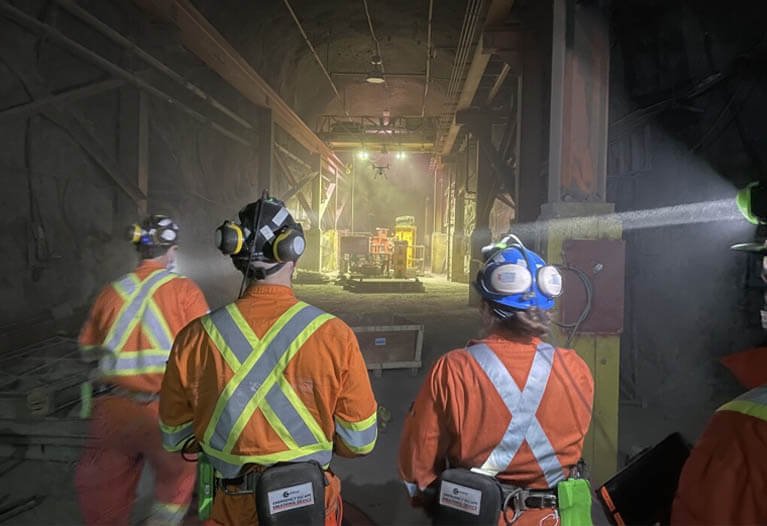
Beyond the Style: Essential Features for Any Hi-Vis Hoodie
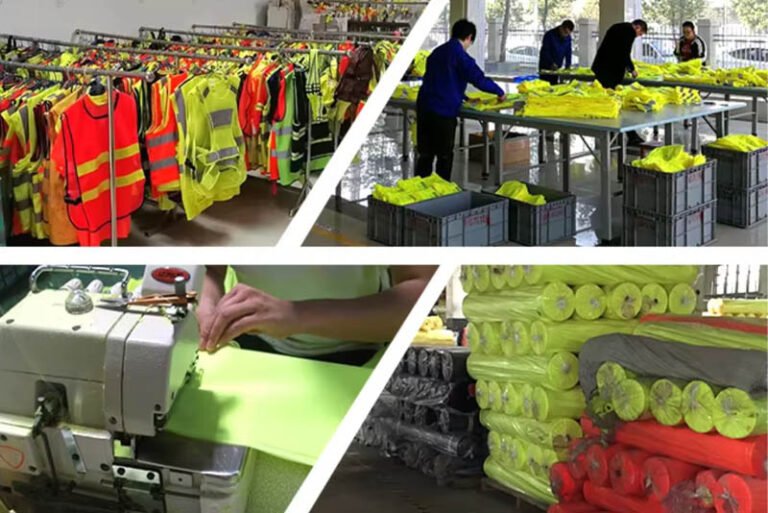
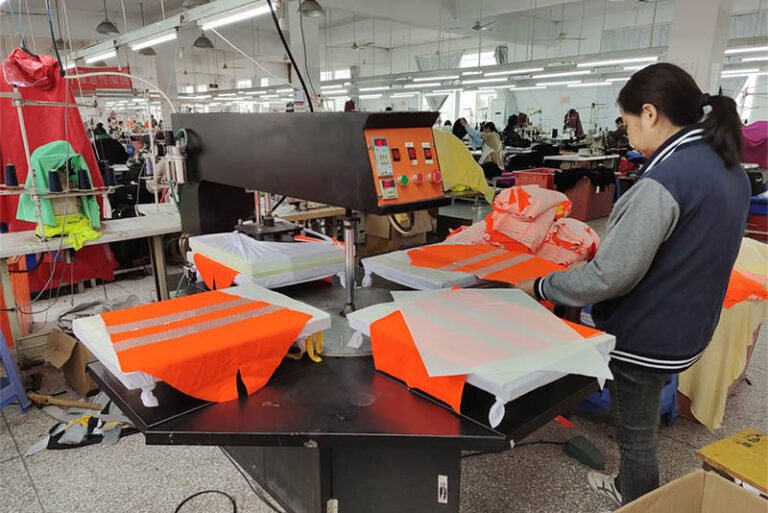
Whether you choose a zip-up or pullover, several key features are non-negotiable for a quality work hoodie. As an OEM/ODM manufacturer, we focus on these details to ensure every garment we produce is fit for purpose.
- Compliance (ANSI/ISEA 107): Ensure the hoodie meets the required class for your worksite (e.g., Class 2 or 3). This dictates the amount of fluorescent background material and retroreflective tape.
- Fabric Quality: Look for durable yet comfortable fabrics. Polyester fleece is common for warmth, while blends with cotton can increase comfort. Moisture-wicking properties are a huge plus for active workers.
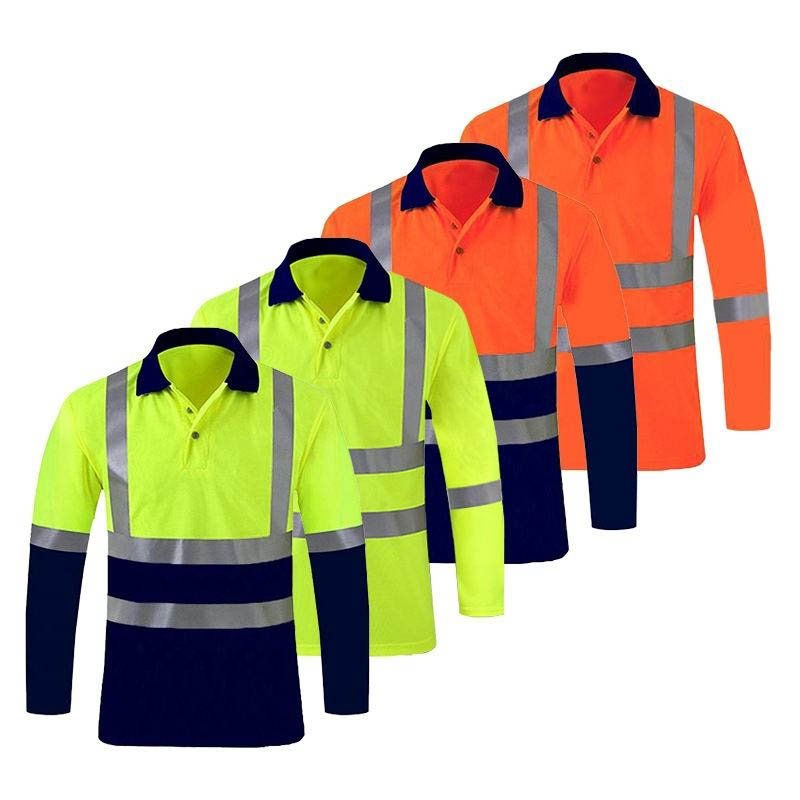
- Reflective Tape: High-quality reflective tape that is segmented or flexible will offer better comfort and durability through washes. Tape placement should outline the human form for optimal recognition.
- Build Quality: Reinforced stitching in high-stress areas (like pocket corners and cuffs) significantly extends the garment’s life.
- Customization Readiness: Both styles should offer suitable space for applying your company’s logo, turning a piece of PPE into a professional uniform.
Ready to Outfit Your Team?
Now that you understand the critical differences, let us help you source the perfect hi-vis hoodie solution. At VizGlo Safety, we manufacture both zip-up and pullover styles to the highest quality and safety standards, customized to your exact specifications.
Explore our full line of sweatshirts and hoodies on our main category page or contact us for a direct quote on your OEM/ODM project.
Frequently Asked Questions
Can a hoodie be ANSI Class 3 compliant? ▼
Yes, absolutely. An ANSI Class 3 compliant hoodie must meet specific requirements for background fluorescent material (minimum 1240 sq. in.) and retroreflective material (minimum 310 sq. in.), and it must have sleeves. Both zip-up and pullover styles can be designed to meet these stringent standards, providing the highest level of visibility.
Are there special care instructions for zippers on hi-vis hoodies? ▼
Yes. To prolong the life of a zipper, it’s best to fully zip it up before machine washing. This prevents the teeth from getting damaged or snagging on other items. For zippers that become jammed with dirt or debris, use a stiff brush to clean them. Avoid yanking on a stuck zipper, as this can cause permanent damage.
Which is better for layering, a zip-up or pullover hoodie? ▼
The zip-up hoodie is unequivocally better for layering and temperature regulation. Its main advantage is the ability to open the front to vent heat without having to remove the entire garment. This makes it far more versatile for workers who move between different temperature zones or experience weather changes throughout the day.
Can I get our company logo on both zip-up and pullover hi-vis hoodies? ▼
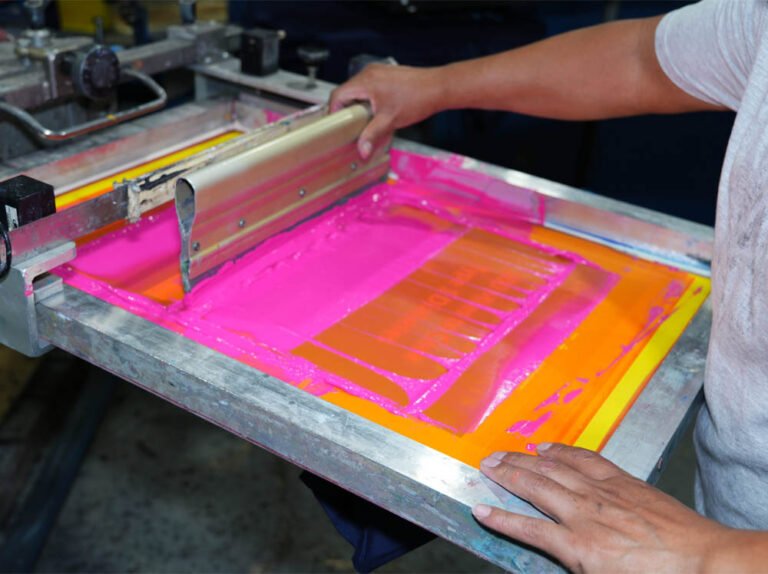
Yes, both styles are excellent candidates for customization. We offer various branding options like heat transfer, screen printing, and embroidery for both zip-up and pullover hoodies. While a pullover offers a large, unbroken canvas on the front, logos can be strategically placed on the chest, back, or sleeves of a zip-up hoodie for effective branding. At VizGlo Safety, we can help you determine the best placement for your OEM/ODM order.