In-Depth: ANSI Class 2 vs. Class 3 Safety Vests – Which One Do You Need?
Navigating ANSI standards can be confusing. Let’s cut through the jargon and figure out the right level of protection for you and your team.
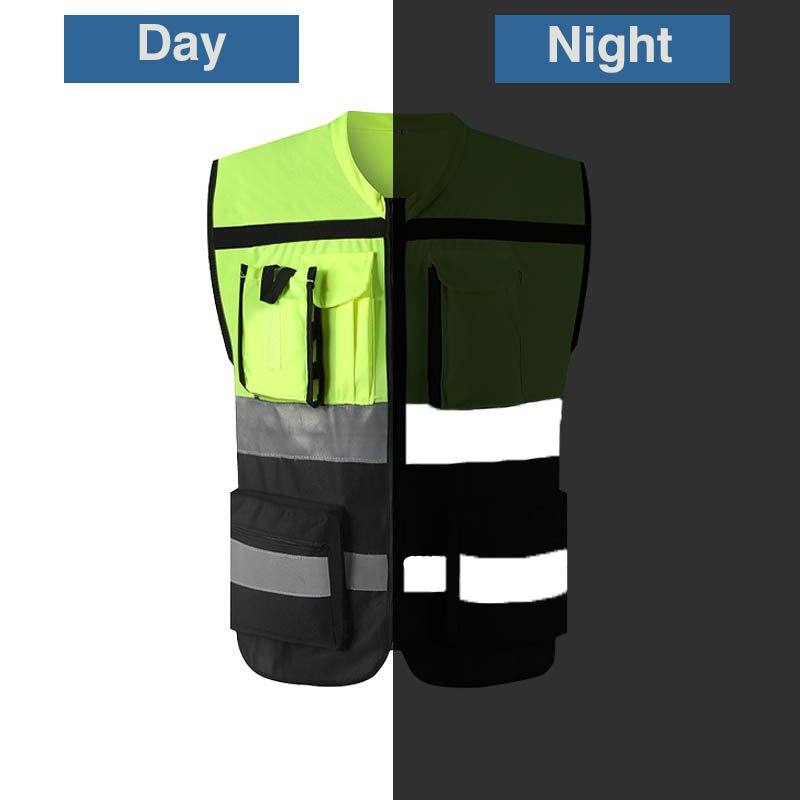
The Short Answer: Choosing Between Class 2 and Class 3
Choose an ANSI Class 2 safety vest for moderate-risk environments where workers are near traffic moving between 25-50 mph and separated from it, such as in construction zones with clear barriers or during roadside work in good weather. Choose an ANSI Class 3 safety vest for high-risk environments where workers are directly exposed to traffic exceeding 50 mph, operate in low light or poor weather conditions, or when their tasks divert their attention from traffic. Class 3 provides the highest level of visibility by ensuring the worker’s full human form, including arms, is conspicuous from all angles. When in doubt, always upgrade to Class 3 for maximum safety.
The Foundation: Understanding ANSI/ISEA 107
Before comparing classes, it’s crucial to know the standard that governs them. The ANSI/ISEA 107-2020 standard is the American National Standard for High-Visibility Safety Apparel. It’s the definitive guide that specifies the performance requirements for materials, design, and placement to ensure workers are seen. The standard breaks down garments into “Types” based on the work environment and “Classes” based on the amount of visible material required for the associated risk level.
- Type O: Off-Road (e.g., warehouse workers). Class 1 only.
- Type R: Roadway and Temporary Traffic Control (most common). Classes 2 and 3.
- Type P: Public Safety (e.g., police, fire). Classes 2 and 3.
For this comparison, we’re focusing on Type R, which covers the vast majority of workers needing Class 2 or Class 3 vests.
A Closer Look: ANSI Class 2 Explained
ANSI Class 2 garments are the most common level of hi-vis PPE. They are intended for workers who face moderate risks from moving vehicles but who should be more conspicuous than a Class 1 garment allows.
Key Requirements & Use Cases:
- Fluorescent Material: Minimum of 775 square inches of yellow-green, orange-red, or red background material.
- Reflective Material: Minimum of 201 square inches of retroreflective tape. This tape must be placed over the shoulders and around the midsection to ensure 360-degree visibility.
- Work Environment: Required where traffic speeds are between 25 and 50 mph. It’s also necessary when workers are near traffic but separated by cones or barrels, and in environments with weather that impacts visibility.
- Common Roles: Roadway construction workers, utility workers, survey crews, airport ground personnel, railway workers, and school crossing guards.
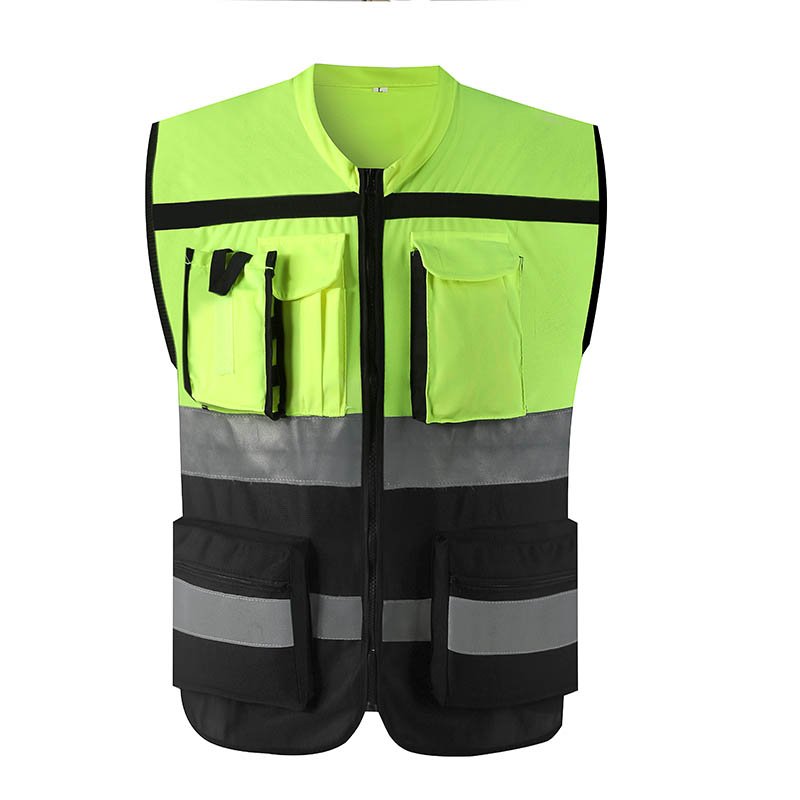
A Class 2 vest provides a solid baseline of visibility for the torso, making it a reliable choice for many job sites during daylight and in well-lit conditions.
Level Up: ANSI Class 3 Explained
ANSI Class 3 provides the absolute highest level of visibility and is designed for workers in the most hazardous and highest-risk environments. The primary goal of Class 3 is to offer full-body visibility and define the human form from a distance.
Key Requirements & Use Cases:
- Fluorescent Material: A significant increase to a minimum of 1240 square inches.
- Reflective Material: A minimum of 310 square inches.
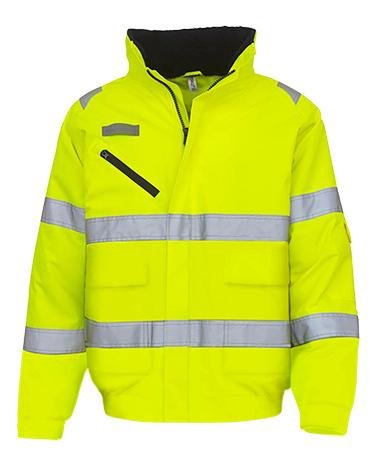
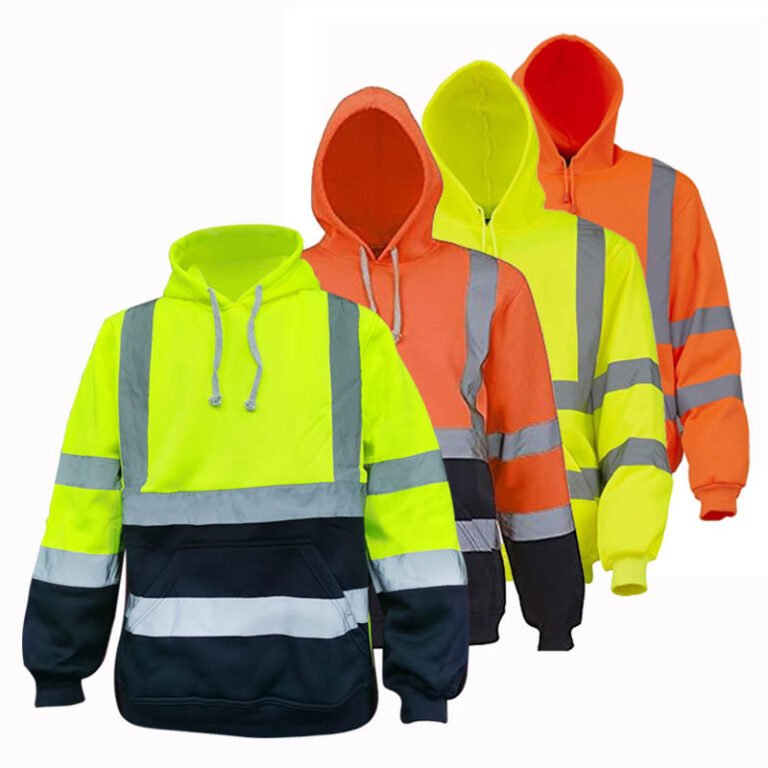
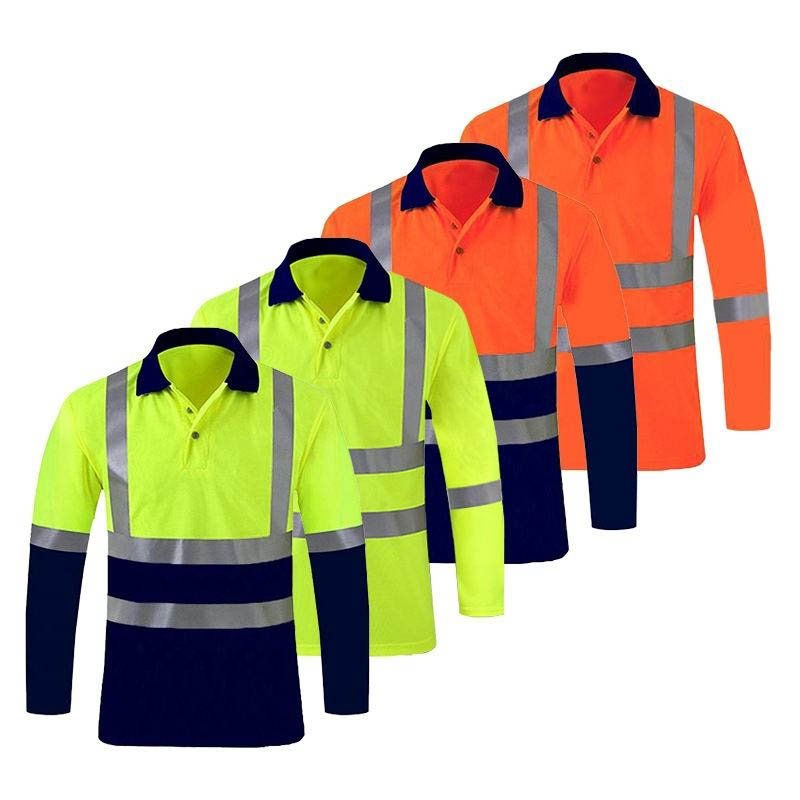
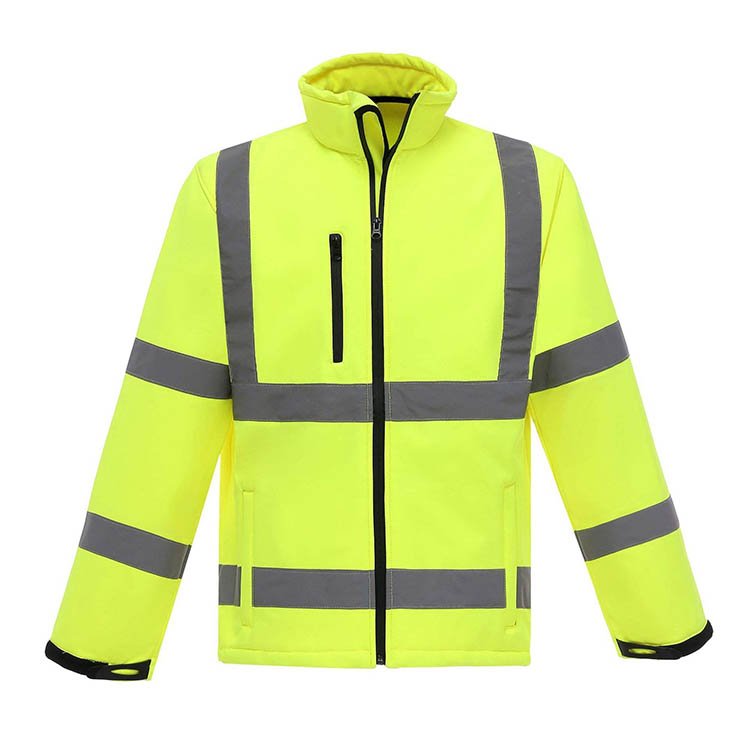
- The Sleeve Difference: The defining feature of Class 3 apparel is the inclusion of background and reflective material on the sleeves (for jackets/shirts) or legs (for ensembles). This makes arm and leg movements visible, signaling to drivers that they are approaching a person, not just an object like a traffic cone.
- Work Environment: Mandatory for workers exposed to traffic exceeding 50 mph, those working at night or in severe weather (heavy rain, snow, fog), and anyone whose job requires full attention away from traffic.
- Common Roles: Highway maintenance crews, emergency responders, site inspectors on high-speed roads, flagging crews, and towing operators.
A Pro’s Insight: Beyond the Standards
As someone who talks to safety managers and procurement officers every single day, the Class 2 vs. Class 3 debate is less about the standards on paper and more about risk management in the real world. The most common mistake I see is clients choosing Class 2 simply to save a few dollars per vest, without fully considering the “what if” scenarios.
The primary physical difference—the sleeves on a Class 3 garment—is the single most important upgrade for visibility. It provides 360-degree recognition of the human form and makes arm movements and signals visible from much greater distances. That’s not just a feature; it’s a lifesaver in low light or complex traffic.
Here’s the pro-tip I share with my clients: If your team complains about the heat of long-sleeved Class 3 vests, don’t just downgrade to Class 2. Instead, create a Class 3 ensemble by pairing a sleeveless Class 2 vest with ANSI Class E pants or gaiters. This combination meets the material requirements for Class 3, giving you the required compliance and life-saving visibility while offering more flexibility and comfort.
Ultimately, my rule of thumb is simple: when in doubt, level up. The small increase in cost is negligible compared to the price of an accident.
Making the Right Call: A Risk-Based Checklist
Use this quick checklist to assess your worksite’s risk. If you answer “Yes” to any of these questions, a Class 3 garment is the safest choice.
- ✓Is your team working near traffic that travels over 50 mph (80 kph)?
- ✓Does work occur during nighttime, dawn, dusk, or in heavy fog, rain, or snow?
- ✓Is the work environment visually complex, with many lights, signs, and equipment?
- ✓Are workers required to focus intently on their task, diverting their gaze from traffic?
- ✓Does your team need to be clearly identifiable as human from a great distance?
Ready to Equip Your Team?
Worker safety is non-negotiable. Investing in the right class of hi-vis apparel is one of the most effective ways to prevent accidents and protect your crew. Whether you need Class 2 or Class 3, you can find the perfect compliant solution in our extensive collection of high-visibility safety vests.
Frequently Asked Questions
Can I wear a Class 2 vest for night work?
While technically permissible in certain lower-risk scenarios (e.g., parking lot attendant with good lighting), it is strongly advised to upgrade to Class 3 for any work performed at night, especially near active roadways. Class 3 provides superior visibility from all angles, which is critical in low-light conditions.
Are short-sleeve Class 3 vests available?
Yes. A Class 3 garment must have material on the sleeves, but the standard does allow for short sleeves as long as the total material requirements for fluorescent background and reflective tape are met. Many workers find short-sleeve Class 3 shirts to be a comfortable compromise in warmer weather.
What is Class E and how does it create a Class 3 ensemble?
Class E applies to high-visibility pants, bib overalls, shorts, or gaiters worn on the legs. These items are not rated for visibility on their own. However, when a Class E item is worn with a Class 2 vest or shirt, the combined total area of high-visibility material meets the requirements for a Class 3 ensemble. This is a popular and compliant way to achieve Class 3 protection while offering flexibility and comfort.
Do colors other than yellow/lime and orange meet ANSI standards?
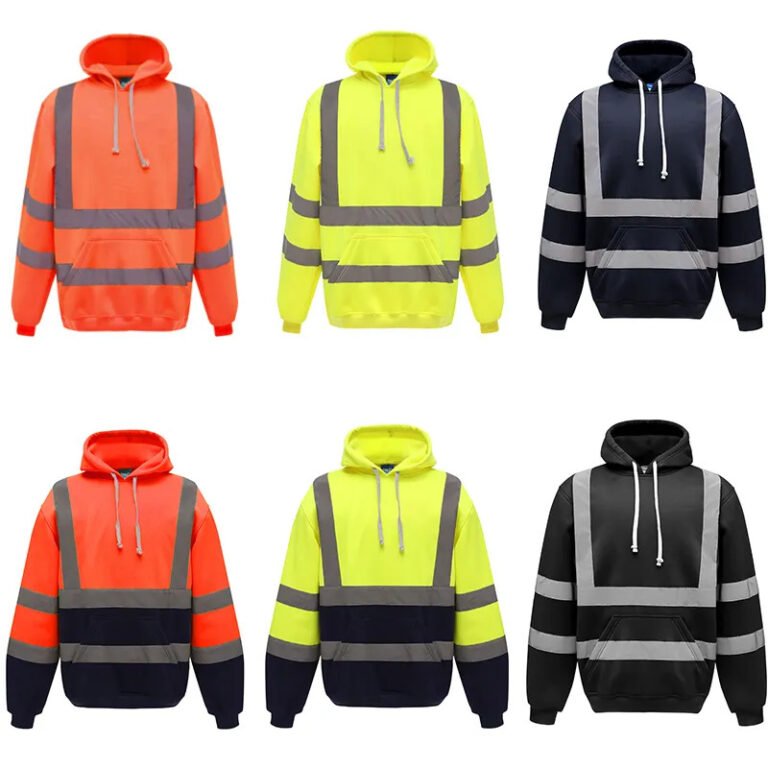
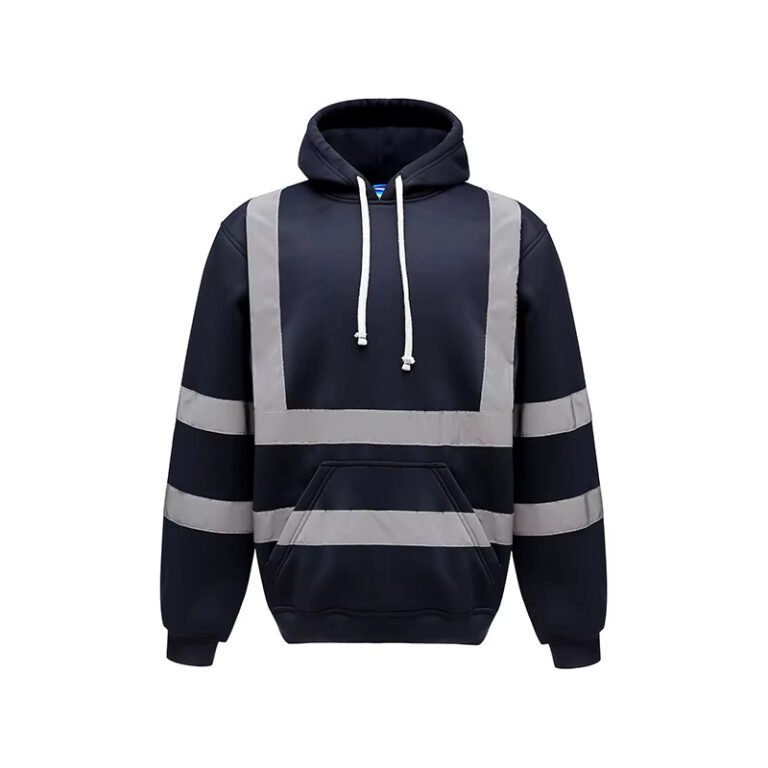
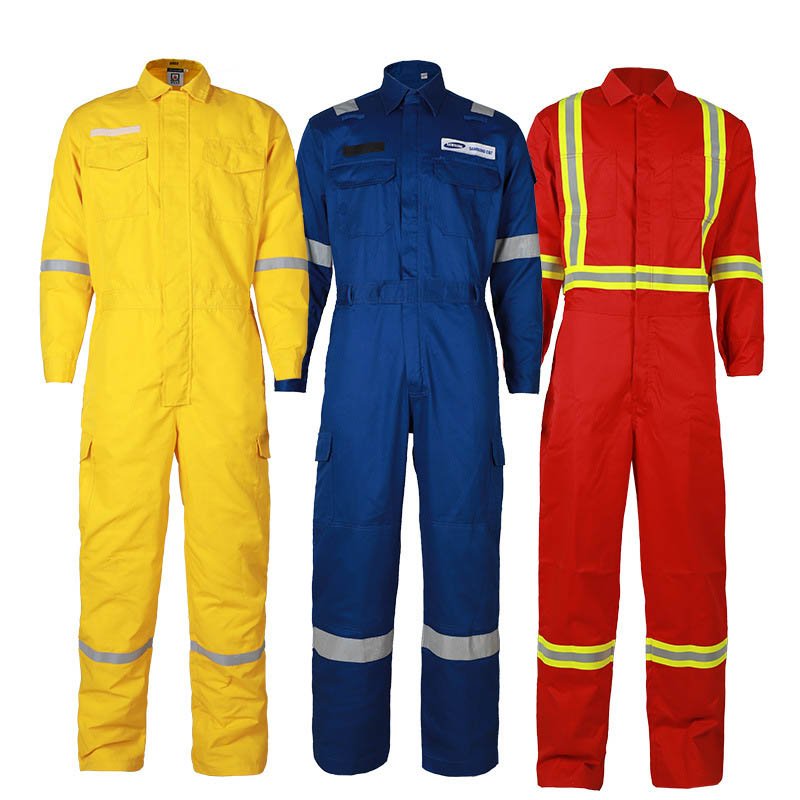
The ANSI/ISEA 107 standard specifically approves three colors for background material: fluorescent yellow-green (lime), fluorescent orange-red, and fluorescent red. Other colors, like blue, black, or pink, do not meet the standard’s requirements for daytime conspicuity and are generally used for distinguishing different worker roles (identification purposes) rather than for ANSI compliance.