A Complete Guide to Selecting Hi-Vis Jackets for Construction & Roadside Workers
Expert insights on compliance, durability, and true value in high-visibility safety apparel
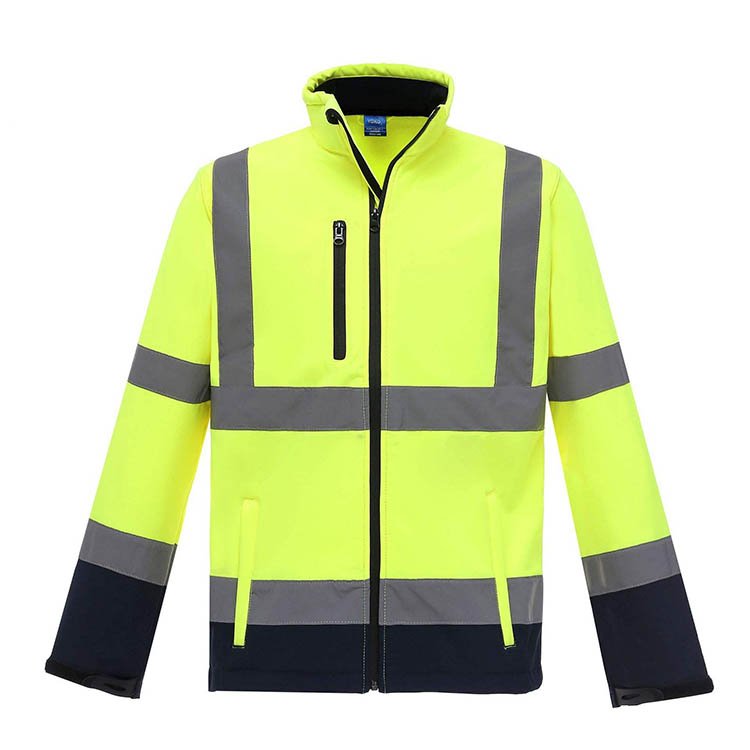
Quick Answer: What Makes a Hi-Vis Jacket Right for Construction & Roadside Work?
Selecting the right hi-vis jacket for construction and roadside workers requires evaluating three critical factors: regulatory compliance (ANSI/ISEA 107 Class 3 for North America, or EN ISO 20471 Class 3 for Europe), environmental protection (weather-appropriate features like waterproofing and insulation), and durability metrics (fabric strength of at least 300D Oxford Polyester and reflective tape rated for minimum 50 wash cycles). The goal isn’t simply purchasing “a yellow jacket”—it’s investing in a safety system that keeps workers visible, compliant, and protected across all working conditions while delivering superior cost-per-wear value over its lifespan. A properly specified jacket prevents failed safety inspections, protects against liability, and most importantly, ensures workers return home safely each day.
Why Compliance Isn’t Optional—It’s Critical
After years of exporting hi-vis apparel globally, I’ve witnessed a recurring and costly mistake: procurement teams treating hi-vis jacket selection as a simple commodity purchase. They focus exclusively on acquiring “a yellow jacket” at the lowest possible price, without understanding the compliance nuances that define true safety and legal protection.
The critical conversation isn’t about color—it’s about compliance and context. A jacket specified for a Caltrans roadside project in sunny California has fundamentally different requirements (ANSI/ISEA 107 Type P or R, Class 3) than one for a construction site in rainy Northern Europe (EN ISO 20471 Class 3, plus EN 343 for rain protection). Getting this specification wrong doesn’t just mean failed inspections; it means compromised worker safety, potential legal liability, and project shutdowns.
“Compliance failures in construction and roadside work aren’t just paperwork issues—they’re safety gaps that put lives at risk.”
Regulatory standards like ANSI/ISEA 107 and EN ISO 20471 exist because visibility is scientifically proven to prevent accidents. These standards specify exact requirements for background material area, reflective material placement, and color performance. Non-compliant jackets fail to provide legally mandated protection levels, exposing your organization to significant risk.
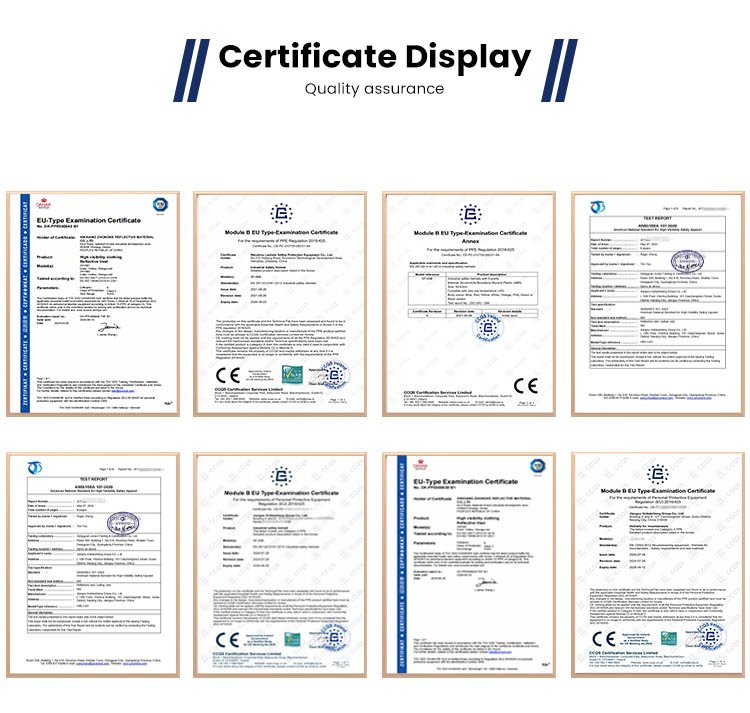
Certified compliance documentation is essential for legal protection and worker safety
Understanding ANSI/ISEA 107 vs. EN ISO 20471 Standards
ANSI/ISEA 107 (North American Standard)
The American National Standards Institute standard defines three distinct performance classes and types for high-visibility safety apparel:
Class Designations:
- Class 1: Low-risk environments, traffic speeds below 25 mph (parking lots, warehouse loading docks)
- Class 2: Workers exposed to traffic between 25-50 mph (utility work, roadway maintenance in low-traffic areas)
- Class 3: Highest risk, traffic exceeding 50 mph, or complex backgrounds (highway construction, roadside work, heavy equipment operation)
Type Classifications:
- Type O: Off-road use only (warehouses, parking areas)
- Type R: Roadway use (temporary traffic control)
- Type P: Public safety activities (emergency responders, law enforcement)
EN ISO 20471 (European/International Standard)
The European standard uses a simpler three-class system based on minimum required areas of background and reflective materials:
Class Requirements:
- Class 1: Minimum visibility (0.14 m² background, 0.10 m² reflective)
- Class 2: Medium visibility (0.50 m² background, 0.13 m² reflective)
- Class 3: Maximum visibility (0.80 m² background, 0.20 m² reflective) – Required for most construction and roadside applications
For construction and roadside workers, Class 3 certification is the industry standard in both regulatory frameworks. This ensures maximum visibility in high-risk environments with complex backgrounds, moving traffic, and heavy machinery.
Fabric Durability: The Foundation of Value
Beyond compliance, the real measure of a quality hi-vis jacket is its durability. A cheap jacket that loses structural integrity or reflectivity after just a few months represents a false economy that costs more in the long run.
Critical Fabric Specifications
| Specification | Minimum Standard | Premium Quality |
|---|---|---|
| Outer Shell Material | 300D Oxford Polyester | 600D Oxford Polyester or Ripstop |
| Waterproof Rating | 5,000mm water column | 10,000mm+ with taped seams |
| Insulation Weight (Winter) | 120gsm | 180-220gsm with windproof membrane |
| Seam Construction | Double-stitched | Bar-tacked stress points, reinforced shoulders |
| Zipper Quality | Standard #5 coil | YKK #5 or #8 heavy-duty with storm flap |
I always guide my clients to prioritize 300D Oxford Polyester minimum for the outer shell. This specification provides the abrasion resistance necessary for construction environments where workers brush against concrete, metal, and rough surfaces daily. For extreme-duty applications, consider 600D fabrics or ripstop weaves that prevent tear propagation.
Seam integrity is equally critical. Look for jackets with reinforced bar-tacking at stress points (shoulders, pocket corners, sleeve attachments). Cheap jackets often fail at seams long before the fabric wears out, rendering the entire garment unusable.
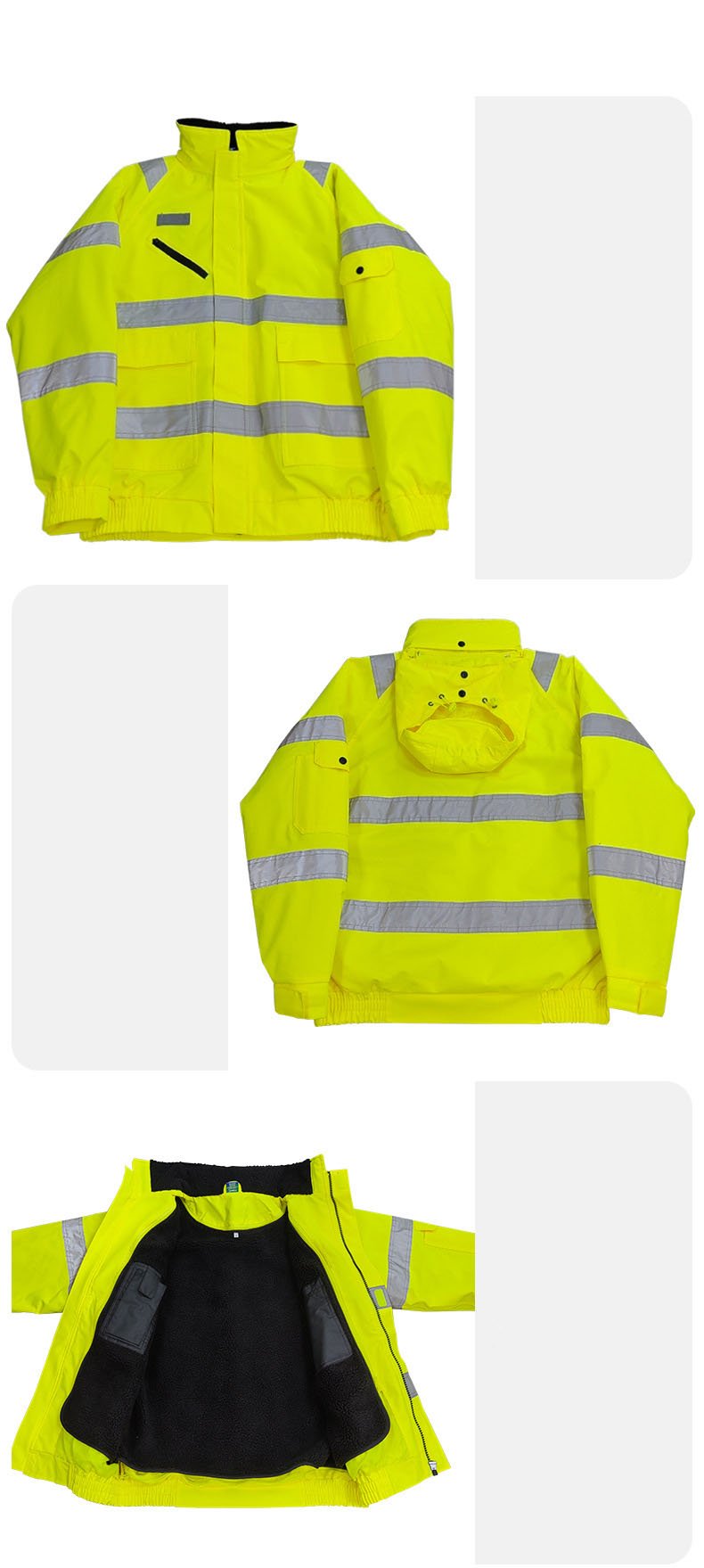
Quality construction details: reinforced seams, durable zippers, and proper insulation placement
Reflective Material Quality & Longevity
The reflective tape is the most critical safety component of any hi-vis jacket. Its retroreflective properties ensure workers remain visible to vehicle operators in low-light conditions and at night. However, not all reflective materials are created equal.
Understanding Reflective Performance Metrics
Key Performance Indicators:
- Coefficient of Retroreflection (RA): Measures how much light returns to the source. ANSI 107 requires minimum 500 cd/lx/m² for background materials and 330 cd/lx/m² for combined performance materials.
- Wash Cycle Durability: Quality materials maintain compliance through 50+ industrial wash cycles (40°C with detergent).
- UV Resistance: Premium tapes resist degradation from sunlight exposure—critical for outdoor workers.
- Flexibility: Materials should maintain reflectivity when bent or stretched (important for articulated jacket designs).
A jacket’s reflective tape typically fails before the fabric body. I’ve seen countless cases where inexpensive jackets lose 50% of their reflectivity after just 10-15 washes, falling out of compliance long before the physical garment wears out. This represents a hidden cost that budget-focused buyers often miss.
Professional Insight:
When evaluating suppliers, always request wash cycle test data for reflective materials. Reputable manufacturers using ANSI/ISEA or EN ISO certified tapes will readily provide documentation showing performance through 50-100 wash cycles. Lack of this data is a red flag indicating substandard materials.
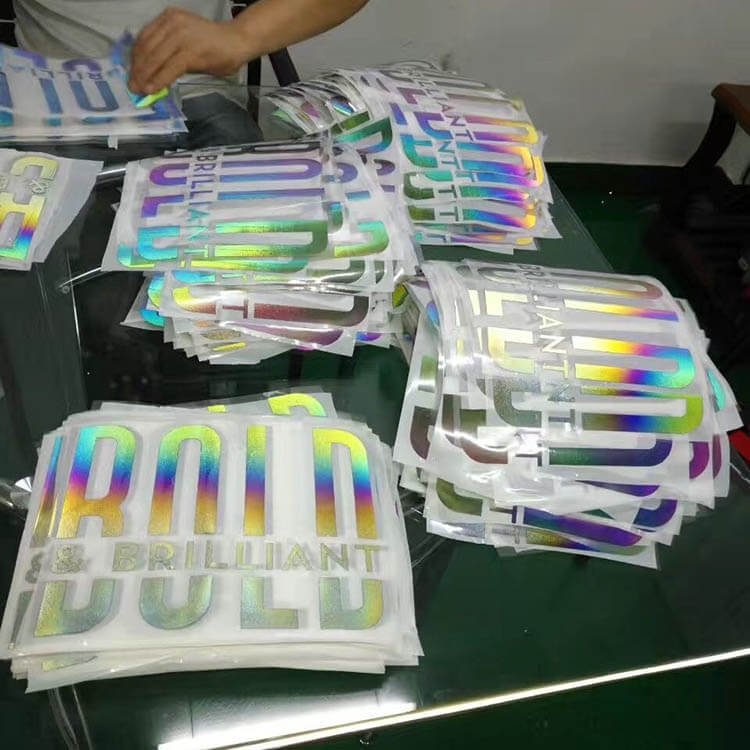
At VizGlo Safety, we manufacture our own reflective materials, giving us complete quality control from raw material to finished garment. This vertical integration ensures every jacket leaving our facility maintains certified performance standards throughout its useful life.
Weather-Specific Features That Matter
Construction and roadside work doesn’t stop for weather. Your jacket selection must account for the specific environmental conditions your workers face daily. A jacket perfect for California sunshine will fail workers in Pacific Northwest rain or Minnesota winters.
Waterproof & Rain Protection
For workers in wet climates or those exposed to rain regularly, waterproofing isn’t optional—it’s essential. Look for these specific features in hi-vis raincoats and rain-ready jackets:
- Sealed/Taped Seams: Water penetrates through needle holes in unsealed seams
- Storm Flaps: Cover zippers and prevent water infiltration
- Adjustable Cuffs & Hem: Seal out wind-driven rain
- High Collar: Protects neck and prevents water running down back
- Hood Storage: Roll-away or detachable hood for versatility
Waterproof ratings are measured in millimeters of water column pressure. A 5,000mm rating handles moderate rain; 10,000mm+ is necessary for heavy downpours or extended exposure.
Cold Weather & Insulation
Winter jackets for construction and roadside work require balancing warmth with mobility. Over-insulated jackets restrict movement and cause overheating during physical labor. The key specifications include:
Moderate Climates (0°C to 10°C)
- • 120-150gsm polyester insulation
- • Breathable lining to wick moisture
- • Pit zips for temperature regulation
- • Removable liner for versatility
Extreme Cold (-10°C and below)
- • 180-220gsm premium insulation
- • Windproof membrane layer
- • Fleece-lined collar and pockets
- • Extended back hem for coverage
- • Interior storm cuffs with thumbholes
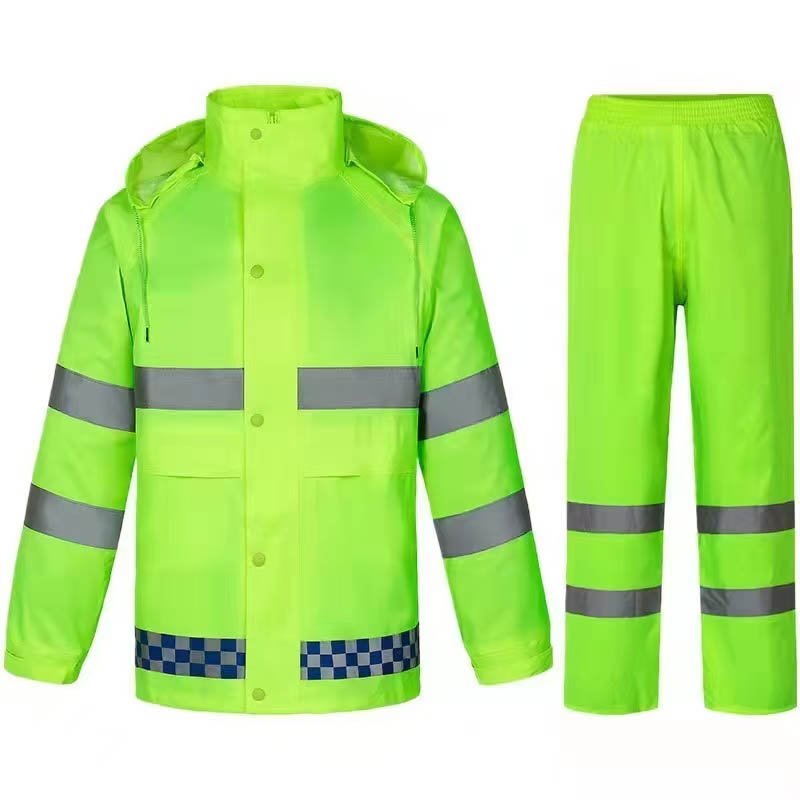
Waterproof hi-vis protection: sealed seams, storm flaps, and adjustable closures keep workers dry
The True Cost: Cost-Per-Wear Analysis
A comfortable, breathable, and durable jacket isn’t a luxury—it’s a necessity that ensures it’s worn correctly all day, every day. You’re not just buying a garment; you’re investing in a critical safety system for your most valuable asset: your people.
Real-World Cost Comparison
Example Scenario: 100-Person Crew, Annual Jacket Purchase
| Jacket Type | Unit Cost | Lifespan | Annual Cost | Cost/Wear |
|---|---|---|---|---|
| Budget Jacket | $20 | 3 months (60 days) | $8,000 | $0.33 |
| Standard Quality | $45 | 9 months (180 days) | $6,000 | $0.25 |
| Premium Quality | $65 | 18 months (360 days) | $4,333 | $0.18 |
Annual savings with premium quality: $3,667 (46% reduction vs. budget option)
The numbers speak clearly: initial purchase price is a misleading metric. What matters is total cost of ownership, which factors in replacement frequency, inspection time, worker comfort (affecting productivity), and most importantly, consistent compliance that prevents costly violations.
Hidden Costs of Low-Quality Jackets:
- • Frequent replacement ordering & administration
- • Increased inspection burden (checking for compliance degradation)
- • Worker discomfort leading to non-compliance (removing jacket when needed most)
- • Failed safety audits requiring emergency purchases
- • Potential citations or stop-work orders if non-compliant workers are observed
A cheap jacket that loses its reflectivity after 10 washes or has seams that split is not just a false economy—it’s a liability. Quality matters because it ensures continuous protection and compliance throughout the garment’s service life.
Professional Buyer’s Selection Checklist
Use this comprehensive checklist when evaluating hi-vis jacket suppliers and specifications for your construction or roadside crews:
✓ Regulatory Compliance
✓ Material Quality & Durability
✓ Weather-Appropriate Features
✓ Functionality & Comfort
✓ Supplier Credibility
Ready to Specify Compliant, Durable Hi-Vis Jackets?
Work with VizGlo Safety—a certified manufacturer offering complete OEM/ODM solutions for hi-vis jackets that meet your exact specifications. From fabric selection to reflective material customization, we ensure every jacket delivers proven protection and long-term value.
Request Custom Quote & SamplesISO 9001 Certified • ANSI/ISEA & EN ISO Compliant • 15+ Years Export Experience
Frequently Asked Questions
What is the difference between ANSI/ISEA 107 and EN ISO 20471 for hi-vis jackets?
ANSI/ISEA 107 is the North American standard with Type classifications (O, R, P) and Class levels (1-3) based on the work environment and traffic speeds. EN ISO 20471 is the European/international standard with three classes (1-3) determined by minimum required areas of background and reflective materials. Both ensure visibility but have different testing protocols and requirements for reflective material placement. For construction and roadside work, Class 3 is typically required in both standards. Always verify which standard applies to your geographic market and project requirements.
How do I determine the right class of hi-vis jacket for my workers?
Class selection depends on work environment speed and risk level. Class 1 suits low-traffic areas with speeds below 25 mph (parking lots, warehouse loading). Class 2 is for workers near traffic traveling 25-50 mph (utility maintenance, low-traffic roadwork). Class 3 (highest visibility) is required for roadside work on highways, construction sites with heavy equipment, and any environment where traffic exceeds 50 mph or backgrounds are complex. For construction and roadside workers, Class 3 is the industry standard providing maximum protection.
What fabric specifications should I look for in a durable hi-vis jacket?
Look for minimum 300D Oxford Polyester for the outer shell to ensure abrasion resistance in construction environments. For winter jackets, check for appropriate insulation weight (120gsm for moderate climates, 180-220gsm for extreme cold). Waterproof jackets should have sealed seams and a minimum 5,000mm water column rating (10,000mm+ for heavy rain exposure). Quality reflective tape certified to ANSI/ISEA 107 or EN ISO 20471 should withstand minimum 50 industrial wash cycles. Also verify reinforced stitching at stress points (shoulders, pocket corners, sleeve attachments) and quality zippers (YKK or equivalent).
How many washes should a quality hi-vis jacket withstand?
A quality hi-vis jacket with certified reflective materials should maintain compliance for at least 50 industrial wash cycles according to ANSI/ISEA 107-2020 and EN ISO 20471:2013+A1:2016 standards. Premium jackets can exceed 100 washes while maintaining required reflectivity levels. Always follow manufacturer care instructions (typically 40°C/104°F wash with mild detergent, line dry or low tumble). Inspect reflective tape regularly for signs of degradation—cracking, peeling, or reduced brightness. Replace jackets when reflectivity drops below compliant levels, even if the fabric body remains intact.
What is cost-per-wear and why does it matter for hi-vis jackets?
Cost-per-wear is the total jacket cost divided by the number of times it’s worn before replacement. A $20 budget jacket lasting 3 months (60 wears) has a cost-per-wear of $0.33, while a $65 premium jacket lasting 18 months (360 wears) has a cost-per-wear of only $0.18. This metric reveals true value because it accounts for durability and replacement frequency. Quality jackets with durable fabrics and certified reflective materials provide better long-term value, ensure continuous compliance, and reduce the hidden costs of frequent replacement ordering, inspection time, and potential safety violations. For fleet purchases, cost-per-wear analysis can save thousands annually.
Conclusion: Invest in Safety Systems, Not Just Garments
Selecting hi-vis jackets for construction and roadside workers is a critical safety decision that extends far beyond choosing “a yellow jacket.” Proper selection requires understanding regulatory compliance (ANSI/ISEA 107 or EN ISO 20471 Class 3), evaluating material durability (minimum 300D fabrics, 50+ wash cycle reflective tape), and analyzing true cost-per-wear rather than just purchase price.
The jackets you specify represent a safety system protecting your most valuable asset—your people. Cutting corners on quality leads to compliance failures, increased replacement costs, and most seriously, compromised worker protection. Premium jackets from certified manufacturers may cost more initially but deliver superior long-term value through extended service life, consistent compliance, and genuine protection.
At VizGlo Safety, we manufacture both the jackets and the reflective materials that go into them, ensuring complete quality control from raw material to finished garment. Our ISO 9001 certified facility has supplied compliant hi-vis apparel to construction and roadwork organizations worldwide for over 15 years. When you partner with us, you’re not just buying jackets—you’re investing in a proven safety solution backed by verifiable performance data and certification documentation.