Cotton vs. Polyester Hi-Vis Shirts: Which is Right for Your Team?
Choosing the right fabric for your team’s high-visibility shirts goes beyond color—it’s a critical decision impacting comfort, durability, and most importantly, safety compliance.
The choice between cotton and polyester for hi-vis shirts depends on your work environment and priorities. **For superior comfort, breathability, and feel in dry, hot conditions, cotton is the preferred choice.** However, **for durability, moisture-wicking performance in high-exertion or humid jobs, and crucial long-term colorfastness to maintain safety compliance, polyester is the definitive professional standard.** The best decision balances worker comfort against the demands of the job and strict safety regulations.
Expert Insight: Function & Liability Over Feel
“When clients ask me ‘Cotton or Polyester?’, my first question back is always: ‘Tell me about the work environment and your safety compliance schedule.’ The debate isn’t just about feel; it’s about function and liability. Polyester’s superior moisture-wicking is non-negotiable for humid conditions or high-exertion jobs. More importantly, its colorfastness is critical for long-term ANSI/ISEA 107 compliance. A faded cotton shirt is a failed safety audit waiting to happen. We’re not just choosing a fabric; we’re choosing a performance and safety solution for the long run.”
– Senior Product Manager, VizGlo Safety
The Case for Cotton: The Comfort King
Cotton is a natural fiber celebrated for its softness and breathability. For workers, this often translates to a more comfortable next-to-skin feel, especially at the start of a shift.
Pros of Cotton:
- Exceptional Breathability: Allows air to circulate freely, making it feel great in dry heat.
- Soft & Hypoallergenic: Less likely to irritate sensitive skin.
- Natural Fiber: Preferred by those who want to avoid synthetic materials.
- Heat Resistant: Doesn’t melt like polyester, making it a better choice for welders or those near sparks (though specialized FR clothing is required for true protection).
Cons of Cotton:
- Absorbs Moisture: Acts like a sponge, holding sweat, becoming heavy, and clinging to the skin.
- Slow to Dry: A wet cotton shirt stays wet, which can lead to chafing and discomfort.
- Fades Quickly: The fluorescent dyes in hi-vis cotton fade with washing and sun exposure, compromising its ability to meet ANSI/ISEA 107 standards over time.
- Less Durable: Prone to tearing and wearing out faster than polyester.
For teams working in specific dry heat conditions without high exertion, you can view our collection of 100% cotton hi-vis t-shirts.
The Power of Polyester: The Performance Champion
Polyester is a synthetic fabric engineered for performance. When it comes to modern workwear, its properties make it the default choice for most professional applications.

Pros of Polyester:
- Superior Moisture-Wicking: Pulls sweat away from the skin to the fabric’s surface, where it evaporates quickly. Keeps workers dry and comfortable.
- Extreme Durability: Resists abrasion, stretching, and shrinking, leading to a much longer service life.
- Excellent Color Retention: The fluorescent colors stay bright wash after wash, ensuring long-term safety compliance and a professional look.
- Quick-Drying & Lightweight: Dries rapidly and doesn’t get heavy when wet.
Cons of Polyester:
- Less Breathable (in dry heat): Can feel “clammy” compared to cotton in very hot, non-humid weather.
- Can Retain Odors: Bacteria can grow more easily on synthetic fibers, though many modern fabrics have antimicrobial treatments.
- Melts, Not Burns: Can melt and stick to the skin if exposed to high heat or flame.
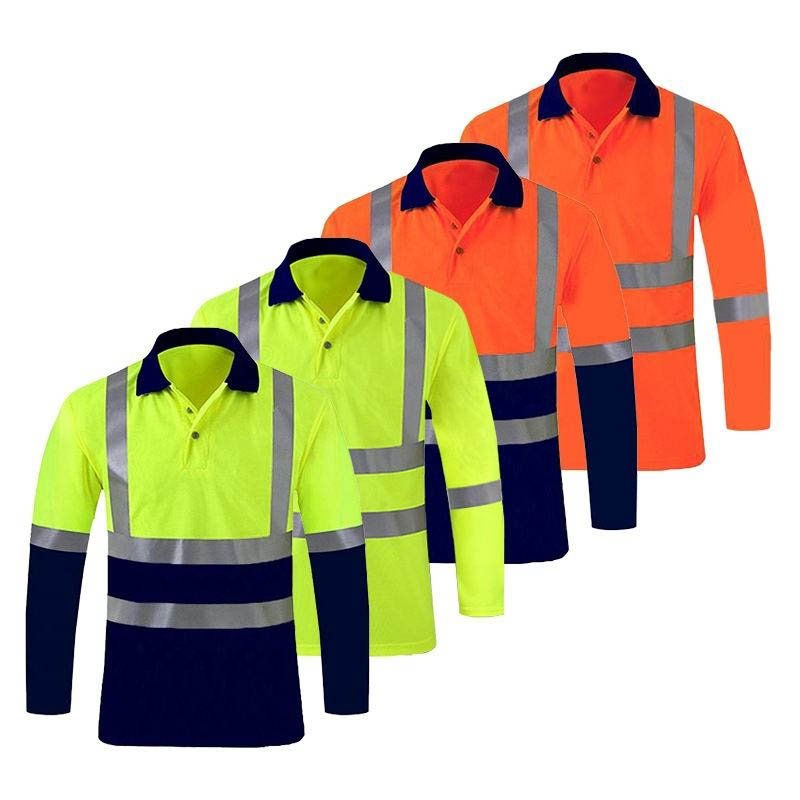
Due to these performance advantages, the majority of professional hi-vis polo shirts are made from polyester or its blends.
At-a-Glance: Cotton vs. Polyester
| Feature | Cotton | Polyester |
|---|---|---|
| Comfort (Feel) | Excellent, soft, natural | Good, lightweight, smooth |
| Moisture Management | Poor (Absorbs sweat) | Excellent (Wicks sweat away) |
| Durability | Fair | Excellent |
| Colorfastness (Compliance) | Poor (Fades over time) | Excellent (Stays bright) |
| Best For | Dry heat, low-sweat jobs, sensitive skin | High-exertion jobs, humid climates, long-term use |
The Best of Both Worlds: Poly-Cotton Blends
Can’t decide? A poly-cotton blend might be the perfect compromise. These fabrics aim to combine the soft, natural feel of cotton with the durability and moisture-wicking properties of polyester.
Typically, you’ll find blends like 50/50 or 65/35 polyester-to-cotton. While they don’t excel at either extreme—they won’t be as breathable as 100% cotton or as effective at wicking as 100% polyester—they offer a great all-around performance that is comfortable, durable, and more colorfast than pure cotton, making them a popular choice for many teams.
Make the Right Choice for Your Team
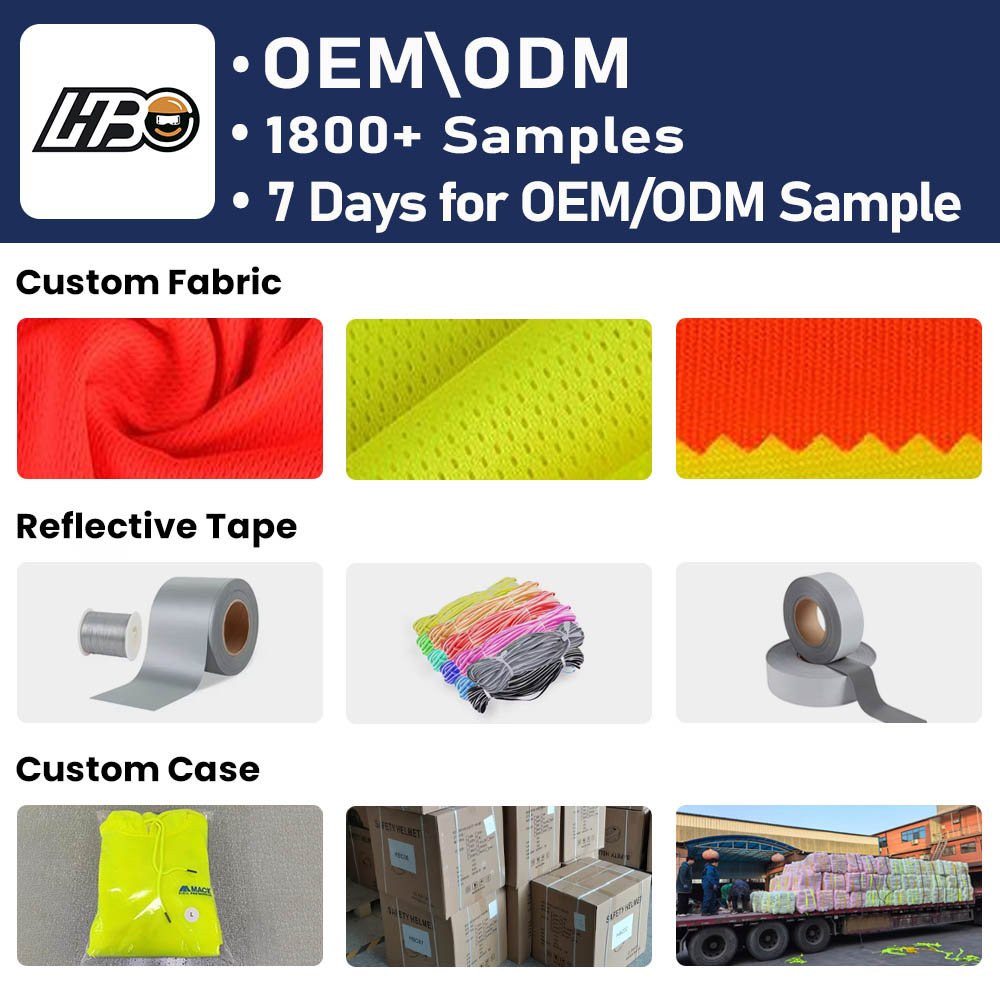
Whether you need the robust, compliant performance of polyester or the natural comfort of cotton, VizGlo Safety has the manufacturing expertise to deliver. We provide a full range of fabric options for our custom OEM hi-vis clothing. Let’s discuss your specific work environment and build the perfect shirt for your team.
Request a Fabric SampleFrequently Asked Questions
Is polyester bad for hot weather? ▾
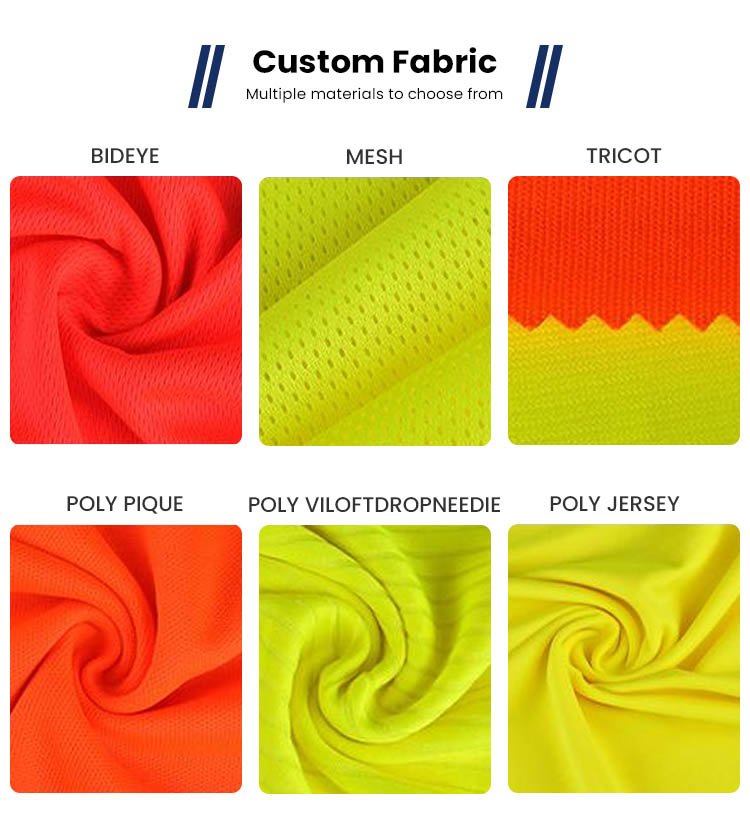
Not necessarily. While it’s less breathable than cotton in dry heat, its moisture-wicking properties make it far superior in hot, *humid* conditions or during strenuous activity. It pulls sweat off your skin, helping your body cool itself more effectively. Modern “bird’s-eye” or micro-mesh polyesters are specifically designed to maximize airflow.
How many washes until a cotton hi-vis shirt is no longer compliant? ▾
There is no exact number, as it depends on washing methods, detergent, sun exposure, and the quality of the original dye. However, it is a known issue that cotton’s fluorescence degrades much faster than polyester’s. Many safety programs mandate replacing hi-vis cotton garments on a much shorter cycle or using a colorimeter to test them periodically to ensure they still meet ANSI/ISEA 107 chromaticity requirements.
What about shirts with black panels on the bottom? What fabric are those? ▾
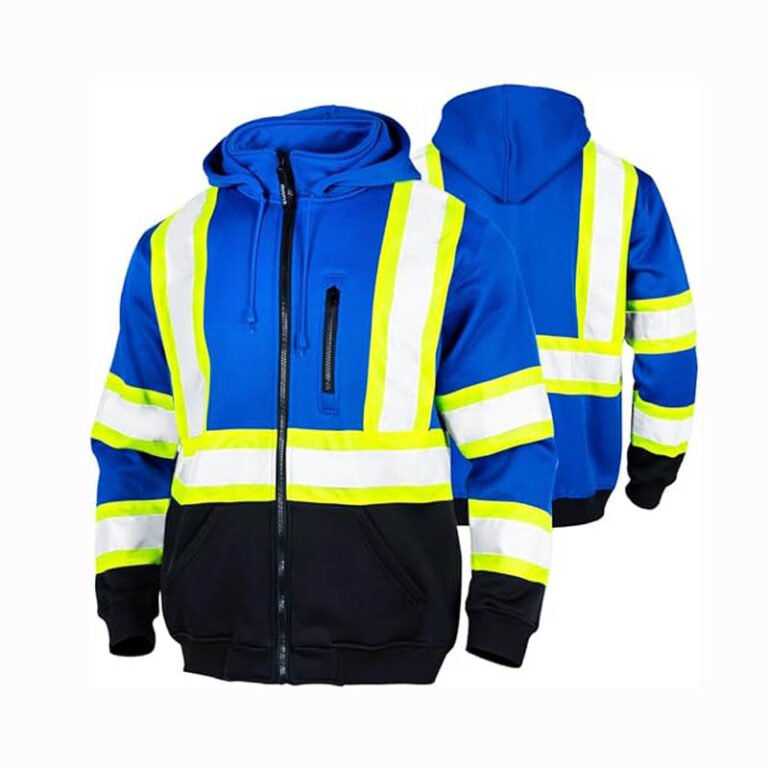
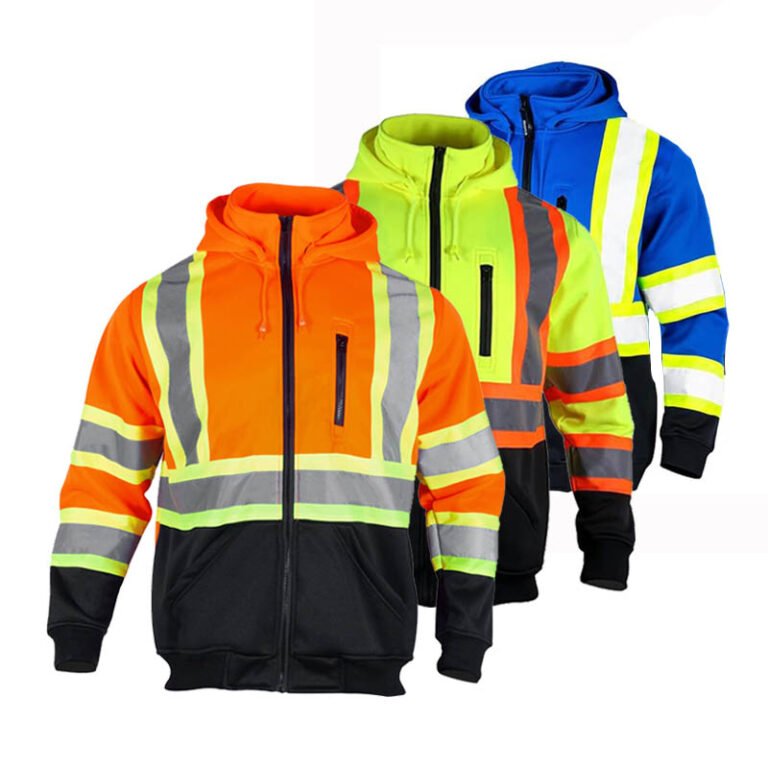
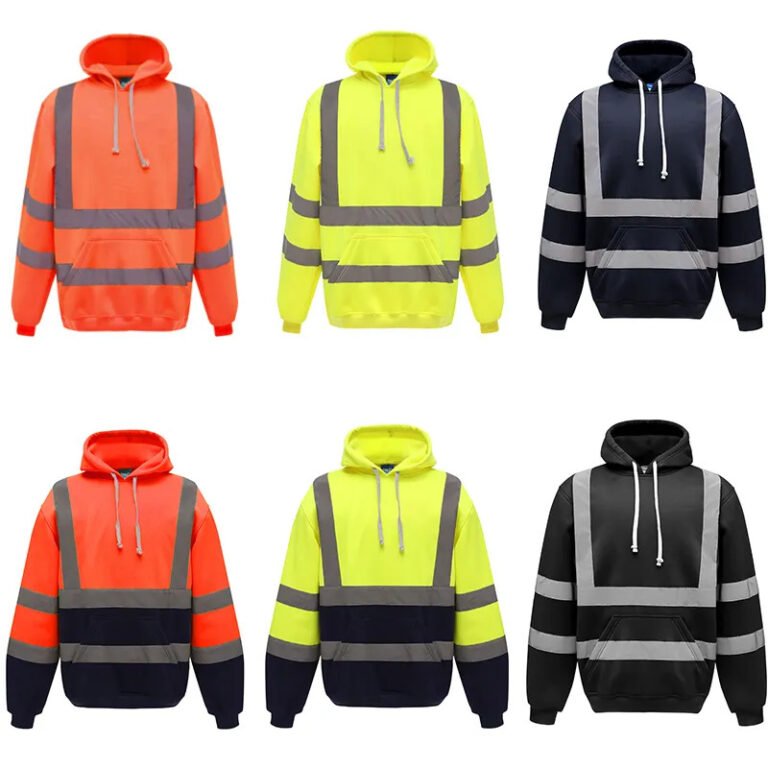
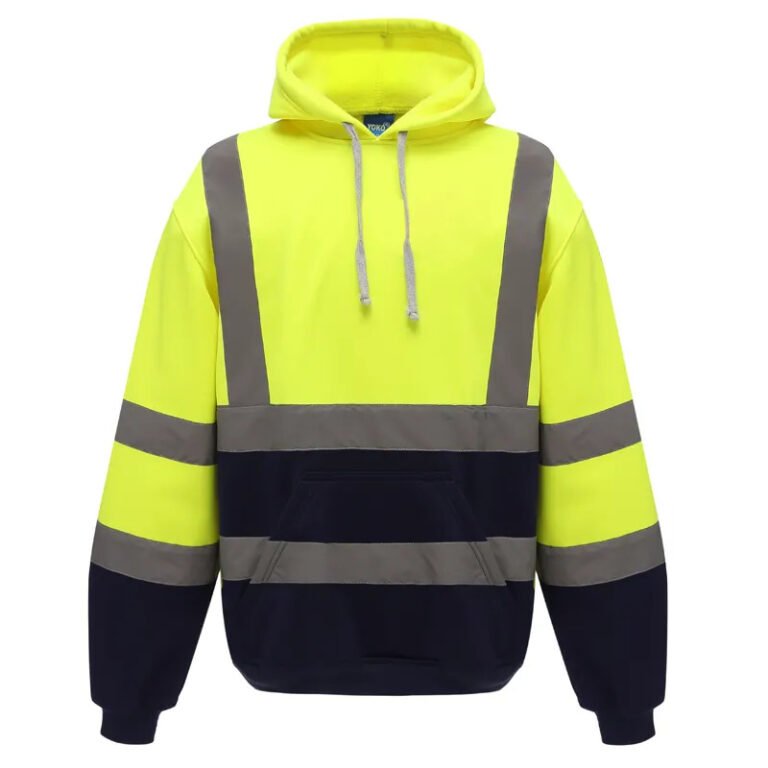
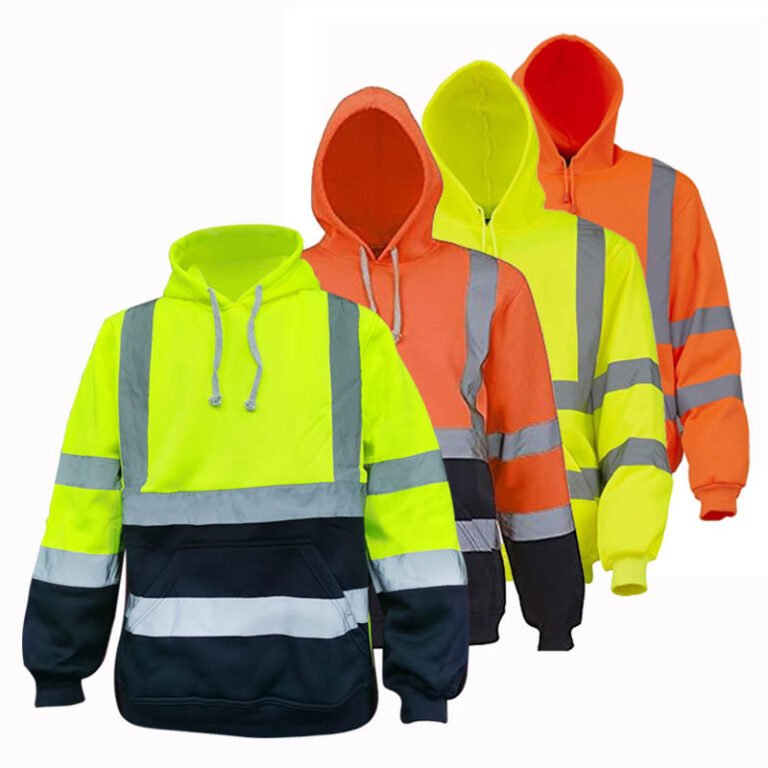
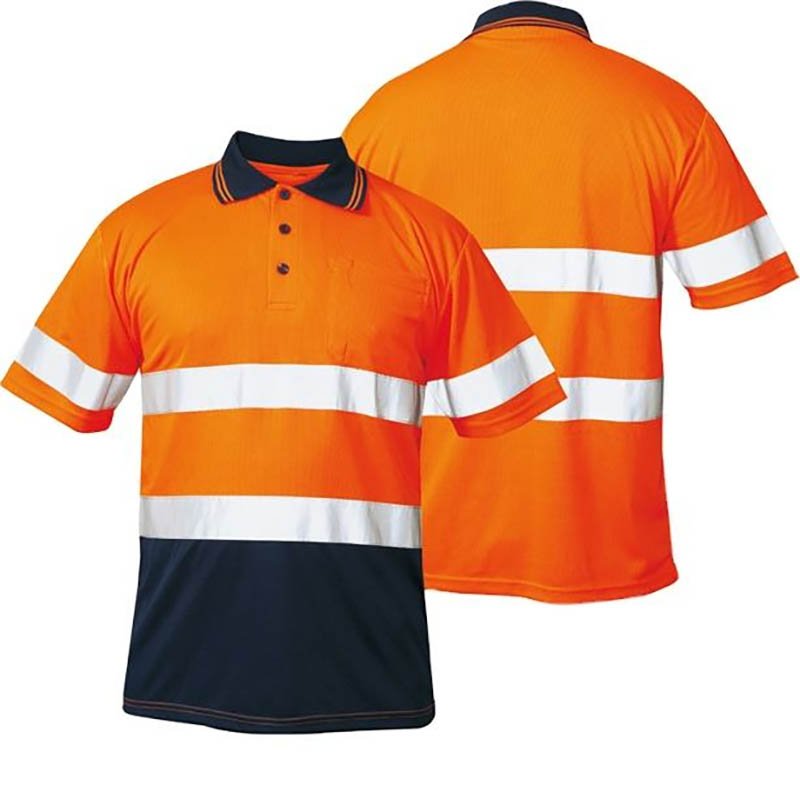
Those are typically 100% polyester. The black or navy panels on the bottom half of hi-vis shirts serve a practical purpose: they hide dirt and grease in high-contact areas, keeping the shirt looking cleaner for longer. Since these areas are not part of the required fluorescent background material for compliance, they can be made of a non-fluorescent color.