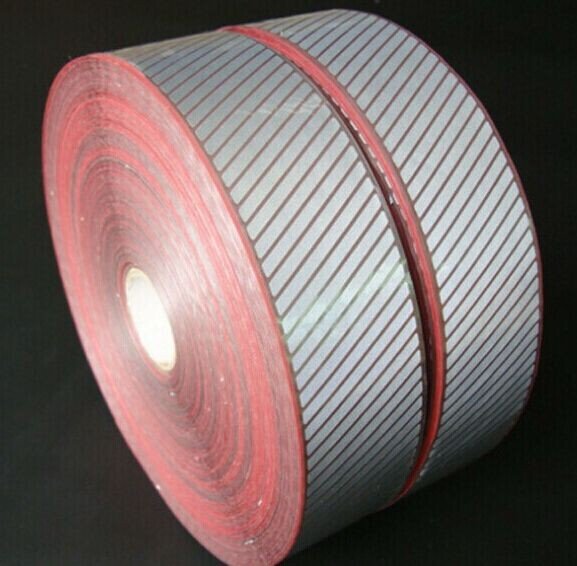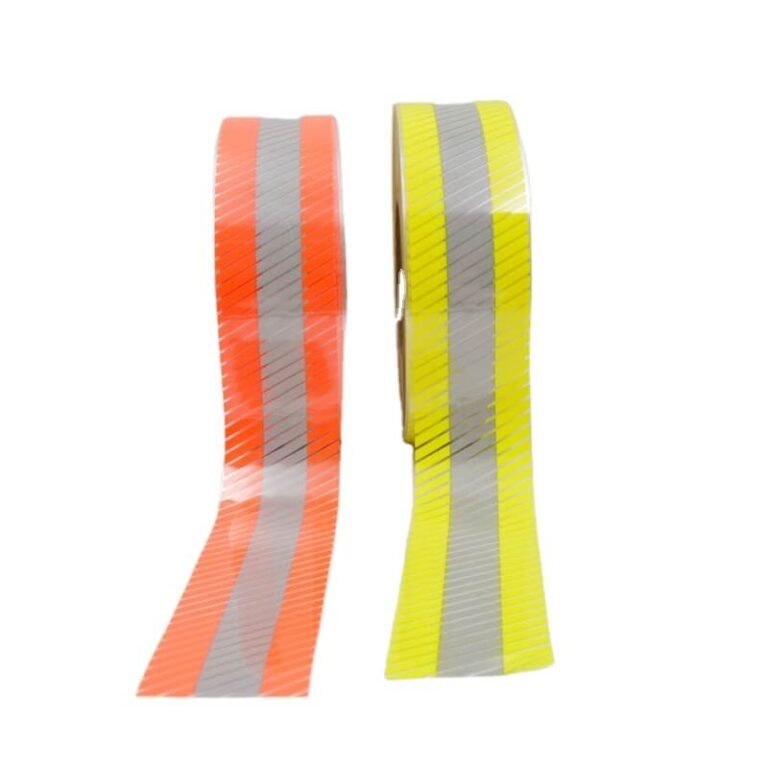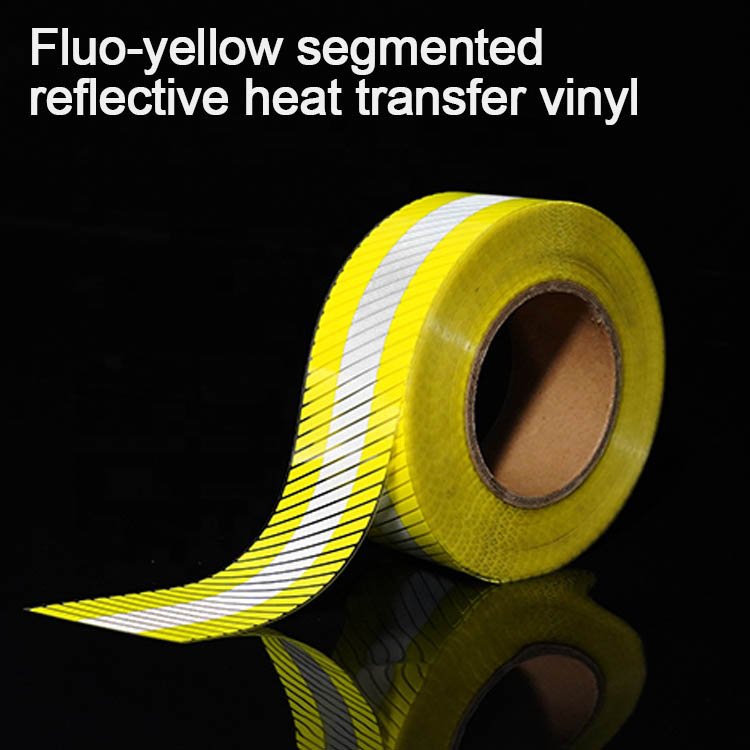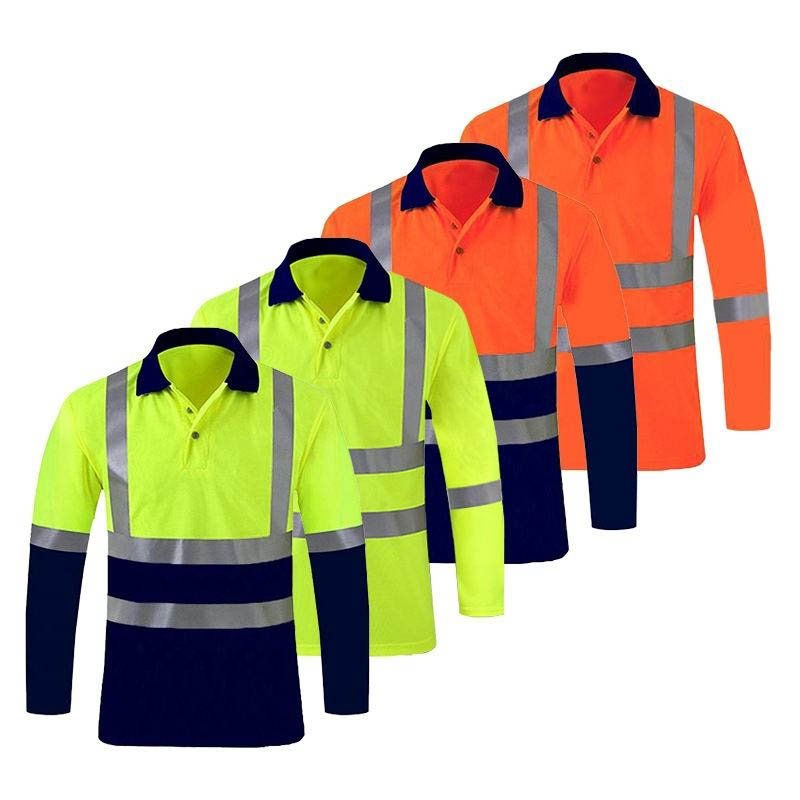
Custom Color Reflective Piping: Enhancing Brand Identity in Uniforms
Reflective piping used to be treated as a purely functional safety trim. Today, smart uniform buyers are using it as a brand asset—one that improves visibility, recognition, and visual consistency across an entire workforce.
Quick Answer
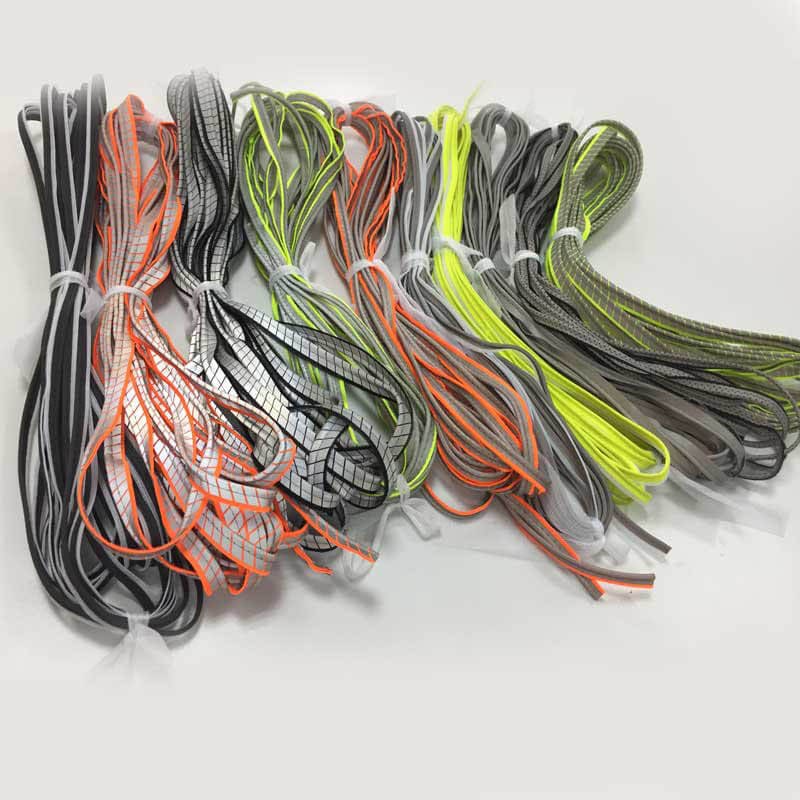
Custom color reflective piping enhances brand identity in uniforms by turning a required visibility feature into a deliberate design element: instead of using only standard silver-gray trim, companies can specify reflective piping in corporate colors, Pantone-inspired shades, contrast accents, or premium dark tones that match their brand system while still providing retro-reflective performance for low-light recognition. When engineered correctly, colored reflective piping can support uniform compliance strategies, improve team recognition, create a cleaner premium appearance, and help logistics, construction, railway, security, event, and industrial teams look more consistent across jackets, vests, rainwear, trousers, and work shirts. For procurement teams comparing wholesale reflective piping options, the key is to evaluate both appearance and performance: color matching, reflectivity, wash durability, sewing compatibility, garment placement, and the relevant visibility standard for the target market.
Why Reflective Piping Is No Longer Just a Safety Detail
For many years, the buying conversation around reflective piping was simple: does it meet the required standard, and what is the price per meter? Silver-gray was accepted almost automatically because it was familiar, available, and easy to approve. That mindset is changing. As uniforms become part of a company’s visible brand experience, buyers no longer want safety trims that look like an afterthought. They want every visible component—fabric color, zipper, logo, label, reflective tape, and piping—to work together.
This shift is especially clear in industries where workers are constantly seen by customers or the public. A parcel delivery driver, railway maintenance crew, traffic control team, airport ground handler, or construction contractor is not just wearing PPE; they are representing the organization. A uniform that integrates color-matched reflective piping looks more intentional and more professional than one where the safety trim visually conflicts with the rest of the garment.
The reason this is possible now is material development. Modern reflective piping can be produced in more colors and finishes than before, while still delivering retro-reflective visibility under headlights or worksite lighting. The best suppliers now treat reflective piping as both a safety component and a design component.
From “Safety Trim” to “Brand Signal”
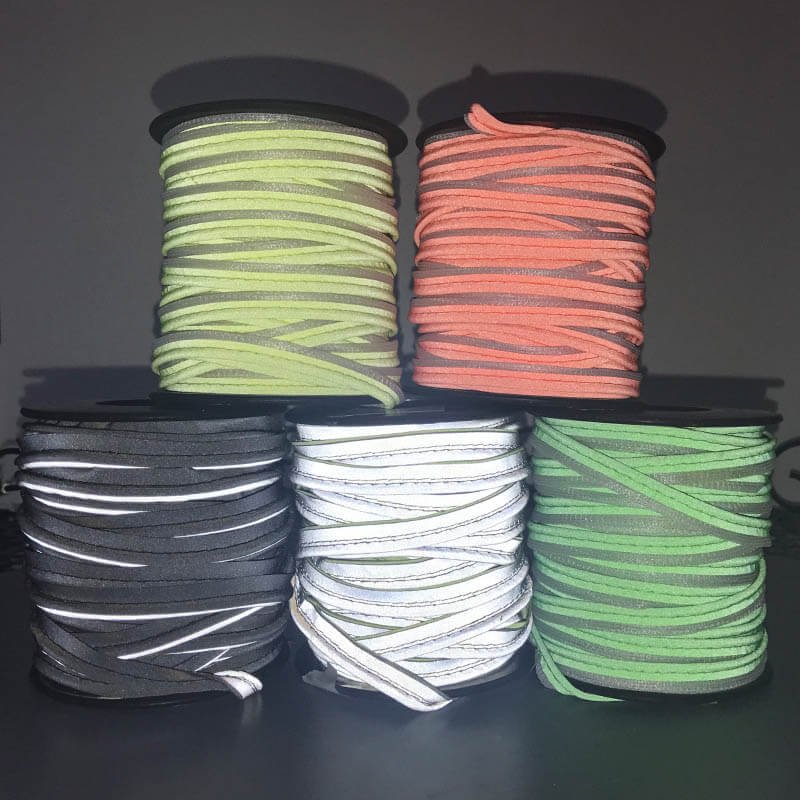
Colored reflective piping helps a uniform communicate before a logo is even visible. Blue piping may signal a logistics brand, charcoal piping may support a premium construction identity, and orange or lime accents may reinforce a safety-first visual language.
The result is subtle but powerful: workers remain visible, while the uniform still feels like part of a complete brand system.
How Custom Color Reflective Piping Strengthens Brand Identity
Brand identity in workwear depends on repetition and consistency. A company may already use a specific jacket color, logo position, contrast panel, or embroidery style, but reflective elements are often overlooked. Custom color reflective piping closes that gap. It allows the safety feature to echo the same visual language used in vehicles, signage, packaging, retail spaces, and digital brand assets.
Recognition
Workers become easier to identify at a distance, especially in busy sites where multiple contractors wear similar high-visibility garments.
Consistency
Piping color can align with corporate colors, department colors, or role-based uniform systems across different garment types.
Perceived Quality
A uniform with coordinated trims looks custom-built rather than assembled from generic off-the-shelf components.
This matters commercially. For distributors and private-label workwear brands, custom color reflective piping can help create a product line that looks different from standard catalog garments. For end users, it supports a stronger visual identity without adding large printed graphics or complicated garment changes.
“The strongest branded uniforms are not loud; they are coherent. Custom reflective piping is one of the smallest details that can make the whole garment feel designed.”
Can Colored Reflective Piping Still Support Safety Standards?
Yes, but the answer depends on the material construction, color, reflectivity level, application area, and the specific standard required for the garment. Buyers should not assume that every colored reflective trim automatically performs the same as standard silver reflective piping. Color pigments, surface coatings, base fabric, glass bead quality, and lamination methods can all affect brightness and durability.
In high-visibility apparel, the most commonly referenced standards include EN ISO 20471 for high-visibility clothing, ANSI/ISEA 107 in the United States, and Australian and New Zealand visibility standards. These standards focus on garment-level visibility, including fluorescent background material, reflective material area, placement, and performance. Reflective piping is often used as an additional visibility and design feature, but whether it contributes to certified reflective area depends on the garment design and test results.
The practical recommendation is simple: when colored piping is intended for certified safety garments, ask for test data, sample evaluation, and confirmation of how the piping will be used in the final garment. If the piping is primarily decorative or brand-enhancing, it can still improve nighttime recognition, but it should not be used as a substitute for required certified reflective tape unless verified.
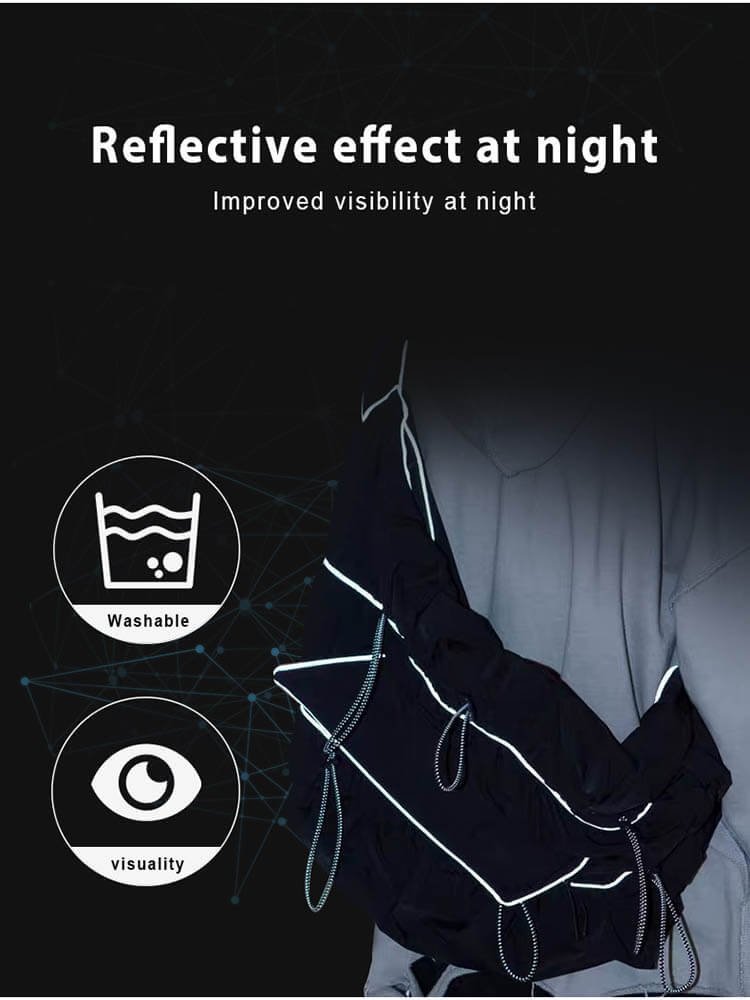
Nighttime reflection is where material quality becomes visible. Always evaluate colored piping under real low-light conditions.
Design Rules for Using Custom Color Reflective Piping in Uniforms
Good uniform design is not just about choosing a color. Placement matters. Reflective piping is most effective when it follows body lines, garment seams, pocket edges, shoulder panels, sleeve contours, trouser side seams, hood edges, or yoke seams. These areas create clean outlines that help define the wearer’s shape in low light while also making the garment look structured during daytime.
| Design Goal | Recommended Piping Approach | Best For |
|---|---|---|
| Brand color alignment | Pantone-inspired blue, red, green, orange, or custom shade | Logistics, delivery, utilities, events |
| Premium workwear look | Charcoal, bronze, dark gray, black-reflective effect | Construction, engineering, facility management |
| High contrast visibility | Bright lime, orange, silver, or contrast color piping | Road work, rail, mining, emergency response |
| Department identification | Different piping colors by team, site, or role | Warehousing, factories, airports, security |
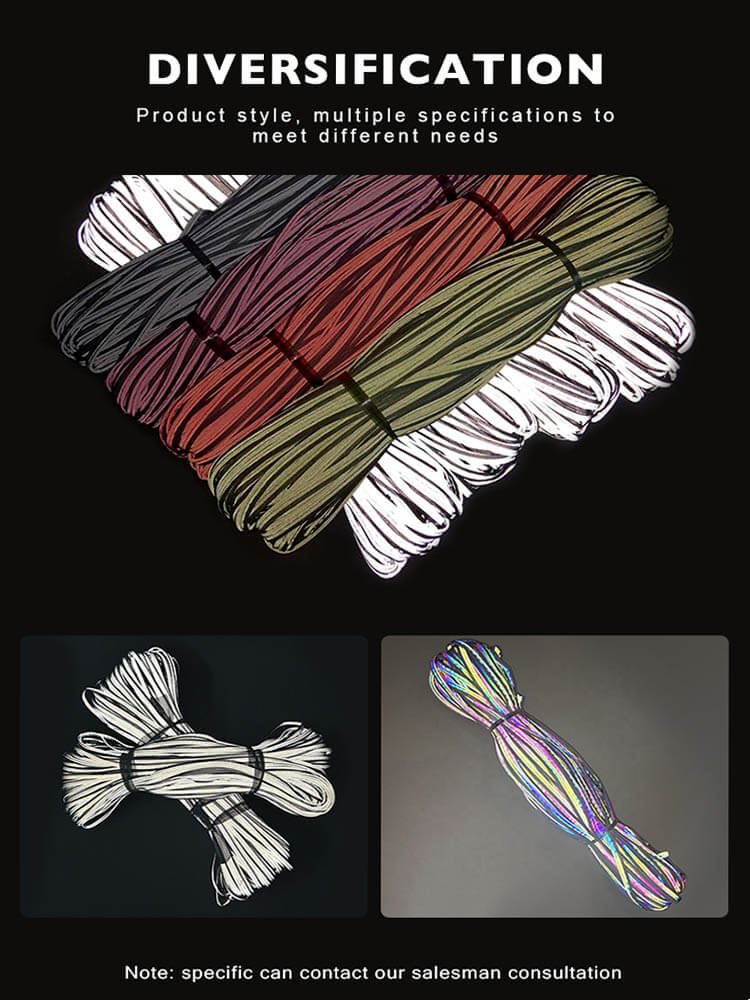
Color matching should be handled carefully. A reflective surface may look slightly different in daylight, shade, artificial light, and direct flash. A corporate Pantone blue, for example, may need adjustment when translated into reflective material. Serious buyers should approve both a daylight sample and a night reflection sample before production.
It is also important to balance aesthetics with garment manufacturing. Piping must be flexible enough for sewing, stable enough for repeated washing, and compatible with the garment fabric. On waterproof jackets or rainwear, seam construction and water resistance may also need to be considered.
Small Trim, Big Visual Impact
Piping works because it sits exactly where the eye naturally reads a garment: seams, borders, shoulders, pockets, and edges. That makes it ideal for subtle branding.
For corporate uniforms, the best effect often comes from restrained placement rather than excessive decoration.
Best Industry Applications for Branded Reflective Piping
Custom color reflective piping is useful wherever workers need visibility and a consistent professional appearance. In logistics, it can match fleet colors and make drivers instantly recognizable at night. In construction, darker or metallic-looking reflective piping can support a more premium site uniform while maintaining low-light visibility. In railway and road work, bright contrast piping can improve garment definition and help supervisors identify teams quickly.
Corporate event teams and security staff also benefit from custom reflective piping because their uniforms often need to look polished, not overly industrial. A black softshell jacket with brand-colored reflective piping can look suitable for public-facing work while still adding visibility in parking areas, venues, loading zones, and night operations.
For further background on workplace visibility and PPE selection, buyers may find the OSHA personal protective equipment guidance useful. European buyers can also review the broader regulatory framework through the European Commission PPE overview.
What Procurement Teams Should Specify Before Ordering
When sourcing custom color reflective piping, a clear specification prevents misunderstanding. Do not send only a color name such as “blue” or “dark gray.” Instead, provide a Pantone reference, garment fabric sample, target market, required reflectivity level, washing requirement, width, core diameter, seam application, and packaging format. If the piping will be used across several garments, request a sample set on the actual fabrics, because the final appearance can change depending on background color and seam construction.
Recommended RFQ Checklist
- ✓ Target color or Pantone reference
- ✓ Required reflective performance
- ✓ Intended garment type and placement
- ✓ Width, cord size, and backing construction
- ✓ Wash cycle expectation
- ✓ Sewing or bonding process
- ✓ Compliance target: EN ISO 20471, ANSI/ISEA 107, or local standard
- ✓ Roll length, carton packing, and annual demand estimate
Another important question is whether the supplier controls only trading or actual material production. A manufacturer with reflective material production and garment manufacturing capability can usually provide better advice on how the piping will behave after cutting, sewing, washing, and long-term use. This is especially valuable for private-label workwear programs where consistent quality must be maintained across repeated orders.
VizGlo Safety supports OEM/ODM development for reflective materials and high-visibility garments, including custom color reflective piping, reflective tapes, reflective logos, webbing, and finished workwear. If you are comparing suppliers, working directly with a reflective piping manufacturer can shorten development time and reduce the risk of mismatched trims in bulk production.
The Strategic Value: Safety and Marketing Can Work Together
The most successful uniform projects are no longer built around a conflict between safety and design. Safety departments need garments that perform. Marketing teams need workers to look consistent, recognizable, and professional. Procurement teams need stable supply, controlled cost, and repeatable quality. Custom color reflective piping helps connect these priorities.
Instead of treating reflective trim as a box to tick, brands can use it as a detail that improves the entire uniform system. It does not need to dominate the garment. In many cases, the best result is a narrow line of reflective color placed with precision—on a shoulder seam, along a trouser side, around a pocket, or across a jacket yoke. That small detail can make a uniform look designed, not generic.

Why Work with VizGlo Safety?
Nanjing VizGlo Safety Technology Co., Ltd. is a specialized manufacturer of high-visibility clothing and reflective materials. With more than 15 years of industry experience, we support global distributors, private-label brands, and enterprise uniform buyers with one-stop OEM/ODM solutions—from reflective material development to finished garment production.
Our product range includes reflective piping, reflective tapes, reflective heat transfer films, reflective logos, reflective webbing, hi-vis vests, jackets, rainwear, hoodies, polo shirts, and full workwear programs. We understand both sides of the project: the technical requirements of safety materials and the commercial requirements of branded uniform collections.
If you are developing a new uniform line, upgrading a private-label product range, or looking for a custom reflective trim that better matches your brand, our team can help evaluate color, reflectivity, fabric compatibility, and production feasibility.
Need Custom Color Reflective Piping for Your Uniform Program?
Send us your target color, garment type, and performance requirements. Our team can help you develop reflective piping that supports both visibility and brand identity.
Request Custom SampleWordPress/Elementor note: this CTA uses your existing Elementor popup action and popup ID 26.
Related Resource
Explore our complete product options, specifications, and OEM/ODM capabilities on the reflective piping product center .
FAQ: Custom Color Reflective Piping
Can reflective piping be made in exact corporate colors? +
It can often be developed close to a corporate color or Pantone reference, but reflective surfaces may appear different under daylight and direct light. Buyers should approve both daytime and nighttime samples before bulk production.
Does colored reflective piping meet EN ISO 20471 or ANSI/ISEA 107? +
It depends on the material performance and how it is used on the garment. Colored reflective piping may support visibility, but certified garment compliance must be confirmed through material data, placement, reflective area, and garment-level testing.
Which garments are best suited for custom reflective piping? +
Jackets, softshells, rainwear, safety vests, trousers, hoodies, polo shirts, and workwear sets can all use reflective piping. It is especially effective along seams, pockets, shoulders, cuffs, trouser sides, and hood edges.
What information should I provide for a custom reflective piping quote? +
Provide target color, width, cord size, backing type, reflectivity requirement, wash durability requirement, garment application, target market standard, estimated order quantity, and whether you need material only or finished garments.
Is custom color reflective piping more expensive than standard silver piping? +
Usually yes, because color development, material matching, testing, and minimum order quantities may be involved. However, for branded uniform programs, the added value in recognition, differentiation, and product positioning often justifies the investment.