Beyond the Vest: Essential Hi-Vis Gear for Railway and Roadside Workers
Why a single vest is a dangerous compromise, and how a complete visibility system saves lives in high-risk zones.
In This Article:
For railway and roadside workers, moving beyond just a vest is non-negotiable for true safety. The essential hi-vis gear ensemble includes hi-vis trousers or coveralls, which are critical for maintaining a recognizable human shape and full-body visibility when a worker is bending, kneeling, or partially obscured. Waterproof hi-vis jackets or rain suits compliant with standards like EN ISO 20471 are vital to ensure conspicuity is not lost during rain or snow. Finally, hi-vis headwear such as caps or helmet covers completes the “visibility bubble,” ensuring workers are seen from elevated positions, like by crane operators or drivers on overpasses. This holistic system—not a single garment—is the key to being seen from every angle, in all conditions.
In my years of outfitting crews globally, from the rain-swept railways of Northern Europe to the sun-scorched highways of the Middle East, I’ve seen one critical oversight time and again: treating a hi-vis vest as a complete safety solution. It’s merely the starting point, a basic ticket to entry that falls dangerously short in dynamic, high-threat environments.
“True on-site safety comes from a holistic approach. It’s about creating a ‘360-degree bubble of visibility.’ The goal isn’t just to meet a standard on paper; it’s to ensure a worker is seen from every angle, in all conditions, without compromising their ability to perform the job.”
The Perilous Reality of Trackside and Roadside Work
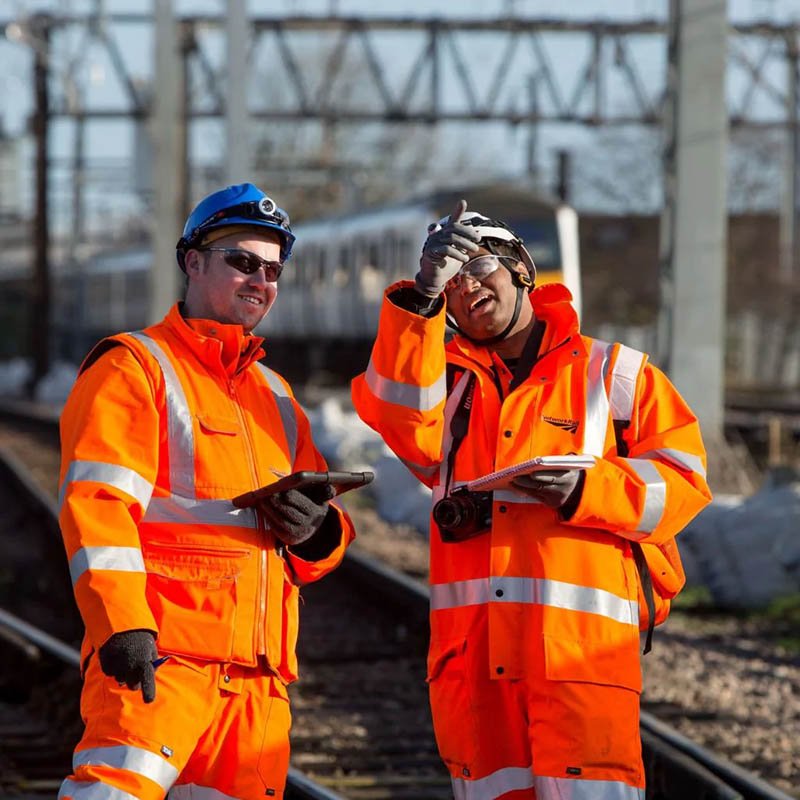
To understand the need for gear “beyond the vest,” you must first appreciate the unique hazards. For these workers, the workplace is not static. It’s a fluid environment with constant, high-speed threats:
- Dynamic Threats: Workers are feet away from moving vehicles and trains, often appearing with little warning.
- Variable Visibility: Work happens at dawn, dusk, night, and in adverse weather like fog, rain, and snow, drastically reducing a driver’s reaction time.
- Complex Backgrounds: A worksite is visually “noisy” with flashing lights, other equipment, and urban clutter, making it harder for a lone worker to stand out.
- Unconventional Postures: Workers are rarely just standing upright. They are crouching, kneeling, and turning, which can hide the reflective tape on a simple vest.
Building the 360-Degree Visibility Bubble
A visibility system addresses the body as a whole, ensuring that no matter the worker’s position or the angle of approach, their human form is instantly recognizable.
Hi-Vis Trousers: The Unsung Hero
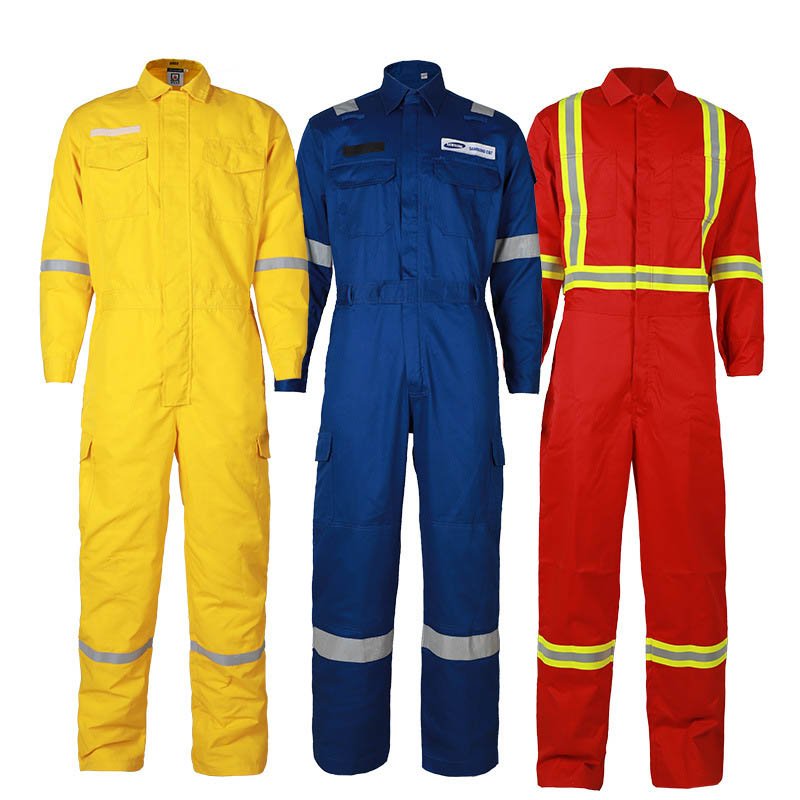
When a worker bends over, a vest becomes a horizontal line. The legs, however, remain a powerful indicator of a human presence. Hi-vis trousers with retroreflective bands around the lower legs are vital. They ensure that even when crouching behind a barrier or picking up a tool, the worker is still visible to approaching traffic. Our comprehensive range of hi-vis workwear includes trousers designed with reinforced knees, practical pockets, and fits that prevent snagging on machinery—a critical safety detail in itself.
All-Weather Jackets & Rainwear: Your First Line of Defense
What happens to a vest when it starts pouring rain? A worker throws on a standard rain jacket, and just like that, all high-visibility protection is gone. This is a catastrophic failure in safety planning. An integrated hi-vis waterproof jacket or a full rain suit is essential. These garments must not only meet EN ISO 20471 for visibility but also standards like EN 343 for protection against foul weather, ensuring the worker is both seen and kept dry, warm, and focused on the job.
Beyond Visibility: Specialized Gear for Unseen Dangers
For railway and certain roadside tasks, visibility is just one piece of the puzzle. The environment may present thermal or electrical hazards that require another layer of protection integrated directly into the hi-vis gear.
Flame-Retardant (FR) Hi-Vis
Railway workers, especially those near electrified lines or performing welding, face the risk of arc flash or fire. Standard polyester hi-vis garments can melt and cause severe burns. FR hi-vis clothing is constructed from materials that self-extinguish and won’t melt, providing critical seconds to escape and minimizing injury. These garments must comply with standards like ISO 11612 (protection against heat and flame) and, for UK railways, the specific standard RIS-3279-TOM.

Anti-Static & Snag-Proof Design
In environments where there’s a risk of explosive atmospheres, static discharge from clothing can be an ignition source. Anti-static hi-vis wear (conforming to EN 1149-5) dissipates static charge safely. Furthermore, for railway workers, loose clothing is a major snagging hazard. Garments must be designed with this in mind—featuring adjustable cuffs, no loose cords, and a fit that is close but not restrictive. Some specifications even call for “breakaway” features that will tear away if caught on a moving train.
Case in Point: VizGlo’s Custom Solution for a National Rail Contractor
A major European rail network partner approached us with a complex challenge. They needed a single workwear solution for trackside maintenance teams that offered:
- Compliance with RIS-3279-TOM (UK Rail Standard Orange).
- Flame-retardant and anti-static properties.
- Class 3 waterproofing and Class 3 breathability.
- A functional design with specific pockets for tools but no external loops to prevent snagging.
- Durable construction to withstand over 50 industrial washes while maintaining FR and visibility ratings.
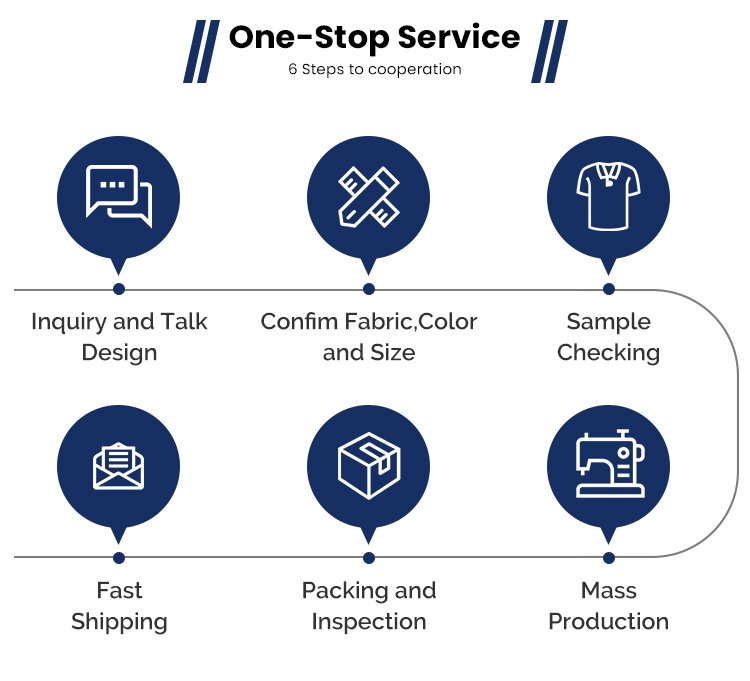
This wasn’t an off-the-shelf request. Our OEM/ODM team worked directly with their safety managers. We developed a multi-layer softshell jacket and matching cargo trousers using a proprietary bonded fabric. We engineered breakaway zippers, reinforced the seams, and placed segmented, heat-applied reflective tape for enhanced flexibility and comfort. The final product not only met every technical standard but was praised by the workers for its comfort and functionality—because the safest gear is the gear people are willing to wear correctly, every single day.
Your Crew Deserves a Complete Safety System.
Don’t settle for the bare minimum. Let’s work together to build a comprehensive hi-vis workwear solution that addresses the real-world risks your team faces.
Request a Custom OEM/ODM ConsultationFrequently Asked Questions
What’s the difference between Class 2 and Class 3 hi-vis gear? ▼
The classes are defined by the ANSI/ISEA 107 and EN ISO 20471 standards. They relate to the minimum required area of fluorescent background material and retroreflective tape. Class 2 (e.g., a standard vest) is for workers exposed to traffic speeds under 50 mph. Class 3 requires the most background material and tape, covering the torso and arms/legs, and is mandatory for workers in high-speed traffic (above 50 mph) or high-risk environments like highways and railways where full-body visibility is critical.
Why is “Railway Orange” the standard in the UK and some other regions? ▼
Fluorescent orange (specifically conforming to RIS-3279-TOM in the UK) is mandated for UK railway work because it provides the highest level of conspicuity against the varied, natural green and brown backgrounds common to rail corridors. While fluorescent yellow/lime is excellent against urban, concrete backgrounds, orange provides a better contrast in rural and trackside environments, ensuring workers stand out effectively.
How often should hi-vis clothing be replaced? ▼
There is no fixed expiry date, but performance degrades over time. Garments should be replaced when they are faded, torn, soiled, or when the reflective tape is damaged or has lost its reflectivity. A good rule of thumb is to inspect gear regularly and follow the manufacturer’s guidelines, which often state a maximum number of wash cycles (e.g., 25 or 50 washes). A faded, dirty garment is a failed garment.
Can you customize hi-vis gear with our company logo? ▼
Absolutely. As an OEM/ODM manufacturer, this is one of our core services. We can apply logos using heat transfer, screen printing, or embroidery. We can even create custom reflective logos. However, it’s crucial that the logo placement and size do not compromise the minimum required area of fluorescent material, ensuring the garment remains compliant with safety standards. We guide our clients through this process to ensure both branding and safety are achieved.