ANSI/ISEA 107 Explained: A Simple Guide to Class 1, 2, and 3 for Safety Managers
Published on | By VizGlo Safety Technology
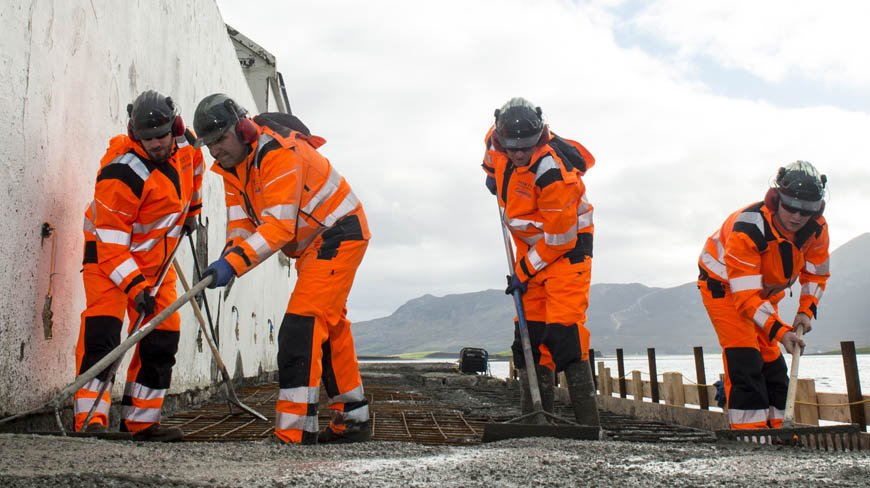
Quick Answer: Understanding ANSI/ISEA 107 Classes
ANSI/ISEA 107 is the American National Standard that establishes design requirements for high-visibility safety apparel. The standard divides hi-vis clothing into three classes based on the amount of background and retroreflective material: Class 1 is for workers in low-risk environments with slow-moving traffic (under 25 mph), requiring minimal visibility; Class 2 is for moderate-risk scenarios with traffic moving 25-50 mph, demanding greater conspicuity; and Class 3 is mandatory for high-risk environments with fast-moving vehicles (over 50 mph), providing maximum visibility through full-body coverage. Safety managers must match the garment class to the specific hazards and traffic speeds workers face, ensuring both regulatory compliance and genuine protection. Choosing the correct class isn’t just about meeting OSHA requirements—it’s about creating a visible safety barrier between workers and moving vehicles or equipment.
What Is ANSI/ISEA 107?
The ANSI/ISEA 107 standard, developed by the American National Standards Institute (ANSI) and the International Safety Equipment Association (ISEA), is the definitive guideline for high-visibility safety apparel in the United States. First published in 1999 and regularly updated (most recently in 2020), this standard establishes precise requirements for the design, performance, and use of hi-vis clothing that protects workers in environments where visibility is critical to survival.
For safety managers, ANSI/ISEA 107 serves as the blueprint for selecting appropriate protective gear. The standard doesn’t just specify colors and reflective tape placement—it quantifies the exact square inches of fluorescent background material and retroreflective tape required, defines acceptable color options (fluorescent yellow-green, orange-red, or red), and establishes performance criteria for visibility at various distances and angles.
Beyond compliance, understanding this standard enables you to make informed decisions that balance worker safety, comfort, and operational efficiency. The three-class system provides a clear framework for matching garment specifications to workplace hazards, ensuring workers are neither under-protected nor unnecessarily burdened with excessive gear.

Class 1: Low-Risk Environments
Material Requirements
- Background Material: Minimum 155 square inches (1,000 cm²)
- Retroreflective Material: Minimum 100 square inches (645 cm²)
- Typical Garments: Vests, sleeves, belts
When to Use Class 1
Class 1 is designed for environments where workers are separated from vehicular traffic or work in areas with traffic speeds not exceeding 25 mph. Common applications include:
- Warehouse operations: Where workers operate away from vehicle traffic lanes
- Parking lot attendants: In controlled, low-speed environments
- Delivery personnel: Making brief stops in low-traffic areas
- Shopping cart retrievers: Working in parking lots with slow-moving vehicles
- Indoor facility workers: Who occasionally need visibility in low-light areas
“Class 1 garments are perfect for scenarios where visibility is needed but workers maintain a buffer from high-speed traffic. Think of them as your baseline visibility solution for controlled environments.”
While Class 1 offers the minimum protection level, it’s crucial not to underestimate its importance. In warehouse and logistics settings, proper Class 1 garments can significantly reduce forklift-pedestrian incidents, which account for numerous workplace injuries annually.
Class 2: Moderate-Risk Scenarios
Material Requirements
- Background Material: Minimum 775 square inches (5,000 cm²)
- Retroreflective Material: Minimum 201 square inches (1,290 cm²)
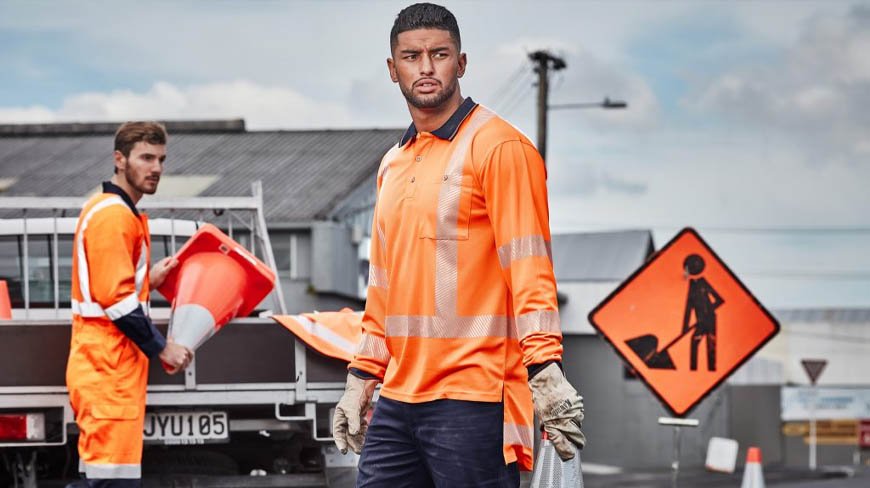
- Typical Garments: Vests, t-shirts, jackets, hoodies
When to Use Class 2
Class 2 is the workhorse classification for many industries. It’s required when workers face traffic moving 25-50 mph or work in conditions with reduced visibility. Typical scenarios include:
- Road construction: Workers on highways with reduced speed limits
- Utility workers: Performing roadside maintenance or repairs
- Surveying crews: Working near active roadways
- Railway workers: In yards or maintenance areas (check specific railway standards)
- Airport ground crews: Around taxiways and service roads
- Tow truck operators: Working along roadways
- Emergency responders: At accident scenes (depending on jurisdiction)
Class 2 garments significantly increase the “conspicuity envelope”—the distance at which a worker becomes visible to approaching drivers. Studies show that Class 2 garments can be spotted up to 1,280 feet away in daylight conditions, giving drivers critical reaction time. This makes them essential for construction and roadwork applications where split-second decisions can prevent accidents.
⚠️ Important Note for Safety Managers:
Class 2 is often the minimum requirement mandated by OSHA for most roadway work zones. Always verify your specific state DOT requirements, as some jurisdictions may require Class 3 even in scenarios where federal standards allow Class 2.
Class 3: High-Risk Environments
Material Requirements
- Background Material: Minimum 1,240 square inches (8,000 cm²)
- Retroreflective Material: Minimum 310 square inches (2,000 cm²)
- Coverage Requirement: Must provide 360-degree visibility with sleeves
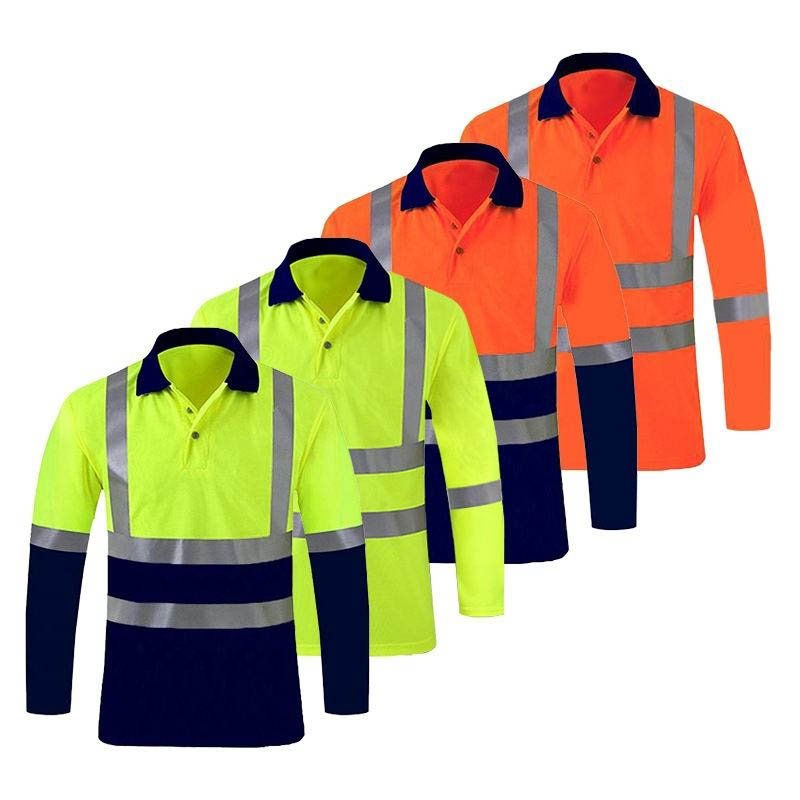
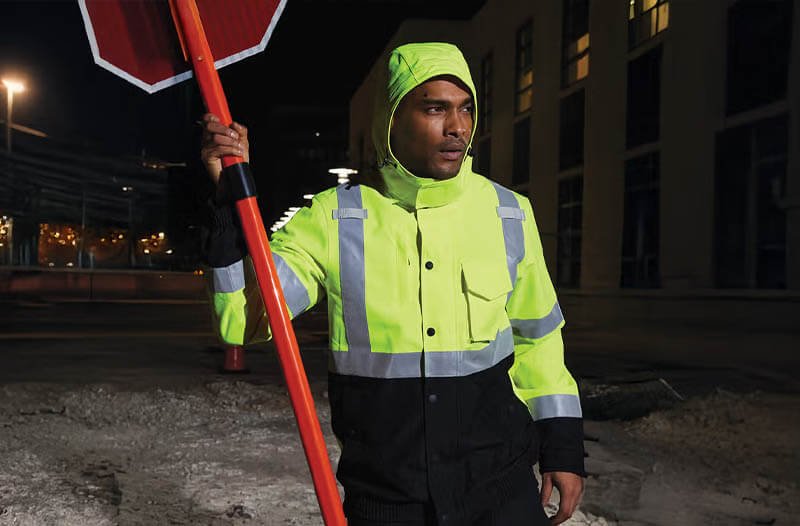
- Typical Garments: Long-sleeve shirts, jackets, coveralls, full-body suits
When to Use Class 3
Class 3 represents the highest level of protection and is non-negotiable in environments where workers face traffic exceeding 50 mph or work in extremely hazardous conditions with poor visibility. Mandatory scenarios include:
- Highway work zones: On interstates and high-speed roadways
- Flaggers: Directing traffic in active work zones
- Emergency responders: On highways (police, fire, EMS)
- Tow truck operators: On high-speed highways
- Snowplow operators: Working during low-visibility conditions
- Utility workers: On high-speed roads or during night operations
- Bridge and overpass workers: Exposed to high-speed traffic below
The key distinguishing feature of Class 3 is the requirement for sleeve coverage, ensuring workers are visible from all angles, even when their arms are extended. This 360-degree conspicuity is critical when workers are turning, bending, or working with their backs to traffic. When combined with quality retroreflective materials, Class 3 garments can be seen from over a quarter-mile away at night, giving drivers ample time to slow down and change lanes.
🚨 Critical Safety Alert:
According to the Bureau of Labor Statistics, struck-by incidents are among the leading causes of worker fatalities in construction and roadwork. Class 3 garments are proven life-savers in these environments. Never compromise by downgrading to Class 2 when Class 3 is indicated by traffic speeds or visibility conditions.
Side-by-Side Comparison Table
| Feature | Class 1 | Class 2 | Class 3 |
|---|---|---|---|
| Background Material | 155 in² (1,000 cm²) | 775 in² (5,000 cm²) | 1,240 in² (8,000 cm²) |
| Reflective Material | 100 in² (645 cm²) | 201 in² (1,290 cm²) | 310 in² (2,000 cm²) |
| Traffic Speed | Under 25 mph | 25-50 mph | Over 50 mph |
| Visibility Distance | Up to 350 feet | Up to 1,280 feet | Over 1,400 feet |
| Sleeve Requirement | Not required | Optional | Mandatory |
| Typical Use | Warehouses, parking lots | Road construction, utilities | Highways, emergency response |
| Cost Range | $ – Low | $$ – Moderate | $$$ – Higher |
Understanding Material Requirements
Background (Fluorescent) Material
The fluorescent background material is your daytime visibility hero. ANSI/ISEA 107 permits three color options:
- Fluorescent Yellow-Green: Most common, provides highest contrast against most backgrounds
- Fluorescent Orange-Red: Popular in construction, some studies suggest better visibility in dawn/dusk
- Fluorescent Red: Less common but compliant for specific applications
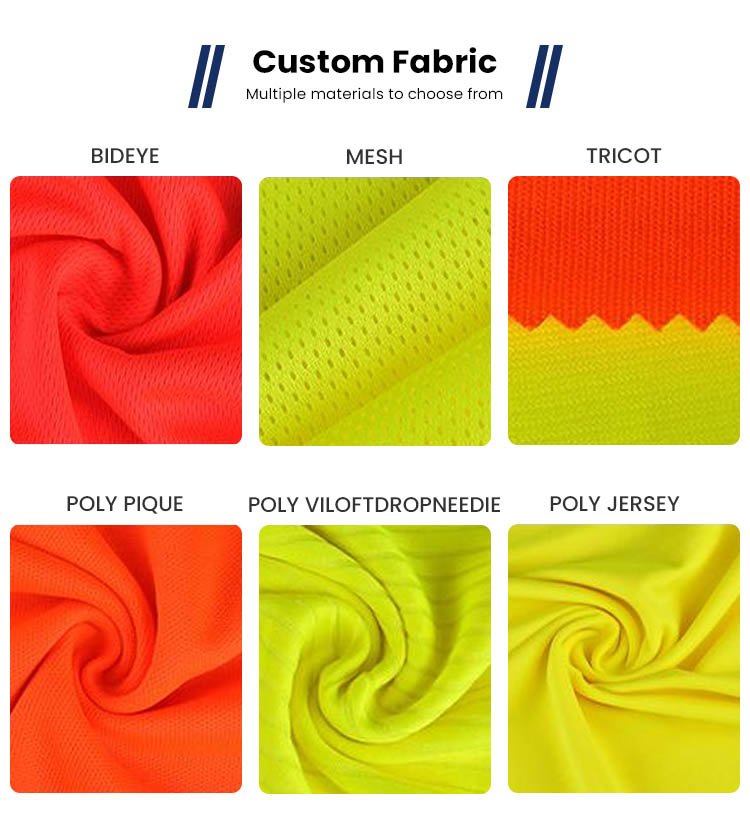
The fluorescent properties work by converting ultraviolet light into visible light, making the garment appear to “glow” in daylight. This is why hi-vis clothing looks so much brighter than regular clothing in the same color. When sourcing garments, ensure the fabric meets ANSI chromaticity requirements and maintains its fluorescent properties through multiple wash cycles.
Retroreflective Material
Retroreflective tape is your nighttime lifeline. Unlike regular reflection, retroreflection bounces light directly back to its source (typically vehicle headlights), creating a brilliant glow that makes workers visible in the dark.
Key Retroreflective Standards:
- Must meet minimum coefficient of retroreflection (brightness) values
- Should maintain performance after 25+ wash cycles (50+ for premium materials)
- Placement must provide 360-degree visibility (especially Class 3)
- Width typically 2 inches minimum (varies by application)
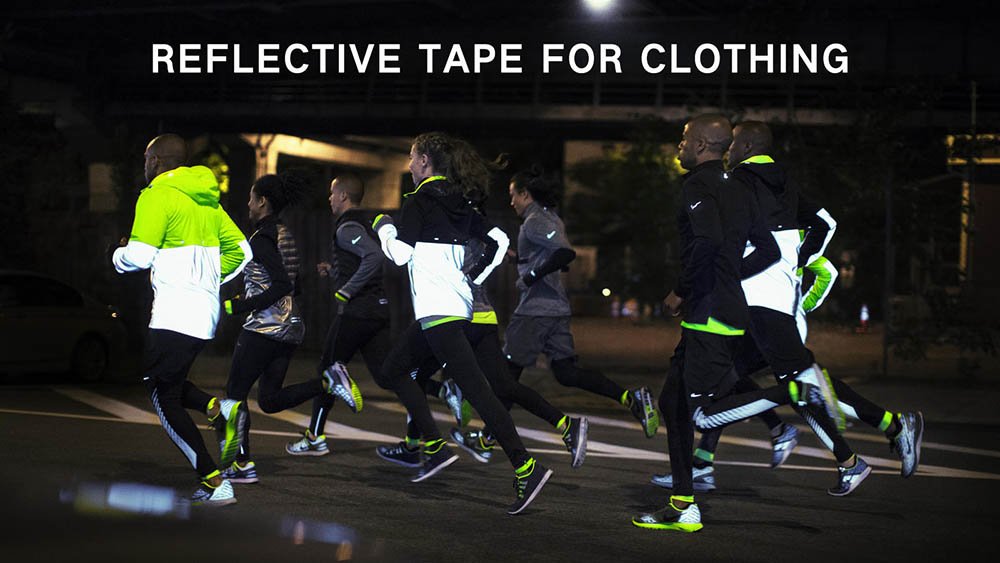
At VizGlo Safety, we manufacture our own high-performance retroreflective materials, ensuring consistent quality and allowing for custom configurations that exceed ANSI minimums. This vertical integration gives our clients peace of mind that their workers’ safety isn’t compromised by subpar materials from unknown suppliers.
How Safety Managers Should Select the Right Class
The Decision Framework
As a safety manager, your garment selection should follow this systematic approach:
Step 1: Conduct a Traffic Speed Assessment
Document the actual speed of vehicles/equipment in your work zones:
- Under 25 mph → Class 1 minimum
- 25-50 mph → Class 2 minimum
- Over 50 mph → Class 3 mandatory
Step 2: Evaluate Environmental Factors
Consider conditions that reduce visibility:
- Poor weather (rain, fog, snow) → Upgrade one class
- Dawn/dusk/night operations → Minimum Class 2, prefer Class 3
- Complex backgrounds (urban environments) → Consider upgrading
- Worker movement patterns (turning, bending) → Class 3 for full-body visibility
Step 3: Check Regulatory Requirements
- Federal OSHA regulations (29 CFR 1926.201)
- State DOT specifications (may be more stringent)
- Client/contract requirements
- Industry-specific standards (railway, utilities, etc.)
Step 4: Consider Practical Factors
- Comfort & Compliance: Workers won’t wear uncomfortable gear properly
- Weather Appropriateness: Match garment type to climate (vests vs. hoodies vs. jackets)
- Durability: Higher-quality materials reduce long-term costs
- Ease of Cleaning: Industrial-grade garments should withstand frequent washing
Common Mistakes to Avoid
-
❌Under-speccing to save costs: The price difference between classes is minimal compared to the cost of a workplace injury or fatality
-
❌Ignoring worker feedback: If workers complain about comfort, they’ll remove garments when supervisors aren’t looking
-
❌Not inspecting garments regularly: Faded fluorescent material and damaged reflective tape compromise safety
-
❌Assuming one-size-fits-all: Different work zones may require different classes even within the same project
For teams managing diverse work environments, consider establishing a comprehensive team workwear program that includes appropriate garments for each scenario your workers might encounter. This ensures immediate compliance when work conditions change unexpectedly.
💡 Expert Insight from the Field
From my perspective in the field, the biggest challenge for safety managers isn’t memorizing the ANSI/ISEA 107 standard, but balancing it with reality. I’ve seen budgets wasted on “over-speccing” with Class 3 gear where Class 2 would suffice, leading to frustrated, overheated workers. Conversely, I’ve seen safety compromised by trying to stretch a Class 2 vest’s capability into a clear Class 3 environment.
My core message is always this: the standard is your foundation, not your complete strategy. A true safety assessment considers the specific work task, time of day, weather, and even worker comfort. The right vest is the one that’s not only compliant but is also worn correctly for the entire shift because it’s appropriate for the real-world job site.
Your goal isn’t just to buy a compliant product, but to invest in effective visibility. When I work with clients, I always recommend a site visit to observe actual conditions before specifying garments. That’s how you move from checkbox compliance to genuine worker protection.
Implementing Your ANSI/ISEA 107 Program
Building a Comprehensive Safety Wardrobe
Forward-thinking safety managers don’t just order one type of garment—they build a comprehensive wardrobe that addresses all scenarios their workers might face. Here’s what a complete program looks like:
For Varying Weather Conditions:
- Summer: Breathable mesh vests, moisture-wicking shirts
- Spring/Fall: Hi-vis hoodies and sweatshirts
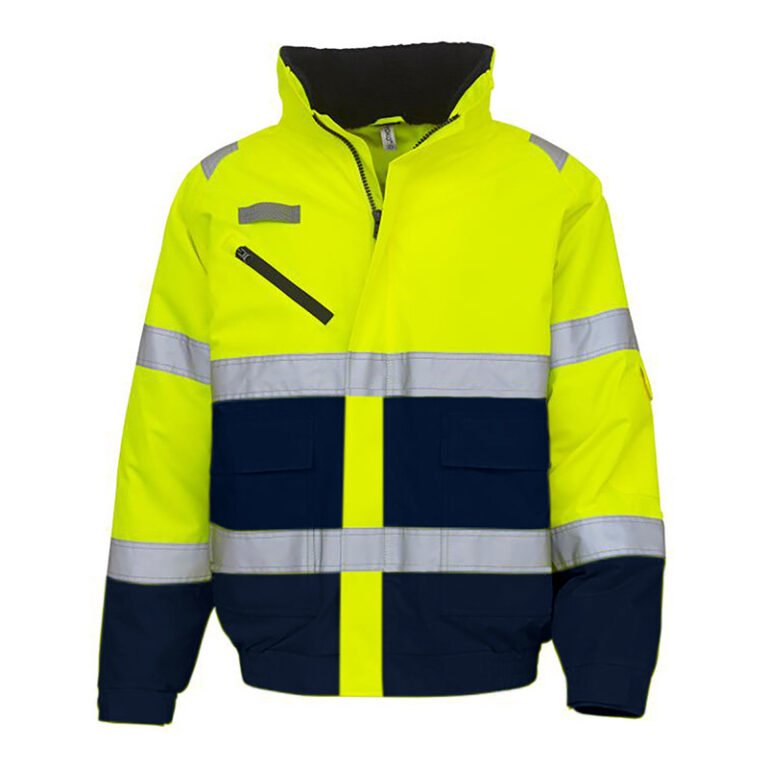
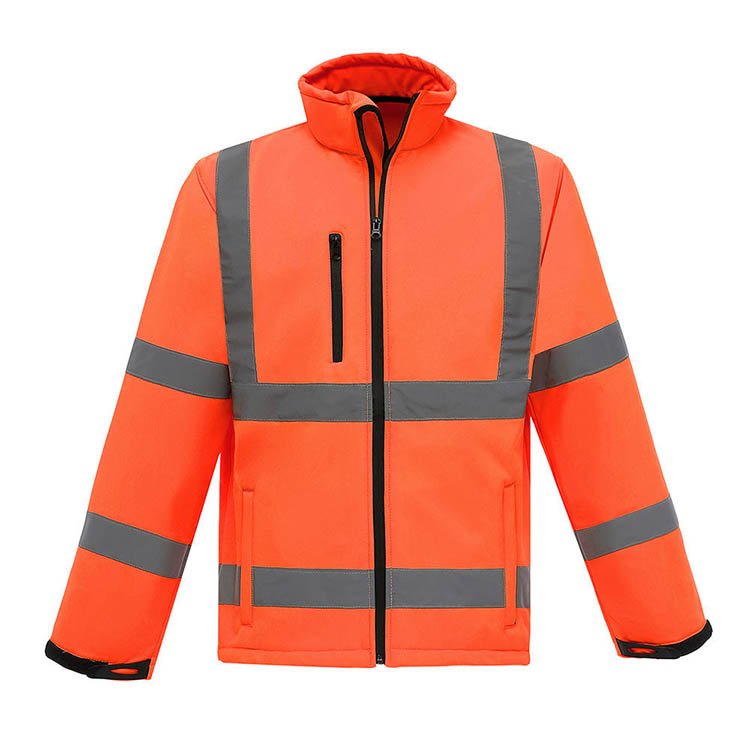
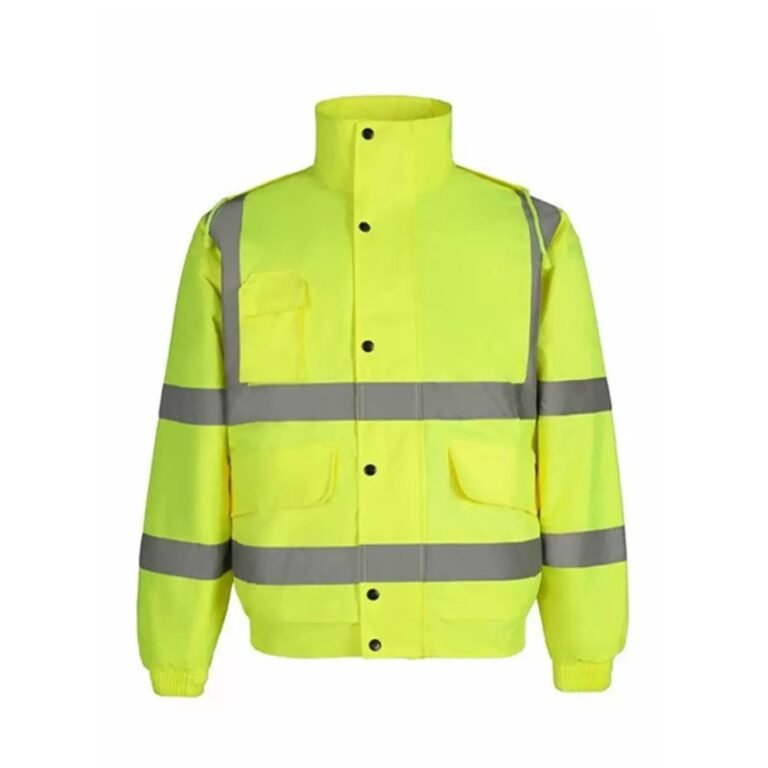
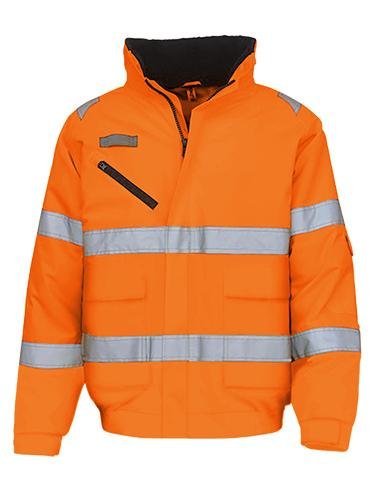
- Winter: Insulated jackets with Class 3 coverage
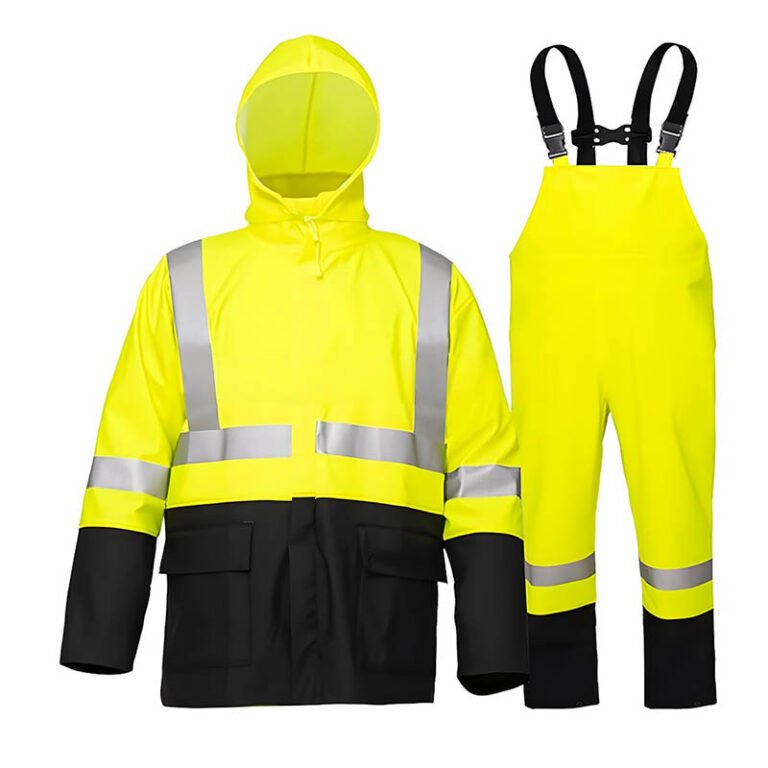
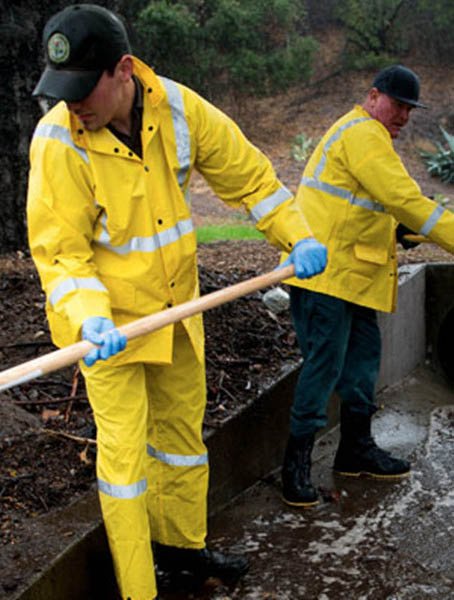
- Wet Weather: Waterproof rain suits with sealed seams
For Different Work Zones:
- Warehouse/Yard: Class 1-2 vests for comfort
- Local Roads: Class 2 vests or shirts
- Highway Work: Class 3 long-sleeve jackets mandatory
- Emergency Response: Class 3 with high-contrast trim
Customization for Brand Identity & Functionality
ANSI compliance doesn’t mean sacrificing your company’s brand identity. Modern manufacturing capabilities allow for extensive customization while maintaining safety standards:
- Logo Integration: Embroidered or heat-pressed logos on compliant areas
- Company Colors: Combine ANSI fluorescent colors with your brand’s secondary colors on non-critical areas
- Functional Add-ons: Extra pockets, ID holders, tool loops (provided they don’t obscure reflective material)
- Size Inclusivity: Ensure availability from XS to 5XL+ for all body types
- Special Requirements: Flame-resistant options for welding, arc-rated for electrical work
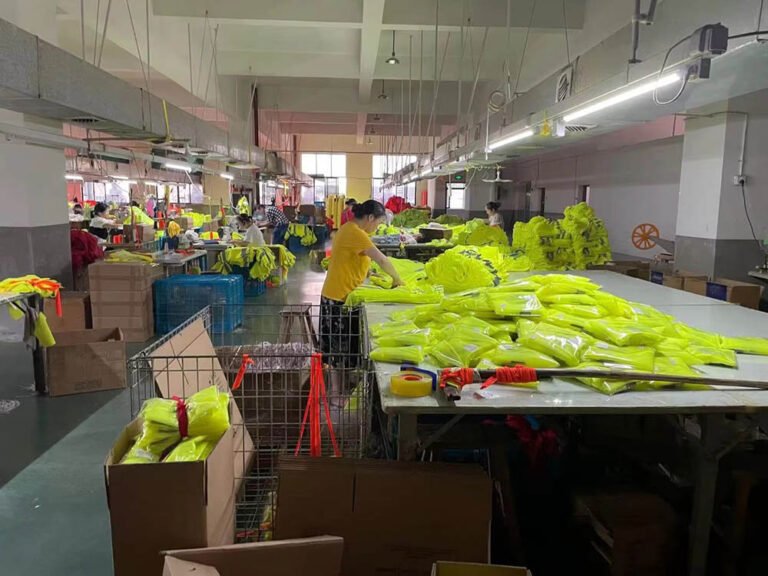
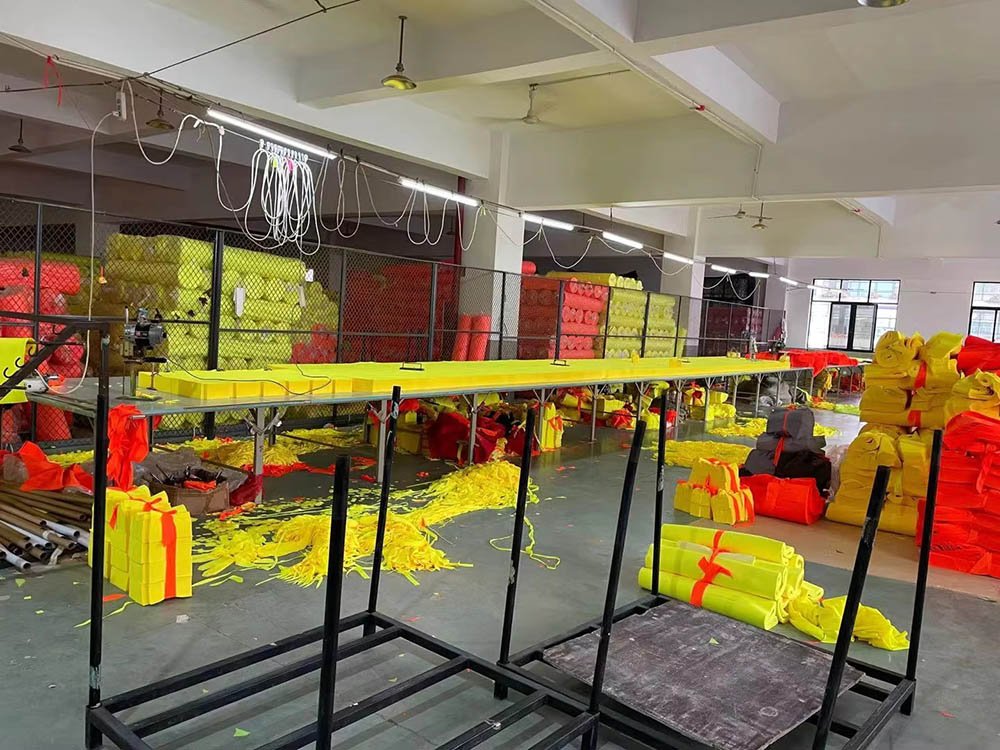
As an OEM/ODM manufacturer, VizGlo Safety specializes in creating custom hi-vis solutions that meet ANSI requirements while reflecting your company’s unique needs and branding. We can guide you through order quantities that make sense for your operation, whether you’re outfitting 10 workers or 10,000.
Frequently Asked Questions
Can I achieve Class 3 by combining a Class 2 vest with long sleeves?
No, this is a common misconception. While ANSI/ISEA 107 does allow for “complimentary garments” to achieve a higher class, both garments must meet specific requirements. The sleeves must have retroreflective material, and the combined system must meet the total square inch requirements for Class 3. Simply wearing long sleeves under a Class 2 vest doesn’t create Class 3 compliance. It’s safer and more straightforward to specify an integrated Class 3 garment from the start.
Are black or orange hi-vis hoodies ANSI compliant?
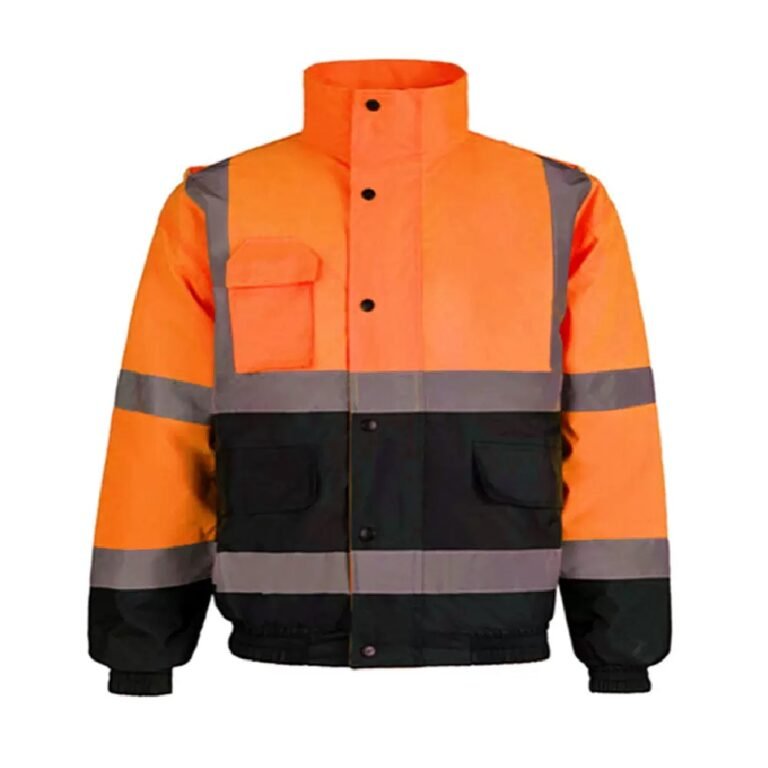
Not typically. ANSI/ISEA 107 requires the background material to be one of three specific fluorescent colors: yellow-green, orange-red, or red. A black hoodie with reflective trim does not meet the background material requirement, regardless of how much reflective tape it has. However, black can be used as an accent color on non-critical areas (like sides, lower hem) as long as the required square inches of fluorescent material are present. Some manufacturers offer “enhanced visibility” black garments, but these are not ANSI-compliant and should only be used in low-risk environments where compliance isn’t required. For a detailed analysis, check out our article on black and orange hi-vis compliance.
How often should hi-vis clothing be replaced?
There’s no fixed timeline—it depends on usage intensity and care. Inspect garments regularly for: (1) Fading of fluorescent material (if it looks dull or “washed out,” it’s lost effectiveness); (2) Damaged, cracked, or peeling retroreflective tape; (3) Tears, excessive wear, or missing components. As a rule of thumb, garments used daily in harsh conditions might need replacement every 3-6 months, while those used occasionally in mild conditions could last 1-2 years. Establish an inspection protocol where supervisors check garments monthly and remove any that don’t meet standards. Remember: a faded vest might seem “good enough” in daylight, but it’s dramatically less effective at dusk and dawn when many accidents occur. Learn more about maintaining reflectivity in hi-vis garments.
What’s the difference between Type R, Type P, and Type O designations?
These are performance class designations within ANSI/ISEA 107 that specify intended use: Type R (Roadway) garments are designed for workers near roadways and exposed to vehicular traffic—this is the most common type specified for construction, utilities, and emergency response. Type P (Public Safety) garments are specifically designed for law enforcement, fire, and EMS personnel, often featuring additional design elements for equipment carry and range of motion. Type O (Off-Road) garments are for workers in areas completely separated from traffic, like railways or airports where the primary hazard isn’t vehicles on roadways. For most safety managers in construction or road work, Type R is the correct specification. Your specific requirements might dictate Type P (emergency services) or Type O (rail yards, airport aprons).
Can I buy hi-vis clothing directly from a China manufacturer and ensure ANSI compliance?
Yes, but you must work with a reputable manufacturer who understands ANSI/ISEA 107 requirements and can provide documentation. At VizGlo Safety, we specialize in manufacturing ANSI-compliant garments for the North American market. We provide: (1) Pre-production samples for your approval; (2) Third-party testing reports from accredited labs; (3) Documentation of material specifications (fluorescent and retroreflective); (4) Care labels with proper ANSI markings and class designations. The key is finding a manufacturer who doesn’t just claim compliance but can prove it with test reports and certifications. Beware of suppliers offering “ANSI-style” or “ANSI-inspired” garments—these are not compliant. Always request specification sheets showing exact square inches of materials and photometric test results for the retroreflective components. Learn more about sourcing directly from China manufacturers and our bulk order capabilities.
Are there specific ANSI requirements for women’s hi-vis clothing?
ANSI/ISEA 107 doesn’t have separate requirements for men’s and women’s garments—the material quantity and placement requirements are gender-neutral. However, the standard does recognize that garments should fit properly to be effective. Women’s-specific designs with proper tailoring (contoured cuts, appropriate sizing) help ensure the fluorescent and reflective materials stay in the correct positions on the body. A poorly fitting garment that bunches up, rides up, or hangs loosely can compromise the intended visibility coverage. Progressive safety programs now include women’s-cut options to improve both safety and worker acceptance. VizGlo Safety offers women’s-tailored hi-vis garments that meet all ANSI requirements while providing the fit and comfort that encourages full-shift wear compliance.
Ready to Upgrade Your Team’s Safety Program?
VizGlo Safety specializes in manufacturing ANSI/ISEA 107-compliant hi-vis clothing for safety managers who refuse to compromise on worker protection. From Class 1 vests to Class 3 winter jackets, we offer complete customization while maintaining rigorous compliance standards.
Questions? Our technical team is ready to help you specify the right garments for your unique work environment. See why leading teams are switching to VizGlo.
Conclusion: Beyond Compliance to True Safety
Understanding ANSI/ISEA 107 isn’t just about memorizing material requirements or traffic speed thresholds—it’s about developing a comprehensive visibility strategy that protects your most valuable asset: your workers. The three-class system provides a clear framework, but effective implementation requires considering the full context of your operations.
As you evaluate your current hi-vis program, ask yourself: Are your workers truly visible in all the conditions they face? Are the garments comfortable enough to be worn properly for entire shifts? Are you prepared for seasonal changes and varying job site requirements? These questions drive the difference between checkbox compliance and genuine safety excellence.
Remember, the goal isn’t to buy the cheapest compliant garment—it’s to invest in visibility solutions that workers will actually use correctly because they’re appropriate, comfortable, and effective. Whether you’re sourcing ready-made garments or developing a custom program, partner with manufacturers who understand that ANSI/ISEA 107 is the floor, not the ceiling, of worker protection.