The Ultimate Guide to Heavy-Duty Winter Work Hoodies for Cold Climates
Ensuring safety, warmth, and mobility for crews facing the harshest winter conditions.
What constitutes a “Heavy-Duty” Winter Work Hoodie?
A heavy-duty winter work hoodie is distinguished by three core elements: high GSM (Grams per Square Meter) fabric density (typically exceeding 300g fleece), advanced thermal lining (such as Sherpa or quilted insulation) to trap body heat, and ANSI/ISEA 107 compliance for visibility. Unlike standard apparel, these hoodies feature reinforced stitching, durable ripstop overlays, and weather-resistant finishes (DWR) to withstand industrial wear and tear while maintaining worker mobility in sub-zero environments.
💡 My Insight
From my years of outfitting crews in construction, logistics, and utilities, I can tell you this: the conversation about a heavy-duty winter hoodie goes far beyond just “is it warm?” My clients aren’t buying apparel; they’re investing in a critical piece of equipment that directly impacts safety, morale, and productivity in frigid environments.
The biggest mistake I see is buyers underestimating the difference between a standard hoodie and a true ‘work’ hoodie. We’re talking about a tool designed for a job. Here are the three factors that my most successful clients prioritize:
- 1. Thermal Performance vs. Mobility: It’s not just about grams of insulation. The key is how that insulation works. Does it use a modern thermal lining that traps heat without adding a ton of bulk? A worker who feels like a marshmallow can’t move efficiently or safely. The best hoodies provide warmth while preserving a full range of motion.
- 2. “Battle-Tested” Durability: A cheap hoodie might last a season. A professional one is built to endure. I always point to the details: Are the seams reinforced or triple-stitched? Is the outer fabric a durable polyester or a ripstop blend that resists tears from snags on equipment or materials? Is the zipper a heavy-duty YKK, not a flimsy plastic one that will fail in the cold? This is where the long-term value lies.
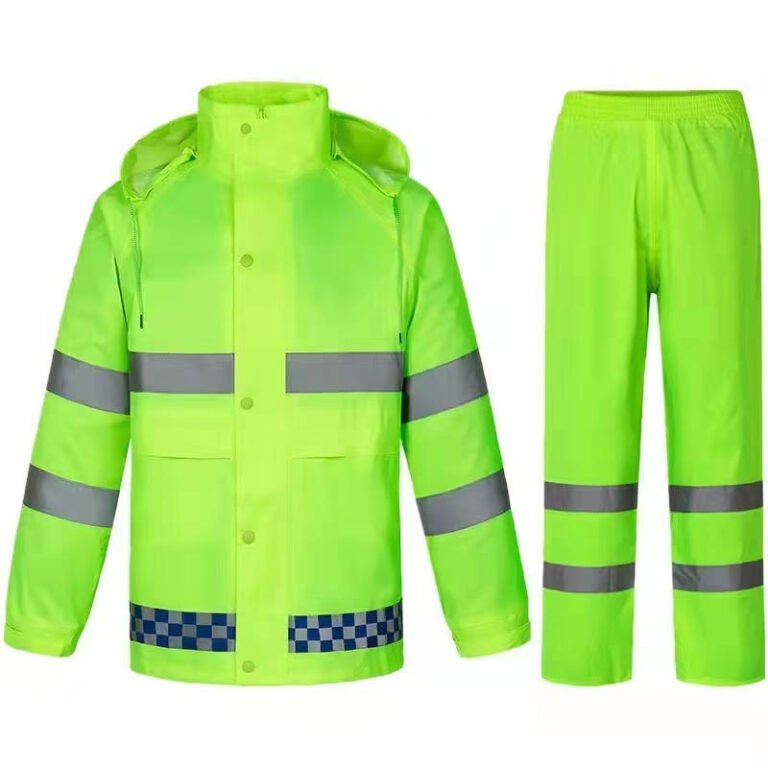
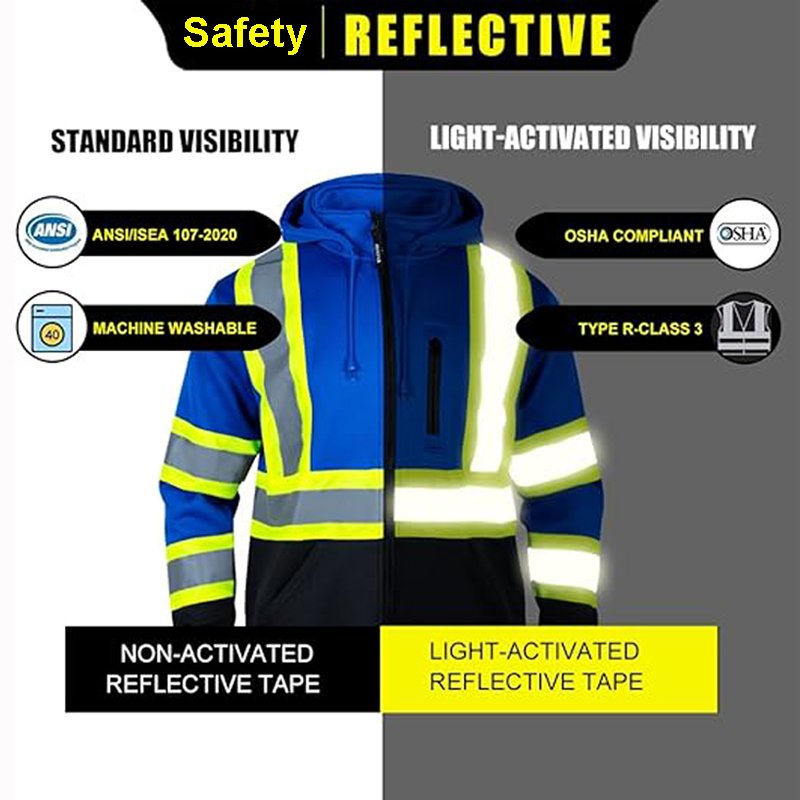
- 3. Integrated, Compliant Safety: This is the non-negotiable. For many job sites, if a hoodie isn’t ANSI/ISEA 107 Class 2 or 3 certified, it’s not even an option. It’s not enough to just be a bright color. Compliance requires a specific amount of fluorescent background material and retro-reflective tape. A hoodie that doubles as compliant hi-vis outerwear eliminates the need for an extra vest, simplifying the gear and ensuring the worker is always visible and safe, from their commute in the dark to the last task of the day.
Ultimately, the right heavy-duty winter hoodie isn’t a cost; it’s a strategic investment in keeping your people warm, safe, and effective when the temperature drops.
The Warmth Factor: Understanding GSM and Linings
When sourcing winter workwear, “heavy-duty” is a measurable spec, not just a marketing term. The primary metric to look for is GSM (Grams per Square Meter). This measures the density of the fabric.
A standard retail hoodie might clock in at 240-260 GSM. However, for outdoor work in cold climates, you should be looking for a minimum of 300 GSM to 400 GSM. This density blocks wind more effectively and retains core body heat.
Lining Technologies
Beyond the outer shell, the internal lining dictates comfort in freezing temps:
- Brushed Fleece: The standard for comfort, offering good warmth retention for moderate cold.
- Sherpa Lining: Mimics sheep’s wool. It creates large air pockets that trap heat, making it ideal for stationary tasks in extreme cold.
- Quilted Insulation: Often used in sleeves to reduce bulk and allow arms to slide into machinery or tools easily without bunching up.
Durability: Why “Off-the-Shelf” Hoodies Fail
Construction sites and warehouses are hostile environments for clothing. A standard cotton hoodie absorbs moisture (sweat or rain), becoming heavy and cold—a condition known as “the chills,” which is dangerous in winter.
Professional heavy-duty work hoodies typically utilize 100% Polyester or high-ratio Polyester blends. Why?
Reinforced stitching and durable polyester fabrics prevent tearing in harsh environments.
- Moisture Management: Polyester is hydrophobic; it wicks sweat away from the body rather than absorbing it.
- Colorfastness: Hi-vis fluorescent dyes bond better with polyester, ensuring the garment remains compliant after multiple wash cycles.
- Abrasion Resistance: Look for “Ripstop” reinforcements on elbows and pockets—common high-wear areas.
- Zipper Quality: In freezing temps, plastic becomes brittle. Ensure your gear uses industrial-grade zippers (like YKK) or heavy-duty snaps.
For a deeper dive into material science, read our guide on the best materials for hi-vis hoodies.
Integrated Safety: ANSI Compliance in Winter
In winter, days are shorter, and visibility is often reduced by snow, fog, or rain. This makes the science behind hi-vis more critical than ever.
Wearing a thick, non-compliant jacket under a safety vest can be bulky and uncomfortable. The solution is a hoodie that is the safety gear.
Class 2 vs. Class 3 Hoodies
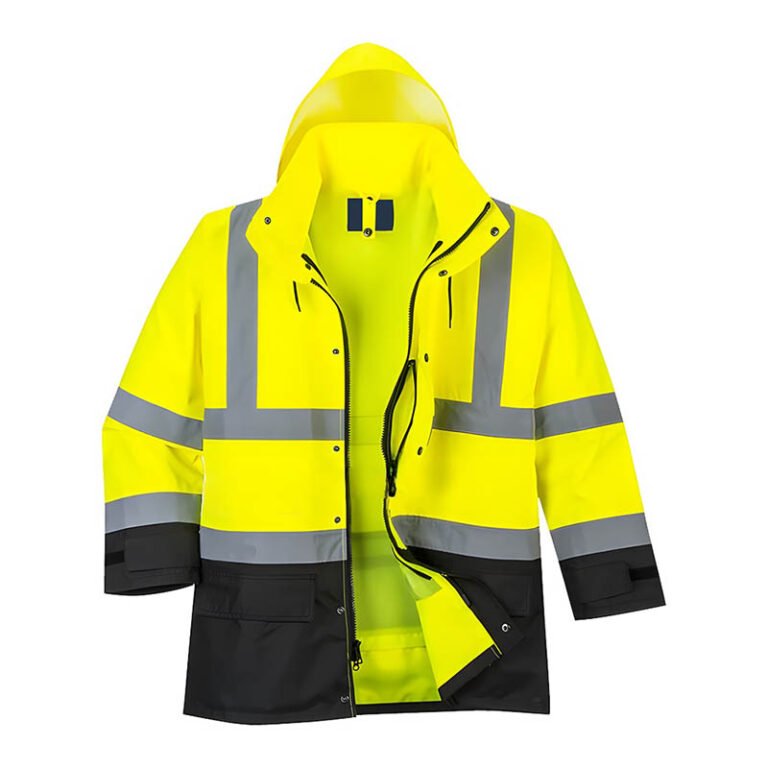
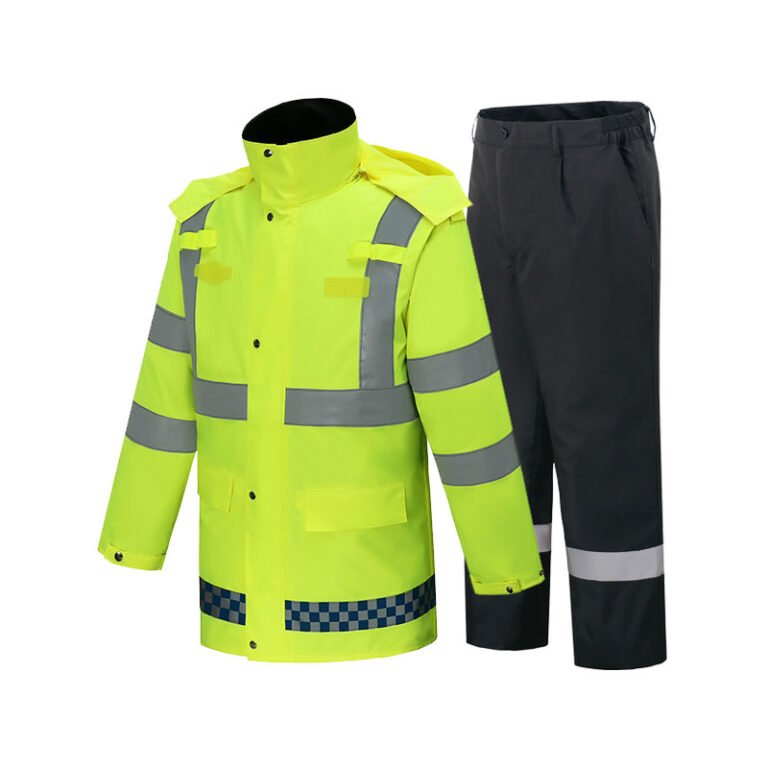
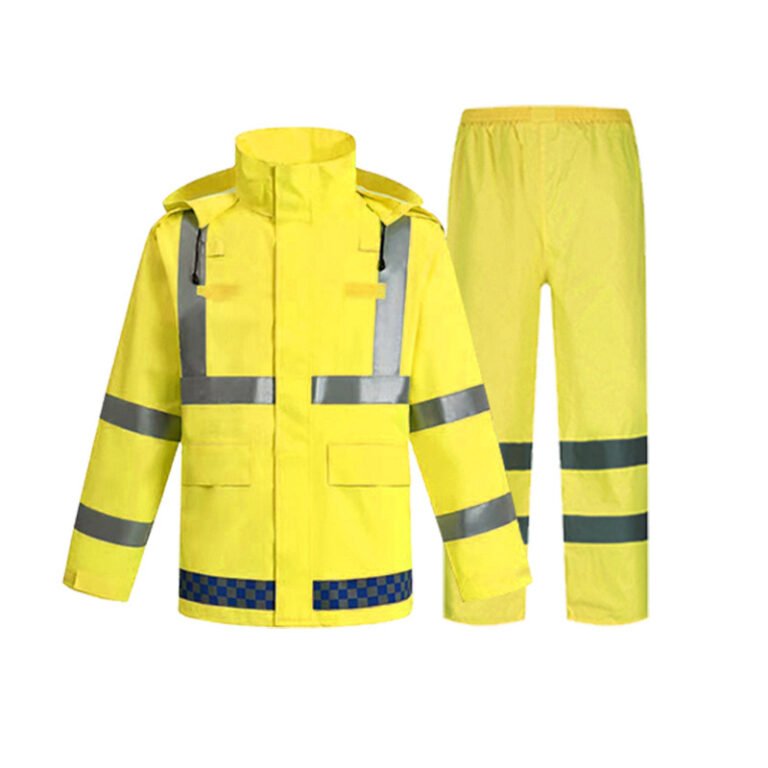
Most heavy-duty hoodies fall into ANSI/ISEA 107 Class 3 because the long sleeves provide more fluorescent background material and retro-reflective tape area.
Safety Managers should review our Guide to Class 1, 2, and 3 to determine exactly what your specific job site requires based on traffic speeds and environmental complexity.
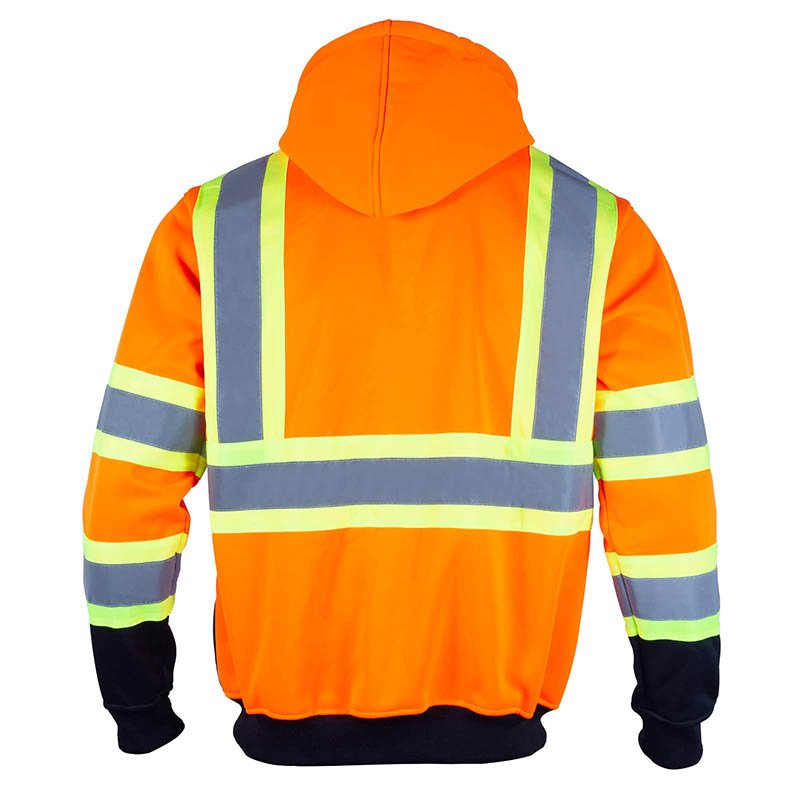
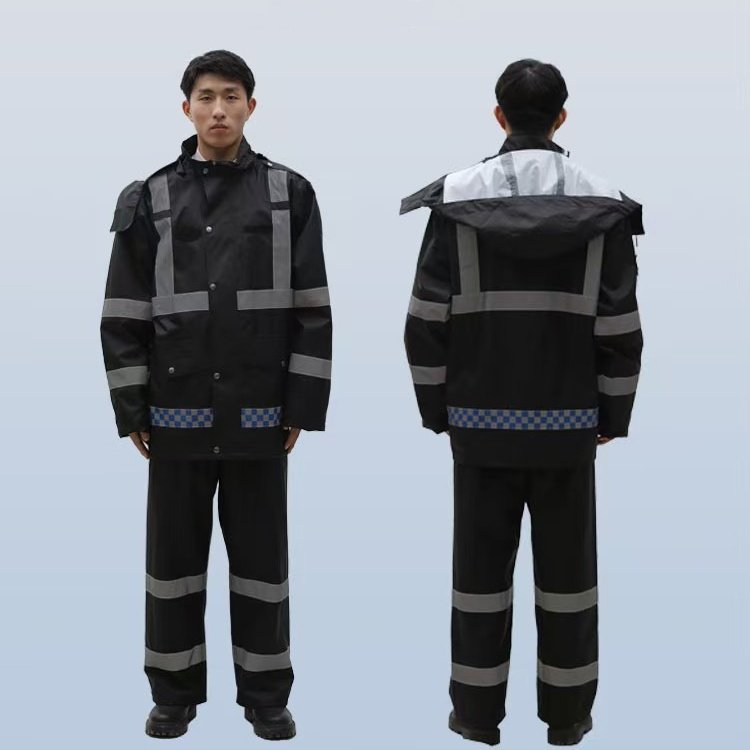
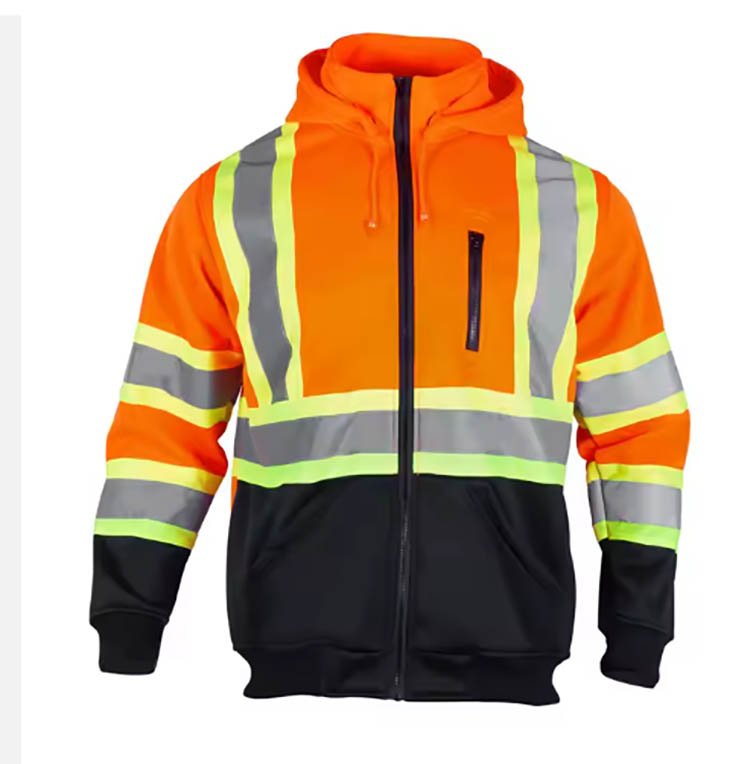
Pro Tip: Consider “Black Bottom” designs. The lower front stomach area and cuffs are black to hide dirt and grease, keeping the garment looking cleaner for longer without sacrificing the upper-body visibility required for compliance.
Customizing for Teams: Branding Meets Safety
Uniformity builds team spirit. When teams switch to custom hi-vis hoodies, it does more than just look professional—it helps identify personnel on large sites instantly.
At VizGlo Safety, we handle bulk orders for safety apparel offering two main customization methods:
- Screen Printing: Ideal for large back logos. It’s cost-effective for high volumes.
- Embroidery: Best for chest logos. It adds a premium feel and is incredibly durable, though one must be careful not to puncture waterproof membranes if using rain gear.
Unsure which is right for your budget? Check out our comparison on Screen Printing vs. Embroidery.
Equip Your Team for the Cold
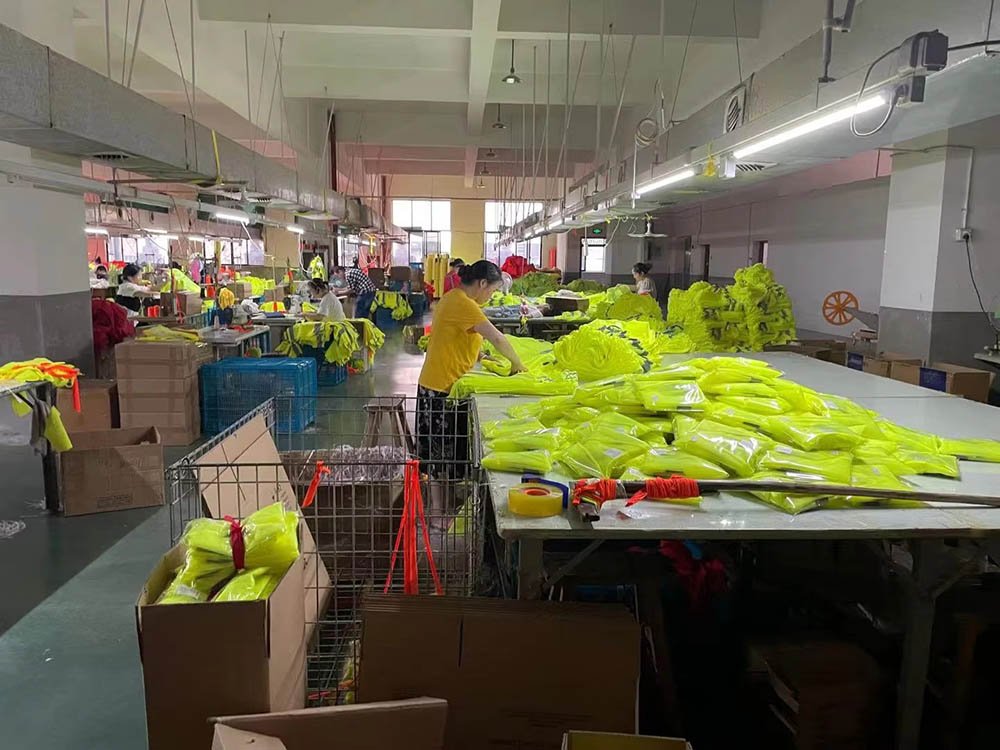
Don’t let winter slow down your operations. Get premium, heavy-duty hoodies directly from the manufacturer. Customizable, compliant, and built to last.
GET A CUSTOM QUOTE NOWFrequently Asked Questions
Are black hoodies ANSI compliant?
What is the warmest material for a work hoodie?
How do I wash my hi-vis hoodie without ruining the reflective tape?
Looking for a reliable manufacturing partner? Explore our full range of Hi-Vis Sweatshirts & Hoodies at our product center.