Why Long Sleeve Hi-Vis Polos Offer Superior Protection (And When to Use Them)
Category: High Visibility Safety Apparel | Reading Time: 6 mins
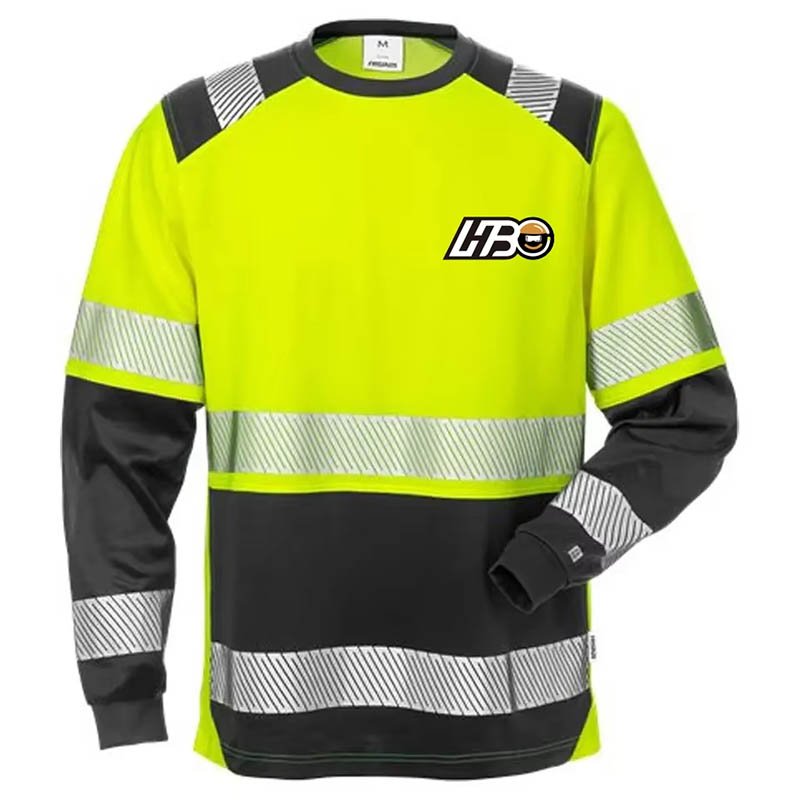
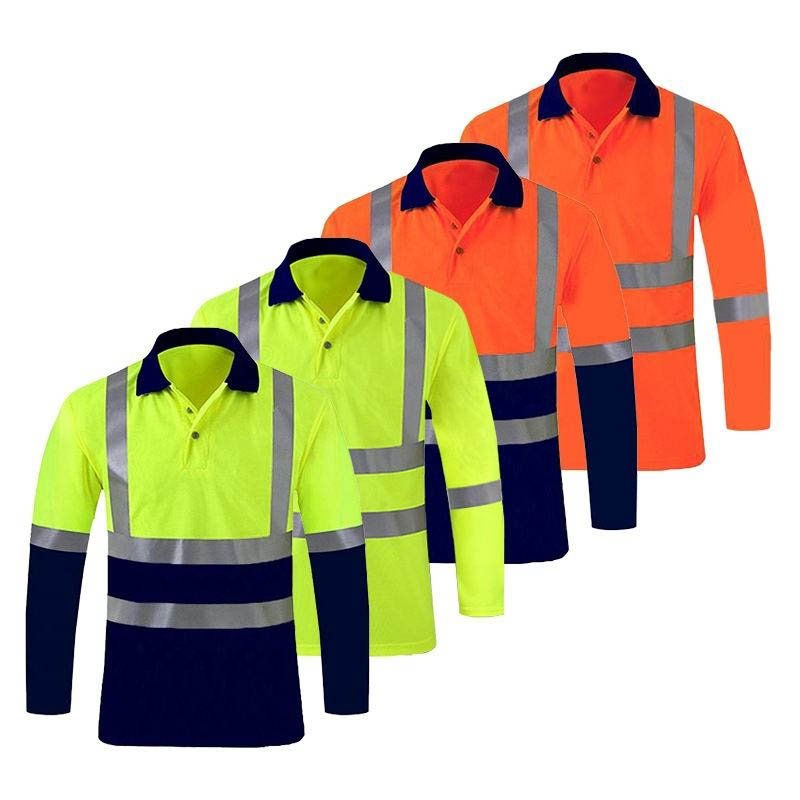
Why choose long sleeves? Long sleeve hi-vis polos offer superior protection primarily by maximizing the surface area of both fluorescent background material and retroreflective tape. This added coverage often elevates the garment from ANSI Class 2 to Class 3 compliance, ensuring workers are visible from all angles and identifying human motion more effectively to drivers. Beyond visibility, they shield the skin from harmful UV rays, insect bites, and minor abrasions, making them the preferred choice for high-speed traffic zones and rugged outdoor environments.
When it comes to daily workwear, few items balance professionalism and safety as effectively as the hi-vis polo shirt. But the color and cut you choose are far from just style decisions; they are critical safety features that can mean the difference between being seen and being part of an accident. While short sleeves are often the default for summer comfort, safety managers are increasingly mandating long-sleeved options for reasons that go far beyond just “more fabric.”
In this guide, we will break down the strategic advantages of long sleeve polos, from achieving higher ANSI classes to managing environmental hazards.
What We’ll Cover:
1. The “Outline of Man”: Why Sleeves Matter for Visibility
The primary reason to opt for long sleeves is to achieve ANSI Class 3 compliance. In the world of high-visibility safety standards, more material equals higher visibility.
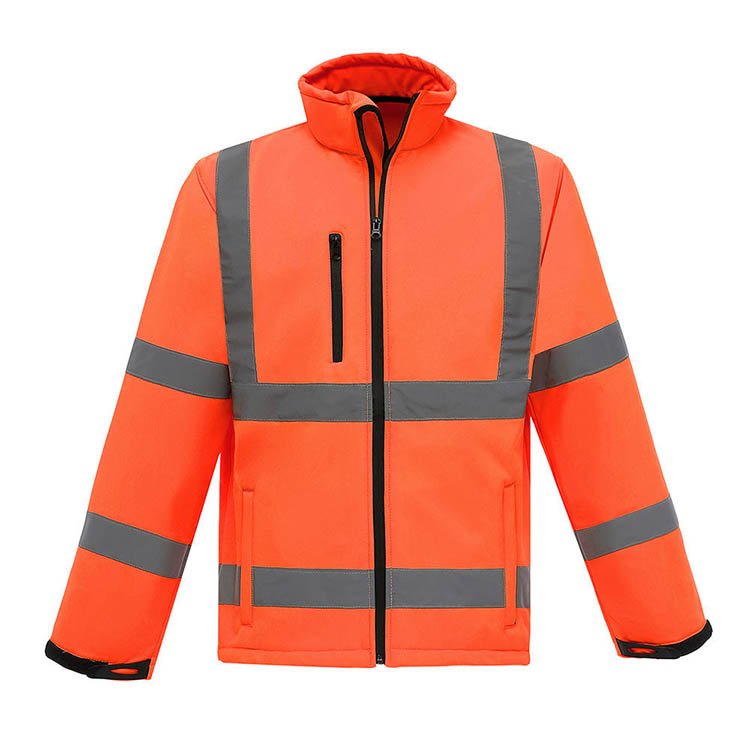
While a Class 2 vest or short-sleeve polo covers the torso, it leaves the appendages invisible in low light. When a driver approaches a work zone at night, seeing a floating torso can be confusing. Long sleeves wrapped in retroreflective tape create what safety experts call the “Outline of Man” or bio-motion.
When a worker moves their arms—whether flagging traffic, carrying equipment, or gesturing to a crane operator—the reflective bands on the wrists and forearms create recognizable human movement. This helps drivers instantly distinguish a person from a traffic barrel or a sign.
2. Environmental Defense: UV Rays and Debris
Safety isn’t just about trucks; it’s also about the environment. Construction, road work, and landscaping professionals spend hours under direct sunlight.
According to the Skin Cancer Foundation, clothing is the single most effective form of sun protection. A long-sleeve hi-vis polo made from UV-rated fabric acts as a permanent shield against harmful UVA and UVB rays. Unlike sunscreen, which wears off with sweat, the polo offers consistent protection throughout a 10-hour shift.
Furthermore, for workers in forestry, waste management, or industrial manufacturing, bare skin is a liability. Long sleeves provide a necessary physical barrier against:
- Insect bites (tick-borne prevention in rural areas).
- Poison ivy and allergenic plants.
- Minor scratches and abrasions from handling rough materials.
- Chemical splashes or hot fluids in industrial settings.
3. My Insight: The Strategy of Color Selection
From the Field:
In my years of outfitting teams globally, the first question I’m almost always asked is, “Which color should we choose? Orange or Yellow?” My answer is always the same: it’s less about personal preference and everything about two key factors: regulatory compliance and environmental contrast.
Many customers don’t realize that Fluorescent Yellow/Lime is the most universally visible color to the human eye, offering superb contrast against complex urban or concrete-heavy backgrounds. On the other hand, Fluorescent Orange stands out powerfully against natural environments like foliage, soil, and snow, which is why it’s a staple for road crews in rural areas or forestry workers.
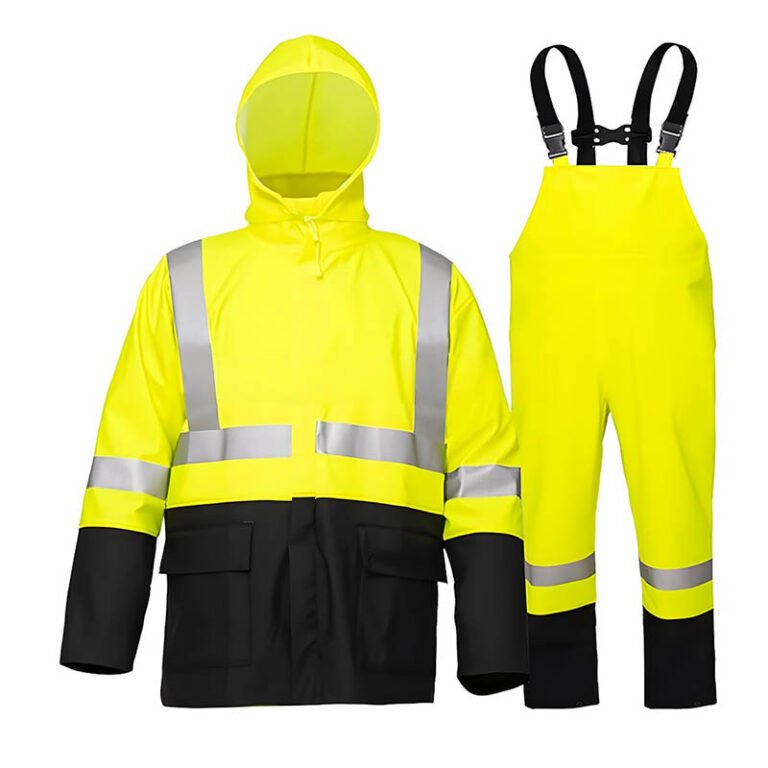
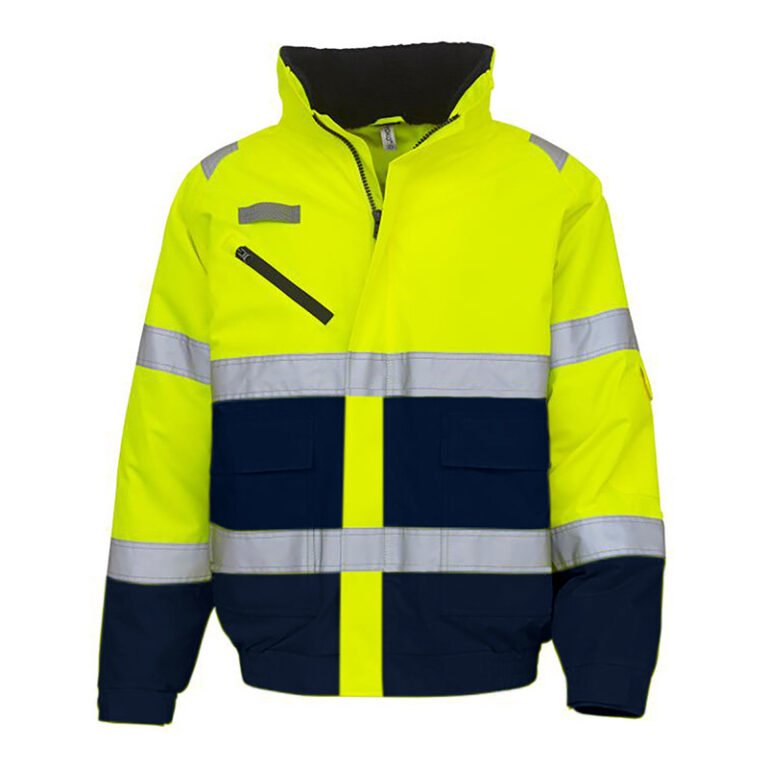
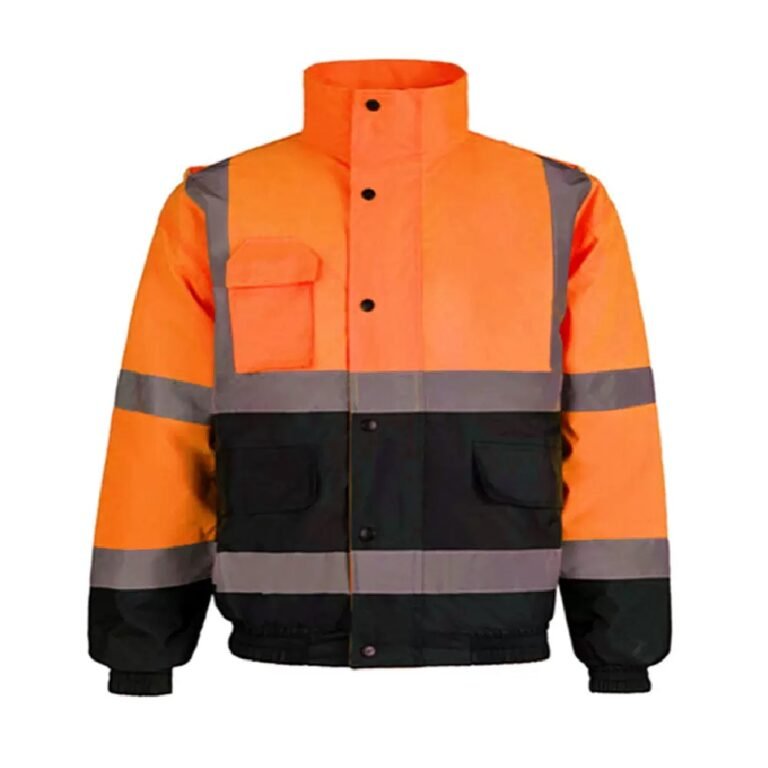
And what about black or blue? Think of them as functional partners, not primary safety colors. We strategically place black panels on high-wear areas like cuffs and lower torsos to hide dirt and increase the garment’s lifespan—a crucial factor for cost-conscious fleet managers. Blue, often non-fluorescent, is typically used to distinguish specific roles on-site, like visitors or trainees, clearly separating them from the core workforce. Understanding this strategic use of color is the first step to ensuring your team is not just visible, but also compliant and professional.
4. Professionalism and Branding
Beyond safety, uniformity impacts how the public perceives your company. A collar adds a level of professionalism that a standard T-shirt lacks. Long sleeve polos are often chosen by supervisors, engineers, and site managers who need to transition from the field to a client meeting without changing gear.
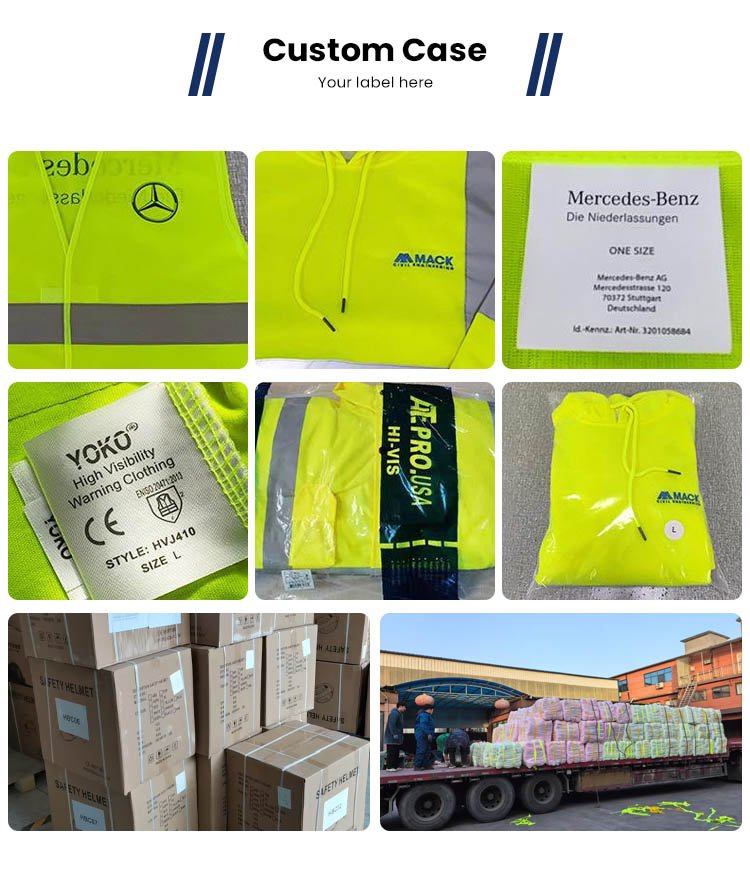
Because they have more fabric surface area, long sleeve polos also offer excellent real estate for custom branding. At VizGlo, we often recommend heat-transfer reflective logos on the sleeves or back, reinforcing your brand identity while adding an extra touch of reflectivity.
For detailed examples of how branding can be integrated into safety gear, check out our work on custom hi-vis polo shirts.
When should you mandate long sleeves?
If you fit any of the following criteria, long sleeve protection is likely the right choice:
- Traffic Speed: Vehicles adjacent to the work zone travel faster than 50 MPH (Requires ANSI Class 3).
- Sun Exposure: Workers are in direct sunlight for 4+ hours a day.
- High Abrasion Risk: Workers handle cardboard, lumber, or brush frequently.
- Night Operations: Work is performed in low-light conditions where full-body definition is critical.
Need to Outfit Your Crew?
Whether you need ANSI Class 3 Yellow for the highway or Class 2 Orange for the forestry service, we manufacture durable, high-performance hi-vis polos tailored to your specs.
Frequently Asked Questions
Do long sleeve hi-vis polos make you hotter in summer?
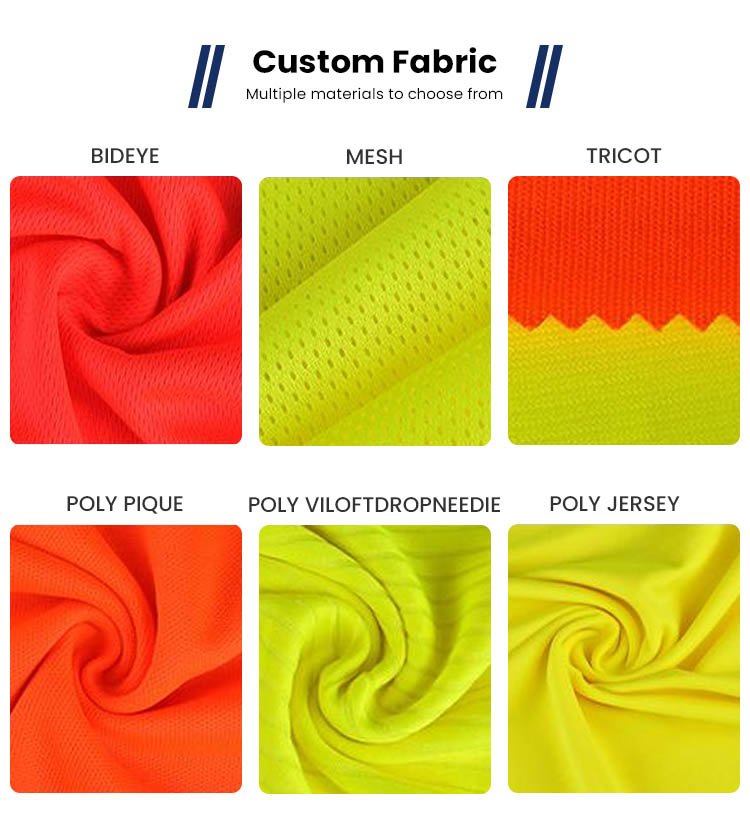
Not necessarily. High-quality long sleeve polos use moisture-wicking synthetic fabrics (like bird’s-eye mesh) that pull sweat away from the body. Furthermore, by covering the skin, they prevent direct solar heating and sunburn, which can actually keep the body cooler and reduce fatigue compared to exposing skin to direct sun.
Are long sleeve polos always ANSI Class 3?
Most adult-sized long sleeve hi-vis shirts meet ANSI Class 3 requirements because the sleeves utilize enough background fluorescent material and reflective tape to exceed the minimums. However, smaller sizes or designs without sufficient tape on the arms might still only be Class 2. Always check the garment’s label.
Can I use black-bottom long sleeve polos for road work?
Yes, as long as the upper portion of the garment retains enough fluorescent material and reflective tape to meet the ANSI standard for your specific risk level (Class 2 or Class 3). Black bottoms are excellent for hiding dirt but ensure the “background material” count hasn’t dropped below compliance levels.