How to Properly Care for and Wash Hi Vis Garments to Maintain Reflectivity
Essential maintenance guide to preserve safety compliance and extend garment lifespan
Essential Care Instructions for Hi-Vis Garments
To properly maintain hi-vis garments and preserve their reflectivity, wash them in cold water (30°C/86°F or below) using mild detergent without fabric softener, bleach, or harsh chemicals. Turn garments inside out before washing, use a gentle cycle, and air dry away from direct heat. Most critically, never use fabric softeners as they coat the microscopic glass beads in reflective tape, reducing visibility performance by up to 70%. Following these steps ensures your hi-vis clothing maintains ANSI/ISEA 107 compliance throughout its intended 50-wash lifecycle.
Why Proper Hi-Vis Garment Care Matters
Safety Compliance Risk
Improperly maintained hi-vis clothing may fail to meet ANSI/ISEA 107 standards, putting workers at risk and exposing companies to liability.
Cost Efficiency
Proper care extends garment life from 25 to 50+ wash cycles, significantly reducing replacement costs for safety managers.
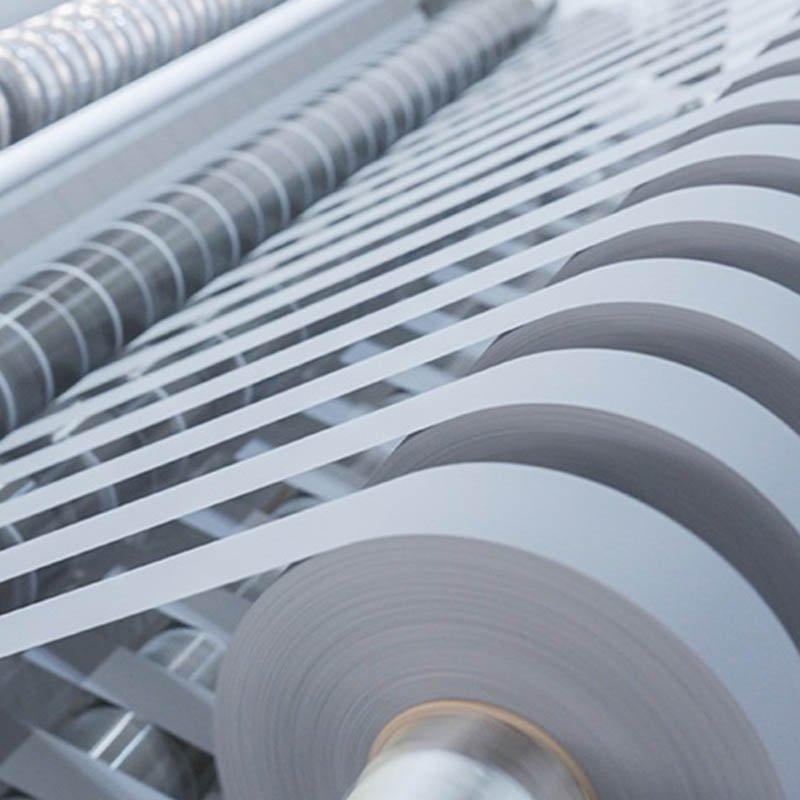
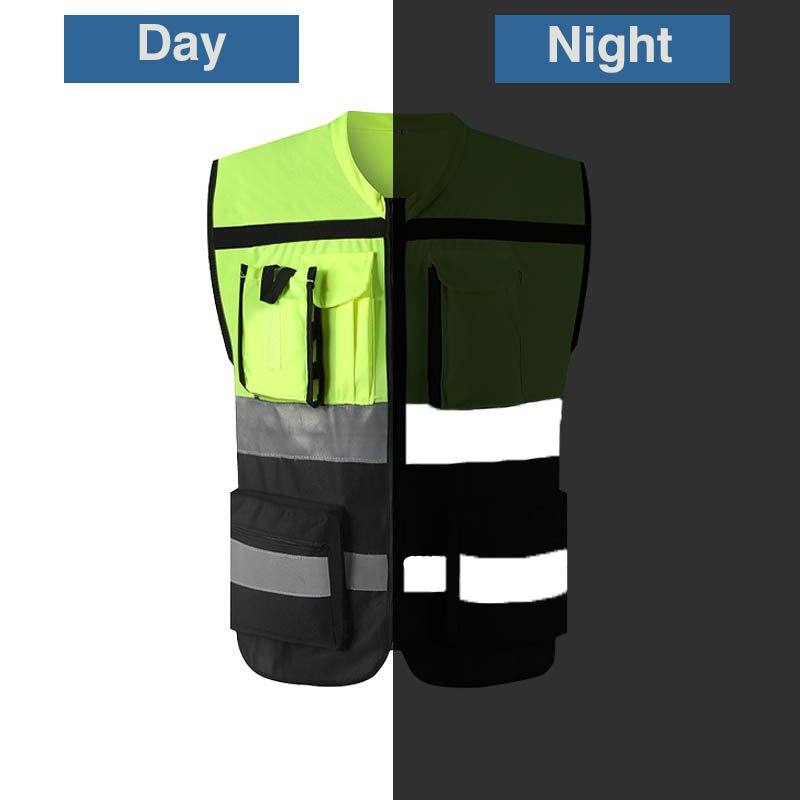
The reflective properties of hi-vis garments depend on two critical components: fluorescent background fabric and retroreflective materials. The fluorescent pigments enhance daytime visibility, while retroreflective tapes and materials contain millions of microscopic glass beads that return light directly to its source. Understanding the science behind hi-vis technology is crucial for proper maintenance.
Complete Step-by-Step Washing Guide
Pre-Wash Preparation
- Inspect garments for tears or damaged reflective tape
- Close all zippers and fasten all velcro closures
- Turn garments inside out to protect reflective surfaces
- Separate hi-vis clothing from other garments to prevent color transfer
- Remove any loose dirt or debris with a soft brush
Washing Process
✓ Do This:
- Use cold water (max 30°C/86°F)
- Select gentle or delicate cycle
- Use mild, liquid detergent
- Wash similar colors together
- Use half the normal detergent amount
✗ Never Do This:
- Use fabric softener or conditioner
- Add bleach or whitening agents
- Use hot water or steam settings
- Overload the washing machine
- Use harsh or enzymatic detergents
Drying Best Practices
Proper drying is as crucial as washing for maintaining reflective properties:
- Air dry whenever possible – hang garments in a well-ventilated area away from direct sunlight
- If using a dryer, use low heat setting only (max 60°C/140°F)
- Remove promptly when dry to prevent over-heating
- Avoid ironing reflective tape areas
- Store properly on hangers to maintain shape

Critical Mistakes That Destroy Reflectivity
The Fabric Softener Trap
Fabric softeners are the number one destroyer of hi-vis reflectivity. These products contain cationic surfactants that coat the microscopic glass beads in reflective tape, creating a film that prevents light from properly bouncing back to the source.
“A single wash with fabric softener can reduce reflectivity by 40-70%, potentially rendering the garment non-compliant with safety standards.”
Heat Damage
- Hot water can fade fluorescent pigments
- High dryer heat warps reflective materials
- Direct sunlight degrades fabric over time
- Ironing can melt adhesives in reflective tape
Chemical Damage
- Bleach breaks down fluorescent dyes
- Harsh detergents strip protective coatings
- Industrial solvents dissolve adhesives
- Oil-based stains require specialized treatment
Expert Insights from the Field
Industry Professional Perspective
In my years of selling hi-vis apparel globally, I’ve learned that the conversation about product quality doesn’t end at the point of sale; it extends to the laundry room. The most common feedback I receive that isn’t a compliment is, “The vest lost its reflectivity after just a few washes.” My first question is always, “How are you washing it?”
The issue is rarely a defect in the garment itself. More often, it’s a battle against two silent enemies of reflectivity: chemical residue and physical abrasion. Many end-users, with the best intentions, will toss a dirty vest in with regular work clothes, using harsh detergents, fabric softeners, or high heat. This is catastrophic for hi-vis materials. Fabric softeners, for example, coat the microscopic glass beads on the reflective tape, effectively blinding them. Harsh detergents can degrade the fluorescent pigments that make the background material so vibrant.
Therefore, educating our clients on proper care isn’t just an after-sales service; it’s a crucial step in ensuring worker safety and maximizing their return on investment. A vest that maintains its compliance through its intended wash cycle isn’t a cost—it’s an asset. A vest that fails prematurely due to improper washing becomes a liability. My goal is to sell safety that lasts, and that begins with understanding how to protect the very features that keep people visible and safe.
Advanced Care Tips for Different Hi-Vis Materials
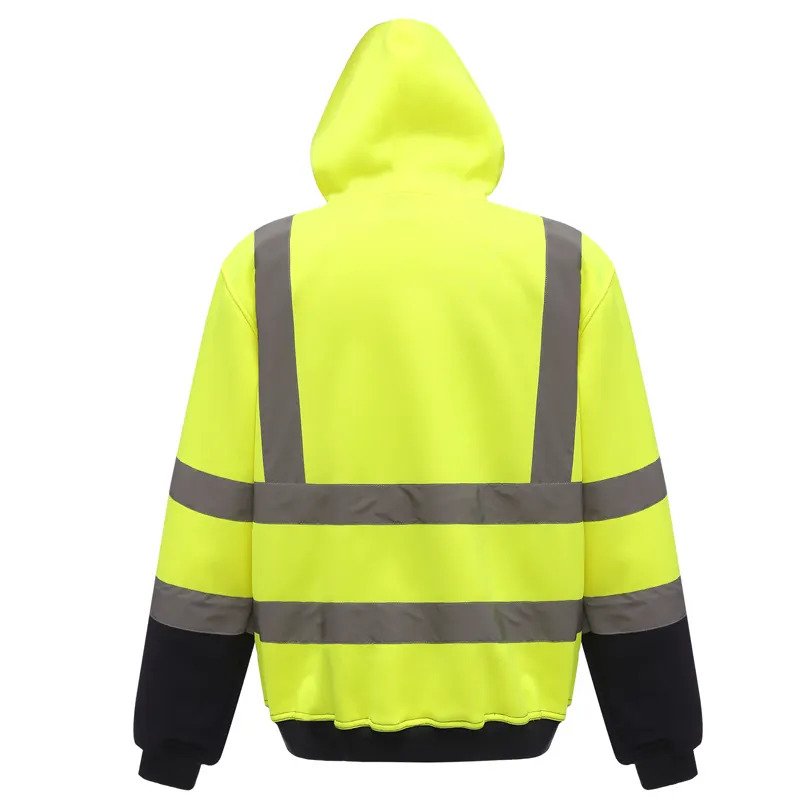
Cotton-Polyester Blends
Most common in hi-vis sweatshirts and everyday wear garments:
- Can handle slightly warmer water (up to 40°C) if heavily soiled
- Requires longer air-drying time due to cotton content
- More resistant to pilling with proper care
- Understanding GSM in workwear helps determine wash intensity needed
Moisture-Wicking Synthetic Fabrics
Common in performance workwear and winter work hoodies:
- Extremely sensitive to fabric softeners and high heat
- Wash inside out to protect moisture-wicking properties
- Air dry only – synthetic materials can melt in high heat
- Use sport-specific detergents when available
Flame-Resistant (FR) Hi-Vis Garments
Require special attention to maintain both visibility and flame resistance:
- Never use fabric softeners – they can compromise FR properties
- Use FR-specific detergents when possible
- Wash separately from non-FR garments
- Check manufacturer specifications for each wash cycle
Industrial vs. Home Washing Considerations
Industrial Laundry Services
Advantages:
- Specialized hi-vis washing programs
- No fabric softeners in process
- Controlled temperature and chemical balance
- Professional stain treatment
Considerations:
- Verify they understand hi-vis requirements
- Ensure no fabric softeners are used
- Request gentle handling for reflective areas
Home Washing
Benefits:
- Complete control over process
- Can separate by garment type and soil level
- Immediate treatment of stains
- Cost-effective for small quantities
Challenges:
- Requires education and discipline
- Time-intensive for multiple garments
- Risk of family members adding fabric softener
Choosing Easy-Care Hi-Vis Garments
When selecting hi-vis clothing for your team, consider garments designed for easy maintenance. Modern hi-vis sweatshirts and hoodies incorporate advanced materials that maintain their properties through more wash cycles with proper care.
Look for features like high-quality base materials that resist fading and degradation. Whether you need ANSI-compliant colored hoodies or standard fluorescent options, proper material selection makes maintenance easier.
For organizations implementing team workwear programs, establishing proper care protocols from day one ensures consistent appearance and compliance throughout the garment lifecycle.
Frequently Asked Questions
How many times can I wash a hi-vis garment before it loses compliance?
Can I wash hi-vis clothing with regular work clothes?
What should I do if reflective tape starts peeling?
Is it safe to use stain removers on hi-vis clothing?
How can I tell if my hi-vis garment is still compliant after washing?
Need High-Quality, Easy-Care Hi-Vis Clothing?
Discover our range of professional hi-vis garments designed for durability and easy maintenance. From custom branded options to bulk orders, we provide solutions that maintain their safety properties wash after wash.
Get Your Custom Quote TodayRelated Safety Articles
Best Hi-Vis Hoodies for Construction
Discover construction-specific hi-vis features and material requirements.
Screen Printing vs. Embroidery for Hi-Vis
Learn which customization method works best for your safety apparel.
Why Teams Choose Custom Hi-Vis Hoodies
Explore the benefits of customized safety workwear programs.