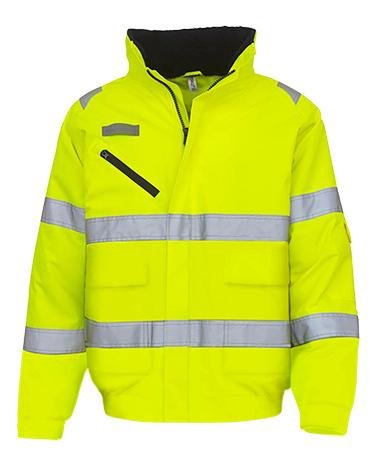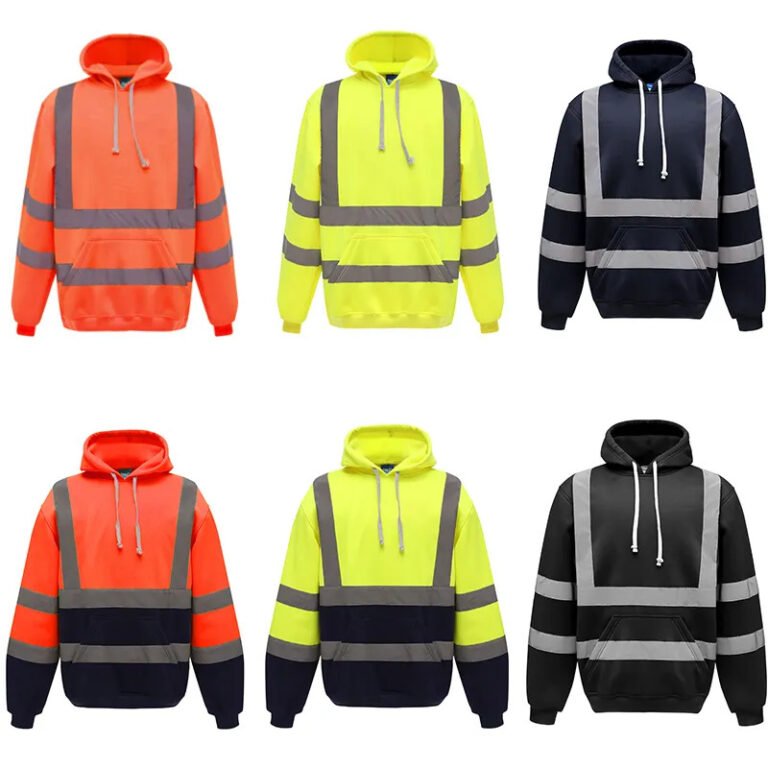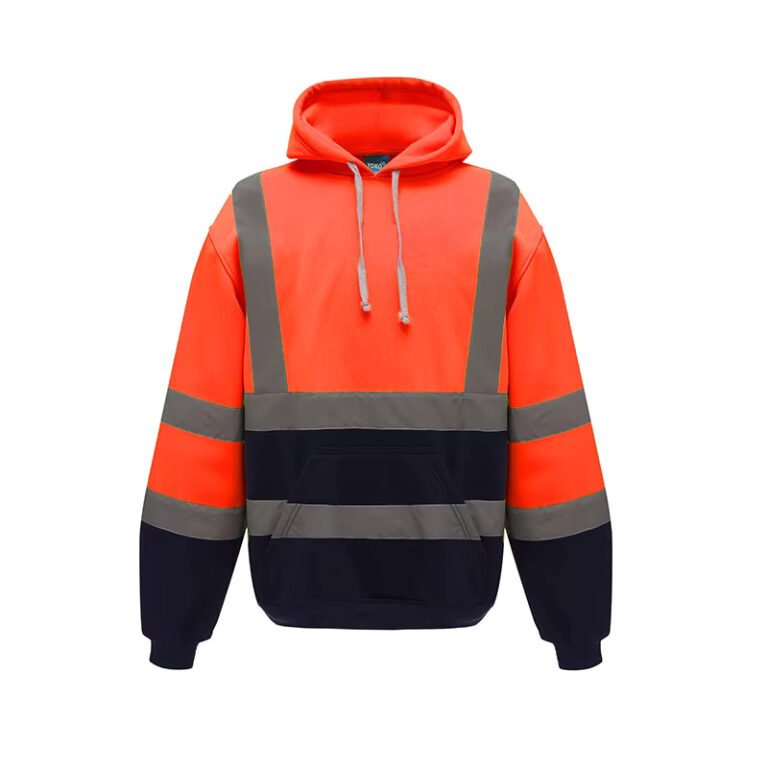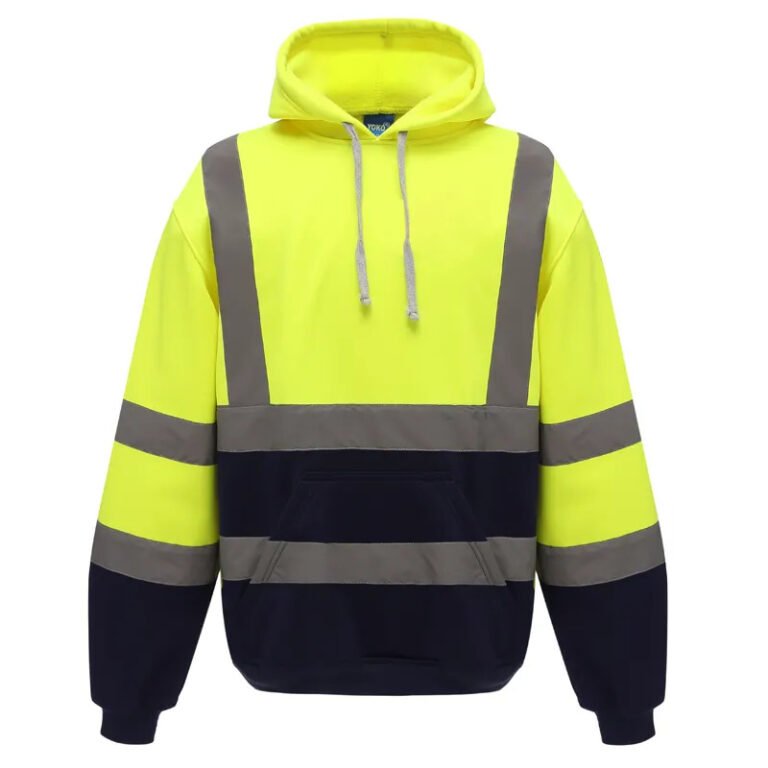
A Complete Guide to Selecting Hi-Vis Jackets for Construction & Roadside Workers
Quick Answer
Selecting the right hi-vis jacket for construction and roadside workers requires evaluating five critical factors: compliance with relevant safety standards (EN ISO 20471, ANSI/ISEA 107, or GO/RT 3279 for trackside work), appropriate material choice for your climate and work conditions, adequate weather protection features, essential functional elements like pockets and adjustability, and quality customization options that maintain safety performance. The most effective approach is to partner with an experienced hi-vis jacket manufacturer who understands your specific industry requirements and can provide certified, durable garments that protect your workers in all conditions while meeting or exceeding regulatory requirements.
In the high-stakes environments of construction sites and roadside work zones, a hi-vis jacket isn’t just another piece of workwear—it’s a critical life-saving tool that stands between your workers and potentially fatal accidents. Every year, dozens of preventable incidents occur because workers weren’t visible to equipment operators or passing motorists, particularly during dawn, dusk, or adverse weather conditions.
Yet, selecting the right hi-vis jacket involves far more complexity than simply choosing the brightest color available. From navigating the maze of international safety standards to understanding material performance in different climates, procurement managers and safety officers face a challenging decision that directly impacts worker safety, operational efficiency, and long-term costs.
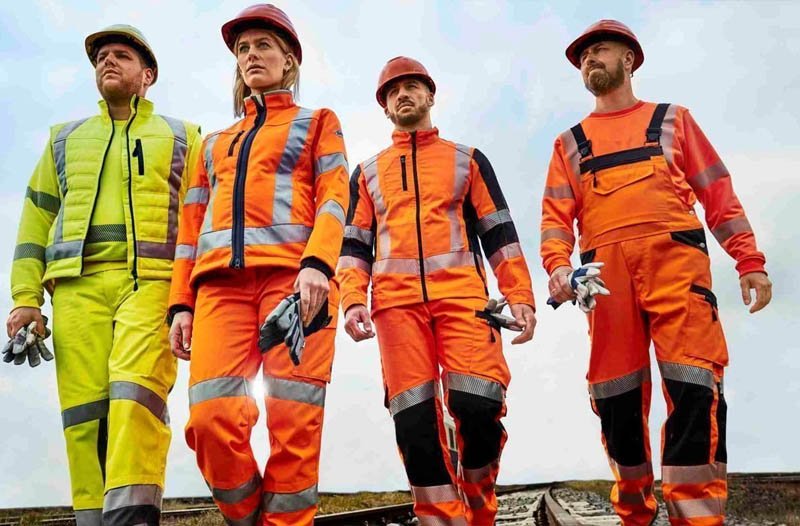
Construction workers protected by properly selected hi-vis jackets
This comprehensive guide draws on over 15 years of manufacturing expertise and thousands of successful deployments across construction, roadside maintenance, and infrastructure projects worldwide. We’ll walk you through every critical decision point, helping you make informed choices that protect your workforce while optimizing your investment.
1. Understanding Safety Standards: More Than Just a Compliance Checkbox
The first critical decision in selecting hi-vis jackets is determining which safety standard applies to your work environment. This isn’t merely a bureaucratic formality—different standards reflect scientifically proven requirements for visibility in specific contexts.
EN ISO 20471: The European Gold Standard
If your operations are in Europe or supply European markets, EN ISO 20471 is mandatory. This standard defines three classes of visibility based on the amount and placement of fluorescent background material and retroreflective tape:
- Class 3: The highest level, requiring minimum 0.80m² of fluorescent material and 0.20m² of retroreflective material. Essential for workers in high-traffic areas or those working near heavy machinery.
- Class 2: Moderate protection with 0.50m² fluorescent and 0.13m² retroreflective material. Suitable for lower-risk environments or supplementary garments.
- Class 1: Basic visibility for controlled environments with minimal traffic exposure.
Pro Tip: For construction and roadside work, always specify Class 3 jackets. The marginal cost difference is negligible compared to the enhanced protection, especially during the critical “golden hour” at dawn and dusk when most visibility-related incidents occur.
ANSI/ISEA 107: North American Requirements
For operations in the United States and Canada, ANSI/ISEA 107 governs high-visibility apparel. This standard similarly categorizes garments into three types based on risk exposure:
- Type R (Roadway): Designed for roadway workers exposed to traffic traveling over 25 mph
- Type P (Public Safety): For emergency responders and public safety personnel
- Type O (Off-Road): For workers in areas with vehicular traffic under 25 mph
GO/RT 3279: The Railway-Specific Standard
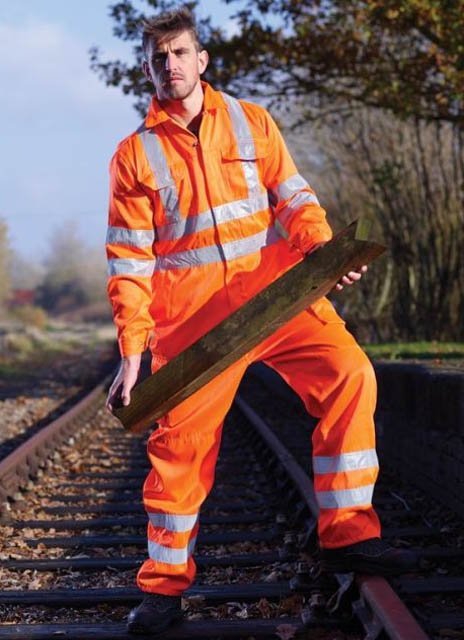
Railway workers in GO/RT 3279 compliant fluorescent orange jackets
“From my experience on the front lines, talking daily with safety managers and procurement teams for rail projects worldwide, the most common question I address is: ‘Why can’t we just use our existing EN ISO 20471 yellow jackets? They’re already high-vis.’
My insight is this: the railway environment is a unique theatre of risk with its own specific ‘visual noise.’ It’s a constant backdrop of grey stone ballast, dark steel rails, overhead lines, and varied colours from surrounding vegetation, especially in autumn. The GO/RT 3279 standard isn’t just a piece of UK bureaucracy; it’s a life-saving piece of scientific specification that directly tackles this challenge.
This precise shade of fluorescent orange was chosen for one simple reason: it provides the most dependable and vibrant contrast against that specific, complex background. Yellow, while excellent in urban settings, can sometimes blend with certain foliage or warning signage.
While GO/RT 3279 originated in the UK, I advise my international clients to view it as the global ‘gold standard’ for trackside safety. Adopting it isn’t just about ticking a box; it’s about choosing the single most effective and researched solution to guarantee your workers are seen. It’s an investment in certainty, and in this industry, certainty is the difference between a near-miss and a tragedy.”
For a comprehensive comparison of all global standards, consult our detailed guide on meeting European hi-vis regulations.
2. Material Selection: The Foundation of Performance
The fabric you choose for your hi-vis jackets dramatically affects not just comfort and durability, but also worker safety and long-term cost-effectiveness. Different materials excel in different conditions, and understanding these distinctions is crucial.
Polyester: The Workhorse Fabric
Polyester remains the most popular choice for hi-vis jackets, and for good reason. This synthetic material offers an excellent balance of performance characteristics:
- Durability: Resistant to tearing, abrasion, and stretching even under heavy use
- Color Retention: Maintains fluorescent brightness through repeated wash cycles—critical for sustained visibility
- Quick-Drying: Moisture wicks away rapidly, reducing worker discomfort in wet conditions
- Cost-Effectiveness: Lower initial investment with proven longevity
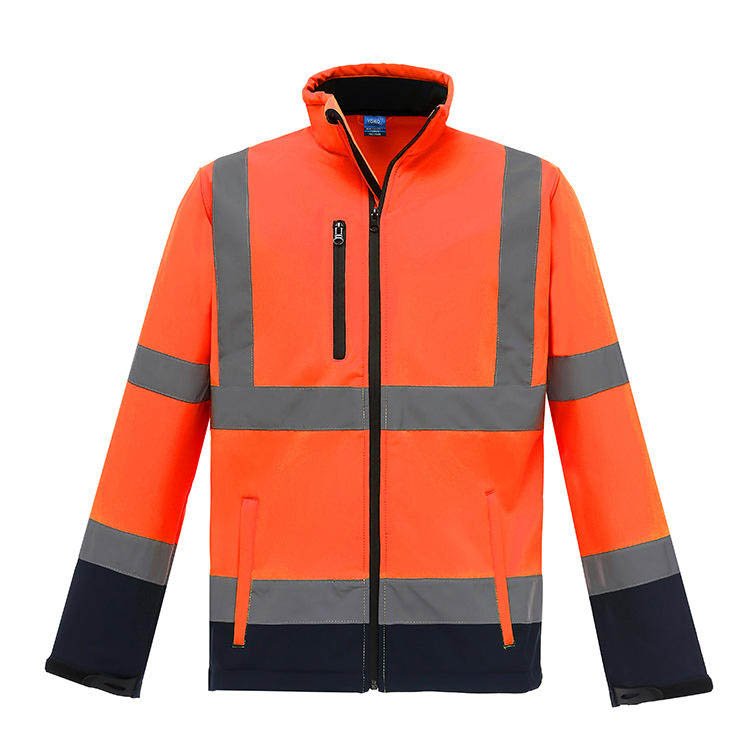
High-quality polyester construction with strategically placed reflective elements
Polyester-Cotton Blends: Enhanced Comfort
For workers who prioritize comfort or work in moderate climates, polyester-cotton blends (typically 65/35 or 80/20 ratios) offer distinct advantages:
- Breathability: Cotton fibers allow better air circulation, reducing heat stress
- Softer Feel: More comfortable against skin during long shifts
- Better Drape: Falls more naturally on the body, improving mobility
However, these blends typically fade faster than pure polyester and may shrink slightly after washing. For detailed guidance on fabric performance, see our article on why material choice matters for your hi-vis jackets.
Specialized Performance Fabrics
Modern hi-vis jackets can incorporate advanced fabric technologies for specific applications:
- Flame-Resistant (FR) Materials: Essential for welding, electrical work, or oil and gas operations
- Anti-Static Fabrics: Critical in environments with explosive atmospheres
- Ripstop Weaves: Extra tear resistance for demanding construction environments
- 4-Way Stretch: Enhanced mobility for workers who frequently bend, climb, or reach
Expert Insight: When specifying materials for a large workforce, consider conducting a small pilot program with different fabric options. Worker acceptance dramatically improves compliance rates, and the investment in trial garments is minimal compared to ordering thousands of jackets that workers find uncomfortable and avoid wearing.
3. Weather Protection: Keeping Workers Safe and Productive
Construction and roadside work doesn’t stop for bad weather. Your hi-vis jackets must protect workers from the elements while maintaining visibility standards. This requires understanding the critical distinctions between weather protection technologies.
Waterproof vs. Water-Resistant: A Critical Distinction
Many buyers mistakenly assume these terms are interchangeable—a costly error that leads to worker discomfort and reduced productivity. The difference is substantial:
- Waterproof: Completely impervious to water penetration, typically achieved through sealed seams, laminated membranes, or PVC/PU coatings. Suitable for prolonged exposure to heavy rain.
- Water-Resistant: Repels light moisture but will eventually allow water penetration under sustained rainfall or pressure. Adequate for light drizzle or brief exposure.
For comprehensive guidance on this distinction, refer to our detailed analysis: Waterproof vs. Water-Resistant Hi-Vis Jackets.
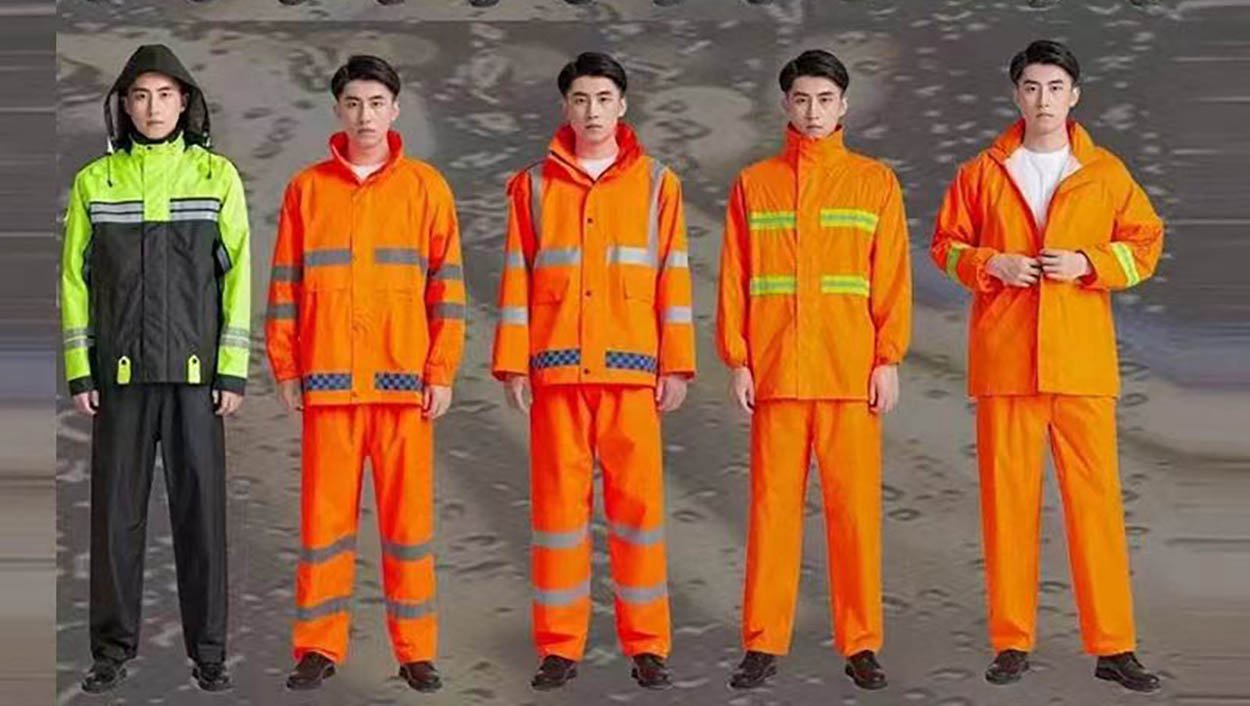
Fully waterproof hi-vis protection for all-weather operations
Critical Specification: For true waterproof performance, verify that jackets include:
- Taped or welded seams (not just sewn)
- Waterproof zippers or storm flaps
- Adjustable cuffs with inner knit or elastic seals
- Extended drop-tail hem for additional coverage
Breathability: The Hidden Performance Factor
A completely waterproof jacket is useless if workers become drenched in their own perspiration. Modern membranes like Gore-Tex or proprietary breathable fabrics allow moisture vapor to escape while blocking external water. For workers performing moderate to heavy physical labor, breathability is non-negotiable.
Cold Weather Protection
Winter operations require specialized considerations beyond basic waterproofing. Look for jackets offering:
- Insulation Options: Quilted linings, fleece layers, or removable inserts provide warmth without excessive bulk
- Extended Coverage: Drop-tail hems and high collars protect against wind and snow
- Layering Compatibility: Adequate sizing to accommodate thermal base layers
Our comprehensive guide on how to choose a hi-vis winter jacket provides detailed specifications for cold-climate operations.
4. Essential Features Every Hi-Vis Jacket Should Have
Beyond basic visibility and weather protection, the functionality built into a hi-vis jacket directly impacts worker efficiency, comfort, and ultimately, safety compliance. Here are the non-negotiable features to specify:
Strategic Pocket Placement and Capacity
Construction and roadside workers carry numerous tools and personal items throughout their shifts. Inadequate pocket design forces workers to remove jackets to access items—defeating the purpose of continuous visibility. Specify:
- Chest Pockets: Easily accessible without removing gloves, ideal for phones, pens, or small tools
- Lower Front Pockets: Large enough for gloves, measuring devices, or hand warmers
- Interior Pockets: Secure storage for wallets, keys, or documents
- Radio Loops: If workers use two-way radios, dedicated attachment points prevent dangling hazards
Adjustability for Proper Fit
A jacket that doesn’t fit properly will either restrict movement or fail to maintain its safety rating. Essential adjustments include:
- Adjustable Cuffs: Velcro straps or elastic inner cuffs prevent wind and water entry
- Drawstring Hem: Allows workers to cinch the jacket against wind without compromising movement
- Adjustable Hood: If included, must accommodate hard hats while maintaining visibility when worn
Closure Systems That Actually Work
The method of fastening your jacket affects both convenience and weather protection:
- Heavy-Duty Zippers: YKK or equivalent industrial-grade zippers resist jamming and breakage
- Storm Flaps: Additional fabric covering zippers prevents water infiltration
- Two-Way Zippers: Allow ventilation or access to tool belts without fully opening the jacket
Reflective Material Quality and Placement
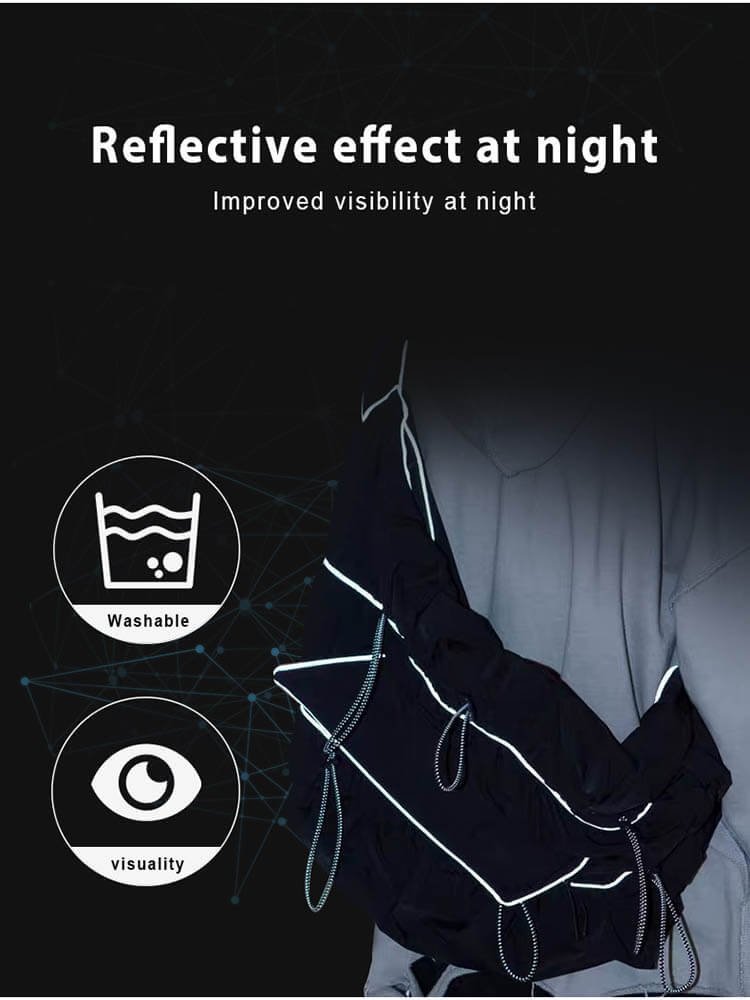
High-performance reflective materials ensuring 360-degree visibility
While standards dictate minimum amounts of reflective material, the quality and configuration matter enormously for real-world safety:
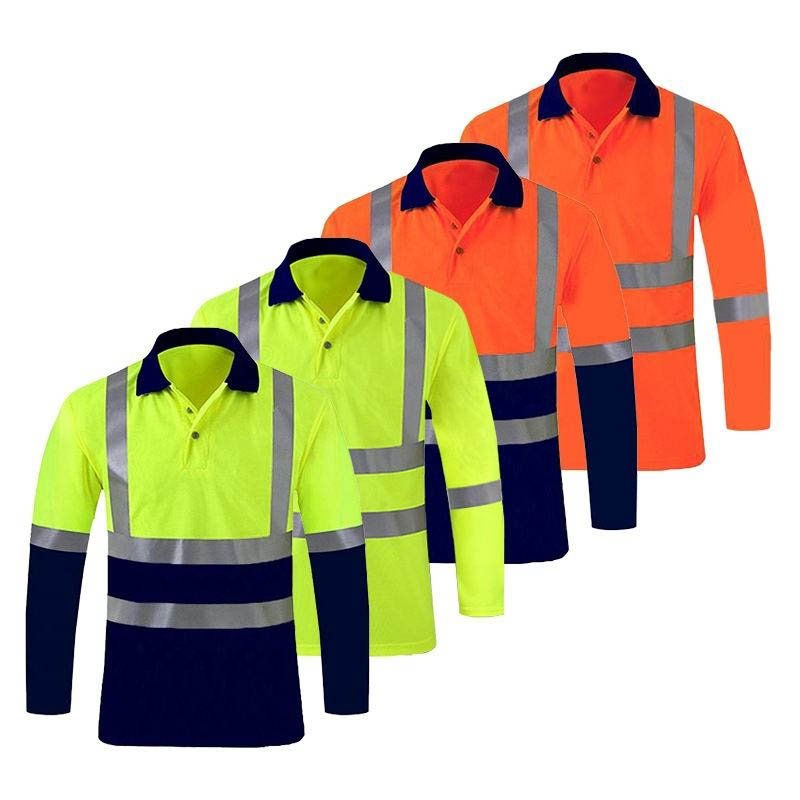
- Placement: Must provide 360-degree visibility—horizontal bands around torso and arms, plus vertical shoulder/back stripes
- Width: Wider tape (50mm+) performs significantly better than narrow strips
- Quality Grade: Specify prismatic or glass bead reflective materials with proven wash durability (50+ industrial wash cycles)
- Segmented vs. Continuous: Segmented tape allows better flex and breathability without compromising visibility
5. Customization Without Compromising Safety
Corporate branding on hi-vis jackets serves multiple purposes: professional appearance, team identification, and potentially, lost-and-found recovery. However, customization must never compromise the safety performance that standards require.
Logo Placement and Methods
The most common customization mistake is placing large logos or text blocks that cover fluorescent background material or reflective elements, inadvertently reducing the garment’s safety classification. Work with manufacturers who understand these constraints:
- Compliant Placement Zones: Center back (above waist), left chest (within pocket area), or sleeves (between reflective bands)
- Application Methods:
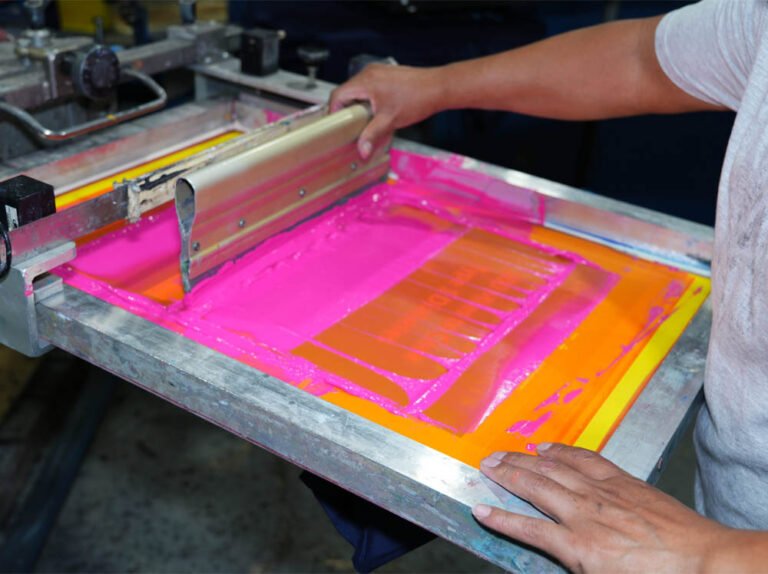
- Screen Printing: Cost-effective for large quantities, vibrant colors
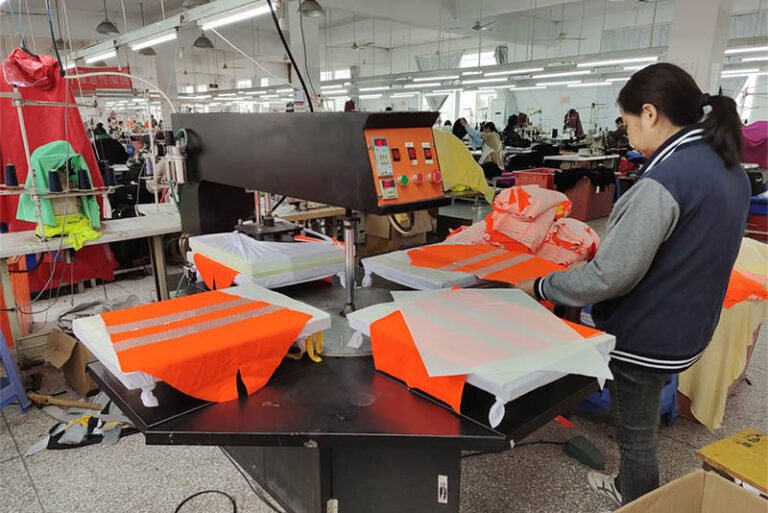
- Heat Transfer: Excellent for complex logos or small batches
- Embroidery: Premium appearance, exceptional durability, but adds slight bulk
- Reflective Logos: Maintains visibility while branding—see our guide on custom hi-vis jackets with logo
Professional Recommendation: Request a sample jacket with your proposed customization and ask for written confirmation that the finished garment will still meet the required safety classification. Reputable manufacturers will gladly provide this assurance and supporting documentation.
Color Combinations and Trim Options
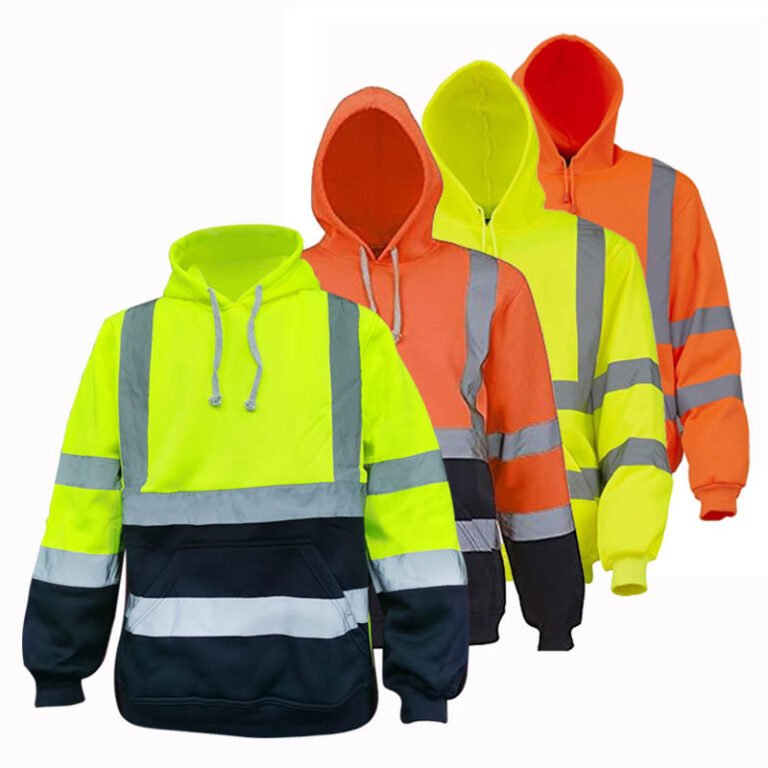
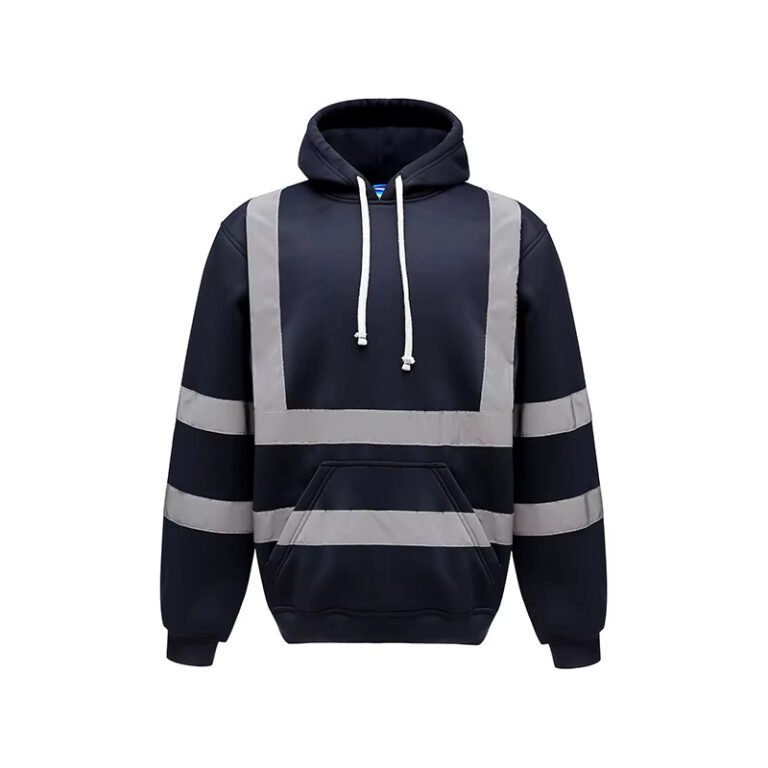
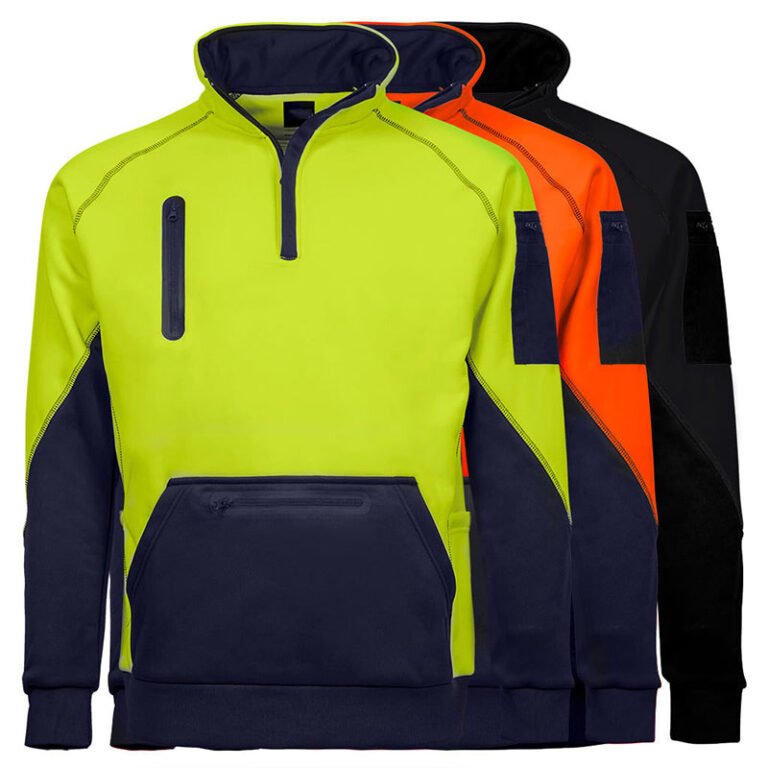
Modern hi-vis jackets can incorporate secondary colors (typically navy, black, or grey) for professional appearance while maintaining safety compliance. However, these accent colors must be limited to specific zones—typically lower pockets, sleeves below the reflective bands, or small shoulder yokes.
6. Choosing the Right Manufacturer Partner
The manufacturer you select has perhaps the greatest impact on long-term success of your hi-vis jacket program. Price is certainly a factor, but it shouldn’t be the primary driver. Here’s what truly matters:
Certification and Testing Capabilities
Verify that your manufacturer holds current certifications for the standards you require (EN ISO 20471, ANSI/ISEA 107, etc.) and can provide:
- Test Reports: Independent laboratory validation of materials and finished garments
- Batch Certification: Documentation confirming each production run meets specifications
- Ongoing Testing: Regular quality audits demonstrating consistent performance
Production Capacity and Lead Times
Understanding a manufacturer’s capacity prevents costly delays when you need emergency replacements or seasonal bulk orders. Evaluate:
- Minimum Order Quantities: Can they accommodate your volume, whether 50 or 5,000 units?
- Production Timelines: Realistic lead times from order placement to delivery
- Rush Capabilities: Premium fees for expedited production when needed
- Inventory Programs: Options for maintaining stock for rapid fulfillment
Technical Support and Customization Expertise
A manufacturer who serves as a genuine partner provides technical guidance throughout the specification process, helping you navigate standards compliance, material selection, and customization without compromising safety performance.
For buyers considering Asian manufacturing for cost optimization, our comprehensive guide on sourcing from a hi-vis jacket factory in China provides critical insights into quality assurance, communication protocols, and logistics management.
Partner with VizGlo Safety for Your Hi-Vis Jacket Requirements
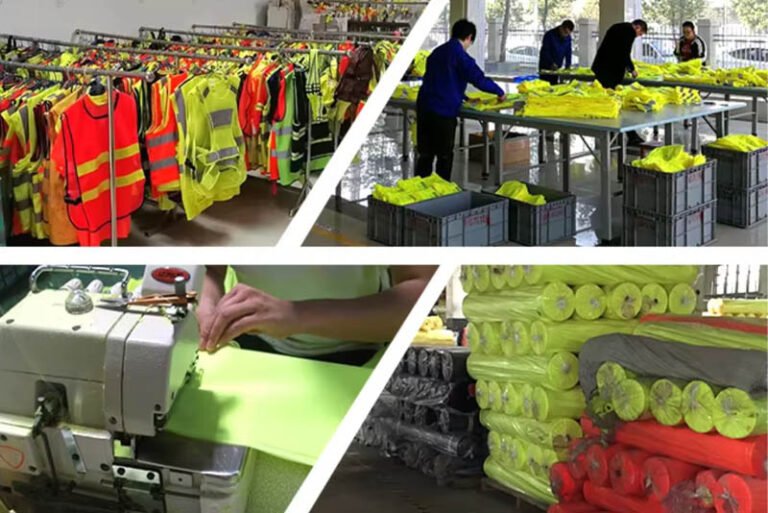
With over 15 years of specialized manufacturing experience and certifications for all major global standards, VizGlo Safety provides comprehensive OEM/ODM solutions for construction, roadside maintenance, and infrastructure projects worldwide. From technical consultation through production and quality assurance, our team ensures your workers receive garments that exceed safety requirements while meeting your operational and budget needs.
Request Your Custom Quote TodayFrequently Asked Questions
What’s the typical lifespan of a quality hi-vis jacket in construction use?
Under normal construction site conditions with proper care (regular washing according to manufacturer guidelines), a quality hi-vis jacket should maintain its safety performance for 18-24 months or approximately 50 industrial wash cycles. However, this varies significantly based on exposure conditions. Jackets in harsh environments (welding, heavy machinery operation, extreme weather) may require replacement after 12 months, while those in moderate conditions can often exceed 24 months. The critical factor is maintaining the fluorescent background material’s brightness and reflective material’s retroreflectivity—both should be regularly inspected and garments replaced when performance degrades noticeably.
Can we wash hi-vis jackets with regular workwear, or do they need special handling?
While hi-vis jackets don’t require specialized laundry facilities, certain precautions extend their lifespan significantly. Wash in warm (not hot) water with mild detergent—avoid bleach or fabric softeners which can degrade fluorescent dyes and reflective materials. Turn garments inside-out to protect reflective surfaces. Most importantly, avoid washing hi-vis garments with heavily soiled items containing oil, grease, or chemicals that can transfer and reduce visibility. Line drying or tumble-drying on low heat is preferable to high heat, which accelerates fluorescent color fading. Industrial laundry services familiar with hi-vis garment care can be excellent partners for large fleets.
How do I determine the right size distribution for a large workforce order?
For initial orders without historical data, standard distribution curves work reasonably well: approximately 10% XS-S, 30% M, 35% L, 20% XL, and 5% XXL+. However, this varies by region and workforce demographics. The best approach for large deployments is conducting a pre-order sizing session where workers try on sample jackets and record their preferred sizes. This small upfront investment virtually eliminates sizing issues and reduces the costly problem of workers not wearing jackets that don’t fit properly. For subsequent orders, maintain detailed records of size distribution and returns to refine your ratios. Also consider that sizing may differ between manufacturers, so always order samples when changing suppliers.
Should we stock different jacket types for different seasons, or invest in all-weather options?
This depends entirely on your climate and budget constraints. In regions with significant seasonal variation, maintaining separate lightweight and insulated jacket inventories often provides better worker comfort and compliance. However, this approach requires larger upfront investment and more complex inventory management. A middle-ground solution gaining popularity is 3-in-1 jacket systems with removable insulated liners—workers use just the shell in moderate conditions and add the liner for cold weather. While these cost more per unit than basic jackets, they eliminate the need for dual inventories and simplify logistics. For guidance on cold-weather options, consult our guide on choosing hi-vis winter jackets.
What’s the price range we should expect for quality hi-vis jackets meeting international standards?
Pricing varies considerably based on specifications, quantities, and customization requirements. As a general guide for Class 3/Type R garments from reputable manufacturers: basic polyester shells with standard features range from $25-45 per unit (500+ quantity); waterproof options with enhanced features run $40-75; premium insulated or 3-in-1 systems can reach $80-150. Custom branding typically adds $3-8 per garment depending on method and complexity. Extremely low pricing (sub-$20) should raise red flags about quality and certification authenticity. Remember that the total cost of ownership includes replacement frequency—a $35 jacket lasting 24 months costs far less than a $20 jacket requiring replacement after 8 months. For detailed cost analysis and sourcing strategies, see our article on sourcing from Chinese factories.
Conclusion: Informed Selection Equals Enhanced Safety
Selecting hi-vis jackets for construction and roadside workers is a multifaceted decision that extends far beyond simply ordering “the brightest jacket available.” As we’ve explored throughout this guide, effective selection requires understanding safety standards in their real-world context, choosing appropriate materials for your specific operating conditions, ensuring adequate weather protection, specifying functional features that workers will actually use, and partnering with manufacturers who prioritize safety performance over cost-cutting.
The investment you make in quality hi-vis jackets pays returns in multiple ways: reduced incident rates and associated costs, improved worker morale and productivity, streamlined compliance with evolving safety regulations, and ultimately, the confidence that you’ve done everything possible to protect your team members who work in harm’s way every day.
At VizGlo Safety, we’ve spent over 15 years refining our hi-vis jacket manufacturing processes specifically for the demanding construction and infrastructure sectors. Our team understands that every project has unique requirements, and we’re committed to providing not just products, but comprehensive solutions that address your specific challenges.
Take the Next Step in Worker Safety
Whether you’re specifying jackets for a small crew or outfitting thousands of workers across multiple sites, our technical team is ready to guide you through every decision point. We provide sample garments, technical specifications, certification documentation, and transparent pricing—everything you need to make an informed decision with complete confidence.
Contact Our Specification TeamRelated Reading
Why Hi-Vis Jackets Are Essential for Railway Workers
Understanding the specific requirements and standards for trackside safety apparel.
Waterproof vs. Water-Resistant Hi-Vis Jackets
The critical differences that impact worker comfort and safety in wet conditions.
Why Material Choice Matters for Your Hi-Vis Jackets
Deep dive into fabric performance characteristics and long-term durability.
Custom Hi-Vis Jackets with Logo
How to brand your safety apparel without compromising visibility standards.