Hi Vis Rain Jacket vs. Rain Suit: Which Complete Solution is Right for Your Team?
Your Expert Guide to Choosing the Perfect Waterproof Workwear for Maximum Protection and Compliance
Quick Answer: The choice between a hi-vis rain jacket and a full rain suit fundamentally depends on three critical factors: your regional climate severity, required worker mobility, and regulatory compliance demands. For environments with light, intermittent rain (such as parts of Southern Europe or mild coastal areas), a high-quality hi-vis rain jacket delivers superior breathability and freedom of movement, making it ideal for active workers who need agility. However, for teams facing driving winds, monsoon conditions, or heavy downpours (common in Southeast Asia, Pacific Northwest North America, or UK winters), a complete rain suit becomes non-negotiable—providing essential full body waterproof workwear that ensures ANSI/ISEA 107 and EN ISO 20471 compliance while preventing hypothermia and maintaining visibility. The critical decision point isn’t budget—it’s matching your protective equipment to the actual weather challenges your workforce confronts daily, with special attention to reflective tape performance in wet conditions (microprismatic technology outperforms traditional glass-bead in rain).
As a procurement manager or safety officer responsible for protecting your workforce, you face a critical question when rainy season approaches: should you invest in hi-vis rain jackets or complete rain suits for your team? This decision impacts not just your budget, but worker safety, productivity, regulatory compliance, and ultimately, your organization’s liability exposure.
The stakes are higher than many realize. According to occupational safety data, workers exposed to wet conditions without adequate protection face increased risks of hypothermia, reduced visibility leading to accidents, and decreased productivity. Yet, over-specifying protective equipment can burden workers with unnecessary bulk, reducing mobility and creating its own safety hazards.
This comprehensive guide draws on decades of manufacturing expertise from VizGlo Safety to help you navigate this decision with confidence, ensuring your team stays safe, visible, and productive regardless of weather conditions.
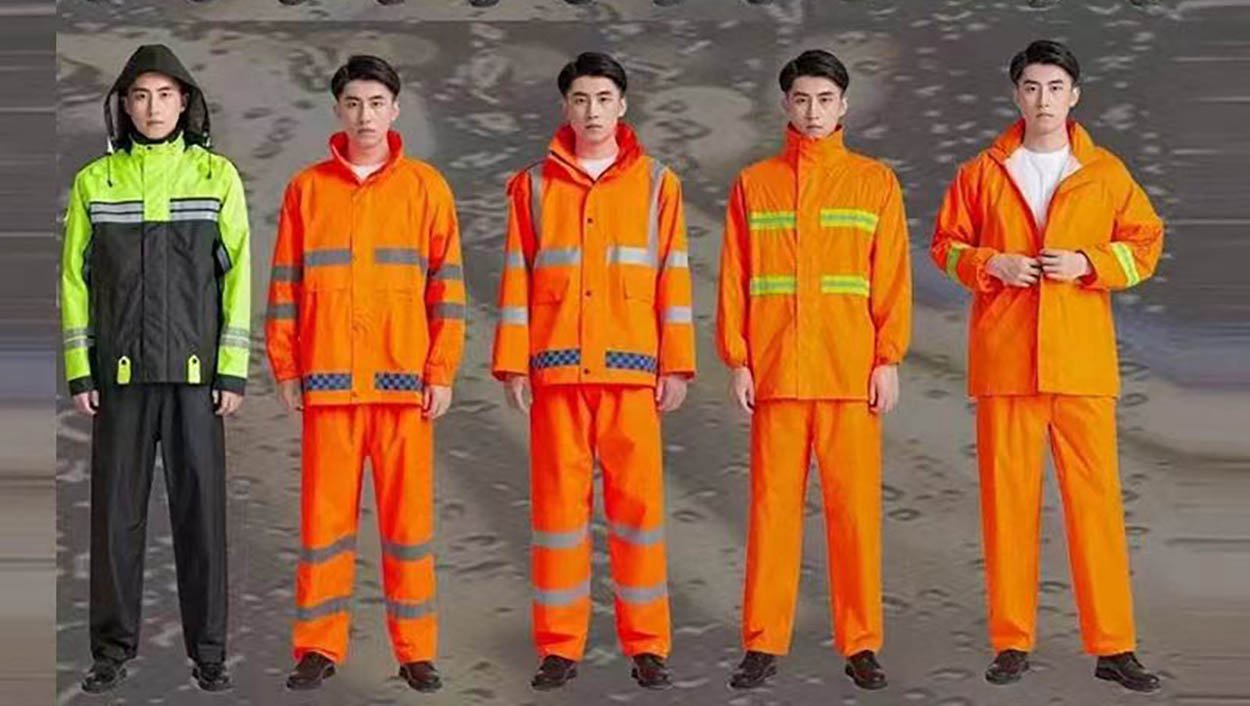
Understanding Your Hi-Vis Rainwear Options
Before diving into specific recommendations, it’s essential to understand what each option actually provides and the fundamental trade-offs involved in rain jacket or rain suit decisions.
What Defines Quality Hi-Vis Rainwear?
Regardless of whether you choose a jacket or suit, professional-grade hi-vis rainwear must deliver on three non-negotiable criteria:
- Waterproof integrity: Sealed seams, waterproof zippers, and proven fabric technology (minimum 5,000mm water column rating)
- High-visibility compliance: ANSI/ISEA 107 or EN ISO 20471 certified fluorescent fabric with compliant reflective tape placement
- Durability under stress: Reinforced stress points, abrasion-resistant materials, and construction that withstands industrial laundering
Hi-Vis Rain Jacket: Mobility-First Protection
A hi-vis rain jacket represents the lighter, more agile approach to weather protection, covering your upper body while leaving your legs free. This configuration excels in specific scenarios where mobility and versatility outweigh the need for total body coverage.
When Rain Jackets Excel
✓ Ideal Conditions
- • Light to moderate intermittent rainfall
- • Mild climate zones (Mediterranean, Southern US)
- • Active work requiring frequent movement
- • Tasks involving climbing, kneeling, or squatting
- • Short-duration outdoor exposure
- • Warmer temperatures where full suits cause overheating
✗ Limitations
- • Lower body remains exposed to rain
- • Insufficient for driving rain or wind
- • May not meet compliance in high-risk zones
- • Workers risk wet pants leading to discomfort
- • Limited protection in puddles/standing water
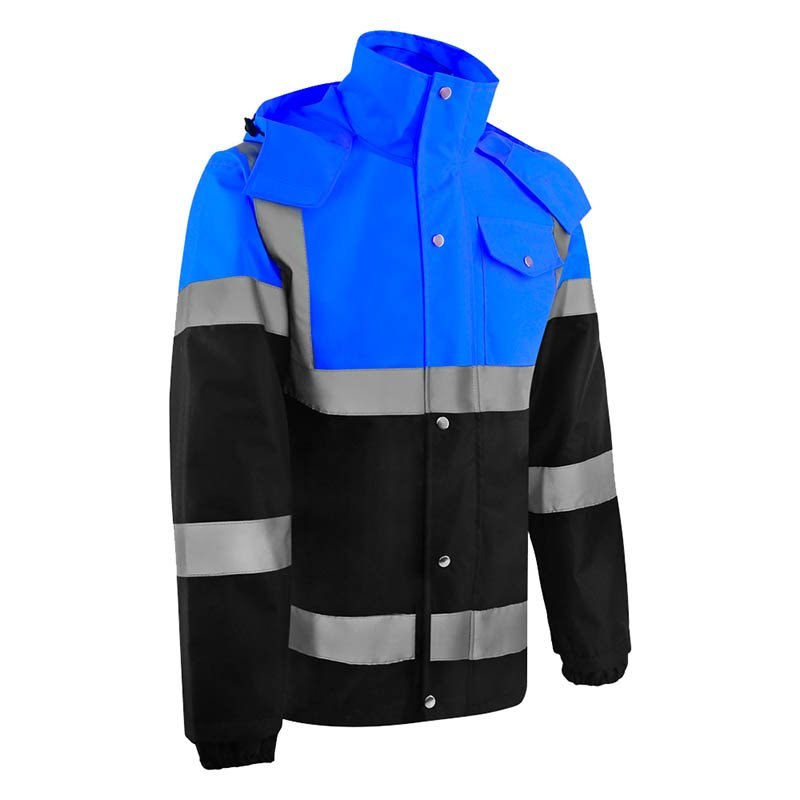
“In my experience supplying protective gear to Southern European construction firms, rain jackets consistently outperform suits in warmer climates. Workers appreciate the reduced bulk, and the breathability prevents the ‘sauna effect’ that full suits can create when temperatures exceed 15°C (59°F).”
Rain Suit: Complete Weatherproof Armor
A complete rain suit transforms your protective strategy from partial coverage to total weatherproofing. Comprising both a jacket and waterproof pants (or bib overalls), rain suits represent the professional standard for serious weather conditions.
The Benefits of a Rain Suit
When evaluating the benefits of a rain suit, the advantages extend far beyond simply “staying dry”—they fundamentally impact worker health, safety compliance, and operational continuity:
Complete Weather Protection
Full-body coverage eliminates any exposure gaps. Workers remain completely dry from neck to ankles, preventing the gradual saturation that leads to hypothermia risk, especially in temperatures below 10°C (50°F).
Enhanced Compliance Assurance
Rain suits with proper reflective tape configuration ensure 360-degree visibility compliance with ANSI/ISEA 107-2020 Class 3 or EN ISO 20471 Class 2/3 standards, which specifically require torso AND leg visibility in high-risk environments.
Extended Work Duration
With total protection, workers can maintain productivity throughout extended rain events without needing shelter breaks. This capability is critical for time-sensitive projects or 24/7 operations like utility repairs.
Worker Morale & Health
Employees equipped with proper full body waterproof workwear demonstrate measurably higher morale and lower sick-day usage. Staying dry isn’t just comfort—it’s a demonstrated health intervention that reduces respiratory illness and joint problems.
Long-Term Cost Efficiency
While initial investment is higher, rain suits reduce costs through: decreased worker turnover, fewer weather-related project delays, reduced medical claims, and extended garment lifespan (quality suits last 3-5 years with proper care versus 1-2 years for jackets).
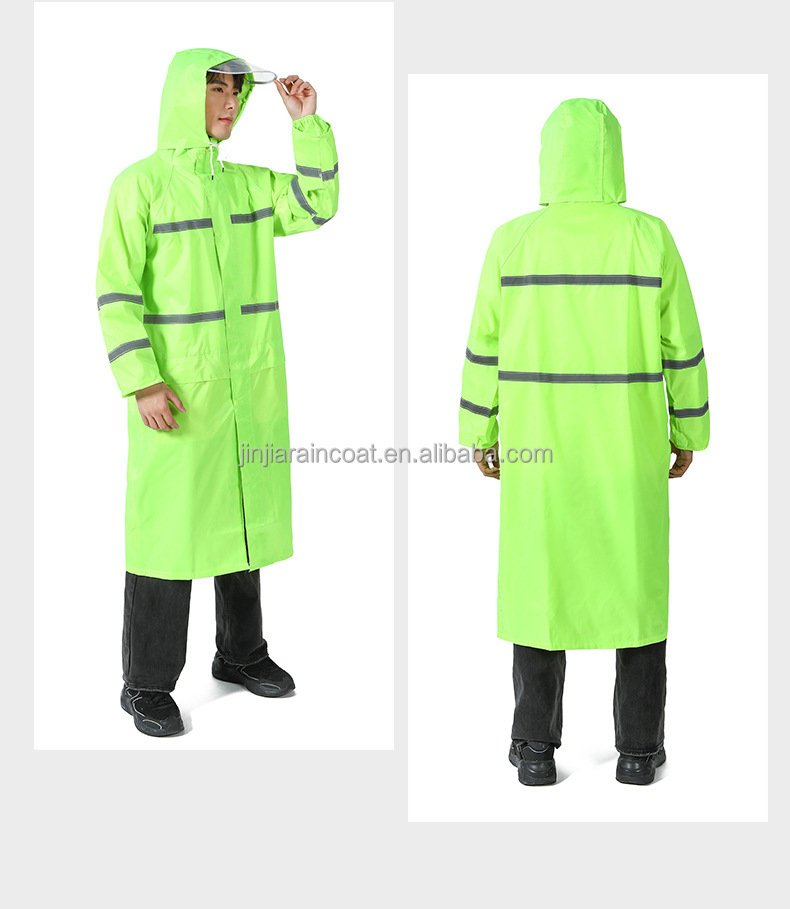
Critical Applications for Rain Suits
Rain suits become the mandatory choice for:
- Coastal & Offshore Work: Marine environments, port operations, offshore platforms
- Monsoon Regions: Southeast Asia, Pacific Northwest, tropical climates
- Emergency Response: Utility repair crews, first responders working in all conditions
- Railway & Transportation: Track maintenance, signaling work, outdoor inspections
- Heavy Construction: Large-scale projects where weather delays cost thousands per hour
- Mining Operations: Open-pit mining, quarries, any site with water hazards
For organizations operating in these environments, rain suits aren’t optional—they’re the baseline standard for professional hi-vis rainwear that takes worker protection seriously.
Head-to-Head Comparison: Making the Right Choice
| Criteria | Hi-Vis Rain Jacket | Complete Rain Suit |
|---|---|---|
| Weather Suitability | Light to moderate rain | Heavy rain, wind, storms |
| Mobility & Comfort | Excellent – minimal restriction | Good – slight bulk trade-off |
| Compliance Coverage | Class 2/3 upper body only | Class 3 full-body coverage |
| Initial Cost | Lower ($40-80 typical) | Higher ($80-150 typical) |
| Long-Term Value | Moderate – may need replacement sooner | High – durability & reduced downtime |
| Worker Preference | Warm climates, active tasks | Cold/wet climates, stationary work |
| Best Use Case | Mediterranean, Southern US, light-duty | UK, Pacific NW, Asia, heavy-duty |
Decision Framework
Use this quick assessment to guide your choice:
Choose a Rain Jacket if:
- Your region experiences less than 40 rainy days per year
- Average rainfall events last under 2 hours
- Temperatures during rain typically exceed 15°C (59°F)
- Your workers perform highly mobile tasks (climbing, running, frequent position changes)
Choose a Rain Suit if:
- Your region has 40+ rainy days annually or monsoon seasons
- Workers face extended exposure (4+ hours in rain)
- Temperatures during rain drop below 15°C (59°F)
- Compliance requires Class 3 full-body visibility
- Work involves standing water, spray, or wind-driven rain
Industry Expert Insight: Real-World Decision Making
Expert Perspective from VizGlo Safety’s Export Division
Over 15 Years of Global Hi-Vis Rainwear Solutions
“Over my years of exporting hi-vis rainwear worldwide, I’ve seen countless purchasing managers struggle with this exact dilemma. Here is the truth: choosing between a hi-vis rain jacket and a full rain suit isn’t just about budget—it’s about balancing climate severity with worker mobility.”
“For regions with light, intermittent rain (like parts of Southern Europe), a high-quality hi-vis jacket offers better breathability and freedom of movement. However, for teams facing driving winds and monsoons (like in Southeast Asia or coastal North America), a full suit is non-negotiable for ANSI/EN ISO 20471 compliance and total weatherproofing.”
Pro tip: Whichever you choose, ensure the reflective tape is rated for wet-weather performance (like microprismatic tapes), because heavy rain distorts standard glass-bead reflection long before the water soaks through. This is the detail that separates adequate rainwear from truly safe rainwear.
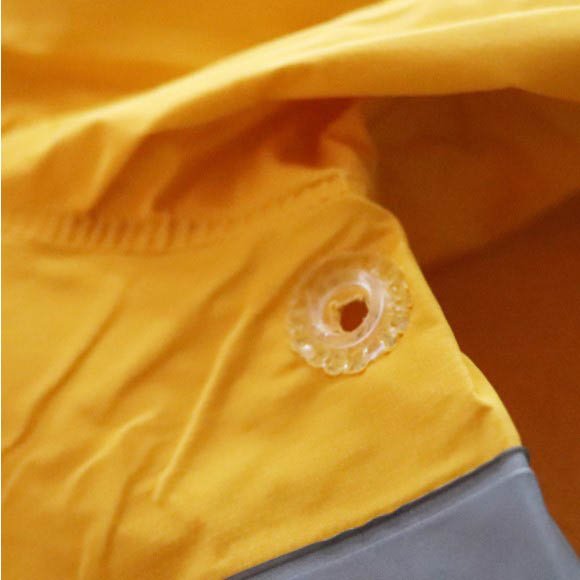
The Reflective Tape Distinction That Saves Lives
Many buyers overlook this critical specification, but it’s perhaps the most important factor:
❌ Standard Glass-Bead Tape
- • Performance degrades rapidly when wet
- • Light scatters inefficiently in rain
- • May fail visibility tests in downpours
✅ Microprismatic Tape
- • Maintains 80%+ reflectivity when wet
- • Engineered for all-weather performance
- • Meets enhanced wet-performance standards
Compliance & Performance Standards You Must Know
Understanding regulatory requirements is crucial when specifying full body waterproof workwear or rain jackets for your team. Non-compliance can result in citations, increased liability, and—most critically—worker injuries.
🇺🇸 North American Standards
ANSI/ISEA 107-2020
- Class 2: Requires 775 sq. in. background + 201 sq. in. reflective material (jackets can qualify)
- Class 3: Requires 1,240 sq. in. background + 310 sq. in. reflective with sleeves AND leg coverage (requires full suit)
- Application: Class 3 mandatory for highway work zones, railway workers, airport ground crews
🇪🇺 European Standards
EN ISO 20471:2013+A1:2016
- Class 2: 0.50m² background + 0.13m² reflective (minimum torso coverage)
- Class 3: 0.80m² background + 0.20m² reflective (requires garment coverage including legs or sleeves)
- Application: Class 3 required for motorway work, rail infrastructure, and high-speed traffic areas
⚠️ Critical Compliance Note
In many jurisdictions, rain suits become legally required when work involves proximity to vehicular traffic exceeding certain speeds (typically 45+ mph / 70+ km/h) or in reduced visibility conditions. A rain jacket alone, regardless of quality, may not satisfy these mandates. Always verify your specific regulatory requirements with local authorities and consult our compliance-certified rainwear collection.
Additional Performance Considerations
- Waterproof Rating: Look for minimum 5,000mm water column; professional-grade suits should offer 10,000mm+
- Breathability: Minimum 3,000g/m²/24hr MVTR (Moisture Vapor Transmission Rate) to prevent internal condensation
- Seam Sealing: All seams must be taped or welded; stitched-only seams will leak under pressure
- Color Fastness: ISO 105 Grade 4+ minimum to maintain visibility through industrial laundering
- Reflective Durability: Tape should maintain 70%+ reflectivity after 50+ wash cycles per EN ISO 20471
Ready to Equip Your Team with the Right Protection?
Whether you need mobility-focused rain jackets or complete weatherproof suits, VizGlo Safety delivers certified, durable solutions trusted by safety professionals worldwide.
Get Expert Consultation & Custom QuoteSpeak with our rainwear specialists about your specific climate and compliance needs
Frequently Asked Questions
What is the main difference between a hi-vis rain jacket and a rain suit? ▼
When should I choose a rain suit over just a jacket? ▼
Are rain jackets sufficient for construction sites? ▼
What should I look for in reflective tape for wet-weather workwear? ▼
How do rain suits benefit worker productivity? ▼
Can I mix and match rain jacket and pants from different manufacturers? ▼
How should I care for hi-vis rainwear to maximize lifespan? ▼
Your Next Steps: Making an Informed Decision
The choice between a hi-vis rain jacket and a full rain suit is more than a purchasing decision—it’s a strategic commitment to your team’s safety, compliance, and operational effectiveness. As we’ve explored throughout this guide, neither option is universally “better”—the right choice depends entirely on your specific operational context.
Quick Decision Checklist
Before finalizing your order, answer these questions:
- What is your region’s average annual rainfall and typical precipitation intensity?
- Do your workers perform primarily stationary or highly mobile tasks?
- What are your specific compliance requirements (ANSI Class 2 vs. 3, EN ISO 20471)?
- What is the typical duration of rain exposure your teams face?
- Does your budget account for long-term value vs. initial cost?
- Have you verified reflective tape specifications for wet-weather performance?
At VizGlo Safety, we’ve spent over 15 years perfecting both hi-vis rain jackets and complete rain suits for global markets. Our manufacturing expertise, combined with deep understanding of regional climate challenges and compliance standards, positions us as your ideal partner in protecting your workforce.
Whether you need breathable rain jackets for Mediterranean construction crews or heavy-duty rain suits for Pacific Northwest utility workers, we deliver certified, durable solutions backed by rigorous quality control and responsive customer service. Don’t leave your team’s safety to chance—contact our rainwear specialists today for personalized recommendations based on your exact operational requirements.
Partner with VizGlo Safety for Your Rainwear Needs
Over 15 years of manufacturing excellence • ISO 9001 certified • ANSI & EN ISO 20471 compliant • Trusted by safety professionals in 50+ countries
✓ OEM/ODM Services
Custom branding & specifications
✓ Fast Sampling
24-48 hour standard samples
✓ Global Shipping
Reliable delivery to 50+ countries