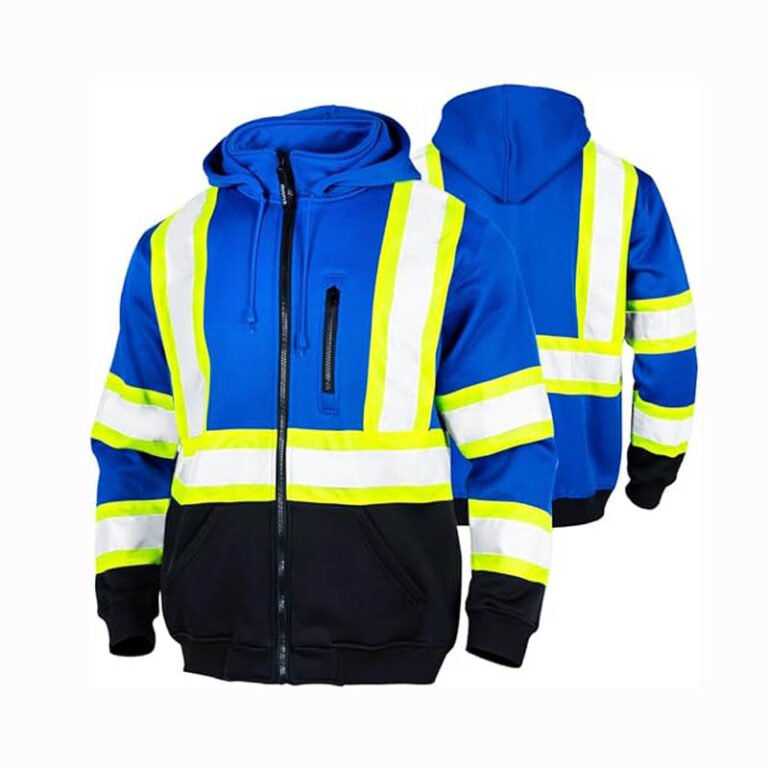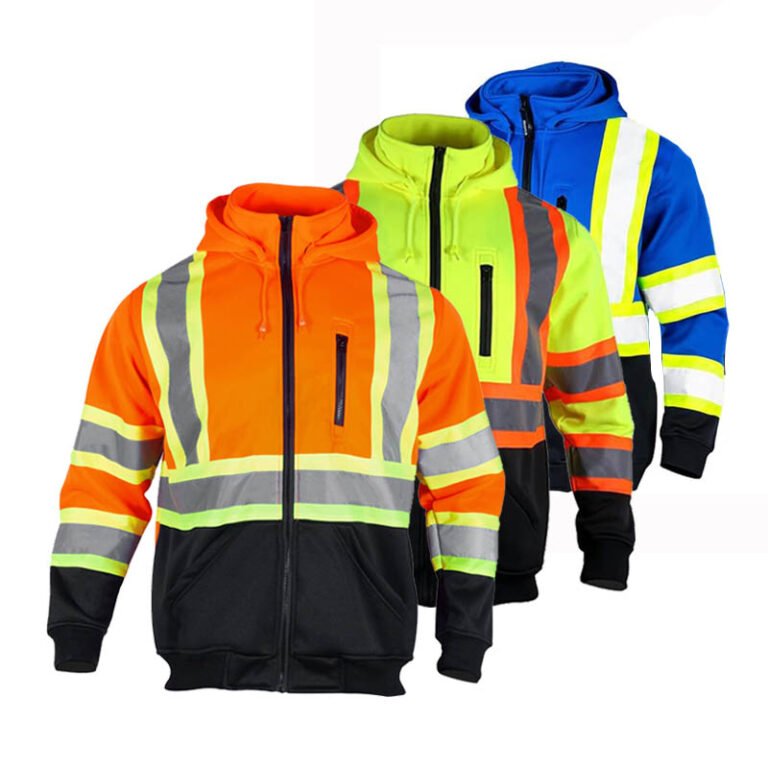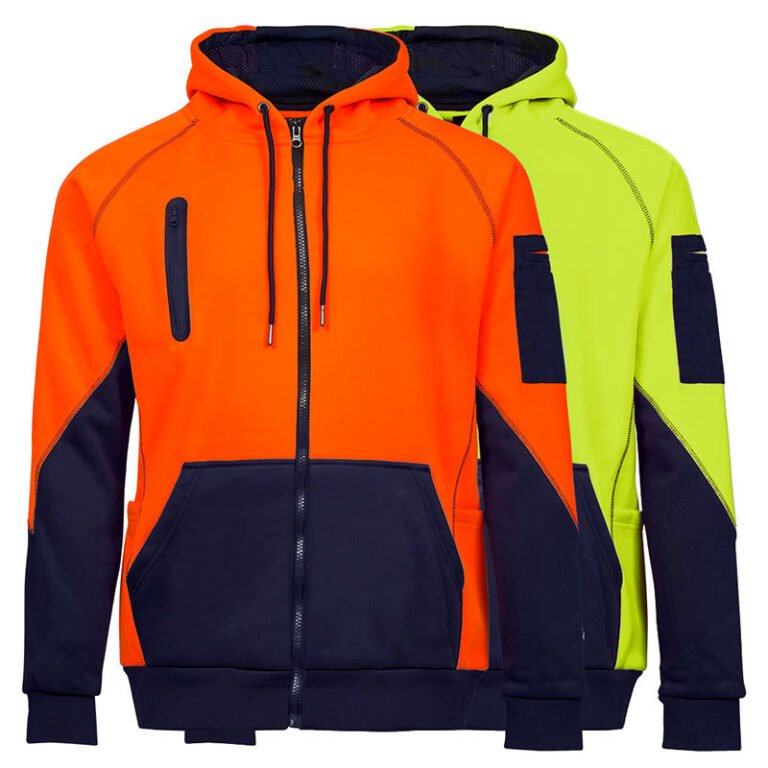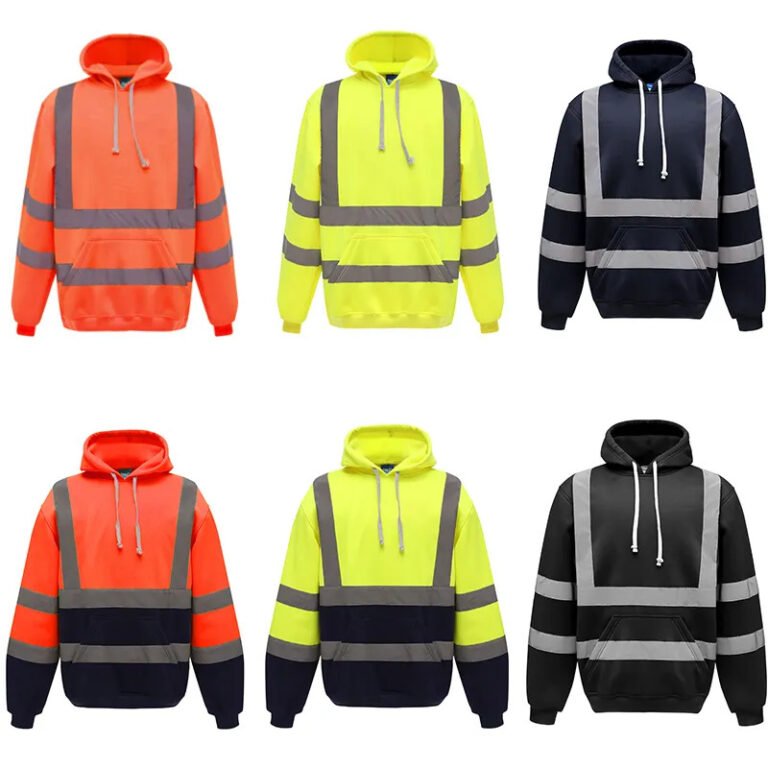
How to Choose a Hi-Vis Winter Jacket: A Guide to Insulation, Liners, and Thermal Ratings
Make informed decisions that keep workers visible, warm, and productive in harsh winter conditions
Quick Answer: Choosing the Right Hi-Vis Winter Jacket
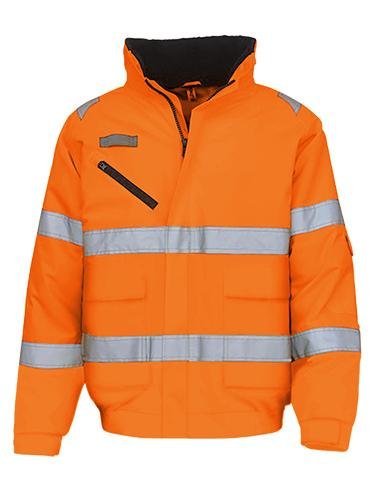
Choosing a hi-vis winter jacket isn’t about finding the “warmest” option—it’s about matching thermal regulation to worker activity levels. For stationary workers (flaggers, security guards), prioritize high insulation ratings (150-300g synthetic or 600+ fill-power down) with windproof shells. For active workers (construction crews, road maintenance), choose breathable, moisture-wicking jackets with removable liners (3-in-1 systems) and lower insulation (80-150g) to prevent dangerous sweat buildup. The ideal jacket balances insulation, breathability, waterproofing, and visibility while allowing workers to adjust layers as activity changes. Always verify compliance with relevant hi-vis safety standards for your region.
The Critical Factor: Worker Activity Level
After outfitting crews from the frigid oil fields of Alberta to damp UK construction sites, I’ve learned that the most common purchasing mistake is asking for “the absolute warmest jacket.” This approach overlooks the single most important factor: worker activity level.
⚠️ Industry Insight:
A high thermal rating is excellent for a stationary flagger standing roadside for hours, but for workers constantly moving—digging, climbing, or hauling materials—that same jacket becomes a liability. Overheating leads to sweating, and in winter conditions, sweat is the enemy of warmth. Once activity stops, damp clothing cools the body dangerously fast.
The solution isn’t maximum insulation—it’s thermal regulation. Your selection process should start with these questions:
- Will workers be stationary or highly active?
- Do they work in bursts of activity with rest periods?
- Can they remove layers during the workday?
- Are they exposed to wind, rain, or snow?
Understanding these dynamics allows you to select jackets that keep workers dry from both external weather and internal perspiration—the foundation of effective winter protection.
Understanding Insulation Types and Ratings
Winter hi-vis jackets typically use one of three insulation technologies, each with distinct performance characteristics:
| Insulation Type | Weight Range | Best For | Pros & Cons |
|---|---|---|---|
| Synthetic (Polyester) | 80-300g/m² | Active workers, wet conditions | ✓ Retains warmth when wet ✓ Dries quickly ✓ Cost-effective ✗ Heavier than down |
| Down (Duck/Goose) | 400-800 fill power | Extreme cold, dry climates | ✓ Superior warmth-to-weight ✓ Highly compressible ✗ Loses warmth when wet ✗ More expensive |
| PrimaLoft/Thinsulate | 40-200g/m² | High activity, layering systems | ✓ Water-resistant ✓ Lightweight & breathable ✓ Down-like performance ✗ Premium pricing |
Interpreting Insulation Weight
Synthetic insulation is measured in grams per square meter (g/m²). Here’s a practical breakdown:
- → 60-100g: Light insulation for high-activity work or mild winter conditions (-5°C to 5°C / 23°F to 41°F)
- → 100-200g: Moderate insulation for mixed activity levels or temperate climates (-10°C to 0°C / 14°F to 32°F)
- → 200-300g: Heavy insulation for stationary work or harsh cold (-20°C to -10°C / -4°F to 14°F)
- → 300g+: Extreme insulation for arctic conditions or prolonged exposure below -20°C (-4°F)
Remember: higher numbers don’t automatically mean better. Match insulation weight to actual working conditions and activity levels. For comprehensive guidance on jacket materials and fabric selection, explore our detailed material guide.
The Power of Modular Liner Systems
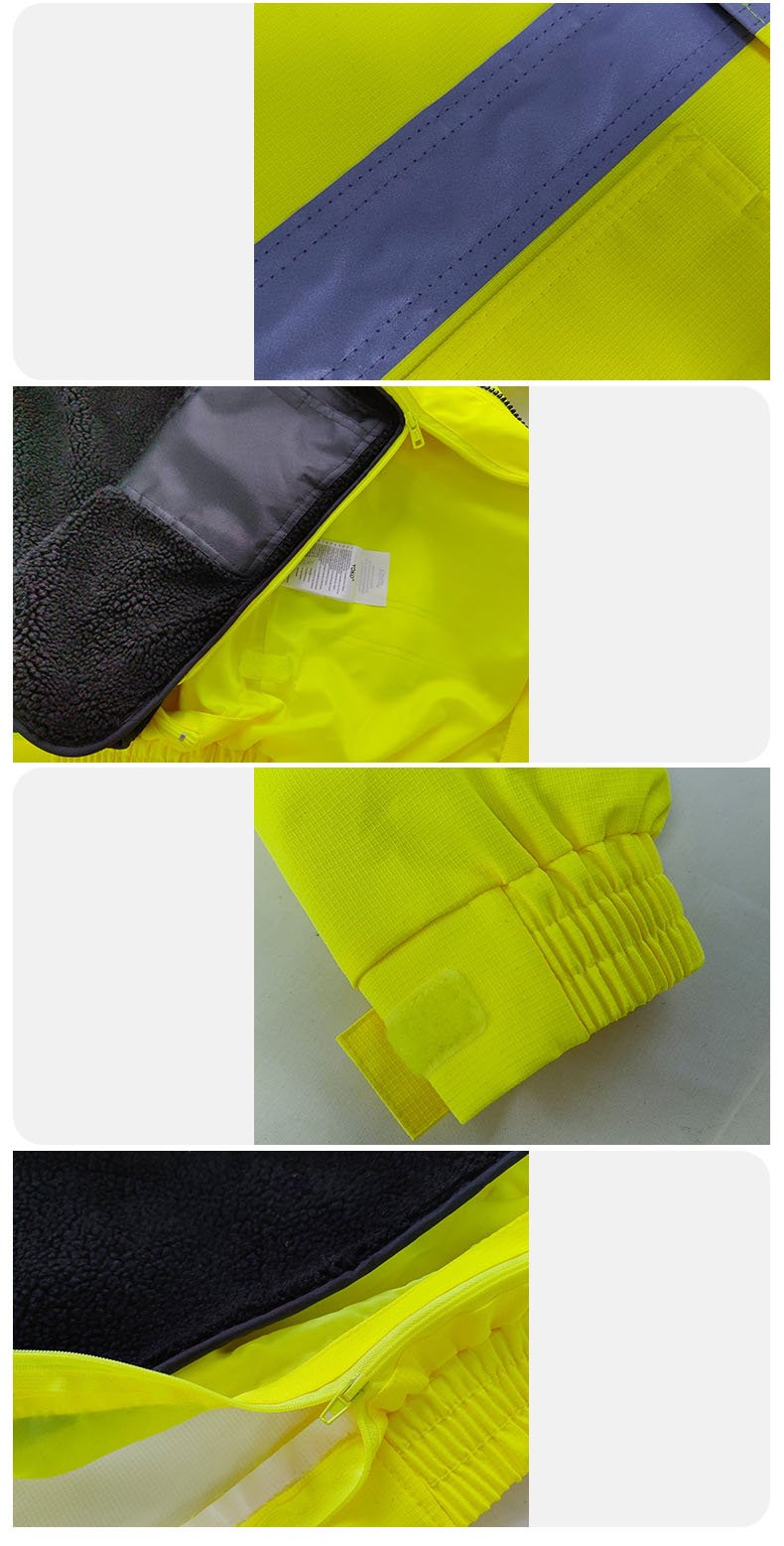
This is where smart winter jacket design truly shines: 3-in-1 systems with zip-out insulated liners provide unmatched versatility.
🧥 Shell-Only Mode
Use the waterproof/windproof outer shell alone during high-activity periods or milder temperatures. Perfect for active construction work or when moving heavy equipment.
🔥 Liner-Only Mode
Wear the insulated liner independently as a vest or jacket in dry, cold conditions indoors or in climate-controlled vehicles.
❄️ Combined System
Zip the liner into the shell for maximum protection during extreme cold, wind, rain, or stationary work. This configuration delivers the highest thermal rating while maintaining weather protection.
“A 3-in-1 jacket with a 100g liner and waterproof shell offers more practical warmth than a single 200g jacket because workers can regulate their temperature throughout the day. This adaptability prevents the sweat-chill cycle that causes hypothermia risk.”
When sourcing winter jackets, prioritize models with quality YKK zippers on the liner attachment system—this ensures durability through repeated attach/detach cycles throughout the season.
Decoding Thermal Ratings and Temperature Ranges
Unlike sleeping bags with standardized EN temperature ratings, work jackets lack universal thermal rating systems. Manufacturers often provide “comfort range” temperatures, but these should be interpreted carefully:
Variables Affecting Real-World Warmth:
- 🌡️ Wind Chill: A jacket rated to -20°C in still air may only be comfortable to -10°C in 30 km/h winds without proper windproofing
- 💧 Humidity: Damp cold penetrates insulation faster than dry cold at the same temperature
- 🏃 Metabolic Heat: Active workers generate 3-5x more body heat than stationary workers
- 👕 Base Layers: Ratings assume specific underlayers—moisture-wicking synthetics significantly enhance performance
Rather than relying solely on manufacturer ratings, consider this practical framework:
| Work Type | Recommended System | Temperature Range |
|---|---|---|
| High Activity (construction, road crew) | 3-in-1 with 80-150g liner | -15°C to 5°C (5°F to 41°F) |
| Moderate Activity (inspectors, supervisors) | 3-in-1 with 150-200g liner | -25°C to 0°C (-13°F to 32°F) |
| Low Activity (flaggers, security) | Heavy parka 250-300g | -30°C to -5°C (-22°F to 23°F) |
Why Breathability Matters as Much as Warmth
Here’s the counterintuitive truth: the best winter jacket isn’t the warmest—it’s the one that best manages moisture. An active worker can generate up to 1 liter of perspiration per hour during strenuous activity. If that moisture can’t escape, it saturates insulation and base layers, destroying their thermal properties.
⚠️ The Sweat-Chill Danger Cycle:
Worker exerts → sweats → stops for break → damp clothing rapidly cools → body temperature drops → hypothermia risk increases. This scenario has caused more winter worksite injuries than inadequate insulation.
Essential Breathability Features
-
①Breathable Membranes:
Look for Gore-Tex, eVent, or proprietary waterproof-breathable fabrics with minimum 10,000g/m²/24hr MVTR (Moisture Vapor Transmission Rate)
-
②Pit Zips & Venting:
Underarm zippers allow instant temperature regulation during activity spikes without removing the jacket
-
③Moisture-Wicking Lining:
Polyester mesh or fleece linings actively move perspiration away from skin toward outer fabric for evaporation
-
④Articulated Design:
Gusseted underarms and action backs prevent fabric from trapping heat pockets against the body
For workers transitioning between indoor and outdoor environments (warehouse to loading dock, heated vehicle to worksite), breathability becomes even more critical. A slightly less insulated but highly breathable jacket often provides superior real-world comfort and safety.
Waterproofing and Weather Protection
Winter work rarely means just cold—it often includes rain, sleet, and wet snow. Understanding the difference between water-resistant and waterproof is crucial. For an in-depth comparison, see our guide on waterproof vs water-resistant hi-vis jackets.
💧 Water-Resistant
- ✓ Repels light rain and snow
- ✓ DWR (Durable Water Repellent) coating
- ✗ Saturates under prolonged exposure
- ✗ Performance degrades over time
Best for: Dry climates, intermittent precipitation
🛡️ Waterproof
- ✓ Sealed seams prevent water entry
- ✓ Laminated membranes (5,000-20,000mm rating)
- ✓ Protects in sustained heavy rain
- ✓ Long-term durability
Best for: Wet climates, all-weather work
Critical Waterproofing Features:
- Taped or Welded Seams: All stitching should be sealed to prevent water wicking through needle holes
- Storm Flaps: Cover zippers and closures to prevent water entry through hardware
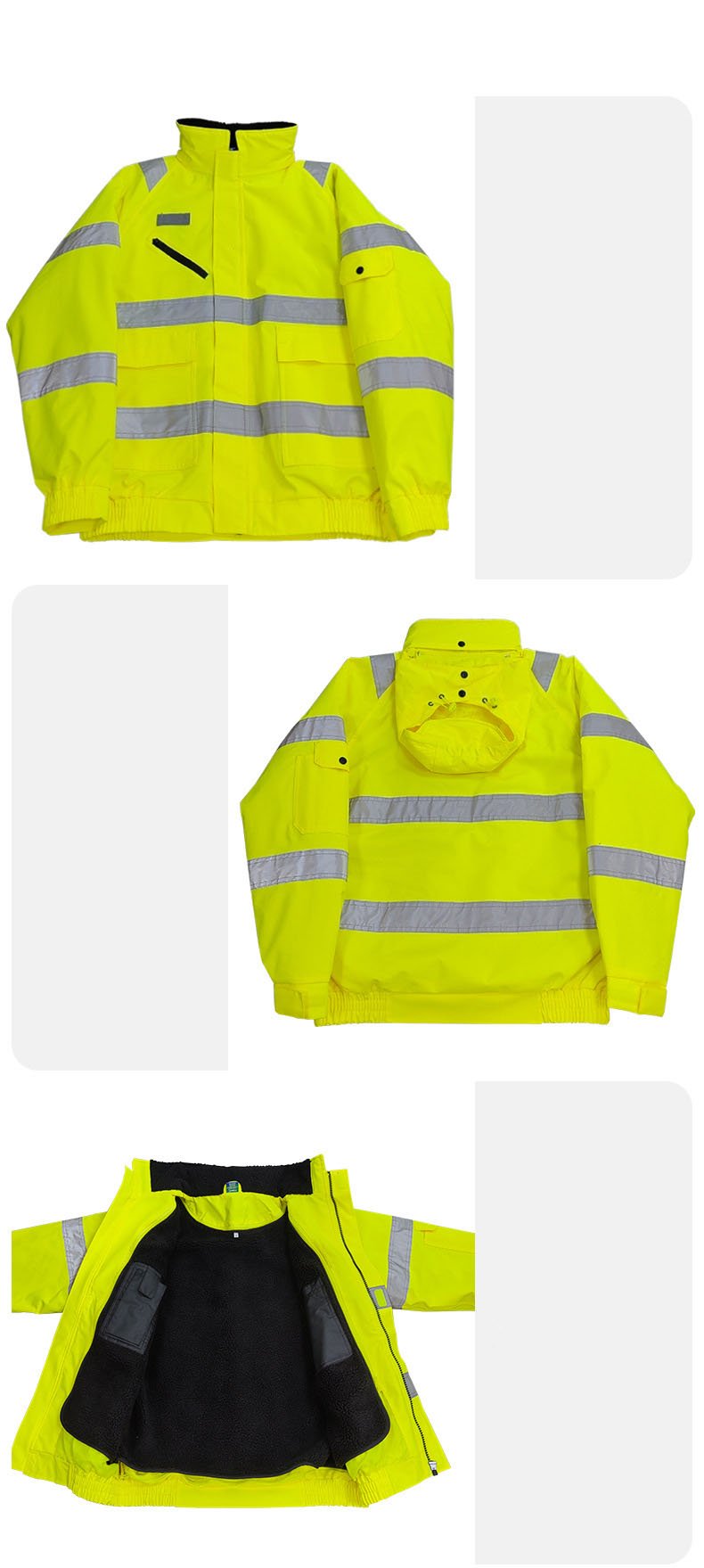
- Adjustable Cuffs & Hem: Hook-and-loop or elastic closures prevent water running up sleeves or under the jacket
- Integrated Hood: Detachable or stowable hood with adjustable brim for rain protection
For winter conditions, aim for a minimum 10,000mm waterproof rating with sealed seams. In extremely wet climates (Pacific Northwest, UK), 20,000mm ratings provide superior protection.
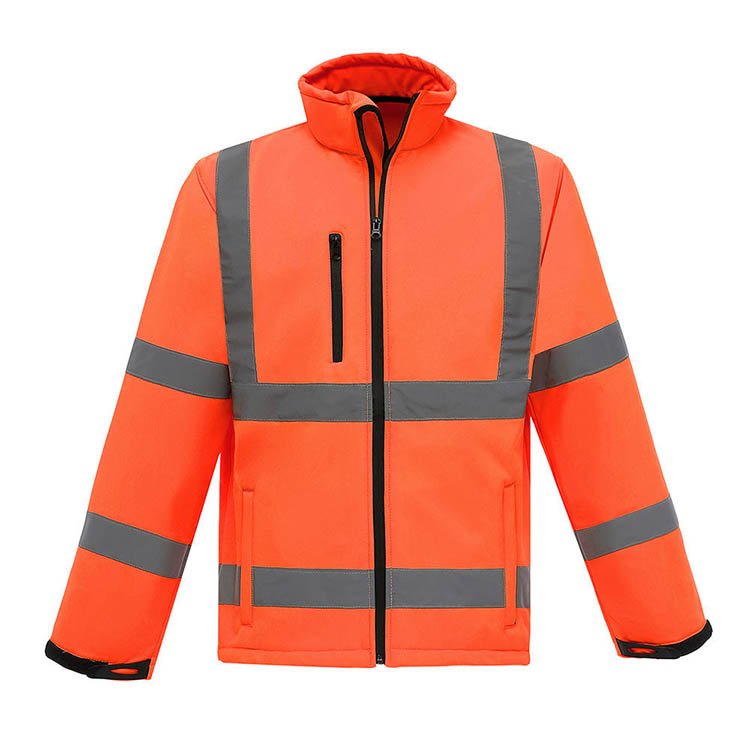
Maintaining High Visibility in Winter Conditions
Winter presents unique visibility challenges: shorter daylight hours, fog, snow, and reduced contrast against white backgrounds. Your winter jacket must maintain compliance with hi-vis safety standards while providing thermal protection.
Winter-Specific Visibility Considerations
Fluorescent Background Material
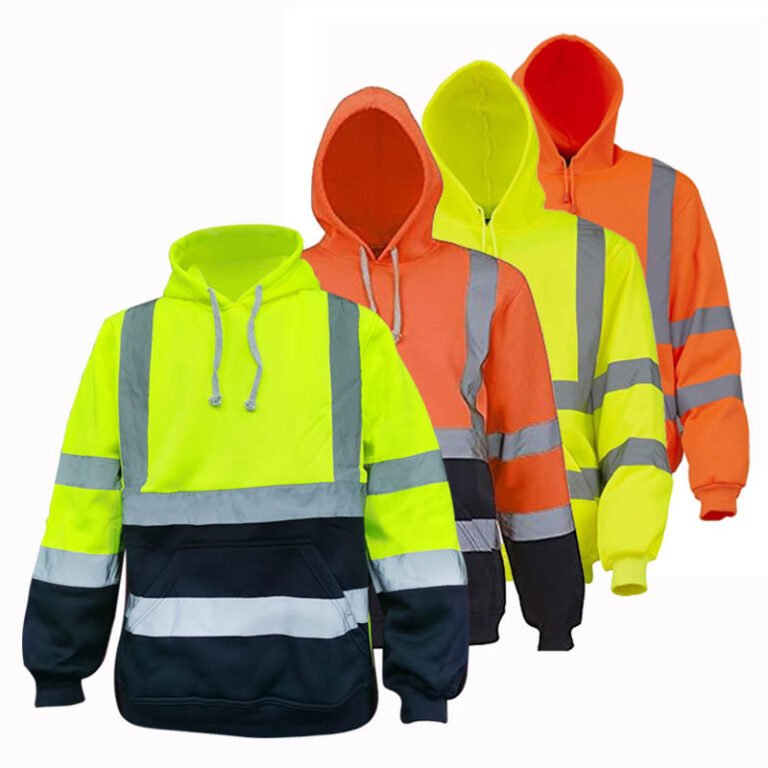
Orange provides better contrast against snow than lime yellow. Class 3 jackets require minimum 0.80m² of fluorescent material—verify this area isn’t compromised by pockets or closures.
Retroreflective Tape Placement
360° visibility requires horizontal and vertical tape on torso, sleeves, and shoulders. Segmented tape offers flexibility without compromising reflectivity. Minimum tape width: 50mm for Class 3 compliance.
Contrast Striping
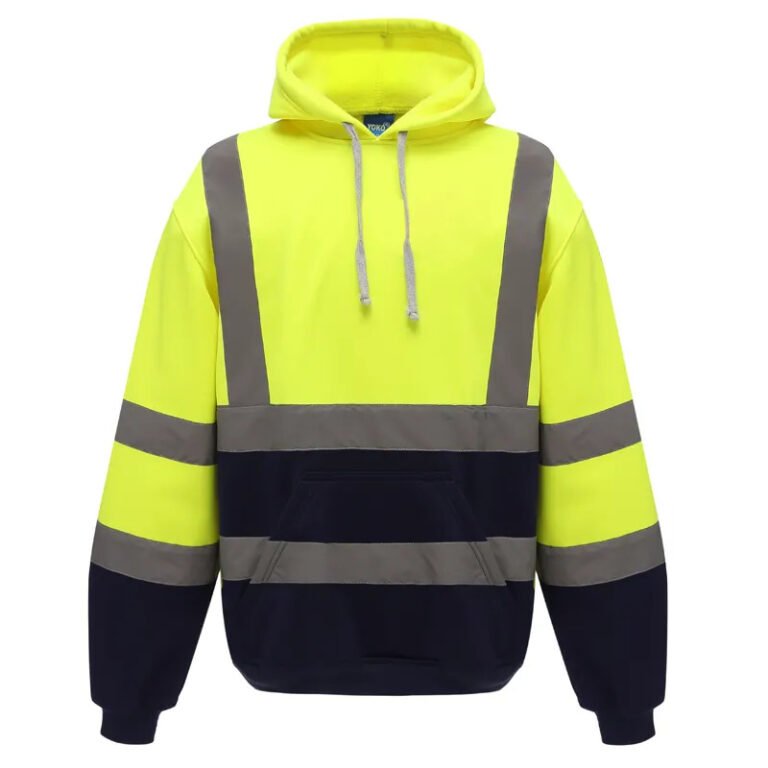
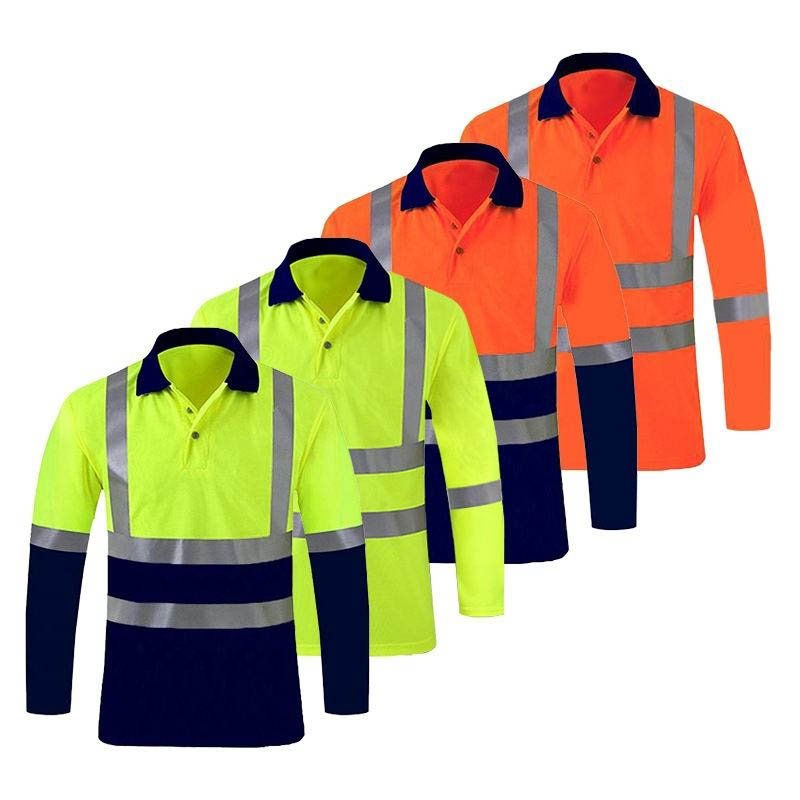
Dark contrast material (typically navy or black) between fluorescent background and reflective tape enhances daytime visibility by creating clear visual boundaries—especially important in overcast conditions.
Ensure that when the insulated liner is removed from a 3-in-1 system, both the shell and liner independently maintain visibility standards. Some budget jackets place all reflective material on the liner only, rendering the shell non-compliant when used separately.
If you’re equipping specialized crews, explore our guides on railway worker hi-vis requirements and cycling safety jackets for sector-specific visibility standards.
Practical Buying Checklist
When evaluating suppliers and placing orders for hi-vis winter jackets, use this comprehensive checklist to ensure you’re getting value and performance:
✅ Essential Pre-Purchase Questions
📋 Certification & Compliance
- □ Certified to EN ISO 20471 (Europe), ANSI/ISEA 107 (North America), or AS/NZS 1906.4 (Australia/NZ)?
- □ Class 2 or Class 3 rating appropriate for work environment?
- □ Reflective material meets minimum retroreflectivity (330 cd/lux/m² for Class 2, 500 for Class 3)?
- □ Certification remains valid if liner removed from 3-in-1 system?
🧥 Construction & Features
- □ Insulation type and weight specified clearly?
- □ Waterproof rating (mm) and breathability (g/m²/24hr) documented?
- □ All seams taped or welded?
- □ YKK or equivalent quality zippers on main closure and liner attachment?
- □ Pit zips or ventilation features for active workers?
- □ Adjustable cuffs, hem, and hood?
- □ Adequate pocket configuration (internal valuables pocket, external tool pockets)?
🏷️ Customization Options
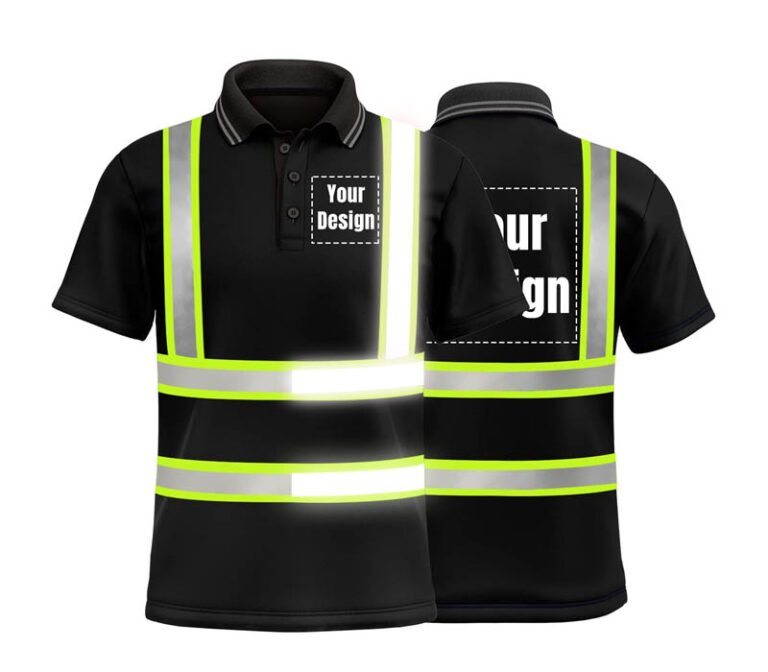
- □ Can custom logos be added without compromising visibility certification?
- □ Available in required color options (orange vs. lime)?
- □ Size range adequate (some manufacturers offer up to 6XL for inclusive sizing)?
- □ Customization lead times and minimum order quantities?
🏭 Supplier Evaluation
- □ Factory certifications (ISO 9001, BSCI, etc.)?
- □ Sample evaluation policy before bulk order?
- □ Quality control processes (pre-production, in-line, final inspection)?
- □ Warranty or defect resolution policy?
- □ Production capacity matches your order timeline?
For businesses looking to develop custom winter jacket lines, consider working directly with manufacturers. Our guide to sourcing from hi-vis jacket factories in China provides detailed insights into OEM/ODM partnerships, quality control, and supply chain management.
🎯 Industry Recommendation
For most applications, a 3-in-1 modular system with 100-150g synthetic insulation, 10,000mm waterproofing, and Class 3 visibility provides the best balance of versatility, protection, and worker comfort across varying winter conditions and activity levels.
This configuration accommodates 80% of winter work scenarios while allowing workers to self-regulate thermal comfort—reducing both cold-related injuries and overheating incidents.
Need Custom Hi-Vis Winter Jackets for Your Team?
VizGlo Safety specializes in manufacturing custom hi-vis winter jackets tailored to your exact specifications, activity levels, and climate requirements.
From modular 3-in-1 systems to extreme cold parkas, we provide OEM/ODM solutions with full certification compliance, quality materials, and competitive pricing.
Get Your Custom Quote Today →Minimum order quantities available. Free samples for qualified buyers.
📚 Related Resources
Complete Guide to Selecting Hi-Vis Jackets
Comprehensive selection criteria for all hi-vis jacket types
Why Material Choice Matters
Deep dive into fabric technologies and performance characteristics
Global Hi-Vis Standards Comparison
Navigate EN ISO 20471, ANSI/ISEA 107, and AS/NZS requirements
🏭 VizGlo Hi-Vis Jacket Manufacturing
Explore our full range of custom hi-vis jacket solutions
Frequently Asked Questions
What’s the difference between a winter jacket and a 3-in-1 system? ▼
A traditional winter jacket has insulation permanently integrated into the shell. A 3-in-1 system consists of a waterproof outer shell and a separate zip-in/out insulated liner that can be worn independently or together. The 3-in-1 design offers three wearing configurations: shell only (high activity/mild weather), liner only (dry cold/indoor), or combined (extreme conditions). This modularity allows workers to regulate temperature throughout the day without changing garments.
How much insulation do I need for workers in -20°C conditions? ▼
It depends on activity level, not just temperature. For stationary work at -20°C, choose 250-300g synthetic insulation or 600+ fill-power down with windproof shell. For active work at the same temperature, 150-200g insulation with excellent breathability is often more appropriate to prevent dangerous sweat buildup. Remember: insulation only works when dry. A slightly less insulated but highly breathable jacket keeps active workers safer than a very warm jacket that causes perspiration.
Can I add my company logo to a hi-vis winter jacket without losing certification? ▼
Yes, but placement matters. Logos must not cover or reduce the required fluorescent background material area or reflective tape. Safe placement zones include chest pockets, upper sleeves (away from reflective bands), or the back below shoulder reflective strips. For Class 3 certification, you need minimum 0.80m² of fluorescent material and 0.20m² of reflective tape—any customization must preserve these minimums. Work with manufacturers experienced in certified hi-vis garments to ensure logo placement maintains compliance.
What’s the best insulation type for wet winter conditions? ▼
Synthetic insulation (polyester, PrimaLoft, or Thinsulate) significantly outperforms down in wet conditions. Synthetic fibers retain approximately 90% of their insulating properties when wet, whereas down loses 80-90% of warmth when damp. For climates with rain, sleet, or wet snow, choose synthetic insulation combined with a waterproof shell (minimum 10,000mm rating) and fully taped seams. Advanced synthetics like PrimaLoft Gold also dry 60% faster than traditional polyester insulation.
How do I know if a jacket is truly waterproof vs just water-resistant? ▼
Check for specific waterproof rating in millimeters (mm). Water-resistant jackets have DWR coatings that repel light rain but have no mm rating. Waterproof jackets use laminated membranes rated 5,000mm-20,000mm+ and feature taped or welded seams. For work exposure: 5,000-10,000mm handles light rain; 10,000-15,000mm for moderate rain; 15,000mm+ for heavy sustained precipitation. Also verify “seam-sealed” or “fully taped seams” specifications—without sealed seams, water will wick through stitching holes regardless of fabric rating.
Should I choose orange or lime yellow for winter visibility? ▼
For winter conditions with snow, fluorescent orange typically provides better contrast than lime yellow. Yellow can blend into overcast skies and white snow backgrounds, whereas orange creates stronger visual separation. However, industry regulations or company standards may dictate specific colors. Both colors meet hi-vis certification requirements if they achieve proper chromaticity and luminance values. Consider your specific environment: roadway work near traffic (yellow/lime tradition), winter construction sites with snow (orange advantage), or railway work (often orange for track-side visibility).
Conclusion: Smart Selection for Winter Safety
Choosing the right hi-vis winter jacket requires moving beyond the “warmest jacket” mentality to a nuanced understanding of thermal regulation, worker activity patterns, and environmental conditions. The most effective winter safety apparel balances insulation, breathability, waterproofing, and visibility—keeping workers protected from both external weather and internal moisture buildup.
By prioritizing modular 3-in-1 systems, matching insulation weight to activity levels, and ensuring proper breathability alongside waterproofing, you create a safer, more comfortable work environment that reduces both cold-related injuries and productivity losses from overheating.
Whether you’re outfitting a small crew or sourcing for a large organization, work with manufacturers who understand these complexities and can provide certified, tested solutions backed by quality materials and proven construction methods. Your workers’ safety—and productivity—depend on it.
💡 Key Takeaway:
The best hi-vis winter jacket isn’t the one with maximum insulation—it’s the one that best manages the balance between warmth, moisture control, and worker activity levels while maintaining visibility and weather protection standards.
Looking for Professional Hi-Vis Jacket Manufacturing?
Discover VizGlo’s complete range of custom hi-vis jackets manufactured to global safety standards with OEM/ODM capabilities.
Explore Our Jacket Manufacturing Services →