How Would You Recognise a Class 3 HI-VIS Jacket Visually?
In the world of workplace safety, not all high-visibility clothing is created equal. Knowing the difference can be critical. This guide will walk you through a simple, confident visual check to identify a Class 3 hi-vis jacket, ensuring your team has the highest level of protection needed for high-risk environments.
The Quick Answer
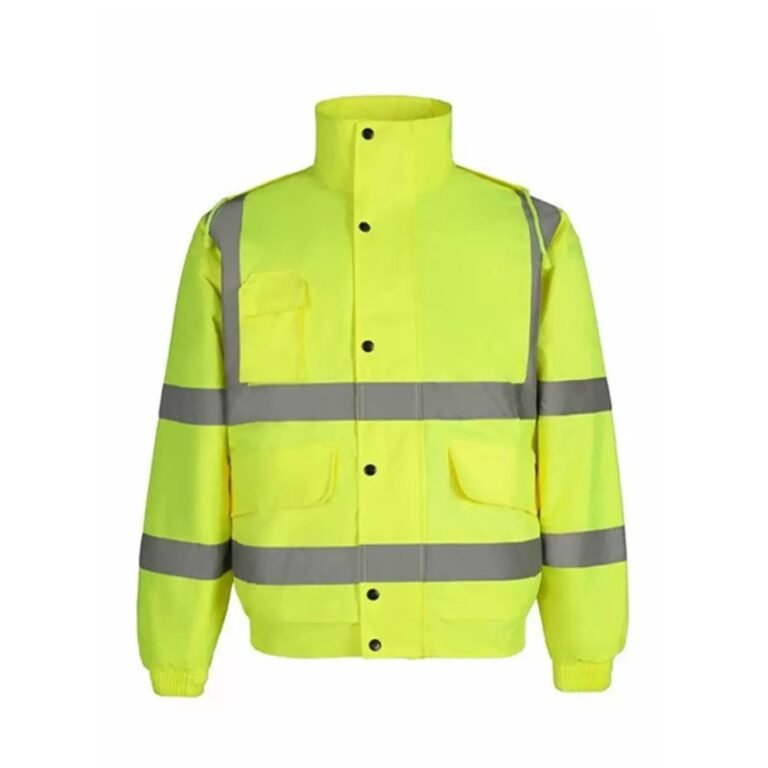
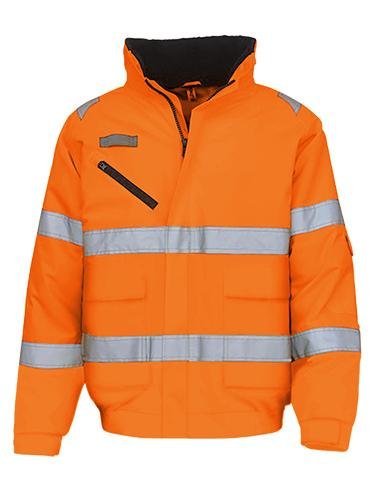
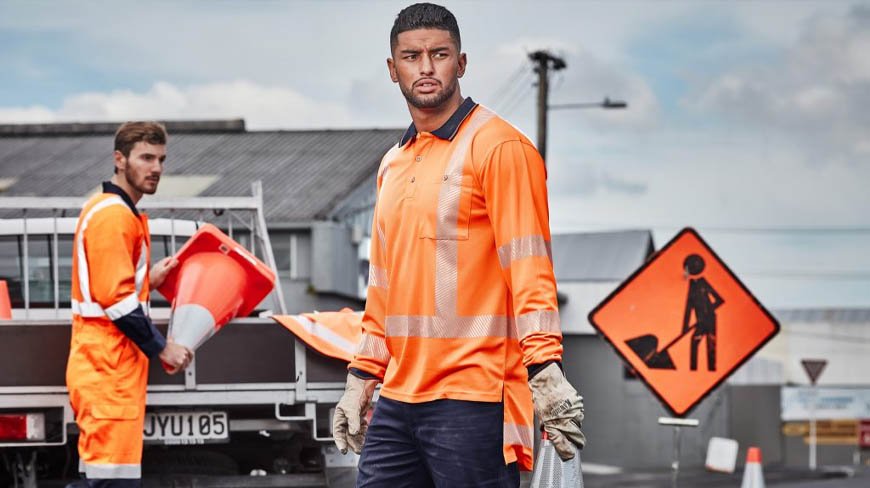
To visually recognize a Class 3 hi-vis jacket, look for three unmistakable features: 1) Long sleeves fully covered in fluorescent material, 2) Full torso coverage (front, back, and sides) with the same fluorescent background material, and 3) Reflective tape bands on both the sleeves and around the torso. A genuine Class 3 jacket creates an uninterrupted, 360-degree silhouette of the human form, distinguishing it from lower classes which may be sleeveless or have significantly less reflective material.
In This Guide:
The 3-Second Visual Checklist for a Class 3 Jacket
When you’re short on time, this is all you need. Grab a jacket and check for these three things. If it fails any one of them, it’s not a Class 3 compliant garment on its own.
-
1.Are there sleeves?
The garment must have long sleeves made from fluorescent material. A vest or sleeveless garment can never be Class 3 by itself.
-
2.Is the torso fully covered?
The fluorescent background material must cover the entire torso—front, back, and sides—without large gaps.
-
3.Is there reflective tape on the arms and body?
You must see reflective bands on both the sleeves and around the main body of the jacket.
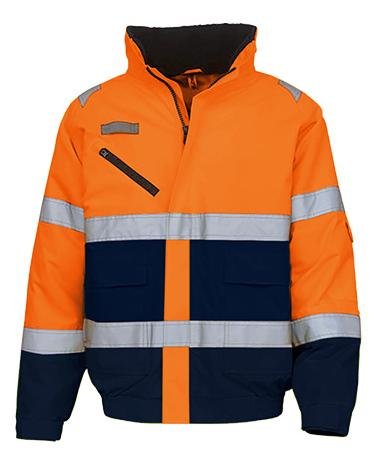
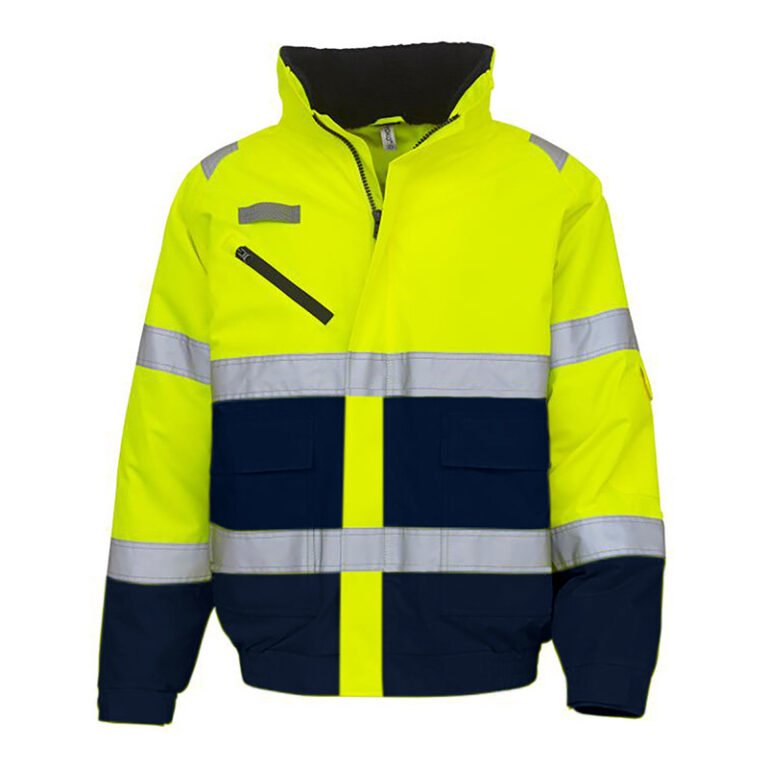
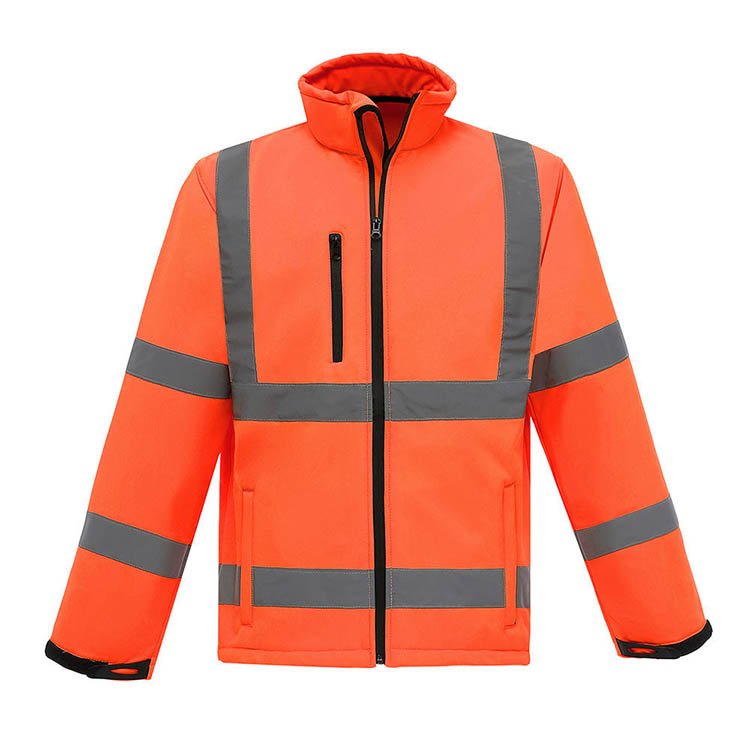
A perfect example of a Class 3 jacket, meeting all three visual criteria.
Deep Dive 1: Sleeves are Non-Negotiable
The most immediate and obvious sign of a Class 3 garment is the presence of long sleeves. This isn’t an arbitrary design choice; it’s fundamental to the safety standard. According to the ANSI/ISEA 107 standard, Class 3 apparel must provide a complete “human silhouette.”
Sleeves are crucial for this because they outline the arms, allowing drivers and equipment operators to better recognize a person’s shape and interpret their movements, such as hand signals. A sleeveless vest (like a Class 2 vest) creates a “block” shape, which is less recognizable as a human form from a distance, especially in complex visual environments. For a full breakdown of the standard, see our ultimate guide to Class 3 clothing.
Deep Dive 2: Verifying Full Torso Coverage
While you can’t visually measure the 1240 square inches (0.80 m²) of fluorescent material required for Class 3, you can get a very good sense of it. The background material—that ultra-bright fluorescent yellow-green, orange-red, or red—must be the dominant feature of the garment. It needs to wrap around the entire torso to ensure 360-degree visibility during daylight, dusk, and dawn.
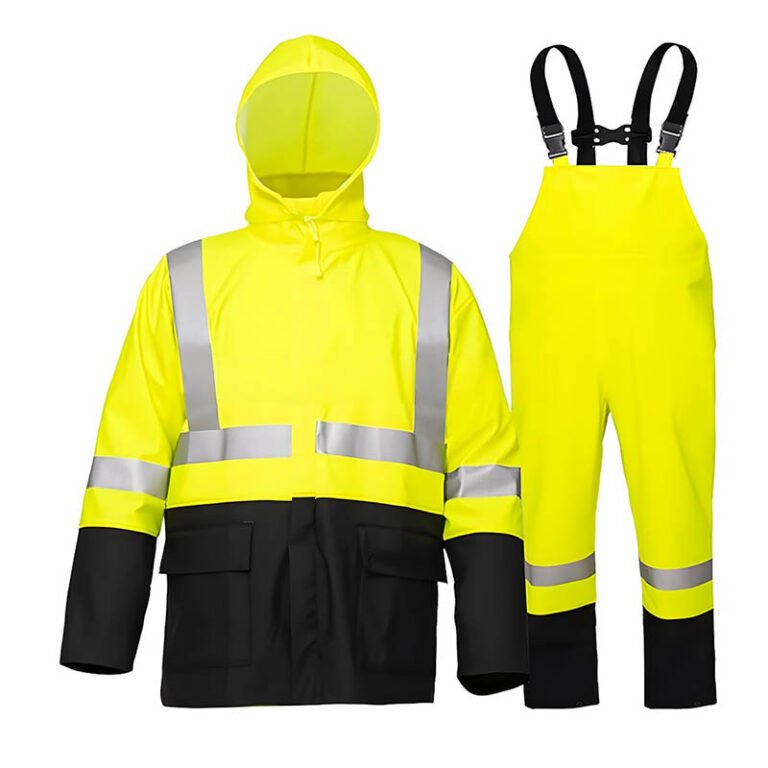
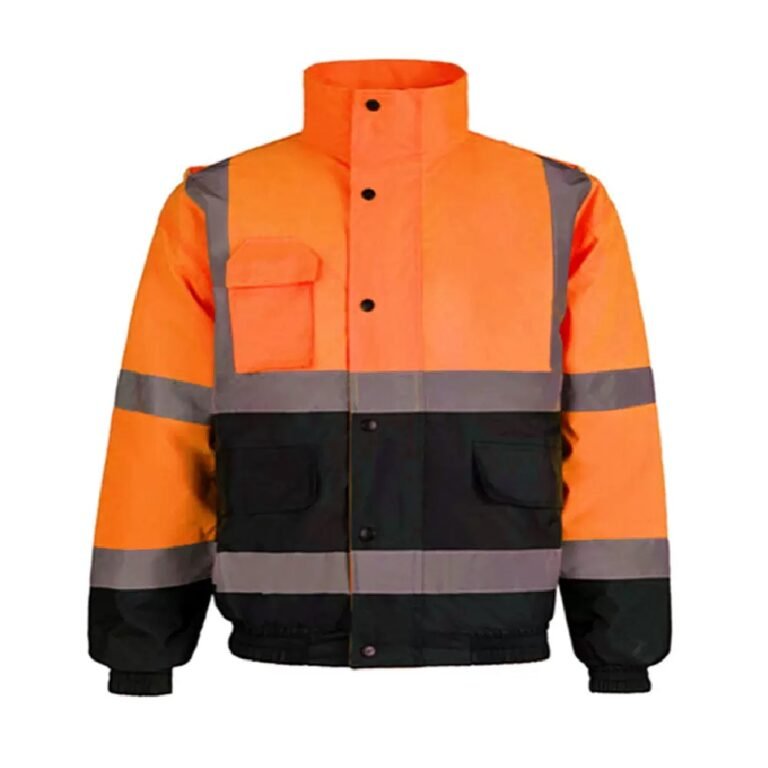
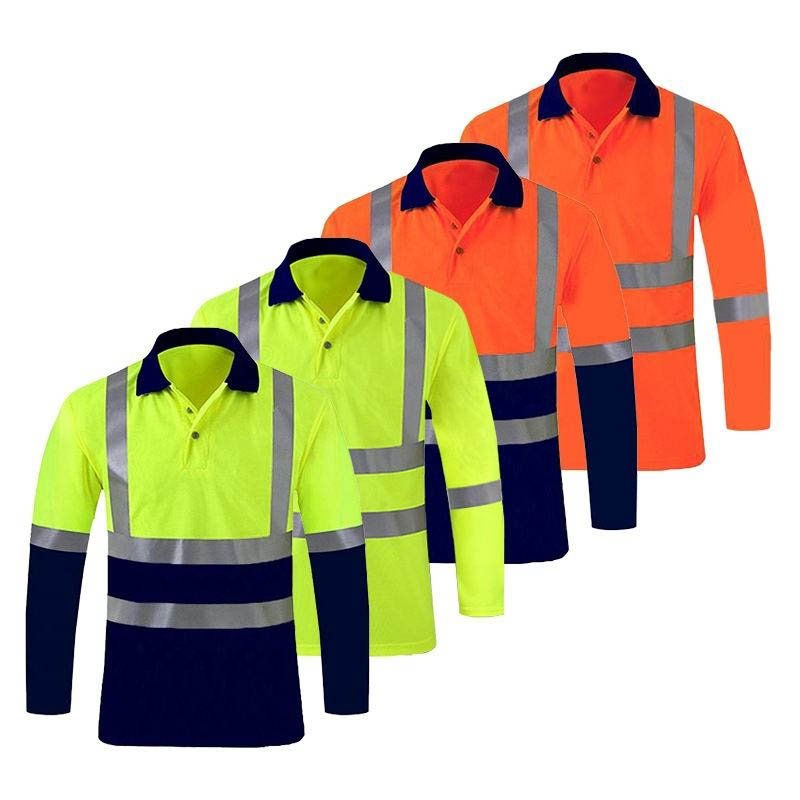
Look for a substantial, uninterrupted presence of this material. If a jacket has large sections of non-fluorescent (e.g., black or navy) fabric on the main body, it might compromise its compliance. Contrast panels are often used on the bottom or on sleeve ends for durability, which is acceptable as long as the minimum background material requirement is met.
Deep Dive 3: Decoding the Reflective Tape Pattern
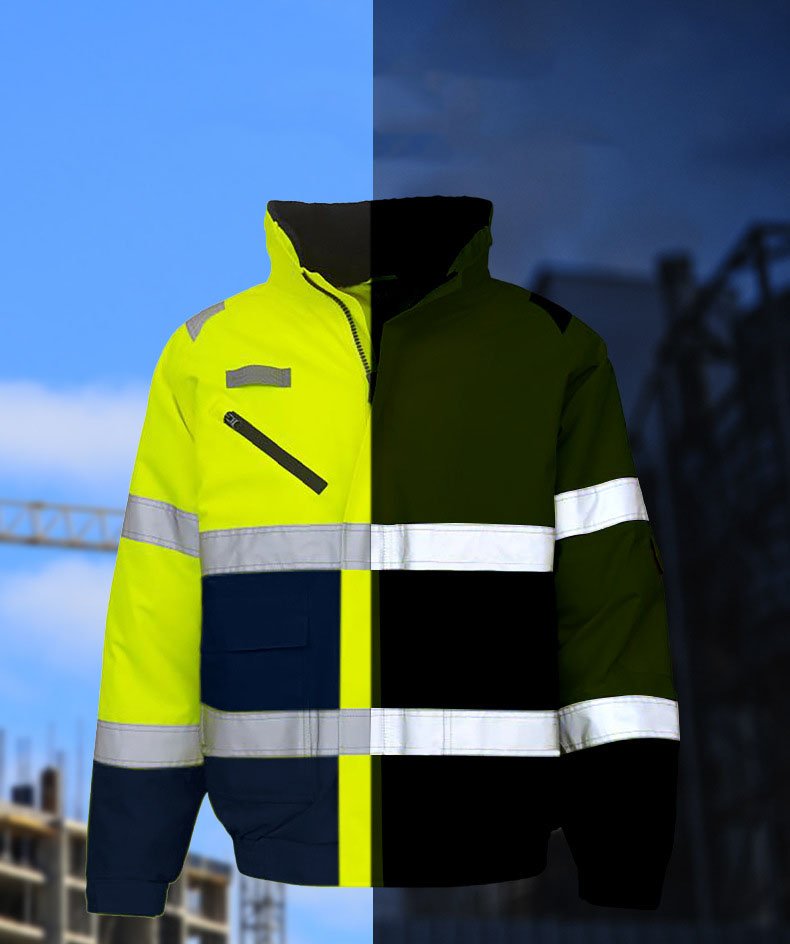
The silver, glass-bead material that shines brightly in headlights is called retro-reflective tape. For Class 3, its placement is just as important as its presence. You’re looking for a specific configuration designed to outline the body at night.
- On the Arms: Every Class 3 jacket must have reflective bands encircling the sleeves.
- On the Torso: There must be reflective bands around the torso. This is often configured as two horizontal bands, sometimes connected by vertical or diagonal stripes over the shoulders.
This combined pattern on the arms and body is what allows a driver to instantly recognize a human shape, rather than just a random point of light. If a jacket has sleeves but no reflective tape on them, it fails the Class 3 visual test. Find out more about our high-quality reflective tapes for OEM projects.
Expert Insight: Why It’s More Than Just a Visual Check
“In my years of consulting with clients globally, the conversation about Class 3 isn’t just about compliance; it’s about risk assessment. While colleagues can visually check for sleeves and full torso coverage, the real ‘tell’ for me is understanding the environment it’s designed for. When a client describes workers near high-speed traffic (>50 mph / 80 kph) or in complex, multi-level construction sites with poor lighting, I immediately know we’re in Class 3 territory. It’s not just about meeting a standard; it’s about providing an uninterrupted, 360-degree human silhouette that a driver or machine operator can recognize instantly. So, I don’t just see a jacket; I see a solution for the highest-risk scenarios.”
Class 3 vs. Class 2: A Quick Visual Comparison
Understanding Class 3 is easier when you compare it to the next level down. Here’s how to tell them apart at a glance:
| Feature | Class 2 | Class 3 |
|---|---|---|
| Sleeves | Optional (Often a sleeveless vest) | Mandatory (Long sleeves) |
| Use Case | Near traffic < 50 mph, less complex backgrounds | Near traffic > 50 mph, inclement weather, low light |
| Silhouette | Outlines the torso only | Outlines the full human form (torso & arms) |
Ensure Ultimate Safety with Compliant Class 3 Apparel
Don’t leave safety to chance. At VizGlo Safety, we don’t just sell high-visibility clothing; we manufacture fully compliant and durable safety solutions. Our Class 3 garments, including hi-vis jackets, sweatshirts, and rainwear, are engineered to exceed ANSI/ISEA 107 standards. Let us be your trusted OEM/ODM partner for creating durable, branded safety gear that your team can depend on.
Get A Custom Quote TodayFrequently Asked Questions
Can a Class 3 jacket have black material on the bottom?
Yes, absolutely. This is a very common and practical design feature. The black or navy contrast material is placed in high-wear areas (like the lower torso and sleeve cuffs) to hide dirt and grime, extending the usable life of the garment. As long as the jacket still meets the minimum surface area requirements for both the fluorescent background material and the reflective tape, it remains compliant.
Is a yellow jacket automatically Class 3?
No. The color is only one part of the standard. While fluorescent yellow-green is one of the approved high-visibility colors, the safety classification (Class 1, 2, or 3) is determined by the total area of that fluorescent material AND the total area and placement of the reflective tape. A simple yellow sweatshirt with no reflective tape, for example, offers no ANSI/ISEA 107 rating at all.
What if I wear a Class 2 vest over my sweatshirt? Is that Class 3?
This is a common misconception. No, wearing a Class 2 vest over non-rated clothing does not create a Class 3 garment. A Class 3 garment must be a single, certified item. However, the ANSI/ISEA 107 standard does allow for an “ensemble” rating. By wearing a certified Class 2 top (like a vest) in combination with certified Class E trousers (which have reflective tape), the worker’s total visibility is elevated to meet the Class 3 requirement for body coverage. This is a popular and flexible solution.