When to Replace Your Hi-Vis Vest: 5 Signs It’s No Longer Safe
Your high-visibility vest is a lifeline, but it doesn’t last forever. Learn to spot the critical warning signs that your gear is putting you at risk.

When Should You Replace Your Hi-Vis Vest?
You should replace your hi-vis vest immediately when it shows clear signs of wear and tear that compromise its visibility. The five key indicators are: significantly faded fluorescent fabric, damaged reflective tape (cracked, peeling, or scratched), permanent stains that obscure the material, physical damage like rips or broken fasteners, and exceeding the manufacturer’s specified wash cycle limit (typically 25-50 washes). A compromised vest is a safety hazard, and regular inspection is crucial to ensure it still meets the required safety standards.
An Expert’s Take: The Hidden Killer of Hi-Vis Vests
We often assume that a rip or a tear is the primary reason to retire a safety vest. However, a far more insidious threat is silently destroying the protective capabilities of your gear in the laundry room.
In my 15+ years of selling hi-vis apparel globally, the single biggest reason for vests failing prematurely isn’t rugged worksite conditions—it’s improper laundering. The two primary enemies to a hi-vis vest’s performance are extreme heat and harsh abrasion. The technology that saves your life at night is delicate.
Many well-meaning workers toss their vest in with heavy, abrasive work clothes on a hot wash cycle. This is a critical mistake. The high heat can melt the adhesive that bonds the microscopic glass beads to the reflective tape, causing it to crack and peel. Meanwhile, the abrasion from zippers and rough fabrics literally scratches and dulls the retroreflective surface, rendering it ineffective. Treating your vest like a piece of technical hi-vis clothing rather than a rugged t-shirt is the key to its longevity and your safety.
The 5 Telltale Signs It’s Time for a Replacement
Perform a quick visual inspection of your vest before every shift. If you spot any of these five signs, it’s time to retire the garment.
1. Faded Fluorescent Fabric
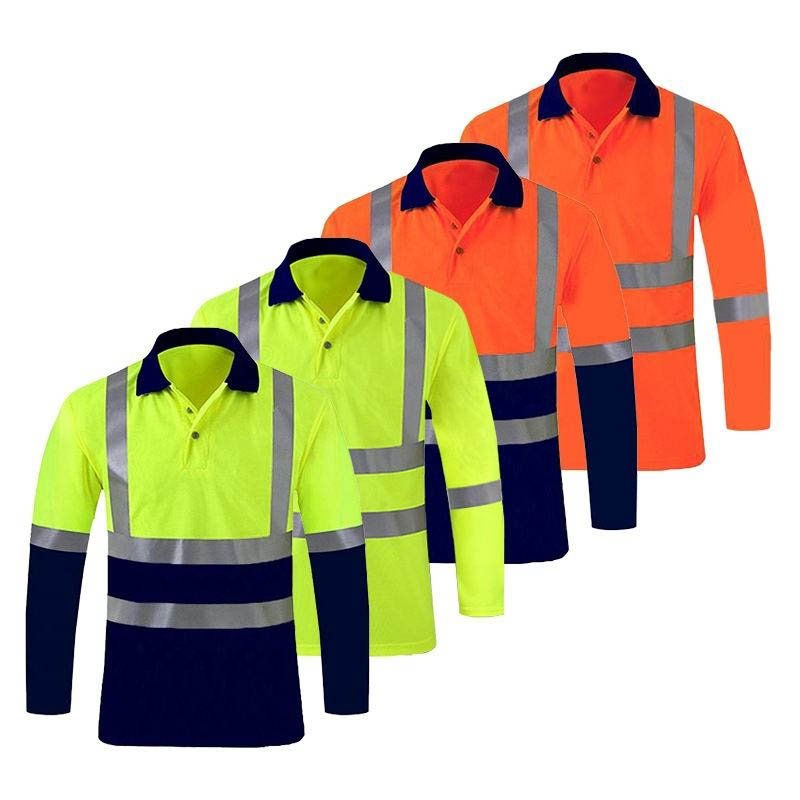
The brilliant lime or orange color of your vest is your primary defense in daylight and low-light conditions like dawn and dusk. Over time, UV exposure from the sun breaks down the fluorescent pigments, causing the color to fade to a dull yellow or pale orange. If your vest no longer stands out vividly against the surrounding environment, it has lost its daytime conspicuity and needs to be replaced.
2. Damaged Reflective Tape
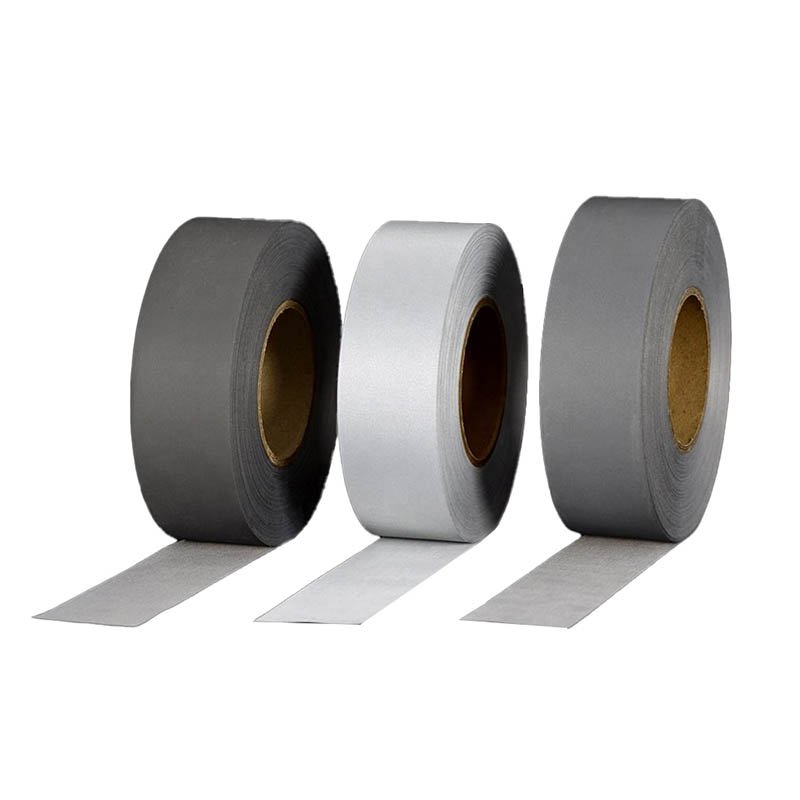
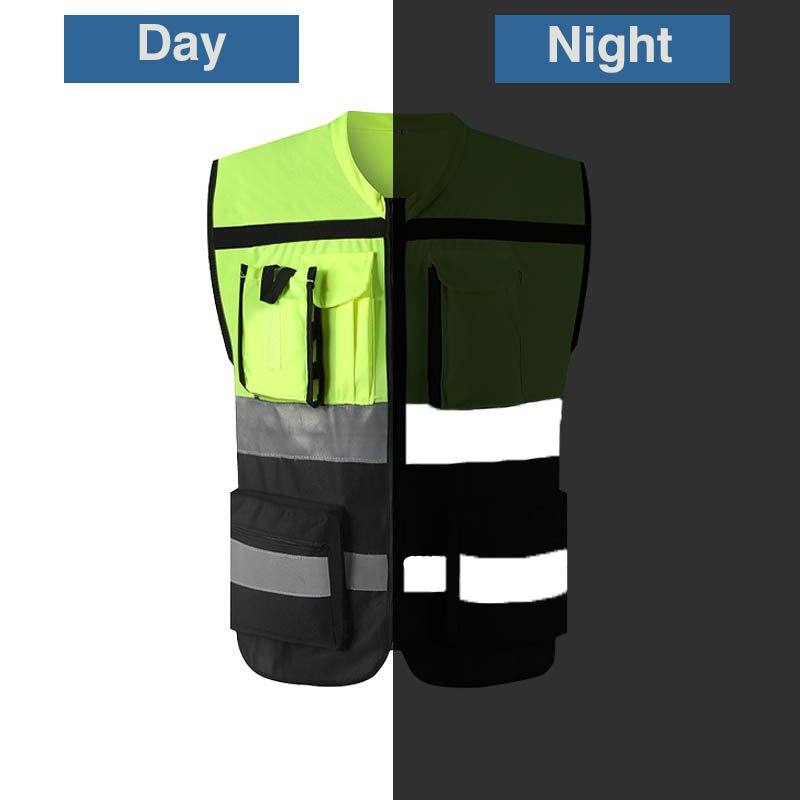
This is a non-negotiable safety failure. The retroreflective tape is what makes you visible to drivers at night when their headlights hit you. Inspect every inch of the tape for:
- Cracking or Peeling: Shows the adhesive has failed, usually due to heat.
- Dark Scratches or Gouges: Indicates the glass bead surface has been physically damaged.
- Lifting at the Edges: A sign of impending failure.
A simple test: in a dark room, take a photo of the vest with the flash on from 10-15 feet away. A good vest will brilliant-white. A worn-out vest will appear dull and grey.
3. Physical Tears and Broken Fasteners
While a small hole might seem harmless, larger rips and tears pose a significant snag hazard around machinery or moving equipment. Furthermore, broken zippers, buckles, or Velcro closures mean the vest cannot be worn properly, affecting its fit and potentially allowing it to fly open, covering the reflective stripes.
4. Permanent Stains and Soiling
Your vest is meant to get dirty, but not all dirt washes out. Heavy grease, tar, asphalt, and other chemical stains can permanently embed in the fabric, covering both the fluorescent and reflective materials. If regular, proper washing doesn’t remove the grime, the vest’s ability to be seen is compromised.
5. Exceeding the Wash Cycle Limit
Every certified hi-vis garment is tested to last for a specific number of washes while still meeting the standard. This number (often 25, 30, or 50) is printed on the care label. It’s wise to keep a rough track or simply retire vests after a year or two of regular use and washing, as their performance degrades even if visible damage is minimal.
Pro-Tips for Proper Laundering & Care
You can significantly extend the effective life of your vest by following these simple washing instructions:
- ✓ Wash in Cold Water: Always use a cold or cool wash setting. Never hot.
- ✓ Use a Gentle Cycle: Less agitation means less abrasion on the reflective tape.
- ✓ Turn Inside Out & Wash with Like Items: Protect the reflective tape from zippers and buttons on other garments.
- ✓ Use Mild Detergent: Avoid harsh chemicals and absolutely no bleach or fabric softeners.
- ✓ Hang to Dry: This is the most important step. Let the vest air dry away from direct sunlight. If you must use a dryer, use a “no heat” or “air fluff” cycle only.
Don’t Gamble with Your Safety
A hi-vis vest is not just part of a uniform; it’s a critical piece of life-saving equipment. Regular inspection takes only a few seconds and is one of the most important safety checks you can perform. If your old vest has lost its reflective effect, it’s time to consider a new one.
Explore our collection of durable, fully compliant high-visibility safety vests to ensure you’re always seen and always safe.
Frequently Asked Questions
How many times can I wash a hi-vis vest?
Most hi-vis vests certified to ANSI/ISEA 107 or EN ISO 20471 are tested for a specific number of wash cycles, typically between 25 and 50. Always check the garment’s label for the manufacturer’s recommendation. Exceeding this limit can degrade both the fluorescent fabric and the reflective tape, even if visible damage isn’t apparent.
Can I repair damaged reflective tape on my vest?
It is not recommended to repair damaged reflective tape. Home repairs may not meet the specific retroreflective performance standards required by ANSI/ISEA 107. A vest with cracked, peeling, or significantly scratched tape should be retired and replaced to ensure full nighttime visibility and safety compliance.
Does a dirty vest still work?
No, a dirty vest is a compromised vest. Dirt, grease, and grime can cover the fluorescent background and the retroreflective tape, severely reducing their effectiveness for both daytime and nighttime visibility. Regular, proper cleaning is essential, but if stains are permanent, the vest should be replaced.
Why is hanging to dry better than using a machine dryer?
High heat from a machine dryer is a primary enemy of reflective tape. The heat can damage the microscopic glass beads that provide reflectivity and melt the adhesive, causing the tape to crack and peel off. Air-drying or tumble drying on a no-heat setting is the best way to preserve the integrity of the vest.