Meeting ANSI Standards: Choosing Hi Vis Rainwear for Road Work & Traffic Management
Go beyond the tag. Learn what truly makes traffic control rain gear safe, effective, and a smart investment.
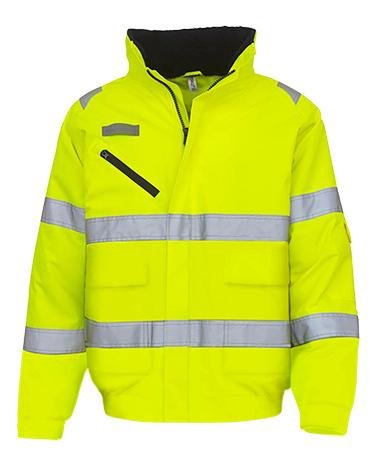
Choosing the right ANSI-compliant hi-vis rainwear involves more than just finding an “ANSI 107” tag. For road work, you must first determine the required Performance Class (typically Class 3 or a Class 2 jacket combined with Class E pants for a Class 3 ensemble). Critically, look beyond basic waterproof claims and assess the garment’s breathability rating (MVP or Ret value) to prevent workers from getting soaked by sweat, a major comfort and safety issue. Finally, evaluate the real-world durability of the fabric and construction—such as resistance to abrasion and snagging—to ensure the gear provides a reliable safety barrier and a better return on investment.
Decoding ANSI 107 for Rainwear: More Than a Label
Every safety manager knows they need gear that meets the ANSI/ISEA 107 standard. It’s the law of the land for anyone working near traffic, from road crews to traffic flaggers. This standard specifies the minimum amounts of fluorescent background material and retroreflective tape required to keep a worker visible. But simply buying a jacket with an ANSI tag is where costly mistakes begin.
The standard classifies garments into Performance Classes based on the amount of visible material, which correlates to the risk level of the work environment:
- Class 1: For low-risk environments with slow-moving traffic (under 25 mph), like parking lot attendants. Not suitable for roadway work.
- Class 2: For workers who need greater visibility in poor weather or near traffic exceeding 25 mph. This is a common requirement for many road crews.
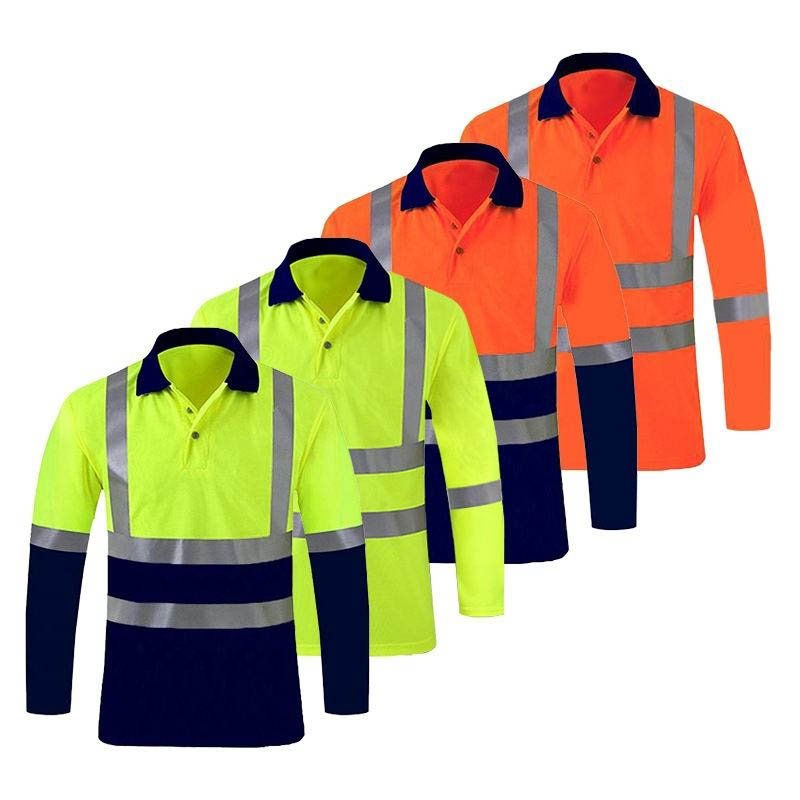
- Class 3: Offers the highest level of visibility for workers in complex, high-speed (over 50 mph) traffic environments, often in low-light or at night. This is the standard for most DOT-approved raincoats and freeway crews.
The Class E Combination: The Smartest Way to Achieve Class 3 Compliance
Here’s the single most overlooked, budget-saving secret in hi-vis procurement: you don’t always need to buy a Class 3 jacket. The ANSI 107 standard includes a designation for pants, bibs, and shorts: Class E. By itself, a Class E garment doesn’t have a Class rating. However, when you pair any Class E bottom with a Class 2 jacket or vest, the entire outfit becomes a Class 3 ensemble.
“Many safety managers overspend on Class 3 jackets for their entire crew. By understanding the Class E rule, they could equip their team with a more flexible and often more comfortable Class 2 jacket and Class E pants, achieving full compliance at a lower cost.”
This strategy provides flexibility. On a warm, rainy day, a worker might only need their Class 2 jacket. When conditions worsen or night falls, they add the Class E pants to achieve maximum visibility. It’s a modular approach to safety that adapts to the conditions and can significantly reduce your initial investment.
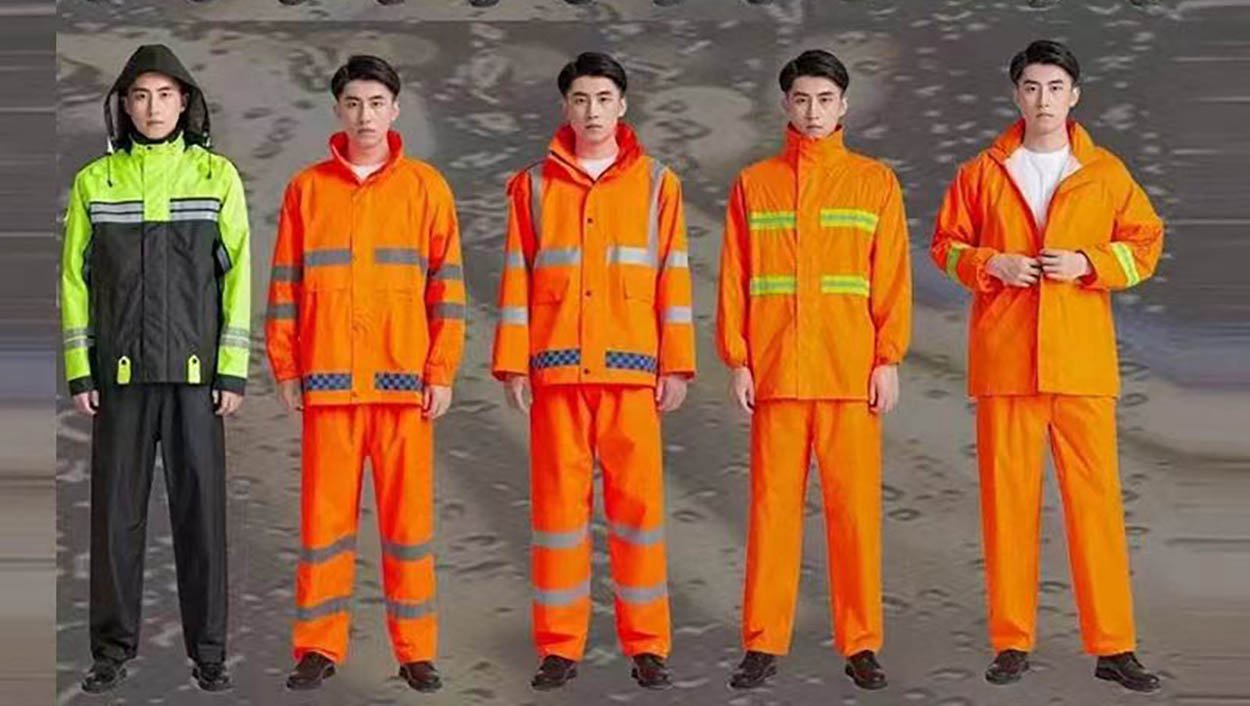
Beyond Waterproof: Why Breathability is a Non-Negotiable Safety Feature
The number one complaint I hear from crews on the ground isn’t about getting wet from the rain; it’s about getting soaked from their own sweat. A “waterproof” jacket that doesn’t breathe is essentially a plastic bag. It traps moisture, leading to severe discomfort, chilling, and even an increased risk of hypothermia when the work stops.
True compliance means keeping workers safe and functional. Look beyond the simple “waterproof” marketing and ask for the breathability rating. This is usually measured in one of two ways:
- Moisture Vapor Permeability (MVP): Measured in g/m²/24h. A higher number is better. For active work, look for ratings of 5,000 or higher.
- Resistance to Evaporative Heat Transfer (Ret): A lower number is better. A Ret value under 13 is considered very breathable.
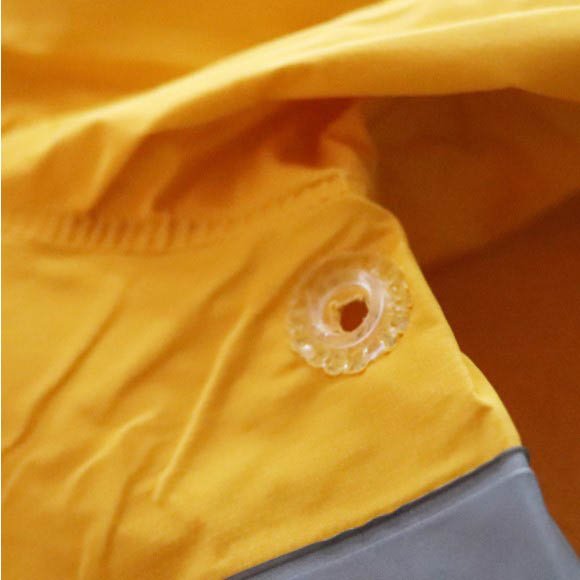
Investing in breathable hi vis raincoats isn’t a luxury; it’s a fundamental safety requirement. A comfortable worker is a focused worker who will wear their PPE correctly.
Durability That Lasts: Protecting Your Crew and Your Budget
The ANSI standard tests the integrity of reflective tape and seams, but it doesn’t simulate a worker snagging their jacket on roadside brush or the constant abrasion from a heavy tool belt. This is where the difference between a cheap, compliant garment and a professional-grade one becomes painfully obvious. A jacket that rips in the first month not only wastes money but also creates a serious safety gap.
When selecting traffic control rain gear, look for features that indicate superior durability:
- Ripstop Fabrics: A reinforced weave that prevents small tears from spreading.
- Reinforced High-Wear Areas: Extra layers of tough material on elbows, shoulders, and cuffs.
- High-Quality Zippers and Seam Taping: Ensure all seams are fully taped and sealed, not just critically. Look for trusted zipper brands.
- Material Specifications: Look for fabrics like 300D (Denier) Oxford Polyester, which offers a robust balance of durability and weight.
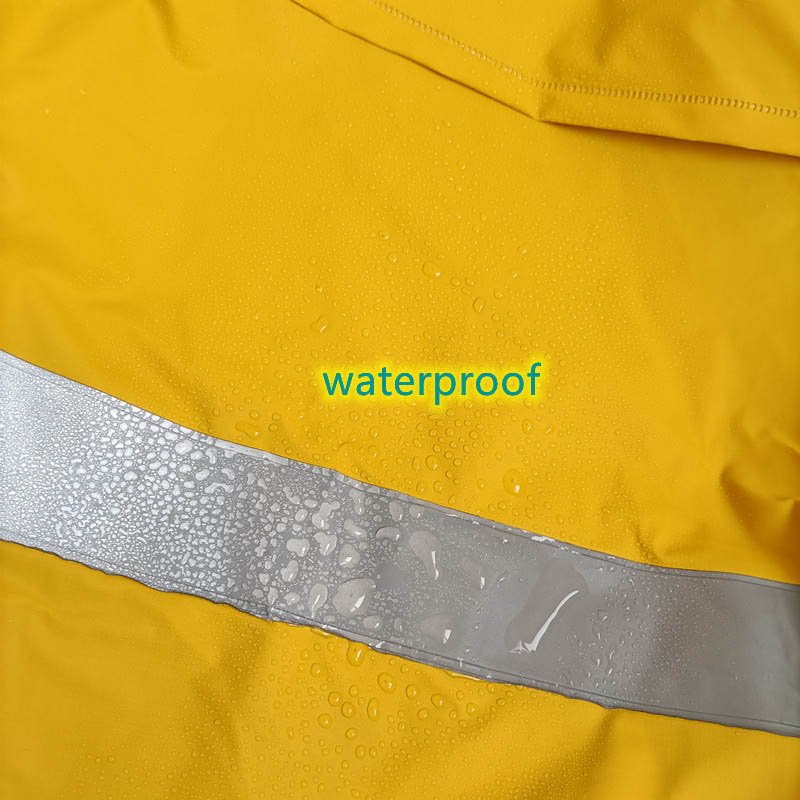
True compliance is about ensuring worker safety for the long haul, not just passing an initial inspection. A durable, well-made garment is a safer garment and a far better investment.
Ready to Equip Your Crew with the Right Gear?
Don’t settle for “just compliant.” Partner with experts who understand the demands of your work environment. We provide durable, breathable, and intelligently designed ANSI-compliant rainwear. Let’s build a safety program that works.
Request a Custom QuoteFrequently Asked Questions
What’s the difference between ANSI 107 and “DOT approved”?
Generally, “DOT approved” refers to rainwear that meets the requirements for federal highway workers, which almost always means it must be ANSI/ISEA 107 Class 3 compliant. The terms are often used interchangeably, but ANSI 107 is the specific technical standard, while “DOT approved” is the application of that standard for a specific group of workers.
How often should hi-vis rainwear be replaced?
Replacement depends on usage and wear. Garments should be replaced immediately if they are torn, heavily soiled, or if the fluorescent color has faded significantly. The retroreflective tape loses effectiveness with dirt and abrasion. A good rule of thumb is to inspect gear regularly and replace it when its visibility is compromised, typically every 6-12 months for heavy use.
Can we add our company logo to ANSI-compliant rainwear?
Yes, but it must be done carefully. The ANSI 107 standard has rules about the size and placement of logos to ensure they don’t obscure the minimum required area of fluorescent and reflective material. It’s crucial to work with a manufacturer like VizGlo Safety who understands these regulations to ensure your branded gear remains fully compliant.