Meeting European Hi-Vis Regulations: A Country-by-Country Guide (incl. France, Germany, UK)
Quick Answer: Navigating European Hi-Vis Compliance
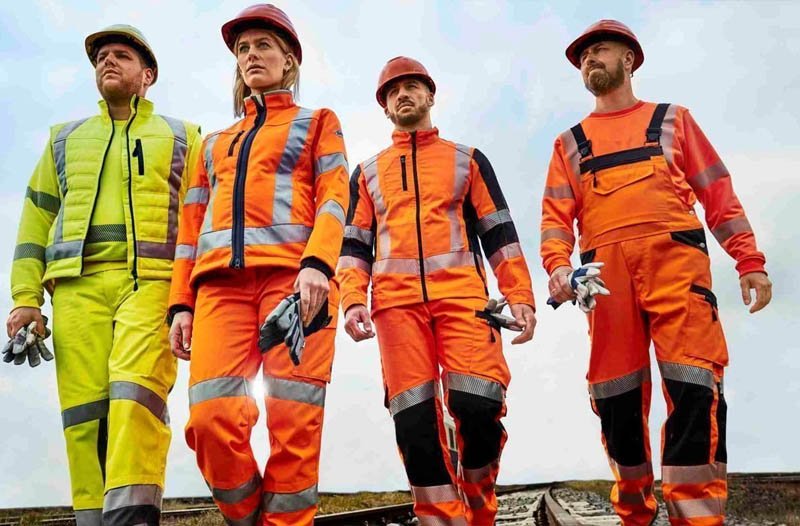
Meeting European hi-vis regulations requires more than just EN ISO 20471 certification—it demands understanding country-specific requirements. While EN ISO 20471 provides the foundational standard across Europe, France mandates specific striping configurations like the “baudrier” for railway workers, Germany enforces BG BAU guidelines for construction environments, and post-Brexit UK requires separate UKCA marking alongside or instead of CE marking. Success in the European market means recognizing that EN ISO 20471 is merely the entry ticket; the real compliance challenge lies in adapting to national deviations, industry-specific regulations, and end-user requirements that vary significantly by jurisdiction and application.
Understanding EN ISO 20471: The European Baseline
Before diving into country-specific nuances, it’s essential to understand what EN ISO 20471 actually represents. This harmonized European standard specifies requirements for high-visibility clothing capable of visually signaling the user’s presence in hazardous situations under any light conditions, both day and night.
The Three Classes of EN ISO 20471
- Class 1: Minimum visibility requirement (0.14 m² background material, 0.10 m² retroreflective material)
- Class 2: Intermediate level (0.50 m² background, 0.13 m² retroreflective)
- Class 3: Highest visibility (0.80 m² background, 0.20 m² retroreflective)
However, EN ISO 20471 certification alone doesn’t guarantee market access or end-user acceptance. As I’ve learned through fifteen years of exporting hi-vis clothing globally, this is where importers often make their most costly mistake. The standard provides the grammar, but each European nation speaks its own dialect.
France: The Baudrier and Industry-Specific Mandates
France presents one of the most distinctive examples of national deviation from the base EN ISO 20471 standard. The country’s regulations are heavily influenced by industry-specific requirements, particularly in the railway sector.
The Baudrier Requirement
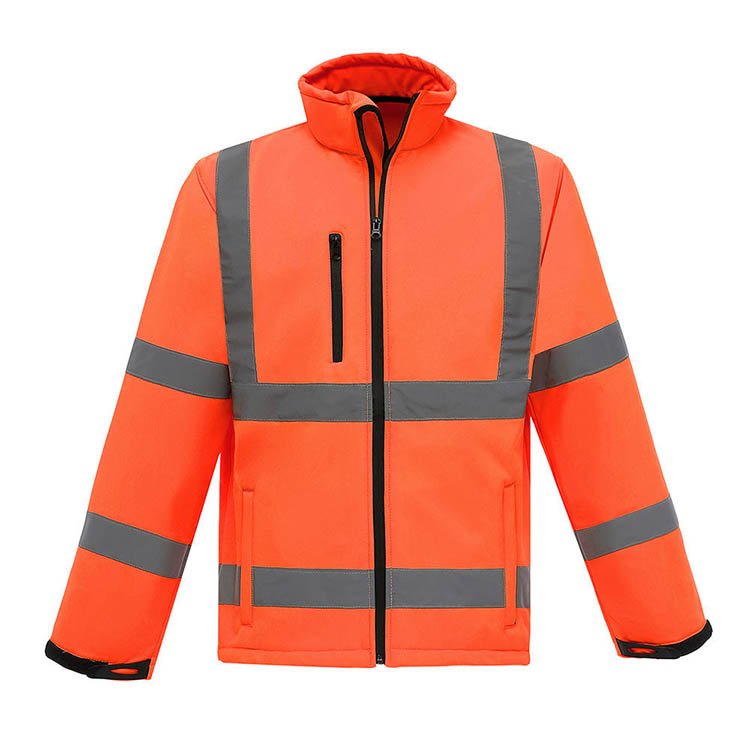
The term “baudrier” refers to a specific diagonal reflective stripe configuration running from shoulder to opposite hip—essentially a reflective shoulder-to-waist band. This isn’t merely a stylistic choice; for French railway workers and certain road maintenance personnel, the baudrier is a mandatory safety feature that must be present on outerwear.
Key French Specifications:
- SNCF (French National Railway) workers require garments with baudrier configuration
- Specific reflective tape width requirements (often minimum 50mm)
- Color specifications may vary by industry (orange for railway, yellow for road work)
- Additional requirements for flame-retardant properties in certain applications
When sourcing hi-vis jackets for railway workers, understanding these French-specific requirements prevents costly rejections at the point of delivery.
Germany: BG BAU Guidelines and Workplace Safety
Germany’s approach to hi-vis clothing regulation is characterized by the involvement of the Berufsgenossenschaft der Bauwirtschaft (BG BAU)—the construction industry’s accident insurance and prevention organization. Their guidelines add another layer of requirements beyond EN ISO 20471.
BG BAU Warning Clothing Requirements
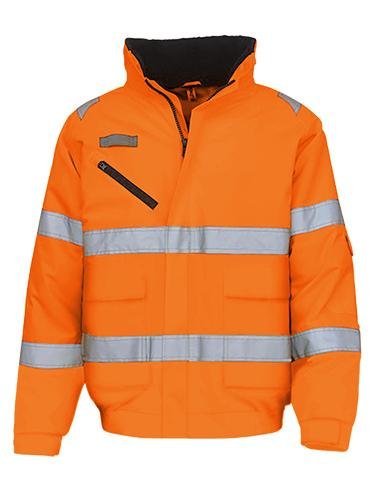
BG BAU distinguishes between “warning clothing” and “protective clothing against weather,” with specific requirements for each category and their combinations. Construction workers in Germany typically require garments that meet both sets of criteria.
German Market Essentials:
- Stricter reflective material performance requirements in some applications
- Specific requirements for combined weather protection and visibility
- Emphasis on industrial washability and longevity
- Documentation requirements for material testing and certification
- Preference for Class 3 garments in construction zones
When manufacturing for the German market, material choice becomes critical—not just for initial compliance, but for maintaining performance through the required minimum of 50 industrial wash cycles.
United Kingdom: Post-Brexit UKCA Marking Reality
Brexit fundamentally altered the regulatory landscape for hi-vis clothing entering the UK market. While the technical requirements largely mirror EN ISO 20471, the conformity assessment and marking requirements have diverged significantly.
The UKCA vs. CE Marking Dilemma
As of January 1, 2023, the UKCA (UK Conformity Assessed) marking became mandatory for most products being placed on the Great Britain market (England, Scotland, and Wales). However, transitional arrangements and Northern Ireland’s unique position create additional complexity.
Critical UK Requirements:
- Great Britain (England, Scotland, Wales): UKCA marking required
- Northern Ireland: CE marking still accepted; UKCA marking for sale to GB
- Documentation: UK Declaration of Conformity required (separate from EU DoC)
- Approved Bodies: Must use UK-approved conformity assessment body
- Labeling: UK responsible person must be identified on the product or packaging
From a practical sourcing perspective, this means maintaining dual certification pathways if you’re serving both UK and EU markets. Many of my clients now request garments with both CE and UKCA marking capability, necessitating testing by both EU-notified bodies and UK-approved bodies.
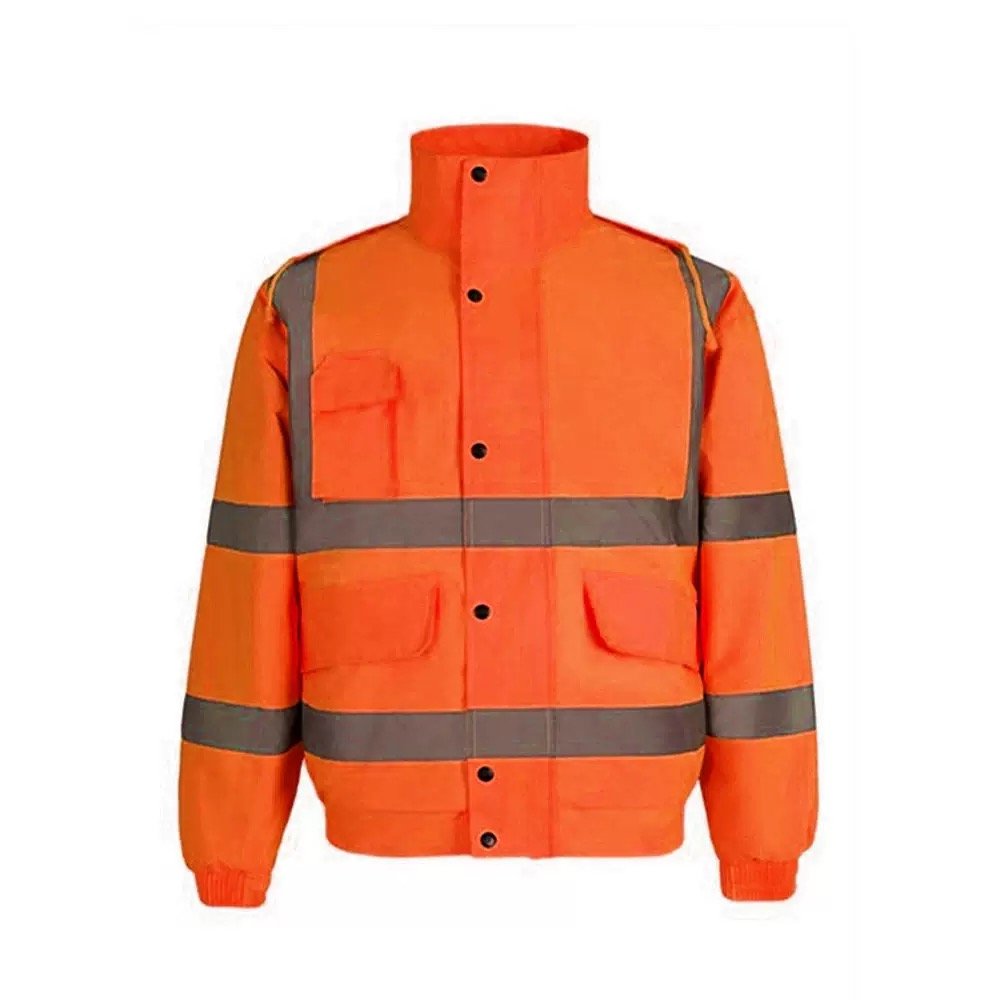
The UK market also maintains strong traditions around specific industries. For example, hi-vis cycling jackets for cycle couriers often need to meet both EN ISO 20471 and specific client requirements from major logistics companies operating in the UK.
Building a Comprehensive Compliance Strategy
Successfully navigating European hi-vis regulations requires a strategic approach that goes beyond checkbox compliance. Here’s the framework I recommend to importers and distributors:
1. Market-Specific Intelligence
Before placing your first order, conduct thorough research into your target markets’ specific requirements. This includes:
- Identifying relevant national deviations from EN ISO 20471
- Understanding industry-specific requirements within each country
- Mapping out major end-user specifications (construction companies, railway operators, municipalities)
- Researching preferred reflective tape configurations and widths
2. Certification Documentation Protocol
Establish a rigorous system for managing compliance documentation. For a comprehensive understanding of how different regions approach hi-vis standards, review our clear comparison of global high-visibility standards.
| Market | Required Marking | Testing Body Type | Key Documentation |
|---|---|---|---|
| EU (General) | CE | EU Notified Body | EU DoC, Test Reports |
| France | CE + Industry Specific | EU Notified Body | EU DoC, Baudrier Spec Confirmation |
| Germany | CE + BG BAU | EU Notified Body | EU DoC, Wash Cycle Test Reports |
| UK (GB) | UKCA | UK Approved Body | UK DoC, UK Responsible Person Details |
3. Design Flexibility and Modular Approach
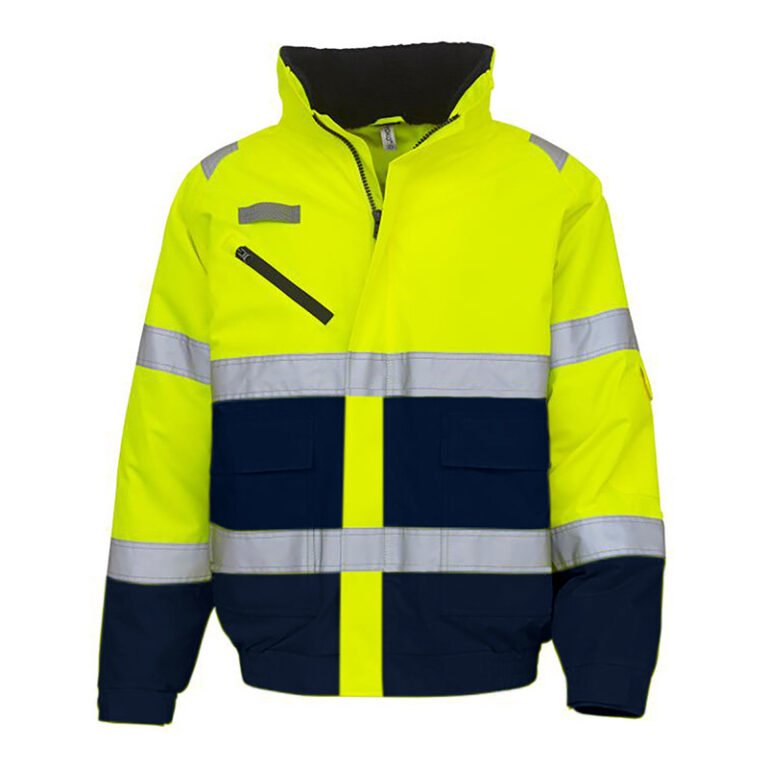
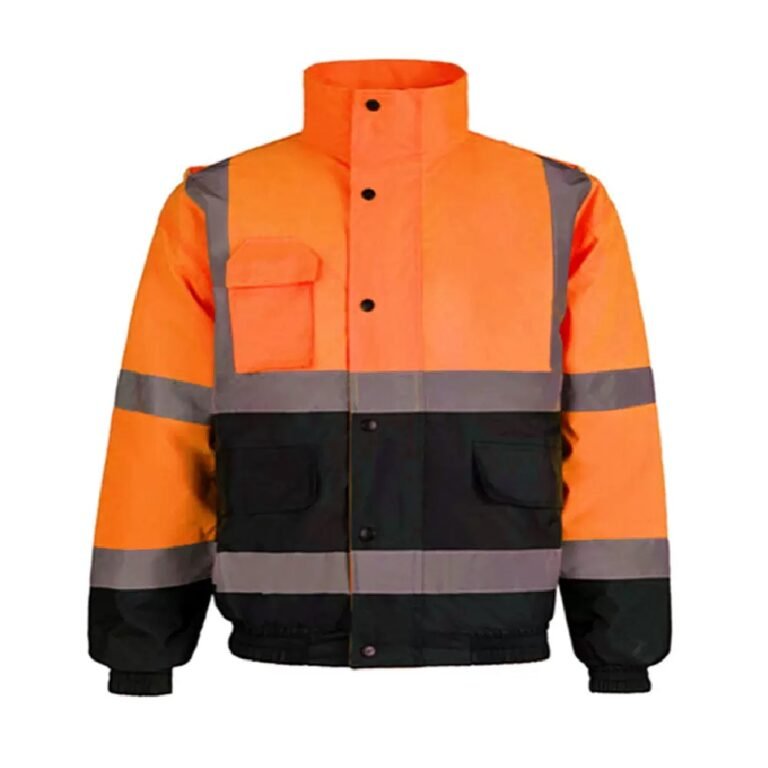
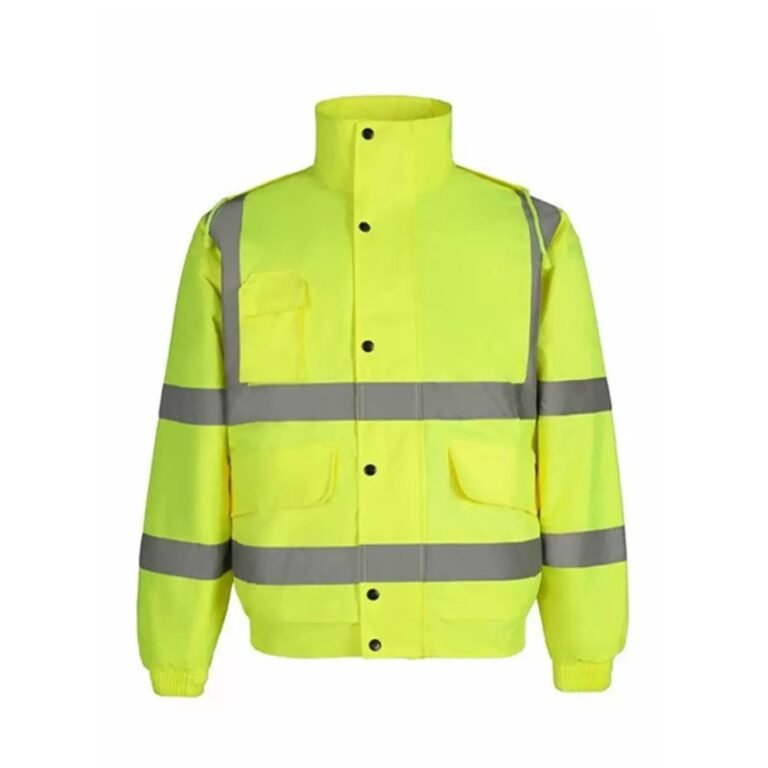
Consider developing a modular product strategy where core garment designs can be adapted with country-specific modifications. For example, a base hi-vis winter jacket design that can accommodate:
- Standard horizontal/vertical striping for general EU markets
- Baudrier configuration variant for French market
- Enhanced reflective area for German construction market
- Dual labeling provisions for UK/EU distribution
Partnering with a Compliance-Savvy Manufacturer
The complexity of European hi-vis regulations makes your choice of manufacturing partner absolutely critical. Here’s what to look for when selecting a supplier:

Essential Manufacturer Capabilities
Manufacturer Selection Criteria:
- Testing Infrastructure: In-house or partnered testing labs for EN ISO 20471 verification
- Certification Portfolio: Established relationships with both EU Notified Bodies and UK Approved Bodies
- Design Experience: Proven track record of adapting designs for different European markets
- Material Sourcing: Access to certified reflective materials meeting varying performance requirements
- Regulatory Knowledge: Active monitoring of changing regulations across target markets
- Customization Capability: Flexibility to produce country-specific variants without prohibitive MOQs
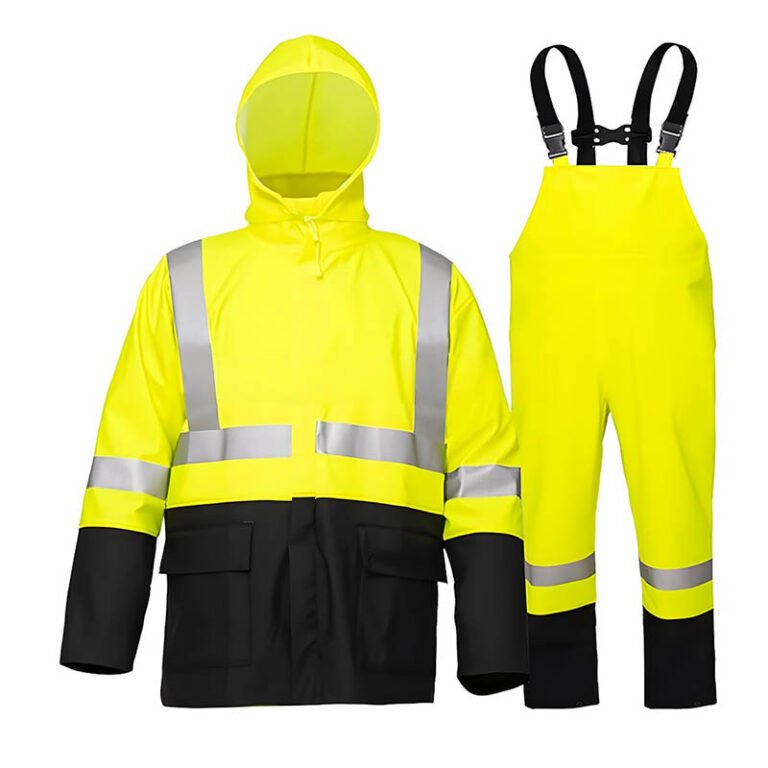
At VizGlo Safety, we’ve invested heavily in understanding these market-specific nuances. Our approach to custom hi-vis jackets with logo applications includes consultation on optimal configurations for your target European markets.
When you’re sourcing from a hi-vis jacket factory in China, verify that they maintain active certifications from recognized European testing bodies and can provide market-specific test reports, not just generic EN ISO 20471 certificates.
The Value of Integrated Material Production
One often-overlooked advantage is partnering with a manufacturer who produces their own reflective materials. This vertical integration enables:
- Guaranteed consistency in reflective performance across production runs
- Faster response to country-specific tape width or configuration requirements
- Better cost control when producing market-specific variants
- Direct traceability of materials for compliance documentation
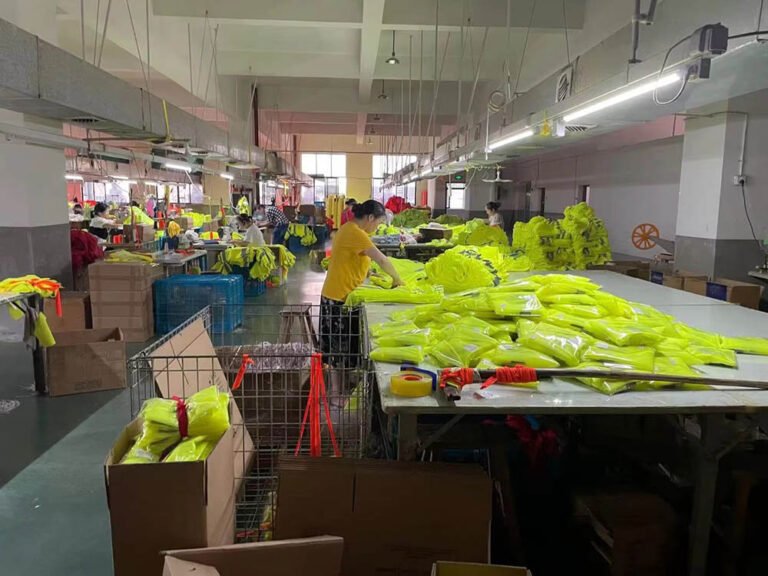
As both a garment manufacturer and reflective material producer, we can rapidly prototype new configurations for emerging market requirements without the delays and communication gaps inherent in multi-vendor supply chains.
Ready to Navigate European Hi-Vis Compliance with Confidence?
Partner with a manufacturer who understands the nuances of France’s baudrier requirements, Germany’s BG BAU guidelines, and UK’s post-Brexit UKCA reality. Our team brings 15+ years of European market expertise to every project.
Get Expert Compliance ConsultationFrequently Asked Questions
Can I use the same hi-vis jacket for both French and German markets?
While possible, it requires careful design planning. The jacket must meet EN ISO 20471 as a baseline, incorporate France’s baudrier configuration if targeting railway or certain road work sectors, and meet Germany’s BG BAU performance requirements for industrial washability and material durability. A Class 3 garment with appropriate reflective configurations can typically serve both markets, but verify specific end-user requirements before bulk production.
Do I need separate certifications for UK and EU markets post-Brexit?
Yes. For the UK market (Great Britain), you need UKCA marking with testing by a UK Approved Body and a UK Declaration of Conformity. For EU markets, you need CE marking with testing by an EU Notified Body and an EU Declaration of Conformity. Northern Ireland has special provisions allowing both markings. Most exporters serving both markets now maintain dual certification pathways to ensure uninterrupted market access.
What’s the typical cost difference between standard EN ISO 20471 and country-specific variants?
Country-specific modifications typically add 5-15% to garment costs, depending on the complexity of required changes. Simple reflective tape reconfiguration (like adding a baudrier) falls on the lower end, while meeting multiple enhanced performance requirements (such as extended wash cycle testing for German markets) can increase costs more substantially. However, these costs are minimal compared to the expense of rejected shipments or lost market opportunities due to non-compliance.
How do I verify my manufacturer’s compliance capabilities before ordering?
Request copies of current test reports from recognized European testing bodies, verify their approved body numbers on official registries (EU NANDO database for EU, UKAS for UK), ask for references from existing European clients in your target countries, and request samples of country-specific variants with proper labeling and documentation. A qualified manufacturer should provide this information readily and discuss market-specific requirements knowledgeably during initial consultations.
Are there seasonal considerations for European hi-vis compliance?
While core EN ISO 20471 requirements don’t change seasonally, practical considerations do. Winter garments require consideration of waterproof vs. water-resistant ratings (critical for UK and Northern European markets), insulation levels while maintaining required visible areas, and ensuring reflective performance isn’t compromised by additional layers or coatings. Summer garments need breathable materials that still meet background material requirements. Consider reading our guide on waterproof vs water-resistant hi-vis jackets for seasonal specification guidance.
What happens if regulations change after I’ve placed a large order?
Regulatory changes typically include grace periods for existing stock, but this varies by country and change type. To mitigate risk, work with manufacturers who monitor regulatory changes actively and can provide timely updates. Include contract provisions for regulatory change scenarios, especially for large orders with extended delivery timelines. Consider phased ordering rather than single large purchases for volatile markets. Established manufacturers often have advance notice of pending changes through industry associations and can advise on timing strategies.
Conclusion: Beyond Compliance to Competitive Advantage
Understanding European hi-vis regulations at the country-specific level transforms compliance from a barrier into a competitive advantage. While your competitors struggle with rejected shipments and costly modifications, your deep knowledge of French baudrier requirements, German BG BAU standards, and UK post-Brexit UKCA protocols positions you as the reliable partner that major distributors and end-users seek.
The European hi-vis market continues to evolve. Sustainability requirements, enhanced performance standards, and digitalization of compliance documentation represent the next frontier. By establishing robust compliance systems now and partnering with manufacturers who view regulatory knowledge as a core competency, you’re not just meeting today’s requirements—you’re building the foundation for tomorrow’s market leadership.
Explore our comprehensive range of hi-vis jackets designed for European compliance, manufactured with deep understanding of country-specific requirements and backed by 15 years of successful European market experience.
Navigate European Regulations with a True Partner
Don’t let complex European regulations slow your business growth. VizGlo Safety combines manufacturing excellence with regulatory expertise across France, Germany, UK, and beyond. Let’s discuss your specific market requirements.
Start Your Compliance Journey TodayAbout VizGlo Safety
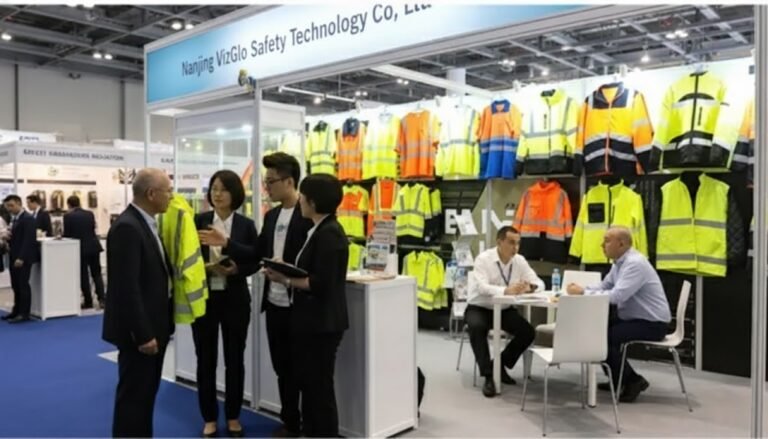
Nanjing VizGlo Safety Technology Co., Ltd. is a leading manufacturer of high-visibility clothing and reflective materials, serving global markets for over 15 years. Our vertically integrated production facility combines garment manufacturing with in-house reflective material production, enabling rapid adaptation to market-specific requirements across Europe, North America, Australia, and beyond. We maintain certifications from major international testing bodies and provide comprehensive OEM/ODM solutions for distributors, private label brands, and large enterprises worldwide.