Polyester vs. Cotton Hi-Vis Polo Shirts: Which is Right for Your Team?
When selecting the ideal fabric for your team’s new safety apparel, the choice between polyester and cotton is one of the most critical decisions you’ll make. This choice impacts durability, comfort, and how well your branding will look. Before we dive into the technical details, if you’re ready to see how these fabrics can be transformed, check out our complete custom hi-vis polo shirt and t-shirt options.
The Short Answer: Which Fabric to Choose?
For the vast majority of professional work environments, **100% performance polyester is the superior choice for hi-vis polo shirts.** It excels in durability, resists fading to maintain long-term ANSI safety compliance, and actively wicks sweat to keep teams comfortable and dry. While **cotton offers a softer initial feel**, it absorbs moisture, becoming heavy and uncomfortable when wet, and its fluorescent color fades quickly, leading to higher replacement costs and potential safety risks. For long-term value, safety, and on-the-job comfort, performance polyester is the industry standard.
The Case for Polyester: The Modern Workhorse
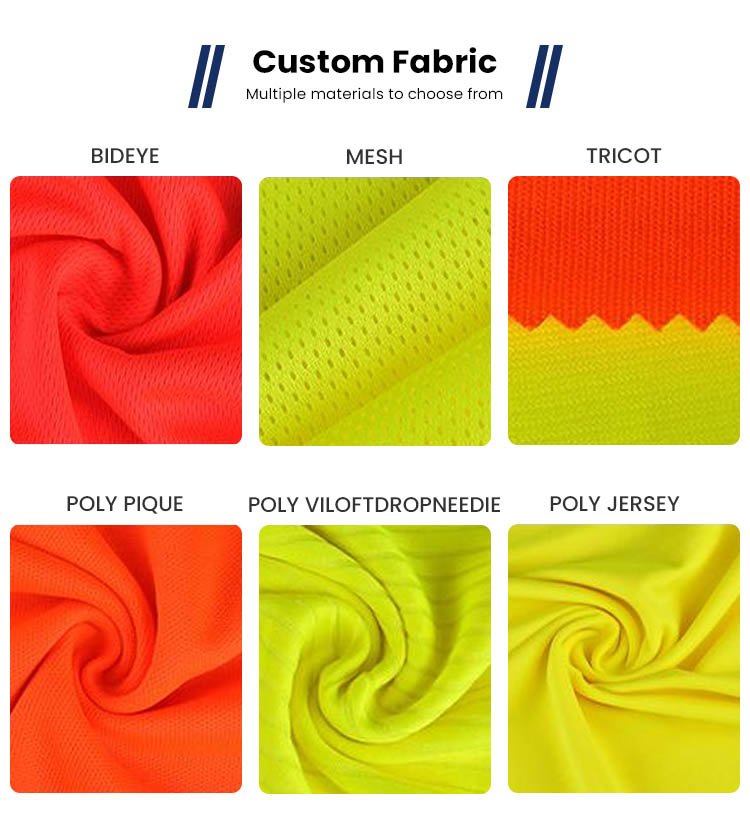
When you hear “polyester,” it’s crucial to erase images of the stiff, stuffy fabrics from decades past. Today’s performance polyester, often found in a bird’s-eye mesh knit, is an engineered marvel designed for active work. Its synthetic fibers are non-absorbent, which is the key to its powerful performance benefits.
Key Advantages of Polyester:
- Superior Moisture Management: Instead of absorbing sweat, polyester wicks moisture away from the skin to the fabric’s surface, where it evaporates. This keeps your team dry, cool, and comfortable, even in hot and humid conditions.
- Unmatched Colorfastness: The synthetic dyes used for fluorescent colors bond exceptionally well with polyester fibers. This means the shirt retains its ANSI-compliant brightness through dozens of washes, ensuring your team stays safe and compliant for longer.
- Exceptional Durability: Polyester fibers are incredibly strong and resilient. They resist stretching, shrinking, and abrasions, making them ideal for physically demanding jobs. They are also far less likely to snag on equipment or materials compared to cotton.
- Easy Care: Polyester is wrinkle-resistant and dries quickly, reducing maintenance time and ensuring a professional look with minimal effort.
The Appeal of Cotton: The Traditional Choice
Cotton’s reputation is built on its natural softness and breathability. For casual wear, it’s an undisputed champion. However, when translated to a high-visibility work garment, its natural properties present significant challenges.
Realities of Cotton in the Field:
- Initial Comfort, Lasting Discomfort: While soft to the touch, cotton is highly absorbent. A study by Cotton Incorporated highlights that standard cotton can absorb up to 27 times its weight in water. On the job, this means it soaks up sweat like a sponge, becoming heavy, clammy, and clinging to the skin.
- Poor Color Retention: The fluorescent dyes required for hi-vis standards do not bond as securely to natural cotton fibers. With each wash and exposure to UV light, the color fades dramatically, quickly falling out of ANSI compliance.
- Low Durability: Cotton fibers are more susceptible to wear and tear, shrinking, and tearing than their synthetic counterparts. They offer little resistance to snags and abrasion.
- Slow Drying: Once wet, a cotton shirt stays wet for a long time, which can be uncomfortable and even dangerous in cooler temperatures as it loses all insulating properties.
An Expert’s Verdict: Performance Over Perception
In my 15+ years of outfitting teams globally, the polyester vs. cotton debate comes up weekly. The most common mistake I see buyers make is prioritizing initial, “on-the-hanger” comfort over on-the-job performance and long-term compliance.
After an hour under the sun or in a humid warehouse, that “comfortable” cotton shirt becomes a heavy, sweat-soaked towel that clings to the skin. More critically, its hi-vis color will fade dramatically after just a dozen washes, failing safety compliance and forcing you to buy replacements sooner.
Modern performance polyester is the undisputed workhorse here. It’s not the stuffy, plastic-y fabric of the past. We’re talking about engineered bird’s-eye mesh that actively wicks sweat away, maintains its ANSI-compliant brightness for the life of the garment, and resists snagging. For 90% of my clients—from road crews in the Texas heat to warehouse staff in Germany—a quality performance polyester polo isn’t just a choice; it’s the smarter, safer, and more cost-effective investment in their team’s well-being. By choosing the right fabric, you can ensure your team looks professional and stays safe, which is the ultimate goal of our hi-vis polo shirt programs.
Head-to-Head Comparison Table
| Feature | Performance Polyester | 100% Cotton |
|---|---|---|
| Moisture Management | Excellent (Wicks sweat away) | Poor (Absorbs sweat) |
| Durability | High (Resists snags, abrasion) | Low (Prone to tearing, wear) |
| Colorfastness (Compliance) | Excellent (50+ washes) | Poor (Fades after 10-20 washes) |
| Comfort (When Active) | High (Stays dry and light) | Low (Becomes heavy and wet) |
| Long-Term Cost | Lower (Lasts longer) | Higher (Requires frequent replacement) |
The Middle Ground: What About Poly-Cotton Blends?
For teams seeking a compromise, poly-cotton blends (like a 50/50 or 60/40 mix) can be an effective solution. These fabrics aim to combine the softness and breathability of cotton with the durability and color retention of polyester. While they don’t offer the peak moisture-wicking performance of 100% polyester, they are a significant step up from 100% cotton for most work applications. They represent a balanced choice for less strenuous roles or for organizations transitioning their teams away from cotton.
Find the Perfect Polo for Your Team
Choosing the right fabric is the first step to a successful workwear program. At VizGlo Safety, we specialize in helping businesses like yours select and customize the perfect hi-vis apparel. Explore our range of durable, compliant, and comfortable hi-vis polo shirts and let’s build a solution that keeps your team safe and looking sharp.
Frequently Asked Questions
Is cotton ever a good choice for a hi-vis polo?
100% cotton hi-vis polos can be suitable for low-intensity work in dry, mild climates where a natural feel is prioritized and the risk of heavy sweating is minimal. However, for most professional applications, its poor moisture management and rapid color fading make it less ideal than polyester from a safety and durability standpoint.
What does ‘moisture-wicking’ mean?
Moisture-wicking is the ability of a fabric to pull sweat away from the skin and move it to the fabric’s outer surface, where it can evaporate quickly. Modern performance polyester fabrics are engineered with this property, helping to keep the wearer dry, cool, and comfortable during physical activity.
How many washes can I expect from a polyester vs. cotton hi-vis shirt?
A quality hi-vis polyester polo can typically maintain its ANSI-compliant color for 50 washes or more. A cotton hi-vis polo, on the other hand, may start to fade noticeably after just 10-20 washes, potentially failing safety compliance much sooner and requiring earlier replacement.
Do poly-cotton blends offer the best of both worlds?
Poly-cotton blends are a good compromise. They offer better softness and breathability than 100% polyester, while providing more durability and color fastness than 100% cotton. They are an excellent middle-ground option for teams looking for a balance of comfort and performance, though they won’t excel to the same degree as 100% performance polyester in moisture management.