Reflective Tapes Explained: How 3M Scotchlite Enhances Your Safety
Understanding the science of retro-reflection and why not all reflective tapes are created equal
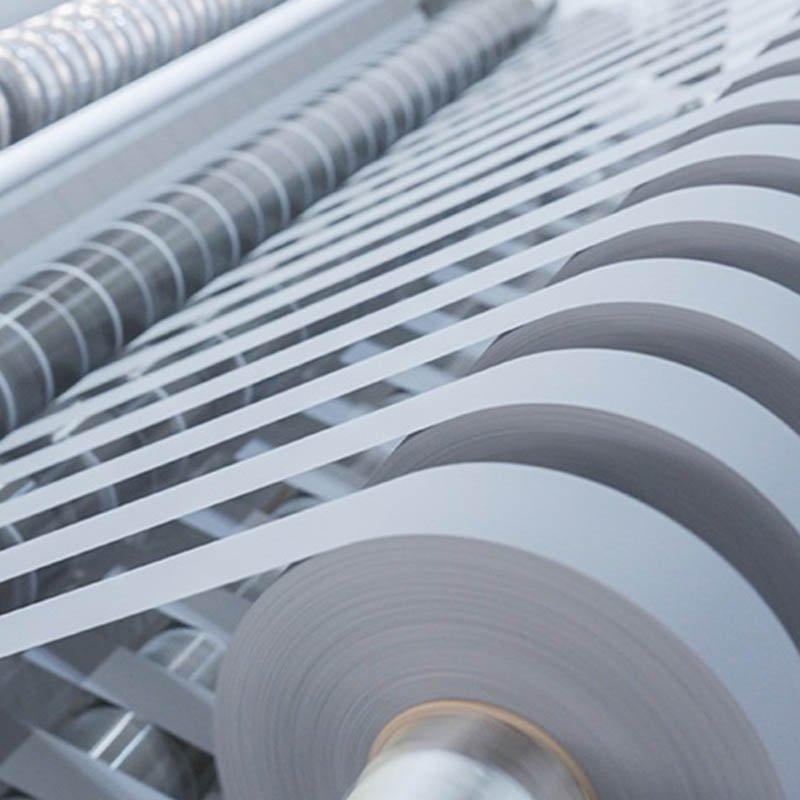
When it comes to protecting workers in low-light conditions, reflective tape is not just a strip of shiny material—it’s a life-saving technology. The fundamental difference between a worker being seen by an oncoming vehicle at 1,000 feet versus 200 feet can mean the difference between a safe day and a tragedy.
After working with hundreds of safety managers and procurement officers worldwide, one critical misunderstanding persists: the belief that all reflective tapes deliver the same performance. They see a silvery strip and assume it does its job. But there’s a world of difference between simple reflection (like a mirror) and engineered retro-reflection—the core technology that makes products like 3M Scotchlite the gold standard. A cheap tape might look bright when illuminated in a warehouse, but how does it perform in driving rain, at sharp angles, or after 25 industrial washes? That’s where the precision engineering of glass beads and microprisms proves its worth, ensuring a driver sees a person, not just a faint shimmer.
1. What Is Reflective Tape and How Does It Work?
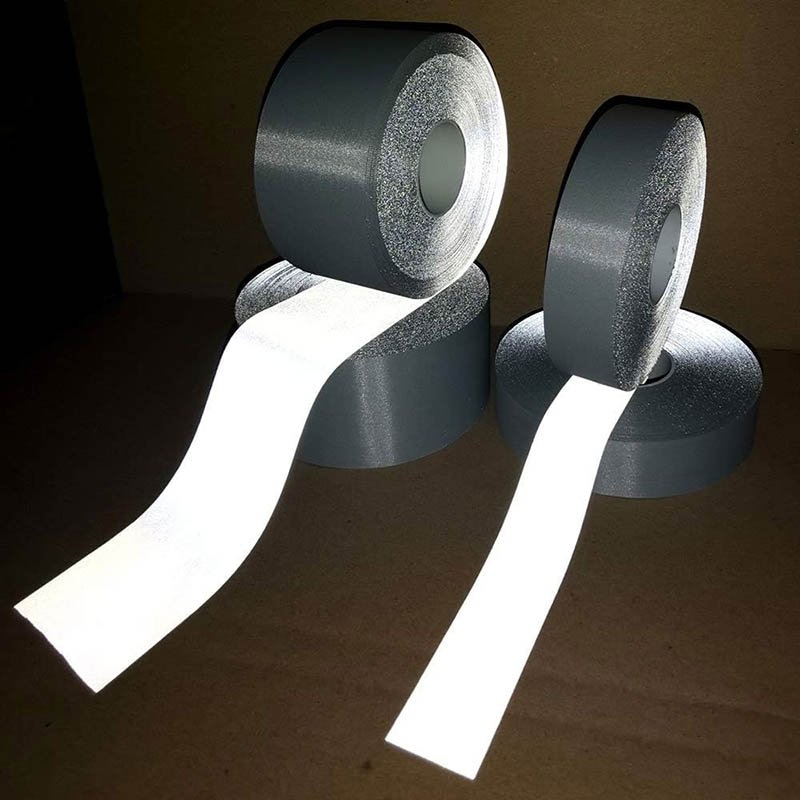
Reflective tape is a specialized safety material applied to high-visibility clothing, equipment, and signage to dramatically increase visibility in low-light and nighttime conditions. Unlike ordinary fabrics that absorb or diffusely scatter light, reflective tape is engineered to capture incoming light and send it directly back toward its source—a property known as retro-reflection.
This technology is crucial for workers in construction, road maintenance, logistics, railways, and any environment where vehicles operate near pedestrians. When a car’s headlights strike reflective tape from hundreds of feet away, the retro-reflected light creates a bright, conspicuous glow that alerts drivers to a person’s presence long before they would be visible in ordinary clothing.
The effectiveness of reflective tape depends on three factors: the coefficient of retroreflection (RA value), which measures brightness; durability through washing and weathering; and angular performance—how well it reflects light from various angles. Premium tapes excel in all three areas, while cheap alternatives often fail after just a few washes or in challenging weather conditions.
2. The Science of Retro-Reflection: Glass Beads vs. Microprisms
To understand why some reflective tapes vastly outperform others, you must understand the physics of retro-reflection. There are two primary technologies used in modern reflective materials: glass bead technology and microprismatic (or prismatic) technology.
Glass Bead Technology
Glass bead reflective tapes feature millions of tiny, precision-manufactured glass spheres embedded in a transparent polymer layer. When light enters a glass bead, it passes through the front surface, reflects off a mirrored backing layer, and exits back toward the light source. The spherical geometry ensures that light is returned efficiently across a wide range of approach angles.
3M Scotchlite 8910 and 8935 series use high-index glass beads with precisely controlled diameters (typically 40-60 microns) and a specialized adhesive system that bonds them permanently to the fabric. This construction allows the tape to withstand repeated flexing, abrasion, and industrial laundering while maintaining its reflective performance.
Microprismatic Technology
Microprismatic tapes utilize tiny cube-corner prisms (each measuring just micrometers across) molded into a plastic film. These prisms work on the principle of total internal reflection: light entering the prism is reflected three times before exiting back toward the source. This design produces exceptionally bright reflection at close distances and narrow angles, making it ideal for applications where workers are near traffic lanes.
However, microprismatic tapes can be more sensitive to damage and may not perform as well as glass beads at very wide observation angles. For clothing that must flex and bend constantly, glass bead technology often provides superior durability and all-around performance. Understanding these trade-offs helps you select the best reflective tape for clothing based on your specific risk environment.
3. Why 3M Scotchlite Leads the Industry
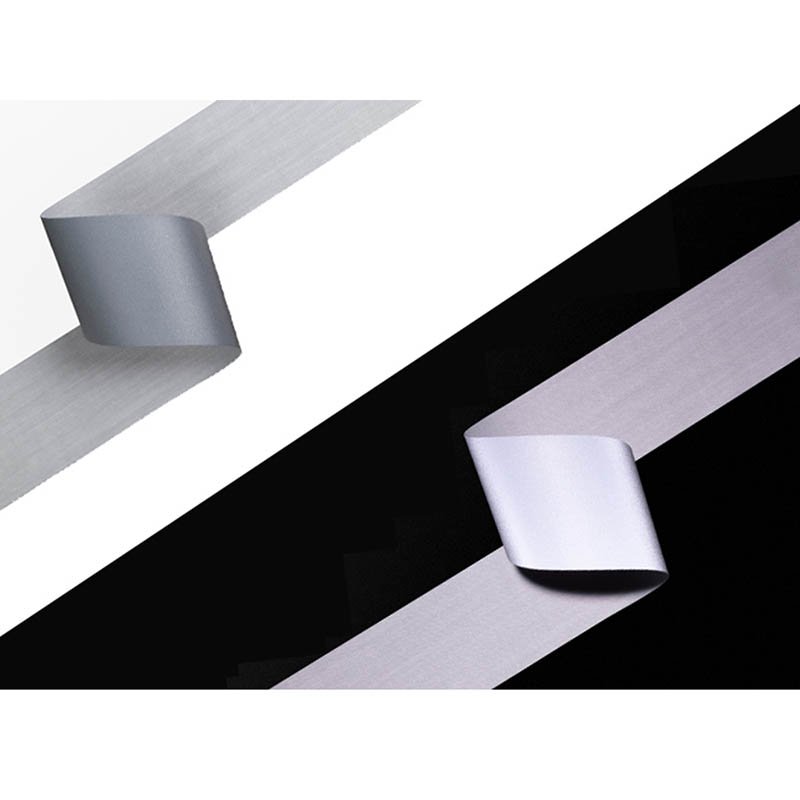
3M Scotchlite has been the benchmark in retro-reflective technology for over seven decades, and its dominance is not accidental. 3M invests heavily in materials science research, quality control, and rigorous field testing to ensure their products perform in the most demanding environments—from Arctic oil fields to desert construction sites.
Key Advantages of 3M Scotchlite:
- Consistent Performance: Every batch is tested to ensure it meets minimum RA values of 330-500 cd/lx/m², far exceeding regulatory minimums.
- Proven Durability: Scotchlite tapes are engineered to maintain reflectivity for 50-75 industrial wash cycles at 60°C, compared to 10-20 cycles for many generic alternatives.
- Weather Resistance: Encapsulated lens constructions protect glass beads from water penetration, maintaining performance in rain, snow, and high humidity.
- Flame Resistance: 3M offers flame-retardant variants (8935 series) that meet stringent requirements for electrical workers, firefighters, and oil & gas personnel.
- Global Certification: Pre-certified to meet EN ISO 20471, ANSI/ISEA 107, AS/NZS 1906.4, and other international standards, saving you time and testing costs.
- Flexible Application: Available in sew-on, heat-transfer, and adhesive formats to suit different garment types and manufacturing processes.
For safety managers, the decision to specify 3M Scotchlite isn’t just about initial compliance—it’s about ensuring your team remains visible and protected throughout the garment’s lifespan. This is especially critical for industries where non-compliance can result in regulatory fines, insurance complications, or worse, preventable accidents.
4. 3M Scotchlite vs. Generic Reflective Tape: A Critical Comparison
The price difference between 3M Scotchlite and generic reflective tape can be substantial—sometimes 200-300%. This prompts many procurement officers to ask: “Is the premium really worth it?” Based on field data and thousands of garment inspections, the answer is an unequivocal yes, and here’s why.
Initial Brightness: Where Generics Seem Competitive
When you shine a flashlight on a fresh, unwashed generic reflective tape in a warehouse, it may appear nearly as bright as Scotchlite. Many buyers make their decision at this moment—a critical mistake. The real test isn’t how it performs on day one; it’s how it performs on day 180, after 25 wash cycles, in driving rain, or when a worker is bending, kneeling, or viewed from a 45-degree angle.
Durability: The Hidden Cost of Cheap Tape
Generic tapes typically use lower-grade glass beads (or in worst cases, plastic beads) with inconsistent sizing and poor adhesive systems. After just 10-15 industrial washes, common failures include:
- Delamination: The reflective layer peels away from the base fabric, creating gaps in visibility coverage.
- Bead Loss: Glass beads dislodge from the polymer matrix, drastically reducing reflective performance (often by 60-80%).
- Color Fading: Fluorescent backing colors (yellow-green, orange) fade to dull gray, reducing daytime conspicuity.
- Cracking: The tape becomes brittle and cracks along flex points, especially in cold temperatures.
When a garment fails prematurely, you’re not just buying replacement clothing—you’re absorbing disposal costs, reordering overhead, potential downtime, and critically, exposing workers to risk during the period when non-compliant garments are still in use.
Performance in Real-World Conditions
The definitive test is nighttime visibility distance. Independent studies show that workers wearing garments with 3M Scotchlite tape are visible to drivers at distances exceeding 1,000 feet, providing 30+ seconds of reaction time at highway speeds. Generic tapes, especially after some use, often reduce visibility to 200-400 feet—cutting reaction time to under 10 seconds. In rain or fog, the performance gap widens even further, as poorly sealed generic beads fill with water and lose retroreflective function entirely.
“We conducted a field trial comparing 3M Scotchlite and a well-known generic alternative. After six months of use in our roadwork division, 78% of the generic garments failed our nighttime visibility test, while 96% of Scotchlite garments still exceeded the minimum standard. The cost savings we thought we’d achieve evaporated when we factored in replacement costs and the hidden liability risk.”
5. Choosing the Best Reflective Tape for Your Clothing
Selecting the best reflective tape for clothing depends on several factors including your industry, work environment, garment type, and budget. Here’s a decision framework to guide your choice:
Industry-Specific Requirements
| Industry | Recommended Tape Type | Key Considerations |
|---|---|---|
| Construction | 3M Scotchlite 8910 (Silver) | Durability, abrasion resistance, all-weather performance |
| Roadwork/Traffic Control | 3M Scotchlite 8935 (Fluorescent Yellow-Green) | High daytime visibility, compliance with ANSI 107 Type R |
| Electrical/Welding | 3M Scotchlite Flame Resistant (FR) Series | Flame retardancy, arc flash protection, heat resistance |
| Logistics/Warehousing | 3M Scotchlite Comfort Trim | Flexibility, comfort for constant movement, washability |
| Railway Maintenance | 3M Scotchlite 8935 + Segmented Design | Compliance with railway-specific standards (e.g., RIS-3279-TOM), breathability |
| Mining | Heavy-Duty Microprismatic + Glass Bead Combination | Extreme abrasion resistance, visibility in dusty conditions |
Tape Width and Configuration
For garments to comply with EN ISO 20471 or ANSI 107, you must meet minimum areas of reflective material (typically 0.10-0.20 m² for Class 2 garments). Tape width affects both compliance and visibility:
- 2-inch (50mm) tape: Standard for torso bands and arm/leg straps on Class 2/3 garments
- 1-inch (25mm) tape: Used for secondary bands and segmented designs on breathable garments
- Segmented/Breathable tape: Provides air flow without sacrificing reflective area (common in railway and warm-climate applications)
Application Method: Sew-On vs. Heat-Applied
Sew-on tapes are mechanically bonded to the garment and offer the longest lifespan, especially for heavy-duty workwear. They’re ideal for garments that will endure frequent washing and abrasion. The downside is slightly higher manufacturing complexity and the need for specialized sewing equipment.
Heat-applied (heat-transfer) tapes use a thermoplastic adhesive activated at high temperatures. They provide a clean appearance, excellent for corporate branding, and faster application. However, they may not be as durable as sewn tape in extremely harsh environments. For premium hi-vis raincoats designed for year-round outdoor use, sewn-on 3M Scotchlite is the preferred choice to ensure reflective integrity through hundreds of hours of rain exposure.
6. Meeting Safety Standards: EN 20471, ANSI 107, and Beyond
High-visibility clothing is governed by strict international standards that dictate minimum performance requirements for both fluorescent background material and retro-reflective elements. Understanding these standards is essential when specifying reflective tape.
EN ISO 20471 (Europe, Global)
This is the European standard for high-visibility clothing, replacing the older EN 471. It defines three classes of garments based on the amount of visible material:
- Class 1: Minimum 0.10 m² reflective material (e.g., basic vests)
- Class 2: Minimum 0.13 m² reflective material (e.g., vests with sleeves, jackets)
- Class 3: Minimum 0.20 m² reflective material (e.g., full coveralls, winter jackets with sleeves)
The standard also mandates minimum retroreflection values (RA ≥ 330 cd/lx/m²) and photometric performance after abrasion and washing. Using pre-certified 3M Scotchlite tape ensures automatic compliance, eliminating the need for costly independent testing.
ANSI/ISEA 107 (United States, North America)
The American standard categorizes garments into three performance classes and three types based on work activity:
- Type O (Off-Road): Workers in environments without traffic (e.g., parking lot attendants, warehouse workers)
- Type R (Roadway): Workers exposed to traffic exceeding 25 mph (e.g., road construction, emergency responders)
- Type P (Public Safety): Law enforcement, emergency medical services requiring rapid identification
For Type R garments (the most common in roadwork), fluorescent yellow-green background with silver reflective tape is the standard configuration. 3M Scotchlite 8935 series is specifically engineered to meet these requirements while maintaining performance through the harshest North American weather conditions.
Other Regional Standards
- AS/NZS 1906.4 & 4602.1 (Australia/New Zealand): Similar to EN 20471 with additional requirements for extreme heat and UV resistance
- CSA Z96 (Canada): Aligned with ANSI 107 but with additional cold-weather performance criteria
- RIS-3279-TOM (UK Railways): Railway-specific standard requiring orange background material and specific reflective configurations
7. Real-World Applications and Performance
Understanding theory is important, but reflective tape’s true value is proven in the field. Here are real-world scenarios where the choice between premium and generic reflective materials made a measurable difference:
Case Study 1: Highway Maintenance Crew (Texas, USA)
A state DOT initially equipped their 200-person highway crew with generic hi-vis jackets to save budget. After 90 days, nighttime inspections revealed that 65% of the garments had significantly degraded reflective performance, especially along shoulder seams (high-flex areas). Following a near-miss incident where a worker was nearly struck at 300 feet distance (the generic tape was barely visible), the DOT switched to 3M Scotchlite-equipped garments. Over the next 18 months, zero visibility-related incidents were reported, and garment replacement frequency dropped by 60%, ultimately saving money.
Case Study 2: Railway Track Workers (UK)
Network Rail requires compliance with RIS-3279-TOM, which mandates specific reflective configurations and performance in rain. A contractor attempted to use a non-certified reflective tape that appeared compliant when dry. During a surprise audit in rainy conditions, inspectors found the tape’s reflectivity dropped below acceptable levels when wet. All 500 garments were rejected, costing the contractor over £75,000 in emergency replacement orders and project delays. Switching to 3M Scotchlite Comfort Trim with encapsulated beads ensured consistent performance regardless of weather.
Case Study 3: Mining Operations (Australia)
A large open-pit mine in Western Australia operates 24/7 haul trucks with limited lighting. After a safety review, they upgraded from standard reflective vests to custom-designed coveralls with 3M Scotchlite high-intensity tape. Visibility distance increased from an average of 350 feet to over 900 feet, measurable through controlled testing. The mine reported a 40% reduction in vehicle-pedestrian proximity alarms and increased worker confidence during night shifts.
These examples underscore that reflective tape is not a commodity—it’s a critical safety system. The small incremental cost of using premium materials like 3M Scotchlite is overwhelmingly justified by reduced incident risk, lower long-term costs, and the peace of mind that comes from knowing your team is maximally protected.
Protect Your Team with Premium Reflective Solutions
At VizGlo Safety, we manufacture high-visibility clothing using only certified 3M Scotchlite and premium reflective materials. As an experienced OEM/ODM partner, we help global distributors, private brands, and enterprises design and produce compliant, durable hi-vis garments tailored to your exact specifications.
Whether you need custom reflective configurations, flame-retardant options, or private-label solutions, our team of experts is ready to support your vision.
Request a Free Sample & Consultation8. Frequently Asked Questions
What makes 3M Scotchlite different from generic reflective tape?
3M Scotchlite utilizes precision-engineered glass beads or microprisms that return light directly to its source (retro-reflection), providing superior visibility at distances up to 1,000 feet. Generic tapes often use lower-quality materials that scatter light diffusely, drastically reducing visibility beyond 200-300 feet. Scotchlite maintains performance after 50+ industrial washes and in harsh weather conditions, while generic alternatives often fade or delaminate within 10-15 washes.
How does retro-reflection work in reflective tape?
Retro-reflection uses microscopic glass beads or prismatic structures embedded in the tape’s surface. When light hits these elements, it’s internally reflected and returned directly toward the light source, regardless of the angle of incidence. This creates a brilliant reflection visible from great distances, unlike ordinary reflection that scatters light in multiple directions. This technology ensures vehicle headlights illuminate workers from hundreds of feet away.
What reflective tape is best for hi-vis clothing?
For professional hi-vis clothing that must comply with EN ISO 20471 or ANSI/ISEA 107 standards, silver or fluorescent yellow-green retro-reflective tape with a minimum coefficient of retroreflection (RA) of 330 cd/lx/m² is required. 3M Scotchlite 8910 series (silver) and 8935 series (fluorescent yellow-green) are industry benchmarks, offering durability through 50+ wash cycles while maintaining compliance. Fire-retardant variants are essential for electrical and oil & gas workers.
How long does quality reflective tape last on clothing?
Premium reflective tapes like 3M Scotchlite maintain their reflective properties for 50-75 industrial laundry cycles when properly applied to quality garments. Generic tapes typically degrade after 10-20 washes. Lifespan depends on washing temperature (40°C recommended), detergent type (avoid bleach), drying method (tumble dry low), and work environment exposure. Regular inspection for delamination, cracking, or reduced brightness is crucial for maintaining safety compliance.
Does reflective tape work in rain and fog?
Yes, high-quality retro-reflective tape maintains functionality in rain and light fog because the glass beads or microprisms continue to reflect light back to the source even when wet. However, performance can be reduced by approximately 30-40% when heavily saturated. 3M Scotchlite Comfort Trim and encapsulated lens tapes are specifically engineered with sealed glass bead layers to minimize water penetration and maintain optimal performance. Dense fog will reduce all visibility, but retro-reflective materials still outperform non-reflective alternatives significantly.
Conclusion: Investing in Safety is Investing in People
Reflective tape is far more than a regulatory checkbox or a cosmetic feature on safety clothing. It’s a sophisticated, engineered system that can mean the difference between life and death for workers operating in low-visibility environments. While the initial cost of premium materials like 3M Scotchlite may seem higher, the total cost of ownership—factoring in durability, compliance confidence, reduced replacement frequency, and most importantly, worker safety—makes it the only logical choice for professional applications.
Generic reflective tapes might look similar on day one, but their performance rapidly degrades under real-world conditions. When you’re making decisions that affect the safety of people working near heavy machinery, fast-moving traffic, or in remote, poorly-lit locations, “good enough” simply isn’t acceptable. The science of retro-reflection, proven through decades of 3M research and billions of successful implementations worldwide, demonstrates that not all reflective tapes are created equal.
At VizGlo Safety Technology, we’re committed to manufacturing high-visibility clothing that incorporates the best reflective materials available, ensuring your team remains visible, compliant, and protected. When you partner with us for OEM/ODM solutions, you’re not just buying garments—you’re investing in a safety system built on proven technology and uncompromising quality standards.
Our team responds within 24 hours with tailored recommendations.