Screen Printing vs. Embroidery: Which is Better for Your Custom Safety Apparel?
Making the right choice for your team’s branding, budget, and on-the-job safety.
For custom safety apparel, screen printing is generally better for large orders of lightweight garments like t-shirts and vests due to its cost-effectiveness, while embroidery is the superior choice for heavier items like hoodies and jackets, offering premium durability and a professional appearance. However, the best method ultimately depends on a crucial balance of your garment type, budget, logo complexity, and, most importantly, the functional requirements and safety compliance of the apparel.
In This Guide:
You’ve invested in high-quality safety apparel for your team. The next step is to make it your own with your company logo. This not only promotes your brand but also fosters team unity. But when faced with the choice of how to apply that logo, the age-old question arises: screen printing or embroidery? For everyday promotional items, the answer might be simple. For hi-vis workwear, the stakes are much higher. Your decision impacts everything from long-term durability to the garment’s ability to keep your workers safe and compliant.
Understanding Screen Printing: The Workhorse of Bulk Orders
Screen printing involves pushing ink through a mesh screen (or stencil) directly onto the fabric. Each color in your design requires a separate screen, which are applied layer by layer to create the final image. It’s a method that has been refined for decades and is prized for its efficiency on large production runs.
Pros:
- Cost-Effective for Volume: The primary cost is in the setup. For large bulk orders, the price per item becomes very low.
- Vibrant and Detailed: Perfect for intricate logos or designs with multiple, specific Pantone colors. The ink sits on top of the fabric, creating a crisp and vivid look.
- Lightweight Feel: Adds almost no weight to the garment, making it ideal for t-shirts and lightweight vests where comfort is key.
Cons:
- Less Durable on Some Fabrics: The ink can crack or fade over time with heavy use and industrial laundering, especially on stretchable or heavily textured fabrics.
- Not Ideal for Fleece/Pile: The ink can get lost in the texture of fleece fabrics like those used in many hi-vis sweatshirts and hoodies.
- Color Limitations: The cost increases with each additional color, making it less economical for highly colorful logos in small quantities.
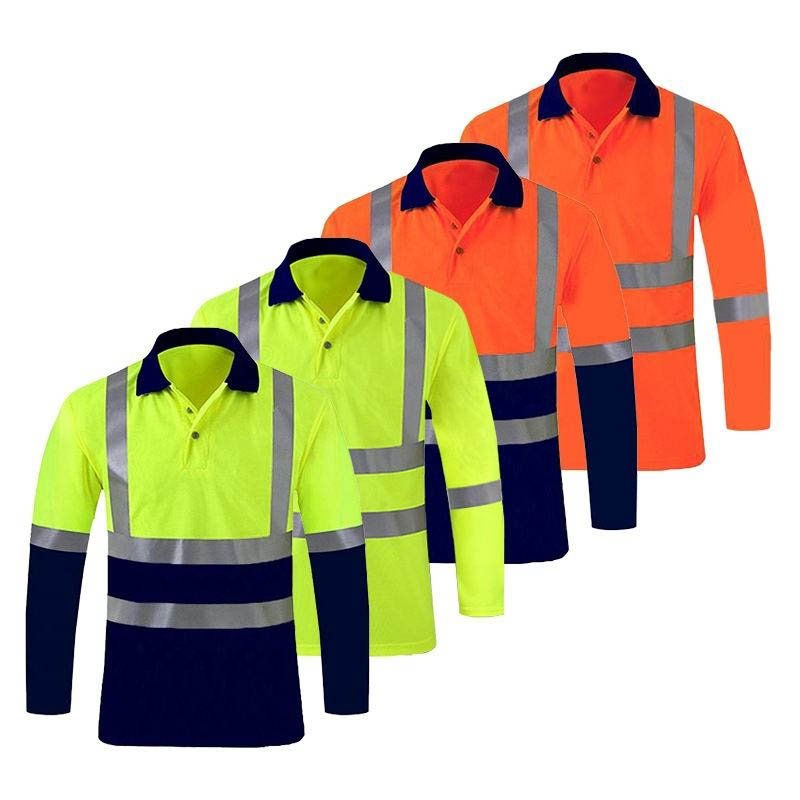
Screen printing offers a crisp, flat finish, ideal for detailed logos on vests and t-shirts.
Understanding Embroidery: The Gold Standard for Durability
Embroidery uses a computerized sewing machine to stitch your logo’s design directly into the fabric with thread. This process creates a textured, three-dimensional result that has a high-end, professional feel.
Pros:
- Exceptional Durability: The stitched thread is incredibly resilient to washing, friction, and fading. It often outlasts the garment itself, making it perfect for heavy-duty winter work hoodies.
- Premium Appearance: The raised texture and sheen of the thread give a professional, high-quality look that elevates your brand image.
- Works on Heavy Fabrics: Ideal for jackets, polos, and fleece hoodies where the fabric is thick enough to support the stitching.
Cons:
- Higher Cost: Generally more expensive per item than screen printing due to the time and materials involved.
- Less Detail on Small Text: Very small or intricate details can be difficult to replicate cleanly with thread.
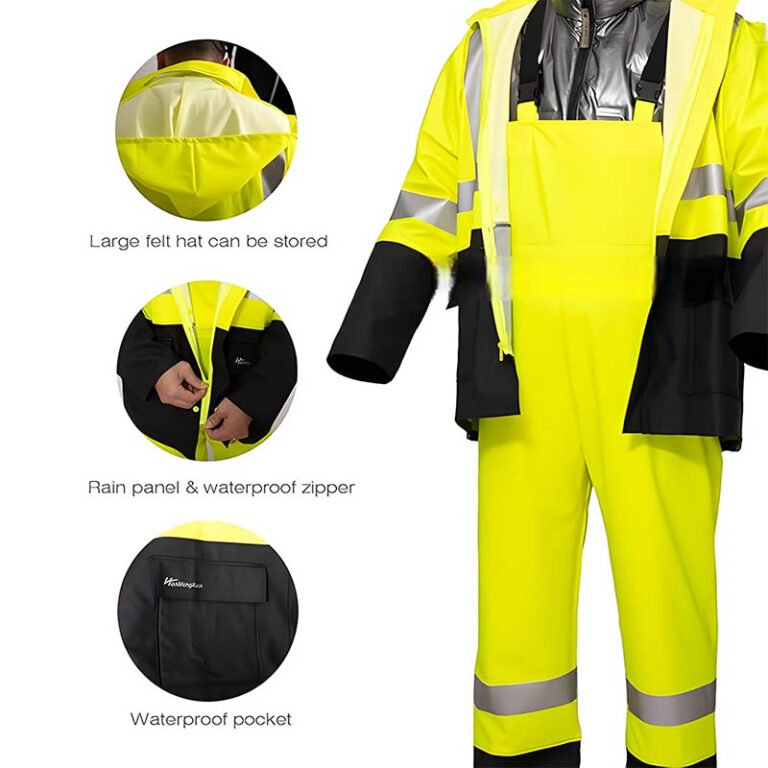
- Compromises Waterproofing: Each needle puncture can break a waterproof membrane, making it a poor choice for rainwear unless properly sealed afterward (an extra, costly step).
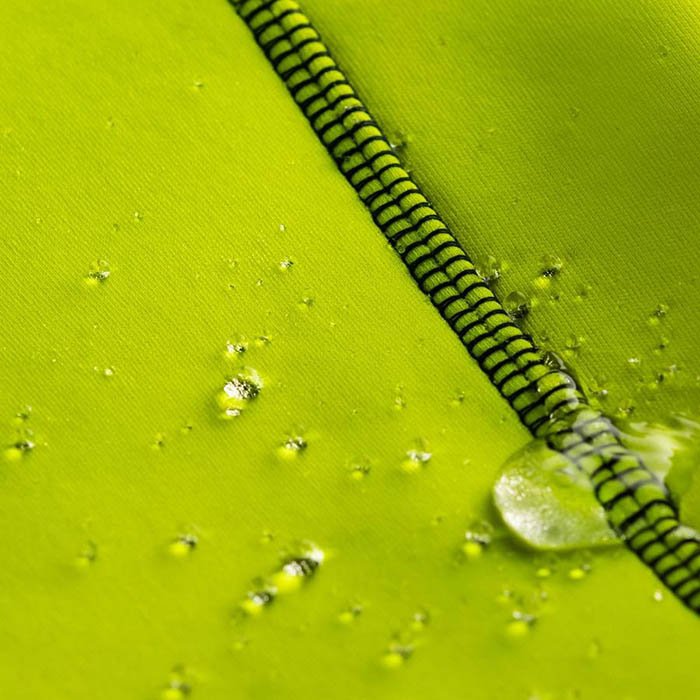
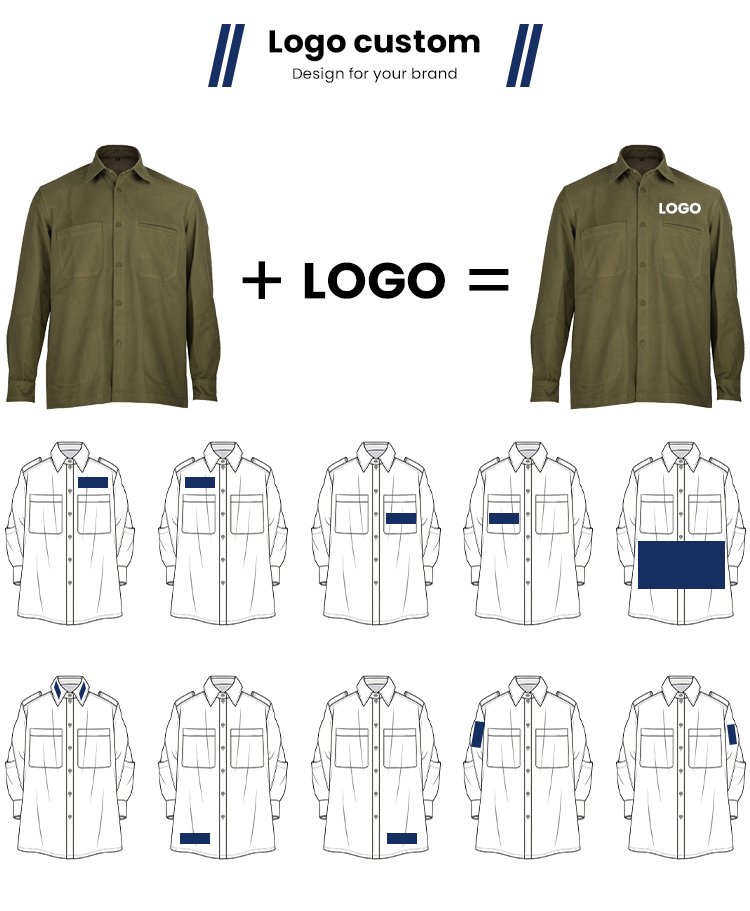
Embroidery creates a durable, textured logo that looks premium on heavy fabrics like hoodies.
Side-by-Side Comparison: Screen Print vs. Embroidery
| Feature | Screen Printing | Embroidery |
|---|---|---|
| Best For | T-shirts, vests, large volume orders, detailed logos. | Hoodies, jackets, polos, fleece, premium branding. |
| Durability | Good, but can crack/fade over time with harsh washing. | Excellent. Highly resistant to fading and abrasion. |
| Cost | Lower cost per item on large runs. | Higher per-item cost, especially for large designs. |
| Appearance | Crisp, flat, and vibrant. | Textured, dimensional, and professional. |
| Waterproof Gear? | Not ideal; ink may not adhere well. (Use HTV instead). | No. Needle holes compromise waterproofing. |
| ANSI Compliance | Can reduce fluorescent area if logo is large and solid. | Minimal impact, as it covers a small area. |
My Insight: A Field Professional’s Perspective
From my perspective in the field, this question—screen printing or embroidery—is less about which is “better” and more about which is “right” for the specific garment and its job. When a client asks me this, the conversation immediately shifts from their logo to their team’s daily environment.
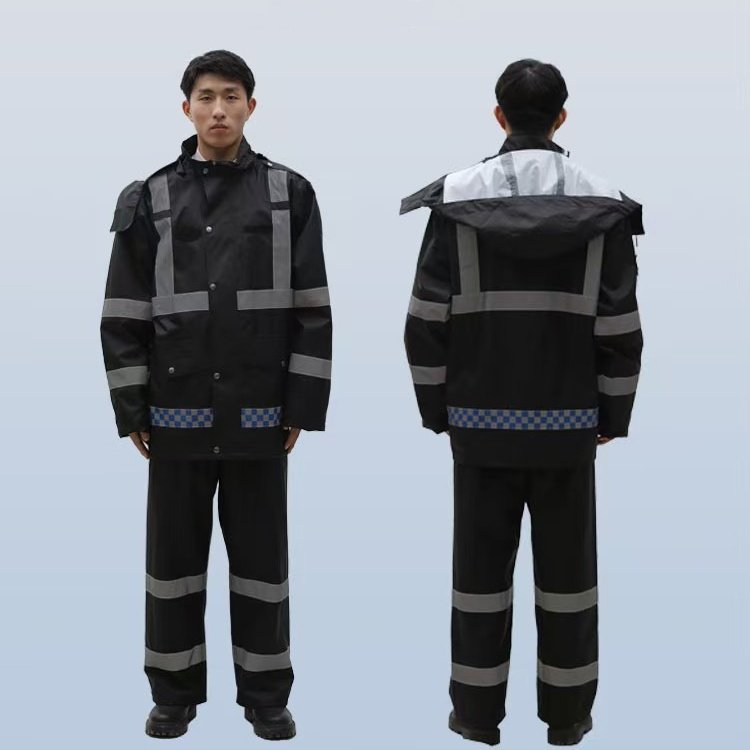
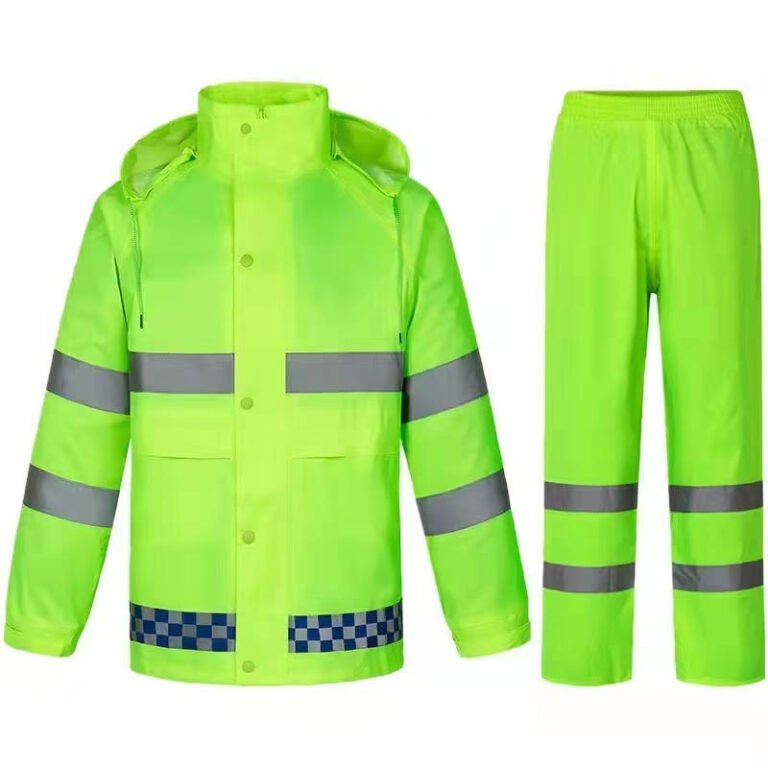
My primary concern is always compliance and functionality. For instance, I would almost never recommend embroidery on a Class 3 waterproof rain jacket. Why? Because every single needle puncture from the embroidery process can compromise the jacket’s waterproof membrane. It might look great, but it fails its primary function in a downpour.
Conversely, for a large order of standard hi-vis vests or t-shirts, screen printing is a cost-effective workhorse. However, we have to be strategic. A large, solid, dark logo printed on the back can actually reduce the total area of compliant fluorescent background material, potentially jeopardizing its ANSI or EN ISO certification. In these cases, using reflective ink for the print or breaking the logo into an outline can be a smarter, safer solution. So, my guidance isn’t a simple preference. It’s a risk assessment: balancing budget and brand image against garment integrity, weather resistance, and the non-negotiable standards of worker safety.
The Third Option: Heat Transfer Vinyl (HTV)
Often overlooked, Heat Transfer Vinyl (or “heat press”) is a fantastic middle-ground and often the best solution for tricky garments. HTV involves cutting your design from a sheet of special vinyl and then applying it to the garment with a high-temperature heat press.
This method is the go-to for customizing waterproof jackets because it doesn’t puncture the fabric. It’s also excellent for creating reflective logos by using specialized reflective HTV, boosting the science-backed visibility of your gear. It’s great for small to medium-sized orders and offers a smooth, durable finish.
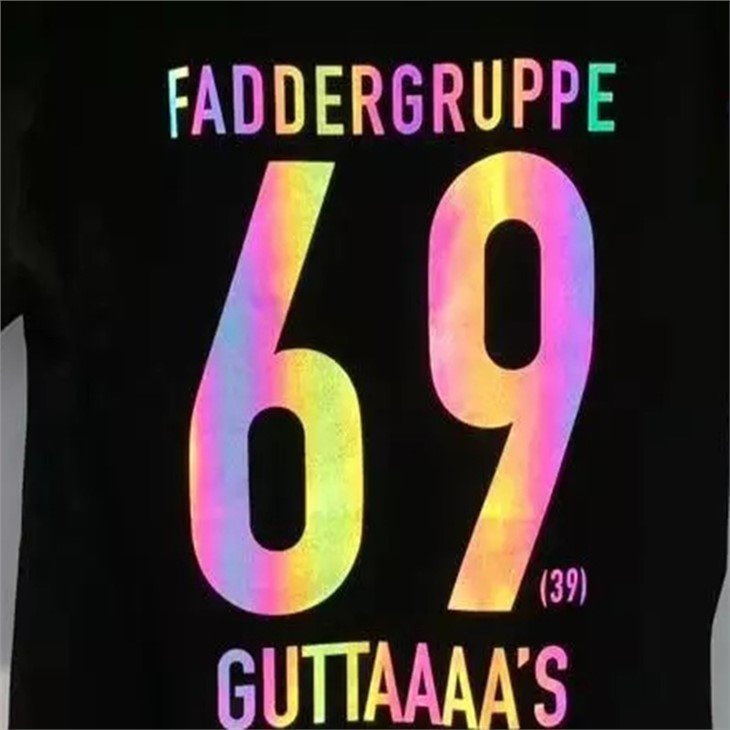
Reflective HTV is a compliant and highly visible way to brand safety apparel.
The Final Verdict: Making the Right Call
There’s no single “best” method. The right choice is a strategic one. For your team’s custom hi-vis apparel, let the garment’s function guide your decision.
- For Hi-Vis T-Shirts & Vests: Start with Screen Printing for its cost-effectiveness and detail.
- For Hi-Vis Hoodies & Polos: Choose Embroidery for unmatched durability and a premium look.
- For Waterproof Rainwear & Reflective Logos: Use Heat Transfer Vinyl (HTV) to preserve integrity and enhance visibility.
Need help deciding? Our experts can analyze your logo, your chosen garments, and your team’s work environment to recommend the perfect, compliant solution.
Get a Customization Quote