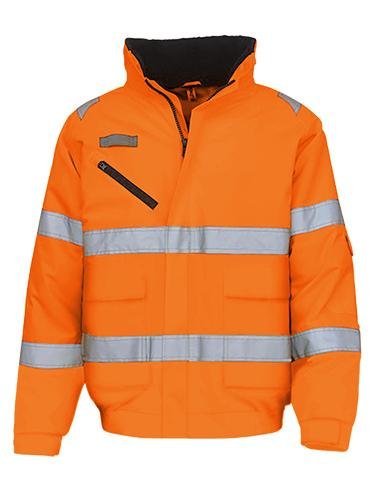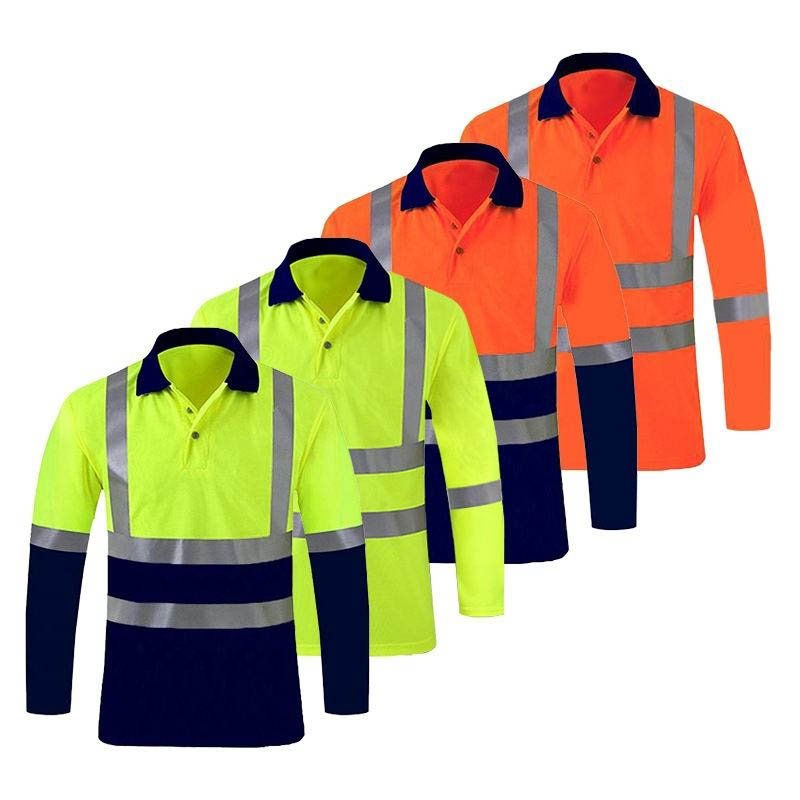
Sourcing from a Hi-Vis Jacket Factory in China: A B2B Buyer’s Checklist for Quality and Compliance
Published: January 15, 2025 | Reading Time: 8 minutes
When sourcing hi-vis jackets from Chinese factories, B2B buyers must shift their focus from “price per unit” to “total cost of compliance and risk.” The critical checklist includes: verifying the factory’s in-house quality control systems (retroreflectometers, spectrometers, and dye lot management), demanding batch-specific test reports for reflective materials and fluorescent fabrics, requiring third-party inspection rights, and establishing clear specifications for EN ISO 20471 or ANSI/ISEA 107 compliance. A non-compliant jacket isn’t a bargain—it’s a potential multi-thousand-dollar liability. Your best partner is the factory most obsessed with verifiable, consistent compliance, not the cheapest quote.
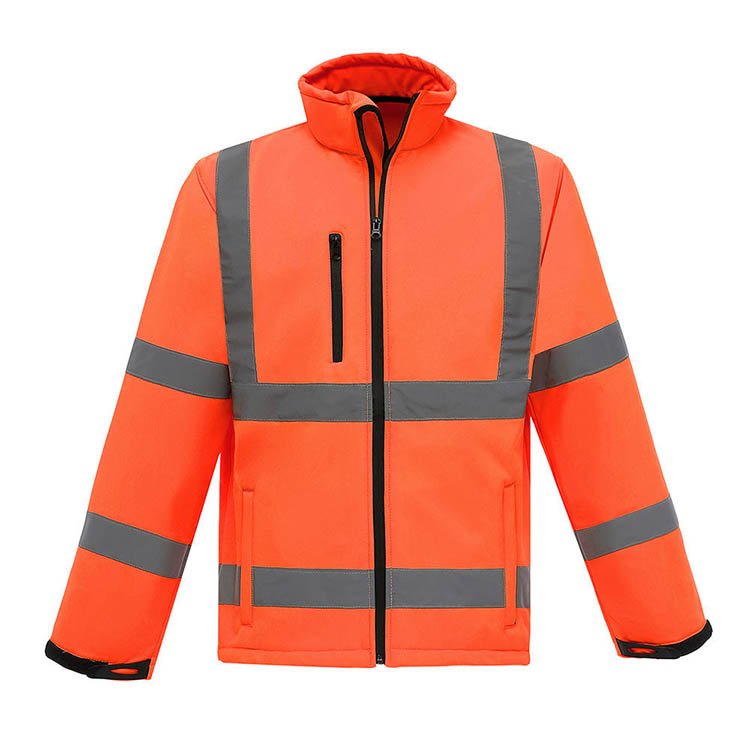
1. The Essential Mindset Shift: From Price to Compliance Value
After over 15 years working with international B2B buyers in the hi-vis apparel industry, I’ve witnessed countless procurement disasters that all began the same way: a buyer receives quotes from five Chinese factories, sees one that’s 20% cheaper than the others, and immediately assumes they’ve discovered a goldmine. Three months later, that “bargain” shipment is sitting rejected in a warehouse because the reflective tape fails basic retroreflectivity tests.
The fundamental truth about sourcing hi-vis jackets from China is this: you’re not just buying garments—you’re purchasing regulatory compliance, worker safety, and your company’s liability protection. A compliant jacket that costs $15 per unit is infinitely more valuable than a non-compliant one at $12 that exposes you to recalls, legal action, or worse, contributes to a workplace fatality.
Smart B2B buyers approach sourcing with a “compliance-first” mindset. Instead of asking “What’s your best price?”, the opening question should be “Show me your internal quality control system that ensures every single batch meets EN ISO 20471 (or ANSI/ISEA 107) requirements.” This shift in focus immediately separates serious manufacturers from those cutting corners.
“The cheapest hi-vis jacket isn’t the one with the lowest unit price—it’s the one that never causes a compliance issue, lawsuit, or recall. That jacket’s true cost is its initial price, period.”
2. Core Compliance Standards You Cannot Ignore
Before you even start evaluating factories, you must understand the regulatory landscape of your target markets. High-visibility safety standards vary significantly by region, and your factory must demonstrate comprehensive knowledge of your specific requirements.
Key Global Standards:
- Europe: EN ISO 20471 – Specifies requirements for high-visibility clothing including minimum areas of fluorescent background material and retroreflective material, performance classes, and design configurations. Learn more about European hi-vis regulations.
- North America: ANSI/ISEA 107 – Defines performance classes (Class 1, 2, 3), photometric requirements for retroreflective materials (minimum coefficient of retroreflection), and color specifications for background materials.
- Australia/New Zealand: AS/NZS 1906.4 & AS/NZS 4602.1 – Governs daywear and night-use safety garments with specific requirements for reflective tape width and placement.
- Additional Certifications: OEKO-TEX Standard 100 (textile safety), ISO 9001 (quality management), BSCI (social compliance).
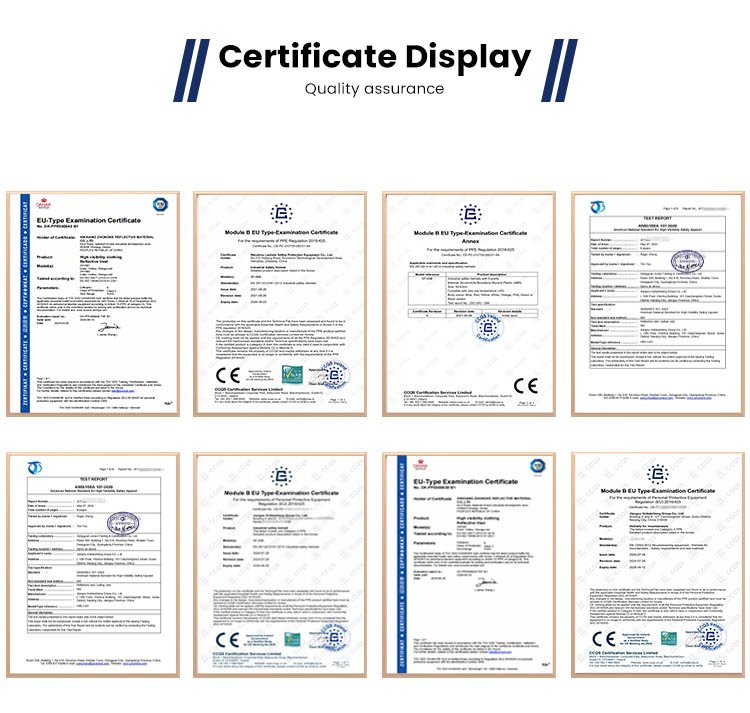
Your factory checklist must verify that they maintain current copies of these standards (not outdated versions) and that their testing equipment is calibrated to measure compliance accurately. Ask for their latest third-party certification documents from accredited bodies like SGS, TÜV, or Intertek—and verify these certificates directly with the issuing organization.
3. Auditing the Factory’s Internal Quality Control System
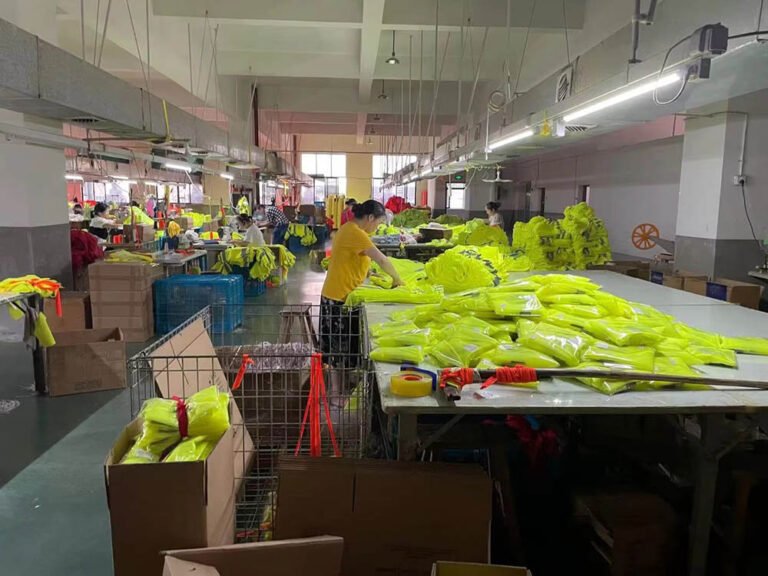
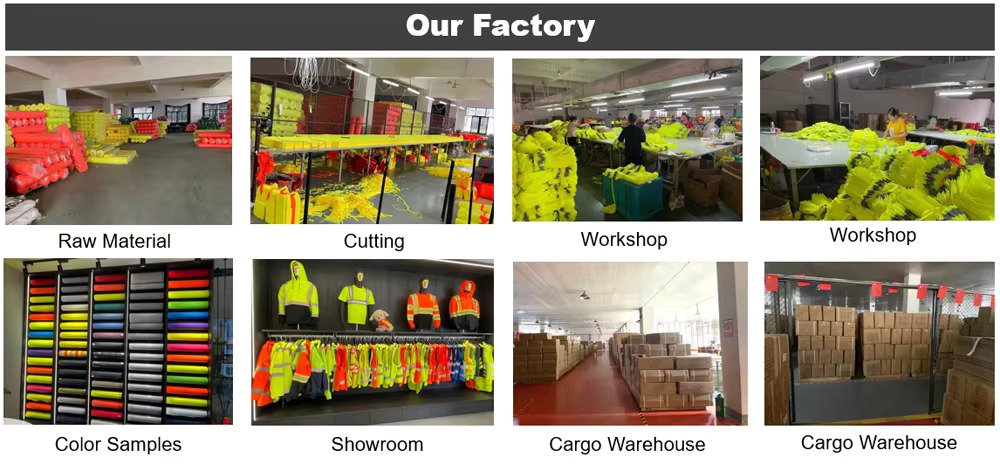
This is where the rubber meets the road. Any factory can claim compliance, but only a serious manufacturer can demonstrate it through their internal QC infrastructure. When evaluating a potential partner, demand a factory tour (virtual or in-person) that specifically showcases their quality control laboratory and testing protocols.
Critical QC Equipment to Verify:
🔬 Retroreflectometer
This device measures the coefficient of retroreflection (RA) of reflective tape in candelas per lux per square meter (cd/lx/m²). Ask to see calibration certificates and batch test records. A compliant factory tests every roll of reflective material upon receipt and periodically during production.
🎨 Spectrometer/Colorimeter
Fluorescent fabrics must maintain precise color specifications (measured in CIE LAB color space: luminance factor β and chromaticity coordinates x,y). The factory should test fabric from each dye lot to ensure consistency, especially critical for material quality control.
💧 Wash Durability Tester
Both reflective materials and fluorescent fabrics must maintain performance after specified wash cycles (typically 25, 50, or 100 cycles). Request wash test reports showing performance degradation curves over multiple cycles.
🧪 Tensile Strength Tester
Verifies seam strength and fabric tear resistance—critical for ensuring jackets withstand industrial work environments. Standards specify minimum breaking strength requirements for seams and materials.
Beyond equipment, investigate their three-tier inspection process:
- IQC (Incoming Quality Control): Testing of all raw materials (fabric, reflective tape, zippers, thread) before they enter production.
- PQC (Process Quality Control): Inspection during cutting, sewing, and assembly stages to catch defects early.
- FQC (Final Quality Control): Complete inspection of finished garments including measurement verification, function testing, and appearance checking.
Ask for actual QC reports from recent production runs. A transparent factory will readily share sanitized versions showing defect rates, corrective actions taken, and statistical process control (SPC) charts. If a factory hesitates or only points you to price lists, that’s a red flag.
4. Material Verification: Beyond the Supplier’s Word
The quality of a hi-vis jacket is fundamentally determined by its materials—fluorescent fabric and reflective components. Many factories source these from third-party suppliers, which introduces another layer of risk. Your checklist must verify not just the factory’s capabilities, but the entire material supply chain.
Fluorescent Background Material:
Request specifications for the polyester or polyester-cotton blend used. Key parameters include:
- Luminance Factor (β): Must meet standard minimums (e.g., β ≥ 0.40 for EN ISO 20471 Class 3 yellow/orange)
- Color Coordinates (x,y): Define the exact fluorescent color and must fall within specified bounds
- Minimum Area: Standards specify total square meters of background material required per garment class
- Wash Durability: Colorfast rating after industrial laundering cycles (minimum Grade 4 per ISO 105-C06)
Ask if the factory manufactures their own fluorescent fabric or sources it. If sourced, request the approved vendor list and test reports from each supplier. Insist that different dye lots are tested separately—color variation between lots is a common quality issue, especially when customizing hi-vis jackets.
Reflective Materials:
This is the heart of a hi-vis jacket’s safety function. Reflective tape or fabric must maintain minimum retroreflectivity levels (measured in cd/lx/m²) at specific angles and after laundering. For factories that also manufacture their own reflective materials, this can be a significant quality advantage—verify their production capabilities with the same rigor.
Demand test reports showing:
- Initial retroreflectivity values (new material)
- Values after 5, 25, 50 wash cycles (as required by your target standard)
- Performance at different observation angles (typically 0.2° and 0.33°)
- Minimum width and placement configuration per standard requirements
Pro Tip: Request that the factory maintain “golden samples” from your first approved production batch. All subsequent batches should be visually and instrumentally compared against these samples to ensure consistency. This is particularly crucial for multi-batch orders spanning several months.
5. Production Oversight and Inspection Protocols
Even with the best factory systems, production can drift without proper oversight. Your sourcing checklist must include mechanisms for real-time production monitoring and third-party verification.
Third-Party Inspections:
Build the cost of third-party inspections into your budget from day one. Companies like SGS, Bureau Veritas, TÜV, and Intertek offer pre-shipment inspection services specifically designed for safety apparel. A typical inspection includes:
- Random sampling from the production batch (typically AQL 2.5 for critical defects)
- Measurement verification (reflective tape width, placement accuracy, garment dimensions)
- Functional testing (zippers, seams, Velcro closures)
- On-site retroreflectivity and color testing with calibrated equipment
- Packaging and labeling verification
Negotiate with your factory that you reserve the right to conduct unannounced inspections during production, not just at the final stage. Factories confident in their processes will agree to this without hesitation.
Production Samples and Approval Process:
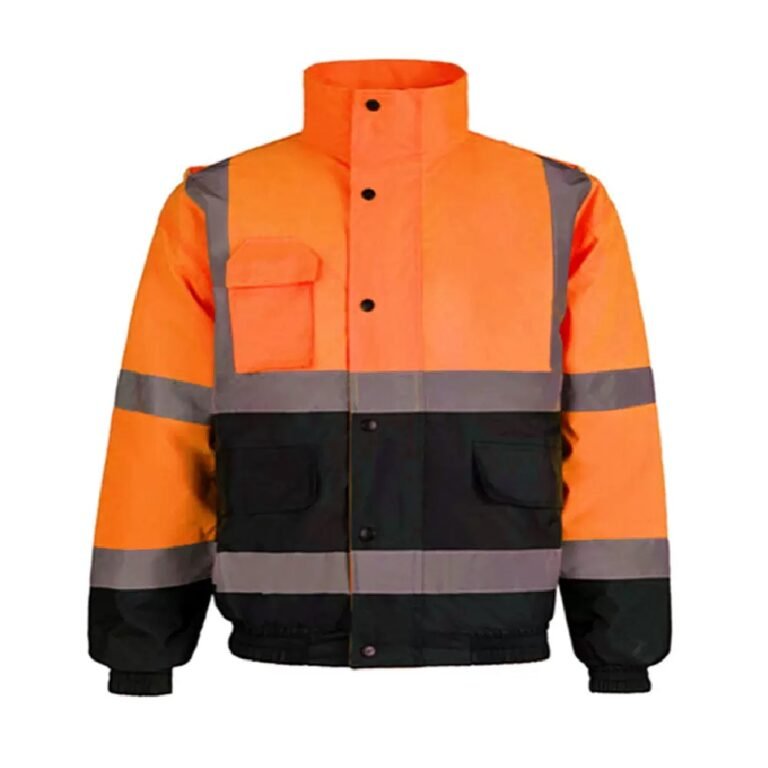
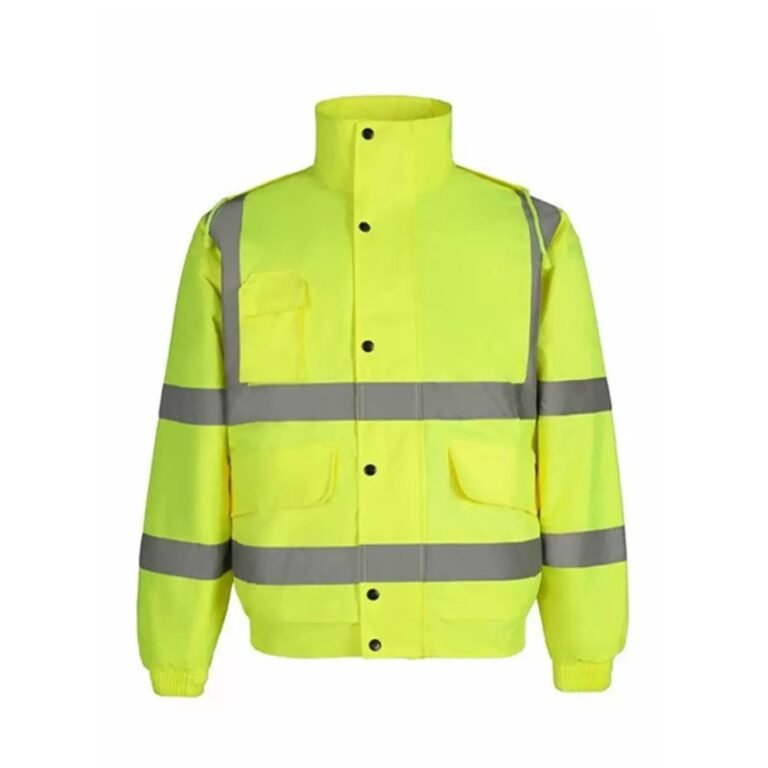
Never skip the pre-production sample approval stage. When selecting specialized hi-vis jackets like winter or waterproof models, this step becomes even more critical. Your approval process should include:
- Initial Sample: Factory creates a prototype based on your specifications
- Lab Testing: You send the sample to an accredited third-party lab for full compliance testing
- Revision Round: Address any issues discovered during testing
- Golden Sample Approval: Once perfect, this becomes the reference standard for mass production
- Production Pilot Run: Factory produces 50-100 units from actual production materials and processes
- Final Approval: Only after the pilot run passes inspection do you approve full-scale production

6. Essential Documentation for Every Shipment
Your protection against liability hinges on proper documentation. Every shipment of hi-vis jackets should arrive with a complete documentation package that provides full traceability from raw materials to finished goods.
Mandatory Documentation Checklist:
- ✓ Batch-Specific Test Reports: Retroreflectivity and color measurements for the actual materials used in this shipment
- ✓ Wash Durability Results: Performance data after required wash cycles
- ✓ Third-Party Inspection Certificate: SGS/TÜV/Intertek report confirming pre-shipment inspection
- ✓ Declaration of Conformity (DoC): Factory’s formal declaration that products meet specified standards (EN ISO 20471, ANSI/ISEA 107, etc.)
- ✓ Material Safety Data Sheets (MSDS): For all chemical components (dyes, fabric treatments)
- ✓ Traceability Documents: Batch numbers linking finished jackets to specific fabric rolls and reflective material lots
- ✓ Calibration Certificates: Proof that testing equipment used was calibrated within the past 12 months
- ✓ Care/Washing Instructions: Properly labeled per market requirements
Store this documentation systematically for each batch received. In the event of a regulatory audit, recall, or legal inquiry, your ability to produce comprehensive documentation demonstrating due diligence is invaluable. Digital document management systems can help organize this by batch number, production date, and destination market.
7. Building a Long-Term Partnership for Consistency
The ultimate goal isn’t just completing one successful order—it’s establishing a relationship with a factory that delivers consistent quality over years of collaboration. Consistency in hi-vis apparel manufacturing requires systematic approaches that many factories struggle to maintain without committed partnerships.
Keys to Long-Term Success:
Formalize Specifications: Create a comprehensive “Product Specification Sheet” that details every requirement—materials, measurements, tolerances, acceptable quality limits (AQL), packaging, labeling, and compliance standards. Update this document whenever you make approved changes and maintain version control.
Implement Statistical Process Control (SPC): Work with your factory to establish control charts for critical parameters like reflective tape retroreflectivity and fluorescent fabric color values. When measurements drift toward specification limits, corrective action can be taken before defects occur.
Quarterly Business Reviews: Schedule regular virtual or in-person meetings to review quality metrics, discuss market changes, address any production challenges, and plan for capacity needs. This proactive communication prevents surprises and builds mutual investment in success.
Approved Material Vendor Lists: Collaborate with your factory to establish and maintain approved vendors for critical materials (fluorescent fabric, reflective tape, zippers). When market disruptions occur, having pre-qualified alternatives prevents rushed decisions that compromise quality.
Continuous Improvement Culture: The best factories don’t just meet standards—they continuously improve. Look for partners who invest in new testing equipment, pursue additional certifications, and proactively suggest process improvements. This mindset ensures your hi-vis jackets remain competitive as industry standards evolve.
Case Study Insight: One of our long-term B2B partners, a major European distributor, initially focused on price negotiations. After a near-miss with a non-compliant batch from another supplier, they completely restructured their approach.
They now conduct annual audits of our QC laboratory, participate in quarterly performance reviews, and jointly developed a custom reflective tape specification that exceeds EN ISO 20471 minimums. Their investment in this partnership approach has resulted in zero compliance issues across 500,000+ garments over three years—and their market reputation as a premium safety brand has grown significantly.
Your Next Step: Partner with a Compliance-Obsessed Manufacturer
Sourcing hi-vis jackets from China isn’t about finding the lowest price—it’s about identifying a manufacturer who treats compliance as non-negotiable and quality control as a competitive advantage. The factory that proudly shows you their retroreflectometer, openly shares batch test data, and welcomes third-party inspections is the one that will protect your business from costly mistakes.
At VizGlo Safety, we’ve built our entire business model around being the partner that passes this checklist with flying colors. Our in-house reflective material production, ISO 9001-certified quality management system, and obsessive batch testing aren’t marketing talking points—they’re the foundation of how we manufacture every single hi-vis jacket that leaves our facility.
Schedule a virtual factory tour and receive our complete QC documentation package
Frequently Asked Questions
What’s the biggest mistake B2B buyers make when sourcing hi-vis jackets from China?
The most critical error is focusing solely on the unit price rather than the total cost of compliance and risk. A non-compliant jacket isn’t a bargain—it’s a potential liability that can lead to warehouse rejection, recalls, or legal issues if accidents occur. Smart buyers evaluate a factory’s internal quality control systems and their commitment to consistent compliance, not just the initial quote. The cheapest jacket is the one that never causes problems, period.
How do I verify a Chinese factory’s compliance with EN ISO 20471 or ANSI/ISEA 107?
Don’t just ask for certification documents—request details about their internal quality control processes. Ask to see their retroreflectometer for testing reflective tape brightness, their spectrometer for measuring fluorescent fabric colorfastness, and their dye lot management system. Request batch testing reports and inquire about their in-house lab capabilities. A truly compliant factory will proudly demonstrate these systems rather than deflecting to price discussions. Verify certificates directly with the issuing third-party lab (SGS, TÜV, Intertek).
What quality control checkpoints should I require from a hi-vis jacket factory?
Insist on a three-tier inspection process: Incoming Quality Control (IQC) for raw materials, Process Quality Control (PQC) during production, and Final Quality Control (FQC) before shipment. Each checkpoint should include documented testing of retroreflective performance, fluorescent color specifications, seam strength, and waterproofing (if applicable). Request access to real-time quality reports and reserve the right to conduct unannounced third-party inspections during production, not just at the final stage.
How can I ensure consistent quality across multiple production batches?
Establish clear specifications for fluorescent fabric color tolerances (using CIE LAB color space values), reflective tape minimum retroreflectivity levels (cd/lx/m²), and approved material suppliers. Request that the factory maintain “golden samples” from your first approved batch and implement Statistical Process Control (SPC) for critical parameters. Schedule periodic third-party audits and maintain approved vendor lists for all key materials. Document everything—every batch should be traceable to specific material lots.
What documentation should I receive with each shipment of hi-vis jackets?
Every shipment should include: batch-specific test reports for reflective tape and fluorescent fabric, wash durability test results, third-party inspection certificates (SGS, TÜV, Intertek), material safety data sheets (MSDS), Declaration of Conformity to relevant standards (EN ISO 20471, ANSI/ISEA 107, etc.), and batch traceability documents linking finished goods to raw material lots. This documentation trail is essential for compliance audits and liability protection. Store these systematically by batch number and production date.
Should I choose a factory that manufactures their own reflective materials?
There are significant advantages to working with a vertically integrated manufacturer that produces both garments and reflective materials in-house. This eliminates the risk of third-party supplier inconsistencies, enables tighter quality control over the most critical safety component, and often results in better material-to-garment integration. However, the key question isn’t just “Do you make your own materials?” but “Can you demonstrate consistent quality control over those materials?” Request the same rigorous testing documentation regardless of whether materials are made in-house or sourced externally.
What are the typical MOQ (Minimum Order Quantities) and lead times for hi-vis jackets from Chinese factories?
MOQs vary significantly based on customization level. Standard designs typically have MOQs of 500-1,000 units per style/color, while custom designs may require 1,000-3,000 units to justify tooling and setup costs. Lead times generally range from 45-60 days for production plus 25-35 days for ocean freight to Europe/North America (or 5-7 days for air freight at premium cost). However, these should be secondary considerations to quality—rushing production or accepting lower MOQs from factories that can’t maintain proper QC systems is a false economy. Some manufacturers like VizGlo offer more flexible MOQs for established partners with proven designs.