How to Ensure Your Team’s Workwear is Compliant in USA, Canada, and Australia?
A comprehensive guide to navigating ANSI/ISEA 107, CSA Z96, and AS/NZS standards for complete workwear compliance across North America and Australia.
Quick Answer: The Compliance Essentials
To ensure your team’s workwear is compliant across the USA, Canada, and Australia, you must understand that each country has distinct standards with non-interchangeable requirements. In the United States, compliance means meeting ANSI/ISEA 107 standards with proper classification (Class 1, 2, or 3) based on work environment risk levels. For Canada, CSA Z96 certification is mandatory, and crucially, it requires a retroreflective “X” pattern on the back—a life-saving design element that’s not required by ANSI and often causes US companies’ garments to be rejected at Canadian sites. In Australia, AS/NZS 1906.4 and AS/NZS 4602.1 govern day and night visibility requirements with their own unique tape configurations. The single most critical step is to always verify that your garments carry the specific certification label for the country where they’ll be worn, never assume cross-border equivalency, and when sourcing, work with manufacturers like VizGlo Safety who understand these regional nuances and can provide properly certified garments for each market.
Why Workwear Compliance is Non-Negotiable
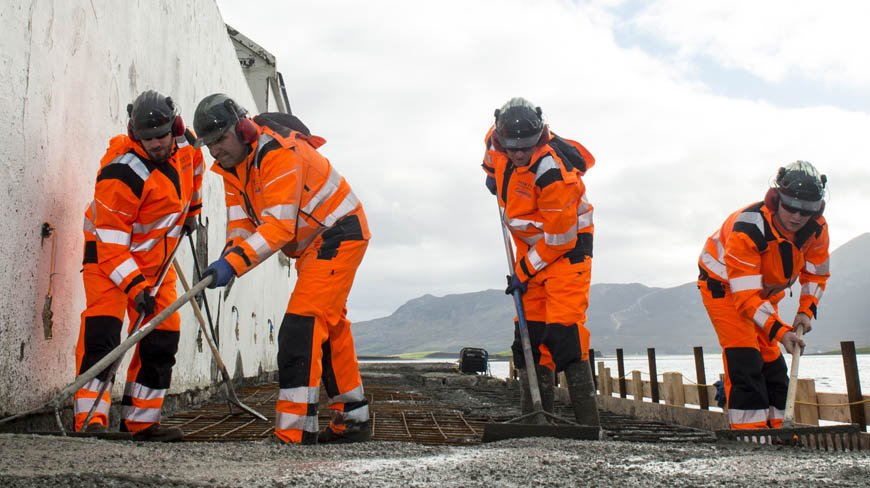
When your team works in environments with moving vehicles, heavy machinery, or low-light conditions, high-visibility workwear isn’t just a uniform—it’s a life-saving necessity. However, wearing “any” hi-vis clothing is not enough. Compliance with regional safety standards is a legal requirement that directly impacts three critical areas:
- Worker Safety: Properly certified garments ensure visibility distances meet scientifically-tested thresholds, giving vehicle operators adequate reaction time.
- Legal Protection: In the event of an incident, non-compliant workwear can result in severe penalties, failed safety audits, and loss of insurance coverage.
- Contract Eligibility: Many government and corporate projects explicitly require certified workwear as a prerequisite for bidding and ongoing operations.
The challenge for companies operating across North America and Australia is that compliance standards are not universal. What passes inspection in Los Angeles may be rejected on a construction site in Toronto or Sydney. Understanding these differences is the first step toward protecting your team and your business.
United States: Understanding ANSI/ISEA 107 Requirements
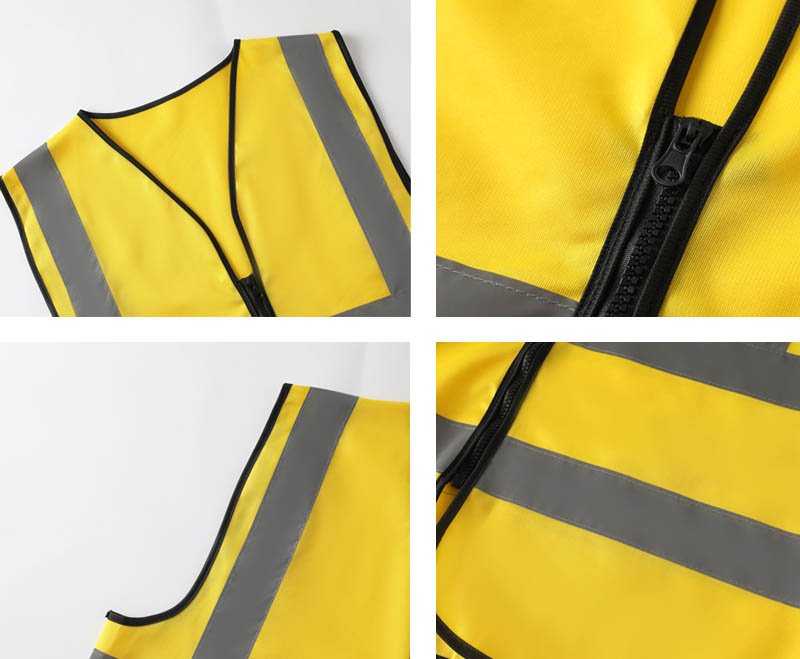
In the United States, the ANSI/ISEA 107 standard is the definitive guideline for high-visibility safety apparel. Established by the American National Standards Institute (ANSI) and the International Safety Equipment Association (ISEA), this standard categorizes garments into three performance classes based on the wearer’s work environment:
ANSI/ISEA 107 Classification:
- Class 1: For workers in areas with traffic speeds up to 25 mph and adequate separation from vehicles (e.g., parking lot attendants, warehouse workers away from traffic).
- Class 2: For workers exposed to traffic speeds exceeding 25 mph or in poor weather/lighting conditions (e.g., roadway construction, railway workers, airport ground crew). Requires more background and reflective material than Class 1.
- Class 3: The highest level, required for workers in serious hazards with high-speed traffic (50+ mph) or complex backgrounds (e.g., highway construction workers, emergency responders). Must provide 360-degree visibility with coverage on sleeves and legs. Learn more about Class differences here.
Key compliance requirements include specific minimum amounts of:
- Background Material: Fluorescent yellow-green, orange-red, or red colors in defined minimum areas
- Retroreflective Material: Silver or white reflective tape arranged in horizontal or vertical configurations for 360-degree visibility
- Combined-Performance Material: Optional material that provides both fluorescent and retroreflective properties
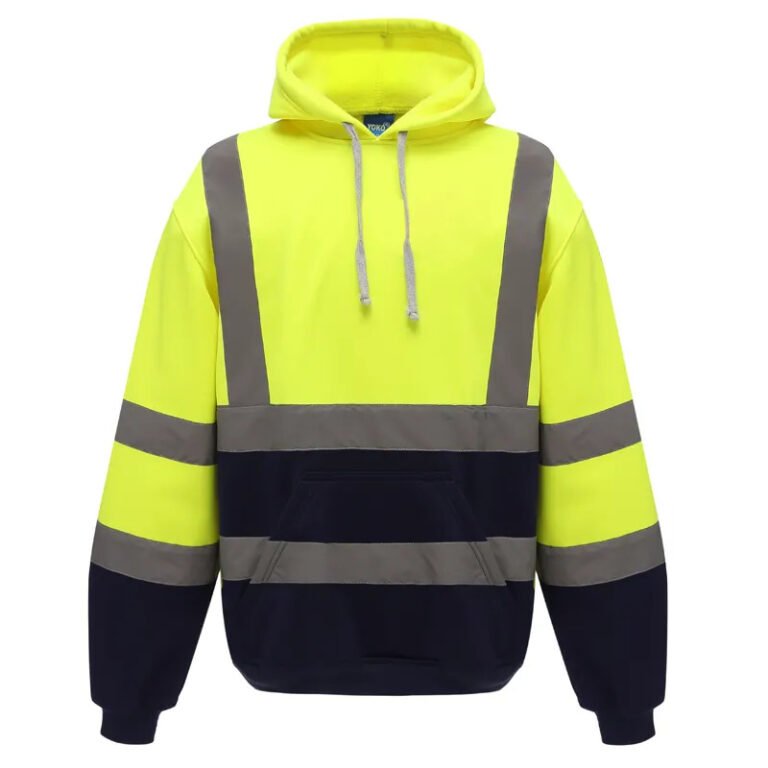
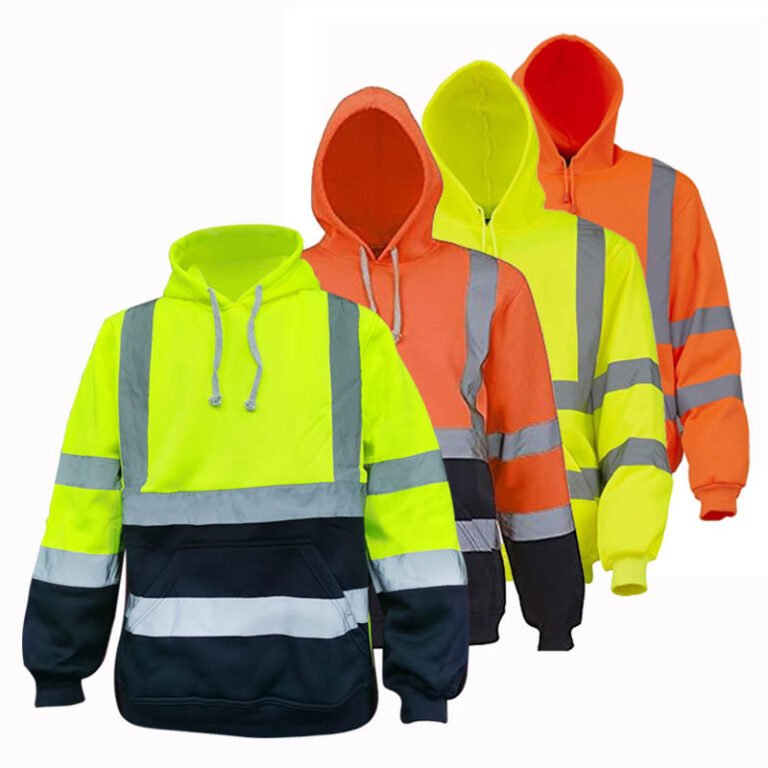
Every compliant garment must have a permanent label stating “ANSI/ISEA 107” along with the performance class and the manufacturer’s identification. For companies looking to provide comfortable, durable options for their teams, consider exploring ANSI-certified hi-vis hoodies and sweatshirts that meet these requirements while offering superior comfort.
Canada: CSA Z96 and the Critical Retroreflective “X” Factor
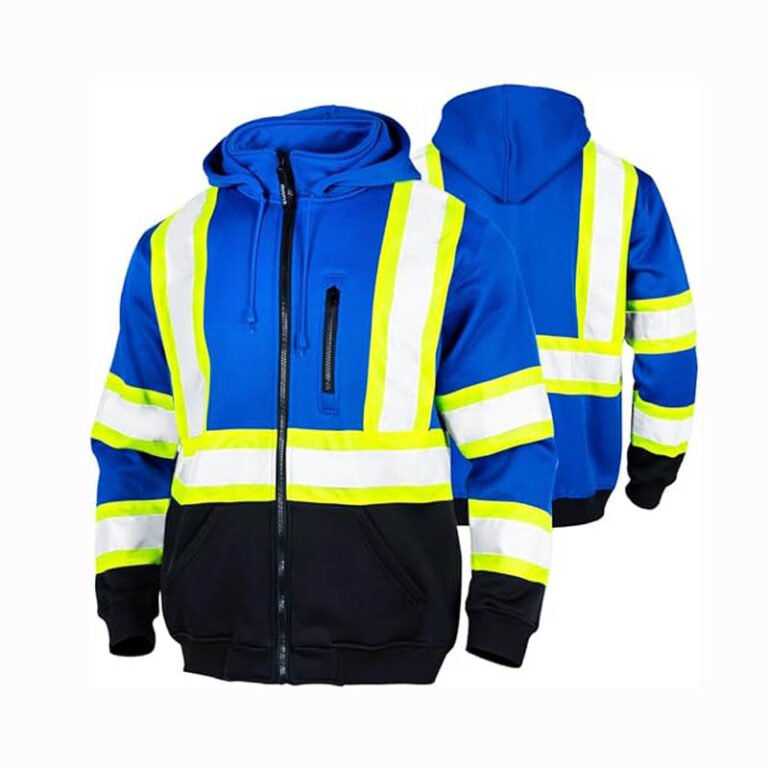
While Canada’s CSA Z96 standard shares similarities with ANSI/ISEA 107, there are critical differences that often trip up US-based companies expanding north of the border. The most significant distinction is CSA Z96’s requirement for a retroreflective “X” or “H” pattern on the back of high-visibility garments.
Expert Insight from VizGlo’s Sales Team:
“When dealing with Canadian clients, especially those with operations in the US, the primary point of confusion is thinking ANSI and CSA standards are interchangeable. They are not. The most critical element I always highlight is the CSA Z96 standard’s requirement for a retroreflective ‘X’ on the back. This isn’t just a design choice; it’s a life-saving feature that instantly tells vehicle operators if a worker is facing towards or away from them. I’ve seen US-based companies send ANSI-compliant vests to their Canadian sites, only to have them rejected by safety officers, causing costly delays. My core insight for the Canadian market is simple: always look for the CSA Z96 label and the retroreflective ‘X’ pattern. It’s the non-negotiable signature of compliance and safety from St. John’s to Victoria.”
Why the “X” Pattern Matters
The “X” or “H” configuration on the back is designed to provide instant directional information to drivers. When a vehicle’s headlights illuminate a worker, the X-pattern immediately reveals whether the person is facing toward or away from the vehicle, allowing the driver to anticipate movement and react accordingly. This design has been proven to reduce reaction times in critical situations.
CSA Z96 Performance Classes
Similar to ANSI, CSA Z96 has three performance classes, but with slightly different definitions and requirements:
- Class 1: Off-road work and controlled traffic areas with speeds below 50 km/h
- Class 2: Roadway work with traffic speeds of 50-90 km/h, or poor visibility conditions
- Class 3: High-speed roadways (over 90 km/h) or complex work environments requiring maximum visibility
If your team works on projects spanning both US and Canadian sites, the safest approach is to specify CSA Z96-certified garments for all workers, as these will meet or exceed ANSI requirements while ensuring full Canadian compliance. For cold-weather operations, check out our guide on heavy-duty winter work hoodies that maintain compliance in harsh conditions.
Australia: AS/NZS Standards for Day and Night Visibility
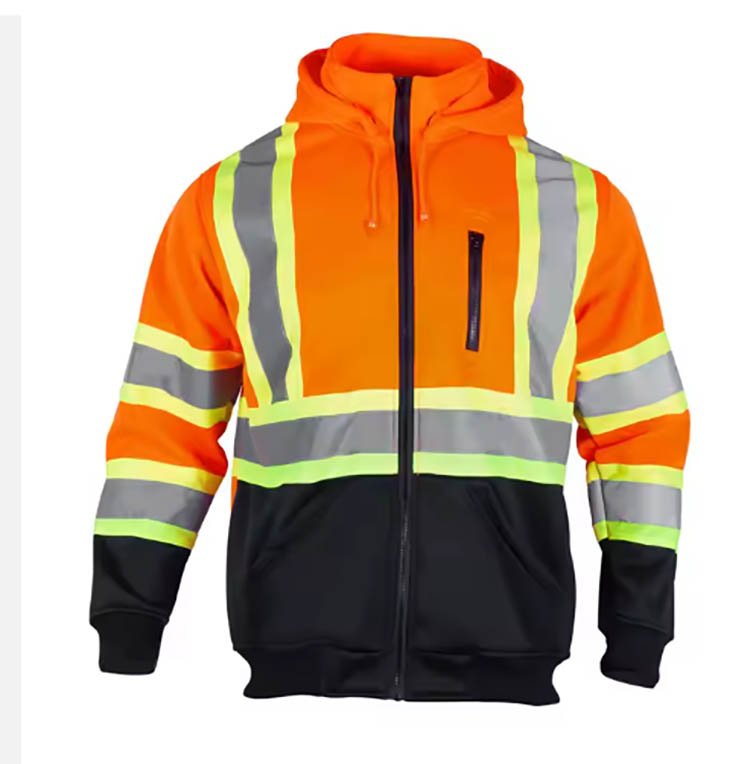
In Australia and New Zealand, high-visibility workwear is governed by two interconnected standards: AS/NZS 1906.4 (for retroreflective materials) and AS/NZS 4602.1 (for daytime visibility). These standards take a slightly different approach from North American regulations by separating day and night requirements.
AS/NZS 4602.1: Daytime Visibility
This standard specifies requirements for high-visibility garments to be worn during daylight hours. Garments are classified as Day-only (D) or Day/Night (D/N), with the latter providing both fluorescent background material and retroreflective tape.
AS/NZS 1906.4: Nighttime Retroreflectivity
This standard focuses on retroreflective materials and their placement to ensure visibility in low-light or nighttime conditions. The key requirements include:
- Specific minimum areas of retroreflective material based on garment type
- Tape must be positioned to create a recognizable human silhouette
- Minimum separation distances between reflective bands to enhance recognition
Australian Garment Marking:
Compliant garments in Australia must display a permanent label showing:
- Standard number (AS/NZS 4602.1 and/or AS/NZS 1906.4)
- Day or Day/Night classification
- Care instructions that won’t compromise retroreflectivity
For companies operating in Australia, it’s crucial to understand that many workplace health and safety regulations mandate D/N (Day/Night) garments for roadwork and construction, not just Day-only options. Understanding the science behind hi-vis materials can help you make informed choices for your Australian operations.
How to Verify Your Workwear is Compliant: A Practical Checklist
Ensuring compliance isn’t a one-time purchase decision—it’s an ongoing verification process. Here’s a step-by-step checklist to guarantee your team’s workwear meets the required standards:
Pre-Purchase Verification
- Identify Your Work Environment: Determine the risk level based on traffic speeds, proximity to vehicles, and lighting conditions. This dictates the class/type needed.
- Confirm the Applicable Standard: USA = ANSI/ISEA 107 | Canada = CSA Z96 | Australia = AS/NZS 4602.1 & 1906.4
- Request Certification Documentation: Reputable suppliers like VizGlo provide official test reports and certification letters. Never accept verbal assurances alone.
- Inspect Sample Garments: Before bulk ordering, physically verify:
- Permanent labels showing standard compliance
- Correct reflective tape placement (especially the “X” for CSA Z96)
- Sufficient background and reflective material quantities
- Quality of construction that will withstand workplace conditions
Post-Purchase and Ongoing Verification
- Establish a Garment Inspection Protocol: Train supervisors to regularly check for:
- Fading of fluorescent background material (replace when color degrades)
- Damage or wear to reflective tape that compromises visibility
- Intact and legible certification labels
- Implement a Replacement Schedule: Hi-vis garments don’t last forever. Establish replacement timelines based on usage intensity. Learn about maintaining reflectivity over time.
- Document Compliance: Keep records of:
- Purchase orders with standard specifications
- Supplier certification documents
- Inspection logs and garment replacement records
- Train Your Team: Workers should understand why their workwear matters and how to maintain it properly.
When dealing with multi-national operations, consider working with a manufacturer that specializes in multi-standard compliance. VizGlo Safety provides garments certified for all three major markets, eliminating the guesswork and potential for costly errors.
Common Compliance Mistakes and How to Avoid Them
Even experienced safety managers can fall into compliance traps. Here are the most frequent mistakes we’ve observed and how to prevent them:
❌ Mistake #1: Assuming Cross-Border Equivalency
The Problem: Ordering ANSI-certified garments for Canadian sites or vice versa.
The Solution: Always purchase garments with the specific certification for the country of use. If operations span multiple countries, opt for garments that carry multiple certifications or maintain separate inventories. For teams working on cross-border projects, this is especially critical.
❌ Mistake #2: Prioritizing Cost Over Compliance
The Problem: Purchasing cheaper, non-certified “hi-vis-looking” garments to save money.
The Solution: The cost of non-compliance—fines, project shutdowns, increased insurance premiums, and potential loss of life—far exceeds any upfront savings. Invest in properly certified garments from reputable manufacturers. Consider bulk ordering to reduce per-unit costs while maintaining compliance.
❌ Mistake #3: Under-Classifying Risk Levels
The Problem: Providing Class 1 or 2 garments when Class 3 (or equivalent) is required for the work environment.
The Solution: Conduct a thorough risk assessment of your worksites. When in doubt, opt for the higher classification. Class 3 garments can be worn in Class 1 or 2 environments, but not vice versa. Read our detailed guide to class selection.
❌ Mistake #4: Ignoring Garment Maintenance and Lifespan
The Problem: Continuing to use faded, damaged, or heavily soiled hi-vis garments that no longer meet visibility standards.
The Solution: Implement regular inspection protocols and establish clear replacement criteria. A garment with a missing certification label, faded fluorescent material, or damaged reflective tape is no longer compliant, regardless of its original certification.
❌ Mistake #5: Not Understanding Customization Limits
The Problem: Adding logos, pockets, or other customizations that cover or reduce the required amounts of fluorescent or reflective material.
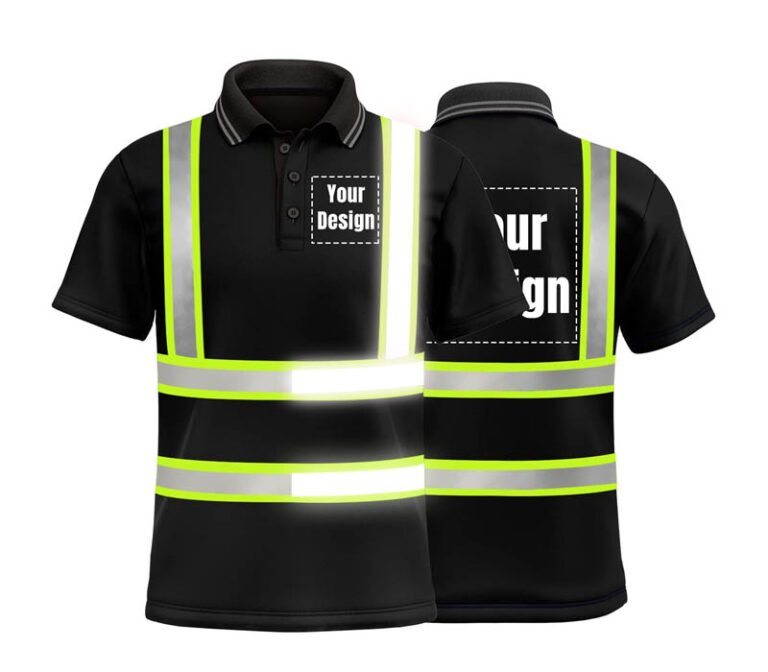
The Solution: Work with experienced manufacturers who understand compliance requirements when adding custom logos via screen printing or embroidery. VizGlo’s design team ensures all customizations maintain full certification.
How VizGlo Safety Ensures Multi-Country Compliance for Your Team
At Nanjing VizGlo Safety Technology Co., Ltd., we recognize that managing compliance across multiple countries is complex and time-consuming. That’s why we’ve built our entire manufacturing process around delivering certified, compliant solutions tailored to your specific operational needs.
Our Multi-Standard Expertise
- Certified Manufacturing: Our production facilities hold ISO 9001 quality management and BSCI social responsibility certifications, with products certified to ANSI/ISEA 107, CSA Z96, AS/NZS 1906.4, AS/NZS 4602.1, and EN ISO 20471.
- In-House Testing Laboratory: We don’t rely solely on external labs. Our facility tests reflective brightness, color fastness, and wash durability to ensure every batch meets or exceeds standard requirements.
- Design Consultation: Not sure which standard or class your team needs? Our experienced sales and technical teams provide free consultations to identify the right specifications for your work environments.
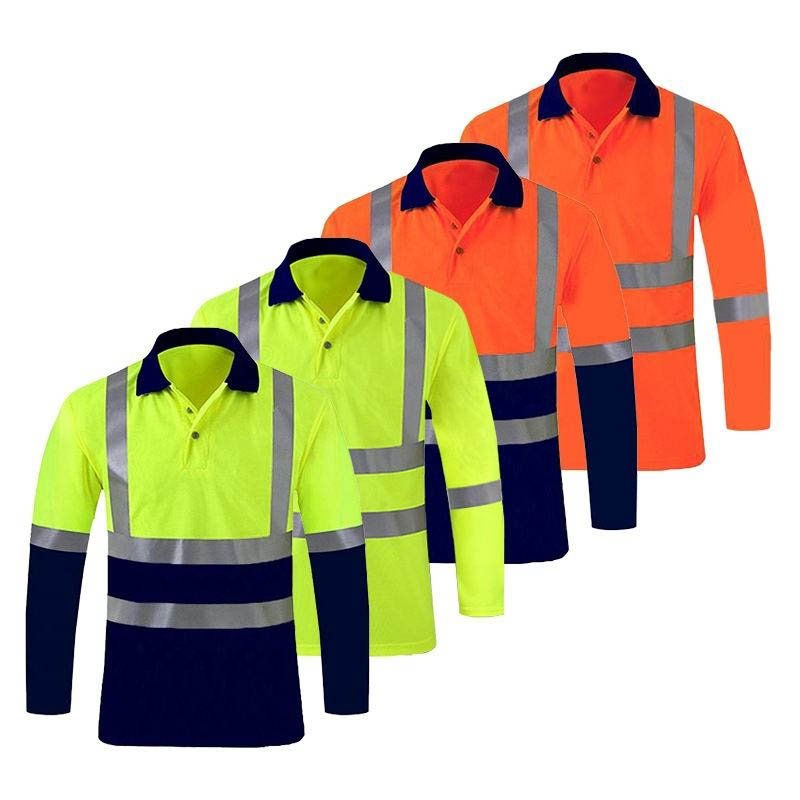
- Custom Solutions with Compliance Guaranteed: Whether you need custom hi-vis hoodies with your company logo, specific color options like black or orange hi-vis, or specialized garments for construction or warehouse & logistics, we customize while maintaining full certification.
- Flexible Order Quantities: From small pilot orders to large bulk purchases, we accommodate your needs without compromising on quality or compliance.
Our clients span construction firms, logistics companies, mining operations, and government agencies across North America and Australia. They trust VizGlo because we understand that compliance isn’t just about passing an inspection—it’s about protecting the people who depend on this equipment every day. Discover why teams are switching to custom hi-vis solutions from VizGlo.
Our team will help you select the right certified workwear for your operations.
Frequently Asked Questions About Workwear Compliance
Can I use the same hi-vis garments for my teams in the USA and Canada?
Not automatically. While there is overlap between ANSI/ISEA 107 and CSA Z96, they are not identical. The most critical difference is CSA Z96’s requirement for a retroreflective “X” or “H” pattern on the back, which is not mandatory under ANSI. If your garments are certified to CSA Z96 and have the X-pattern, they will generally also meet ANSI requirements. However, ANSI-only certified garments without the X-pattern will not be compliant in Canada. For cross-border operations, we recommend purchasing CSA Z96-certified garments, which typically satisfy both standards.
How do I know what class of hi-vis clothing my team needs?
The class (or type) required depends on your work environment’s risk level. Key factors include traffic speed, proximity to vehicles, lighting conditions, and complexity of the background. For example, warehouse workers away from vehicle traffic may only need Class 1, while highway construction crews working near 60+ mph traffic require Class 3. Consult the specific standard applicable to your country (ANSI/ISEA 107, CSA Z96, or AS/NZS 4602.1) or work with a safety consultant or manufacturer like VizGlo for a risk assessment and recommendation.
What’s the difference between “Day-only” and “Day/Night” garments in Australia?
Under Australian standards (AS/NZS 4602.1), “Day-only” (D) garments provide fluorescent background material for visibility in daylight but lack retroreflective tape, making them unsuitable for low-light or nighttime use. “Day/Night” (D/N) garments include both fluorescent material and retroreflective tape, ensuring visibility 24/7. For most roadwork, construction, and industrial applications, D/N garments are required by occupational health and safety regulations to cover all potential working conditions.
How often should we replace our team’s hi-vis workwear?
There’s no universal timeline because replacement depends on usage intensity, washing frequency, and work environment harshness. However, garments should be replaced immediately if: (1) fluorescent background material has noticeably faded, (2) reflective tape is cracked, peeling, or has lost its retroreflective properties, (3) the certification label is missing or illegible, or (4) the garment is torn or damaged in ways that compromise its design integrity. Implement regular visual inspections (weekly or monthly depending on usage) and establish a proactive replacement schedule rather than waiting for obvious failures.
Can we add our company logo to certified hi-vis clothing without losing compliance?
Yes, but with important caveats. Logos and customizations must not cover or reduce the required minimum amounts of fluorescent background material or retroreflective tape specified by the standard. Additionally, logos should not be placed in areas that interfere with the garment’s recognizable silhouette or reflective band patterns. Working with an experienced manufacturer like VizGlo ensures that your logo placement is designed to maintain full certification. We use compliant methods such as screen printing on non-critical areas or reflective logos that add to, rather than detract from, visibility.
What happens if my team is caught wearing non-compliant workwear on a job site?
The consequences vary by jurisdiction and the nature of the violation, but can include: immediate removal of workers from the site until compliant clothing is provided, fines from occupational safety authorities (which can range from hundreds to tens of thousands of dollars per violation), project stop-work orders, loss of contract eligibility, increased insurance premiums or loss of coverage, and in the event of an incident, severe legal liability and potential criminal charges for gross negligence. Beyond legal and financial penalties, non-compliant workwear puts your workers at direct risk of injury or death. Compliance is not optional.
Protect Your Team with Confidence: Partner with VizGlo Safety
Ensuring your team’s workwear is compliant across the USA, Canada, and Australia doesn’t have to be complicated. With the right knowledge and a trusted manufacturing partner, you can provide your workers with garments that not only meet legal requirements but exceed safety expectations.
At VizGlo Safety, we’ve spent over 15 years perfecting the art and science of high-visibility workwear. Our expertise in multi-country standards, combined with our vertically integrated manufacturing (we produce both the garments and the reflective materials that go into them), means you get consistent quality, reliable compliance, and competitive pricing.
Whether you’re outfitting a crew of 10 or 10,000, whether you need basic vests or fully customized winter-rated crewneck hi-vis sweatshirts, we’re here to make compliance seamless. Learn more about sourcing hi-vis directly from a China manufacturer and the advantages it brings.
Let our experts help you select the perfect certified workwear for your team’s unique needs.
Explore Our Complete Hi-Vis Sweatshirts & Hoodies Collection
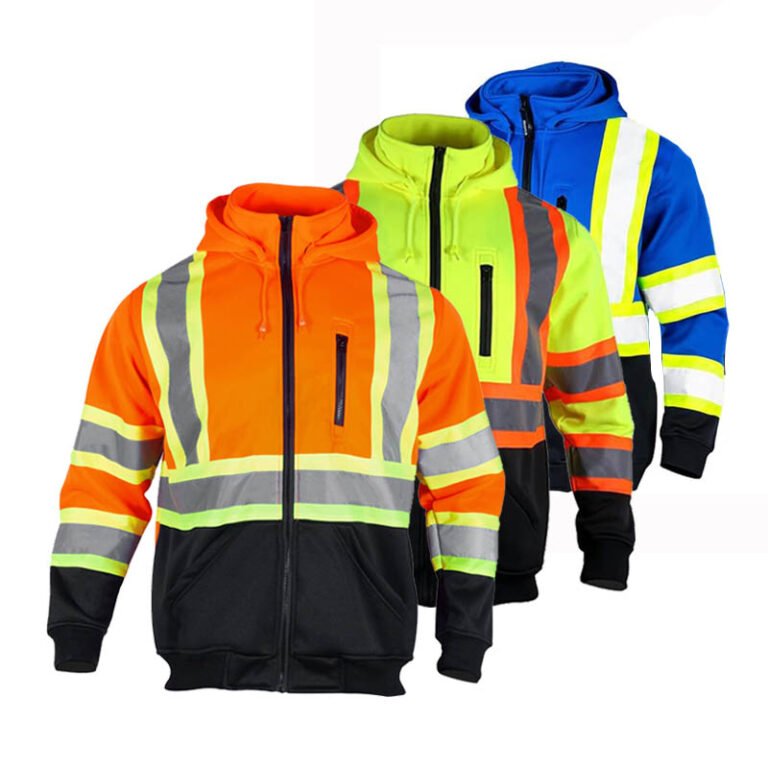
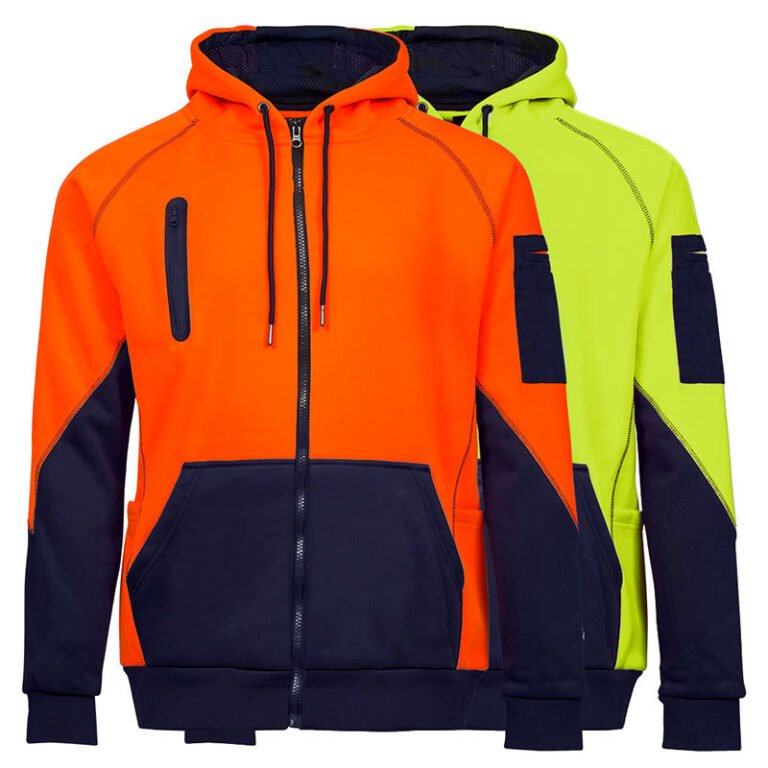
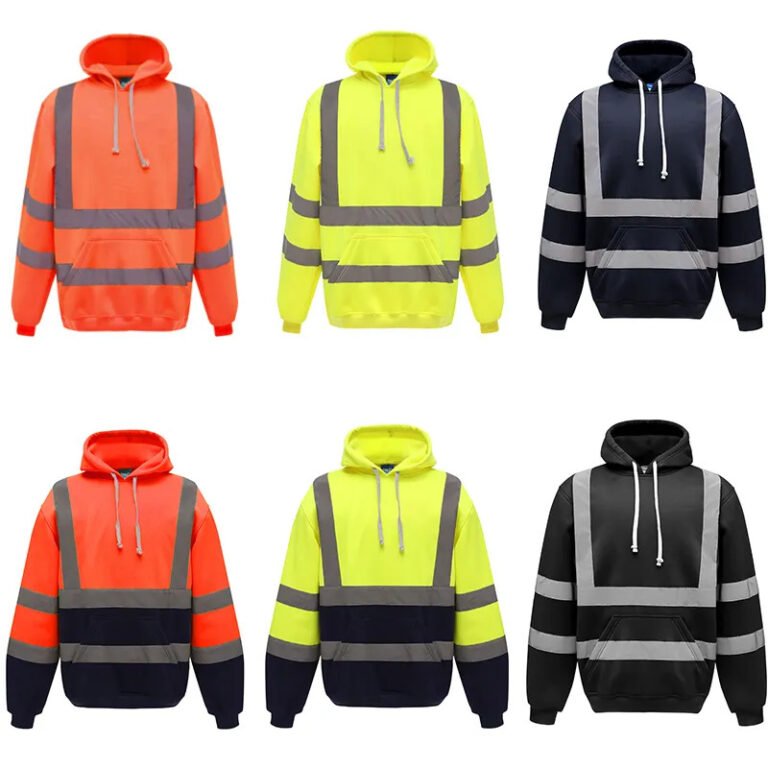
Looking for compliant, comfortable, and customizable hi-vis workwear for your team? Discover our full range of ANSI/ISEA 107, CSA Z96, and AS/NZS certified sweatshirts and hoodies, designed for durability and all-day comfort in demanding work environments.
Browse Hi-Vis Sweatshirts & Hoodies →