From Commuter to Pro: How to Choose the Right Hi-Vis Cycling Jacket for Safety
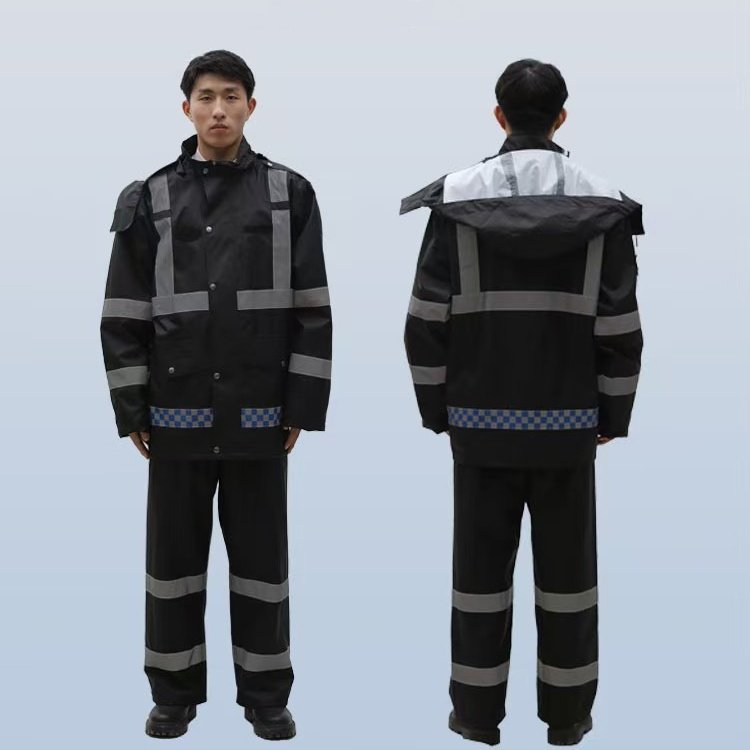
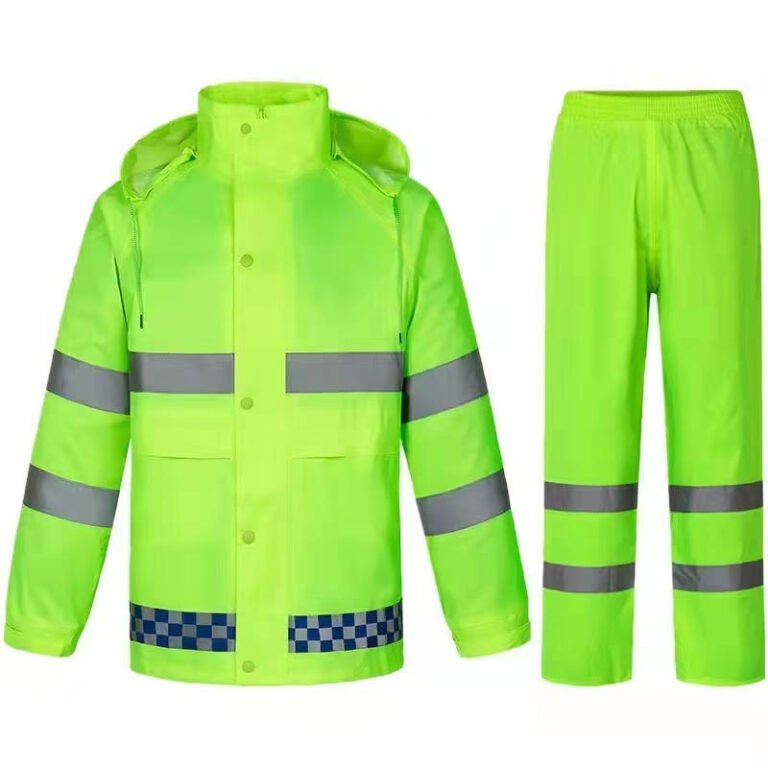
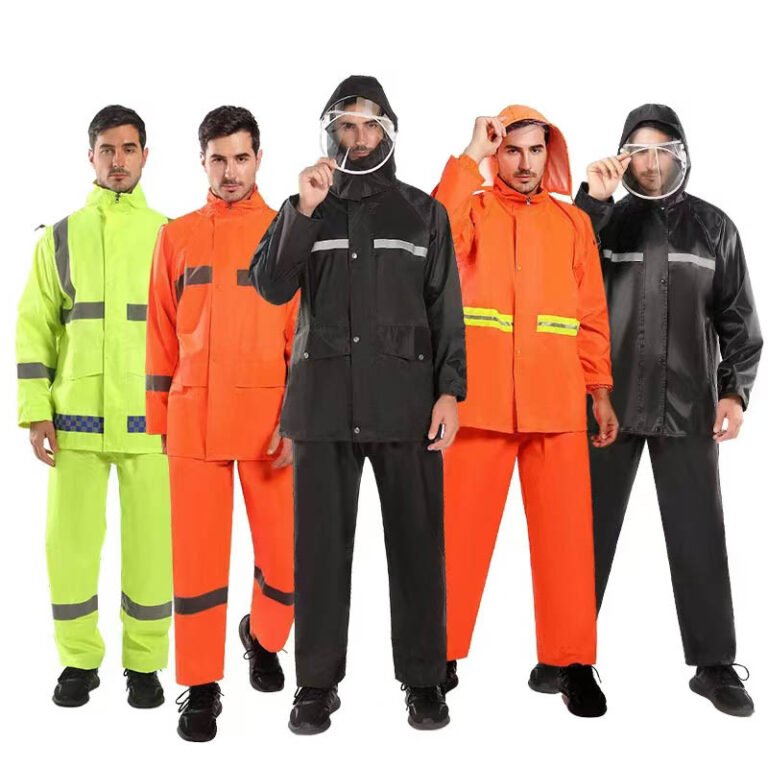
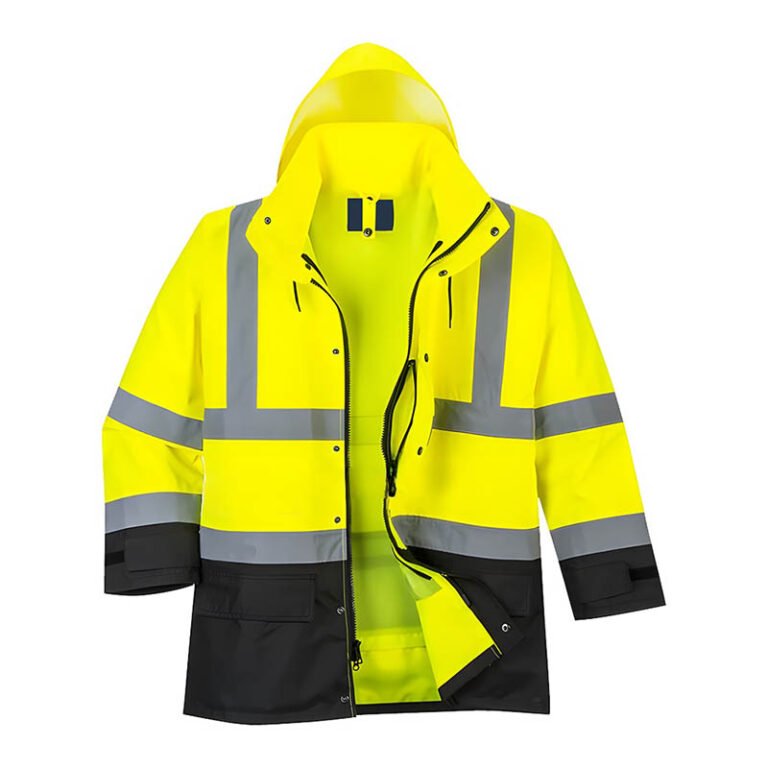
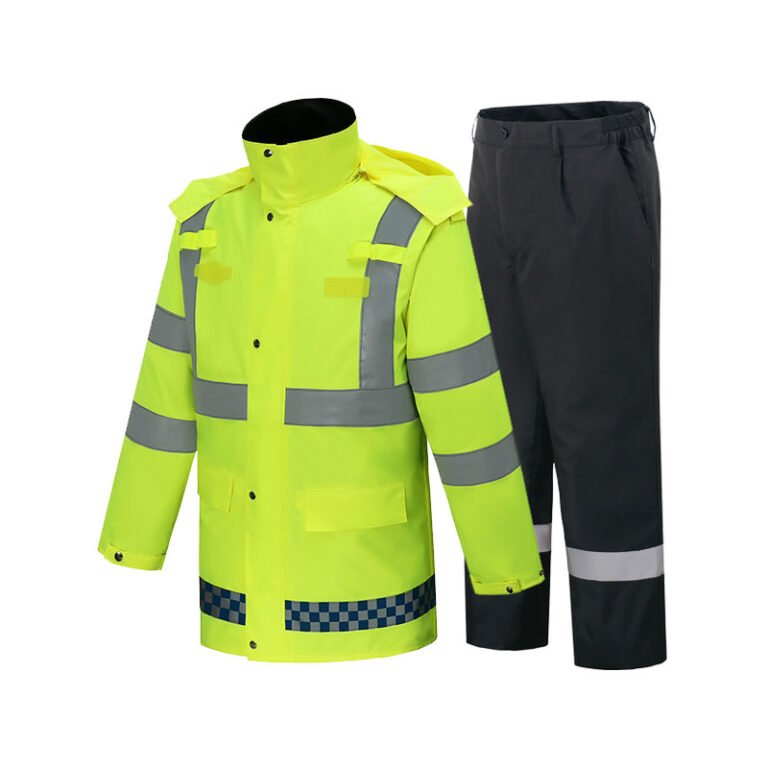
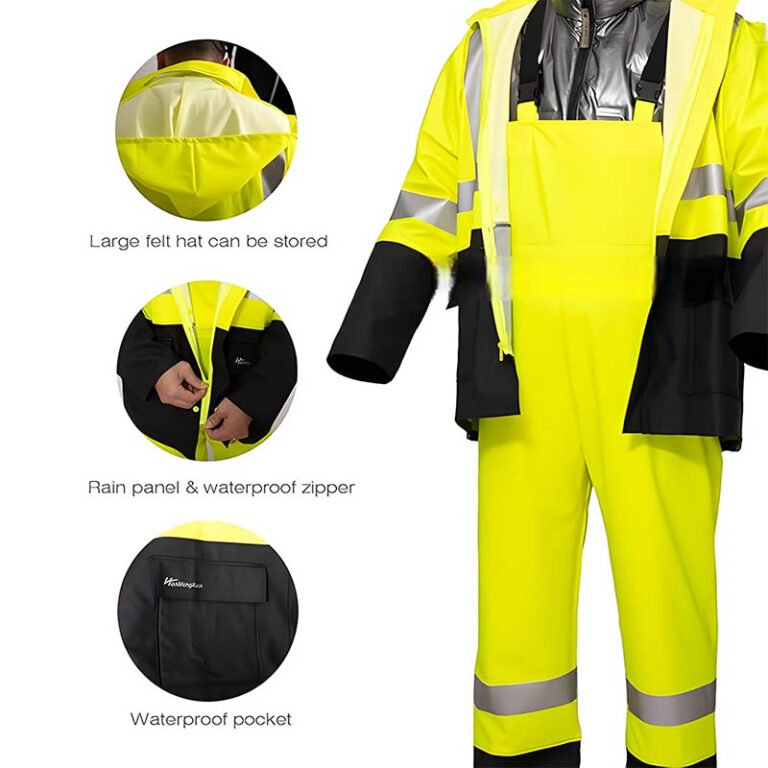
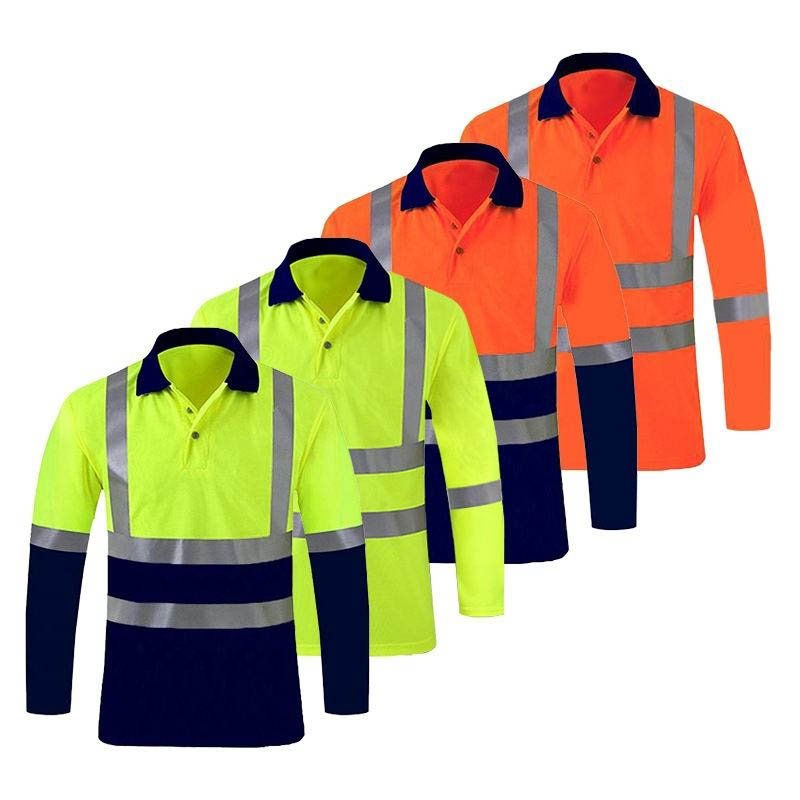
Choosing the right hi-vis cycling jacket depends on when and how you ride. Commuter cyclists need jackets combining bright fluorescent fabrics (fluorescent yellow or orange) for daytime visibility and large retro-reflective panels certified to EN 1150 standards for nighttime safety. Professional cyclists prioritize aerodynamics and aesthetics, favoring darker jackets with strategically placed “stealth reflection” materials—charcoal or black retro-reflective fabrics that appear subtle by day but illuminate brilliantly under headlights at night. The key is understanding that fluorescent colors provide conspicuity in daylight through UV light reaction, while retro-reflective materials ensure visibility in darkness by bouncing light back to its source. Your riding schedule, environment, and performance requirements should dictate whether you need maximum all-day visibility or sleek, performance-oriented nighttime reflectivity.
Understanding the Two Types of Visibility Technology
The single biggest mistake cyclists make when choosing a hi-vis jacket is assuming that “bright” equals “safe.” In reality, cyclist safety depends on understanding two fundamentally different visibility technologies, each serving a distinct purpose based on lighting conditions.
Fluorescent Materials: Your Daytime Guardian
Fluorescent fabrics in colors like safety yellow, lime green, and orange work through a fascinating optical phenomenon. These materials absorb ultraviolet (UV) light—abundant during daylight hours—and re-emit it as visible light. This process makes the fabric appear to “glow” and creates exceptional contrast against backgrounds like roads, buildings, and vehicles.
Critical limitation: Without UV light (i.e., after sunset), fluorescent fabrics lose their enhanced visibility and appear as dark, muted colors. That bright yellow jacket that made you highly visible during your morning commute becomes nearly invisible during your evening ride home.
Retro-Reflective Materials: Your Nighttime Lifeline
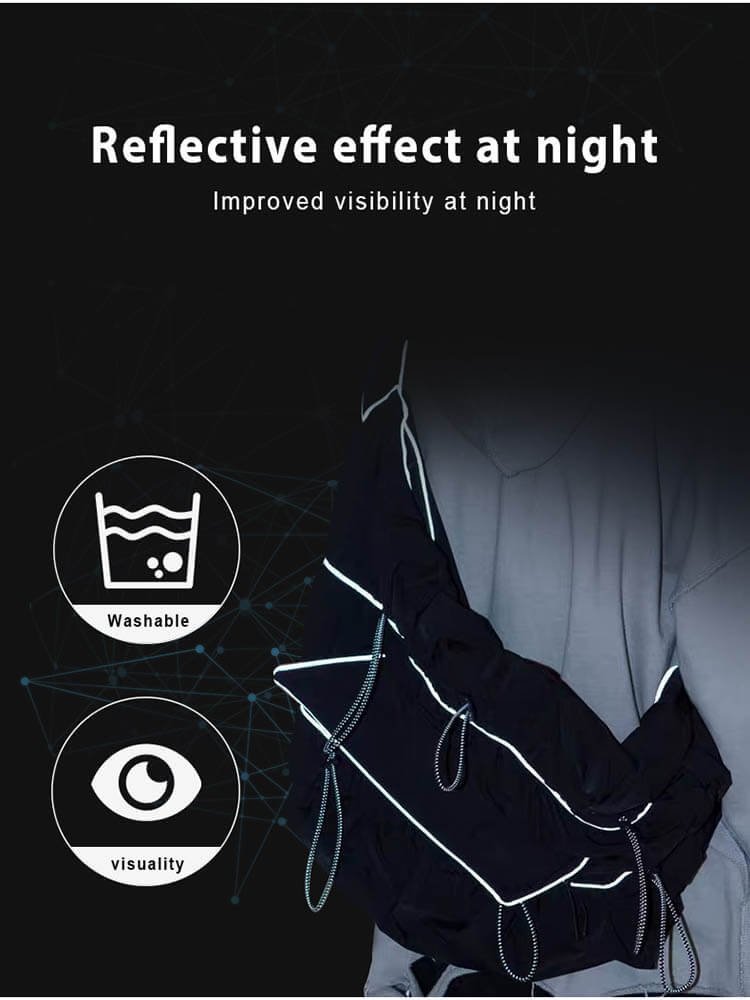
Retro-reflective materials operate on an entirely different principle. These materials contain thousands of tiny glass beads or prismatic structures that bounce light directly back to its source—typically, a vehicle’s headlights. This creates an intense, bright reflection that makes you visible to drivers at distances of 300-500 meters, even in complete darkness.
Key advantage: Quality retro-reflective materials work independently of ambient light. Whether it’s twilight, midnight, or a foggy morning, they provide consistent, reliable visibility whenever illuminated by a light source.
As a manufacturer supplying cycling apparel brands globally, I’ve witnessed countless discussions about which technology is “better.” The truth is, neither is superior—they’re complementary. The right jacket for you depends entirely on your riding patterns, environment, and priorities.
What Commuter Cyclists Really Need: 24/7 Visibility
Commuter cyclists face a unique challenge: they ride during varying light conditions. Your morning commute might start in darkness, your evening return occurs after sunset, and weekend rides happen in broad daylight. This variability demands a jacket that performs across the entire visibility spectrum.
The Commuter’s Essential Features
Fluorescent Base Fabric
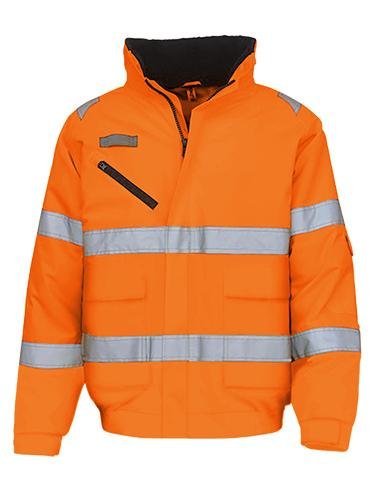
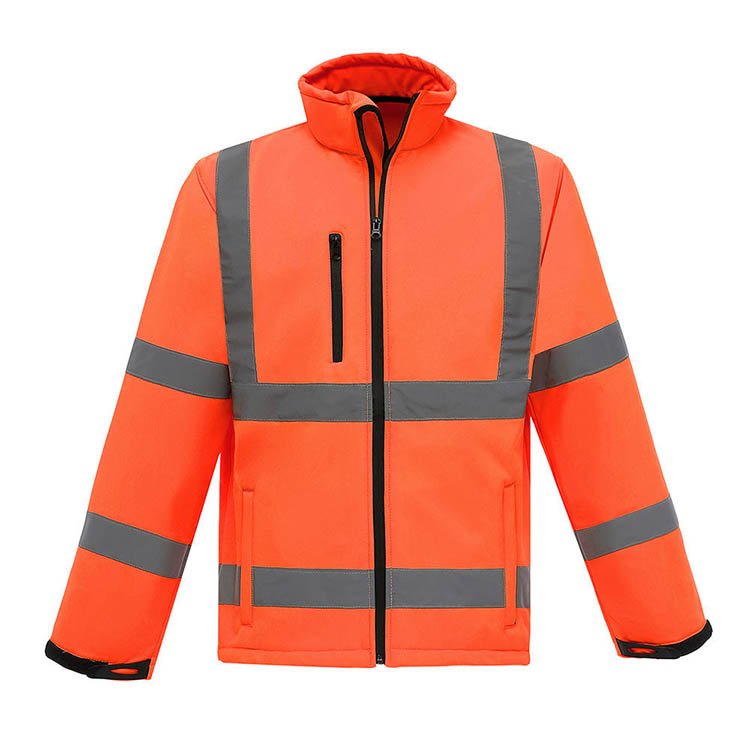
Look for jackets constructed from fluorescent polyester in safety yellow, lime green, or orange. This ensures maximum daytime visibility when UV light is abundant. The base fabric should cover at least 0.14 m² of visible surface area to meet EN 1150 standards for recreational cyclists.
Generous Reflective Coverage
Minimum 0.13 m² of retro-reflective material strategically placed on the chest, back, and sleeves. Horizontal and vertical configurations create 360-degree visibility, ensuring drivers approaching from any angle can see you. Premium jackets feature reflective panels that wrap around the torso, not just strips.
Weather Protection
Commuting rarely allows you to choose ideal weather. Your jacket must offer reliable water resistance or waterproofing. Look for taped seams, water-resistant zippers, and breathable membranes that prevent internal condensation during exertion. Learn more about waterproof vs. water-resistant options.
Practical Storage
Commuters carry essentials: phones, wallets, keys, bike locks. Multiple pockets—preferably with water-resistant zippers and reflective trim—are non-negotiable. Some advanced designs integrate rear cargo pockets similar to traditional cycling jerseys.
Pro Tip from the Factory Floor:
When evaluating reflective material quality, check the manufacturer’s stated reflectance value (measured in cd/lux/m²). For cycling jackets, look for materials with a minimum reflectance of 330 cd/lux/m² for optimal nighttime visibility. Many budget jackets use inferior materials with values below 200 cd/lux/m², significantly reducing your visibility distance.
Pro Cyclist Requirements: Stealth Meets Safety
Professional and serious recreational cyclists operate under different constraints. They prioritize aerodynamics, weight reduction, breathability, and aesthetics—often preferring darker colors that align with team kits or personal style. However, safety cannot be compromised, especially for early morning or evening training sessions.
This is where “stealth reflection” technology has revolutionized the market. As someone who supplies materials to premium cycling brands, I can tell you this is one of our fastest-growing product segments.
The Rise of Stealth Reflective Fabrics
Stealth reflective materials achieve what was once considered impossible: they maintain a dark, understated appearance in daylight while delivering brilliant reflectivity when illuminated at night. This is accomplished through several advanced manufacturing techniques:
- Black or charcoal-colored retro-reflective fabrics: These materials embed reflective elements within dark base materials, creating subtle texture by day and high visibility at night.
- Micro-prismatic patterning: Tiny reflective prisms integrated into fabric weaves that remain virtually invisible under normal lighting but activate under direct light sources.
- Strategic placement zones: Instead of large, obvious panels, these jackets feature carefully positioned reflective elements along shoulders, upper back, and lower back—areas most visible to approaching vehicles while maintaining aerodynamic lines.
- Reflective prints and logos: Brand logos and design elements rendered in reflective materials that serve dual purposes: aesthetics and safety.
Performance-Focused Features for Pro Cyclists:
Aerodynamic Cut: Race-fit designs with minimal excess fabric, dropped tail sections, and pre-curved arms to reduce drag.
Advanced Breathability: Laser-perforated panels, mesh inserts, and moisture-wicking fabrics that manage heat during intense efforts.
Minimal Weight: Ultra-lightweight materials (often under 200g for the entire jacket) that pack down small for jersey pocket storage.
4-Way Stretch: Fabrics that move with your body position on the bike, preventing restriction during aggressive riding positions.
“The professional cycling market taught us that safety doesn’t require sacrificing performance or aesthetics. The challenge was engineering materials that could meet both demands simultaneously—and that’s exactly what stealth reflective technology delivers.”
Essential Features Beyond Visibility
Whether you’re a commuter or performance cyclist, certain features enhance both safety and riding experience across all conditions:
| Feature | Why It Matters | What to Look For |
|---|---|---|
| Ventilation System | Prevents overheating and moisture buildup during physical exertion | Underarm vents, back mesh panels, zippered chest vents |
| Adjustable Fit | Ensures jacket stays in place during riding; prevents flapping | Elastic cuffs, adjustable hem drawcords, waist cinches |
| Extended Back Panel | Provides coverage in cycling position; prevents back exposure | Dropped tail design that extends 5-10cm lower than front |
| Weatherproofing | Protects against rain and wind chill | DWR coating minimum; sealed seams for full waterproofing |
| Packability | Allows easy storage when weather improves | Stuff sack included; jacket compresses to fist-size |
Material Technology: What Manufacturers Won’t Tell You
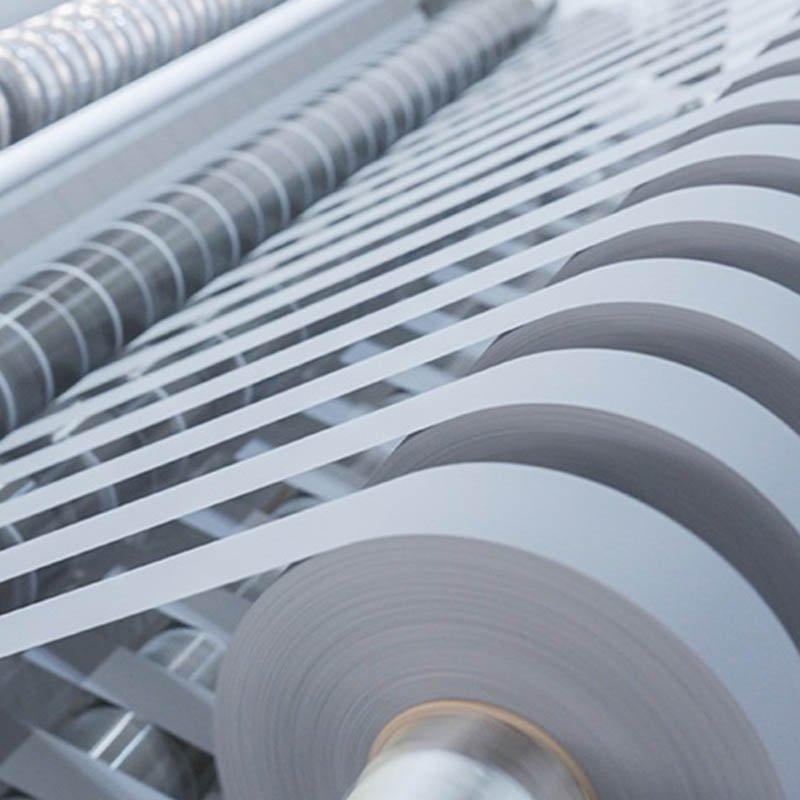
Having manufactured reflective materials and hi-vis garments for over 15 years, I can share insider knowledge that marketing departments often obscure:
Reflective Material Grades Matter Enormously
Not all reflective materials are created equal. The cycling market generally uses three grades:
Glass Bead Reflective (Entry Level)
Reflectance: 100-200 cd/lux/m². Most affordable option but with limited durability. Suitable for occasional riders or backup jackets. Performance degrades significantly after 25-50 wash cycles.
Enclosed Lens Reflective (Mid-Range)
Reflectance: 330-500 cd/lux/m². Industry standard for quality cycling apparel. Excellent durability (100+ washes) and weather resistance. This is what we recommend for serious commuters and recreational riders.
Microprismatic Reflective (Premium)
Reflectance: 500-1000+ cd/lux/m². Superior performance in all conditions, including rain. Maintains reflectivity at wider angles. Used in professional-grade and stealth reflective applications. Can withstand 200+ industrial wash cycles.
For comprehensive information on how material choices impact jacket performance and longevity, explore our guide on why material choice matters for hi-vis jackets.
🔍 How to Identify Quality Reflective Materials:
- • Check the manufacturer’s specification sheet for cd/lux/m² ratings
- • Look for certifications: EN 13356 (accessories) or EN ISO 20471 (professional clothing)
- • Quality materials have a uniform, smooth surface without visible pinholes or defects
- • Premium reflective materials maintain flexibility even in cold temperatures
Safety Standards and Certifications Explained
Understanding certification standards helps you make informed decisions and ensures your investment provides genuine safety benefits:
EN 1150 (European Standard)
Specifically designed for non-professional use including cycling and recreational activities. Requirements:
- Minimum 0.14 m² fluorescent material
- Minimum 0.13 m² retro-reflective material
- 360-degree visibility
EN ISO 20471 (Professional Standard)
Designed for professional workers but offers maximum protection for cyclists. Three classes (3 being highest):
- Class 2: 0.50 m² fluorescent, 0.13 m² reflective
- Class 3: 0.80 m² fluorescent, 0.20 m² reflective
ANSI/ISEA 107 (North American Standard)
U.S. and Canadian standard for high-visibility apparel:
- Type R (Roadway): For roadside workers and cyclists
- Performance Class 2 or 3 recommended for cycling
AS/NZS 4602.1 (Australia/New Zealand)
Standards for day and night use:
- Class D (Day use): Fluorescent material only
- Class N (Night use): Reflective material only
- Class D/N: Combined day and night (recommended for cycling)
For a detailed comparison of global standards and how they apply to different cycling scenarios, visit our comprehensive comparison of global high-visibility standards.
Important: Beware of jackets labeled “high visibility” without specific certification references. These are often marketing terms without guaranteed safety performance. Always look for certification labels sewn into the garment.
Making Your Final Decision: A Practical Buying Guide
After understanding the technology, standards, and features, here’s a step-by-step decision framework:
Step-by-Step Selection Process
Define Your Primary Riding Time
- • Daytime only: Fluorescent jacket acceptable, but reflective elements still recommended
- • Dawn/dusk commuter: Combined fluorescent + reflective essential (EN 1150 minimum)
- • Night riding: Premium reflective materials critical; fluorescent becomes secondary
- • All conditions: Maximum-spec jacket with both technologies (EN ISO 20471 Class 2-3)
Assess Your Riding Environment
- • Urban streets: Multi-directional visibility crucial (360° reflective placement)
- • Rural roads: Maximum visibility distance important (premium reflective materials)
- • Mixed traffic: Bright colors + large reflective panels for comprehensive visibility
Match Performance Requirements
- • Commuter priority: Durability, weather protection, storage
- • Performance priority: Aerodynamics, breathability, weight, stealth aesthetics
- • All-weather touring: Waterproofing, layering compatibility, packability
Verify Quality Indicators
- • Check for certification labels (EN, ANSI, AS/NZS)
- • Examine reflective material attachment (heat-bonded is superior to sewn-on)
- • Test zipper quality (YKK or equivalent waterproof zippers)
- • Verify seam construction (double-stitched or welded for waterproof models)
Consider Long-Term Value
A premium jacket at $200-300 that lasts 5+ years with daily use represents better value than a $50 jacket requiring replacement annually. Calculate cost-per-wear and factor in:
- • Warranty coverage (reputable manufacturers offer 2-5 year warranties)
- • Wash durability ratings
- • Replacement part availability (zippers, elastics)
Quick Reference: Jacket Selection by Cyclist Type
| Cyclist Type | Recommended Features | Priority Standards |
|---|---|---|
| Daily Commuter | Fluorescent yellow/orange + 360° reflective, waterproof, multiple pockets | EN 1150 minimum, EN ISO 20471 Class 2 ideal |
| Recreational Rider | Bright colors, good reflective coverage, breathable, packable | EN 1150 or AS/NZS 4602.1 Class D/N |
| Performance/Club Cyclist | Stealth reflective, aerodynamic fit, lightweight, premium breathability | Microprismatic reflective materials, EN 13356 |
| Touring Cyclist | Durable construction, excellent weather protection, versatile layering | EN ISO 20471 Class 2-3, waterproof rating 10,000mm+ |
For additional guidance on selecting the right jacket for specific weather conditions, particularly winter cycling, see our article on how to choose a hi-vis winter jacket.
Frequently Asked Questions
Do I really need both fluorescent and reflective materials on my cycling jacket?
If you ride in varying light conditions—which most cyclists do—yes, absolutely. Fluorescent materials provide superior daytime visibility by reacting to UV light, making you stand out against backgrounds. However, fluorescent fabrics lose this enhanced visibility after sunset. Reflective materials work independently of UV light, bouncing headlight beams back to drivers even in complete darkness. A jacket combining both technologies ensures 24/7 protection. The only exception would be if you exclusively ride in full daylight and never during dawn, dusk, or nighttime.
How can I tell if reflective material is high quality before purchasing?
Look for these quality indicators:
- Specification sheet: Reputable manufacturers publish reflectance values (cd/lux/m²). For cycling, minimum 330 cd/lux/m² is recommended.
- Certification labels: EN 13356, EN ISO 20471, or ANSI/ISEA 107 certifications guarantee tested performance.
- Physical inspection: Quality reflective materials have smooth, uniform surfaces without visible defects or pinholes. They should remain flexible when bent.
- Brand reputation: Established cycling brands typically use premium materials; request information about the reflective material supplier.
In-store, use your phone’s flashlight to test reflectivity from different angles. Premium materials reflect brightly even at wide angles (up to 40-60 degrees from perpendicular).
Will washing my hi-vis jacket reduce its reflectivity over time?
Yes, all reflective materials degrade with washing, but the rate varies dramatically by quality:
- Glass bead reflective (budget): Significant degradation after 25-50 washes
- Enclosed lens reflective (mid-range): Maintains 80%+ performance through 100+ washes
- Microprismatic reflective (premium): Minimal degradation even after 200+ industrial washes
To maximize longevity:
- Wash in cold water on gentle cycle
- Use mild detergent; avoid bleach and fabric softeners
- Air dry rather than machine drying
- Turn garment inside-out before washing
- Close all zippers and fastenings
Quality jackets should maintain effective reflectivity for their entire useful life when cared for properly.
Are there hi-vis jackets suitable for both commuting and performance cycling?
This is the “holy grail” many cyclists seek, and some manufacturers are getting close. Look for jackets featuring:
- Convertible design: Removable fluorescent outer shell over a dark, reflective inner layer
- Strategic reflective placement: Dark base fabric with reflective elements positioned for maximum visibility without excessive visual brightness
- Adaptive fit systems: Adjustable features allowing both relaxed commuter fit and race-ready aerodynamics
- Modular pocket systems: Commuter pockets that can be removed or compressed for performance riding
However, be realistic: true performance jackets prioritize weight and aerodynamics, which often conflicts with commuter requirements for weather protection and storage. Many serious cyclists find that owning two specialized jackets—one for commuting, one for performance—provides better overall satisfaction than a single compromise solution.
What’s the difference between water-resistant and waterproof cycling jackets?
This distinction is critical for cyclists who can’t avoid weather:
- Water-resistant: Treated fabric that repels light rain and moisture but will eventually saturate in prolonged or heavy precipitation. Typical DWR (Durable Water Repellent) coatings provide 15-30 minutes of protection in moderate rain. Breathability is generally good.
- Waterproof: Membrane or coating that prevents water penetration regardless of exposure time. Measured in mm of water pressure (e.g., 10,000mm rating). Usually features sealed seams and waterproof zippers. Trade-off: reduced breathability unless using advanced membranes like Gore-Tex.
For cycling specifically:
- Commuters in rainy climates: Waterproof is essential (minimum 10,000mm rating)
- Fair-weather riders: Water-resistant is sufficient and more breathable
- Performance cyclists: Often prefer water-resistant with high breathability
Read our detailed comparison in waterproof vs. water-resistant hi-vis jackets.
How much should I expect to spend on a quality hi-vis cycling jacket?
Price generally correlates with performance, durability, and technology level:
- $30-60 (Budget): Basic fluorescent jackets with glass bead reflective materials. Suitable for occasional use or backup jackets. Limited durability (1-2 seasons).
- $80-150 (Mid-Range): Quality enclosed-lens reflective materials, better construction, basic weather protection. Good value for regular commuters. Expected life: 2-3 years with regular use.
- $150-250 (Premium): Microprismatic reflective materials, advanced fabrics, comprehensive weather protection, excellent durability. Recommended for serious year-round commuters. Expected life: 5+ years.
- $250-400+ (Professional): Elite performance fabrics, stealth reflective technology, cutting-edge design. For performance cyclists and those prioritizing both safety and athletics. Premium warranty support.
Consider the cost-per-wear calculation: A $200 jacket used 200 times per year over 5 years costs $0.20 per ride. A $50 jacket replaced annually costs $0.25 per ride with inferior safety performance. Investment in quality is investment in your safety and long-term value.
Ready to Manufacture Your Hi-Vis Cycling Line?
As a leading manufacturer of hi-vis jackets and reflective materials, VizGlo Safety partners with cycling brands worldwide to create safety apparel that doesn’t compromise on performance or style. From stealth reflective innovations to certified commuter solutions, we bring your vision to life.
OEM/ODM Services • Premium Reflective Materials • Global Certifications • 15+ Years Experience
Conclusion: Safety Is Not Negotiable
Choosing the right hi-vis cycling jacket is not about finding the brightest color or the most expensive option—it’s about matching visibility technology to your specific riding patterns and conditions. The fundamental insight bears repeating: fluorescent materials excel in daylight through UV light reaction, while retro-reflective materials provide nighttime visibility by bouncing light back to its source.
Commuter cyclists benefit most from jackets combining both technologies in certified configurations (EN 1150 minimum), ensuring comprehensive protection across all lighting conditions. Performance cyclists increasingly embrace stealth reflective solutions that maintain dark, aerodynamic aesthetics while delivering premium nighttime safety through advanced microprismatic materials.
Whatever your cycling discipline, never compromise on safety for style or budget. The small investment in quality visibility technology—whether you’re purchasing as a consumer or manufacturing as a brand—represents protection for life itself. After 15 years of supplying reflective materials to the global cycling industry, I can say with confidence: the right jacket is out there, and now you have the knowledge to find it.
For comprehensive guidance on selecting any type of hi-vis jacket, visit our complete guide to selecting hi-vis jackets.
About VizGlo Safety Technology
Nanjing VizGlo Safety Technology Co., Ltd. is a leading manufacturer of high-visibility clothing and reflective materials, with over 15 years of experience serving global brands. We specialize in OEM/ODM manufacturing of cycling apparel, combining cutting-edge reflective technology with performance-oriented design.
Our vertically integrated production facility produces both the garments and the reflective materials, ensuring quality control from raw material to finished product. We supply to cycling brands, apparel manufacturers, and safety equipment distributors across 50+ countries.