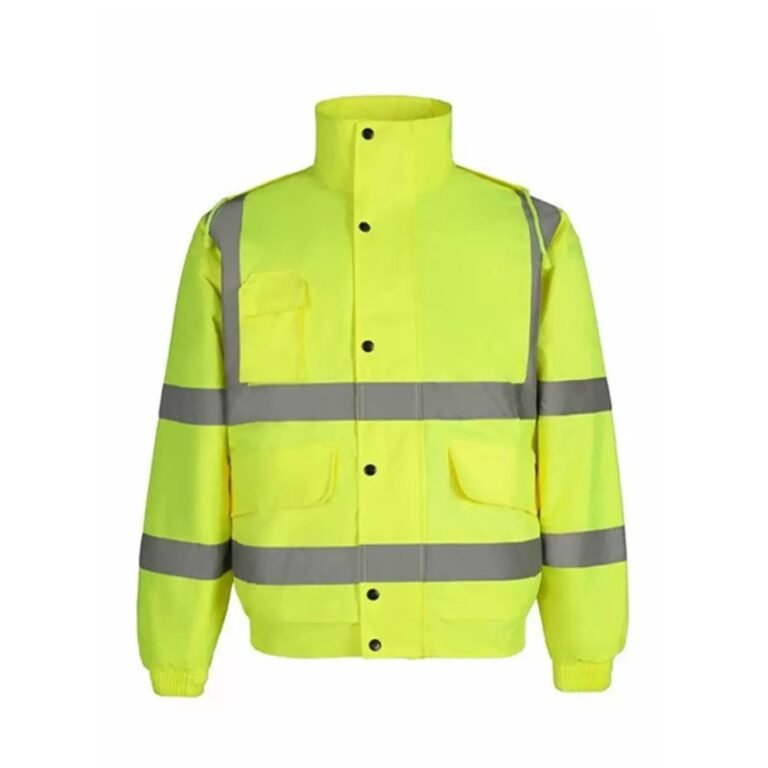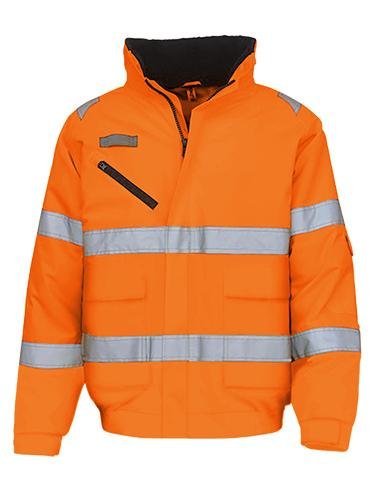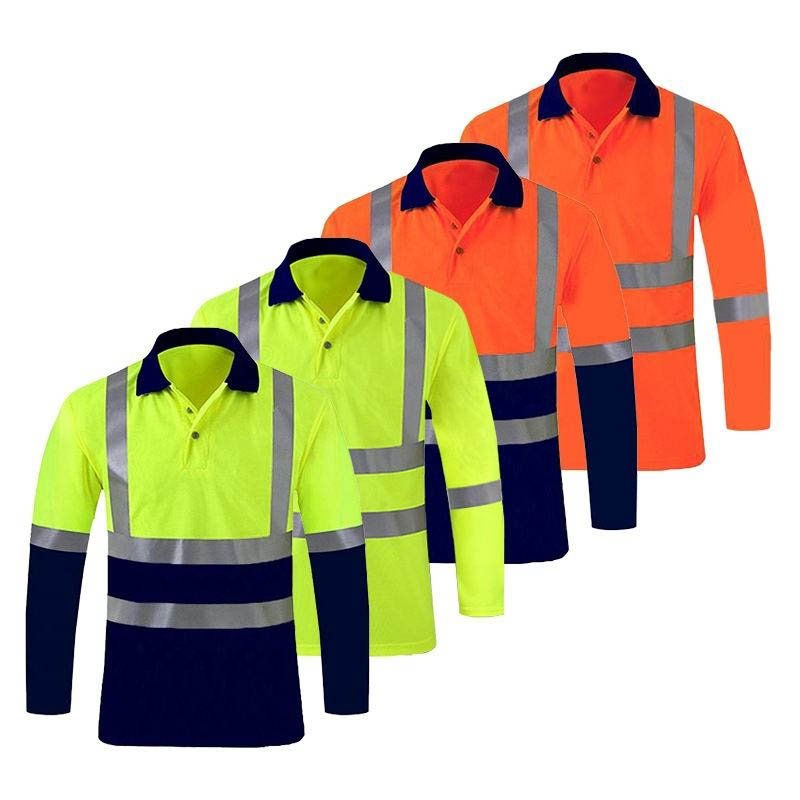
The Science Behind Hi Vis: A Look at 3M Scotchlite™ Reflective Materials
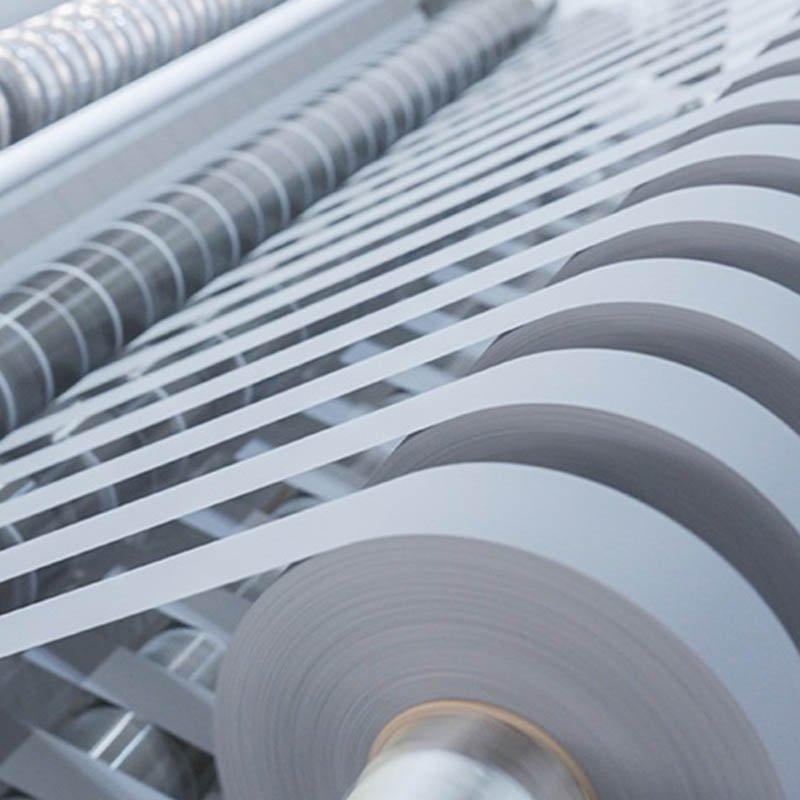
What Makes 3M Scotchlite™ the Gold Standard in Reflective Safety Materials?
3M Scotchlite™ reflective materials utilize advanced retroreflective technology—either precision-engineered glass beads or microprismatic optics—to redirect light directly back to its source with exceptional efficiency. Unlike ordinary reflective materials that simply scatter light, Scotchlite’s patented optical structures ensure that when a vehicle’s headlights strike a worker wearing hi-vis clothing, the light bounces straight back to the driver’s eyes, making the worker appear dramatically brighter and visible from up to 1,000 feet away. This retroreflective performance, combined with proven durability through 50+ industrial wash cycles and certified compliance with ANSI/ISEA 107 and EN ISO 20471 standards, has established 3M Scotchlite™ as the trusted choice for safety professionals worldwide who refuse to compromise on worker visibility and protection.
When you see a road worker illuminated like a beacon on a dark highway, or a warehouse employee glowing under forklift headlights, you’re witnessing the result of decades of material science innovation. The reflective trim on hi-vis hoodies and safety vests isn’t just “shiny tape”—it’s a sophisticated optical system working at the microscopic level.
In this article, we’ll dissect the science behind 3M Scotchlite™, explore what makes it different from generic alternatives, and explain why safety managers and procurement professionals consistently specify it for mission-critical applications. Whether you’re evaluating materials for construction workwear or designing custom team uniforms, understanding these principles will help you make informed decisions that directly impact worker safety.
The Physics of Retroreflection: How Light Finds Its Way Back
To appreciate what makes 3M Scotchlite™ exceptional, we first need to understand the three fundamental ways materials interact with light:
Three Types of Reflection:
-
1Specular Reflection (like a mirror): Light bounces off at an angle equal to its arrival angle. Great for checking your appearance, useless for safety visibility since the light goes elsewhere.
-
2Diffuse Reflection (like fluorescent fabric): Light scatters in all directions. This is why fluorescent yellow or orange hi-vis works in daylight—it’s highly visible from any angle—but becomes nearly invisible at night when there’s no ambient light to scatter.
-
3Retroreflection (3M Scotchlite™): Light bounces directly back toward its source, regardless of the angle of incidence (within design limits). This creates the “halo effect” where a driver sees a worker lit up specifically for them, even if the worker is 200-300 meters away.
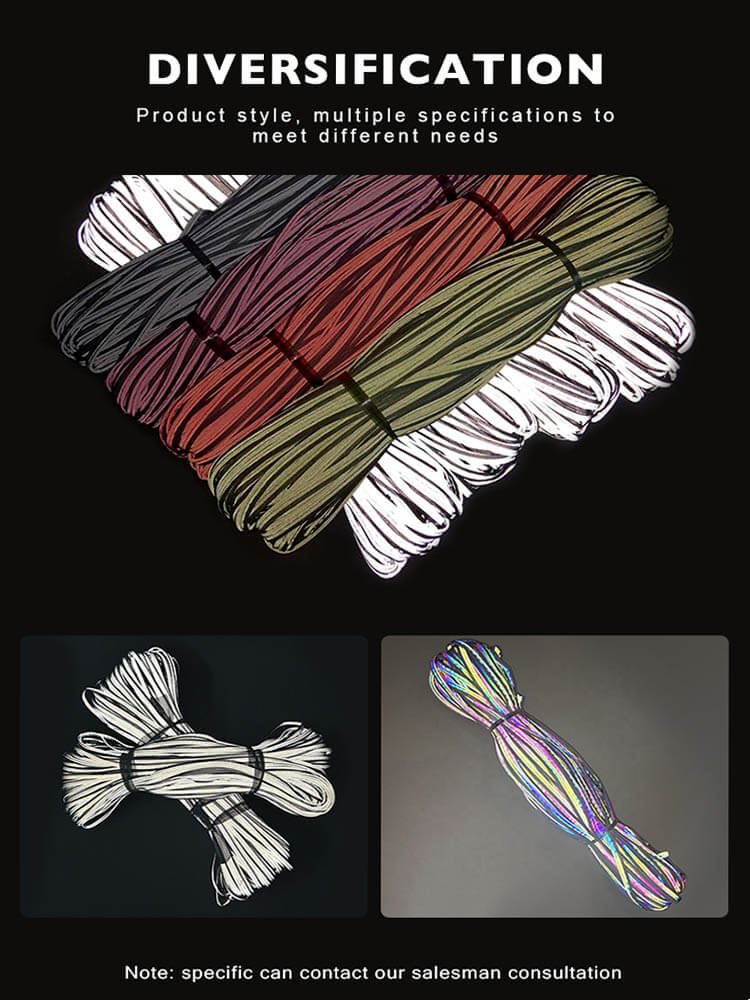
Retroreflection is the key to nighttime safety visibility. When a truck driver’s headlights strike a worker wearing Scotchlite-trimmed workwear, the optical structures in the material act like millions of tiny mirrors perfectly aligned to send light directly back to the driver’s position. The worker appears to glow with an intensity that can be 500-1000 times brighter than with diffuse reflection alone.
This isn’t just impressive—it’s lifesaving. Studies by the U.S. Federal Highway Administration show that workers wearing retroreflective materials are visible at distances 3-5 times greater than those in fluorescent-only clothing, providing drivers with critical additional reaction time.
Two Pathways to Retroreflection: Glass Bead vs. Microprismatic Technology
3M Scotchlite™ achieves retroreflection through two distinct optical architectures, each with its own performance profile, ideal use cases, and cost implications. Understanding these differences is crucial when specifying materials for different hi-vis safety classes.
Glass Bead Technology (Exposed Lens)
How it works: Imagine millions of tiny transparent glass spheres (typically 30-100 micrometers in diameter) partially embedded in a clear polymer binder, with a reflective backing layer (usually aluminum or silver) beneath them. When light enters a glass bead, it refracts through the sphere, hits the reflective backing, and bounces straight back through the bead toward the light source.
- Key Product Example: 3M Scotchlite™ 8910 Series (Silver Fabric)
- Typical RA Value: 330-500 cd/(lx·m²) at 0.2° observation angle
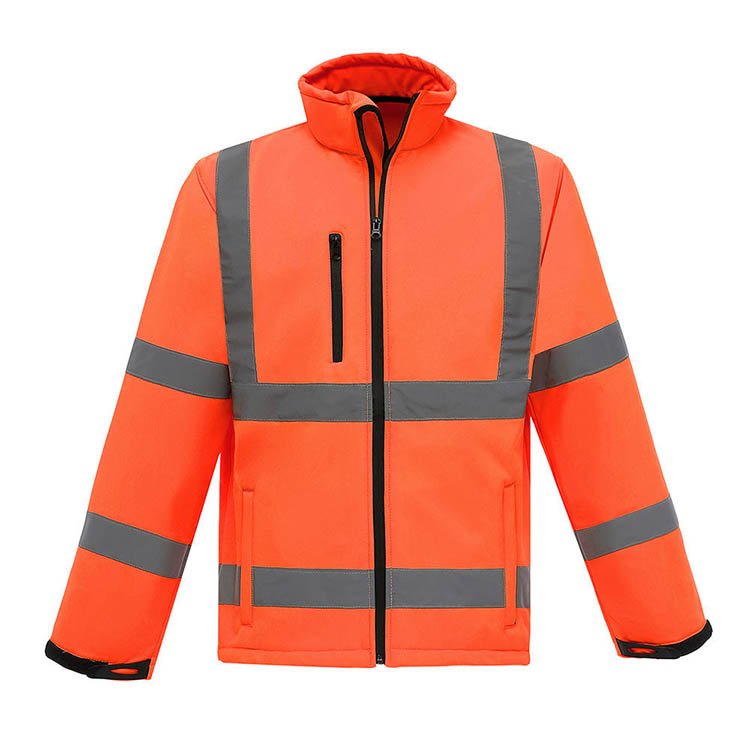
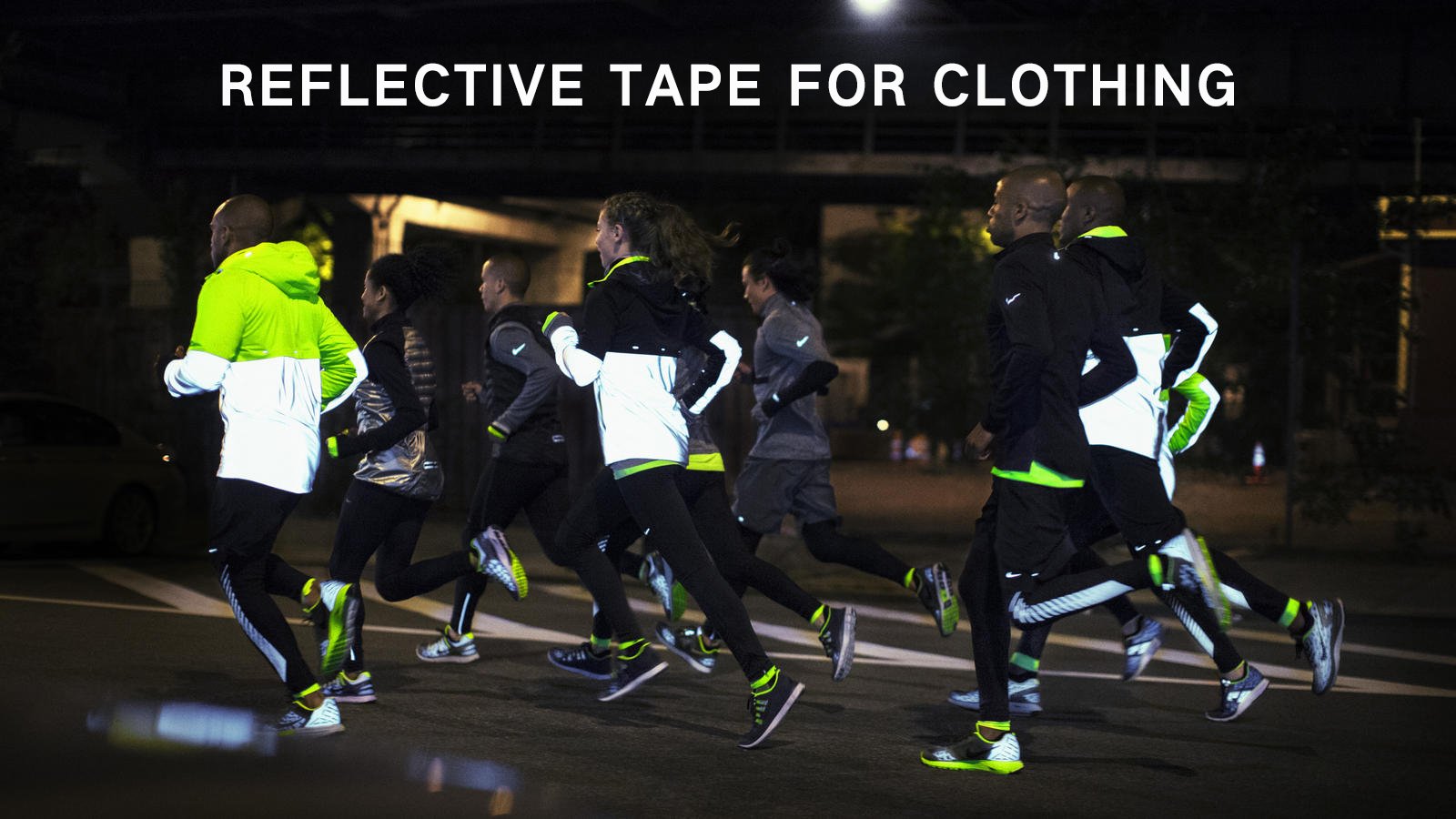
- Best For: Everyday workwear, vests, hoodies for cold climates, garments requiring flexibility
- Advantages: Lower cost, excellent flexibility/drape, superior wash durability (50+ cycles), comfortable against skin
- Limitations: Performance degrades faster at extreme angles (>45°), slightly lower brightness than microprismatic
Microprismatic Technology (Prismatic Lens)
How it works: Instead of spheres, microprismatic materials use arrays of precisely angled cube-corner prisms (imagine tiny pyramids) molded into a polymer film. These prisms exploit the principle of total internal reflection: light entering the prism bounces off three internal surfaces and exits back toward its source. This geometric approach achieves higher efficiency than glass beads.
- Key Product Example: 3M Scotchlite™ 9920 Series (Diamond Grade™)
- Typical RA Value: 800-1200+ cd/(lx·m²) at 0.2° observation angle
- Best For: High-risk environments (highway work, emergency response), applications requiring maximum long-distance visibility
- Advantages: Highest brightness ratings, maintains retroreflection at wider/more severe angles, thinner profile
- Limitations: Higher cost (2-3x glass bead), slightly less flexible, may be “too bright” for certain indoor applications
| Feature | Glass Bead (8910) | Microprismatic (9920) |
|---|---|---|
| Brightness (RA at 0.2°) | 330-500 cd/(lx·m²) | 800-1200+ cd/(lx·m²) |
| Wide-Angle Performance | Good (up to ±45°) | Excellent (up to ±60°) |
| Flexibility/Drape | Excellent | Good |
| Wash Durability | 50+ cycles | 50+ cycles |
| Cost (Relative) | 1x (Baseline) | 2-3x |
| Ideal Use Cases | General workwear, indoor/outdoor, vests, hoodies | Highway work, emergency services, extreme low-light |
“The choice between glass bead and microprismatic isn’t about ‘better or worse’—it’s about matching technology to risk profile. For a warehouse worker under artificial lighting, glass bead delivers all the visibility needed at half the cost. For a highway flagman working 18-inch from 70mph traffic, microprismatic’s extreme-angle performance is non-negotiable.”
Performance Metrics That Matter: Beyond “Looks Bright”
When you’re comparing 3M Scotchlite™ to generic alternatives (or even other branded materials), what specific performance parameters should you evaluate? Safety professionals focus on four critical metrics:
1. Coefficient of Retroreflection (RA)
Measured in candelas per lux per square meter [cd/(lx·m²)], RA quantifies how much light is returned to the source. ANSI/ISEA 107 Type I (basic performance) requires minimum RA values of 70 at 0.2° observation angle. 3M Scotchlite™ glass bead materials typically deliver 330-500, and microprismatic can exceed 1200—that’s 5-17 times the minimum standard.
2. Angularity (Wide-Angle Performance)
Retroreflection degrades as the angle between the light source and the observer increases (entrance angle) or as the worker turns away from the vehicle (orientation angle). Premium materials like Scotchlite™ maintain higher RA values at extreme angles—critical when a driver’s headlights strike a worker from the side, not head-on. This is why 360-degree reflective trim placement on garments is essential.
3. Wash Durability & Colorfastness
A material might test brilliantly when new, but if it fades, cracks, or delaminates after 10 laundry cycles, it’s a false economy. 3M Scotchlite™ is certified to maintain minimum performance through 50+ industrial wash cycles (60°C with detergent). The backing adhesive systems, encapsulation coatings, and bead/prism bonding are specifically engineered for laundry abuse. Generic materials often fail at 15-25 cycles. For maintaining garment reflectivity, this durability is non-negotiable.
4. Certified Standards Compliance
ANSI/ISEA 107-2020 (USA), EN ISO 20471:2013 (Europe), AS/NZS 1906.4 & 4602.1 (Australia/NZ)—these aren’t just bureaucratic checkboxes; they’re evidence-based specifications defining minimum visible surface area, placement, colorfastness, and retroreflective performance. 3M Scotchlite™ materials are third-party tested and certified to meet or exceed these standards. When you specify Scotchlite™, you’re specifying documented compliance that protects both workers and your organization legally.
Real-World Applications: Where Scotchlite™ Science Saves Lives
The difference between “adequate” reflective materials and 3M Scotchlite™ becomes stark when you consider the specific hazards workers face. Here’s how the technology applies across industries:
🚧 Construction & Roadwork
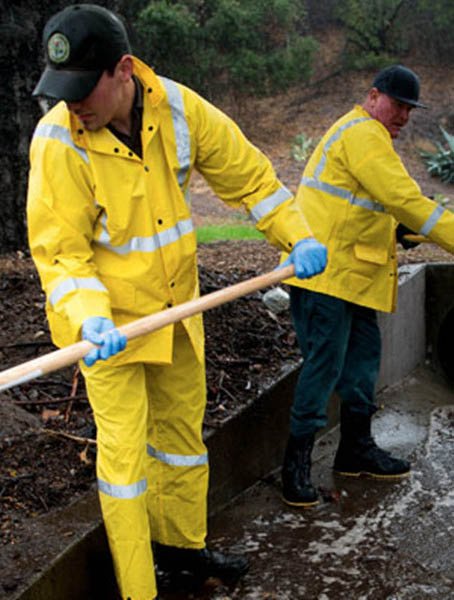
Workers operate in close proximity to heavy equipment and vehicles, often in poor lighting or inclement weather. Glass bead Scotchlite™ 8910 on construction hoodies and vests provides 360° visibility to equipment operators. For highway flagmen, microprismatic 9920 ensures visibility to drivers 300+ meters away, even in fog or rain.
Key Need: Wide-angle retroreflection + wash durability for daily laundering
📦 Warehousing & Logistics
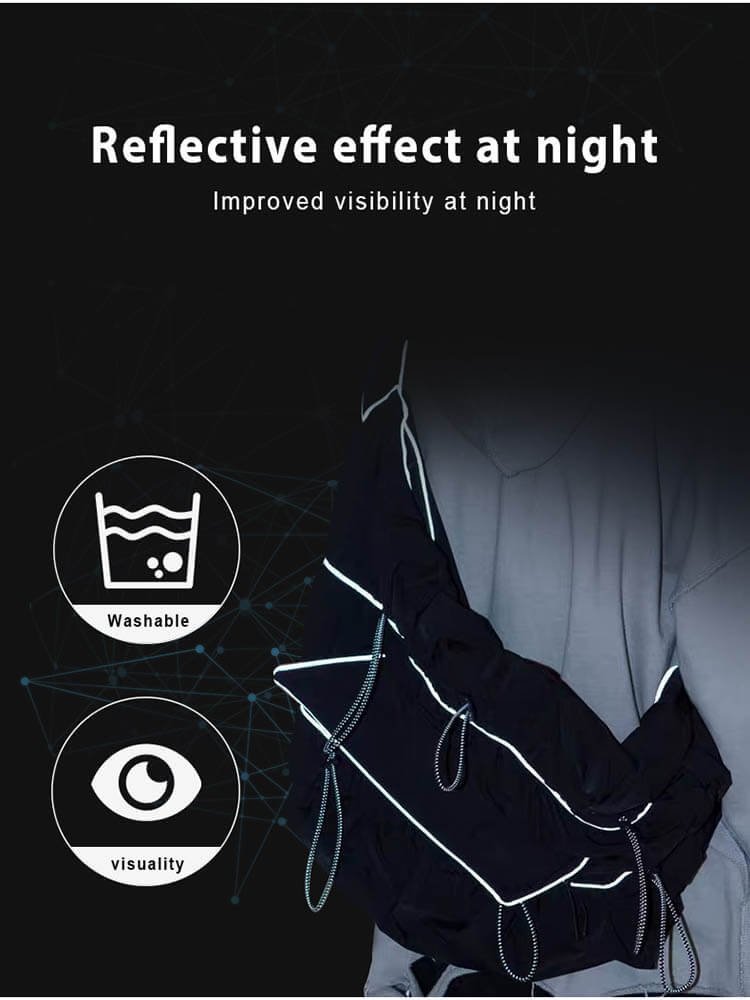
Forklift operators need to see pedestrians in dimly lit aisles, often from acute angles. Glass bead Scotchlite™ on warehouse workwear reflects forklift headlamps back to the operator’s eyes, creating an instant alert system. The flexible, comfortable nature of glass bead material is ideal for the high-movement demands of pick/pack operations.
Key Need: Comfort for 8-12 hour shifts + consistent performance under artificial lighting
🚆 Railway Maintenance
Track workers face trains approaching at high speeds with limited stopping capability. Railway standards (e.g., RIS-3279-TOM UK) often mandate the highest reflective performance. Microprismatic Scotchlite™ 9920 provides maximum detection distance, and its superior wide-angle performance ensures visibility even when workers are bent over or turned sideways relative to oncoming locomotives.
Key Need: Maximum brightness + extreme-angle retroreflection + FR (flame-resistant) options
❄️ Cold Climate Operations
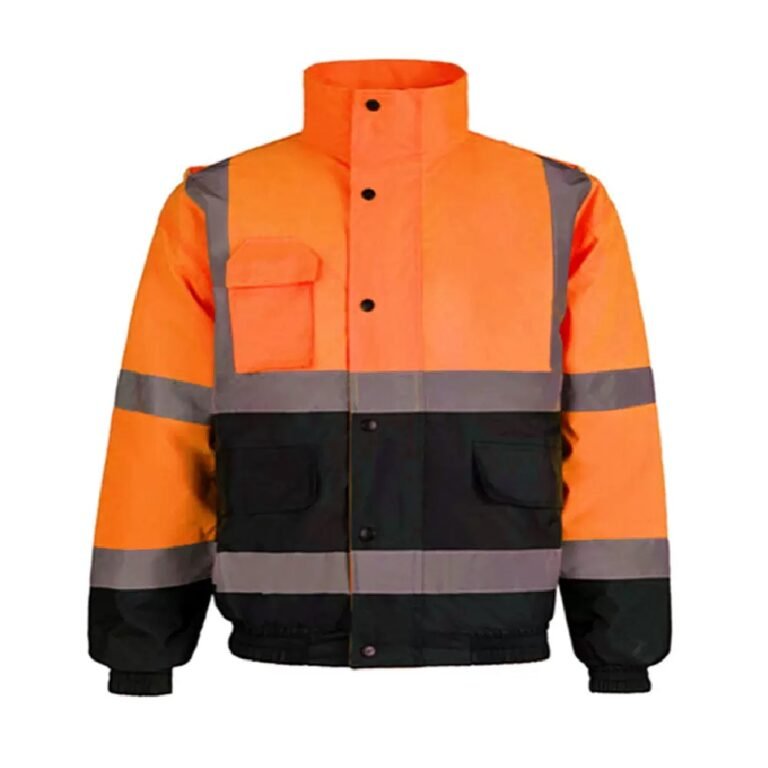
Oil & gas, mining, and northern construction demand insulated winter workwear with reliable reflectivity. Glass bead Scotchlite™ maintains flexibility at sub-zero temperatures (unlike some cheaper materials that become brittle and crack). It’s also compatible with the heat-sealing processes used for weatherproof seam tape on winter jackets.
Key Need: Cold-weather flexibility + compatibility with insulated fabrics + long-term UV resistance
Custom Branding & Corporate Identity
Beyond base safety compliance, many organizations are discovering that custom hi-vis hoodies with company logos can incorporate reflective branding using screen-printed or embroidered Scotchlite™ transfer films. This creates professional, visible corporate identity that doesn’t compromise safety—in fact, it enhances it by making team members more identifiable at a distance. For companies ordering in bulk, working with a manufacturer who can customize with genuine 3M materials is key.
💡 Expert Insight: Why Material Specification Is a Strategic Decision, Not Just a Cost Line
As a salesperson who has equipped teams from the deserts of Dubai to the rainy docks of Rotterdam, the conversation always comes back to one thing: trust. When a purchasing manager asks me, “Why should I specify 3M Scotchlite™? Is it really worth the premium?” my answer goes beyond a simple spec sheet.
I tell them that anyone can make a material that looks bright in a showroom. The real test is on a wet, foggy highway at 3 AM from the severe angle of an approaching truck’s headlights. That’s where the “science” isn’t just an academic concept; it’s the difference between being seen and being a statistic. 3M’s retroreflective technology—be it glass bead or microprismatic—is engineered for these worst-case scenarios. It’s about consistency and reliability. You’re not just buying tape; you’re buying the assurance that the 50th wash will perform like the first, and that the product unequivocally meets or exceeds global standards like ANSI/ISEA 107 and EN ISO 20471.
For my clients, choosing 3M isn’t an expense; it’s an investment in their team’s safety and their company’s liability. It’s the one component where “good enough” simply isn’t. When I work with partners like manufacturers who source genuine Scotchlite™ and understand its proper application, I know we’re delivering garments that will protect workers in real-world conditions—not just pass a visual inspection.
If you’re reading this as a safety manager or procurement professional, ask your supplier one simple question: “Can you provide third-party test certificates showing your reflective material’s RA values after 50 wash cycles?” If they can’t, or if the numbers are significantly below what I’ve outlined here, you’re not saving money—you’re gambling with visibility.
Frequently Asked Questions About 3M Scotchlite™ Reflective Materials
What makes 3M Scotchlite™ different from generic reflective materials?
Glass bead vs. microprismatic: Which 3M Scotchlite™ technology should I choose?
How does retroreflection actually work in 3M Scotchlite™ materials?
Will 3M Scotchlite™ maintain its reflectivity after multiple washes?
Is 3M Scotchlite™ worth the premium price compared to cheaper alternatives?
Ready to Specify the Gold Standard in Worker Visibility?
Understanding the science behind 3M Scotchlite™ reflective materials empowers you to make evidence-based decisions that directly impact worker safety and your organization’s liability profile. Whether you’re outfitting an entire team with custom hi-vis hoodies, sourcing bulk safety apparel, or simply upgrading your current workwear program, partnering with a manufacturer who sources genuine 3M Scotchlite™ materials is your first step toward superior protection.
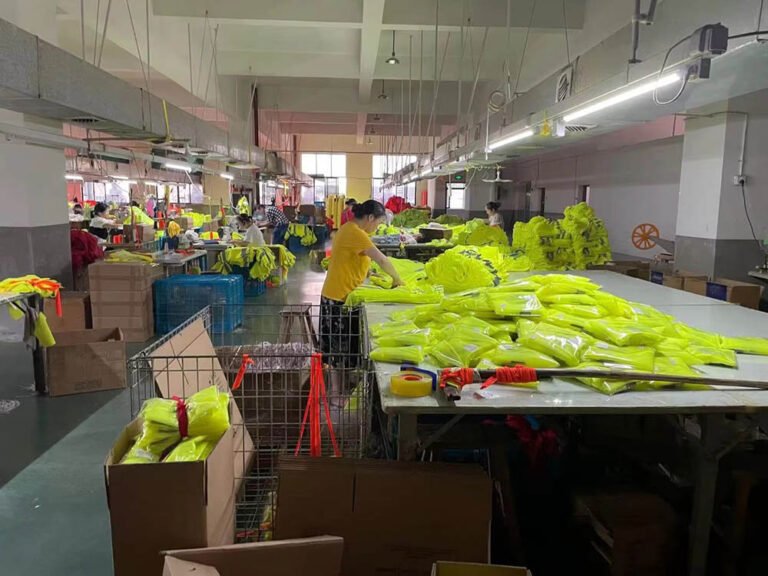
At VizGlo Safety, we’ve built our reputation on integrating authentic 3M Scotchlite™ retroreflective materials into every garment we manufacture—from basic Class 2 vests to heavy-duty insulated workwear. Our vertical integration means we control the entire process, ensuring that the science we’ve discussed here translates into real-world performance for your team.
Experience the Scotchlite™ difference firsthand. Request garment samples with certified reflective materials and receive a custom quote for your project.
Related Articles You Might Find Helpful
Complete Guide to ANSI Class 1, 2, and 3 Hi-Vis Standards
Understand which safety class your team needs and how it relates to reflective material requirements.
What’s the Best Fabric Material for Hi-Vis Hoodies?
Explore how base fabric choices (cotton, polyester, fleece) interact with reflective materials for optimal comfort and performance.
Understanding GSM in Workwear: Fabric Weight Matters
Learn how fabric weight affects durability, comfort, and the adhesion of reflective materials in different climates.
How to Care for Hi-Vis Garments to Maintain Reflectivity
Best practices for laundering and maintaining 3M Scotchlite™ materials to maximize garment lifespan and safety performance.
About VizGlo Safety
Nanjing VizGlo Safety Technology Co., Ltd. is a leading manufacturer of high-visibility safety apparel and reflective materials, serving global distributors, private label brands, and large enterprises. With over 15 years of experience and a vertically integrated production facility, we specialize in OEM/ODM solutions that combine authentic 3M Scotchlite™ materials with expert garment construction.
Our commitment: Deliver hi-vis clothing and reflective materials that don’t just meet safety standards—they exceed them, consistently, in the real-world conditions where your team operates. From design consultation to bulk order fulfillment, we’re your partner in worker protection.