Understanding ANSI/ISEA 107: A Guide to Hi-Vis Safety Classes
This standard is the backbone of worker safety in low-visibility environments. Let’s demystify the classes and types so you can protect your team effectively.
The ANSI/ISEA 107-2020 standard is the American national benchmark for the performance and design of high-visibility safety apparel (HVSA). Its primary purpose is to enhance the conspicuity (visibility) of workers who are exposed to hazards from moving vehicles, equipment, or machinery, especially in low-light conditions. The standard achieves this by specifying minimum amounts of fluorescent background material and retroreflective material, and by categorizing garments into different “Types” based on the work environment and “Performance Classes” based on the amount of visible materials needed for the level of risk.
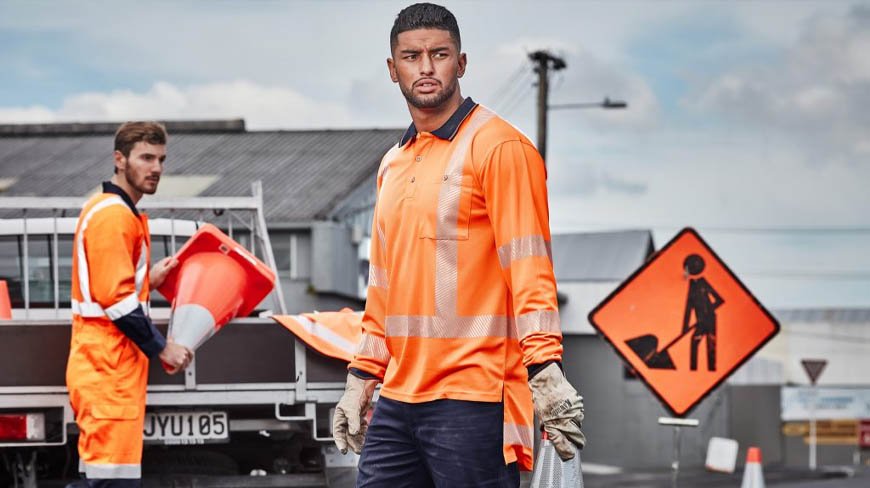
A Veteran’s Insight: It’s a Tool, Not a Ladder
“After thousands of conversations with safety managers and procurement teams across the globe, I can tell you the single biggest misconception about ANSI/ISEA 107: people see the safety classes as ‘good, better, best.’ They either overspend on Class 3 for a warehouse job or, far more dangerously, try to save money with Class 2 garments for highway crews.
The truth is, it’s not a ladder of quality; it’s a tool for risk assessment. The crucial question isn’t ‘Which class is the best?’ but ‘What is the work environment?’ The standard forces you to consider two key variables: the speed of moving traffic and the complexity of the background. A worker on a 65 mph highway at night needs a completely different level of conspicuity (Class 3 or Class E) than someone directing forklifts in a well-lit, uncluttered warehouse (Type O, Class 1).
My advice is always this: don’t just order from a catalog based on price. Analyze your team’s specific work zone. Getting this right isn’t just about compliance—it’s about maximizing worker safety while optimizing your budget. The costliest mistake is never the price of the vest; it’s the price of an accident.”
– Senior Product Specialist, VizGlo Safety
First Step: Identify the Garment ‘Type’ for Your Environment
Before you even think about classes, you must identify the “Type” of garment your environment demands. This is based on where the work is happening.
O Type O (Off-Road)
For non-roadway use. This is for workers who are not exposed to traffic but still need to be seen against complex backgrounds with moving equipment. Think warehouse workers, forklift operators, and parking lot attendants.
R Type R (Roadway)
This is the most common type, intended for workers exposed to roadway traffic. This includes road construction crews, utility workers, survey crews, and school crossing guards.
P Type P (Public Safety)
Designed for emergency and incident responders like police, fire, and EMS. These garments offer high visibility but also allow for easy access to equipment on their belts and are often designed to differentiate them from roadway workers.
Next Step: Choose the ‘Performance Class’ Based on Risk
Once you know your garment Type, you select a Performance Class. This is where the amount of visible material comes in, directly corresponding to the worker’s risk level.
| Class | Description & Use Case | Example Garments |
|---|---|---|
| Class 1 (Type O only) | Minimum visibility. For low-risk areas where workers are separated from traffic that does not exceed 25 mph. Example: Warehouse workers in a controlled environment. | Basic safety vests. |
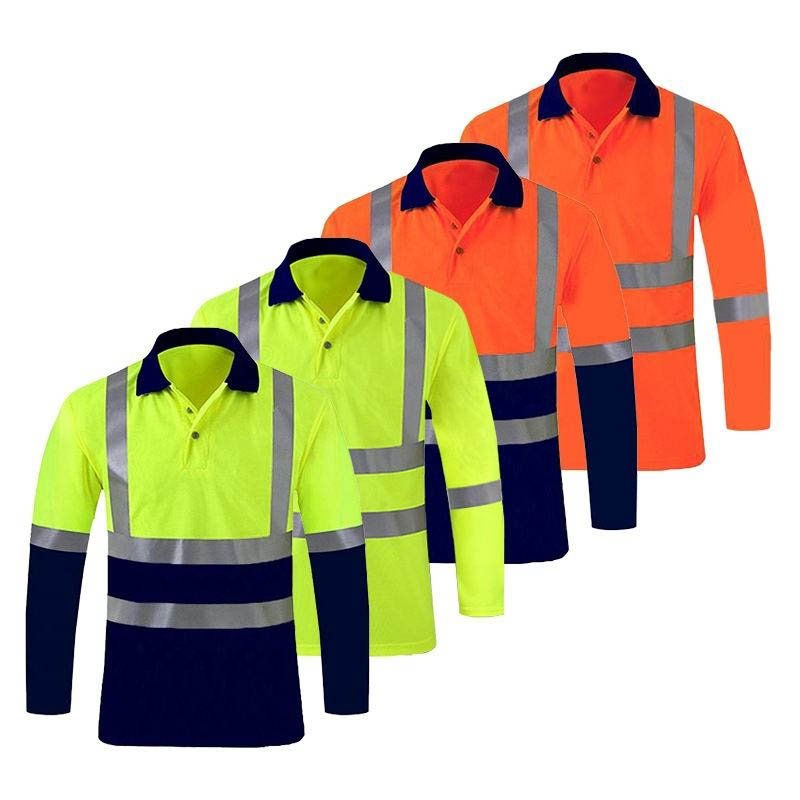
| Class 2 (Type R or P) | Moderate visibility. For workers near roadways where traffic exceeds 25 mph. Garments must cover the shoulders for 360° visibility. Example: Roadway construction, utility work, airport ground crews. | Sleeveless vests, T-shirts. |
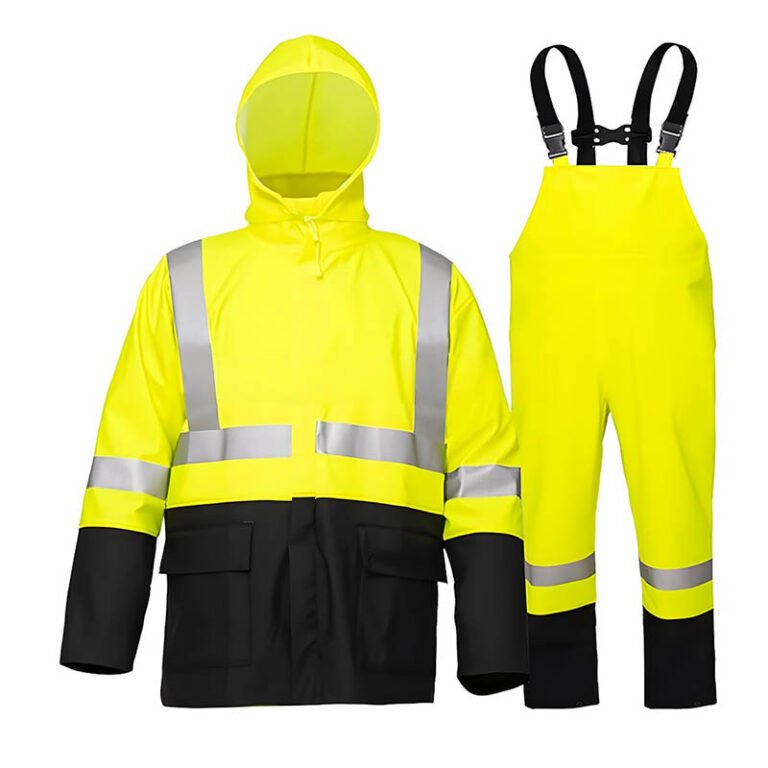
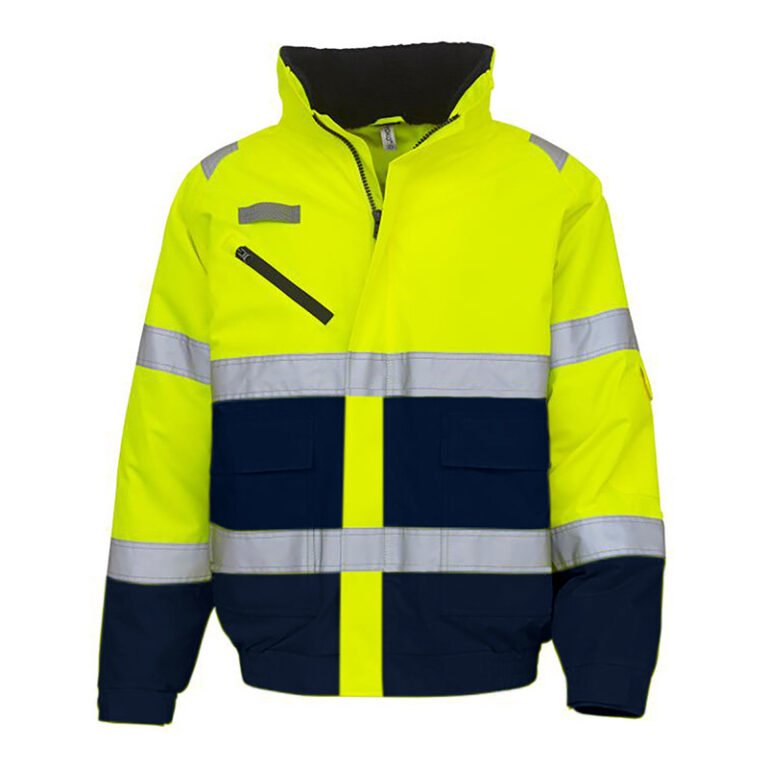
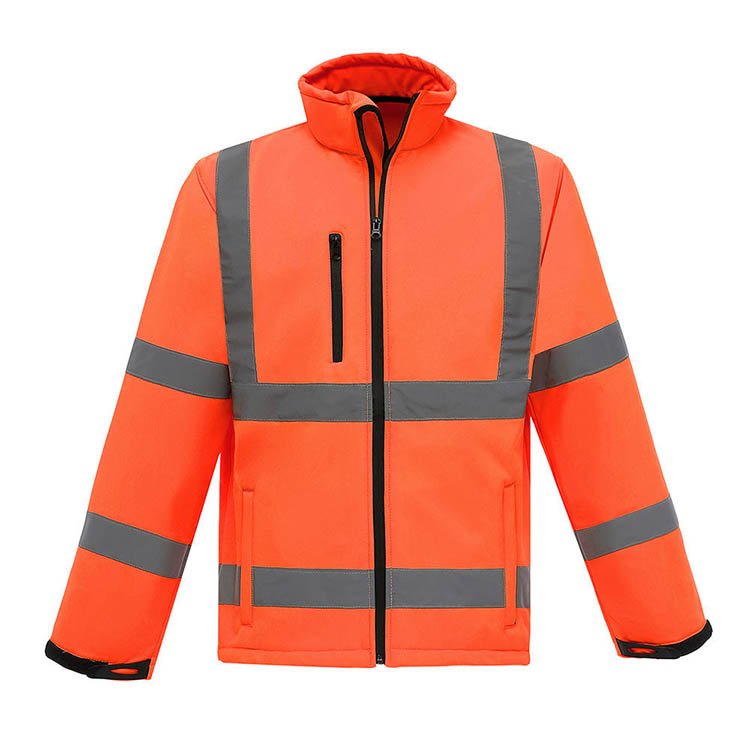
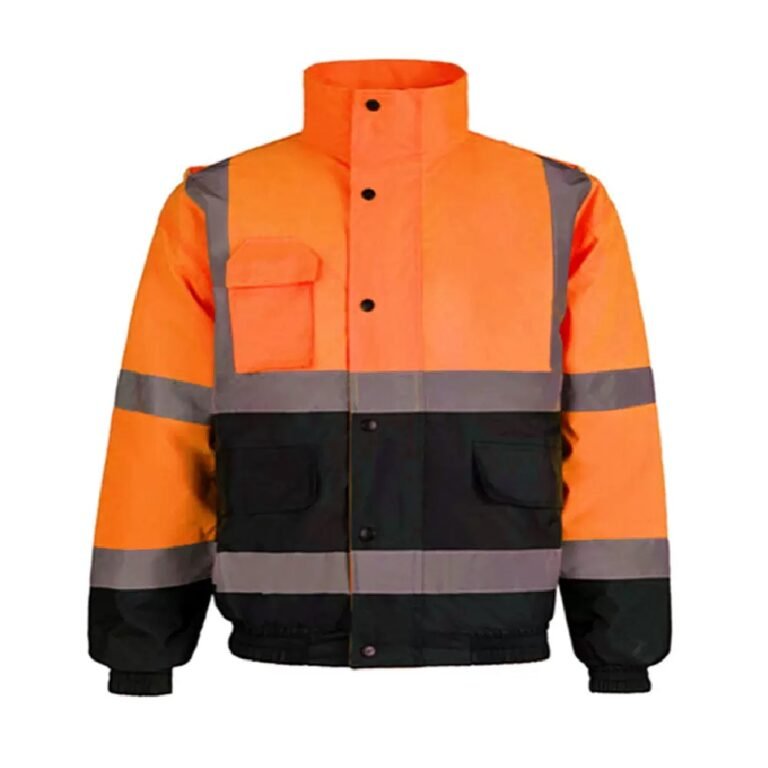
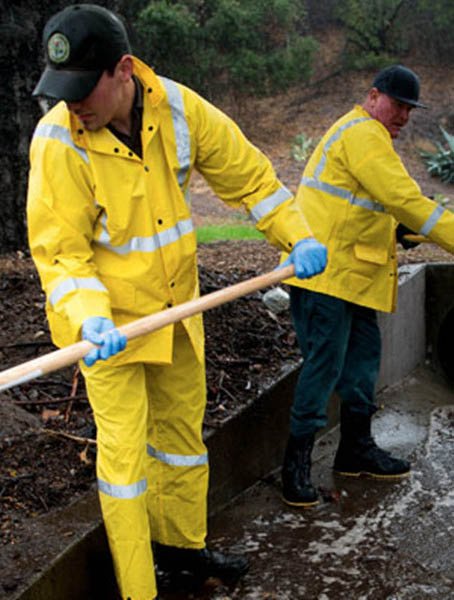
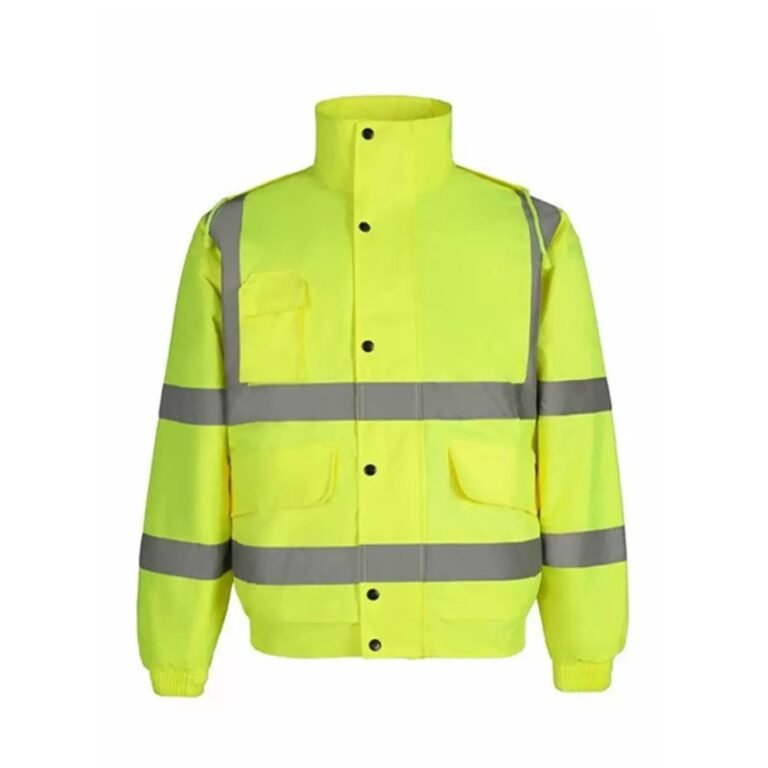
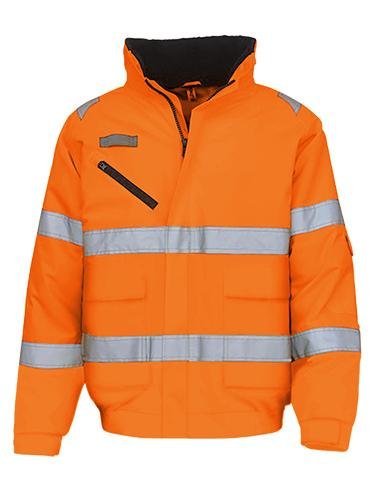
| Class 3 (Type R or P) | Maximum visibility. For workers in the highest-risk environments, such as near traffic exceeding 50 mph, in complex backgrounds, or at night. **Must have sleeves** to outline the full human form. Example: Highway crews, flaggers, emergency responders. | Jackets, sweatshirts, sleeved rainwear. |
The choice of fabric also matters for comfort and durability. For teams working in warmer climates or who prefer natural fibers, you can view our collection of 100% cotton hi-vis t-shirts that meet Class 2 or 3 standards.
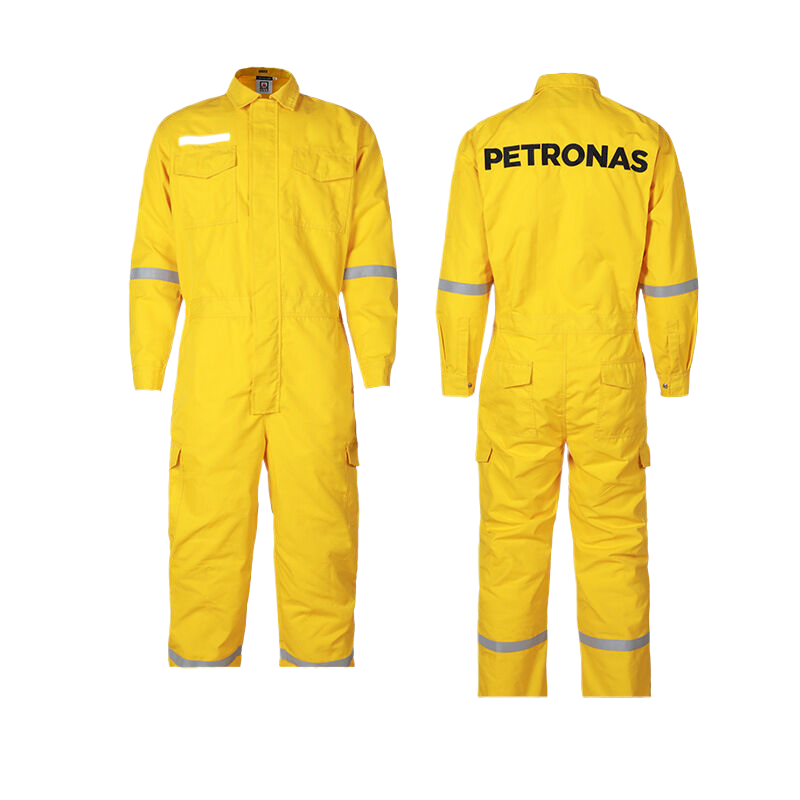
The Smart Combination: Upgrading to Class 3 with Class E
What if you need Class 3 protection, but a full jacket is too much for the weather? The standard has a flexible solution: Class E.
Class E applies to hi-vis pants, bib overalls, and shorts. On their own, they are not rated. However, when you pair a Class E item with a Class 2 or Class 3 top, the total area of visible material increases, creating a higher-rated “ensemble.”
- Class 2 Top + Class E Bottom = Class 3 Ensemble
- Class 3 Top + Class E Bottom = Class 3 Ensemble (with even more visibility)
This modular approach is perfect for adapting to different tasks and weather conditions throughout the day, ensuring workers are always adequately protected without sacrificing comfort.
Don’t Guess on Safety. Get Compliant.
Understanding ANSI/ISEA 107 is the first step. The next is equipping your team with garments that meet the standard and your specific needs. As a leading OEM/ODM manufacturer, we create custom hi-vis solutions that are certified, durable, and branded for your company.
Request a Custom QuoteFrequently Asked Questions
Is my old hi-vis vest still compliant with the new standard? ▾
Possibly, but you need to check the tag. The standard is updated periodically (e.g., 2010, 2015, 2020). While the core principles remain, there can be changes to testing or classifications. The most significant change was combining previous standards into the Type O/R/P system. If your garment is old, faded, or damaged, it likely no longer meets the visibility requirements and should be replaced.
What’s the difference between ANSI/ISEA 107 and Canada’s CSA Z96? ▾
They are similar North American standards but have key differences. Both use a 3-class system based on body coverage. However, CSA Z96 has a distinct requirement for an “X” pattern on the back of garments to indicate which way a worker is facing. A garment compliant with one standard is not automatically compliant with the other. Always verify the required standard for your jurisdiction.
Does the color of the clothing matter? ▾
Yes. The standard only allows three colors for the fluorescent background material: fluorescent yellow-green, fluorescent orange-red, and fluorescent red. The choice often depends on the work environment to provide the highest contrast. For instance, fluorescent yellow-green is common in most settings, while fluorescent orange-red is often used in snowy environments or where equipment and signage are yellow.