What Is Class 3 High Visibility Clothing? The Ultimate Guide
Navigating the world of safety standards can be complex. We’re breaking down exactly what Class 3 means and why it’s the pinnacle of worker conspicuity.
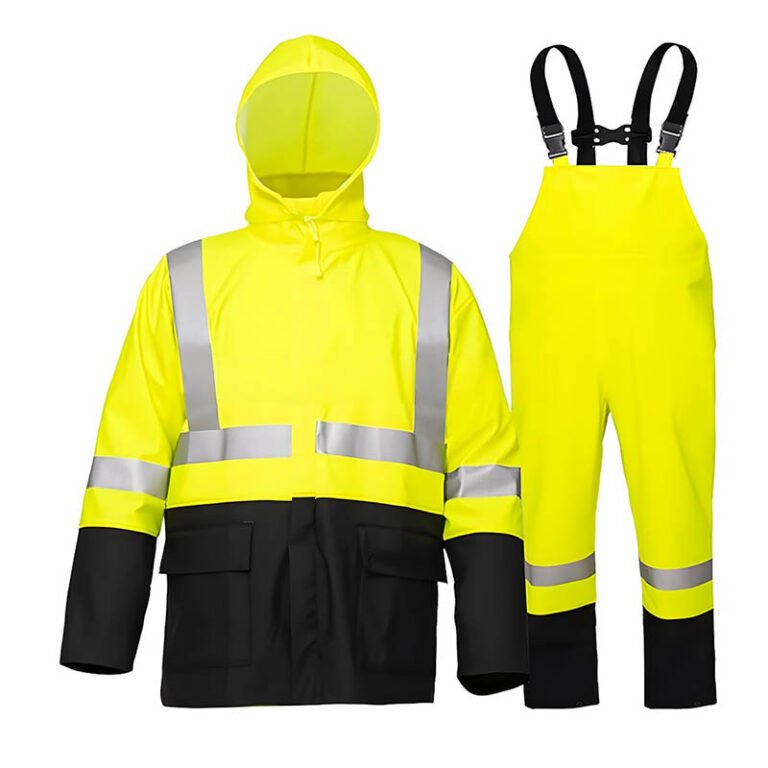
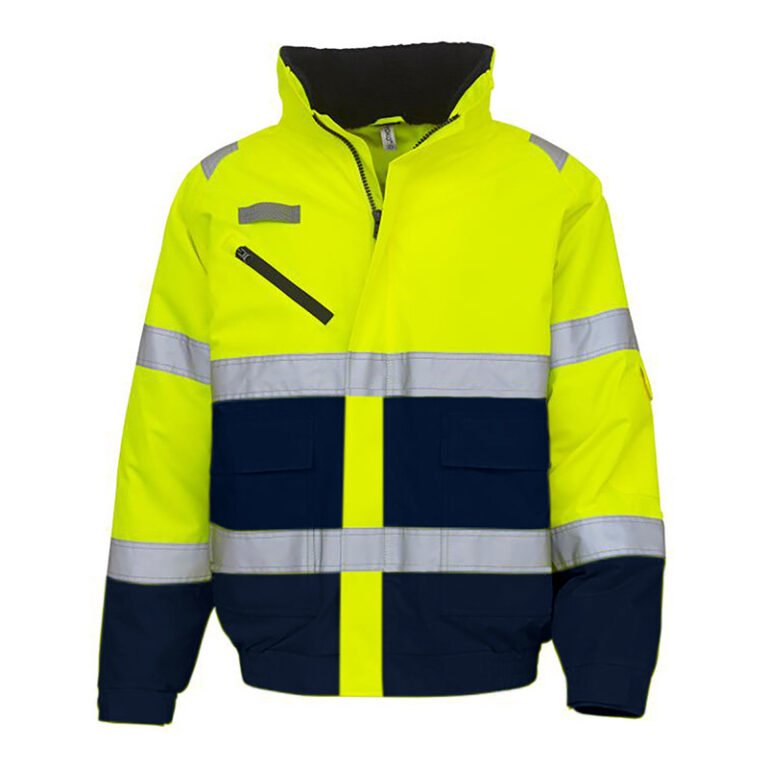
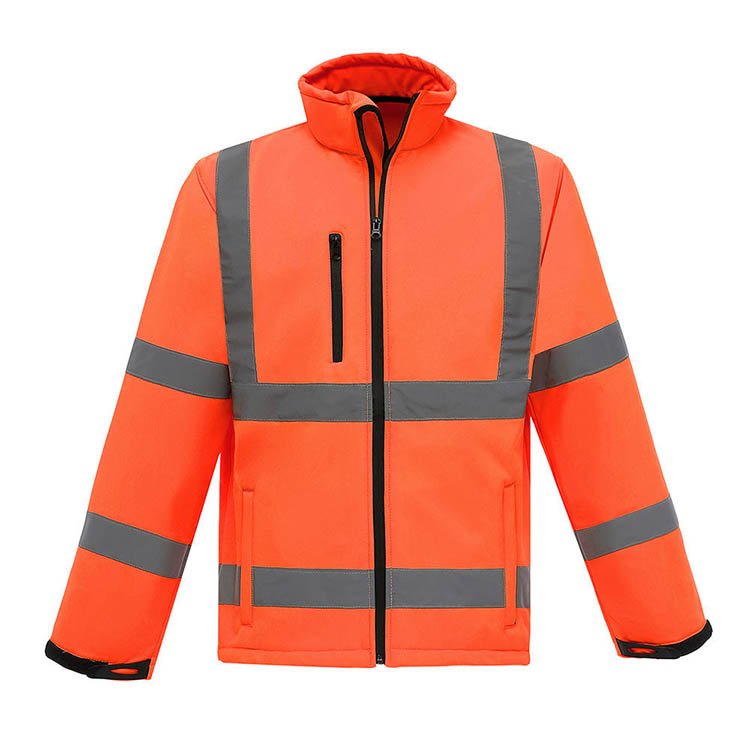
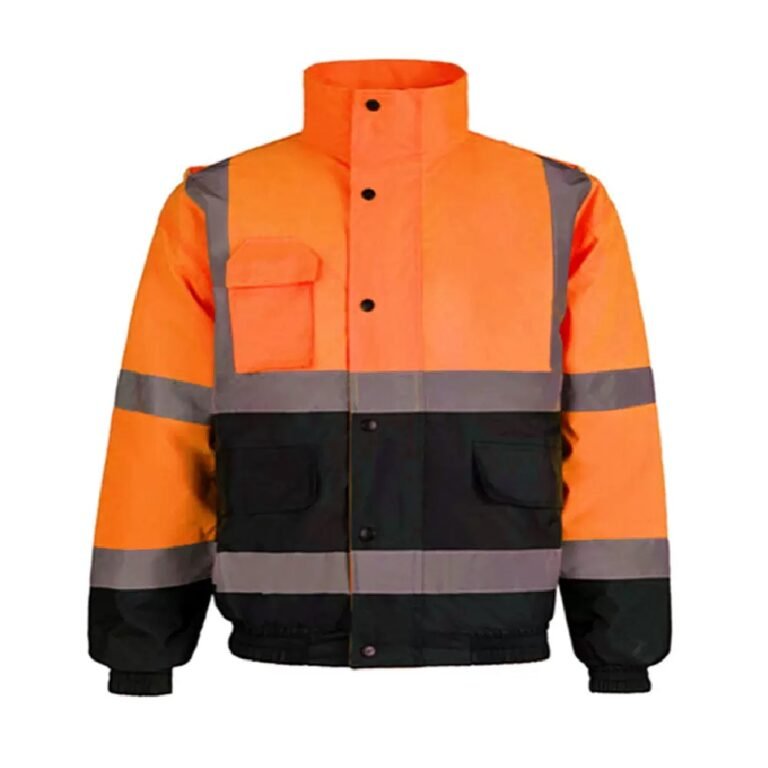
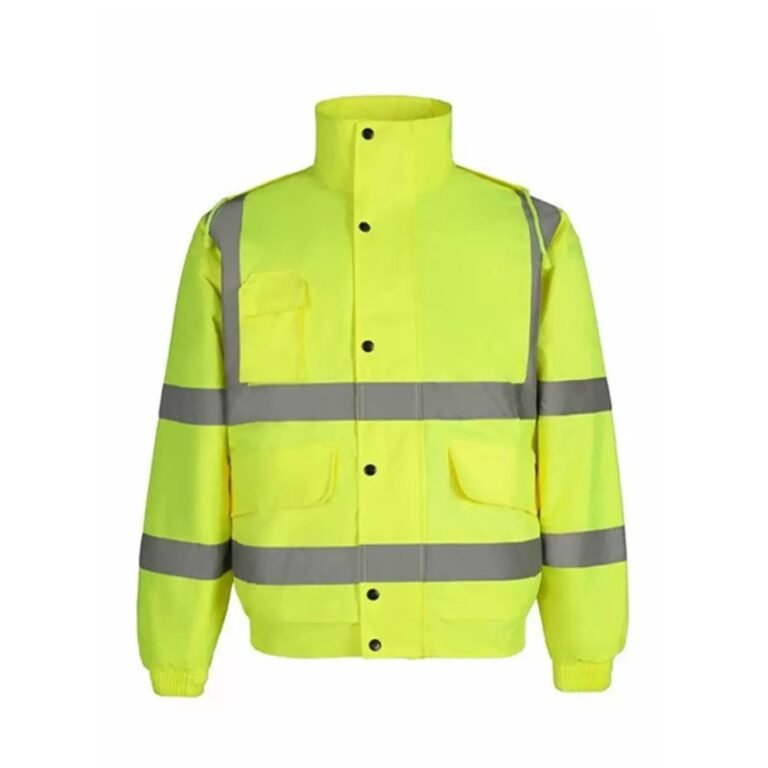
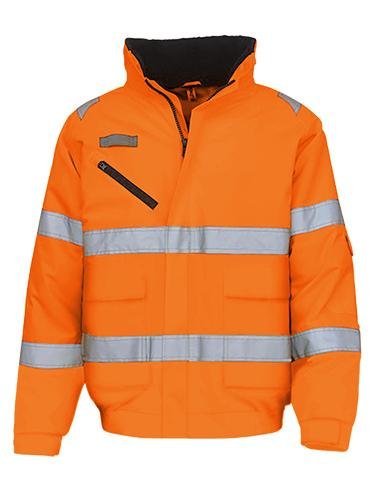
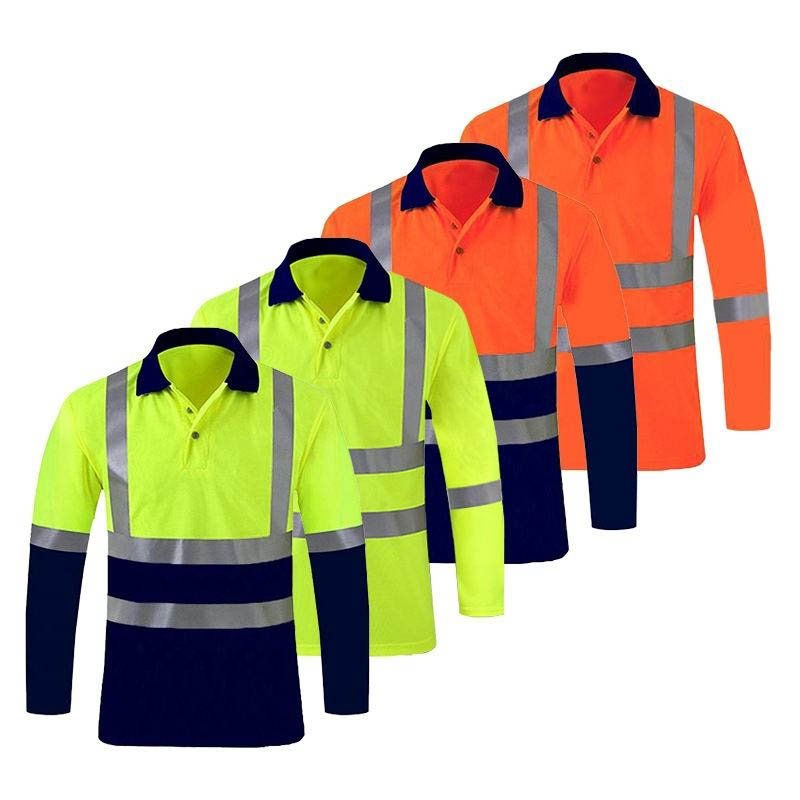
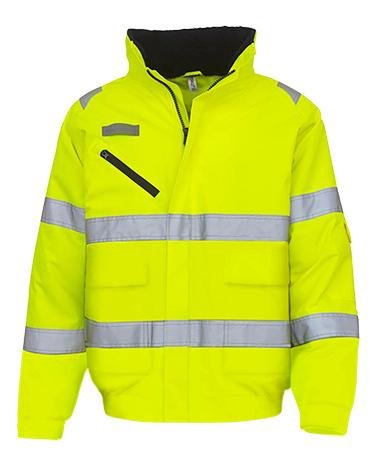
Class 3 high visibility clothing represents the highest level of visibility protection under the ANSI/ISEA 107 standard. It is designed for workers in the most high-risk environments, where they are exposed to high-speed traffic (over 50 mph / 80 kph), complex backgrounds, and poor weather or low-light conditions. To qualify as Class 3, a garment must have a substantial amount of fluorescent background material (a minimum of 1240 square inches or 0.80 m²) and retroreflective material (310 square inches or 0.20 m²), and crucially, it must have sleeves and cover the full torso to provide 360-degree visibility and outline the complete human form.
Expert Insight: More Than Just Bright, It’s About Recognition
“From my years of speaking with clients worldwide, the biggest ‘aha’ moment for them is understanding that Class 3 isn’t just about being ‘brighter.’ It’s about creating a full human silhouette. The mandatory long sleeves are the crucial component here. In low light or from a distance, a Class 2 vest can look like a traffic cone or a stationary object. But the sleeved Class 3 garment ensures a worker is instantly identifiable as a person, especially when their arms are moving. When I consult with safety managers, I always stress this: you’re not just buying a garment; you’re buying 360-degree human recognition. That’s the real lifesaver.”
– Senior Product Specialist, VizGlo Safety
Decoding the Standard: Key Requirements of Class 3
The ANSI/ISEA 107 standard provides clear, quantitative requirements for a garment to be certified as Class 3. It’s not just a subjective measure of brightness; it’s a science of visibility.
1. Background Material
This is the fluorescent material (typically lime/yellow or orange) that provides daytime visibility. Class 3 garments must have at least 1240 square inches (0.80 square meters) of this material.
2. Retroreflective Material
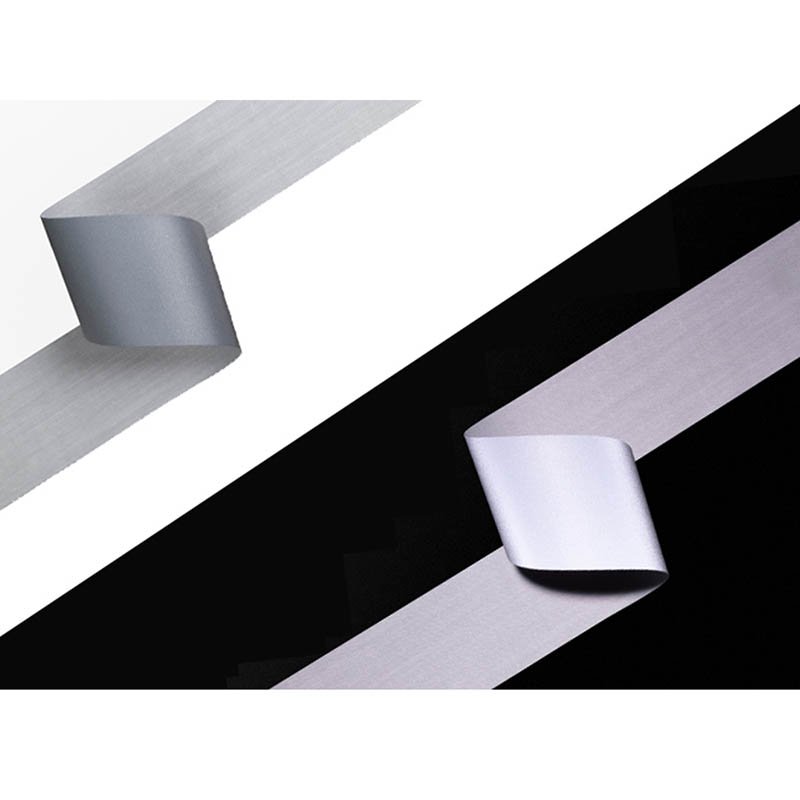
This is the silver tape that reflects light back to its source (like headlights) for nighttime visibility. Class 3 requires a minimum of 310 square inches (0.20 square meters). This reflective material must be placed strategically to outline the body.
3. Body and Arm Coverage
This is the defining feature. Class 3 garments MUST have sleeves with retroreflective bands. This ensures the arms are visible, which is crucial for identifying a person’s movements and intentions.
Class 3 vs. Class 2 vs. Class 1: A Clear Comparison
Understanding the difference between the classes helps you make the right choice for your team’s specific risk level.
| Feature | Class 2 | Class 3 |
|---|---|---|
| Worker Risk Level | Medium Risk: Near traffic > 25 mph. | High Risk: Near traffic > 50 mph, poor visibility. |
| Min. Background Material | 775 in² (0.50 m²) | 1240 in² (0.80 m²) |
| Min. Reflective Material | 201 in² (0.13 m²) | 310 in² (0.20 m²) |
| Key Requirement | Full torso coverage (front, back, sides). Sleeveless vests are common. | Full torso AND arm coverage with reflective taping on sleeves. |
*Note: Class 1 is for low-risk environments, like parking attendants in a lot, and has the lowest material requirements.
When is Class 3 Mandatory? Real-World Scenarios
Class 3 isn’t just an option; in many situations, it’s a legal or company requirement. Your workers need this level of protection if they:
- Work on highways, freeways, or any roadway where vehicle speeds exceed 50 mph (80 kph). Think road construction crews.
- Operate as roadway flaggers, survey crews, or utility workers in high-traffic zones.
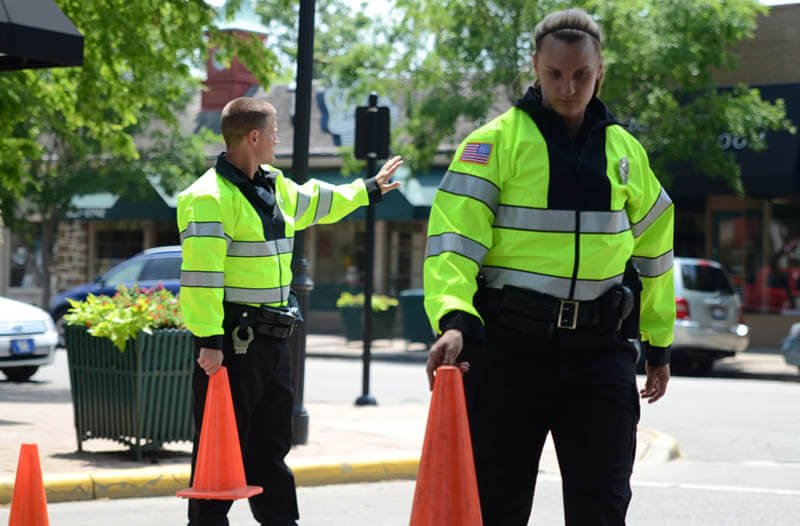
- Act as emergency responders (police, fire, EMS) at incident scenes on high-speed roads.
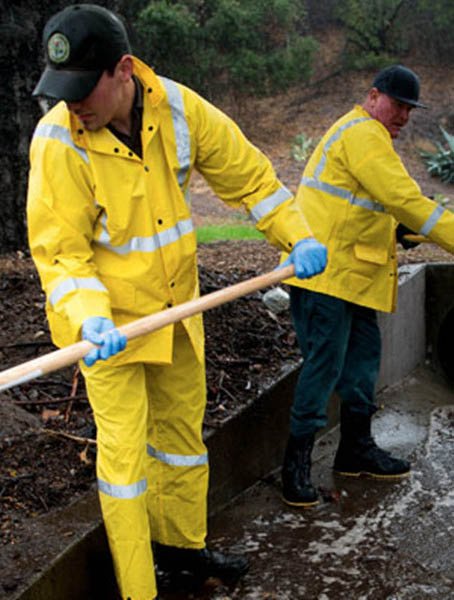
- Work at night or during inclement weather (heavy rain, fog, snow) with significantly reduced visibility.
- Are exposed to complex backgrounds that make them difficult to distinguish from the environment.
The “Ensemble” Trick: Achieving Class 3 with Class E Trousers
Here’s a clever and flexible feature of the ANSI standard. What if you need Class 3 protection but want to use a Class 2 vest? You can!
Class E refers to high-visibility trousers, bib overalls, or shorts. These items are not rated on their own. However, when you combine a Class 2 garment with a Class E garment, the total combination (or ensemble) is rated as Class 3.
Formula: Class 2 Vest + Class E Trousers = Class 3 Ensemble
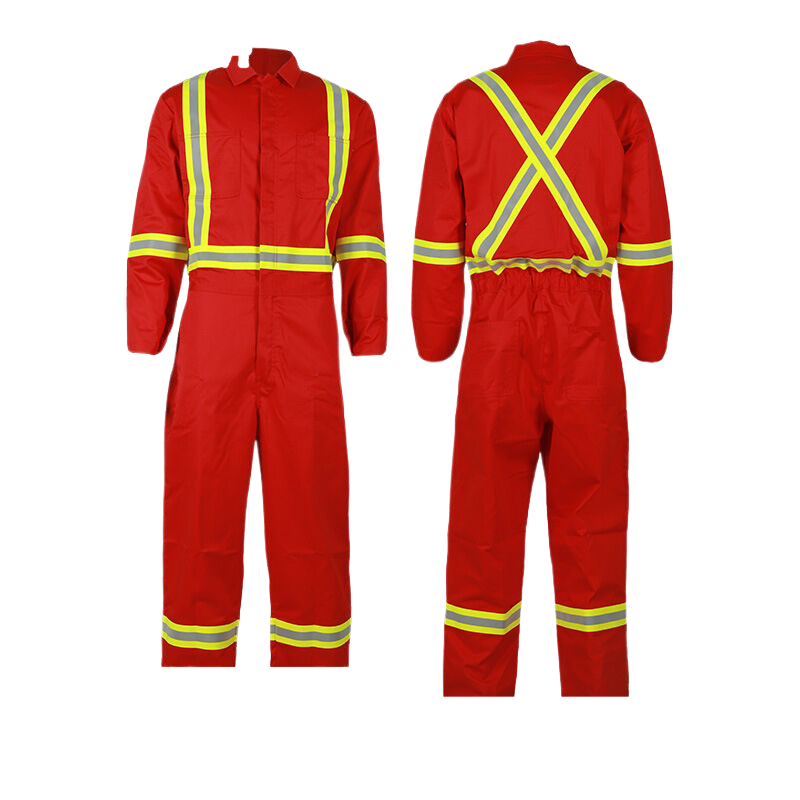
This is a popular solution for workers who may face changing conditions throughout the day. They can wear a Class 2 vest for lower-risk tasks and simply add the Class E trousers when moving to a high-risk area, instantly upgrading their protection to Class 3.
Ensure Ultimate Safety with Compliant Class 3 Apparel
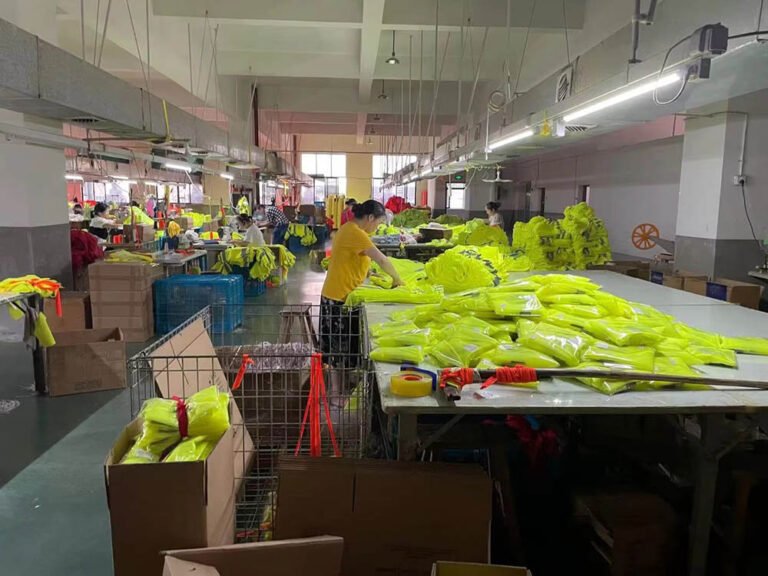
At VizGlo Safety, we don’t just sell high-visibility clothing; we manufacture safety solutions. Our Class 3 garments, including hi-vis jackets, sweatshirts, and rainwear, are engineered to exceed ANSI/ISEA 107 standards. Let us be your trusted OEM/ODM partner for creating durable, compliant, and branded safety wear.
Get A Custom Quote TodayFrequently Asked Questions
Is a Class 3 vest with short sleeves compliant? ▾
No. A key-defining feature of a standalone Class 3 garment is sleeves that cover the arm, complete with reflective striping. A short-sleeve shirt, even with high-visibility fabric, cannot meet the required background material coverage for the arms to be considered Class 3 on its own.
What’s the difference between ANSI Class 3 and EN ISO 20471 Class 3? ▾
Both are the highest standards for their respective regions (ANSI for the USA, EN ISO for Europe). They share the same goal of maximum visibility and both require full torso and arm coverage. However, they have slightly different minimum requirements for the square meters of background and retroreflective material. Always check which standard is required for your specific job site or region.
Can I add my company logo to a Class 3 jacket? ▾
Absolutely. As an OEM manufacturer, we specialize in this. However, there are rules. Logos and lettering cannot obscure the minimum required area of background or retroreflective material. The best practice is to use reflective logos or place logos in areas that don’t compromise the garment’s compliance. We can guide you on compliant logo placement.
How do I properly care for my Class 3 clothing? ▾
To maintain the garment’s compliance and lifespan, wash in cool or warm water, not hot. Tumble dry on low or hang dry. Do not use bleach or fabric softeners, as they can degrade the fluorescent and reflective properties. Washing the garments inside-out can also help protect the reflective tape.