What’s the Difference Between an OEM and an ODM Manufacturer?
If you’re looking to manufacture a product, you’ve hit a wall of acronyms. OEM, ODM… what do they mean? More importantly, which one is the right path for your business? This guide breaks it all down.
OEM vs. ODM: The Core Difference
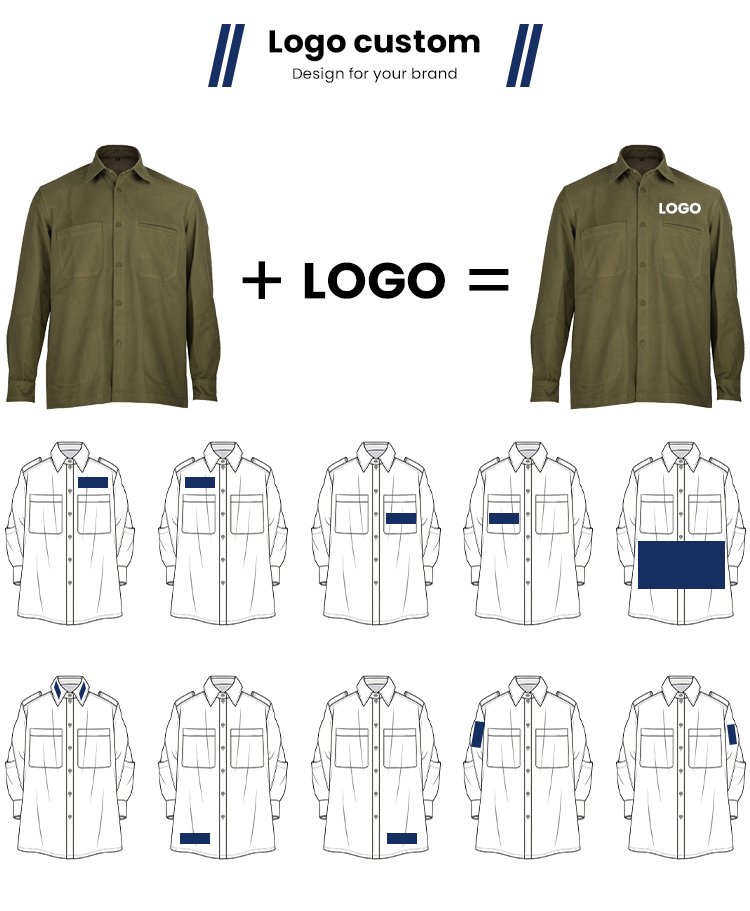
The primary difference between an OEM (Original Equipment Manufacturer) and an ODM (Original Design Manufacturer) lies in who handles the product design and engineering. With **OEM**, you (the client) provide the complete product design and specifications, and the manufacturer builds it for you. You own the intellectual property. With **ODM**, the manufacturer already has their own pre-designed products which you can choose from, rebrand with your logo, and sell. The manufacturer owns the core product’s intellectual property. Essentially, OEM is “build-to-spec,” while ODM is “pick-and-brand.”
Deep Dive: Understanding OEM (Original Equipment Manufacturer)
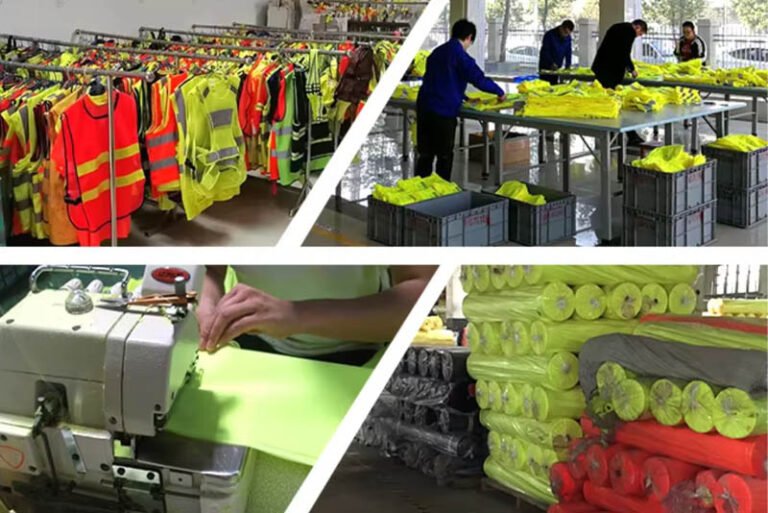
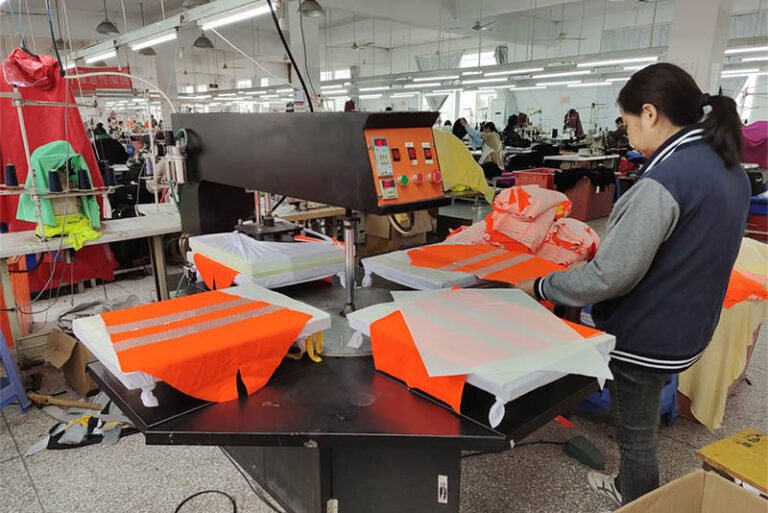
An OEM partner is a pure-play manufacturer. You approach them with a fully realized product idea, complete with detailed technical drawings (tech packs), material specifications, and quality standards. Their job is to use their factory, equipment, and labor to bring your unique vision to life.
Think of it like hiring a contractor to build a custom house based on blueprints from an architect you hired. The contractor builds it, but the design is 100% yours.
Pros of OEM
- Total Control: You dictate every detail, from fabric to zipper pulls.
- Unique Product: Your final product is exclusive to your brand.
- IP Ownership: You own the design and all associated Intellectual Property.
- Strong Brand Identity: Creates a distinct market presence.
Cons of OEM
- Higher Upfront Costs: Requires significant investment in R&D and tooling.
- Longer Time-to-Market: Design, prototyping, and testing take time.
- Higher Risk: You bear the full responsibility for product design and market fit.
- Requires Expertise: You need in-house or contracted design talent.
Deep Dive: Understanding ODM (Original Design Manufacturer)
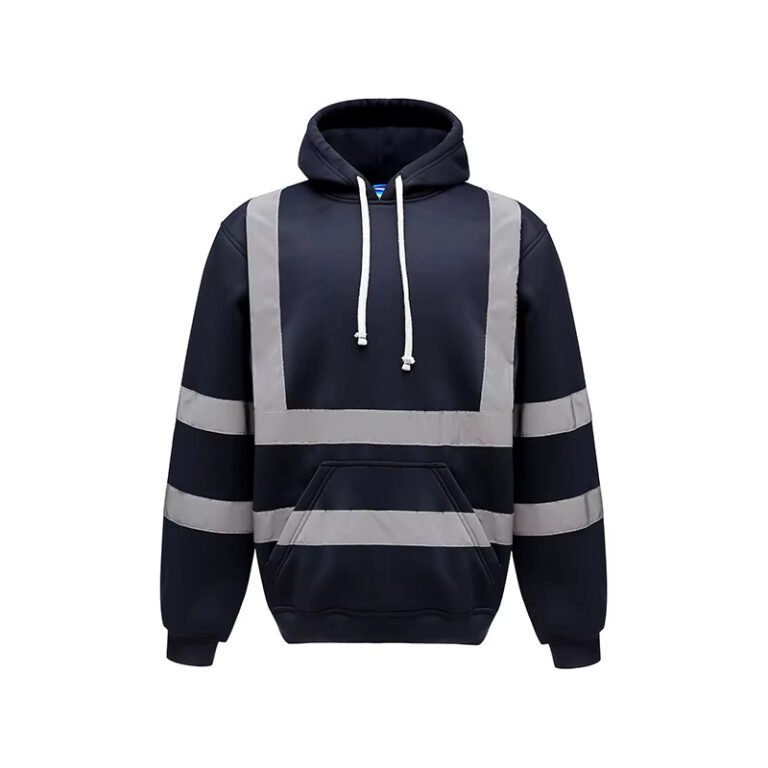
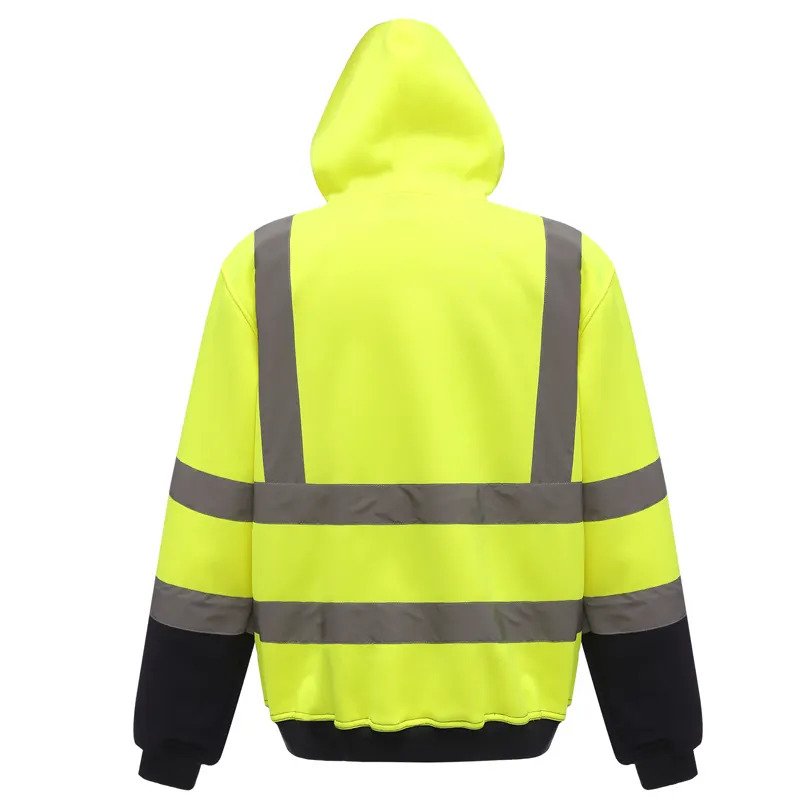
An ODM partner, often called a “private label” or “white label” manufacturer, has already done the heavy lifting of design and development. They have a catalog of market-ready products that you can select from. Your involvement is typically limited to choosing colors, adding your logo, and specifying packaging.
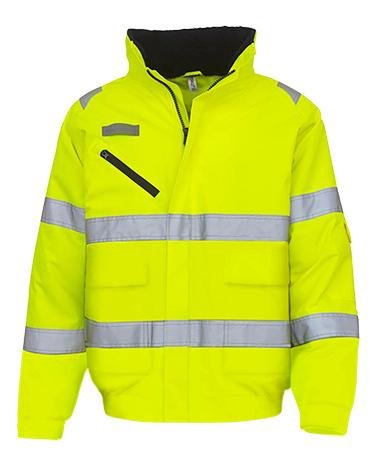
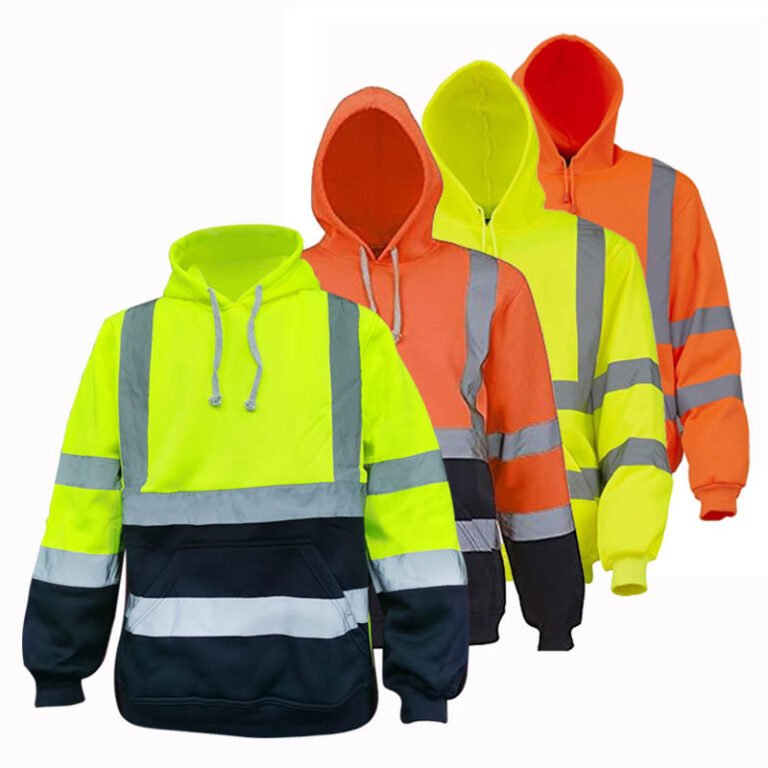
For example, we at VizGlo Safety offer a complete line of pre-designed high visibility vests that are already compliant with ANSI/ISEA 107 standards. A new distributor can select a model, add their brand, and have a product ready to sell in weeks, not months.
Pros of ODM
- Fast Time-to-Market: Drastically reduces development time.
- Lower Costs: No R&D expenses, and shared tooling costs.
- Lower Risk: Products are often proven in the market.
- Simplicity: Easy entry for businesses without design teams.
Cons of ODM
- Limited Customization: Changes are minimal (color, logo).
- Generic Products: Your product may look similar to competitors’.
- No IP Ownership: The design belongs to the manufacturer.
- Price Competition: Harder to differentiate on features, leading to price wars.
OEM vs. ODM: A Quick Comparison Table
| Feature | OEM | ODM |
|---|---|---|
| Intellectual Property | Owned by you (the client) | Owned by the manufacturer |
| Design & Development | Your responsibility | Manufacturer’s responsibility |
| Upfront Cost | High (R&D, tooling) | Low (minimal to none) |
| Time-to-Market | Long (6-12+ months) | Short (1-4 months) |
| Customization | Total | Minimal (branding, color) |
| Best For | Established brands with unique product ideas. | Startups, market testing, or volume-based sales. |
Expert Insight: Beyond Definitions – A Strategic View
From my years in the field, I can tell you this decision is less about definitions and more about your business strategy. I’ve seen startups get bogged down by insisting on a fully custom OEM design when an ODM model would have gotten their product to market in half the time. Conversely, I’ve seen established brands lose their edge by relying too heavily on generic ODM products that look like everyone else’s.
My advice is to view this as a spectrum. ODM is your accelerator—it’s perfect for launching a standard line of ANSI/ISEA compliant vests or testing a new market with minimal upfront R&D investment. OEM is your brand builder—it’s how you create a proprietary, ergonomic hi-vis jacket for a niche industry or introduce a unique cooling fabric that sets you apart.
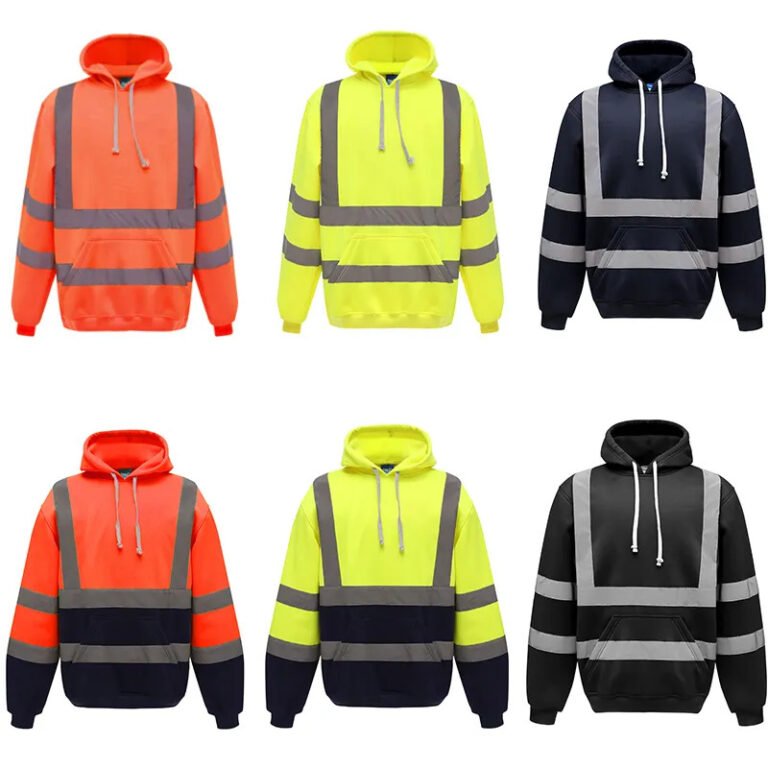
The best manufacturing partners don’t just ask “OEM or ODM?”; they ask about your goals, your budget, and your timeline. Often, the most successful projects are a hybrid, starting with a proven ODM chassis and then customizing it with unique branding, reflective tape configurations, and materials to create a semi-custom product. The key is finding a supplier who can consult, not just fabricate.

OEM or ODM: Which Path is Right for Your Brand?
Use this checklist to guide your decision:
- Choose OEM if: You have a truly unique product concept, brand differentiation is your top priority, you have a dedicated budget and timeline for R&D, and you want to own the intellectual property.
- Choose ODM if: Speed-to-market is critical, you are entering a new market and want to test the waters, you are competing primarily on price and availability, or you lack internal design resources.
- Consider a Hybrid Approach if: You want a faster launch but still need some differentiation. You can start with an ODM product and work with a flexible manufacturer (like VizGlo Safety) to add custom features, pockets, or use specialized reflective materials.
Your Vision, Manufactured.
Whether you have a complete blueprint or just the beginning of an idea, our team is ready to guide you. At VizGlo Safety, we are experts in both OEM and ODM solutions, providing the flexibility you need to succeed. Let’s build something great together.
Discuss Your Project With An ExpertFrequently Asked Questions
Can I use an ODM product and still customize it?
Yes, this is often called a “hybrid” approach. While the core design and tooling belong to the manufacturer, many ODM suppliers, including VizGlo Safety, allow for modifications. Common customizations include changing fabrics, adding or removing pockets, altering reflective tape configurations, and of course, adding your custom branding via logos, tags, and packaging.
Is OEM always more expensive than ODM?
OEM typically has higher *upfront* costs due to research, development, and tooling molds. However, the *per-unit* cost can sometimes be lower over a very large production run, as you are not paying a premium for the manufacturer’s design services. ODM has almost no upfront cost but might have a slightly higher per-unit price that includes the amortization of the manufacturer’s design investment.
Who handles product certification (e.g., ANSI/ISEA 107) in OEM vs. ODM?
This is a critical point. With **ODM**, the manufacturer is typically responsible for ensuring their base product already meets relevant standards like ANSI/ISEA 107 or EN ISO 20471. It’s one of the benefits. With **OEM**, the responsibility for compliance ultimately falls on you as the designer. However, a good OEM partner will consult with you throughout the process to ensure the design, materials, and construction will meet the necessary certification requirements before mass production begins.