Why FR Hi-Vis Raincoats are Essential for Electrical & Power Industries
Posted on November 23, 2023 by the VizGlo Safety Team
An FR (flame-retardant) hi-vis raincoat is essential for electrical and power industry workers because it is the only piece of personal protective equipment (PPE) designed to neutralize the compounded, life-threatening risks they face simultaneously. For a lineman working on a high-voltage line in a storm, the danger isn’t just rain; it’s a combination of poor visibility, electrocution risk, and the potential for a catastrophic arc flash. A standard raincoat offers no thermal protection and can melt onto the skin, while standard FR gear becomes waterlogged and useless. The purpose-built flame retardant hi-vis raincoat provides a three-in-one safety system: it keeps workers dry to prevent shock and hypothermia, highly visible to prevent struck-by accidents, and critically, it will not ignite or continue to burn when exposed to an electric arc, providing a vital layer of protection that is, quite literally, a lifeline.
The “Perfect Storm” of Hazards for Electrical Workers
Imagine a lineman called out to restore power during a torrential downpour. They are working at height, near active power lines, often beside a busy road with poor visibility. This isn’t a single-hazard environment; it’s a complex web of interwoven risks. Outfitting them with the wrong gear isn’t just a mistake; it’s a direct threat to their life.
1. Arc Flash & Thermal Dangers
An arc flash is a violent, explosive release of energy from an electrical fault. Temperatures can reach 35,000°F (19,400°C)—four times hotter than the sun’s surface. A standard polyester or nylon raincoat, when exposed to this, will instantly melt and fuse to a worker’s skin, causing horrific, life-altering burns. An arc-rated rain jacket is engineered to self-extinguish, preventing ignition and providing precious seconds for the worker to move away from the hazard.
2. Electrical Shock & Weather Exposure
Water is an excellent conductor of electricity. When a worker’s clothing becomes saturated with rain, their resistance to electrical current drops dramatically, increasing the risk of severe shock or electrocution. Furthermore, being soaked in cold, windy conditions leads to discomfort, loss of focus, and the very real danger of hypothermia. An electrical worker safety gear must be impeccably waterproof, not just for comfort, but as a primary line of defense against electrical contact.
3. Low Visibility & Struck-By Accidents
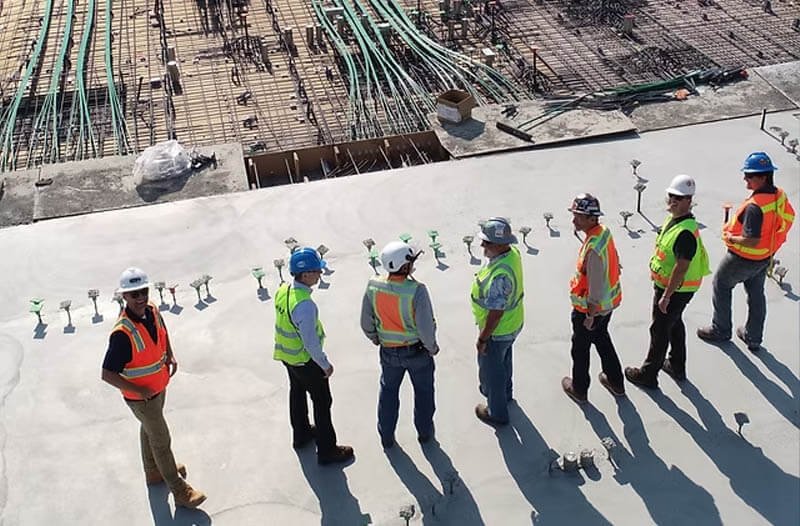
Rain, fog, and the low-light conditions of dawn, dusk, or nighttime drastically reduce a worker’s visibility to motorists and heavy equipment operators. According to the Bureau of Labor Statistics, struck-by incidents are a leading cause of death in many industries. High-visibility apparel, compliant with standards like ANSI/ISEA 107, uses a combination of fluorescent background colors and retroreflective tape to ensure workers are seen from a safe distance, day or night.
The 3-in-1 Solution: Deconstructing the FR Hi-Vis Raincoat
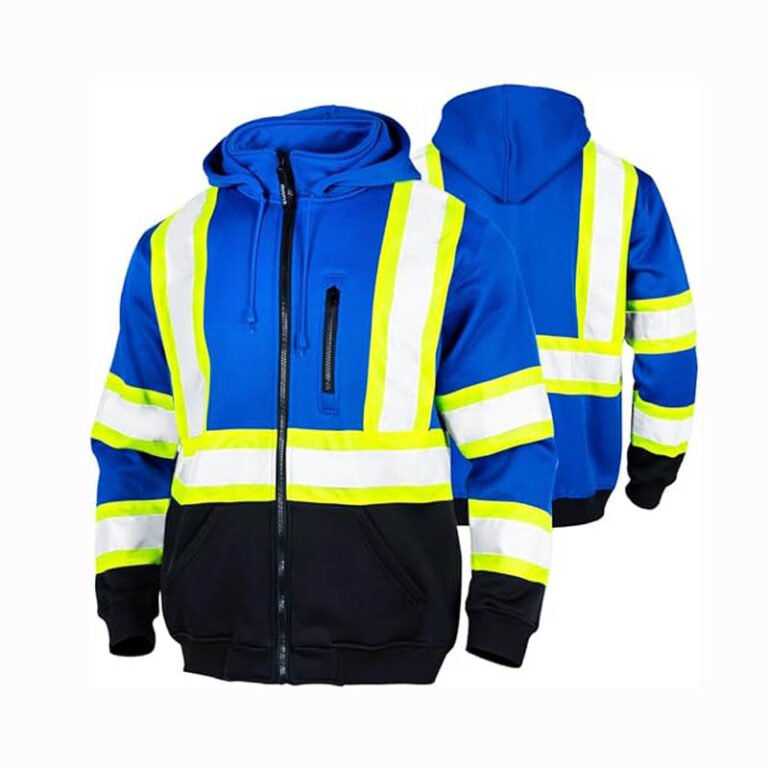
An FR hi-vis raincoat is not just a coat. It’s an engineered system where each component addresses a specific hazard, working together to provide comprehensive protection.
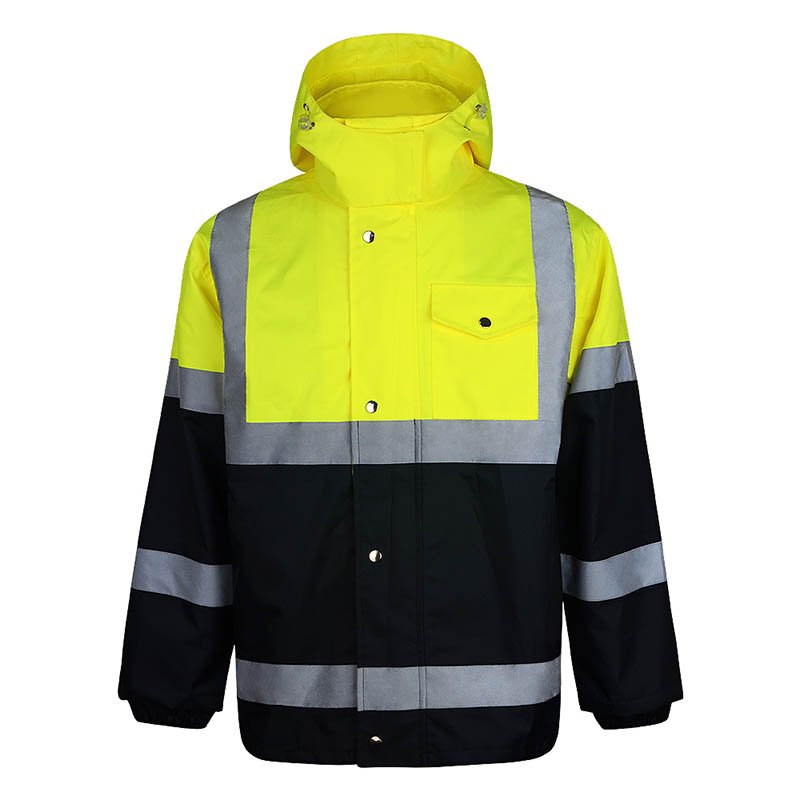
- The Flame-Retardant Layer: This is the core of thermal protection. Made from materials that won’t melt, drip, or support combustion, this layer is assigned an Arc Thermal Performance Value (ATPV). This value, measured in calories/cm², indicates the amount of incident energy the garment can block before the onset of a second-degree burn.
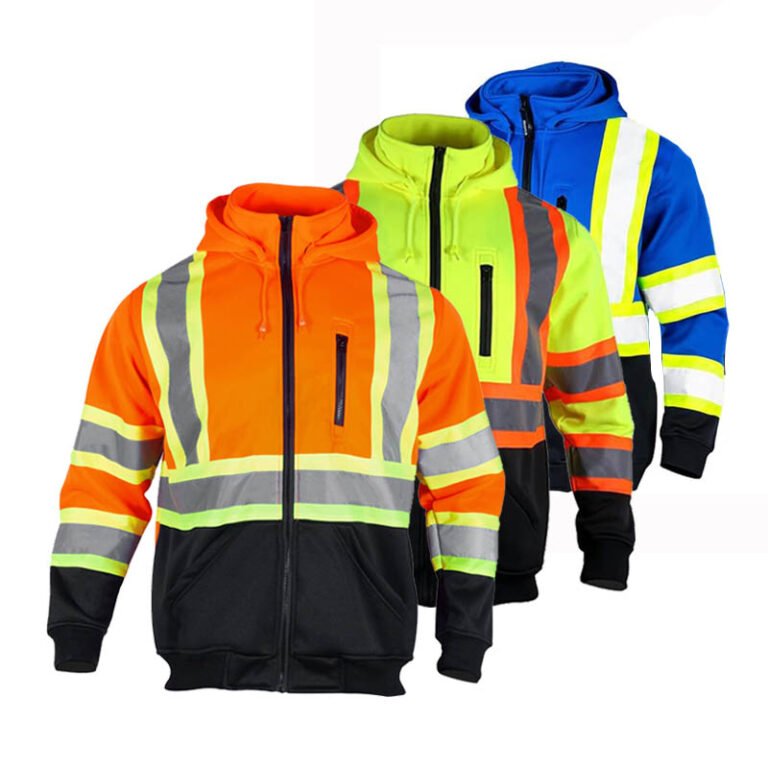
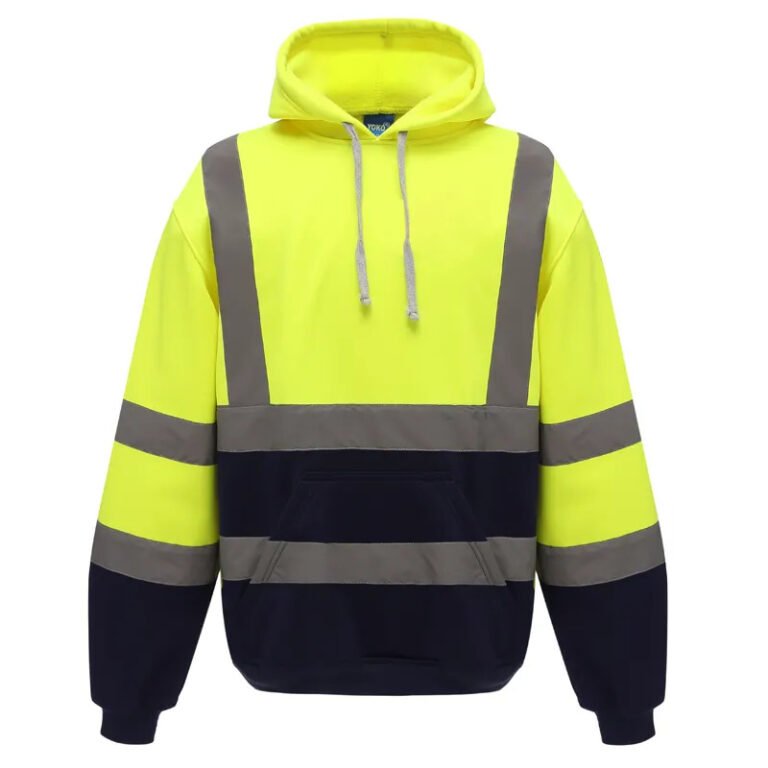
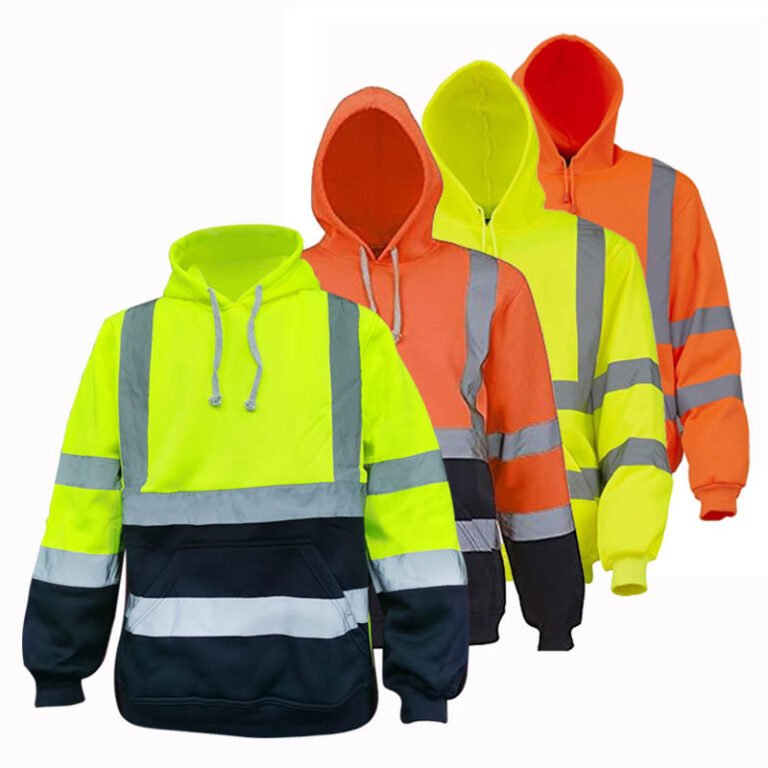
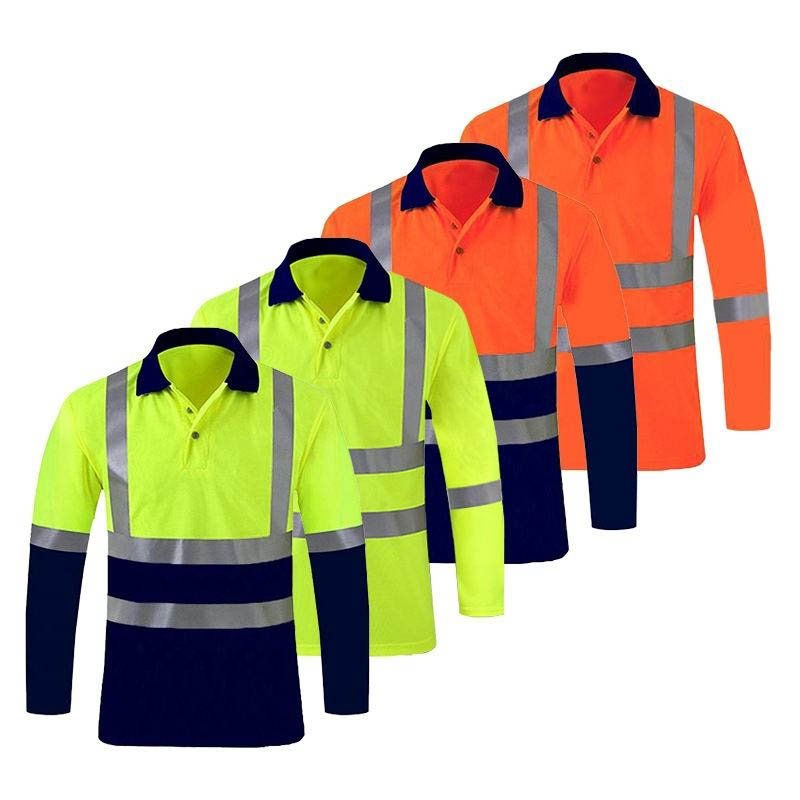
- The Hi-Vis Outer Shell: This layer ensures the worker is visible. It must meet specific color (fluorescent yellow-green, orange-red, or red) and retroreflective material requirements as defined by standards like ANSI/ISEA 107.
- The Waterproof, Breathable Membrane: Sandwiched between layers or coated on the fabric, this technology keeps rain out while allowing perspiration vapor to escape. This dual action prevents a worker from getting soaked by either the weather or their own sweat, ensuring they stay dry, comfortable, and focused.
Not All Gear is Created Equal: Key Features to Demand
When selecting an arc rated rain jacket, you’re making a decision that has real-world consequences. Look beyond the price tag and scrutinize the specifications to ensure you are getting true, compliant protection.
- Compliant Arc Rating: Ensure the garment’s ATPV meets or exceeds the requirements of your site’s hazard risk assessment. Look for labels that clearly state compliance with standards like ASTM F1891 (Standard Specification for Arc and Flame Resistant Rainwear).
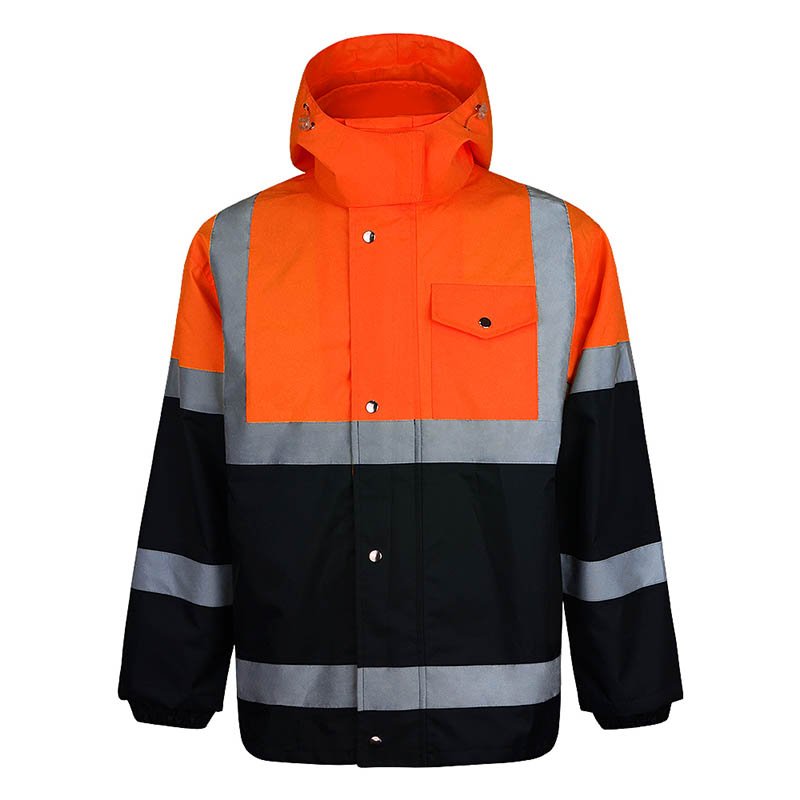
- ANSI/ISEA 107 Compliance: Check the garment’s hi-vis classification (e.g., Type R, Class 3). Class 3 provides the highest level of visibility for workers exposed to high-speed traffic and complex backgrounds.
- Durable Waterproofing: Look for features like sealed or welded seams, storm flaps over zippers, and adjustable cuffs. These details are critical in preventing water ingress during prolonged exposure to rain.
- Functional Design: A well-designed coat includes features that enhance safety and usability, such as a non-conductive zipper, a roll-away hood that fits over a hard hat, and strategically placed pockets that don’t compromise the FR or waterproof integrity.
The Real Cost of Inadequate PPE
Choosing standard PPE over specialized FR hi-vis rainwear might seem like a cost-saving measure, but it’s a dangerous and expensive gamble. The potential costs of a single incident—including medical expenses, worker’s compensation, regulatory fines, legal fees, project delays, and the irreparable human toll—dwarf the initial investment in proper gear. Equipping your team correctly is not an expense; it’s a fundamental investment in their safety, your company’s reputation, and your operational continuity.
Partner with Experts for Compliant, Reliable Gear
Navigating the complexities of PPE standards can be challenging. At VizGlo Safety, we specialize in manufacturing high-performance FR hi-vis rainwear that meets and exceeds global safety standards. We understand the unique hazards of the electrical and power industries and are committed to producing gear that you can trust when it matters most.
Don’t leave your team’s safety to chance. Ensure they are protected from every angle with gear that’s built for their reality. Explore our comprehensive collection of premium hi-vis raincoats today.
Frequently Asked Questions
Can I just wear an FR shirt under a normal raincoat? + –
No, this is extremely dangerous. The outer raincoat, if not FR, can melt and drip onto the FR shirt, transferring intense heat and potentially compromising its protective qualities. It can also trap heat from an arc flash, increasing burn severity. Only wear FR-rated rainwear over other FR garments.
What is the difference between “flame resistant” and “flame retardant”? + –
“Flame resistant” refers to materials that are inherently non-flammable (e.g., Nomex, Modacrylic). “Flame retardant” refers to fabrics that have been chemically treated to achieve self-extinguishing properties. For the end-user, both must meet the same performance standards (like ASTM F1891) to be considered compliant FR rainwear.
How often should FR hi-vis raincoats be replaced? + –
Inspect gear before each use. Replace it immediately if it has holes, tears, or is contaminated with flammable substances. The lifespan depends on use and care, but it should also be retired if the hi-vis colors have faded significantly or the reflective tape is damaged, as it may no longer be compliant with visibility standards.