3M Scotchlite vs. Generic Reflective Tape: Why Material Choice Matters for Your Hi-Vis Jackets
They look the same. They feel the same. But in the dark, under pressure, the difference could be life-changing.
In This Article
- The Critical Difference: 3M vs. Generic Tape Explained
- A View from the Trenches: The Real-World Dilemma
- The Science of Sight: What is Retroreflectivity?
- The Durability Divide: Performance After Wash and Wear
- The Compliance Trap: “Certified” vs. Consistently Compliant
- The Hidden Cost: Liability and the False Sense of Security
- Making the Right Choice for Your Team and Brand
The choice between 3M™ Scotchlite™ and generic reflective tape comes down to verifiable, long-term performance versus initial, unproven compliance. While a generic tape may meet ANSI or EN ISO standards out of the box, 3M™ Scotchlite™ is engineered and rigorously tested to maintain its high retroreflectivity and integrity after dozens of industrial washes, prolonged UV exposure, and harsh physical abrasion. Opting for 3M™ is an investment in durability, guaranteed compliance over the garment’s entire lifespan, and mitigating corporate liability. Choosing a generic tape can lead to rapid degradation, a false sense of security for the wearer, and potential non-compliance, turning a cost-saving measure into a significant safety risk.
A View from the Trenches: The Real-World Dilemma
“In my 15+ years selling hi-vis apparel globally, the conversation I have most often with procurement managers isn’t about the jacket’s fabric—it’s about the thin silver stripes. The question is always the same: ‘Why pay the premium for 3M™ Scotchlite™ when this generic tape looks identical and also claims to meet the standard?'”
This is the heart of the matter for anyone responsible for outfitting a workforce. On paper, two hi-vis jackets might list the same safety certifications. Visually, the reflective tapes can be indistinguishable. The price tag, however, tells a different story. To understand that price gap, you have to look beyond the initial purchase and consider the total cost of ownership—a cost measured not just in dollars, but in safety and peace of mind.
The Science of Sight: What is Retroreflectivity?
Before we compare tapes, it’s vital to understand the technology. Reflective tape on safety gear doesn’t just “glow.” It uses a principle called retroreflection.
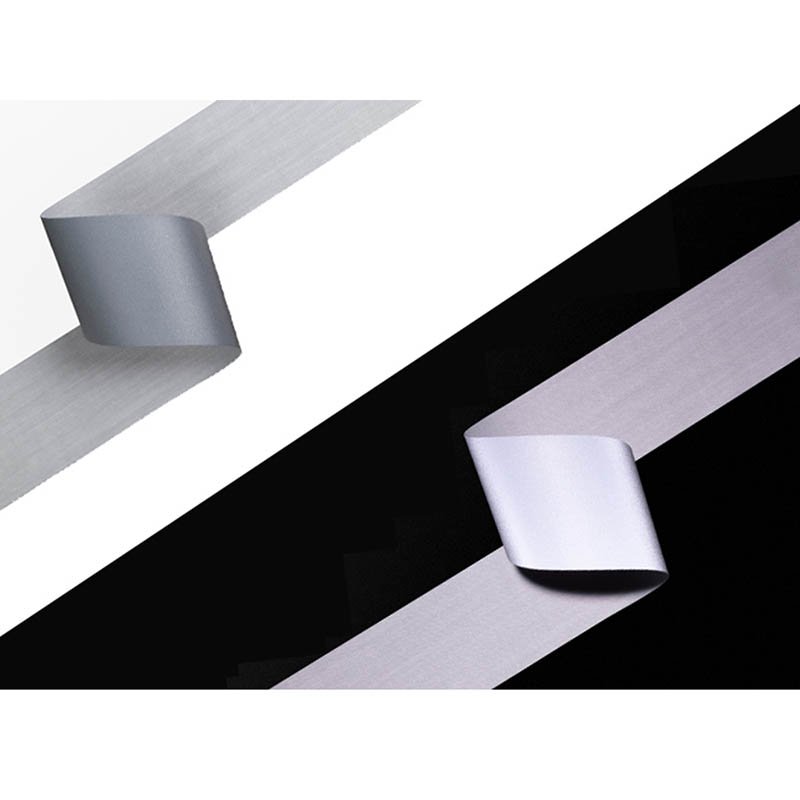
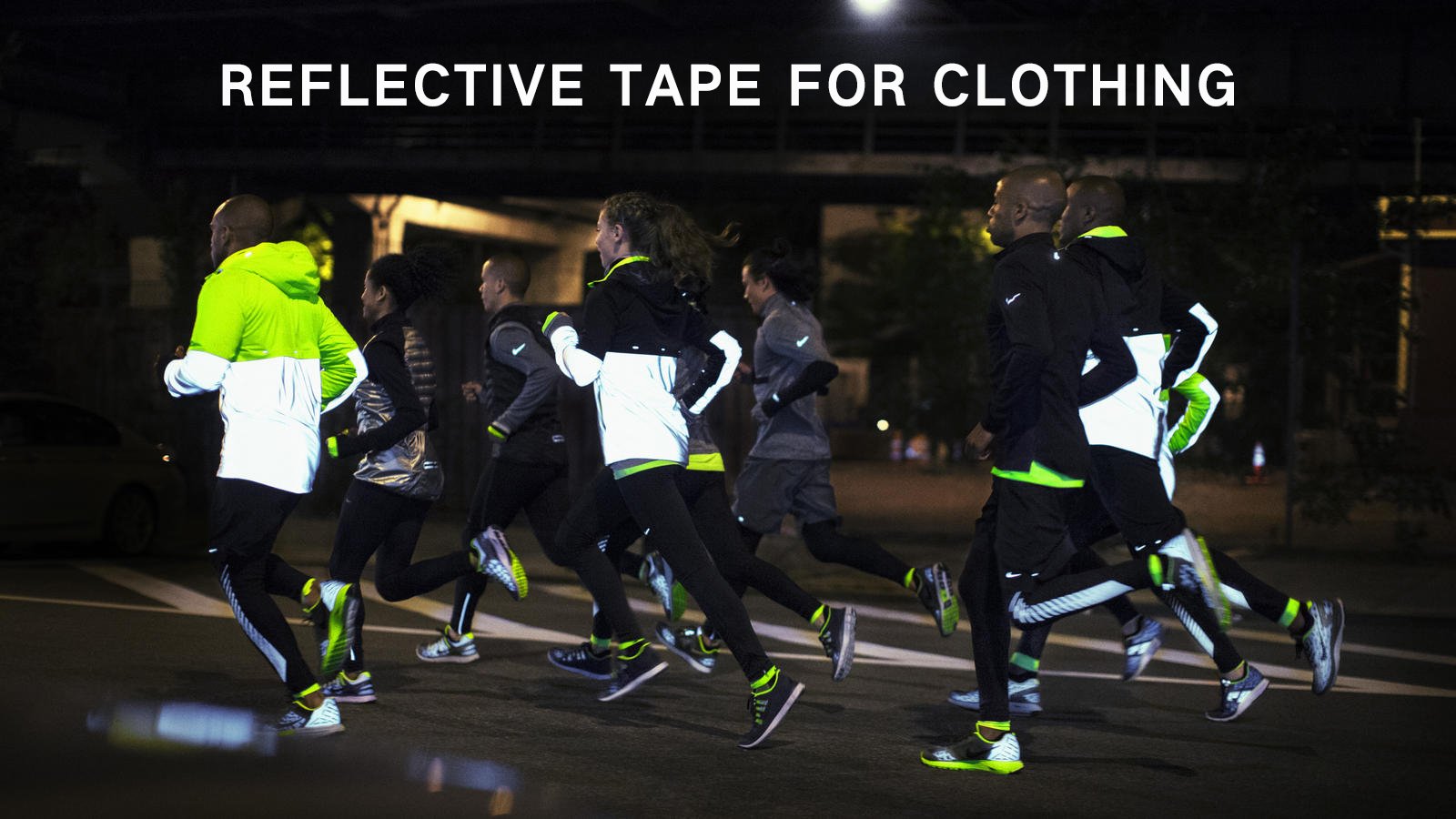
Unlike a mirror that reflects light away at an angle, retroreflective materials return light directly to its source with minimal scattering. This is achieved using microscopic glass beads or microprismatic structures that act like millions of tiny, precise mirrors. When a car’s headlights hit a worker’s jacket, the light is bounced directly back to the driver’s eyes, making the worker appear brilliantly bright and instantly recognizable against a dark background. The quality, density, and durability of these tiny optical elements are what separate a world-class material from a cheap imitation.
The Durability Divide: Performance After Wash and Wear
Herein lies the single most crucial difference. A safety garment is not a disposable item. It must withstand the rigors of the job, including dirt, grime, abrasion, and repeated laundering.
3M™ Scotchlite™ Material
- Engineered for Laundry: Designed and tested to retain high levels of brightness through dozens of specified home or industrial wash cycles (e.g., 25x, 50x, or more).
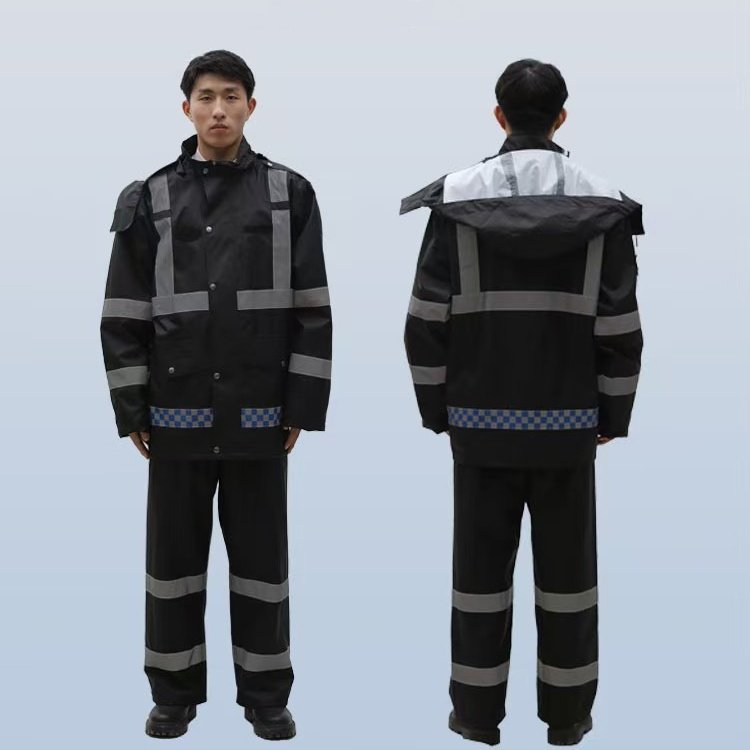
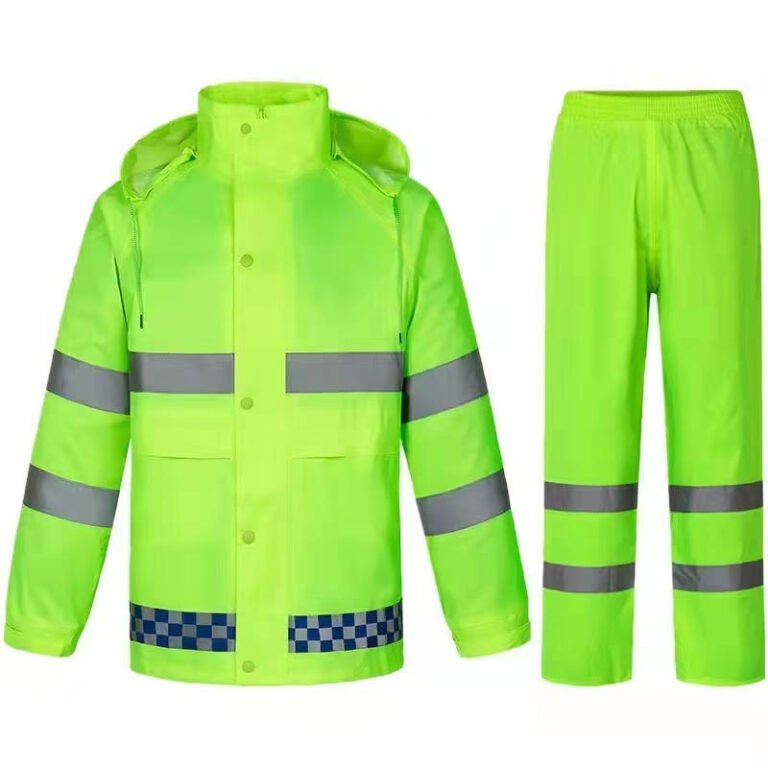
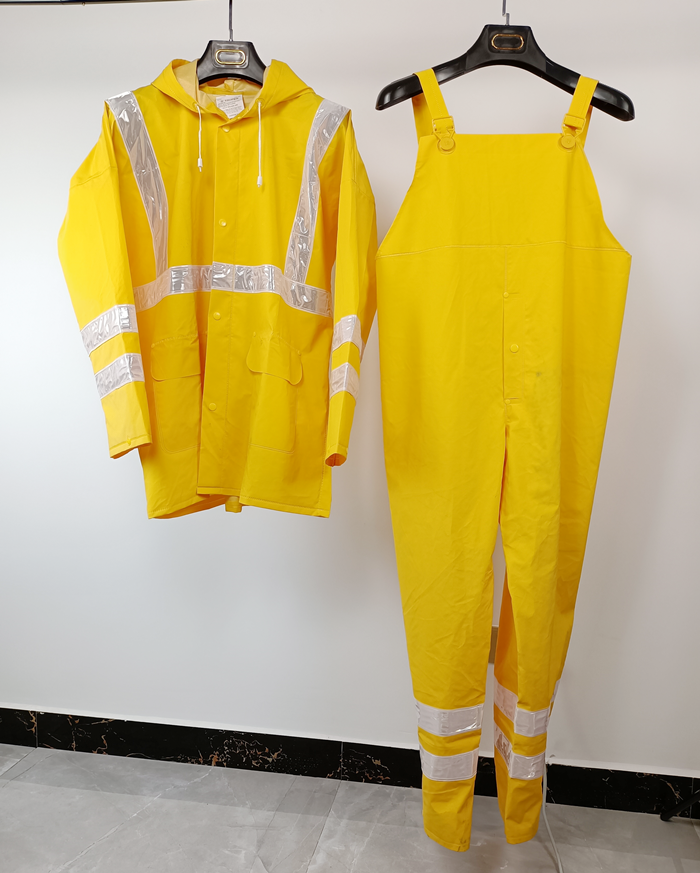
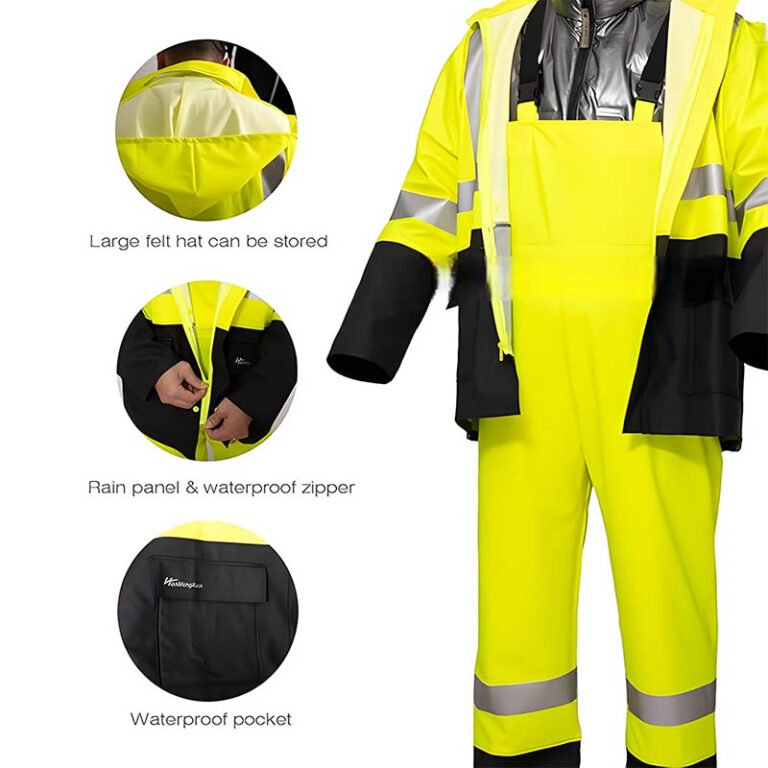
- Resists Cracking: The bonding technology and flexible construction prevent the tape from cracking and delaminating when folded, stretched, or exposed to temperature extremes. This is critical on garments like waterproof hi-vis jackets that need to flex.
- Abrasion Resistant: The surface is treated to resist scuffs and scrapes that would otherwise damage the optical elements and reduce reflectivity.
Generic Reflective Tapes
- Rapid Brightness Loss: Many generic tapes experience a significant drop in retroreflectivity after just a few washes as the glass beads fall off or the surface gets cloudy.
- Prone to Delamination: Cheaper adhesives and construction materials can cause the tape to peel, crack, or flake off, creating gaps in visibility.
- Poor Real-World Performance: They may pass a lab test when new, but they fail quickly when subjected to the daily grind of a worksite.
The Compliance Trap: “Certified” vs. Consistently Compliant
Safety standards like ANSI/ISEA 107 (North America) and EN ISO 20471 (Europe) are crucial benchmarks. They specify minimum amounts of fluorescent material and retroreflective tape, as well as the performance levels of those materials. However, a label stating “Meets ANSI/ISEA 107” can be misleading.
The critical question is: for how long does it meet the standard?
With 3M™ Scotchlite™, you’re buying a component from a company whose entire business model relies on trust and verified performance. Their technical data sheets specify performance after a set number of wash cycles. This is your assurance that the garment will remain compliant throughout its reasonable service life.
Generic tapes often lack this long-term data and traceability. A jacket can become non-compliant after a few months of use, even though it was certified upon manufacture. This not only puts the worker at risk but also exposes the company to legal and regulatory trouble in the event of an audit or incident.
The Hidden Cost: Liability and the False Sense of Security
The most dangerous piece of safety equipment is one that appears to be working but isn’t. A worker wearing a jacket with degraded, ineffective reflective tape has a false sense of security. They may take risks they otherwise wouldn’t, believing they are visible to oncoming traffic or machinery operators when they are, in fact, nearly invisible.
From a business perspective, this translates directly to liability. If an accident occurs and it’s found that the provided PPE was not performing to its certified standard, the consequences can be devastating. The initial savings from purchasing a cheaper jacket are dwarfed by the potential for legal fees, regulatory fines, increased insurance premiums, and irreparable damage to the company’s reputation.
Choosing a name-brand, proven component like 3M™ Scotchlite™ is a powerful part of your due diligence. It’s a clear statement that you prioritized verifiable safety over minimal cost.
Making the Right Choice for Your Team and Brand
The choice isn’t just between two types of tape; it’s between a certified safety component and a potential long-term liability. As a manufacturer, when we build a custom hi-vis jacket for a client, the materials we use are a direct reflection of our commitment to quality and their commitment to their team’s safety.
When you’re evaluating options, ask the hard questions:
- Can the supplier provide technical data sheets showing reflectivity performance after 25, 50, or more washes?
- What is the warranty on the reflective material’s performance?
- Is the material traceable to a reputable global manufacturer like 3M?
Your investment in premium materials like 3M™ Scotchlite™ is an investment in the safety and confidence of your workers. It ensures your safety program is built on a foundation of reliability, not chance.
Ready to build a hi-vis program with materials you can trust?
At VizGlo Safety, we partner with world-class material suppliers to create garments that deliver on their promise of safety. Let’s discuss your specific needs.
Get a Custom QuoteFrequently Asked Questions
Is 3M™ Scotchlite™ always better than any other brand?
While 3M™ is the industry benchmark for quality and consistency, other reputable brands exist. The key is to choose materials from established manufacturers who provide transparent, verifiable data on long-term performance and durability, rather than unknown or “generic” sources.
Can I really see the difference in reflectivity at night?
Yes, especially over time. A new generic tape might look bright initially, but after wear and washing, the difference can be dramatic. A worn jacket with 3M™ tape will often be significantly brighter than a worn jacket with a generic equivalent, which can appear dull or patchy.
How does this choice affect the overall cost of a hi-vis jacket?
Using premium reflective tape increases the initial cost of the garment. However, if that garment lasts twice as long and maintains its safety compliance, the “total cost of ownership” is actually lower. You replace garments less frequently and reduce your liability risk, providing a better long-term value.
We’re sourcing from overseas. How can I ensure I’m getting genuine materials?
This is a critical concern. Partner with a reputable manufacturer who has a transparent supply chain and long-standing relationships with brands like 3M. Ask for certificates of authenticity for the materials used. A trustworthy partner, like VizGlo Safety, will be happy to provide this documentation. It’s a key part of the sourcing process from a hi-vis factory in China.