A B2B Buyer’s Guide: 7 Questions to Ask Your Hi-Vis Workwear Manufacturer Before Placing an Order
Procurement due diligence for high-visibility safety apparel. Avoid compliance gaps, delamination failures, and supply chain bottlenecks.
Before placing a bulk order for high-visibility workwear, B2B buyers must verify seven critical areas: 1) Certification alignment with your target market (e.g., EN ISO 20471, ANSI/ISEA 107, AS/NZS 1906.4); 2) Base fabric durability and weight specifications; 3) Reflective material performance, particularly adhesive compatibility and wash/fastness durability; 4) Customization capabilities for logos, cuts, and specialized features; 5) In-house quality control and testing lab transparency; 6) Realistic lead times, MOQ flexibility, and supply chain transparency; and 7) Clear warranty terms and post-production support. Skipping due diligence in these areas often leads to non-compliant batches, premature delamination, or costly production delays.

1 Certification Alignment & Third-Party Validation
Safety apparel isn’t a suggestion; it’s a legal requirement. The first question should never be “Do you comply?” but rather “Which exact standard does this specific SKU meet, and can you provide the unredacted lab report?” Standards vary drastically by region. OSHA’s general PPE guidelines mandate compliance, but the technical execution falls to regional specs. For Europe, you need EN ISO 20471 class verification. For North America, ANSI/ISEA 107 Class 2 or 3. For Australia/New Zealand, AS/NZS 1906.4 & 4602.1.
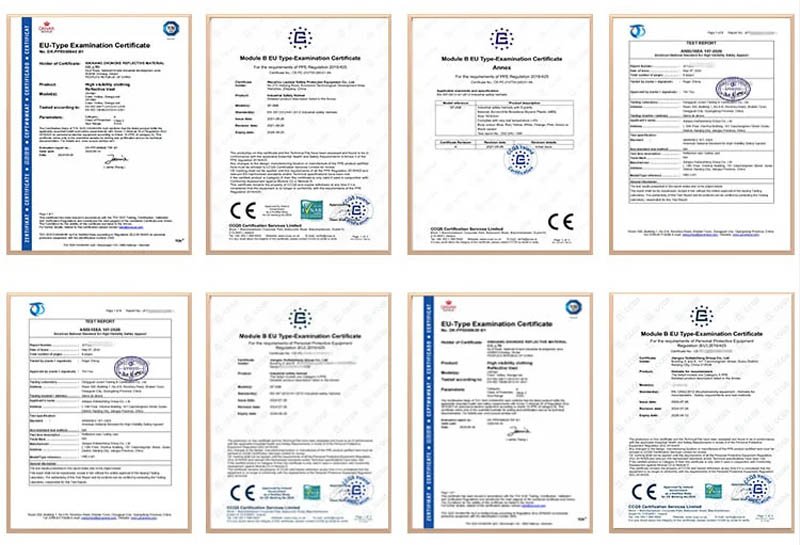
Reputable manufacturers don’t just slap a CE mark on a PDF. They maintain batch-traceable documentation from accredited labs like SGS, TÜV, or Intertek. Always request the test report that matches your exact fabric GSM and reflective tape model. If they hesitate, walk away.
2 Base Fabric Weight, Weave & Functional Treatments
High-visibility is only half the equation. The base fabric dictates comfort, lifespan, and niche suitability. Ask your supplier: “What is the exact GSM, fiber composition, and weave structure?” A 200GSM polyester mesh is perfect for summer road crews, but completely inadequate for winter construction sites requiring 320GSM fleece or 4-way stretch softshell.
Furthermore, clarify if your industry requires specialized treatments. Do you need anti-static (ESD) finishes for electronic assembly? Flame retardant (FR) coatings for oil & gas? UV protection for outdoor surveyors? ASTM International standards cover many of these functional requirements, but your manufacturer must prove they can integrate them without compromising breathability or safety panel placement.

3 Reflective Material Performance & Adhesive Lifecycle
This is where most procurement managers lose money. The single most common and costly mistake I see in the field is focusing 100% on the tape’s brightness (the CPL value) and almost 0% on its adhesive. A premium reflective tape with the wrong adhesive is a guaranteed failure. The conversation shouldn’t just be “what surface are you sticking this to?” but “what is the entire life cycle of that surface?”
I always push my clients to think beyond the material—Is it a rigid truck body or a flexible PVC curtain? Is it exposed to constant UV and rain, or just indoor warehouse bumps? Will it be pressure-washed with industrial chemicals? The adhesive isn’t just the backing; it’s the anchor for your entire safety system. Choosing the right one is the difference between a one-week headache and a five-year, compliant solution.
When specifying industrial reflective tape or garment-grade retroreflective materials, demand wash-fastness data (typically 50-100+ industrial cycles) and delamination resistance under thermal stress. If they can’t provide it, the brightness rating means nothing.
4 Customization, Brand Integration & Label Placement
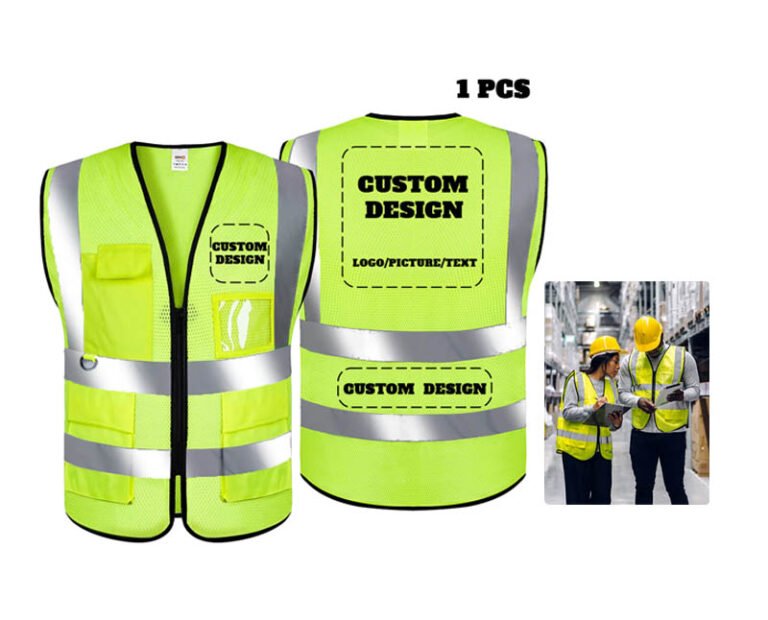
B2B orders are rarely off-the-shelf. You need your brand identity integrated without compromising safety compliance. Ask: “What branding methods do you support, and how do you ensure they don’t interfere with reflective panel continuity?” Silk-screening, heat transfer, and embroidery are standard, but their placement matters. Covering a reflective stripe with a non-compliant logo can void EN ISO certification.
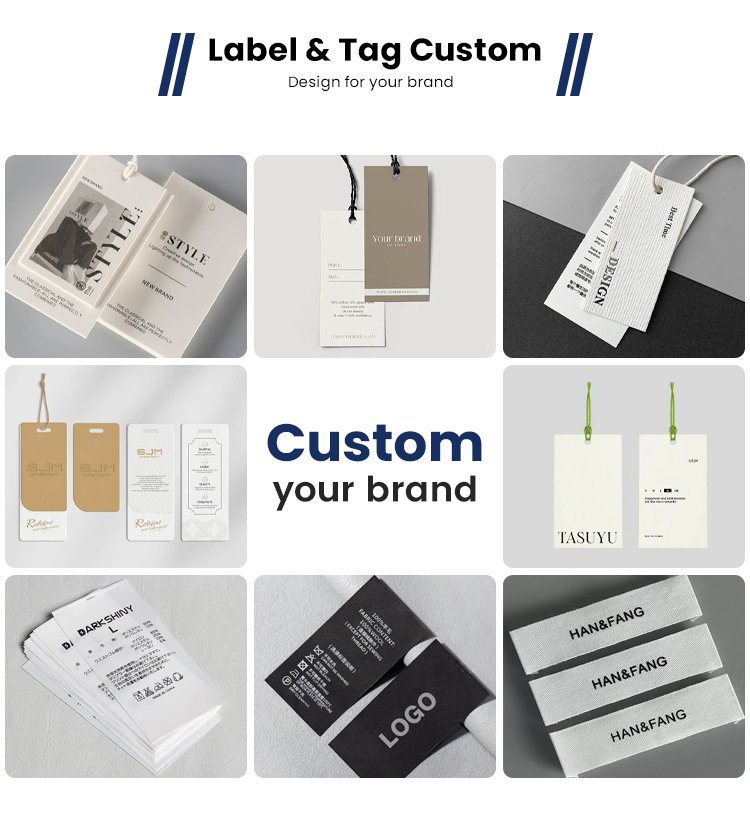
Additionally, clarify label integration. Are you using poly-printed wash care tags? Custom neck labels? Hangtags? ANSI/ISEA guidelines specify that labels must not cover critical reflective areas. A professional manufacturer will map out your tech pack visually before cutting a single thread, ensuring your branding enhances rather than jeopardizes compliance.
5 In-House QC Protocols & Testing Transparency
Trust, but verify. Ask for a walkthrough of their IQC (Incoming Quality Control), PQC (Process Quality Control), and FQC (Final Quality Control) stages. Do they test raw fabric rolls for GSM and color consistency before cutting? Do they perform mid-line inspections for stitching density and seam strength? Most importantly, do they have an in-house lab for basic brightness verification and tear testing before shipping? Manufacturers who operate transparent QC systems will gladly share inspection checklists and AQL (Acceptable Quality Limit) reports. If they rely solely on third-party final audits, you’re exposed to batch variability.
6 Lead Times, MOQ Flexibility & Peak Season Scalability
“How fast can you deliver?” is a trap question. The right question is: “What is your guaranteed lead time for this exact configuration, and how do you handle volume spikes?” Standard OEM lead times range from 25-35 days post-sample approval. However, Q3/Q4 is peak season for safety gear. Ask if they maintain strategic safety stock for base fabrics and reflective materials. Can they scale production without compromising stitch quality? ISO 9001 certified facilities typically have documented capacity planning and buffer stock protocols. Get it in writing.
7 Warranty Terms, Defect Resolution & Post-Delivery Support
Production ends when your order ships. Partnership begins after. Clarify their defect resolution policy. What constitutes a manufacturing defect vs. normal wear? Do they offer partial replacements for stitching failures or reflective delamination within the first year? How quickly do they respond to post-delivery quality claims? A supplier that stands behind their work with clear RMA (Return Merchandise Authorization) procedures saves you from costly warehouse disruptions and brand reputation damage.
Ready to Secure Your Next Production Run?
Don’t let vague supplier promises jeopardize your compliance or worker safety. Our engineering team provides transparent tech packs, batch-traceable lab reports, and lifecycle-tested adhesive solutions tailored to your exact operational environment. For a comprehensive look at our full range of industrial safety and electrical protection solutions, visit our center page.