A B2B Guide to Custom Hi Vis Hoodies with Your Company Logo
Why Custom Hi-Vis Hoodies Are More Than Just PPE
Quick Answer: Custom hi-vis hoodies with your company logo serve a dual purpose in B2B environments—they ensure worker safety compliance while transforming your workforce into a mobile brand ambassador team. When done right, these garments integrate ANSI/EN ISO-compliant reflective materials with your logo, creating a seamless blend of visibility, safety, and professional brand identity that lasts through years of industrial washing and daily wear.
For safety managers, procurement teams, and business owners in construction, logistics, manufacturing, and other high-risk industries, the decision to invest in custom hi-vis hoodies goes far beyond simply meeting safety regulations. These garments represent a strategic investment in three critical areas:
🛡️ Worker Safety
Compliance with ANSI/ISEA 107, EN ISO 20471, or AS/NZS standards protects your team in low-visibility conditions.
🎨 Brand Identity
A professionally displayed company logo creates instant recognition, professionalism, and team unity.
💼 Long-Term Value
High-quality custom hoodies reduce replacement costs and maintain brand integrity through industrial use.
In this comprehensive B2B guide, we’ll walk you through everything you need to know about ordering custom hi-vis hoodies with your company logo—from understanding compliance requirements to selecting the right customization method, working with minimum order quantities, and choosing a manufacturing partner that delivers both quality and value.
Whether you’re outfitting a team of 50 or 5,000, this guide will help you navigate the process with confidence. For a complete overview of our hi-vis sweatshirts and hoodies collection, visit our product hub to explore the full range of styles, materials, and customization options available.
Understanding ANSI/EN ISO Compliance for Custom Logos
Before diving into logo design and placement, it’s critical to understand how customization affects safety compliance. Adding a company logo to a hi-vis hoodie isn’t as simple as slapping a design anywhere—improper placement or materials can void the garment’s safety certification and put your workers at risk.
The Three Pillars of Hi-Vis Compliance
| Standard | Region | Key Requirements for Logo Placement |
|---|---|---|
| ANSI/ISEA 107 | USA | Logos must not reduce minimum background material or reflective tape requirements for Class 2/3 |
| EN ISO 20471 | Europe | Non-fluorescent logos allowed if they don’t cover more than 50cm² on torso areas |
| AS/NZS 4602.1 | Australia/NZ | Logos should maintain overall visibility; dark logos limited in size |
⚠️ Critical Warning for B2B Buyers:
Many overseas suppliers offer “ANSI-compliant” custom hoodies, but the addition of large, non-compliant logos can void this certification. Always work with a manufacturer who understands how to integrate your branding without compromising safety standards. At VizGlo Safety, every custom design undergoes compliance review before production.
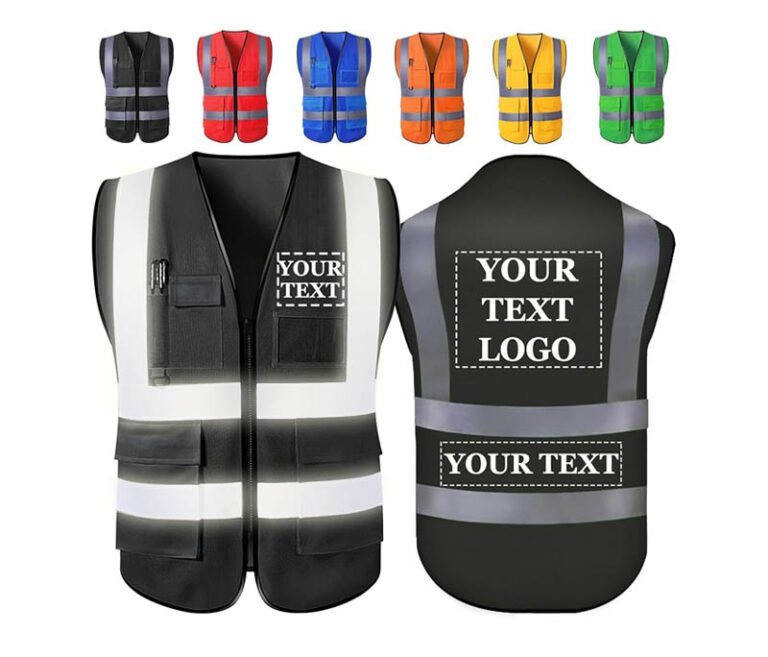
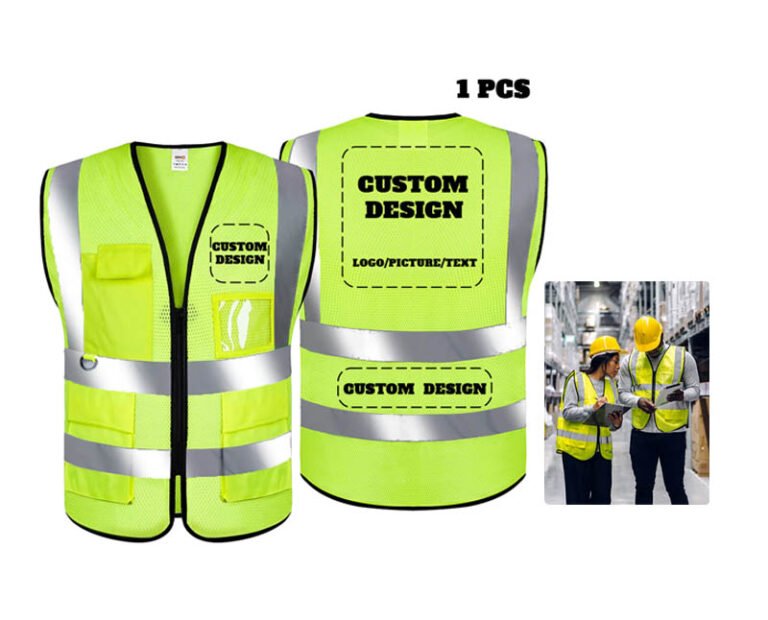
Safe Logo Placement Zones
To maintain compliance while maximizing brand visibility, consider these strategic placement zones:
- Left Chest (Standard Position): 3-4 inch logo, most common and universally compliant
- Back Center (High Impact): 8-10 inch logo, maximum visibility for public-facing roles
- Sleeve (Subtle Branding): 2-3 inch logo, compliant in most standards
- Hood (Limited Use): Small logos acceptable, but not primary branding location
For detailed guidance on selecting the right Class 1, 2, or 3 garment for your team’s risk environment, consult our comprehensive classification guide.
Logo Customization Methods: Which One Is Right for Your Brand?
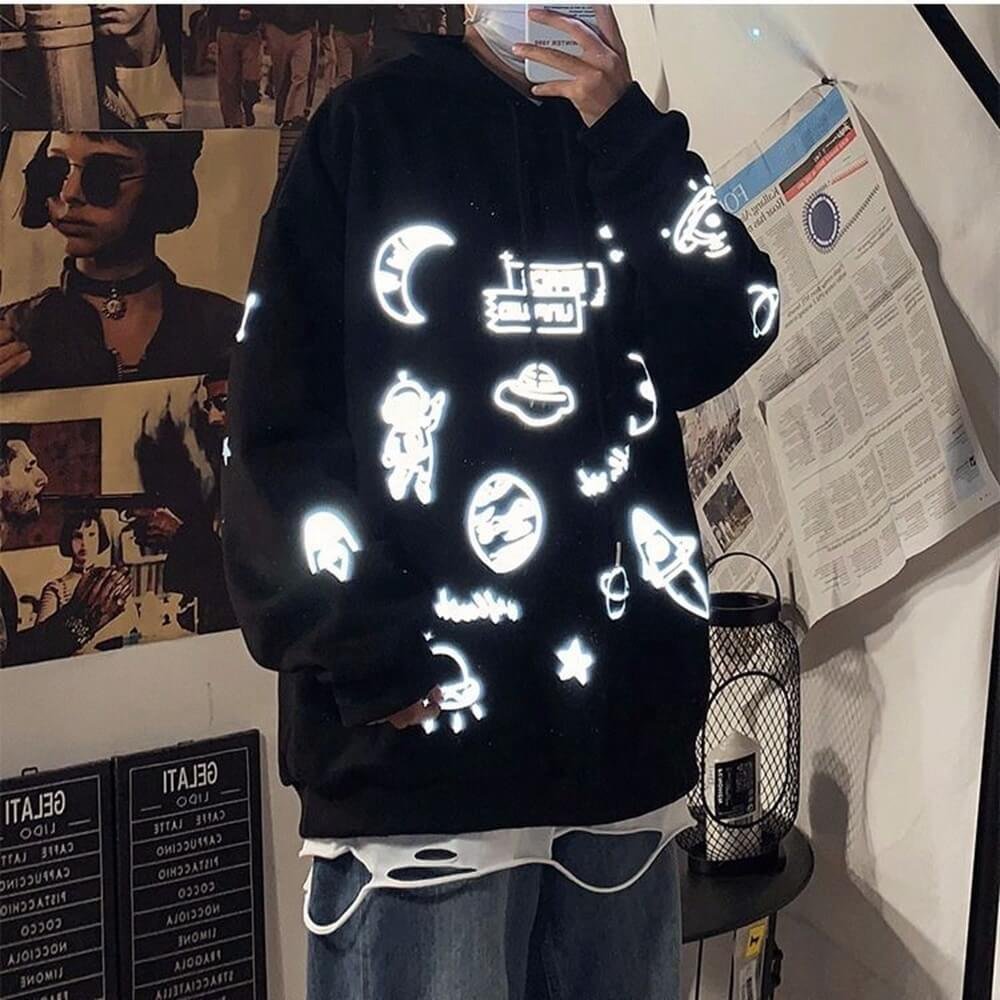
The method you choose for applying your company logo to hi-vis hoodies dramatically affects the garment’s appearance, durability, comfort, and—most importantly for B2B buyers—cost and turnaround time. Let’s break down the four main options:
1. Screen Printing (Plastisol/Water-Based Ink)
✅ Advantages:
- Most cost-effective for large quantities (500+ units)
- Vibrant, solid color reproduction
- Relatively quick production (7-10 days after approval)
- Works well on fluorescent backgrounds
❌ Limitations:
- Not reflective (safety concern for logos)
- Can crack after repeated industrial washing
- Limited to simpler designs (2-4 colors typical)
- Higher setup costs for small orders
Best For: Internal branding on pocket areas, secondary logos, or when reflectivity isn’t required. Budget-conscious orders of 500+ units.
2. Direct Embroidery
✅ Advantages:
- Premium, professional appearance
- Extremely durable (survives 100+ industrial washes)
- Works on any fabric type
- Suitable for small orders (MOQ often 50-100 units)
❌ Limitations:
- Higher per-unit cost ($3-8 per logo depending on size)
- Not reflective (critical safety gap)
- Limited to relatively small logos (4-6 inches max)
- Can feel bulky on thin materials
Best For: Corporate/office teams requiring a premium look, smaller orders, logos that don’t require reflectivity. Learn more about comparing screen printing vs. embroidery for your specific needs.
3. Heat Transfer Vinyl (Non-Reflective)
✅ Advantages:
- Excellent for complex, multi-color logos
- Sharp detail and gradient capability
- Cost-effective for medium orders (100-500 units)
- Quick application process
❌ Limitations:
- Not as durable as embroidery (30-50 washes typical)
- Can peel or crack without proper care
- Not reflective (limits safety enhancement)
- Heat application can damage some fabric types
Best For: Medium-term projects, promotional workwear, or when your logo has intricate colors/gradients. Not recommended for primary safety branding.
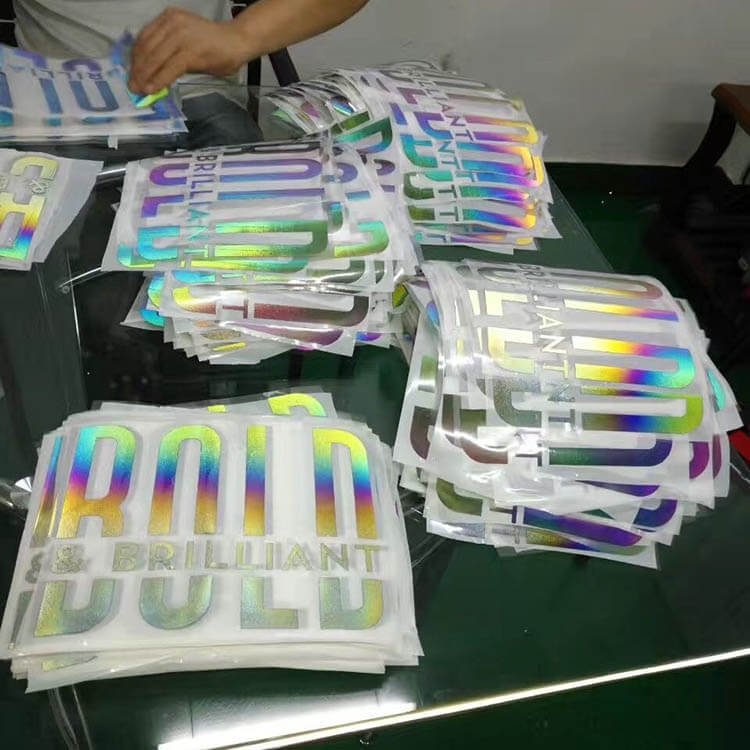
4. Reflective Heat Transfer Film (VizGlo’s Specialty)
✅ Advantages:
- Dual-function: Branding + enhanced safety visibility
- Complies with ANSI/EN ISO reflective requirements
- Excellent wash durability (50+ cycles)
- Maintains flexibility of the garment
- Available in silver, colored, and even custom reflective patterns
⚠️ Considerations:
- Slightly higher cost than standard heat transfer ($2-5 per logo)
- Requires specialized cutting equipment (not all suppliers offer this)
- Design must be vector-based for clean cutting
- Best results on polyester or poly-blend hoodies
Best For: Safety-first organizations that want the logo to actively contribute to worker protection. Ideal for road work, construction, logistics, and any environment where maximum visibility is non-negotiable.
“The most common mistake I see from first-time B2B buyers is choosing embroidery or screen printing purely based on cost or aesthetics, then realizing three months later that their workers are less visible at night because the logo is a large, dark patch on a critical area. Always think: Does this logo enhance or detract from the garment’s primary safety function?”
Reflective Logos: The Game-Changer for Safety and Branding
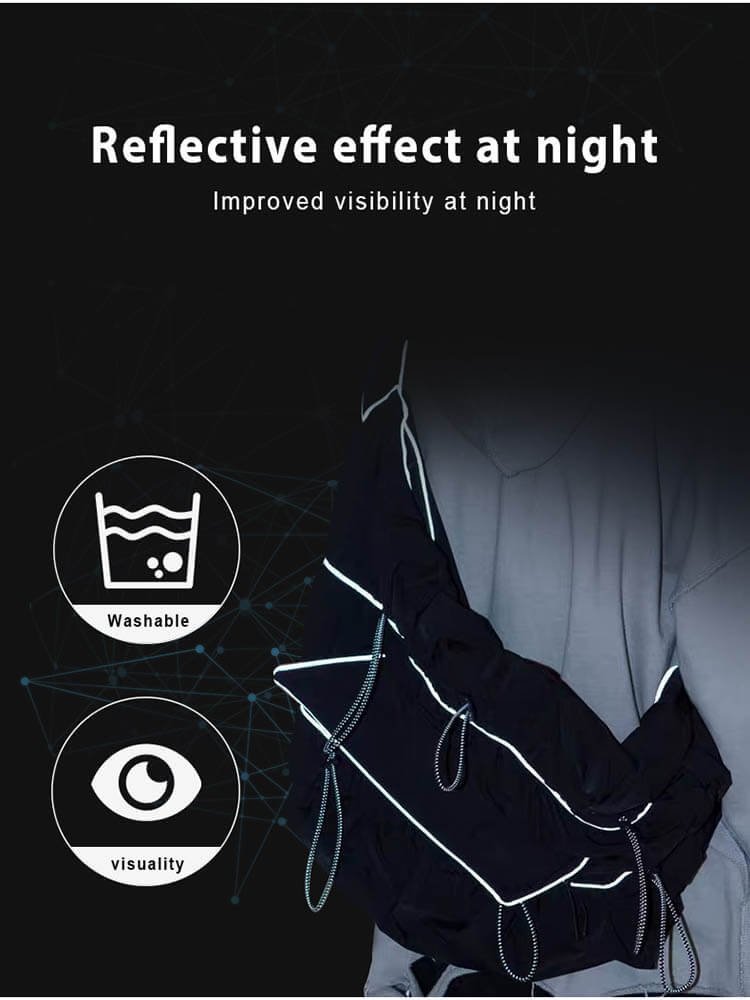
If there’s one innovation that has transformed the custom hi-vis hoodie market in the B2B space over the past decade, it’s the integration of reflective materials into logo design. This isn’t just a cosmetic upgrade—it’s a fundamental shift in how we think about the relationship between branding and safety.
Why Reflective Logos Matter for Your Business
🔦 Enhanced Safety
Reflective logos don’t just display your brand—they actively contribute to the garment’s retroreflective area, meeting or exceeding the minimum requirements of Class 2 and Class 3 standards.
In practical terms: A 10-inch reflective logo on the back of a hoodie can provide an additional 150-200 cm² of compliant reflective material, significantly improving worker conspicuity at distances of 300+ meters.
📸 Professional Image
Unlike standard screen-printed logos that can look flat and dated under harsh worksite lighting, reflective logos maintain a clean, high-tech appearance 24/7.
This is particularly important for companies whose workers interface with the public—utility crews, road maintenance teams, logistics delivery drivers—where the logo is a direct representation of your company’s professionalism and commitment to safety.
Types of Reflective Logo Materials
Not all reflective logos are created equal. At VizGlo Safety, we offer several grades to match your budget, durability requirements, and design complexity:
| Material Type | Reflectivity (cd/lx/m²) | Wash Cycles | Best Use Case |
|---|---|---|---|
| Standard Silver Reflective Film | 330+ | 50+ | General construction, warehousing |
| High-Intensity Silver Film | 500+ | 75+ | Highway work, nighttime operations |
| Colored Reflective Film | 200-250 | 40+ | Brand color matching, retail visibility |
| Segmented/Stretch Film | 300+ | 60+ | Athletic-fit hoodies, active work environments |
| Flame-Resistant Reflective Film | 330+ | 50+ | Oil & gas, electrical utilities, arc-rated garments |
💡 Pro Tip for B2B Buyers:
When requesting a quote, ask your supplier for a “reflective coefficient” spec sheet for the material they’ll use on your logo. Many manufacturers use substandard reflective films that look acceptable in photos but fail to meet ANSI/EN ISO retroreflective minimums. VizGlo Safety provides certified test reports for all our reflective materials—no guesswork.
Designing Your Reflective Logo for Maximum Impact
To get the most out of reflective logo technology, your design should be optimized specifically for this medium. Here are key considerations:
- Simplify Complex Logos: Intricate details can be lost in reflective material cutting. Bold, clean lines work best.
- Use Positive Space Wisely: The reflective material itself becomes the logo (silver) with the fluorescent hoodie fabric showing through as the “background.”
- Consider Contrast: A silver reflective logo on lime yellow provides excellent day/night visibility. On orange, consider using colored reflective films.
- Size Appropriately: Minimum 3 inches for chest logos, 8-12 inches for back logos to ensure readability from distance.
- Vector Format Required: Supply your logo in .AI, .EPS, or high-res .SVG format for clean cutting.
For companies ordering team workwear across multiple garment types, maintaining logo consistency while adapting to different materials (hoodies, vests, jackets) is crucial. Our design team can help create a cohesive reflective branding package.
Design Considerations for B2B Buyers
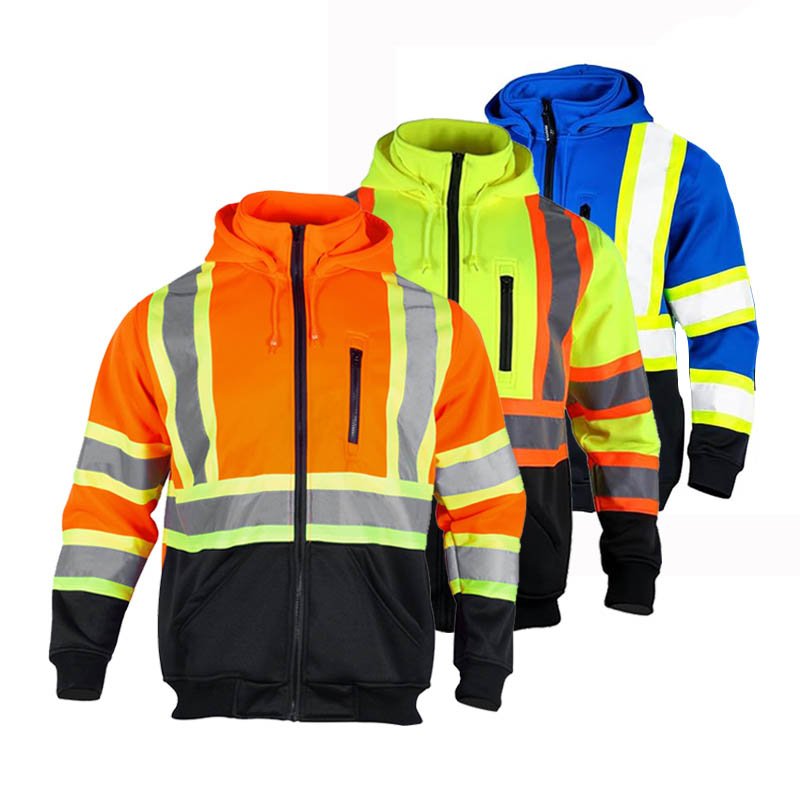
Beyond just the logo itself, successful B2B custom hi-vis hoodie projects require careful consideration of the entire garment design. Your choices here will impact worker acceptance, long-term costs, and overall program success.
Fabric Selection: Balancing Comfort, Durability & Performance
The base fabric of your hoodie is just as important as the logo. Different work environments demand different fabric properties:
🏗️ Heavy-Duty Environments
Recommended: 300-350 GSM polyester-cotton blend (60/40 or 50/50)
- Abrasion resistance for rough materials
- Maintains shape through 100+ washes
- Suitable for construction sites
🚚 Logistics & Warehousing
Recommended: 250-280 GSM 100% polyester moisture-wicking
- Lightweight for all-day comfort
- Quick-dry for temperature regulation
- Ideal for warehouse operations
❄️ Cold Climate Work
Recommended: 350-400 GSM fleece-lined polyester
- Superior insulation without bulk
- Wind-resistant outer shell
- See our winter work hoodies guide
☀️ Year-Round Versatility
Recommended: 280-300 GSM poly-cotton with moisture management
- Breathable yet durable
- Comfortable across seasons
- Most popular for general industrial use
Not sure what GSM means or how to compare fabric weights? Our detailed guide breaks down the numbers so you can make an informed choice based on your specific climate and workload.
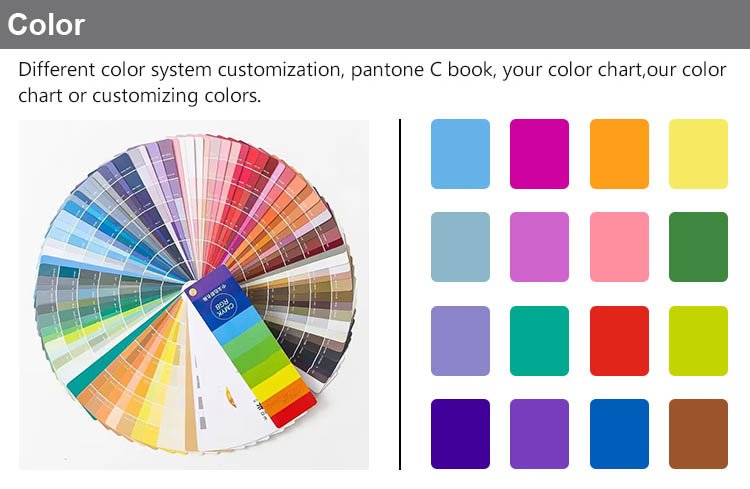
Color Strategy: Beyond Lime Yellow
While fluorescent lime yellow/green remains the most popular (and often mandated) color for hi-vis hoodies, B2B buyers should be aware of the full spectrum of compliant options and when to use them:
| Color | Compliance | Ideal Environment | Branding Advantage |
|---|---|---|---|
| Fluorescent Lime Yellow | ✅ ANSI/EN ISO | Road work, general construction | Maximum daytime visibility |
| Fluorescent Orange | ✅ ANSI/EN ISO | Forestry, utility work, fall conditions | Distinct from competitors |
| Black with Reflective Taping | ⚠️ Limited (EN ISO OK, ANSI restricted) | Urban logistics, delivery services | Professional, less “workwear” look |
| Two-Tone (Fluorescent + Dark) | ✅ When properly designed | Any industry wanting to reduce visible dirt | Sleeker appearance, easier maintenance |
🎨 Color Compliance Question:
Many B2B buyers ask: “Are black or orange hi-vis hoodies ANSI compliant?” The answer isn’t simple—it depends on the specific design and reflective tape placement.
For a detailed breakdown, read our guide: Are Black or Orange Hi-Vis Hoodies ANSI Compliant?
Feature Add-Ons Worth Considering
Beyond the basic hoodie, these optional features can significantly improve worker satisfaction and logo visibility:
-
✓Chest Pockets: Provide extra logo placement opportunities and practical storage
-
✓Reinforced Elbows: Extend garment life, protect logo integrity
-
✓Zippered Hood: More professional than pullover style, easier to apply back logos
-
✓Interior Drawcords: Maintain clean exterior for logo prominence
-
✓Extended Reflective Taping: Can frame and enhance custom logos
-
✓ID Badge Holder: Combines identification with branding
If you’re outfitting a diverse workforce, consider reading about choosing the best material for different body types and work conditions.
MOQ, Pricing, and Lead Times: What to Expect
One of the most common questions we receive from B2B buyers is: “How many do I need to order, and what will it cost?” Let’s break down the economics of custom hi-vis hoodies to help you budget and plan effectively.
Minimum Order Quantities (MOQ)
MOQs vary significantly based on customization method and manufacturer. Here’s what you’ll typically encounter:
Small Orders
50-100 units
- • Embroidered logos only
- • Limited color options
- • Higher per-unit cost
- • Ideal for pilot programs
Optimal Range ⭐
300-500 units
- • All customization methods available
- • Best cost-per-unit ratio
- • Full design flexibility
- • Most B2B orders fall here
Volume Orders
1,000+ units
- • Significant volume discounts
- • Custom fabric dye-matching possible
- • Priority production scheduling
- • Dedicated account management
For detailed guidance on scaling your order from small pilots to large bulk purchases, we offer flexible programs that grow with your needs.
Pricing Breakdown
While final pricing depends on your specific requirements, here’s a realistic budget framework for planning purposes (all prices in USD, based on 300-unit order):
| Component | Budget Range | Mid-Range | Premium |
|---|---|---|---|
| Base Hoodie (blank) | $15-22 | $25-35 | $40-55 |
| Logo Application (per location) | $1.50-3 | $3-5 | $5-8 |
| Setup/Design Fees (one-time) | $0-100 | $100-250 | $250-500 |
| Reflective Tape Upgrade | Included | $2-4 | $4-7 |
| Total Per Hoodie (1 logo, chest) | $17-26 | $30-42 | $50-68 |
💰 Hidden Cost Warning:
Be wary of quotes that seem too good to be true. Some suppliers advertise “$15 custom hi-vis hoodies” but use non-compliant materials, low-grade reflective tape, or logos that peel after 5 washes. The true cost of a quality, ANSI-compliant custom hoodie with durable branding typically starts around $25-30 for volume orders. VizGlo Safety provides upfront, transparent pricing with no hidden fees.
Lead Time Expectations
Production timelines vary by order complexity and manufacturer capacity. Here’s a realistic schedule:
Total typical lead time: 6-8 weeks from order to delivery. For rush orders, ask about our expedited programs (available for additional fees, subject to production schedule).
Planning a large-scale rollout across multiple locations? Our guide on managing bulk safety apparel orders provides logistics strategies and staggered delivery options.
Why Choose VizGlo Safety for Your Custom Hi-Vis Hoodies
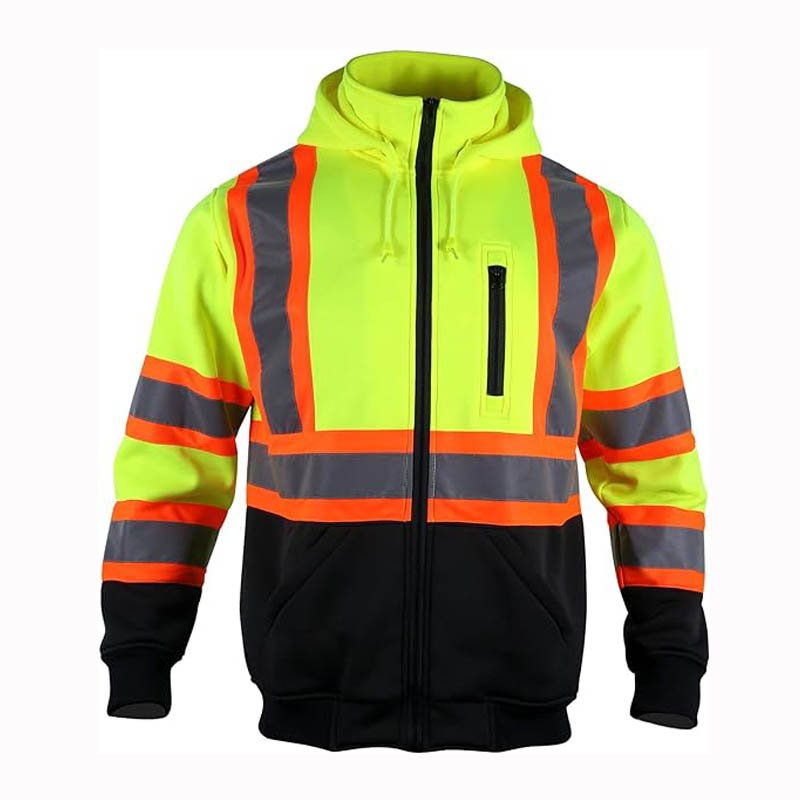
As a B2B buyer, you’re not just ordering products—you’re choosing a manufacturing partner who will impact your team’s safety, your brand’s reputation, and your budget for years to come. Here’s why leading companies across North America, Europe, and Australia trust VizGlo Safety:
🏭 Vertically Integrated Manufacturing
Unlike brokers who outsource production, we manufacture both the reflective materials AND the garments in our own facilities. This means:
- Direct control over every quality checkpoint
- No middleman markups—manufacturer-direct pricing
- Ability to customize reflective materials specifically for your logo
- Faster turnaround times with no coordination delays
📜 Certified Compliance Expertise
Our technical team doesn’t just understand ANSI, EN ISO, and AS/NZS standards—we’ve worked directly with certification bodies for over 15 years:
- ISO 9001 quality management certification
- BSCI social compliance audit approval
- In-house testing lab for reflectivity verification
- Documentation support for your regulatory requirements
🎨 Professional Design Support
Many B2B buyers aren’t professional designers. We bridge that gap:
- Free logo optimization for reflective application
- 3D mockups before production commitment
- Color matching to your brand guidelines
- Guidance on placement for maximum safety + visibility
🚢 Flexible Order Management
We understand B2B buyers need flexibility:
- MOQ as low as 50 units for initial trials
- Scalable pricing as your needs grow
- Blanket PO arrangements for predictable supply
- Multi-location shipping within your country
🌟 Real B2B Client Success Stories
“We switched to VizGlo after our previous supplier delivered hoodies with logos that cracked after 10 washes. VizGlo not only fixed the design but explained WHY it happened and how their reflective heat transfer method would perform better. Two years and three reorders later, the logos still look new.”
“As a logistics company operating 24/7, we needed hoodies that could handle both daytime visibility and nighttime safety. VizGlo’s reflective logo integration meant our brand was visible at all hours without compromising ANSI compliance. The drivers love them.”
Curious how other companies are making the switch to custom hi-vis hoodies? Read our case studies on program implementation and ROI.
Expert Insight from the Field
From my B2B client conversations across the US, Europe, and Australia, the initial focus is often on two things: ANSI/EN ISO compliance and the logo’s appearance. While both are critical, the most successful projects I’ve seen treat these not as separate checklist items, but as one integrated strategy.
The real game-changer is when a safety manager or brand manager realizes the custom hi-vis hoodie is more than just PPE—it’s their most visible, mobile billboard. The discussion then shifts from “Can we print our logo on it?” to “How can our logo enhance the safety and comfort of the garment?”
This is where we talk substance. We discuss using reflective logo materials that boost visibility in low light, not just display a brand. We explore segmented heat transfers that move and stretch with the fabric, so the logo doesn’t compromise the hoodie’s comfort and breathability during a long shift.
A cheap, peeling logo after three washes sends a message of cutting corners; a durable, integrated reflective logo communicates a deep commitment to both brand quality and employee safety. That’s the conversion from a simple purchase to a long-term investment in a company’s image and its people.
The Bottom Line for B2B Buyers:
Don’t just ask “How much does it cost?” Ask “How will this investment perform over 2-3 years?” Consider wash durability, safety contribution, worker acceptance, and brand impact. The difference between a $22 hoodie and a $35 hoodie might be $3,900 on a 300-unit order—but if the cheaper option needs replacement in half the time, you’ve actually lost money AND compromised your brand image.
Frequently Asked Questions (FAQ)
Can I order a sample with my logo before committing to a full order?
Absolutely. VizGlo Safety offers pre-production samples for orders over 200 units at a nominal fee ($50-100, credited back to your final order). For smaller trial orders (50-100 units), we provide detailed 3D mockups and can arrange a blank sample of the base hoodie for material evaluation.
Sample turnaround is typically 5-7 business days. This is one of the most critical steps in the B2B buying process—never skip it! Testing wash durability, comfort, and logo quality with a physical sample prevents costly mistakes on bulk orders.
What’s the best logo method if my company has a complex, multi-color logo?
For complex logos (5+ colors, gradients, fine details), we typically recommend one of two approaches:
- Simplified Reflective Version: Create a streamlined, 2-3 color version of your logo specifically for reflective heat transfer. This maintains brand recognition while maximizing safety benefits. Many B2B clients use the simplified reflective version on the back (high visibility) and full-color embroidery on the chest (detail).
- Full-Color Heat Transfer (Non-Reflective): For environments where ANSI/EN ISO compliance isn’t mandatory, or for secondary logo placements (sleeves, pockets), full-color heat transfer vinyl can reproduce complex designs accurately.
Our design team can work with you to find the right balance. For more on this topic, see our comparison guide: Screen Printing vs. Embroidery for Workwear.
How do I ensure the hoodies will fit my diverse workforce (including plus sizes)?
Great question—fit is often overlooked in B2B safety apparel orders, leading to poor worker adoption. Here’s our recommended process:
- Request Our Size Chart: VizGlo provides detailed measurements (not just S/M/L labels) for chest, length, sleeve, and shoulder widths.
- Conduct a Sizing Survey: Before ordering, survey your team. Ask for their typical shirt size AND whether they prefer a “fitted” or “relaxed” fit. Factor in layering needs (will they wear this over other clothing in winter?).
- Order Extended Sizes: We offer sizes up to 6XL/7XL at no additional charge for orders over 100 units. Typically, you’ll want to order a size distribution like: XS(2%), S(8%), M(20%), L(25%), XL(20%), 2XL(15%), 3XL(7%), 4XL+(3%).
For specialized needs like crewneck options (no hood) or heavy-duty winter versions, consult with our team during the quoting phase.
Can VizGlo Safety help me understand the different safety classes (1, 2, 3) and which my team needs?
Yes, absolutely. Choosing the correct safety class is crucial for both compliance and worker protection. In brief:
- Class 1: Low-risk environments, traffic speeds under 25 mph, good lighting. Examples: warehouse workers, parking attendants. Hoodies rarely used for Class 1.
- Class 2: Moderate risk, traffic speeds 25-50 mph, varied lighting. Examples: utility workers, delivery drivers, airport ground crews. Most custom hi-vis hoodies fall in Class 2.
- Class 3: High-risk, highway speeds (50+ mph), poor visibility conditions. Examples: road construction workers, emergency responders. Requires full-body coverage including sleeves.
The class you need depends on your risk assessment. For a comprehensive breakdown, read our guide: Guide to Class 1, 2, and 3 for Safety Managers.
VizGlo can help you conduct this assessment and ensure your custom hoodies meet the appropriate class requirements while accommodating your logo design.
I’m comparing quotes from multiple suppliers. What should I look for beyond price?
Price is important, but it’s only one piece of the total cost of ownership. When evaluating quotes, demand clarity on these critical factors:
Essential Questions to Ask Every Supplier:
- What is the exact reflective material used? (Ask for model number and test certifications)
- What is the wash durability rating of the logo application method?
- Are test reports provided for ANSI/EN ISO compliance?
- What is the actual fabric weight (GSM)? (Verify it matches your needs)
- What is included in the per-unit price? (Look for hidden fees: setup, color changes, size premiums)
- What are the reorder terms? (Can you easily get more later at the same price?)
- Do they manufacture in-house or outsource? (Outsourcing = less control, more coordination issues)
A supplier offering $20 hoodies might be using 200 GSM fabric (too thin), non-certified reflective tape, and screen-printed logos that won’t last. A $35 quote from a reputable manufacturer like VizGlo includes 300 GSM polyester-cotton blend, ISO-certified reflective materials, and heat-applied logos with 50+ wash durability. Over a 2-year lifespan, the “expensive” option is actually far more cost-effective.
Remember: Your workers’ safety and your brand’s reputation are on the line. Don’t let a $10/unit difference compromise either.
What if I need to add more hoodies to my order later? Can I get the same pricing?
This is where working with an established B2B manufacturer makes a huge difference. At VizGlo Safety, we offer “blanket purchase order” arrangements for clients who anticipate recurring needs:
- Price Lock Guarantee: Your negotiated per-unit price is locked for 12 months on reorders (minimum 50-unit reorder quantities).
- Design File Retention: We keep your approved logo files, artwork, and specifications on record for instant reordering—no setup fees on repeat orders.
- Flexible Scheduling: Need to stagger deliveries? We can produce your full order but ship in batches to different locations as needed.
- Size Adjustments: Realize you need more XXL after your initial order? Reorders can have different size distributions without penalty.
For guidance on scaling from a pilot program to full workforce rollout, see our article: From Small to Large: Managing Bulk Orders for Custom Hoodies.
Why should I consider buying directly from a China manufacturer vs. a domestic distributor?
This is a strategic decision that depends on your specific situation. Let’s break down the real pros and cons:
✅ Advantages of Direct Manufacturing (VizGlo):
- 30-50% Lower Cost: No distributor markup (typically adds $10-20/unit)
- Customization Flexibility: Can modify designs, materials mid-production
- Larger MOQs Manageable: Volume discounts are significant
- Direct Quality Control: Communicate directly with production team
- Innovation Access: First to market with new materials/technologies
📦 Advantages of Domestic Distributors:
- Faster Delivery: Local inventory = 1-2 week delivery
- Smaller Order Flexibility: Can order 10-20 units easily
- Easy Returns/Exchanges: Domestic return policies
- Simplified Logistics: No import duties or shipping complexity
- Payment Terms: Often offer Net-30/60 terms
The VizGlo Hybrid Approach:
We understand both models have merit. For B2B buyers ordering 300+ units, direct manufacturing makes financial sense. For smaller ongoing needs (replacing damaged units, new hires), we can coordinate with your preferred domestic distributor to stock your custom spec hoodies locally.
Bottom Line: For your initial bulk order and annual replenishment, buying directly from VizGlo offers unmatched value. For ad-hoc small orders, a partnership with a local distributor stocking your custom design creates the best of both worlds.
Ready to Create Your Custom Hi-Vis Hoodie Program?
Partner with VizGlo Safety to design hi-vis hoodies that combine ANSI/EN ISO compliance, durable reflective branding, and exceptional quality—all at manufacturer-direct pricing.
📞 Have questions? Our B2B team responds within 24 hours. | 🌍 Serving 50+ countries worldwide since 2009