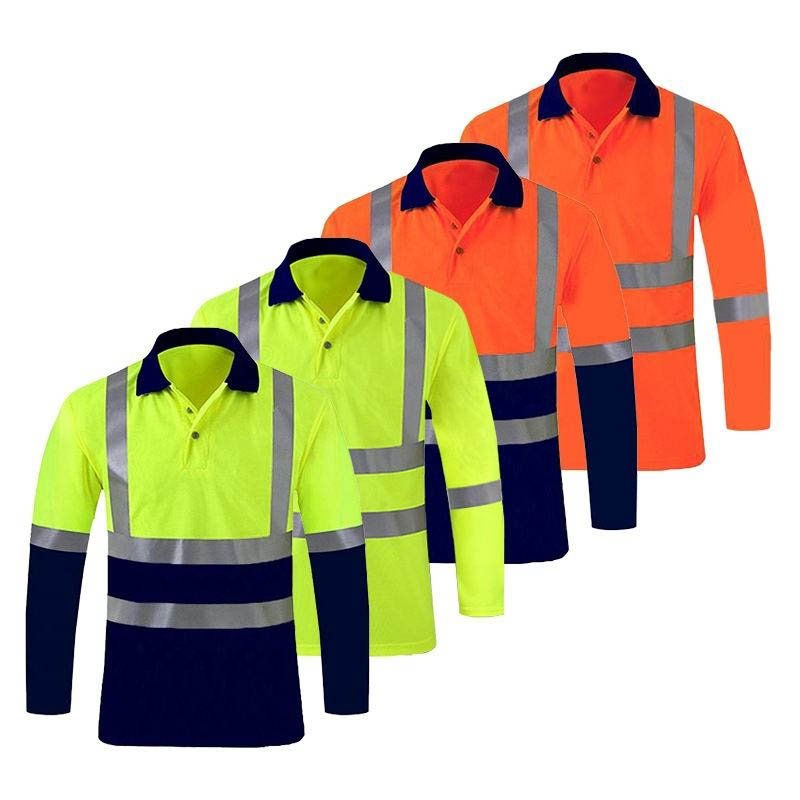
Custom Hi Vis Workwear with Logo: What Buyers Should Know
Direct Answer:
Customizing hi-vis workwear requires balancing brand visibility with strict regulatory safety standards like EN ISO 20471 and ANSI/ISEA 107. Adding a logo is not simply a cosmetic process; chosen methods like heat transfer, screen printing, or embroidery directly affect fabric waterproofing, flame resistance, and total compliant background area. To prevent downgrading a garment’s safety class, professional buyers must evaluate logo placement against surface area requirements, choose technical transfer materials, and collaborate with integrated OEM manufacturers who engineer logos directly into certified safety garment specs.
1. The Conflict: Branding Efforts vs. Regulatory Compliance
When procurement managers begin sourcing custom high-visibility apparel, the initial conversation often centers around quick execution: “Can we apply our company logo across the back of these safety vests?” While the answer is technically yes, doing so without analyzing safety standards risks invalidating the garment’s certification entirely.
High-visibility safety standards, such as ANSI/ISEA 107 in North America and EN ISO 20471 globally, dictate strict minimum surface areas for fluorescent background fabric and retroreflective tape. Applying a large, non-reflective, solid screen-printed or embroidered logo across a vest back covers vital fluorescent material. If the remaining visible fluorescent surface falls below standard thresholds, a Class 3 garment can easily be downgraded to Class 2, or declared non-compliant by safety inspectors.
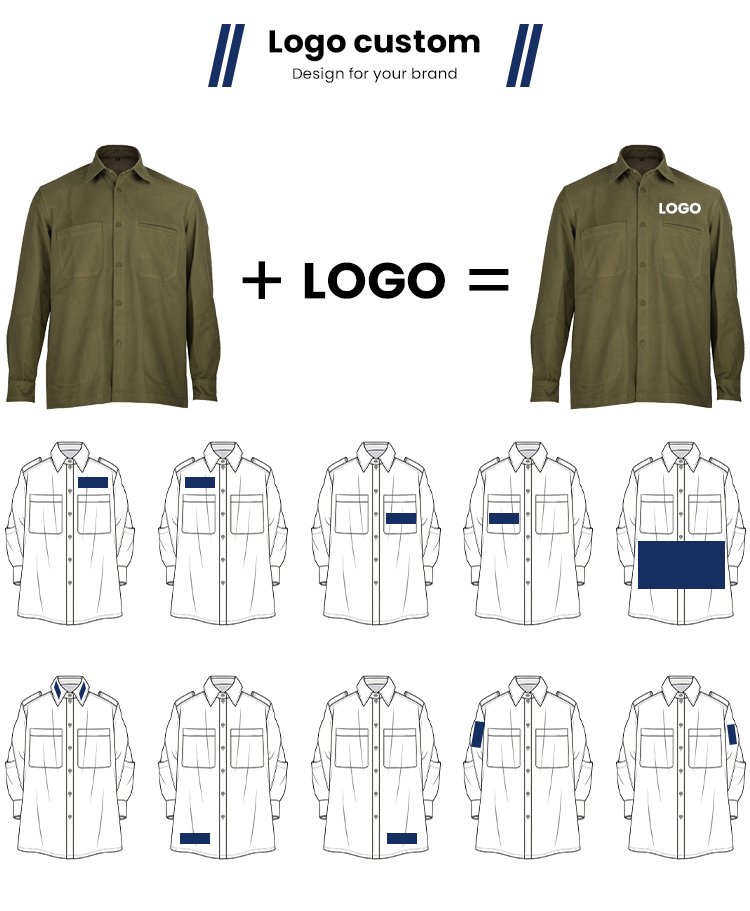
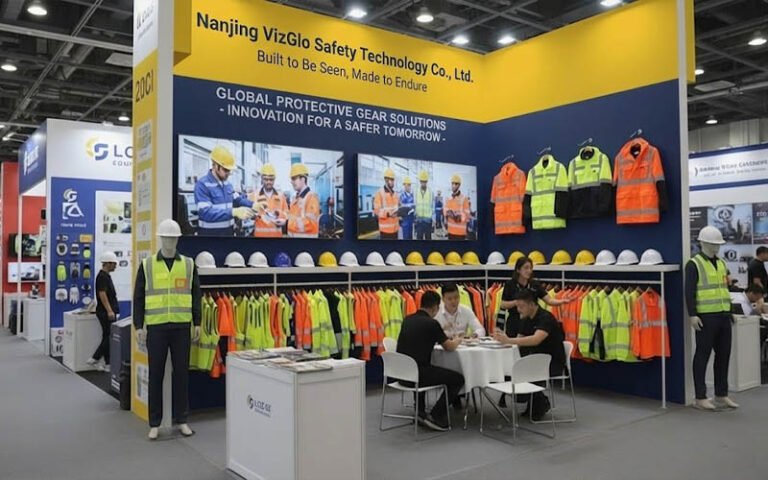
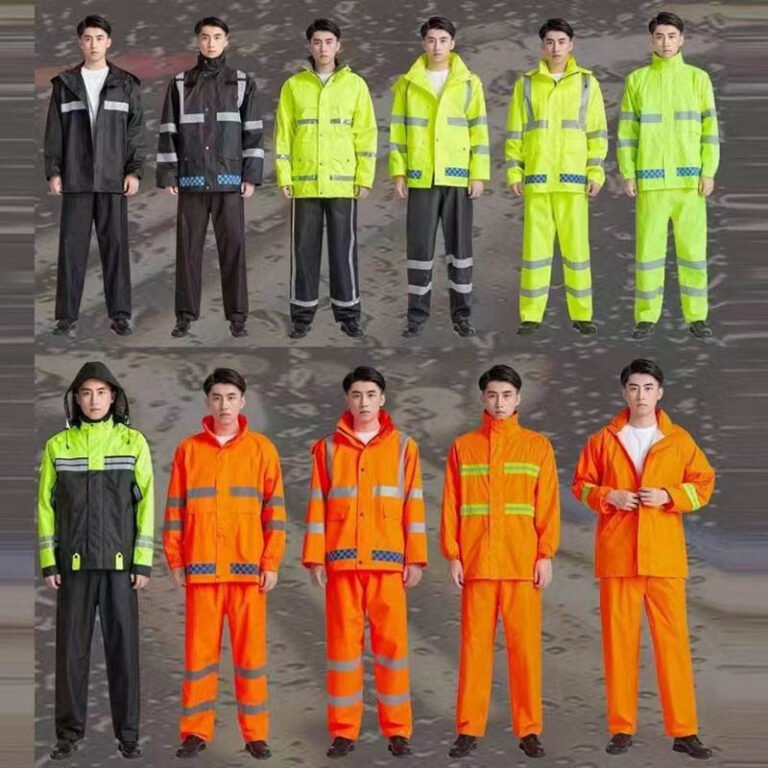
Figure 1: Custom reflective logo integration maintains both high visibility and brand identity without compromising compliance.
To maintain worker safety and avoid costly regulatory penalties, procurement teams must evaluate logo customization as an engineered safety component rather than an aftermarket addition. Detailed planning ensures your branding aligns with global standards detailed in our Customization OEM/ODM Services.
2. The Technical Breakdown of Logo Application Methods
Every application technique carries specific trade-offs regarding durability, weatherproofing, fabric compatibility, and safety performance. Selecting the correct method requires understanding your workforce’s operating environment.
| Method | Best For | Pros | Technical Risks / Cons |
|---|---|---|---|
| Reflective Heat Transfer | Waterproof outerwear, stretch fabrics, safety logos | Maintains reflectivity, 100% waterproof seal, sleek finish | Complex multi-color gradients require specialized films |
| Embroidery | Heavy jackets, polo shirts, executive workwear | Premium texture, highly durable against harsh washing | Punctures waterproof membranes; heavy on light fabrics |
| Screen Printing | High-volume basic vests & bulk promotional gear | Cost-effective for large bulk runs, accurate color match | Lacks retroreflectivity; may crack over time with heavy use |
Reflective Heat Transfer Vinyl (HTV)
For technical safety apparel, custom reflective logos made from heat-transfer films are the gold standard. They blend seamlessly into the garment and add to—rather than subtract from—retroreflective performance. Using specialized glass-bead or micro-prismatic technologies, heat transfer logos bounce light directly back to illumination sources during night operations.
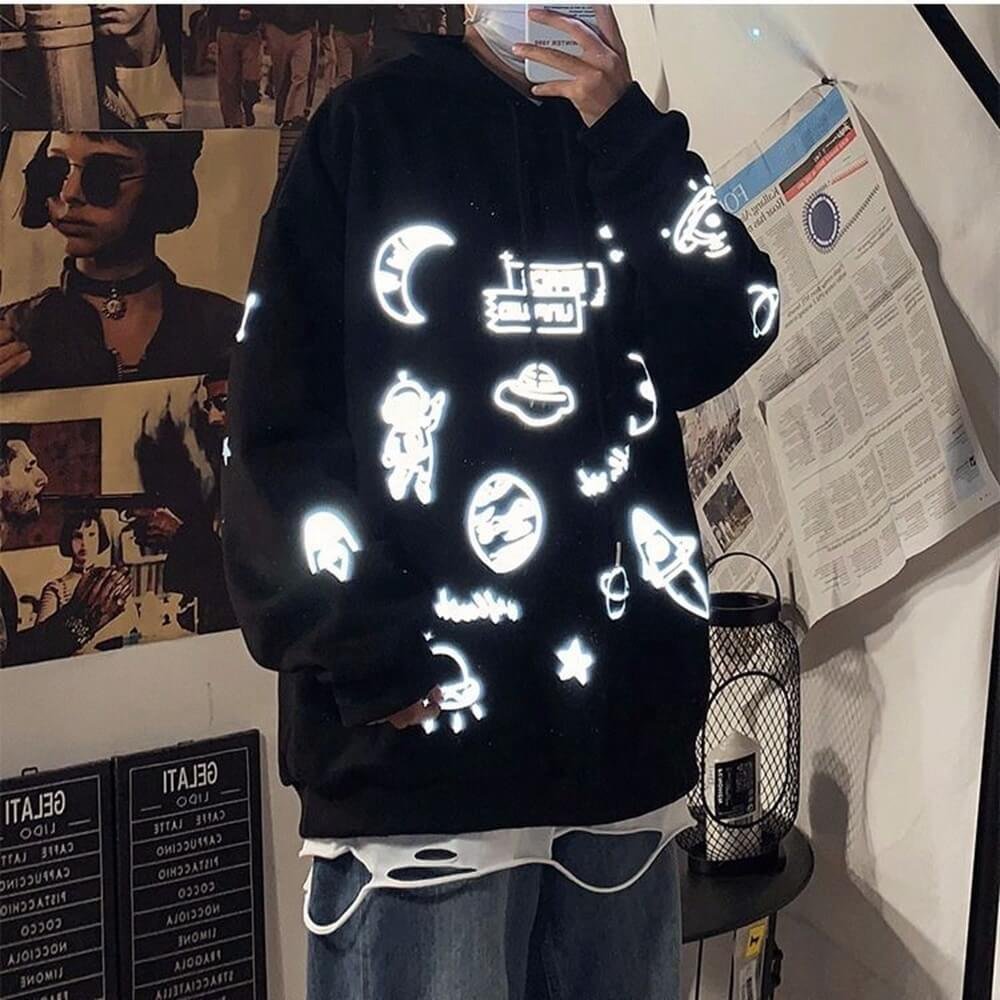
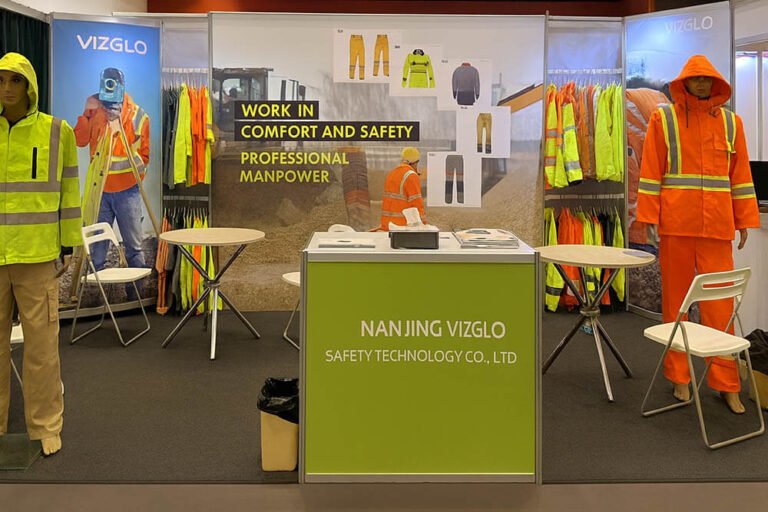
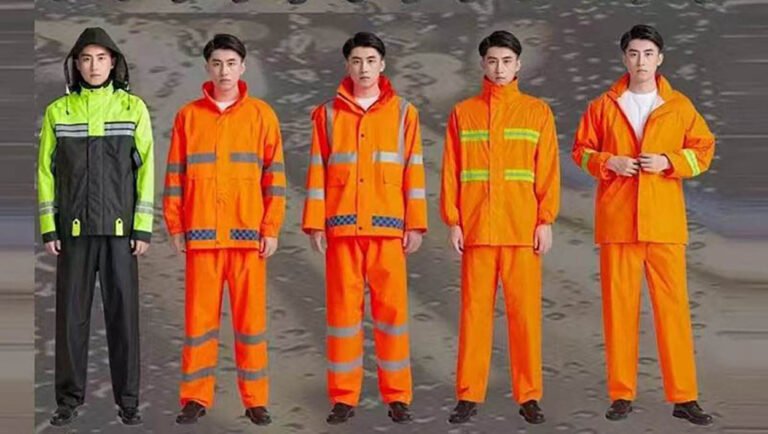
Figure 2: Heat transfer reflective films applied precisely to maintain flexibility and high retroreflection values.
Direct Embroidery and Waterproof Integrity
While embroidery provides a high-end commercial aesthetic, using it on foul-weather gear requires extreme caution. Thousands of needle punctures destroy the internal TPU membrane of waterproof hi-vis raincoats. Without post-embroidery heat-sealing tape applied internally over the stitch lines, water will penetrate the garment, leaving workers cold and wet.
3. Strategic Logo Placement Without Sacrificing Safety Classes
Smart branding relies on calculated placement. Rather than placing oversized artwork across critical background real estate, experienced buyers utilize compliant micro-zones designed for logo integration:
- Right/Left Chest Badging: Ideal for compact 10×10 cm company emblems that do not disrupt the primary fluorescent torso area.
- Sleeve Branding: Applying heat-transfer or reflective webbing details along the upper arms leaves front and back high-visibility zones clear.
- Segmented Reflective Tape Logos: Laser-cutting company lettering directly into segmented retroreflective tape allows branding and safety tape to become one unified component.
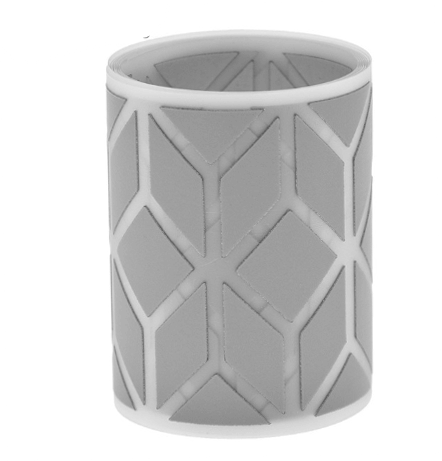
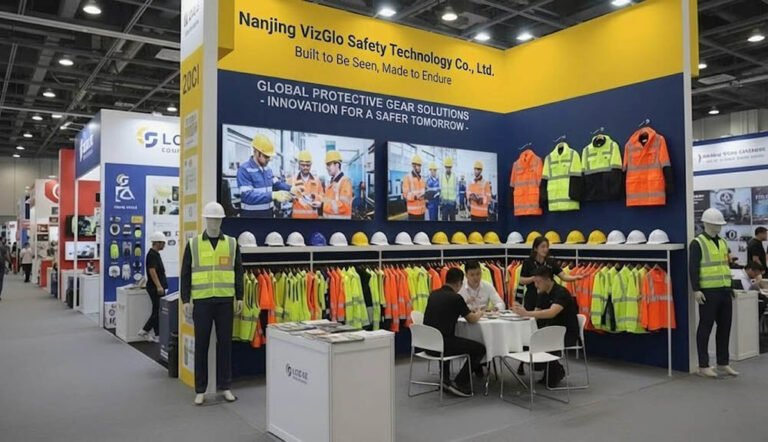
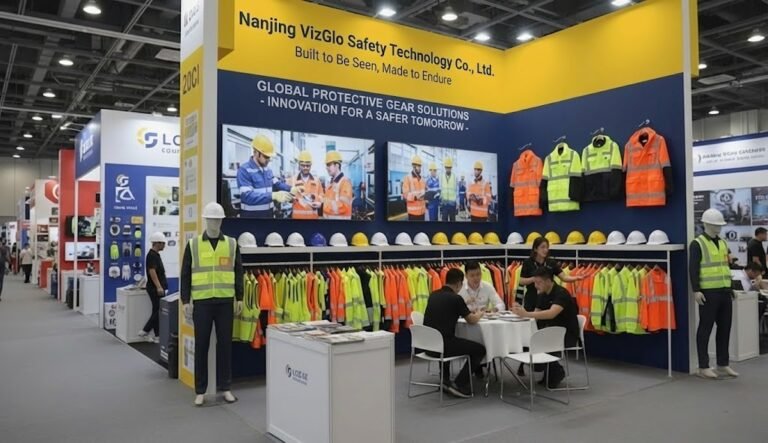
Figure 3: Custom patterned reflective transfers combine brand logos directly with safety tape designs.
To better understand how garment construction impacts safety compliance, explore our complete technical range of Hi Vis Workwear solutions.
4. The Power of an Integrated OEM/ODM Manufacturing Partner
The traditional procurement model involves buying plain stock garments from a distributor and shipping them to a local print shop. This fragmented approach frequently leads to quality failures: print shops may overheat delicate technical fabrics, ruin flame-retardant (FR) treatments, or puncture waterproof linings.
Partnering with a vertically integrated safety gear manufacturer eliminates these supply chain risks. At Nanjing VizGlo Safety Technology Co., Ltd., customization is engineered into the initial design phase rather than treated as an afterthought:
- In-House Material Matching: We develop and test our own reflective films to ensure the adhesive bond precisely matches the base fabric composition (e.g., 100% polyester, cotton-poly blends, or treated FR textiles).
- Guaranteed Certification: Our engineering team calculates total surface areas prior to production, guaranteeing your custom-branded apparel fully complies with OSHA regulations and international standards before leaving the factory floor.
- End-to-End Quality Control: Under ISO 9001 and BSCI audit standards, every custom garment undergoes wash-durability testing and retroreflectivity verification (RA value testing) in our internal laboratories.
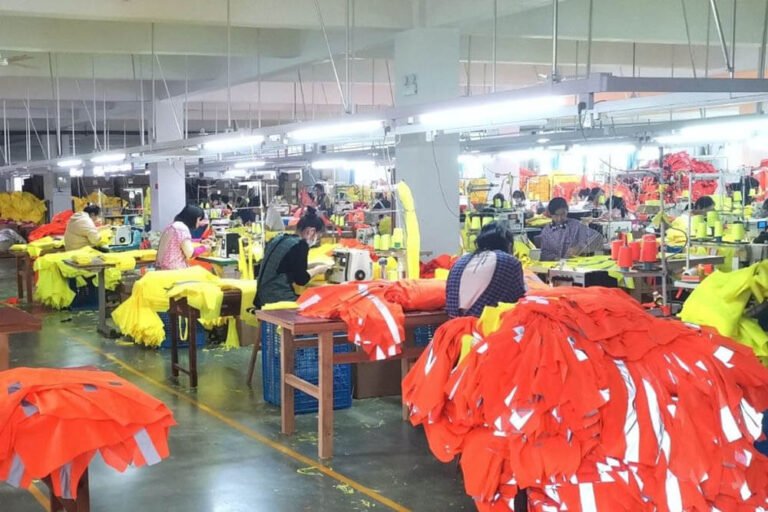
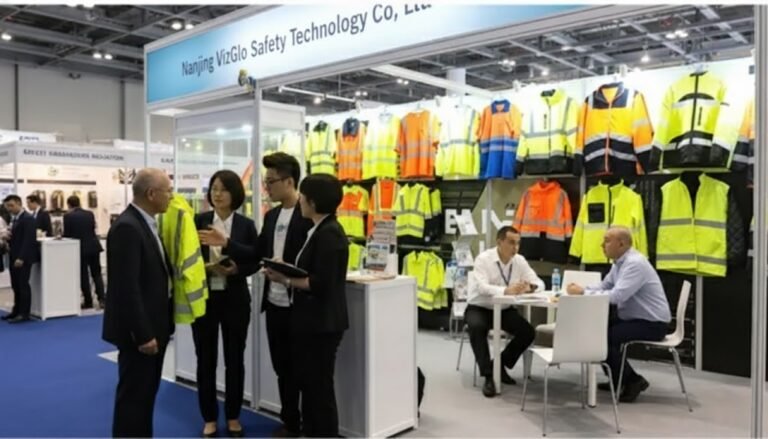
Figure 4: VizGlo’s vertically integrated manufacturing facility handles garment construction and logo application under one strict QC framework.
Ready to Develop Compliant Custom Workwear?
Transition from buying generic garments to creating a custom, certified safety product line tailored to your brand’s exact specifications.
Request a Technical Consultation & Quote5. Frequently Asked Questions (FAQ)
Does adding a company logo affect ANSI/ISEA 107 or EN ISO 20471 compliance?
Yes, it can. If a solid, non-reflective logo covers too much fluorescent background fabric, it may reduce the visible safety area below standard requirements and downgrade the garment’s safety class. Using reflective logos or keeping sizes within technical limits prevents this issue.
What is the best logo application method for waterproof hi-vis jackets?
Reflective heat transfer vinyl (HTV) is the best method. It bonds to the outer fabric shell without puncturing the inner waterproof membrane, preserving full water resistance.
Why choose reflective logos over standard screen printing?
Reflective logos enhance night safety by bouncing light back to drivers, while contributing positively to retroreflective surface requirements rather than obstructing safety materials.