Wholesale Hi Vis Clothing: A Buyer’s Guide for Bulk Orders
Strategic procurement insights for safety directors, brand managers, and global PPE distributors looking to optimize value, manage compliance risks, and streamline bulk sourcing.
Quick Takeaway: Strategic Bulk Hi-Vis Procurement
Successful wholesale high-visibility clothing procurement requires shifting focus from initial unit cost to Total Cost of Ownership (TCO) and strict regulatory compliance. Strategic bulk buyers mitigate enterprise risk by evaluating fabric wash-cycle durability, verifying region-specific safety certifications (such as ANSI/ISEA 107, EN ISO 20471, and AS/NZS 1906.4), and partnering with vertically integrated manufacturers capable of controlling quality from raw reflective materials to finished OEM/ODM garments.
Reframe the Equation: Total Cost of Ownership vs. Unit Price
When sourcing thousands of high-visibility garments, procurement professionals are frequently tempted to anchor negotiations around the initial unit price. However, experienced product managers and safety directors recognize that a low purchase price can hide catastrophic long-term costs.
A sub-standard safety vest that degrades after five industrial washes or suffers from peeling retroreflective tape immediately compromises worker safety. The true cost of cheap safety apparel manifests in premature replacement cycles, failed workplace compliance audits, potential legal liability during accidents, and severe brand reputational damage.
To build a sustainable procurement strategy, buyers must evaluate garments using a Total Cost of Ownership (TCO) model:
1. Material Lifespan
High-tensile fabrics and certified retroreflective properties retain compliance across 25 to 50+ wash cycles, cutting replacement frequency in half.
2. Audit Protection
Fully certified garments eliminate compliance penalties and project delays during strict regulatory workplace inspections.
3. Brand Reputation
Uniform stitching, consistent fluorescent dyeing, and flawless logo integration reinforce customer and worker trust.
Compliance as a Passport: Navigating ANSI, EN ISO, & AS/NZS Standards
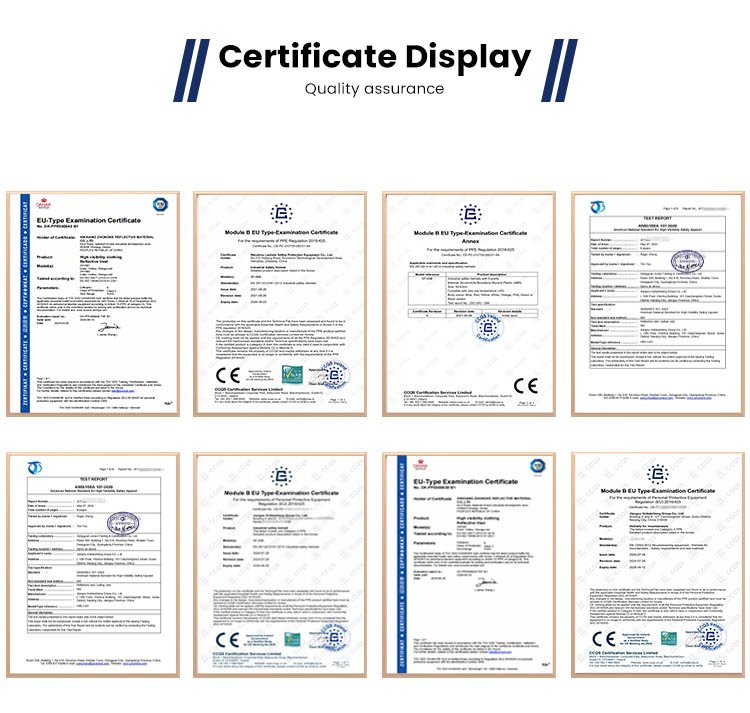
High-visibility clothing is not merely workwear; it is legally regulated Personal Protective Equipment (PPE). For international distributors and enterprise buyers, compliance acts as a regulatory passport. Importing non-compliant gear leads to customs rejections, inventory write-offs, and massive exposure to legal liabilities.
Global standards vary significantly across key commercial jurisdictions. A common pitfall for procurement teams is assuming that a garment compliant in one region can be legally sold or used in another:
| Region | Key Standard | Core Focus Areas |
|---|---|---|
| North America | ANSI/ISEA 107-2020 | Categorizes gear by Performance Class (Class 1, 2, 3) and Off-Road/Roadway/Public Safety Types (Type O, R, P). Standardized background and reflective surface area ratios. |
| Europe / Global | EN ISO 20471:2013+A1 | Strictly evaluates high-risk visibility using three performance classes. Focuses heavily on design, 360-degree visibility tape placement, and retroreflective performance after luminance testing. |
| Australia / NZ | AS/NZS 1906.4 & 4602.1 | Defines Class D (Day), Class N (Night), and Class D/N (Day/Night) use. Highly demanding outdoor UV colorfastness and tropical climate requirements. |
Working with an knowledgeable safety manufacturer ensures every batch comes accompanied by valid third-party lab test reports (such as SATRA or UL). To gain deeper clarity on specific design rules across product tiers, explore our complete technical breakdown on Class 3 High Visibility Requirements.
The Hidden Advantage: Why Vertical Integration Matters
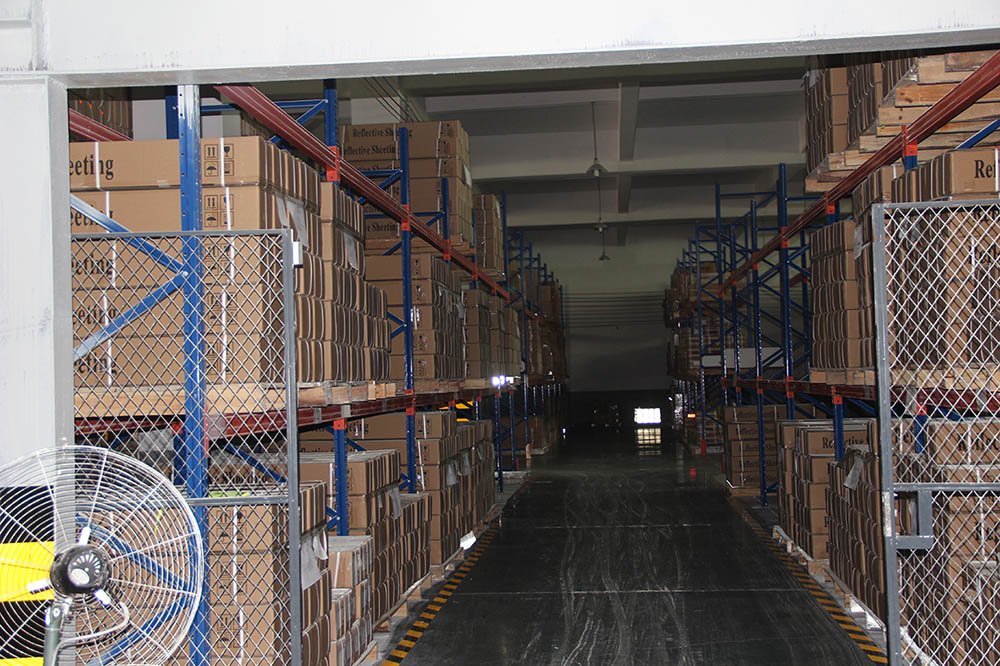
Most traditional safety garment factories function purely as assembly houses. They cut basic fabric and sew on retroreflective tape sourced from third-party vendors. When issues arise—such as tape delamination, color bleeding, or inconsistent reflectivity—these suppliers blame external material vendors.
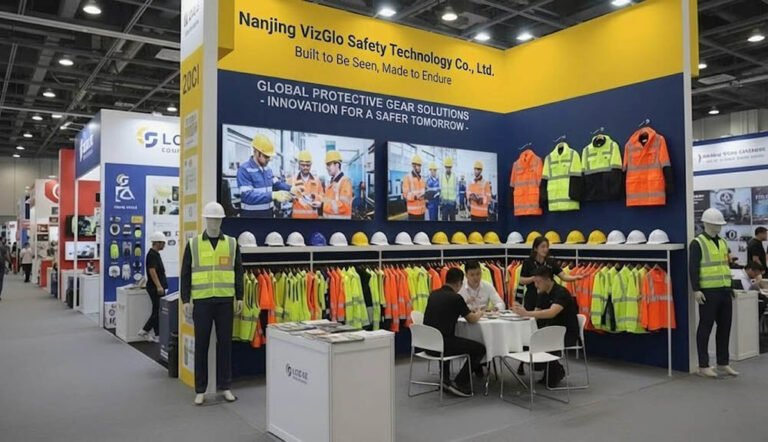
The ultimate edge for enterprise buyers lies in working with a vertically integrated manufacturer. At Nanjing VizGlo Safety, we produce both high-performance raw reflective materials and finished safety apparel under a single unified Quality Management System.
Tangible Procurement Benefits of Vertical Integration:
- ✓ Unmatched Quality Consistency: By controlling the raw glass-bead formulation, backing fabric, and heat-transfer adhesive coating in-house, retroreflective performance remains identical across every manufacturing batch.
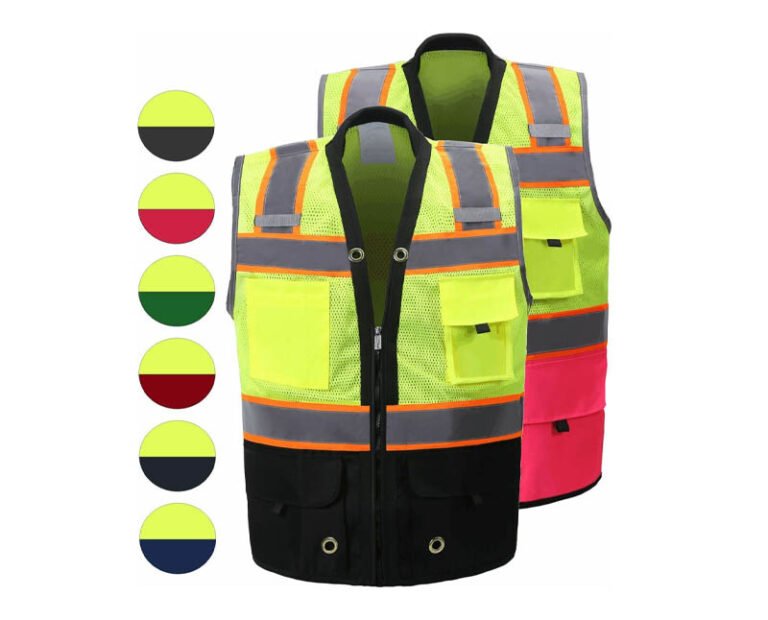
- ✓ Advanced Customization Capabilities: Need custom-colored reflective heat transfer films, micro-prismatic tapes, or segmented laser-cut designs for active breathability? We engineer these custom components directly inside our material division.
- ✓ Single-Point Accountability: Eliminate vendor pass-the-buck games. Your procurement team gains full traceability and a single point of contact for every component in your finished garment line.
De-mystifying the OEM/ODM Customization Journey
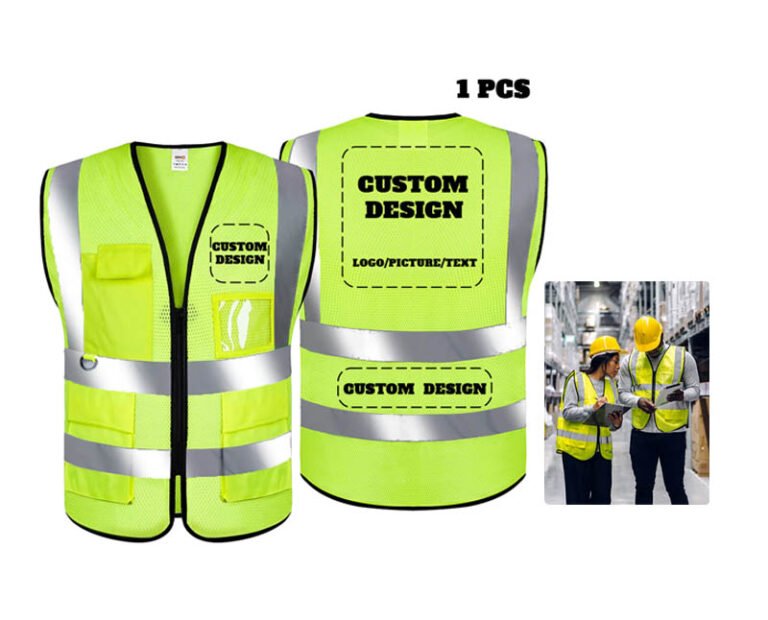
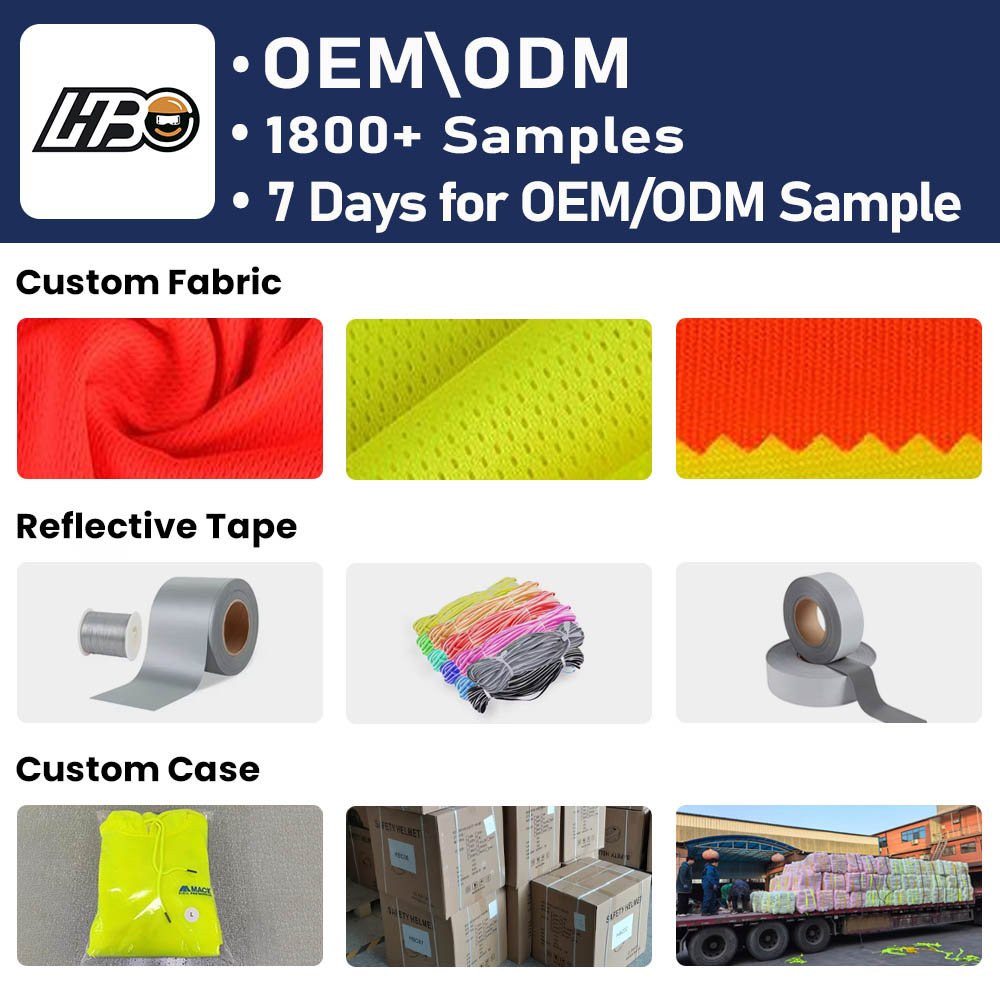
For seasoned buyers, “OEM” is far more than slapping a silk-screened logo onto a off-the-shelf yellow vest. Real custom manufacturing involves co-creating products tailored to specific harsh operational environments—from cold-weather railway networks to high-abrasion mining sites.
Partnering with an experienced partner like Nanjing VizGlo Safety Technology Co., Ltd. unlocks a structured, transparent OEM/ODM execution process:
Application & Needs Assessment
Defining work hazards (extreme cold, heavy rainfall, high flame risk) to choose appropriate core fabrics such as fluorescent mesh, heavy-duty oxford, or flame-retardant treated cotton.
Technical Design & Tape Selection
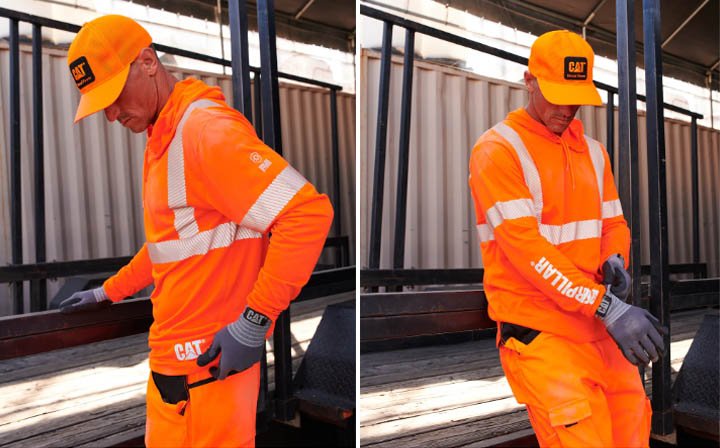
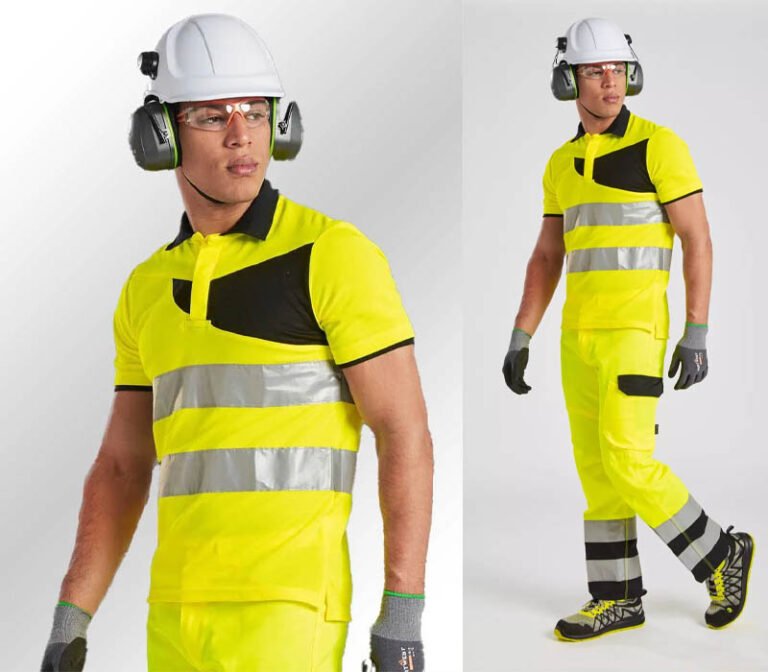
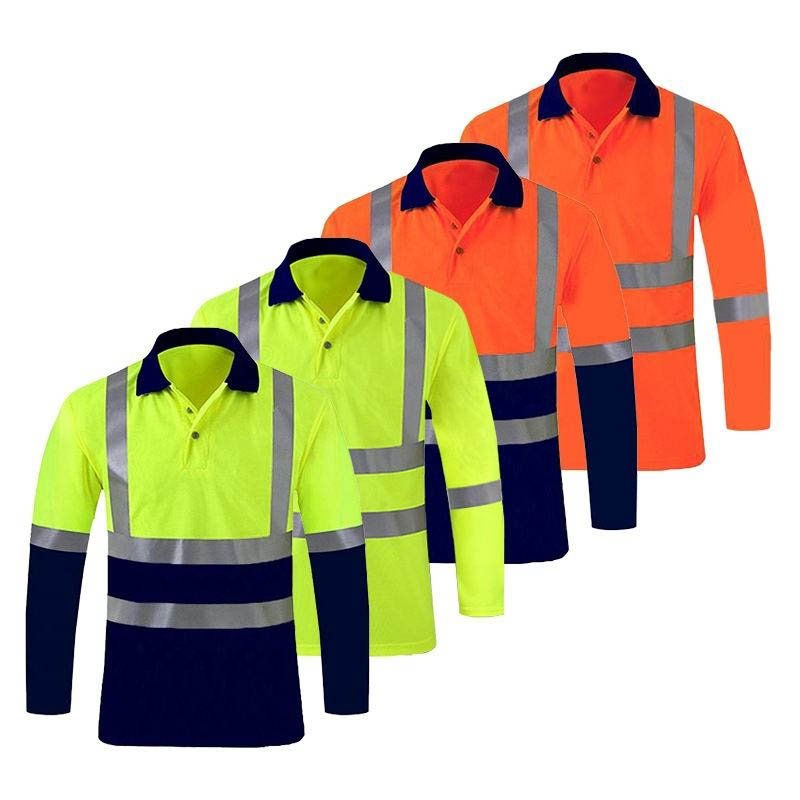
Selecting standard silver tape, segmented heat-transfer film for flexibility, or specialty flame-retardant reflective trims matched to specialized styles like Hi Vis Polo Shirts & T-Shirts or heavy outer shells.
Brand Integration & Prototyping
Integrating brand elements using heat transfer print, high-density embroidery, custom zipper pulls, and branded wash tags. Rapid physical sampling completed within 24-48 hours.
Batch Production & Lab Verification
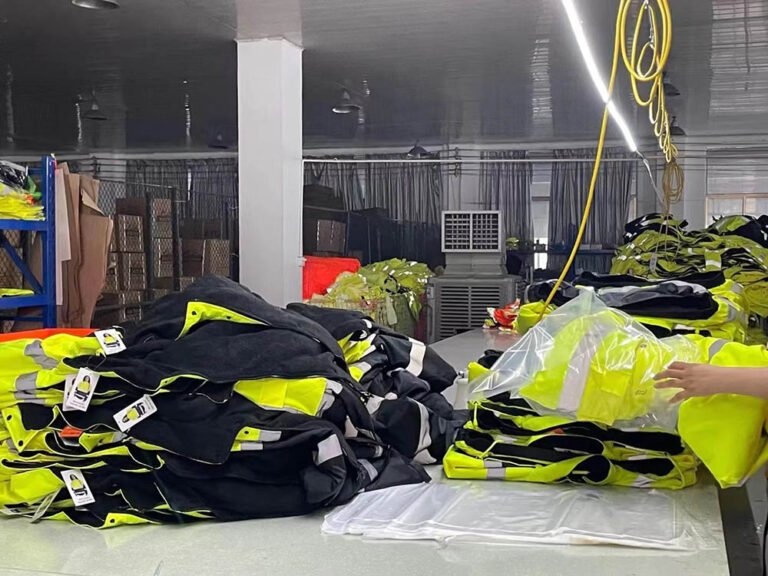
Computerized pattern cutting, automated sewing, rigorous IQC/PQC/FQC inspections, and final dispatch with full compliance documentation.
The Strategic Bulk Buyer’s Procurement Checklist
Before releasing your next Request for Quotation (RFQ) for bulk safety apparel, ensure your team evaluates these critical vendor criteria:
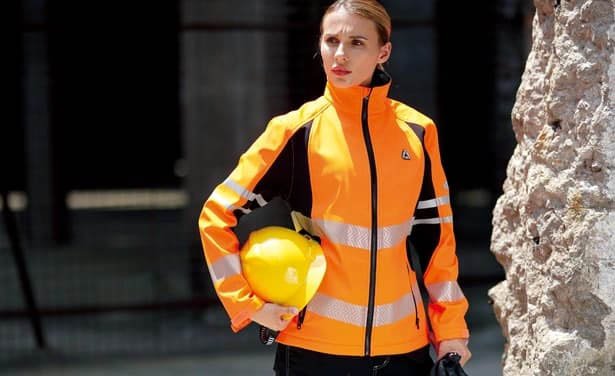
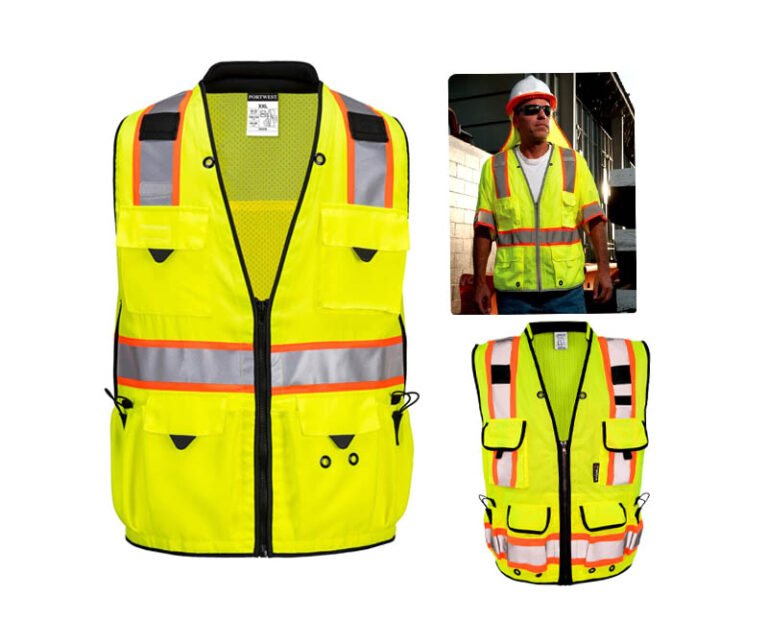
For a comprehensive look across complete workforce garment programs—including heavy outerwear, storm protection, and day/night vests—review our full collection of High Visibility Workwear Solutions.
Ready to Optimize Your Bulk Safety Apparel Sourcing?
Partner with a true global manufacturer. Get direct factory pricing, full technical compliance support, and superior reflective integration for your private brand or workforce contract.
Frequently Asked Questions
What is the typical Minimum Order Quantity (MOQ) for custom bulk hi-vis orders? ↓
Our standard MOQ for fully customized OEM/ODM garments (custom dyeing, specific trim configurations, and branding) typically starts at 500 to 1,000 units per style depending on fabric complexity. Standard stock designs with custom reflective logo applications can be accommodated at lower thresholds.
How do you guarantee that reflective tape won’t peel after washing? ↓
Because we manufacture our own retroreflective materials, we control the precise hot-melt adhesive formulations and glass bead backing layers. Every batch undergoes internal wash-chamber testing (25 to 50 cycles at 60°C) to ensure zero delamination and strict adherence to ISO retroreflectivity retention standards.
Can a single garment be certified for both US (ANSI) and European (EN ISO) markets? ↓
Yes. By engineering the garment design to meet the stricter minimum area requirements for fluorescent background material and placing retroreflective tape strategically to fulfill 360-degree visibility rules for both standards, we routinely design multi-certified products for global clients.
What lead time should procurement managers plan for enterprise orders? ↓
Pre-production physical samples are produced within 24 to 48 hours. Mass production typically requires 25 to 35 days following sample approval and lab dip confirmation, depending on order size and custom fabric specifications.