Heat Transfer vs. Reflective Vinyl: Which Logo Is Right for Your Garment?
A definitive technical comparison for brands, manufacturers, and procurement teams choosing the optimal logo application method for high-visibility workwear.
✓ The Answer: Which Logo is Right for Your Garment?
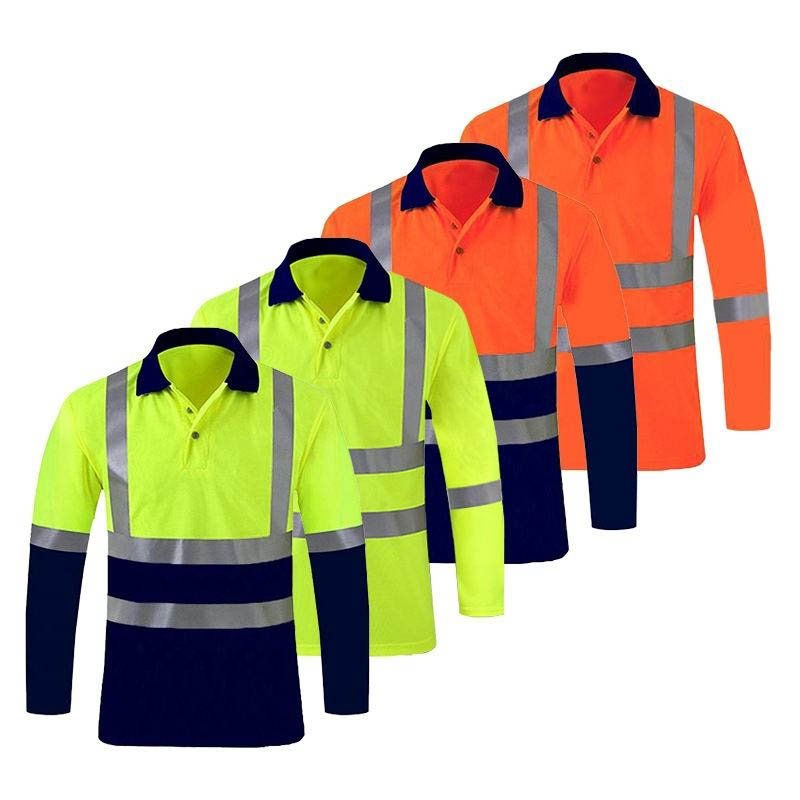
The choice depends on three critical factors—Compliance, Conditions, and Cost-per-wear—not just initial budget. Heat transfer logos excel for intricate multi-color branding on chest areas where aesthetic impact matters most, offering vibrant colors, precise reproduction, and lower per-unit costs on high volumes. Reflective vinyl logos, by contrast, deliver superior durability (50+ industrial wash cycles vs. 20-30 for standard heat transfers), maintain compliance with EN ISO 20471 and ANSI/ISEA 107 standards, and provide consistent brightness throughout the garment’s operational life. For most industrial applications, reflective vinyl is the superior choice due to its durability and safety compliance, with many leading companies building a hybrid strategy: reflective vinyl on safety-critical areas (sleeves, back panels) where visibility is mandated, and high-quality heat transfers on chest branding where logo fidelity drives corporate identity. Making this decision without understanding your garment’s end environment—whether it’s a one-off promotional event or a 5-year fleet uniform program worn through industrial laundry cycles—is the mistake that costs companies money and compromises worker safety.
Understanding Heat Transfer Technology
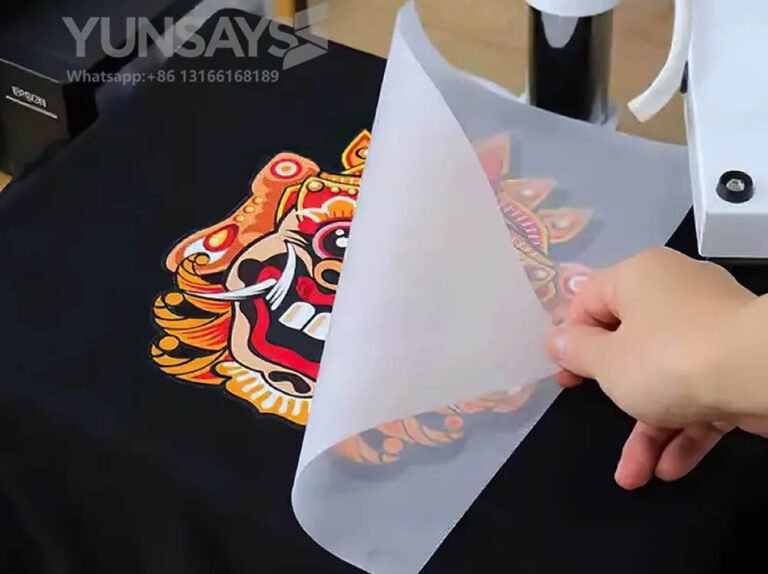
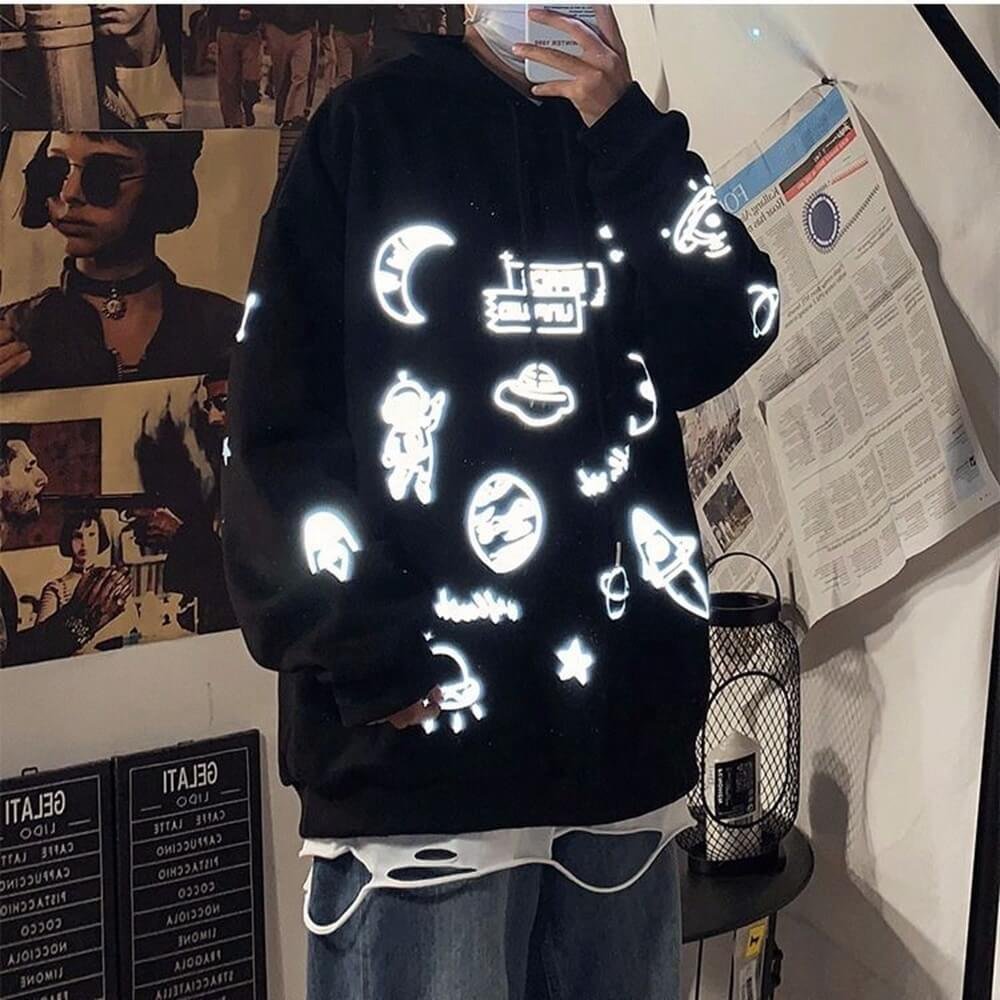
Heat transfer printing uses a heat press—typically operating at 150–200°C (300–390°F) for 10–15 seconds—to permanently bond a specially designed film to fabric. The process involves three layers: a carrier sheet (often polyester), the design layer containing ink or pigment, and a release coating. When heat and pressure are applied, the design transfers from the carrier to the garment, creating a permanent molecular bond. This technology revolutionized custom apparel manufacturing because it enables photo-realistic, full-color reproduction with minimal setup costs.
Why Heat Transfer Remains Popular:
- ✓ Vibrant Colors: Full-color photorealistic designs transfer without limitation
- ✓ Low Setup Cost: No film cutting, no complex artwork separation needed for multi-color designs
- ✓ Scalability: Perfect for high-volume runs (500+ pieces) where per-unit cost truly matters
- ✓ Professional Finish: Produces smooth, seamless logos without visible edges

The Durability Challenge
While heat transfers deliver stunning initial results, their durability is the Achilles heel in industrial environments. Standard heat transfers typically begin showing visible cracking and peeling after 20–30 industrial wash cycles (typically 40°C, with mechanical agitation and chemical detergents). Industrial laundering, common in aviation, healthcare, and construction sectors, is far more aggressive than home washing. The combination of high temperature, strong chemicals, and physical agitation accelerates the degradation of polyurethane or acrylic heat transfer layers, causing them to lose adhesion and flake off.
Premium polyurethane-based heat transfers can extend durability to 40–50 cycles, but at a significantly higher per-unit cost, which often narrows the price advantage over reflective vinyl alternatives.
The Case for Reflective Vinyl: Performance Where It Matters
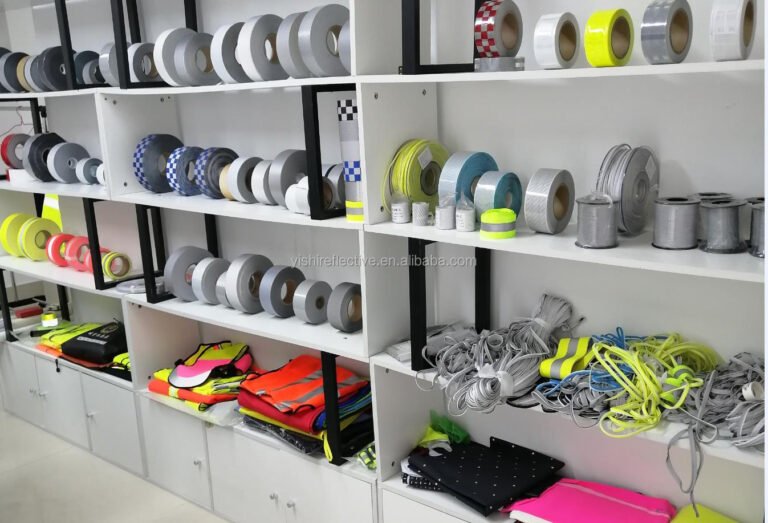
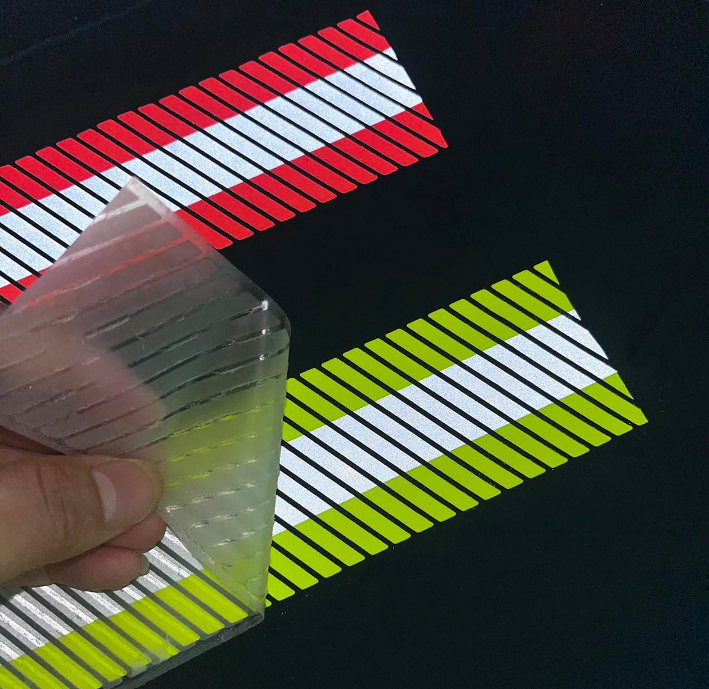
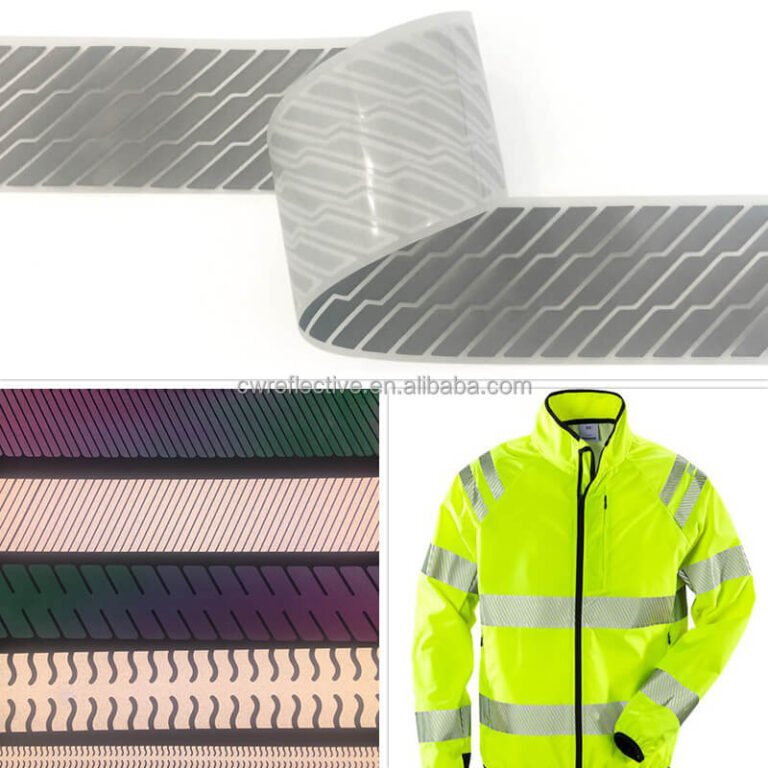
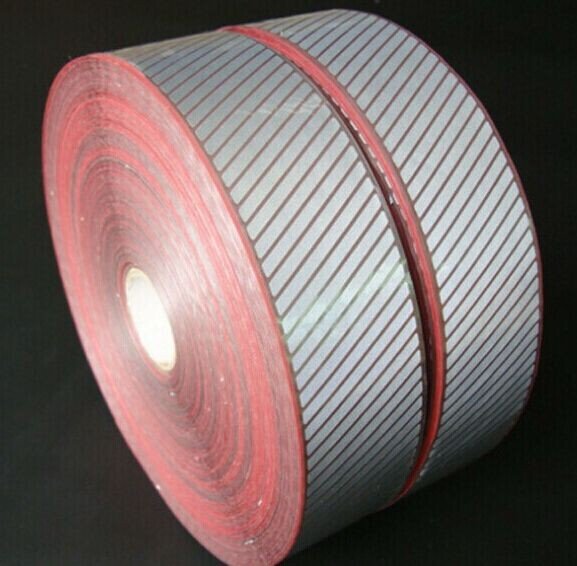
Reflective vinyl represents a fundamentally different approach to logo application. Rather than using heat to bond ink to fabric, reflective vinyl uses a pressure-sensitive adhesive (PSA) backing combined with retroreflective technology to create a logo that serves dual purposes: corporate branding and worker safety. High-quality reflective vinyl is engineered to maintain its retroreflective properties (the ability to bounce light back to its source) under extreme conditions, making it far more than a decorative element—it’s a safety component.
Reflective Vinyl Advantages:
- ★ Extreme Durability: 50–100+ industrial wash cycles without visible degradation
- ★ Safety Integration: Contributes to garment’s EN ISO 20471 or ANSI/ISEA 107 compliance when properly positioned
- ★ Consistent Visibility: Maintains retroreflective brightness throughout operational life
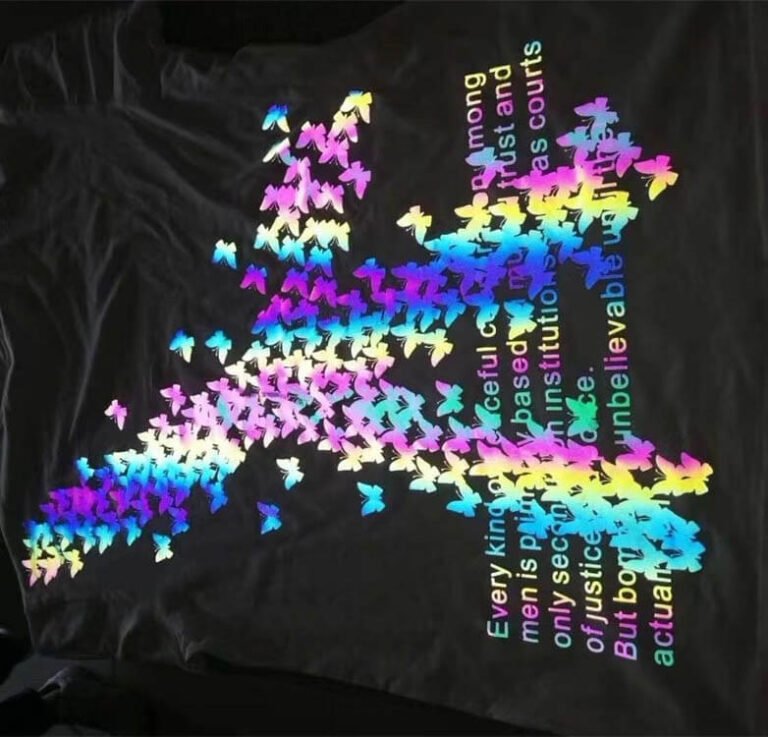
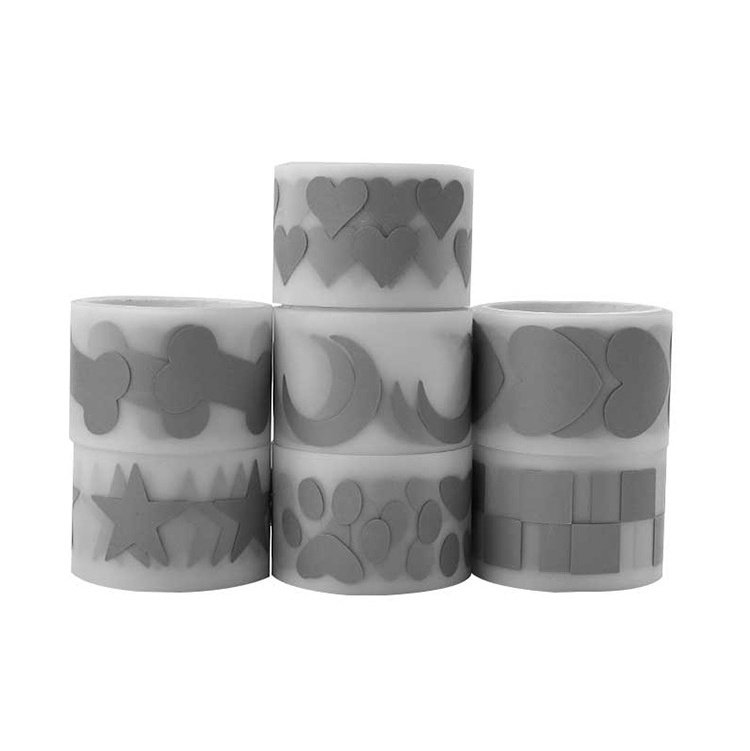
- ★ Design Flexibility: Supports custom colors, gradients, and complex geometric patterns
- ★ No Heat Damage: Safe for sensitive fabrics—softshell, stretch materials, waterproof coatings
Material Science Behind Reflective Vinyl
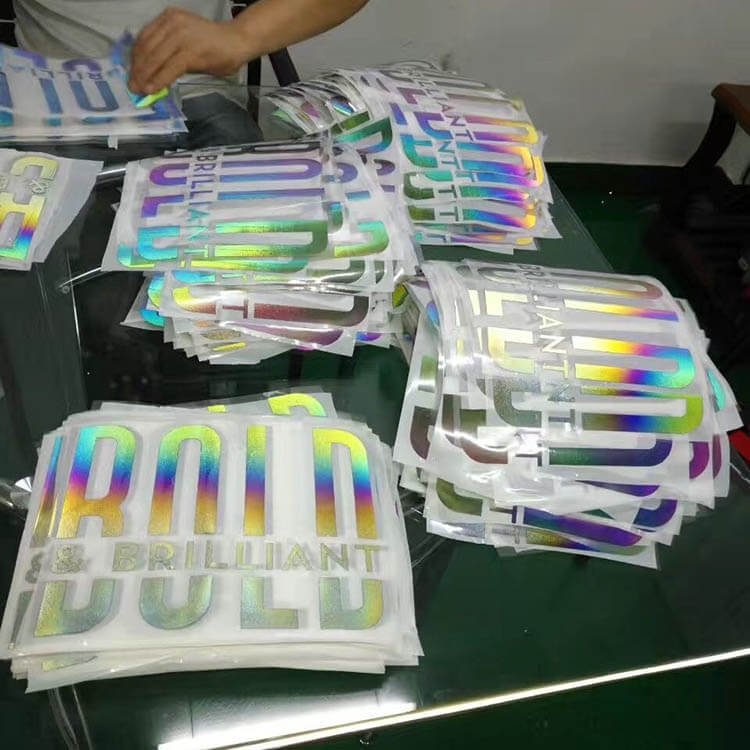
Modern retroreflective film technology (pioneered by major suppliers like 3M and Avery) uses either glass bead or microprismatic construction to achieve the nano-level precision required to reflect light. When light strikes the material at incident angles up to 40 degrees, it bounces back toward its source—the defining characteristic of retroreflection. This property persists because the retroreflective layer is engineered into the film’s molecular structure, not printed on its surface. Industrial detergents, UV exposure, and mechanical friction cannot degrade what’s built into the material itself.
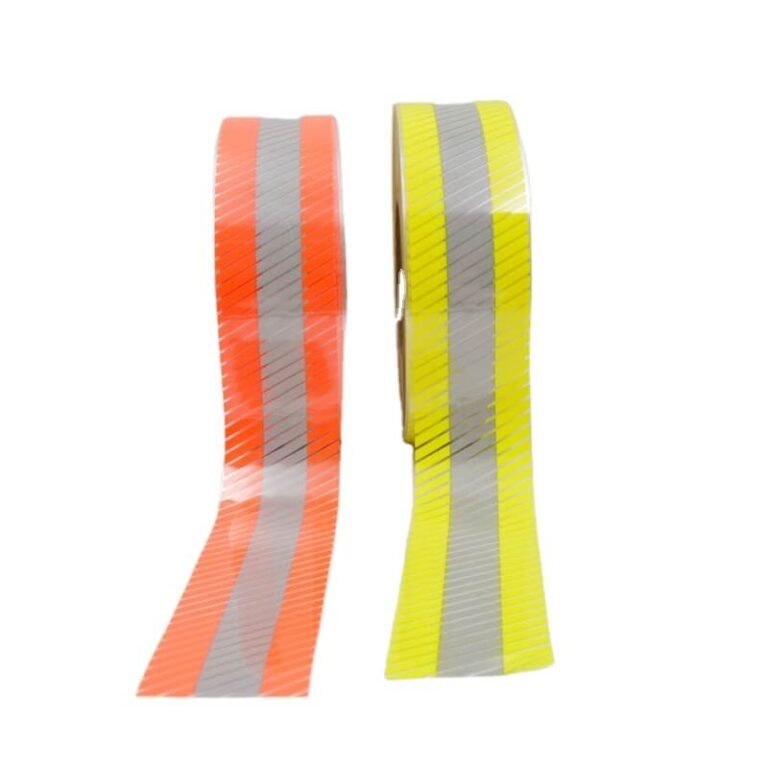
Quality reflective vinyl films also feature advanced UV-stabilized topcoats and fade-resistant dyes, ensuring that custom colors (silver, white, gold, luminous yellow, safety orange) maintain their specified brightness levels across the garment’s expected service life—often 3–5 years in industrial settings.
Head-to-Head Comparison: Heat Transfer vs. Reflective Vinyl
| Criterion | Heat Transfer | Reflective Vinyl |
|---|---|---|
| Initial Cost (per unit, 500+ qty) | $0.50–$1.50 ✓ Lower | $1.50–$3.00 |
| Wash Cycle Durability | 20–30 cycles (standard); 40–50 (premium) | 50–100+ cycles ✓ Superior |
| Color Vibrancy & Detail | Photorealistic; 16M+ colors ✓ Best | Solid colors; limited gradients |
| Safety Standard Compliance | Branding only; does not contribute to visibility rating | Can be part of EN ISO 20471 / ANSI compliance ✓ |
| Fabric Compatibility | Limited on softshell, stretch, waterproof coatings | Works on all fabric types ✓ Unrestricted |
| Cost-per-Wear (5-year lifespan, 100 wears/year) | $0.08–0.15 (with replacement) | $0.03–0.06 ✓ Superior Value |
| Setup Complexity | Minimal; film separation automated ✓ | Moderate; requires design separation and cutting |
| Environmental Durability (UV, salt spray) | Moderate; fades over 2–3 years outdoor exposure | Excellent; maintains brightness 5+ years ✓ |
Cost-per-wear calculation: (Initial logo cost + replacement costs over expected life) ÷ (number of times the garment is worn). This metric reveals why reflective vinyl often delivers better ROI despite higher upfront costs.
Compliance & Safety Standards: A Critical Consideration Often Overlooked
This is where many companies make their costliest mistake. I’ve seen procurement teams select beautiful, affordable heat transfer logos, only to discover later that when the logo is positioned on key visibility areas, it disrupts the garment’s compliance with mandatory safety standards. EN ISO 20471 (European standard for high-visibility protective clothing) specifies minimum retroreflective material coverage and mandates that reflective stripes must remain unobstructed. If your custom heat transfer logo covers reflective bands, the garment’s certification becomes void—a liability you may not discover until an accident occurs.

⚠️ Critical Compliance Points:
- EN ISO 20471 / ANSI/ISEA 107: High-visibility garments must maintain specified minimum retroreflective material (measured in square millimeters per garment). Heat transfer logos do NOT contribute to this calculation and must not obscure the required reflective strips.
- Reflective Logo Advantage: If a reflective vinyl logo is strategically positioned on non-critical areas (chest pocket, upper sleeve), it can be engineered to meet the standard’s brightness requirements, upgrading the garment’s overall visibility rating while strengthening brand presence.
- Documentation: Always request a wear test report from your supplier. Independent testing (ISO 3923, salt spray, accelerated fading tests) proves your logo withstands your intended use environment.
The Three-Factor Decision Matrix
Industry experts use what might be termed the “3 C’s” framework for making this decision:
1. COMPLIANCE
Does your application require EN ISO 20471, ANSI/ISEA 107, or similar certification? If yes, reflective vinyl positioning becomes strategic. Heat transfer logos must never obscure mandatory reflective areas.
2. CONDITIONS
Where will the garment operate? Outdoor + industrial laundering = reflective vinyl. Indoor event + 5 wears = heat transfer is fine. Is the fabric stretchable, waterproof-coated, or temperature-sensitive? Heat can damage all of these.
3. COST-PER-WEAR
Calculate total lifetime cost: (logo cost + replacements) ÷ expected wears. A $2 reflective logo lasting 100 cycles beats a $0.50 heat transfer needing replacement after 25 cycles in high-intensity environments.
The Hybrid Approach: Best-of-Both-Worlds Strategy
Leading global brands and fleet operators increasingly adopt a hybrid logo strategy that leverages the strengths of both technologies while mitigating their weaknesses. The approach is elegant:
The Hybrid Model:
Reflective Vinyl for Safety-Critical Areas
Deploy high-brightness reflective logos on upper back panels, sleeves, and lower legs—areas that contribute to the garment’s OSHA visibility rating. These logos maintain brightness across 100+ wash cycles and integrate seamlessly with compliance requirements.
Heat Transfer for Fine Brand Details
Apply premium polyurethane heat transfers on chest pockets or upper arms for intricate, full-color company logos. This area is less critical for worker visibility and has lower abrasion exposure, making heat transfer’s durability less problematic.
Result: Optimized Life-Cycle Performance
Your garment achieves maximum safety compliance, maintains brand aesthetics, delivers superior durability under industrial conditions, and—crucially—demonstrates to auditors and safety officers that you’ve made informed, defensive design choices backed by technical rationale.
This hybrid approach is becoming the industry standard for companies that view workwear as a strategic investment—not just an expense line item. It’s common among Fortune 500 logistics companies, major construction firms, and European enterprises where worker safety compliance is non-negotiable.
Frequently Asked Questions
Can I apply a heat transfer logo over a reflective stripe? +
Absolutely not. Doing so violates EN ISO 20471 and ANSI/ISEA 107 compliance and creates a “blind spot” in the garment’s visibility system. Your certificate becomes void, and you’re liable. Always position heat transfer logos on non-reflective base fabric areas only. When in doubt, apply reflective vinyl instead—it integrates seamlessly with existing reflective areas.
How do I know if my reflective vinyl meets durability standards? +
Request a Technical Data Sheet (TDS) or Certificate of Conformance from your supplier. Look for compliance with ASTM D4956 (retroreflectivity permanence), ISO 3923 (color fastness), and IEC 61523 (reflectance retention after exposure). Independent testing by organizations like TÜV or UL provides third-party validation. Premium reflective film suppliers will have these certifications; if they don’t, move on.
Is there a temperature limit for heat transfer application? +
Yes. Standard heat transfers use polyurethane or acrylic, which begin degrading above 70–80°C in normal wear conditions. High-intensity environments (foundries, kitchens, near machinery) can exceed this. For such applications, either select premium polyurethane transfers with higher heat stability or use reflective vinyl, which has no temperature limitations during normal wear but can be damaged if the adhesive is exposed to extreme heat during application.
Which method supports the most design complexity? +
Heat transfer wins for photorealistic, gradient, and multi-color complexity. Modern digital heat transfer technology can reproduce photographs and 16-million-color gradients seamlessly. Reflective vinyl is limited to solid colors and simple gradients (dual-tone effects). If your logo requires photorealistic detail, heat transfer is necessary—just ensure placement avoids safety-critical areas and select premium, durable film.
What’s the practical cost difference at scale? +
For 1,000+ units: heat transfer typically runs $0.50–$1.50 per logo; reflective vinyl runs $1.50–$3.00. The upfront difference is meaningful, but vanishes when calculated over a 5-year lifespan. A heat transfer needing replacement every 2-3 years (due to industrial laundering) requires 2–3 total applications; reflective vinyl applied once lasts 5+ years. Long-term cost-per-wear often favors reflective vinyl by 30–50% in high-intensity environments. Regional differences apply—European suppliers often price reflective products competitively due to stricter compliance requirements.
Our Professional Recommendation
Based on 15+ years of experience manufacturing high-visibility workwear for global enterprise clients, we recommend:
- ✓ For industrial/hazardous environments: Reflective vinyl on safety-critical areas supplemented by premium heat transfer branding on chest—the hybrid approach.
- ✓ For event/promotional wear (limited use cycles): Heat transfer delivers superior aesthetics and value.
- ✓ Always verify compliance: Request a wear test report and formal compliance statement before production. Position logos strategically to preserve reflective stripe integrity.
The decision isn’t binary—it’s about informed trade-offs. Choose based on your environment, compliance requirements, and operational lifespan, not just initial cost.
Explore Our Reflective Logo Solutions
Ready to implement the ideal logo strategy for your workwear? VizGlo Safety manufactures premium reflective logos and heat transfer systems engineered for compliance, durability, and brand impact. Our technical team can guide your design choices and conduct performance testing tailored to your specific environment.
Get a Custom Quote for Your ProjectConclusion: Make the Informed Choice
The “heat transfer vs. reflective vinyl” debate is won not by choosing a winner, but by understanding the 3 C’s: Compliance, Conditions, and Cost-per-wear. Heat transfer delivers stunning brand aesthetics on a budget; reflective vinyl delivers durability and safety compliance at scale. For most industrial workwear applications—construction, logistics, mining, utilities—a hybrid strategy maximizes value while demonstrating defensible design choices to safety auditors and customers alike.
Your workers deserve logos that don’t peel after a month, obscure their safety markings, or damage expensive softshell and waterproof fabrics. Your brand deserves logos that maintain vibrant identity through a 5-year operational lifecycle. Your procurement process deserves clarity backed by technical data, not sales pitch.
Start with mandatory requirements (compliance and performance standards), then optimize for aesthetics and cost. That’s how leading global enterprises approach it—and it’s the framework we recommend to every procurement team we partner with.
Related Standards & Resources
- • EN ISO 20471: High-visibility protective clothing – Test methods and requirements
- • ANSI/ISEA 107: Specifications for High-Visibility Safety Apparel and Accessories
- • ASTM D4956: Reflective Material – Performance Specifications
- • 3M Advanced Materials Technology for Reflective Films
- • OSHA 1926.501: Construction Safety Standards for High-Visibility Equipment