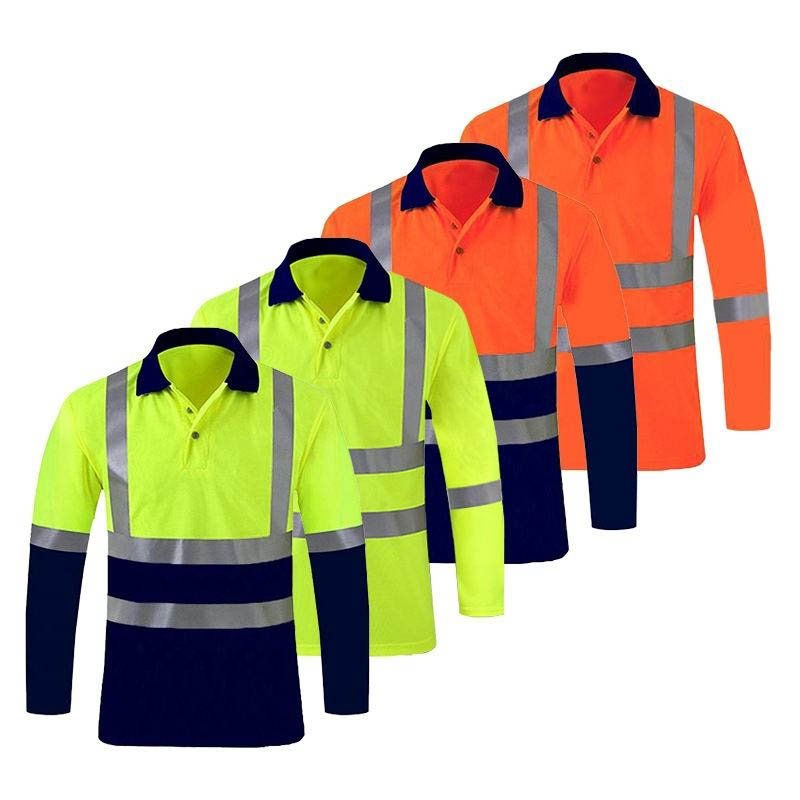
Hi Vis Clothing for Construction: What Should Contractors and Buyers Choose?
Moving past basic regulatory checklists to build a durable, cost-effective, and worker-accepted safety apparel strategy.
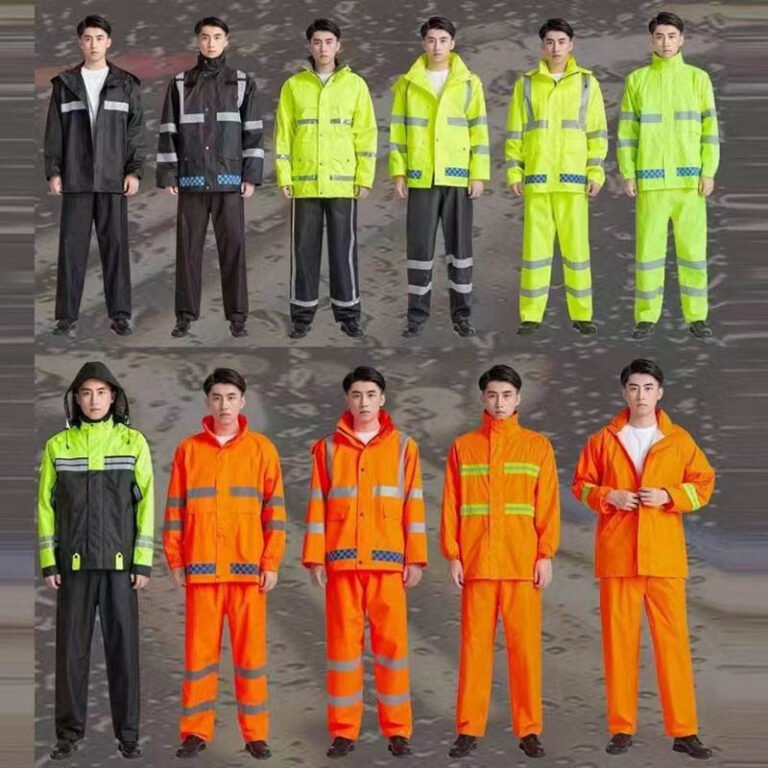
Construction contractors and safety buyers should choose hi-vis clothing engineered around three core pillars: verified standard compliance (ANSI/ISEA 107 Class 2 or Class 3, EN ISO 20471), total cost-per-wear economics, and worker-centric ergonomics. Rather than purchasing low-cost disposable vests that lose reflectivity after several wash cycles, forward-thinking buyers prioritize breathable fabrics with 50+ wash-certified segmented reflective tapes, moisture-wicking properties, and integrated corporate branding. This approach prevents expensive regulatory fines, eliminates recurring replacement overhead, and ensures crews keep their safety gear on throughout demanding work shifts.
1. The Financial Logic: Cost-Per-Wear vs. Cost-Per-Vest
For decades, construction procurement officers treated safety gear as an unavoidable overhead expense, commonly favoring the lowest bidding commodity supplier. However, enterprise safety directors across North America, Europe, and Australasia now understand that rock-bottom purchase pricing creates hidden liabilities.
When an inexpensive vest experiences rapid micro-bead fallout or fabric discoloration after a handful of wash cycles, it loses certified luminance. The garment quickly fails routine site compliance inspections, leading to mandatory replacements, administrative friction, and the looming risk of a catastrophic job site collision. As highlighted by regional safety frameworks published by OSHA Safety Standards, failing to maintain visible, certified PPE places substantial liability squarely upon primary contractors.

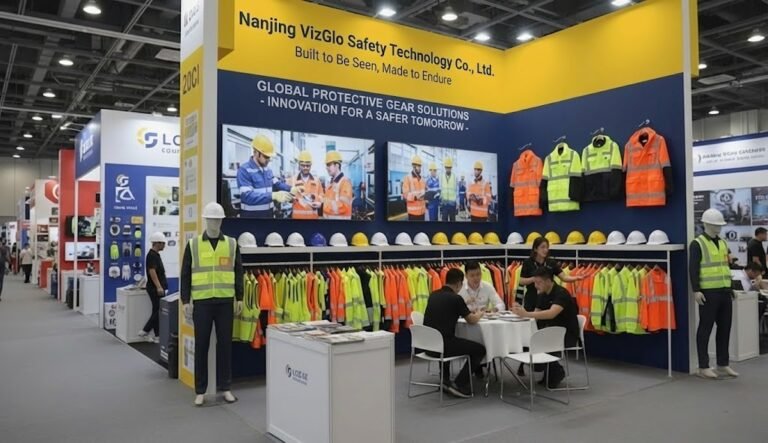
Evaluating high-visibility equipment through a Total Cost of Ownership (TCO) metric shifts the focal point to wash-durability metrics. When sourcing gear from dedicated manufacturers like VizGlo Safety, experienced procurement teams request laboratory test verification verifying colorfastness and retroreflective stability after 25 to 50 certified industrial wash cycles.
2. Selecting the Correct Class for Heavy Civil & Commercial Sites
Site supervisors must align apparel selections directly with project speed ratings, operating proximity to moving machinery, and ambient light variables. Choosing the wrong classification creates operational bottlenecks and non-compliance penalties under the ANSI/ISEA Technical Guidelines.
| Garment Level | Worksite Application | Primary Product Configuration |
|---|---|---|
| ANSI Class 2 / EN ISO Class 2 | Standard commercial construction, site surveyors, utility maintenance in traffic under 50 mph. | Multi-pocket functional vests, short-sleeve reflective polo shirts. |
| ANSI Class 3 / EN ISO Class 3 | High-speed highway construction, night-time concrete pours, inclement weather operations. | Long-sleeve storm jackets, full outerwear systems with torso and sleeve retroreflective bands. |
| Class E Ensemble | Trenching, deep excavation, marine-adjacent infrastructure. | High-visibility overtrousers paired with Class 2 upper garments to form an overall Class 3 system. |
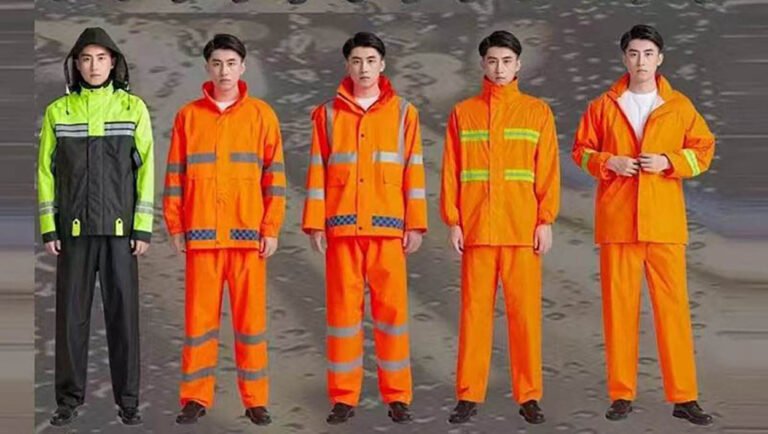
To explore complete certified combinations optimized for project fleets, explore our specialized hi-vis clothing for construction engineering lines, which integrate certified background materials with micro-engineered reflective elements.
3. Ergonomics & Comfort: Why Worker Acceptance Dictates Real Safety
On high-tempo job sites, the most protective garment in the world fails the moment a tradesperson unzips it or removes it because of severe heat retention or chafing. True compliance relies entirely on physical comfort. When garments restrict upper-body range of motion or trap perspiration, field compliance plummets.
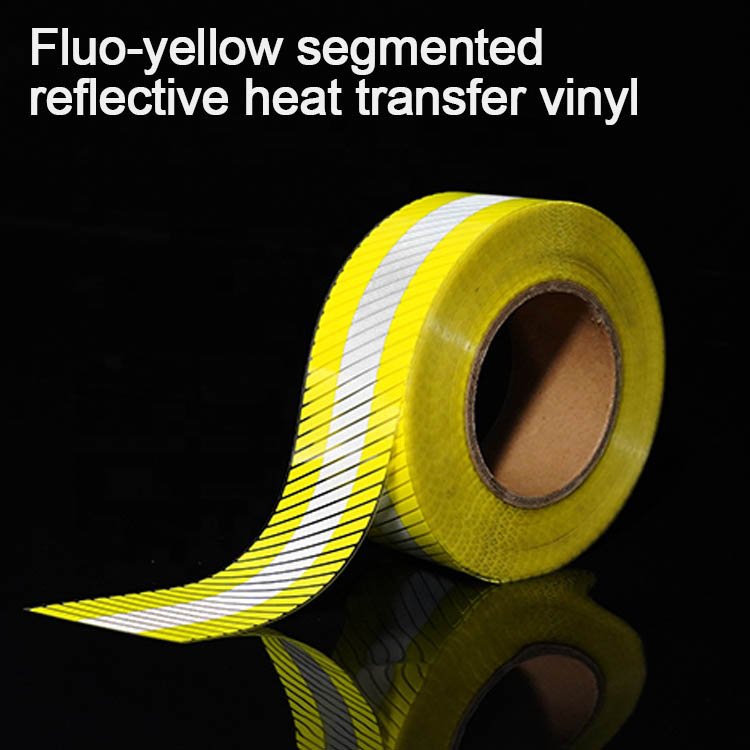
To overcome field resistance, modern contractors are actively upgrading from traditional solid glass-bead tapes to advanced reflective tapes featuring segmented and perforated heat-applied configurations. These segmented films flex dynamically with high-stretch synthetic fabrics and facilitate moisture vapor transfer, making a measurable difference during hot summer operations.
Furthermore, integrating bird-eye mesh panels, functional radio clips, reinforced heavy-duty utility pockets, and tailored gusseting allows crews to operate without feeling encumbered by their mandatory safety layers.
Upgrade Your Construction Crew’s PPE Program
Partner with VizGlo Safety to manufacture custom-branded, fully certified high-visibility uniforms tailored precisely to your job site conditions and wash-life requirements.
Request Custom Workwear Samples & Bulk Quotes4. Transforming Site PPE into Corporate Billboards
A construction company’s on-site workforce is its most prominent visual ambassador. Generic, mismatched safety vests degrade brand authority in front of site inspectors, project developers, and the traveling public. As standard practice in contemporary procurement, major contractors treat every safety garment as an extension of their corporate visual identity.
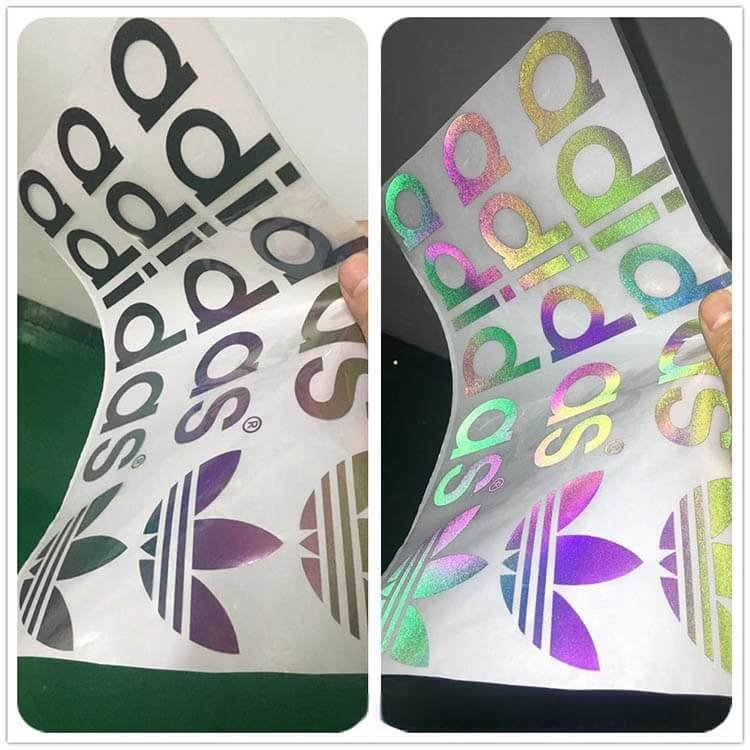
Selecting the correct branding application method is essential to maintain fabric integrity and certification:
- Reflective Heat Transfer Films: Ideal for crisp, high-detail company emblems that actively bounce light back to machine operators at night without compromising waterproof membranes.
- High-Density Embroidery: Excellent for heavy winter parkas and softshell outer gear, delivering long-term aesthetic durability across harsh multi-year civil contracts.
- Color-Matched Contrast Edging: Incorporating distinct pantone trims along pockets and borders allows general contractors to distinguish trade subcontractors instantly while maintaining uniform Class 2/3 background color compliance.
Discover bespoke branding capabilities across our versatile OEM/ODM customization services, built to streamline fleet uniform management.
5. Sourcing Blueprint: What Buyers Must Demand from OEM Partners
When negotiating bulk procurement contracts with global manufacturers, professional PPE buyers should apply a comprehensive quality assurance checklist. Verifying testing methodology prevents uncertified gear from reaching job sites:
Third-Party Test Certificates
Ensure third-party accreditation (such as SATRA, SGS, or TÜV) is updated to the latest standard revisions rather than expired historical filings.
Photometric Data Post-Washing
Confirm that reflective coefficients (RA values) meet or exceed standard requirements after repeated wash testing cycles.
Multi-Hazard Fabric Configurations
Where electrical arc or hot-work exposure exists, confirm dual-certified flame-retardant (FR) formulations, referenced in research published by the International Organization for Standardization (ISO).

Frequently Asked Questions
What safety classes are mandatory for construction sites?
Most civil and commercial construction environments mandate ANSI/ISEA 107 Class 2 garments for daytime tasks with moderate traffic. When work moves to high-speed roadway zones, night shifts, or extreme hazard areas, Class 3 garments (or Class 2 tops paired with Class E trousers) become mandatory.
Why is “cost-per-wear” more important than initial purchase price?
Ultra-cheap garments degrade within 5 to 10 wash cycles, leading to loss of retroreflectivity, fabric tearing, and compliance failure. A durable garment tested for 50+ wash cycles lasts multiple seasons, significantly lowering the annual cost per crew member while ensuring full OSHA/EN regulatory protection.
How does segmented reflective tape improve on-site compliance?
Segmented or perforated heat-transfer reflective tape provides flexible breathability and stretch, eliminating the stiffness and heat retention associated with continuous solid tape. Because garments feel lighter and allow natural movement, workers are far less likely to take them off during strenuous shifts.
What custom logo technique works best on construction workwear?
Heat transfer and reflective film printing work best for intricate, multi-color company logos without puncturing waterproof seams. For heavy-duty outer jackets and fleece mid-layers, high-density embroidery delivers long-lasting abrasion resistance.