Hi Vis Clothing Regulations in New Zealand: A Guide for Importers and Employers
Everything safety apparel importers, wholesale distributors, and corporate procurement teams need to navigate AS/NZS standards, TTMC-W17 mandates, climate demands, and private-label OEM manufacturing.
Quick Overview: New Zealand Hi Vis Compliance
Hi-vis clothing regulations in New Zealand are governed primarily by AS/NZS 4602.1 (Garment Design and Use) and AS/NZS 1906.4 (High Visibility Materials), enforced under WorkSafe NZ under the Health and Safety at Work Act 2015. Compliance requires garments to be classified into Class D (Day use only, requiring ≥0.4m² of uninterrupted fluorescent background material), Class N (Night use only, requiring specified retroreflective tape placement), or Class D/N (combined Day/Night performance). For road corridors and civil projects managed by Waka Kotahi NZ Transport Agency, garments must also meet the stringent TTMC-W17 specification, which dictates mandatory fluorescent orange hues, extended lower back protection, and specific retroreflective hoop patterns.
1. The New Zealand Regulatory Landscape
In New Zealand, high visibility safety apparel is not merely an operational suggestion—it is recognized as personal protective equipment (PPE) regulated under the Health and Safety at Work Act 2015. The primary enforcement body, WorkSafe New Zealand, requires Persons Conducting a Business or Undertaking (PCBUs) to eliminate or minimize operational hazards using effective risk management protocols.
For major industry verticals—including forestry across the central North Island, deep-sea logistics at Port of Tauranga, infrastructure developments in Auckland, and mining in the West Coast—high visibility apparel forms the fundamental line of defense against moving machinery, heavy vehicles, and severe weather conditions.

2. AS/NZS 4602.1 & 1906.4 Technical Breakdown
Understanding New Zealand procurement requires looking at the dual-pillar standard structure established jointly with Standards Australia. When procuring hi vis clothing, importers must verify compliance against two distinct benchmarks:
AS/NZS 1906.4 (Material Level)
Defines photometric, chromaticity, and durability requirements of raw materials before garment assembly.
- Fluorescent Materials: Color coordinates & luminance factor.
- Retroreflective Materials: Minimum retroreflectivity (RA values).
- Durability: Wash cycles, colorfastness, and tensile strength.
AS/NZS 4602.1:2011 (Garment Level)
Governs full garment design, minimum surface area coverage, and tape configuration.
- Class D: Day use only (≥0.4m² fluorescent fabric on torso).
- Class N: Night use only (specified retroreflective tape layouts).
- Class D/N: Combined day and night high-risk coverage.
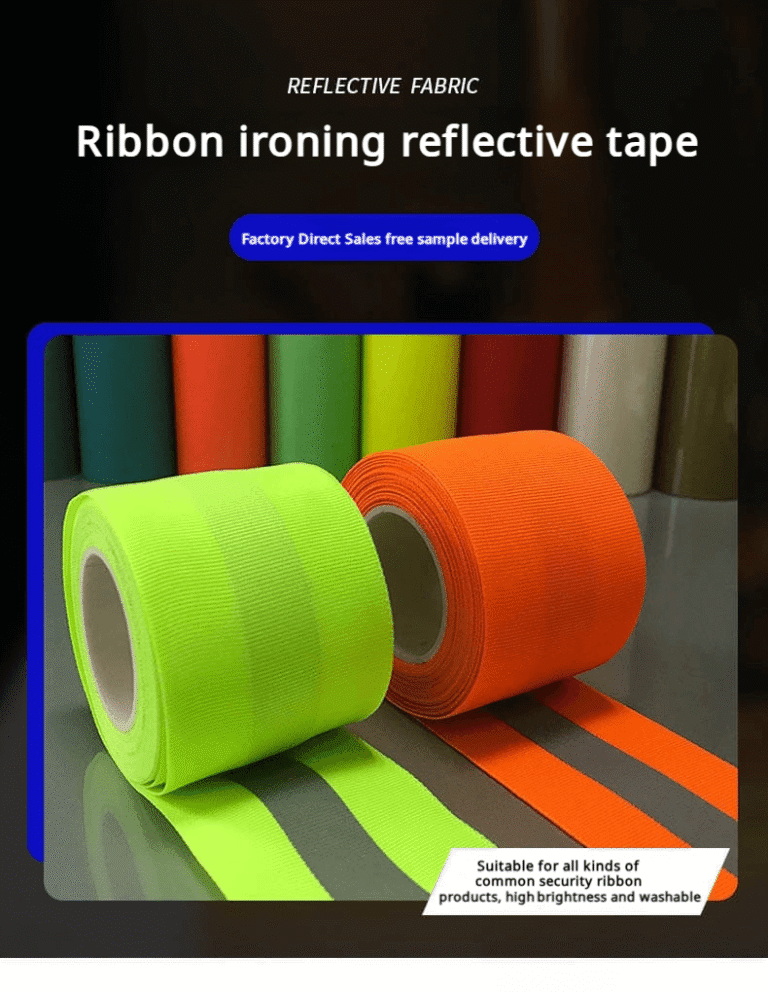
Crucially, meeting standards is the minimum requirement for market entry. Leading distributors differentiate themselves by ensuring raw materials—such as high-grade reflective tapes—retain coefficient retroreflection values well above 400 cd/(lx·m²) even after 50+ industrial laundry cycles.
3. Waka Kotahi TTMC-W17 Requirements
For contractors operating along state transit corridors, regional highways, and municipal works, standard AS/NZS Class D/N is insufficient. Waka Kotahi NZ Transport Agency mandates adherence to TTMC-W17 (Temporary Traffic Management Control – Worksite) guidelines.
Key Distinctives of TTMC-W17 Garments:
- Strict Color Mandate: Garments must utilize specific Fluorescent Orange-Red to stand out against rural green backgrounds and asphalt pavements.
- Extended Tail Length: Back hems are lengthened to ensure continuous 0.4m² visibility when workers bend, crouch, or lift machinery.
- Cross-Back Retroreflective Configuration: Garment backs feature an explicit “Cross” or “X” tape configuration to instantly signal to drivers that the worker has their back turned to oncoming traffic.
- Sleeve Requirements: For high-speed corridors (Level 2/3), garments must feature full sleeves with dual retroreflective bands.
4. Sourcing Strategy: Overcoming the Importer’s Dilemma
New Zealand safety equipment importers face a persistent commercial squeeze: end-users demand competitive pricing, while local compliance authorities enforce strict technical standards. Importers sourcing generic, off-the-shelf garments via trading intermediaries often encounter:
- Batch-to-Batch Color Inconsistency: Variations in dye-lot chromaticity failing AS/NZS lab re-certifications.
- Tape Delamination: Premature breakdown of low-cost retroreflective films after commercial laundering.
- Margin Erosion: Inability to protect wholesale margins due to identical product offerings across local safety stores.
The strategic solution lies in partnering directly with a vertically-integrated OEM/ODM manufacturer. By controlling raw material production—from high-durability backing textiles to proprietary reflective films—integrated manufacturers provide batch stability, fully traceable test certifications, and the flexibility to establish private-label lines that build genuine brand equity.
Scale Your Workwear Brand with VizGlo Safety
Custom AS/NZS certified production runs with full OEM/ODM support.
5. Employer Procurement: Climate, Comfort & ESG
For HSE and procurement directors managing thousands of frontline employees, high visibility clothing cannot be treated as a commoditized checklist item. Garments that cause overheating in summer or restrict movement are often modified or removed by workers on-site, introducing immediate liability.
1. Climate-Specific Engineered Workwear
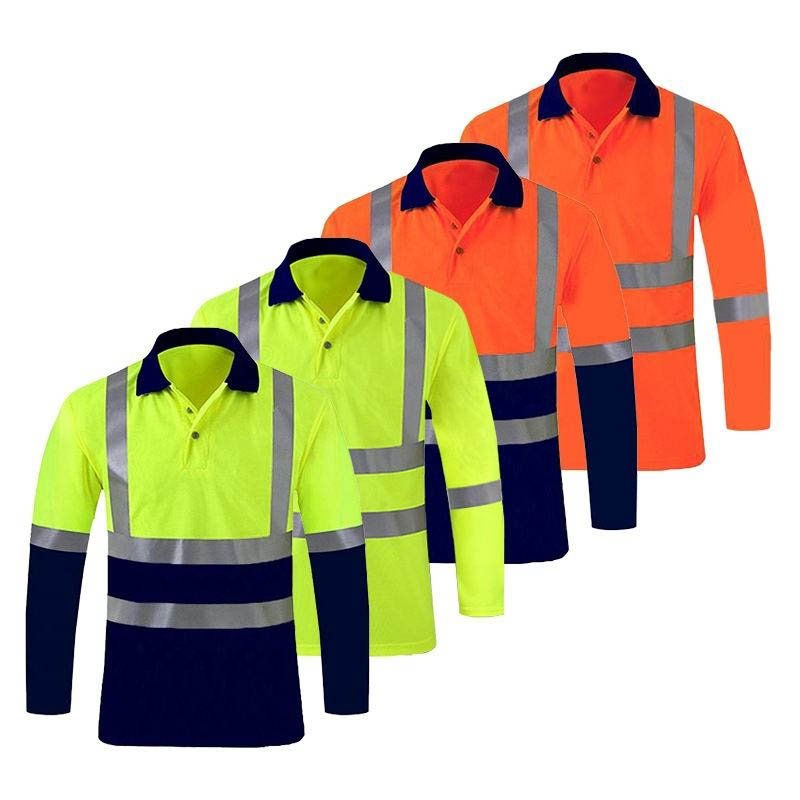
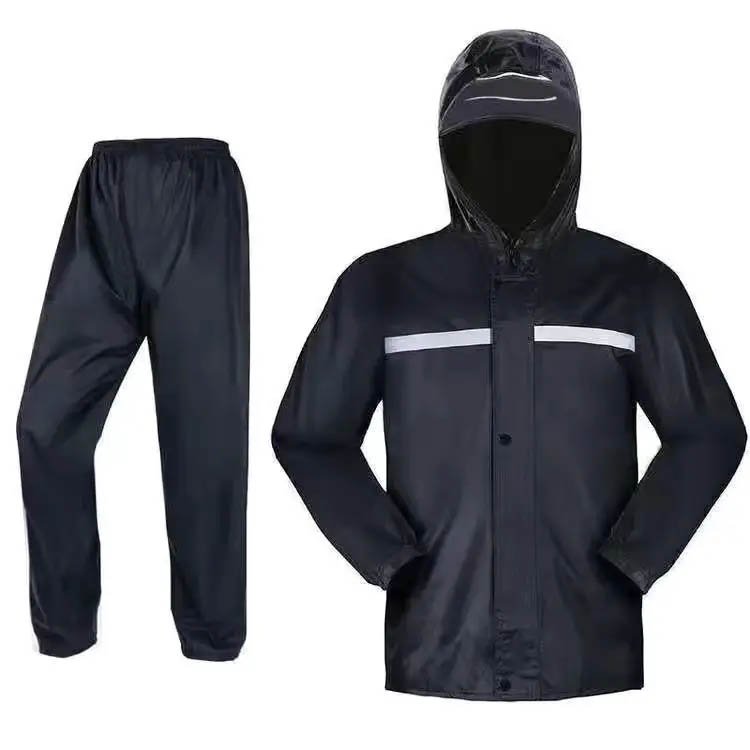
New Zealand exhibits diverse microclimates. Northern roading teams during humid summers require moisture-wicking, anti-bacterial hi vis polo shirts & T-shirts engineered with bird’s-eye knit fabrics. Conversely, construction, civil engineering, and railway workers across the South Island face heavy rains and freezing temperatures, demanding multi-layer waterproof hi vis rain jackets with fully taped seams and breathable PU membranes.
2. Ergonomics, Segmented Tapes & Women’s Fit
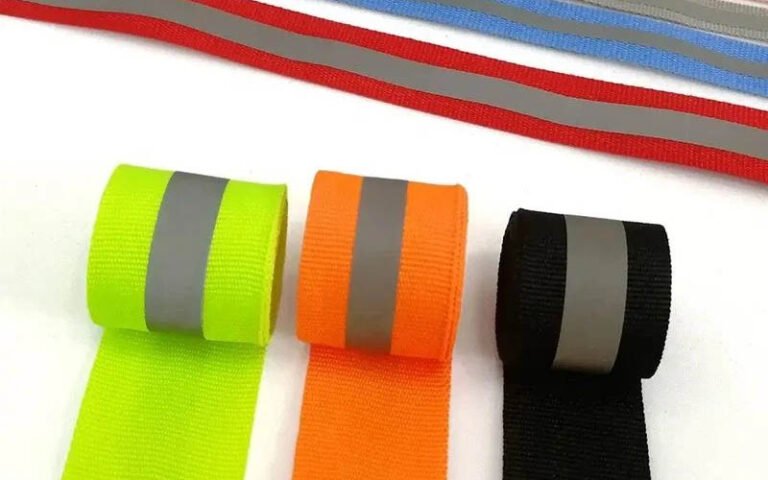
Modern safety standards now align directly with ergonomics. Replacing rigid, continuous solid glass-bead tapes with heat-transferred segmented reflective tapes enhances garment flexibility by up to 35%, improves convective heat dissipation, and prevents tape cracking. Furthermore, leading employers now mandate tailored women-specific cuts to eliminate snag hazards and improve on-site fit.
3. Aligning Procurement with ESG Targets
Enterprise procurement in New Zealand is increasingly tied to Environmental, Social, and Governance (ESG) frameworks. Utilizing GRS-certified recycled polyester (rPET) derived from post-consumer plastic bottles allows organizations to reduce their supply chain carbon footprint while maintaining strict AS/NZS compliance.
6. Custom Branding & Private Label Integration
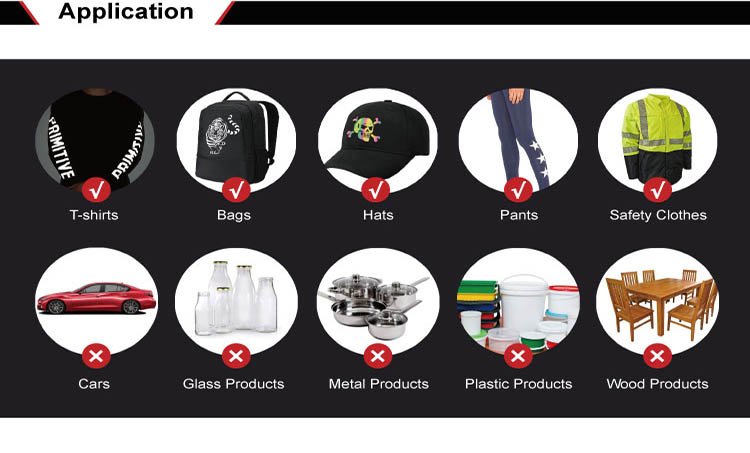
A common compliance hurdle for employers and importers is improper logo application. Applying large, non-fluorescent corporate emblems can inadvertently reduce the visible background area below the mandatory 0.4m² threshold stipulated by AS/NZS 4602.1.

To maintain full compliance while projecting an executive corporate image, modern supply chains leverage:
- Retroreflective Heat-Applied Logos: Custom logos cut from AS/NZS 1906.4-certified film that contribute to night-time reflectivity rather than obscuring it.
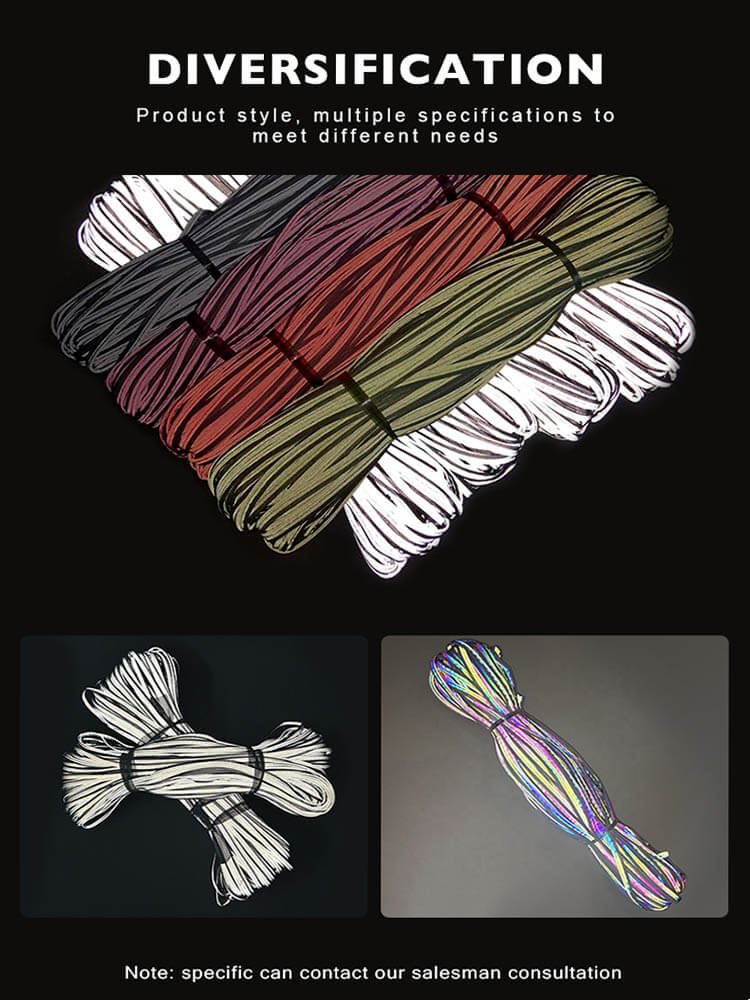
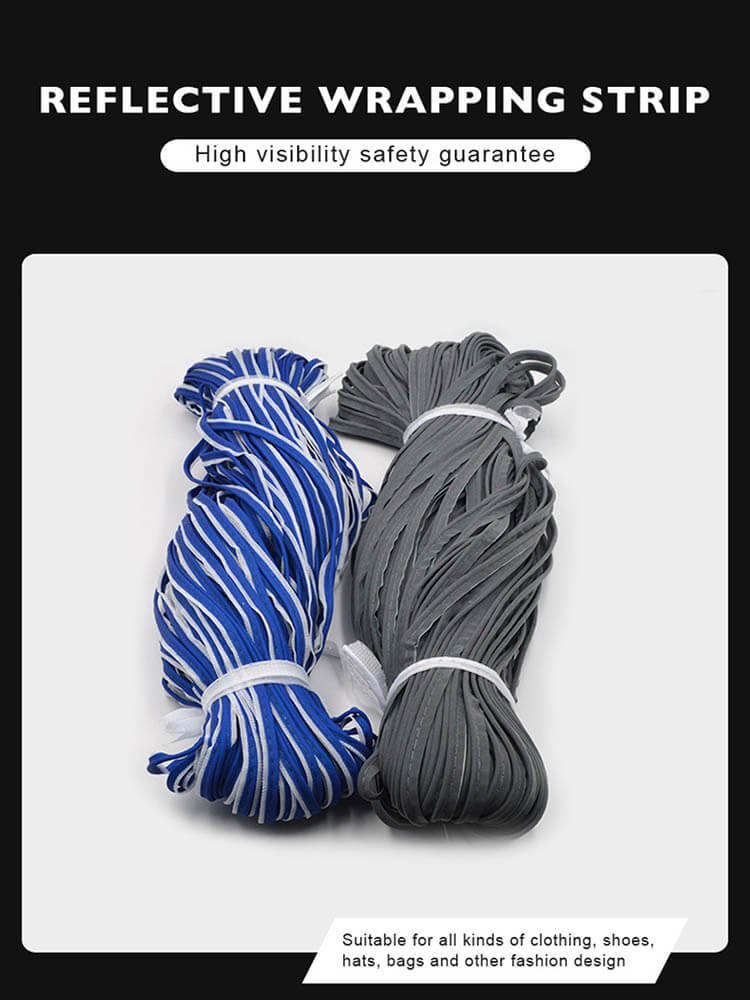
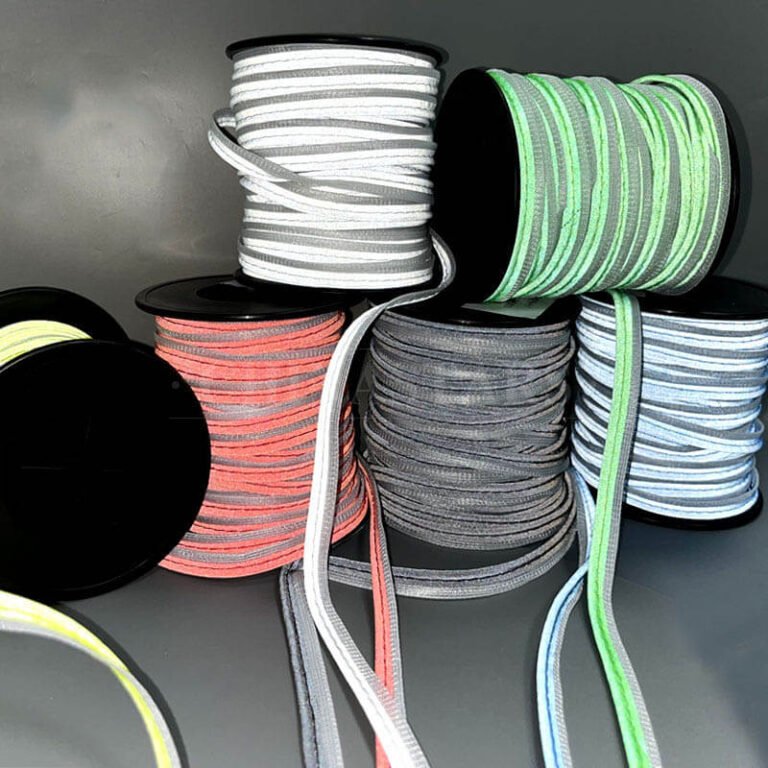
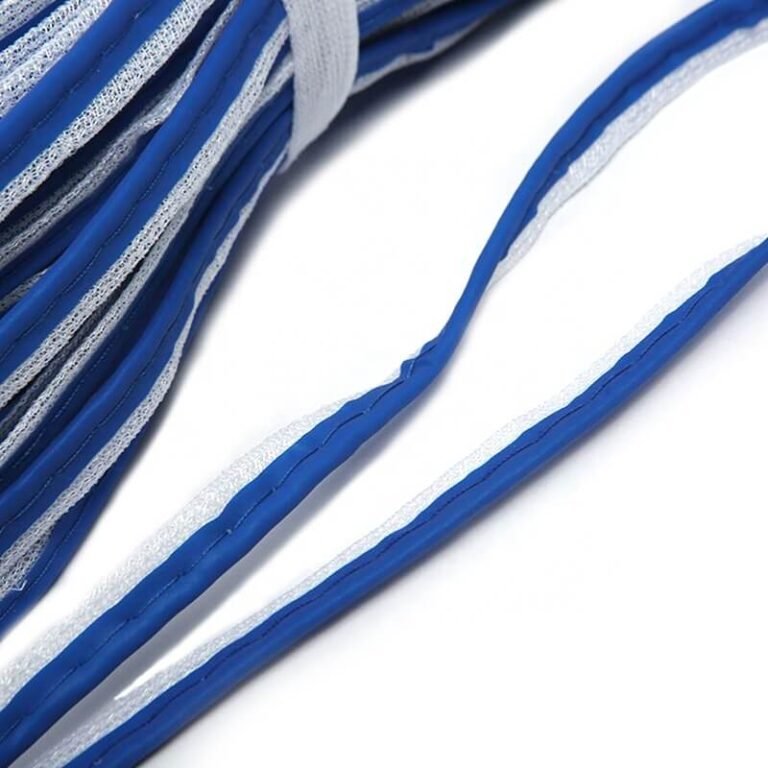
- Subdued Trim and Piping: Utilizing reflective piping along seams for enhanced structural definition in low light.
- Private-Label Custom Trims: Custom woven labels, zip pullers, and anti-static composite hardware that elevate retail value for distributors.
Expanding Industrial Safety Protocols
In hazardous industrial installations—such as high-voltage electrical substations and energy generation hubs—visibility must often be paired with high-voltage flashover protection and arc-quenching containment. To understand high-performance switchgear safety and gas-insulated interruption principles, explore the technical breakdowns at our specialized SF6 Circuit Breakers Technology Center.