A B2B Buyer’s Guide: 7 Questions to Ask Your Hi Vis Workwear Manufacturer Before Placing an Order
Avoid costly mistakes and ensure compliance, quality, and value with this essential procurement checklist for safety workwear buyers.
Why These Seven Questions Transform Your Purchasing Decisions
Across industries—from construction to logistics, mining to railway operations—the difference between a successful workwear program and a costly failure often comes down to one thing: asking the right questions before you commit your budget. I’ve worked with hundreds of B2B buyers globally, and the pattern is always the same. Most failures don’t stem from poor workmanship or substandard factories. Instead, they emerge from misaligned expectations, incomplete due diligence, and assumptions about what a manufacturer can deliver.
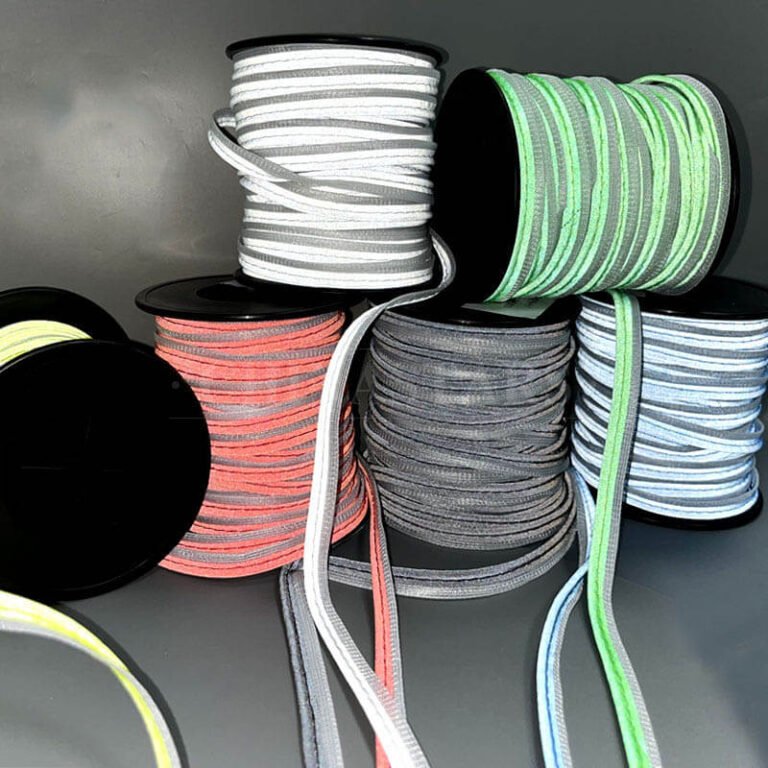
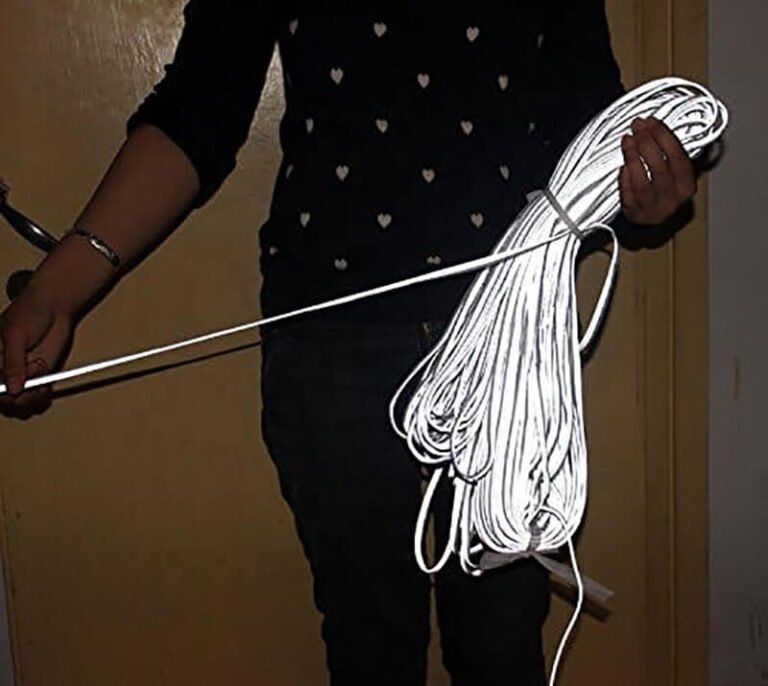
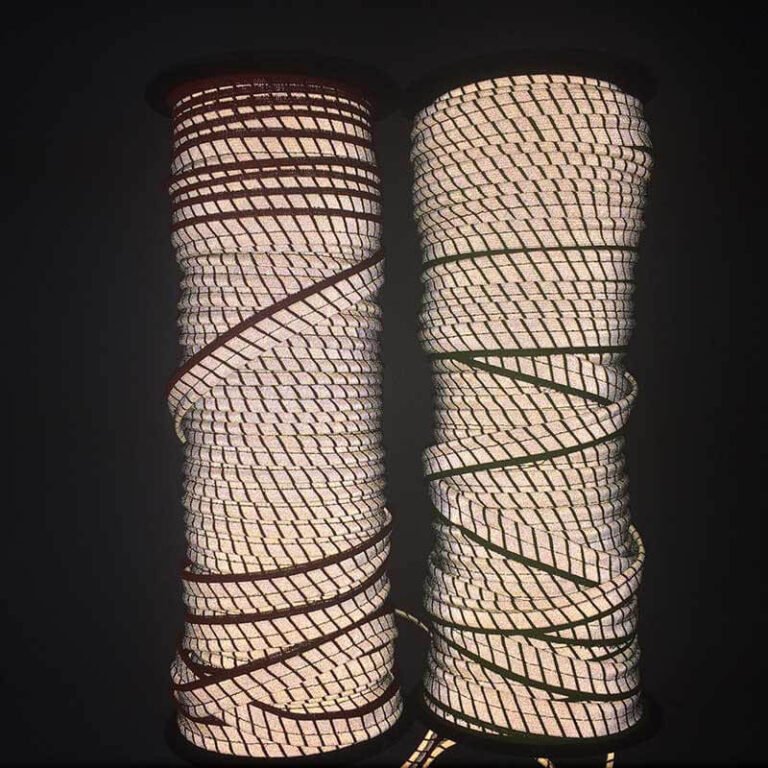
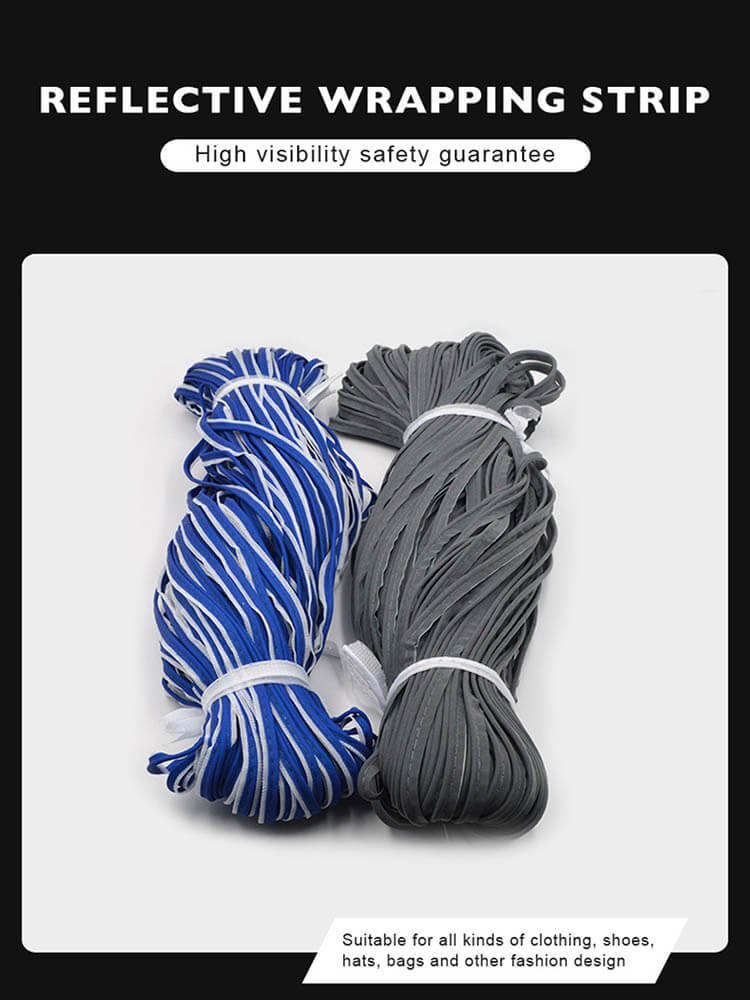
Think of it like applying reflective tape to garments: the biggest mistake isn’t the heat-pressing technique itself—it’s the preparation phase. People jump straight to execution without testing fabric compatibility. A standard polyester-based reflective tape applied to stretchy, flexible fabric will crack and peel within weeks. The solution isn’t a better iron; it’s understanding the material first. Similarly, sourcing hi vis workwear requires upfront clarity on seven non-negotiable areas before you place a single order.
Core Principle: The most critical phase of supplier partnerships is the discovery and sample phase. Invest time here, and you’ll avoid six months of headaches and thousands in losses.
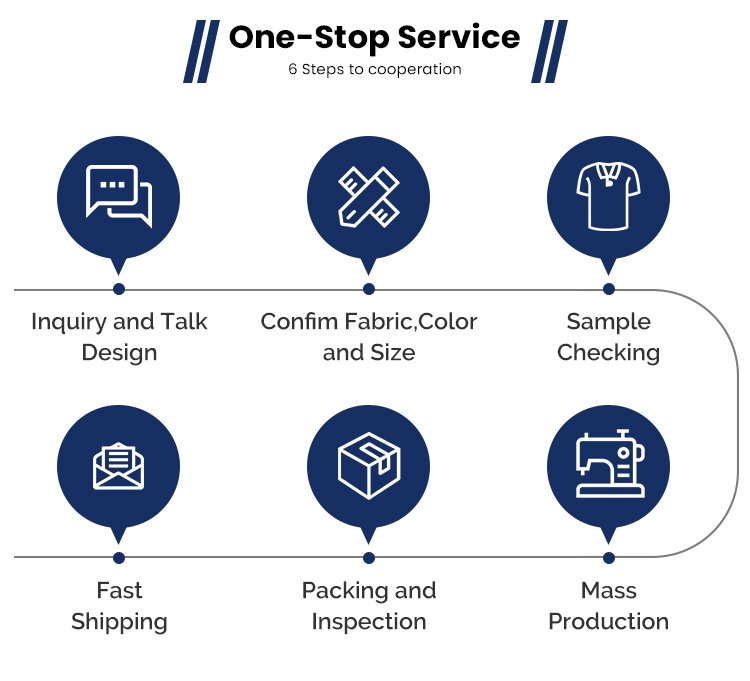
Question 1: “What Certifications and Standards Can You Meet?”
This isn’t a “nice-to-have” conversation—it’s foundational. The global safety apparel market operates under region-specific standards, and non-compliance can result in liability, regulatory fines, and product recalls. Your manufacturer must understand your target markets and the corresponding certification requirements.
Key Standards by Region:
- Europe: EN ISO 20471 (mandatory); CE marking required
- North America: ANSI/ISEA 107 (voluntary but industry-standard)
- Australia/New Zealand: AS/NZS 1906.4 & 4602.1
- Global Safety Management: ISO 9001 (quality systems)
- Environmental/Health: OEKO-TEX STANDARD 100 (textile safety)
Ask your manufacturer for up-to-date certificates and, crucially, ask whether they maintain ongoing testing. Standards evolve. A factory certified three years ago may not be current. Ask specifically: “If I require compliance with EN ISO 20471 Class 3, can you demonstrate this with recent test results?” This simple question filters professional suppliers from those cutting corners.
Question 2: “What Material Options Do You Offer, and What Are Their Performance Specs?”
Here’s where the “iron triangle” of product quality becomes critical. Materials are the foundation of every garment’s durability, comfort, and safety performance. The iron triangle comprises three interdependent factors: Heat, Pressure, and Time. Apply these correctly during manufacturing, and your reflective tape adheres beautifully with longevity. Get it wrong, and you’re setting yourself up for field failures.
Typical Fabric Options:
- ✓ 100% Polyester (durable, colorfast)
- ✓ Cotton Blends (breathable, comfortable)
- ✓ Moisture-Wicking Blends (for active work)
- ✓ Flame-Resistant (for hazardous environments)
- ✓ Stretch Fabrics (for mobility)
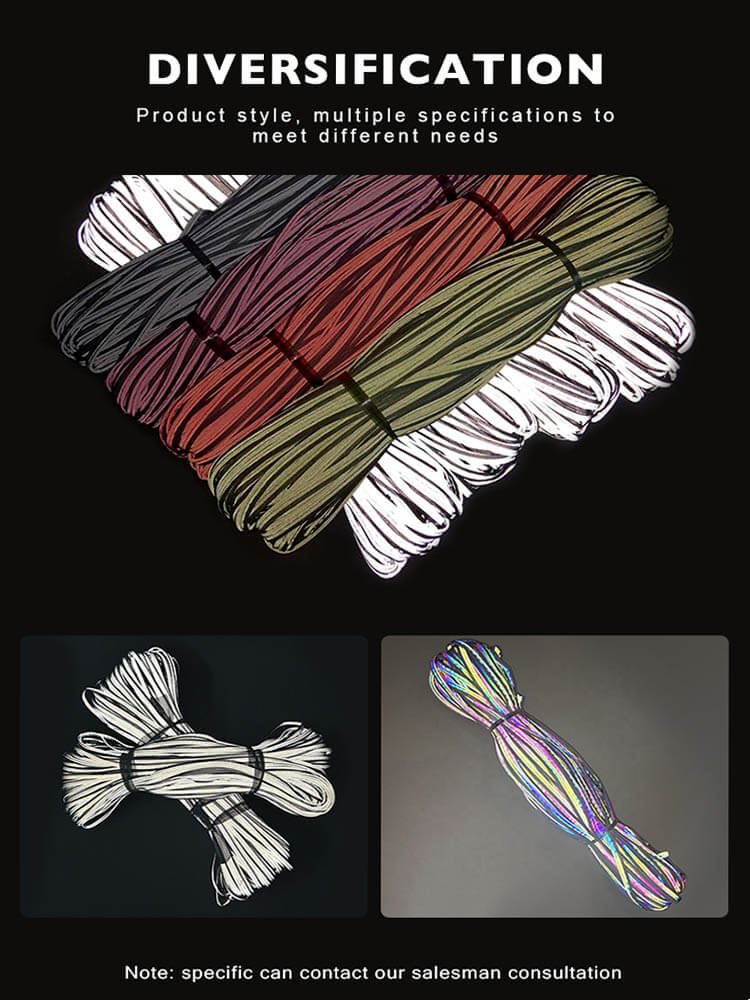
Reflective Material Critical Specs:
- ✓ Retroreflective brightness (cd/m²/lx)
- ✓ Adhesion strength (wash durability)
- ✓ Color fastness (UV stability)
- ✓ Flexibility (stretch tolerance)
- ✓ Expected lifespan
Most casual inquiries stop here, but professional buyers dig deeper. Ask: “What’s your standard reflective tape type? Do you test tape-to-substrate adhesion after multiple wash cycles?” A manufacturer using industrial heat presses maintains consistent heat, pressure, and timing, ensuring flawless tape application. Home-equipment alternatives cannot achieve this consistency. This distinction separates a one-season garment from five-year durability.
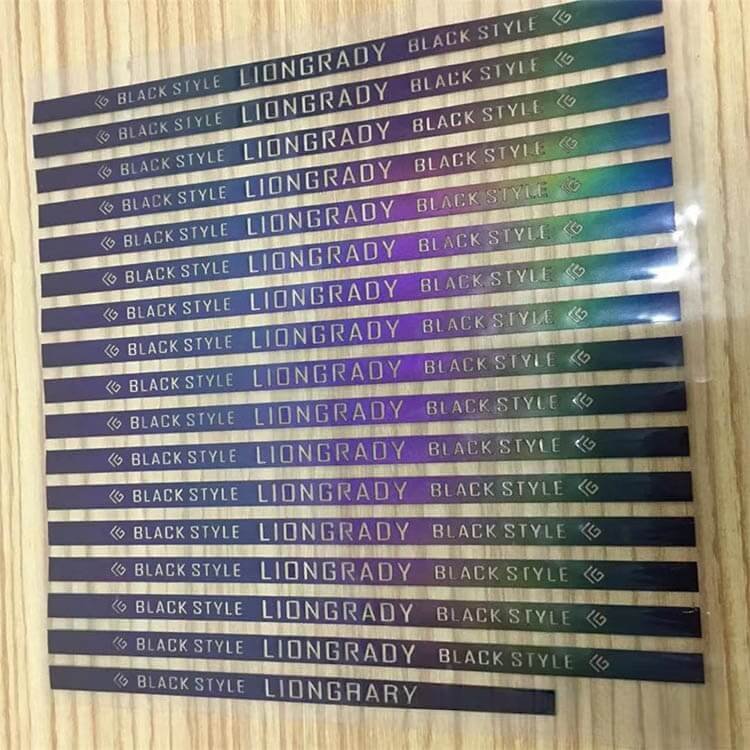
Question 3: “How Flexible Are You with Customization, and What Are the Limits?”
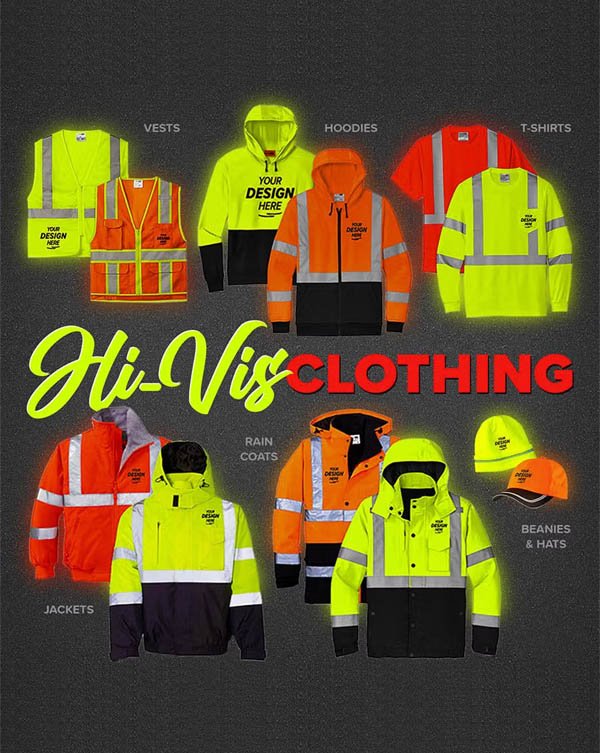
Every enterprise wants its safety apparel to reflect brand identity while meeting compliance. The conversation around customization separates full-service OEM/ODM manufacturers from basic commodity suppliers. You need to understand what “customizable” actually means at your potential partner.
Legitimate customization typically includes:
- → Brand logo placement and technique (embroidery, heat transfer, screen print)
- → Color selection (base garment and reflective tape colors)
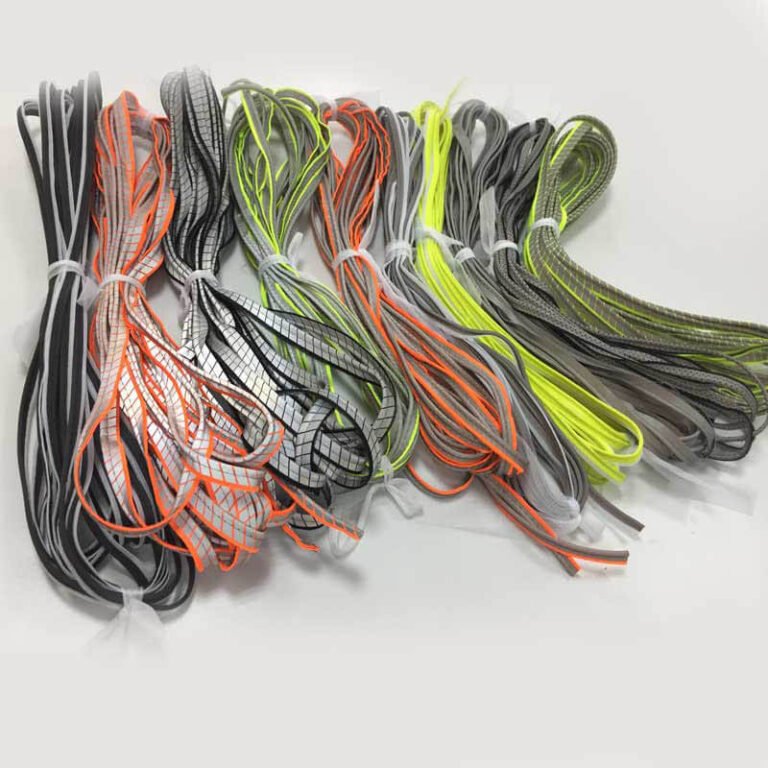
- → Reflective tape stripe patterns and widths
- → Pocket configuration and zipper selection
- → Size grading and fit adjustments
- → Collar labels and hang tags with your branding
However, boundaries exist. Complex custom reflective patterns may have minimum quantity thresholds. Certain flame-retardant fabric combinations have chemical limitations. Ask clearly: “If I want to customize the reflective stripe configuration, what’s your minimum order quantity for this design?” Understanding these constraints early prevents disappointment later.
Question 4: “Walk Me Through Your Quality Control Process”
This question will immediately separate tier-one manufacturers from mediocre ones. A professional operation maintains three-stage quality control:
IQC (Incoming Quality Control)
Raw materials arrive and are tested for compliance. Fabric weight, color consistency, and reflective tape brightness are verified against specifications before entering production.
PQC (Process Quality Control)
During production, supervisors conduct spot checks on stitching quality, tape application, and adherence to specifications. This prevents entire batches of flawed garments.
FQC (Final Quality Control)
Before shipment, every garment is inspected. Reflective tape adhesion is tested, seams are verified, and colors are validated. This is your final safety net.
Ask these follow-up questions: “What percentage of finished products do you inspect? How often do you test reflective tape durability? What are your acceptance criteria?” A manufacturer that can’t answer these with confidence is likely cutting quality corners. Professional factories use documented procedures and actual test data, not gut feel.
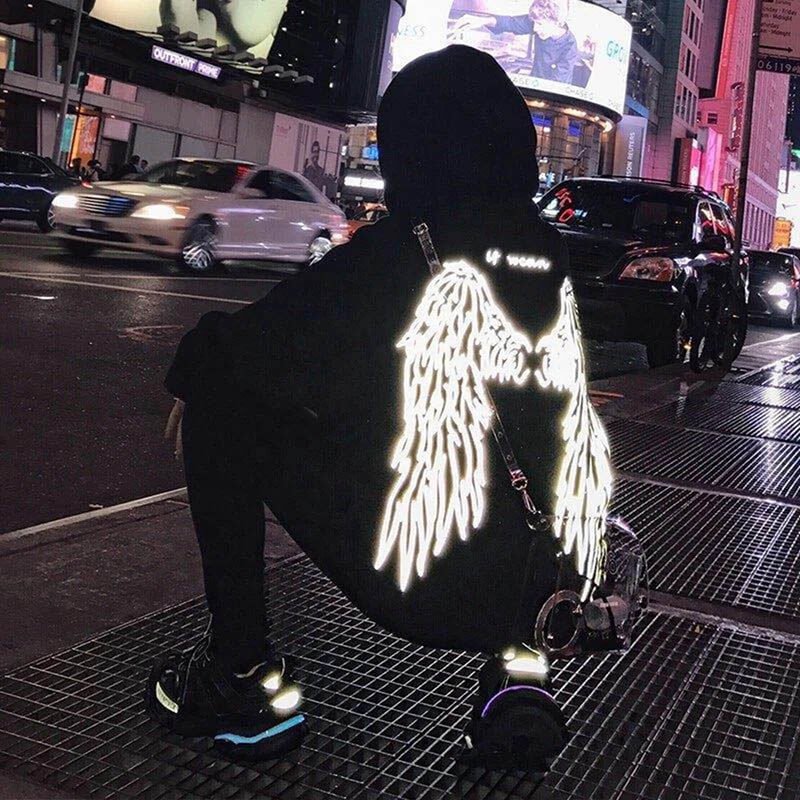
Question 5: “What’s Your MOQ, Production Capacity, and Lead Time?”
MOQ (Minimum Order Quantity) is the threshold—order below it, and many manufacturers refuse. For hi vis workwear, typical MOQs range from 100 to 500 units per design, though this varies by customization complexity. Understanding MOQ requirements directly impacts your cash flow strategy.
Production capacity tells you scalability. A factory producing 10,000 garments monthly operates very differently from one producing 100,000. If you’re planning to grow your orders from 500 units in Year 1 to 5,000 in Year 2, ensure your manufacturer can scale. Ask: “Can you handle a 1,000% production increase, and how would pricing adjust?” This prevents selecting a supplier only to outgrow them.
Lead times are typically structured as: 1-2 weeks for sample development, 1 week for your approval, 2-4 weeks for bulk production (depending on volume), plus shipping. Total timeline for a first project is usually 6-10 weeks domestically, 8-12 weeks internationally. Always budget buffer time. Manufacturing has variables—fabric delays, urgent quality rework, shipping complications. A responsible manufacturer will give realistic timelines with contingency built in.
Question 6: “What’s Your Sample Approval Protocol?”
This step is where preparation prevents catastrophe. Professional manufacturers provide pre-production samples (PPS) before committing to full runs. These samples should demonstrate:
- • Exact fabric color and weight
- • Reflective tape placement and brightness
- • Logo location and quality
- • Stitching and seam finishes
- • Collar labels and tags
- • Sizing accuracy and fit
The timeline matters here too. Ideally, a reliable manufacturer produces samples within 5-7 business days. You should receive them, inspect thoroughly, provide feedback, and get revised samples within a second week. Never skip this step. I’ve seen organizations approve substandard samples out of urgency, only to receive 10,000 non-compliant units. The cost of a sample revision is infinitesimal compared to full-run waste.
Question 7: “What Happens If There Are Quality Issues at Delivery?”
This conversation reveals how seriously a manufacturer takes responsibility. Professional factories establish quality standards upfront: typical acceptance criteria range from “2-3% defect tolerance” to “zero-defect” policies for safety-critical items. Your agreement must specify what happens if delivered products fall short.
Critical Contract Language:
Define in writing:
- • Acceptable defect rate (usually 0-3% depending on criticality)
- • Which defects trigger replacement vs. repair
- • Timeline for rework or replacement shipment
- • Refund policy or partial payment holds
- • Who covers shipping for replacements
Instead of negotiating this after production (when emotions are high and stakes are real), establish these terms in writing before you order. Ask your manufacturer: “If we receive a batch with 5% defective units, what’s your remedy?” If they hesitate or deflect, that’s a red flag. Trustworthy partners articulate clear accountability frameworks.
The Strategic Advantage of Asking These Questions
Before placing an order with any hi vis workwear manufacturer, you need clarity on seven fundamental areas: standards compliance, material specifications, customization capabilities, quality control processes, production capacity, sample approval procedures, and post-delivery support. The most common failure in supplier relationships isn’t product quality itself—it’s inadequate preparation and misaligned expectations.
Like applying reflective tape without testing fabric compatibility first, rushing into manufacturing partnerships without due diligence leads to costly mistakes. Ask your manufacturer about their testing protocols, the “heat triangle” (heat, pressure, time) they use for applications, MOQ requirements, lead times, and how they handle revisions. Understanding their quality assurance from raw material inspection (IQC) to final product checks (FQC) separates professional, compliant results from temporary fixes.
The investment of time in these conversations now prevents six months of headaches, regulatory complications, and budget overruns later. Choose a manufacturer who welcomes these questions—it signals professionalism, transparency, and a commitment to partnership rather than mere transaction.
Ready to Partner With a Manufacturer That Welcomes These Questions?
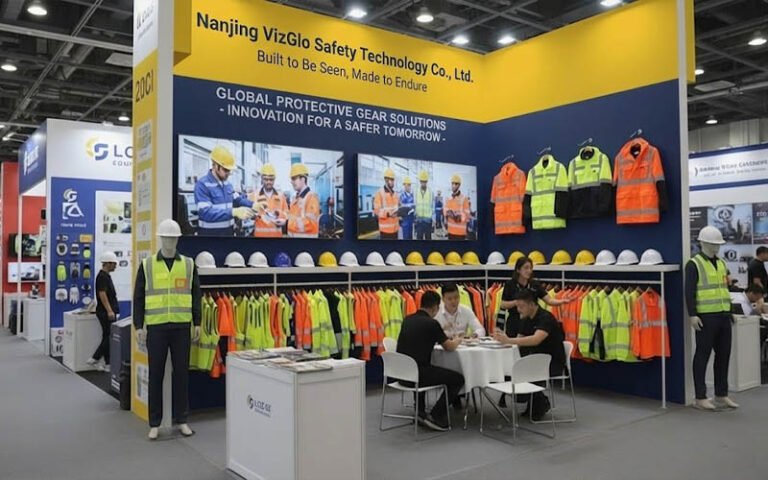
VizGlo Safety brings 15+ years of manufacturing expertise and transparent partnerships to every project. We provide detailed certifications, rigorous quality control, flexible customization, and comprehensive support.
Get Your Free Manufacturing ConsultationNo obligation. Speak with our procurement specialists in under 24 hours.
Frequently Asked Questions
What certifications should I look for in a hi vis manufacturer? ▼
Look for EN ISO 20471 (Europe), ANSI/ISEA 107 (North America), AS/NZS standards (Australia/New Zealand), ISO 9001 quality management certification, and OEKO-TEX for fabric safety. Different markets require different certifications. For example, if you’re selling in the EU, CE marking and EN ISO 20471 compliance are non-negotiable. Your manufacturer should verify your target markets and confirm they can produce to those standards with current test certificates (less than 2 years old).
What is MOQ and why does it matter? ▼
MOQ (Minimum Order Quantity) is the smallest quantity a manufacturer will produce. For hi vis workwear, typical MOQs range from 100 to 500 units per style. Your manufacturer’s MOQ flexibility directly impacts inventory costs, cash flow, and your ability to test new designs without massive financial commitment. Flexible MOQs (like 100 units for custom designs, 500 for standard colorways) indicate a manufacturer willing to work with growth-stage partners, while rigid MOQs can be limiting if you’re scaling.
How important is sample approval before bulk production? ▼
Sample approval is critical—it’s where misunderstandings surface before you’re committed to 5,000 units. A professional manufacturer should provide pre-production samples (PPS) showing exact fabric, stitching, reflective tape placement, and customizations. This prevents costly full-run mistakes where thousands of garments don’t meet your specifications. Never skip this step, and never approve samples you haven’t physically inspected. Approve samples only after testing tape adhesion, checking color accuracy under different lighting, and verifying sizing grading.
What quality control process should a reputable manufacturer have? ▼
A comprehensive process includes IQC (incoming material inspection—testing raw fabrics and reflective tape), PQC (in-process quality checks during production), and FQC (final product inspection before shipping). Your manufacturer should test fabric durability, reflective tape adhesion and brightness, stitching strength, color fastness, and water-resistance (if applicable). Spot checks aren’t enough—systematic testing at each stage, ideally with documented procedures and test results, prevents defects from reaching you.
Can I customize hi vis workwear? What are the limitations? ▼
Yes, OEM/ODM customization is standard at professional manufacturers. You can customize logos, colors, reflective tape placement, fabric type, pockets, and labels. However, complex custom reflective patterns may have minimum quantities (e.g., 500+ units), and certain flame-retardant combinations have technical limitations due to chemical interactions. Discuss your vision early—most professional manufacturers will work within your goals. Be specific about logo placement, fabric color requirements, and reflective stripe configurations to get accurate quotes and timelines.
What lead times should I expect? ▼
Typical project timelines: Sample development (1-2 weeks), your approval period including revisions (1-2 weeks), bulk production (2-4 weeks depending on quantity), quality control (1 week), and logistics (varies by destination from 7-30 days). Total project timeline: 6-10 weeks for domestic orders, 8-12 weeks for international. Always build buffer time for unexpected issues like fabric delays or urgent quality rework. Ask your manufacturer about their typical lead times and what variables could extend that window.
What happens if bulk production has quality issues? ▼
Reputable manufacturers define quality standards upfront: acceptance of 2-3% defects is typical, though safety-critical items might require “zero-defect” policies. Your agreement should specify rework procedures, how replacements are handled, refund policies, and whether the manufacturer or buyer covers replacement shipping. Don’t negotiate this after production—establish it in writing before order confirmation. This contract language protects both parties and sets clear expectations.
Explore Our Comprehensive Manufacturing Solutions
Now that you understand the critical questions to ask, it’s time to discover a manufacturer that excels across all seven areas. VizGlo Safety’s hi vis workwear manufacturing combines rigorous quality control, transparent communication, and flexible customization to deliver compliance-ready apparel your teams rely on.
From industrial reflective tapes to custom logo applications, our integrated approach ensures every element of your hi vis workwear meets your exacting standards. Learn about our advanced manufacturing capabilities and how we partner with B2B buyers globally.
Visit VizGlo Safety Manufacturing Hub