How to Wash Hi-Vis Clothing to Maintain Max Reflectivity
Your high-visibility gear is life-saving equipment. Learn how to care for it properly to ensure it protects your team and your investment.
To wash hi-vis clothing and maintain maximum reflectivity, machine wash it in cold or lukewarm water (below 40°C/104°F) on a gentle cycle using a mild, pH-neutral detergent. Never use bleach, fabric softeners, or harsh industrial chemicals. It’s best to hang the garments to dry away from direct sunlight; if you must use a dryer, use the lowest heat setting and remove them immediately to prevent damage to the reflective tape.
Expert Insight: Stop ‘Washing’, Start ‘Maintaining’
“From my conversations with procurement managers and safety officers worldwide, the biggest—and most costly—mistake I see is treating high-visibility clothing like regular workwear. They’ll use harsh industrial detergents, chlorine bleach, or high-heat drying to remove tough grease and soil, unknowingly destroying the two most critical components: the fluorescent background material and the glass beads in the retro-reflective tape.
My key insight is this: Stop thinking of it as ‘washing’ and start thinking of it as ‘maintaining a piece of life-saving equipment.’ Every improper wash cycle permanently strips away a layer of its protective capability. Proper care isn’t just about keeping clothes clean; it’s about ensuring compliance with safety standards like ANSI/ISEA 107 or EN ISO 20471, protecting your workers, and maximizing the return on your PPE investment. A faded, non-reflective vest is not just a failed garment—it’s a potential safety failure waiting to happen.”
– Senior Product Specialist, VizGlo Safety
Why Improper Washing is Dangerous & Costly
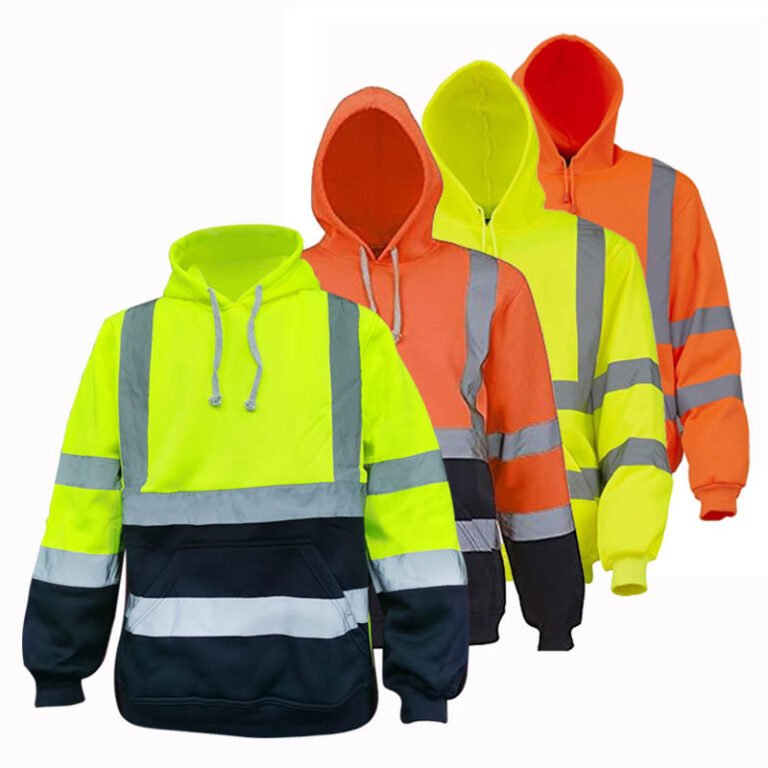
To appreciate the washing instructions, you must understand what you’re protecting. Your hi-vis clothing has two safety features:
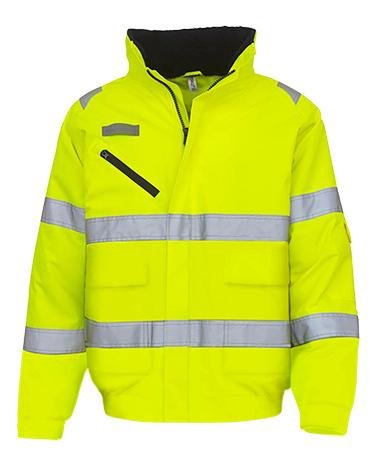
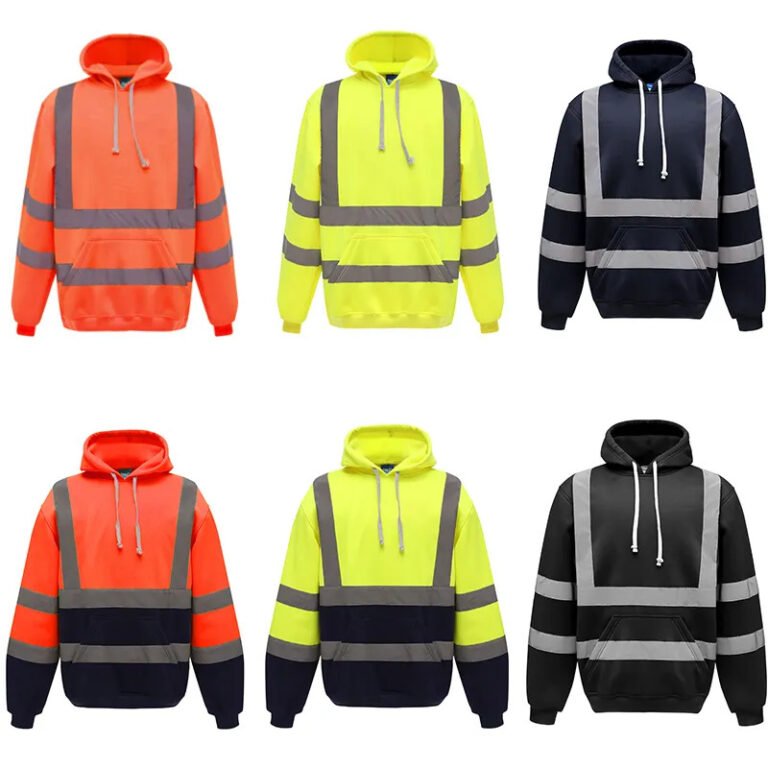
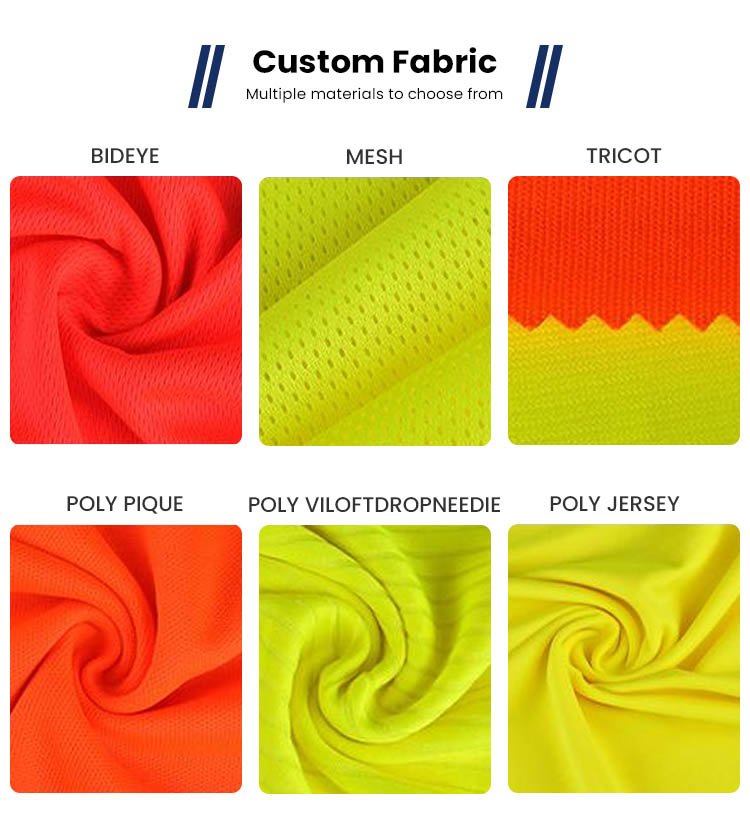
- Fluorescent Material: The bright yellow, orange, or red fabric converts invisible UV light into visible light, making you stand out dramatically during the daytime and in low-light conditions like dawn and dusk. Harsh chemicals and high heat cause this fluorescent dye to fade, turning a vibrant yellow into a dull beige.
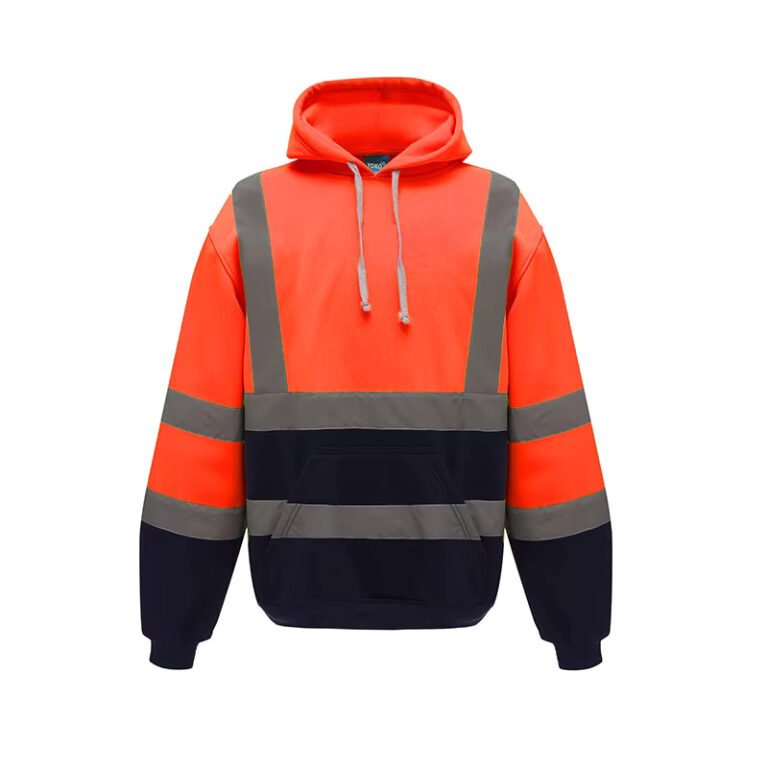
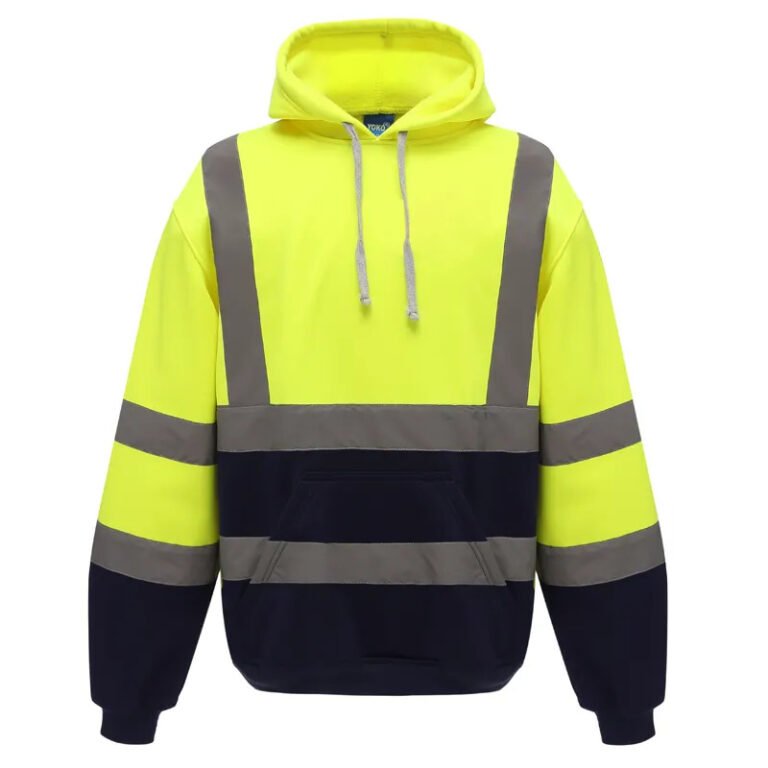
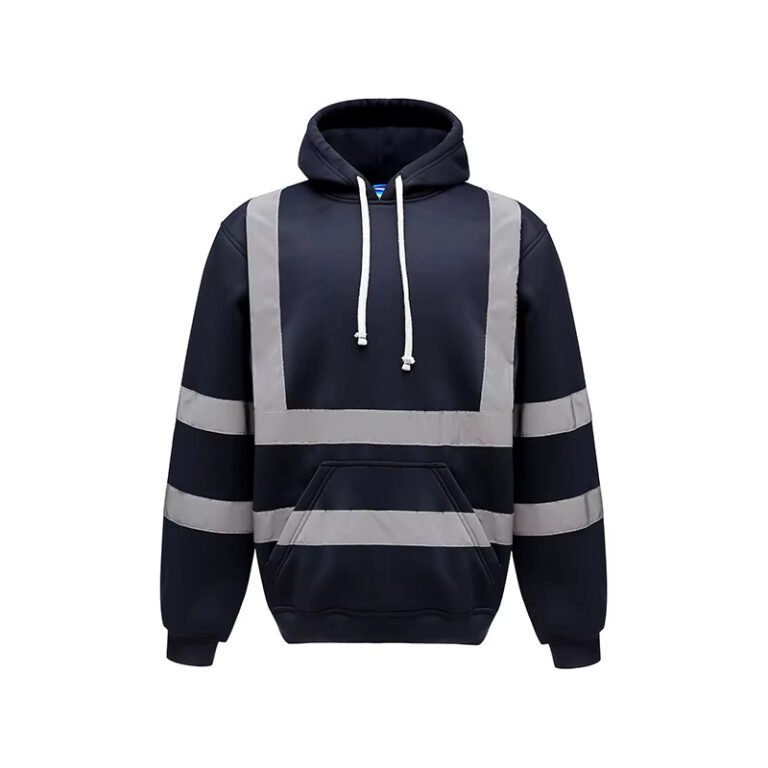
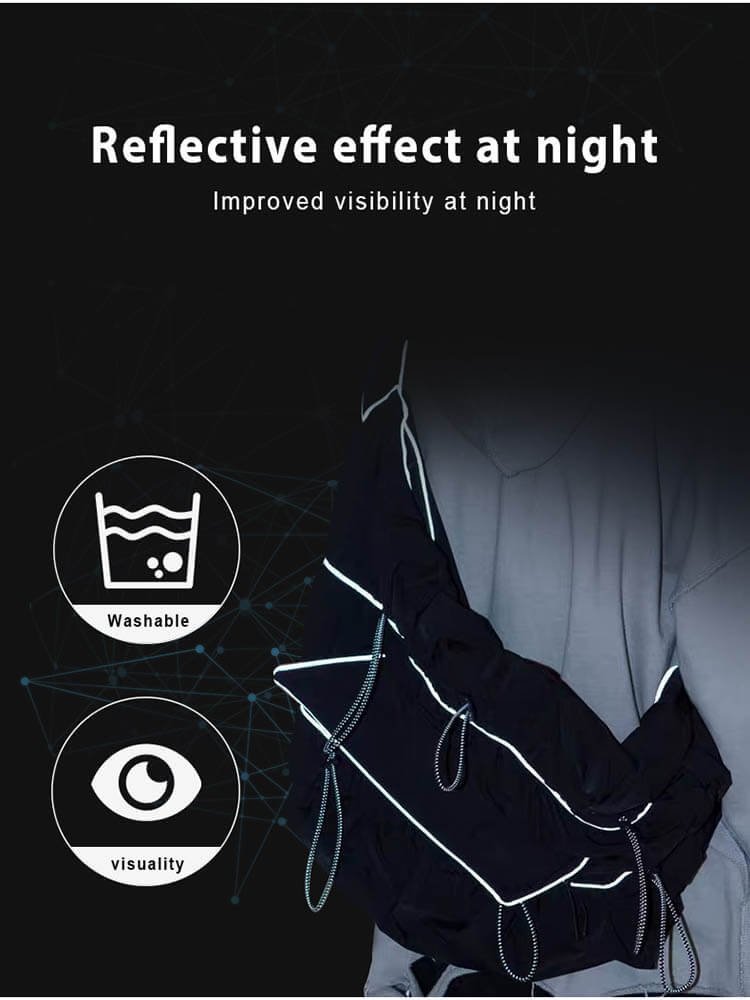
- Retroreflective Tape: This tape contains microscopic glass beads or microprisms that bounce light directly back to its source (e.g., car headlights) in the dark. Abrasive washing, high heat, and certain chemicals can scratch, cloud, or strip these beads away, completely destroying the garment’s nighttime visibility.
The Definitive Step-by-Step Washing Process
Follow these steps to maximize the life and effectiveness of your safety apparel.
Step 1: Pre-Wash Preparation
Always close all zippers, buttons, and Velcro fasteners. This prevents snagging on the delicate fabrics and reflective tapes. Shake off any loose dirt and debris outdoors before bringing it to the machine.
Step 2: Machine Washing
- Wash with care: Turn garments inside out to protect the reflective tape from abrasion. Wash with similar light colors or, ideally, in a separate load.
- Use Mild Detergent: Choose a standard home laundry detergent. Avoid “power” or “stain-fighting” detergents that may contain harsh chemicals. A pH-neutral detergent is best.
- Use Cold Water: Set the machine to a cold or lukewarm cycle. Never exceed 40°C (104°F).
- Select Gentle Cycle: A delicate or gentle wash cycle minimizes stress on the fabric and seams.
Step 3: Drying
Air drying is the strongly recommended method. Hang the garments on a line or rack away from direct, harsh sunlight, which can fade the fluorescent color. If you must use a machine, tumble dry on the lowest possible heat setting. Remove it as soon as the cycle is finished to prevent the reflective tape from being damaged by a hot drum.
The Absolute “Don’ts” of Hi-Vis Care
Violating these rules will quickly degrade your safety gear:
- ❌ DO NOT use chlorine bleach. It will destroy the fluorescent color instantly.
- ❌ DO NOT use fabric softener. It leaves a film that clogs the glass beads on reflective tape.
- ❌ DO NOT dry clean. The solvents used in dry cleaning are too harsh for the materials.
- ❌ DO NOT wash in hot water or dry on high heat. Heat is the enemy of reflective tape.
- ❌ DO NOT iron the reflective tape. This will melt and destroy it.
Knowing When It’s Time to Replace Your Gear
Proper maintenance extends life, but all PPE has a limit. Inspect your garments regularly and replace them immediately if you see:
- Faded Color: The fluorescent material has lost its vibrant daytime conspicuity. Compare it to a new garment.
- Damaged Reflective Tape: The tape is cracked, peeling, or has significant dark spots where the reflectivity is lost.
- Permanent Stains: If grease or dirt is so embedded that it obscures the fluorescent or reflective materials, the garment is no longer compliant.
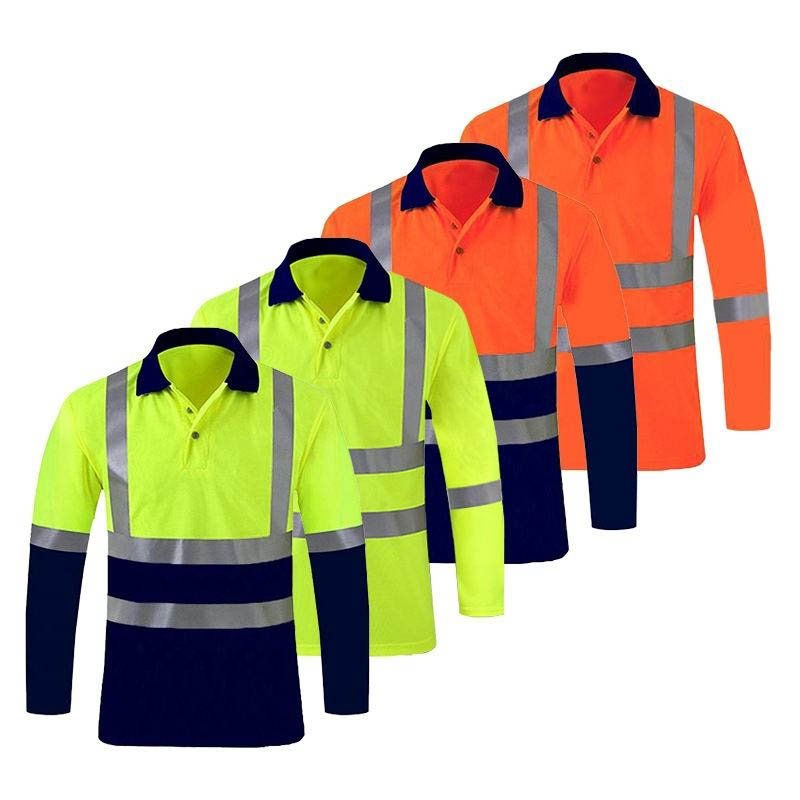
If you find your current garments are beyond saving, it may be time to explore our full range of durable hi-vis t-shirts and polos built to last.
Invest in Durability. Protect Your Team.
High-quality materials are the foundation of long-lasting safety apparel. VizGlo Safety manufactures hi-vis clothing engineered to withstand the rigors of the job and proper maintenance cycles. Partner with us for your next OEM/ODM order.
Request a Quote for Durable ApparelFrequently Asked Questions
How many times can I wash my hi-vis clothing? ▾
Most high-quality hi-vis garments are rated for a specific number of wash cycles, typically between 25 and 50, while still meeting their safety standard. This rating assumes you are following the correct washing procedures. Always check the manufacturer’s label. Exceeding this number, or using improper methods, means the garment may no longer be compliant.
Can I pre-treat tough stains like grease or oil? ▾
Yes, but with caution. Use a mild stain remover and apply it directly to the stain. Gently rub the fabric together and let it sit for a few minutes before washing as normal. Avoid aggressive scrubbing and never use bleach-based stain removers. Test the remover on an inconspicuous area first.
Does washing my hi-vis gear with other clothes damage it? ▾
It can. Washing hi-vis items with rough fabrics like denim can act like sandpaper, abrading the reflective tape. Washing with dark, color-bleeding items can also dull the fluorescent fabric. For best results, wash your hi-vis clothing in a separate load or only with other light-colored, soft fabrics.