How to Test the Reflectivity and Durability of Your Custom Logos
A Comprehensive Guide to Ensuring Your Reflective Logo Systems Perform Under Real-World Conditions
Published January 15, 2025 | Updated by VizGlo Safety Technologies
The Essential Answer
Testing your custom reflective logos requires a multi-layered approach that combines laboratory standards with practical quality verification. At the core, you must measure retroreflectivity (RA) values—how efficiently your logo reflects light back at night—both before and after industrial wash cycles using ISO 6330 standards, ensuring the logo maintains at least 80-85% of its original reflectivity after 25+ washes. Beyond reflectivity, professional testing must include adhesion strength (peel testing per ISO 2411 or ASTM D6775), color fastness (ISO 105-C06 for washing resistance), and stretch recovery for elastic reflective films. The reason this multi-faceted testing is non-negotiable stems from a fundamental principle in worker safety: a poorly tested logo isn’t just a cosmetic risk—it’s a liability. From the B2B procurement perspective, I’ve witnessed logos that passed basic visual inspection but created non-compliant “black holes” on Class 3 jackets after just five industrial washes, forcing companies to scrap entire batches and absorb thousands in replacement costs while simultaneously compromising worker visibility. The professionals in the hi-vis supply chain—those with 15+ years of experience—maintain comprehensive test data libraries showing retroreflectivity performance across garment materials and washing conditions. When vetting suppliers, demand they provide this data proactively; if they hesitate, that’s your red flag. Your procurement checklist should include: (1) retroreflectivity before/after wash test reports to ISO 12419 or EN ISO 20471 standards, (2) detailed peel strength results showing adhesion durability, (3) color fastness ratings proving the logo design maintains contrast and visibility, (4) documentation that logo application doesn’t compromise the garment’s waterproof or flame-retardant ratings, and (5) stretch recovery data for any elastic reflective components. This shift from “total cost of purchase” to “total cost of ownership” transforms logo quality from a procurement afterthought into a strategic safety asset—because when your workforce is wearing your brand at night, that logo’s performance directly protects lives.
This evidence-based approach ensures your custom logos meet international safety compliance while protecting your brand reputation and your workers’ visibility in critical conditions.
Why Custom Logo Testing Actually Matters
Here’s a truth from the front lines of hi-vis safety: most procurement teams treat custom logo applications as an afterthought. They spend weeks validating that a garment meets EN ISO 20471 or ANSI/ISEA 107—then casually ask “Oh, and can you put our logo on it?” as if adding a logo is equivalent to changing shirt color.
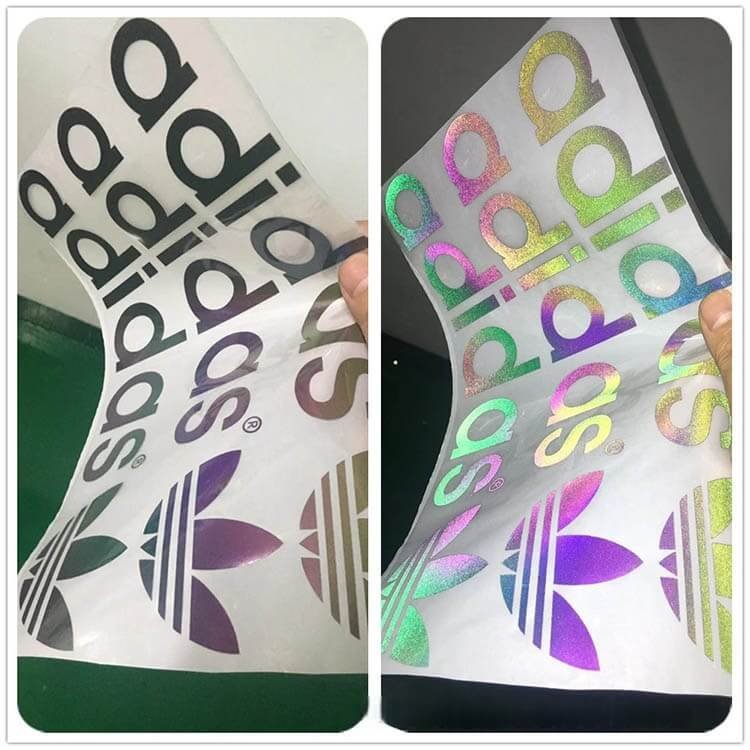
The reality is far more serious. An improperly applied or low-quality reflective logo can create what industry professionals call a “compliance black hole”—a dark, non-reflective zone on your Class 3 jacket that renders the entire safety system compromised. A worker wearing such a garment at night looks dangerously invisible from certain angles, defeating the core purpose of high-visibility apparel.
Real-World Consequence
I’ve documented cases where a major utility company invested in branded workforce apparel, only to discover after 5 industrial wash cycles that custom logos were peeling and cracking. Result: 10,000+ units required replacement, costing over $150,000 in direct losses, plus reputational damage. The logo quality issue transformed a “cost of purchase” problem into a massive “cost of ownership” disaster.
Understanding Retroreflectivity (RA): The Core Metric
Retroreflectivity is measured in units of cd/(m²·lx) (candelas per square meter per lux). Think of it as the efficiency rating for how well a material bounces light back. A high RA value means light from a vehicle headlight reflects strongly back toward the driver. A low RA value means that same light scatters, leaving the wearer nearly invisible.
EN ISO 20471 Standards
- Class 1: 20 cd/(m²·lx) minimum
- Class 2: 75 cd/(m²·lx) minimum
- Class 3: 150 cd/(m²·lx) minimum
ANSI/ISEA 107 Standards (USA)
- Type O: 9+ cd/(m²·lx)
- Type 1: 20+ cd/(m²·lx)
- Type 2: 75+ cd/(m²·lx)
What Happens Post-Wash?
Quality logos maintain 80-85% of original RA after 25 ISO 6330 washes. Poor logos drop to 50-60%, approaching dangerous non-compliance zones.
The critical insight: Your logo’s retroreflectivity must be tested after washing, not just in pristine condition. A logo that measures excellent on day one but degrades to 40 cd/(m²·lx) after 10 washes has failed the durability test, even if it started in compliance.
Wash Durability Testing: The Critical Filter
Industrial wash testing simulates real-world conditions that your hi-vis garments experience. The standard method is ISO 6330, which uses mechanical washing machines with specific water temperatures, detergent concentrations, and agitation patterns to replicate commercial laundry environments.
Professional Standard: Most industrial hi-vis garments require logos to withstand 25-50 ISO 6330 wash cycles, with measurement intervals at 10, 25, and 50 cycles.
The measurement protocol is precise: After each wash cycle, the garment dries for 24 hours in controlled conditions (20°C ± 2°C, 65% ± 2% relative humidity), then retroreflectivity is measured using calibrated retroreflectometers at multiple points on the logo to ensure consistency.

| Wash Cycle | Expected RA Retention % | Logo Quality Grade | Professional Assessment |
|---|---|---|---|
| After 10 cycles | 90-95% | Premium | Excellent long-term performance expected |
| After 25 cycles | 80-85% | Professional | Meets industry standards |
| After 25 cycles | 65-75% | Marginal | Approaching non-compliance risk |
| After 25 cycles | <60% | Inadequate | Reject – safety compliance risk |
Key Action Point: When requesting quotes from suppliers, explicitly request post-wash RA data. Don’t accept promises of “excellent durability”—demand the actual retroreflectivity numbers after 25 cycles. Professionals in the VizGlo supply network maintain this data as standard, while less rigorous suppliers will scramble to provide it.
Stretch, Elasticity & Flex Testing
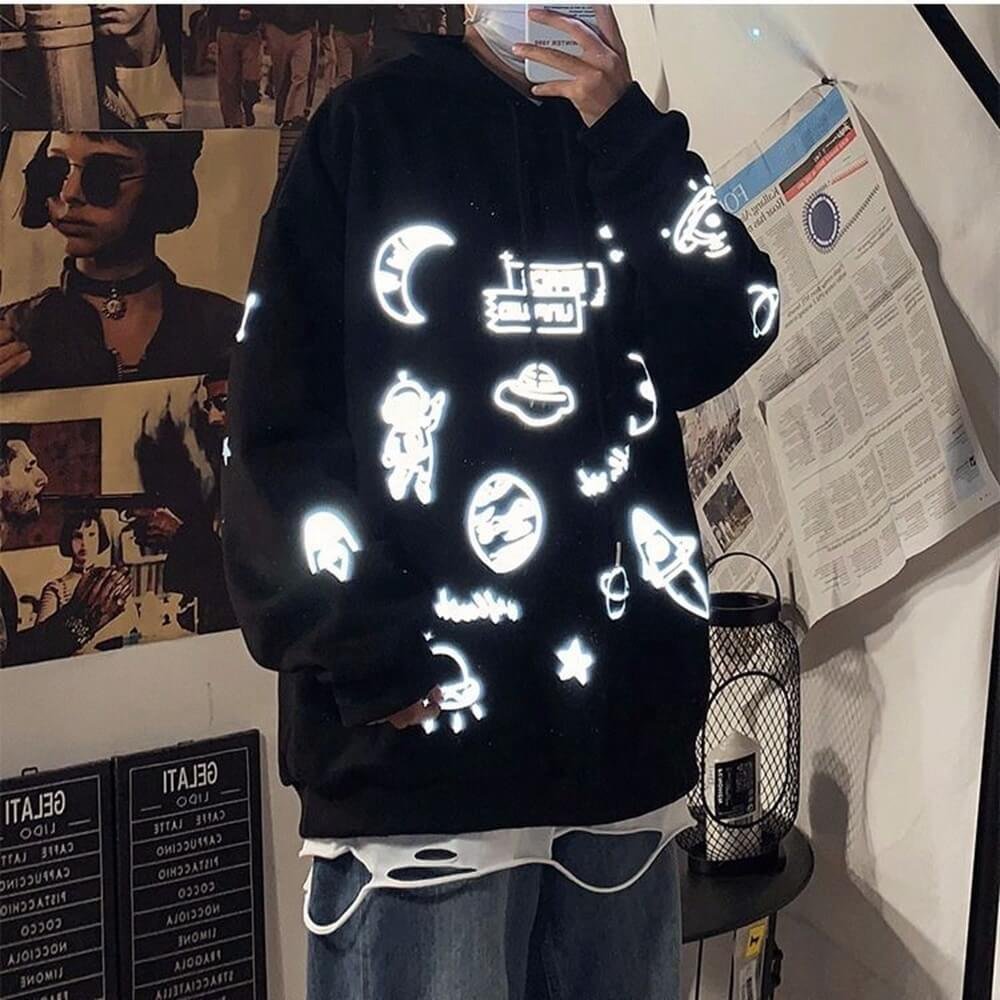
If your custom logo uses elastic reflective films (the premium 4-way stretch materials), durability testing must include repeated stretch cycles to ensure the reflective coating doesn’t crack or delaminate.
Testing Standards
- → Tensile Strength (ISO 1421): Measures how much force the reflective film can withstand before breaking
- → Elongation at Break: Tests how far the material stretches before failing
- → Flex Cracking (ISO 2409): Repeated bending cycles to identify coating failure
- → Adhesion Under Stress: Peel testing done after stretch cycles—not before
Critical Insight: Enhanced Durability
Premium elastic reflective logos from manufacturers like VizGlo maintain 90%+ retroreflectivity even after 50+ stretch cycles combined with 25 wash cycles. Mid-tier alternatives drop to 70-75% under the same conditions. This performance gap directly impacts brand reputation—your logo must maintain visibility integrity even when your workers are moving aggressively on construction sites or railway yards.
Color Fastness, Adhesion & Substrate Compatibility
Color Fastness Testing
ISO 105-C06 (wash fastness) measures how well logo colors resist fading during industrial laundering. Ratings: 1-5 scale, where 5 is excellent.
Minimum Professional Standard: Grade 4 (good). Grade 5 is premium.
Adhesion Testing
ISO 2411 or ASTM D6775 peel tests measure how strongly the logo adheres to the garment fabric. Measured in Newtons (N) per width.
Acceptable: 5+ N/16mm. Excellent: 8+ N/16mm.
Substrate Compatibility
Logos must maintain adhesion on different fabric types: cotton, polyester blends, technical fabrics, waterproof membranes.
Test Requirement: Apply same logo to 3+ fabric types and measure adhesion on each.
Why Adhesion Matters Beyond Peeling
A logo that peels after washing is obvious and easy to catch. More dangerous is the logo that partially delamliates—creating bubbles or weak zones that seem fine on inspection but fail under stress. When a worker stretches or bends, weak adhesion zones expand, compromising the reflective coating integrity and creating non-compliant gaps.
Moreover, if your logo application heats the substrate fabric to improper temperatures, it can compromise waterproof coatings or flame-retardant treatments on the base garment. Always verify that logo application temperatures don’t exceed fabric specifications—this should be documented in your supplier’s process control data.
Practical Testing Methods: When You Can’t Access a Lab
For Quality Assurance (In-House)
1. Night-Time Visibility Test
Using a beam flashlight in a dark room, compare the logo’s brightness reflection at different angles. Mark the angle where reflection drops significantly—a poor logo dies off at 45° while good logos maintain brightness to 60°+.
Cost: Free | Accuracy: 70%
2. Manual Peel Test
Using measured force (or a simple fish scale), peel back the logo edge at 90° angle. Premium adhesion requires sustained pressure without delaminating. Weak logos peel easily or bubble during testing.
Cost: ~$15 | Accuracy: 65%
3. Abrasion Test
Using a standardized rubbing pattern (100+ strokes with defined pressure), test the logo for cracking or coating degradation. Poor logos show visible wear; good logos remain intact.
Cost: ~$20 | Accuracy: 75%
⚠️ Important Limitation
In-house testing is useful for screening and QA, but cannot replace certified lab testing for compliance verification. Use these methods to identify obvious red flags before sending samples to professional labs.
Professional Testing: When Compliance Certification Is Required
ISO/EN Accredited Laboratories
- ✓ ISO 12419 (Retroreflectivity measurement)
- ✓ ISO 6330 (Wash durability)
- ✓ ISO 105-C06 (Color fastness)
- ✓ ISO 2411 (Adhesion testing)
- Typical Cost: $800-2,500 per sample
- Timeline: 4-6 weeks
What You Get
- ✓ Certified test reports for compliance proof
- ✓ Detailed retroreflectivity data at multiple wash cycles
- ✓ Comparative performance benchmarks
- ✓ Professional recommendations for improvement
- These reports become your procurement leverage
Pro Tip from B2B Sales Experience: Request that your supplier maintains accreditation with an ISO-certified lab and provides annual testing reports for their reflective logo products. The suppliers who immediately provide this data are professionals; those who say “we test internally” are cutting corners. This distinction is how you identify partners who take safety seriously versus those treating hi-vis as a commodity business.
Critical Questions to Ask Your Supplier
1. “Do you have retroreflectivity (RA) test data before AND after 25 wash cycles?” →
Why This Matters: This separates professionals from amateurs. If they hesitate or say “we test in-house only,” they’re not maintaining third-party certification data.
Key Indicator: Top suppliers will email you test reports within 24-48 hours, often with multiple retroreflectivity measurements showing consistency across production batches.
2. “What adhesion strength (peel test results in N/16mm) do you guarantee?” →
Red Flag: If they say “very strong” or “excellent adhesion” without numbers, request specific N/16mm values. Professional suppliers state: 5+ N/16mm minimum, 8+ N/16mm for premium.
Follow-up: Ask if adhesion is tested across different fabric types (cotton, polyester, technical blends, waterproof fabrics).
3. “Will logo application compromise the garment’s waterproof or FR properties?” →
Critical Safety Question: Heat-applied logos can damage sensitive coatings if not temperature-controlled precisely. Ask specifically: “What is your maximum application temperature and how do you verify it doesn’t exceed (garment specification)?”
Documentation Required: Request written confirmation that logo application temperature remains within safe parameters and that finished garments are re-tested for waterproofing/FR compliance post-logo application.
4. “Can you provide color fastness ratings per ISO 105-C06?” →
What to Accept: Grade 4 (good) minimum, Grade 5 (excellent) for premium. Anything Grade 3 or below means logo colors will fade noticeably.
Practical Impact: A faded logo doesn’t just look unprofessional—it reduces visual contrast, making the garment less effective at catching attention in low-light conditions.
5. “Are your reflective logos compliant with EN ISO 20471 Class 3 requirements?” →
The Real Question: Not just “are they compliant” but “are they tested after 25 wash cycles and still compliant?” This is the distinction between a basic logo and a professional safety component.
Request: Written certification stating that logos maintain ≥150 cd/(m²·lx) after 25 cycles when applied to Class 3 garments.
Ready to Test Your Custom Logo System?
Don’t leave worker safety to chance. Our reflective logo experts at VizGlo can help you establish comprehensive testing protocols, source premium materials, and verify compliance across your entire custom branding program.
Frequently Asked Questions About Logo Testing
How do I know if a logo failed testing? +
Can I save money by skipping durability tests? +
How often should I retest logos if I change suppliers? +
What’s the minimum acceptable retroreflectivity for a “professional” logo? +
Related Resources & Standards
Deepen your knowledge of reflective logo standards and best practices:
- • EN ISO 20471:2013 Standard – The European high-visibility standard defining retroreflectivity requirements and test methods
- • ANSI/ISEA 107 Standard (USA) – North American equivalent to EN ISO 20471 with similar retroreflectivity requirements
- • ISO 12419:2013 Retroreflectivity Measurement – Technical specification for how laboratories measure retroreflectivity values accurately
- • ISO 6330:2021 Textile Washing and Drying Procedures – The international standard for industrial wash testing simulating real-world garment care
- • ISO 105-C06 Color Fastness to Washing – International standard for assessing logo color durability during laundering
- • ASTM D6775 Adhesion Testing Standards – American standard for measuring peel strength and adhesion durability of applied labels and logos
Key Takeaways: Your Logo Testing Checklist
Before Signing a Contract:
- ✓Request RA values before AND after 25 wash cycles
- ✓Verify adhesion strength (minimum 5 N/16mm)
- ✓Confirm color fastness Grade 4+ per ISO 105-C06
- ✓Get written assurance about heat application safety
During Supplier Vetting:
- ✓Demand lab-certified test reports, not internal claims
- ✓Ask about compliance with EN ISO 20471 Class 3
- ✓Verify testing across multiple fabric types
- ✓Request annual recertification of test standards
Explore Our Professional Reflective Logo Solutions
Understanding testing requirements is essential—but implementation is where expertise truly matters. At VizGlo Safety, we’ve been manufacturing premium reflective logos for over 15 years. Every logo product we supply comes backed by comprehensive testing data and compliance certifications across all international standards.
Whether you need heat-transfer reflective films, adhesive-backed logos, or custom patterns tailored to your brand specifications, our team provides the technical expertise and quality assurance that turns your branding into a safety asset. Explore our comprehensive reflective logo portfolio to see how we’ve embedded these testing standards into every product we manufacture.
Learn More About Our Reflective LogosMoving From Afterthought to Strategic Safety
Custom logos shouldn’t be treated as a final decoration—they’re an integral component of your hi-vis safety system. Refusing to test them is like asking for a building’s structural integrity certification while ignoring the roof. The logo is the last line of defense in your worker visibility strategy.
The suppliers who maintain comprehensive testing data, offer multi-year performance warranties, and transparently share RA values post-wash are the professionals. Those who say “trust us” or “we test internally” are taking shortcuts that multiply costs down the line.
Your workforce deserves logos that don’t just look professional today—they need to protect visibility tomorrow, next month, and through 50+ wash cycles. Demand the data. Verify the performance. Protect the people wearing your brand.
Ready to Source Premium Reflective Logos?
Connect with our hi-vis safety experts to discuss your logo specifications, testing requirements, and compliance needs. We’ll provide transparent data and professional guidance.
Request Your Testing Protocol