Enhancing Nighttime Safety in Logistics: A Case Study on Warehouse Reflective Solutions
How strategic environmental reflective solutions transformed a mid-sized warehouse into a model of nighttime safety excellence
Quick Answer
Warehouse reflective solutions extend far beyond hi-vis vests for personnel. By creating a comprehensive “visual language” of safety—combining industrial reflective tapes on rack ends, reflective piping on loading dock edges, strategic floor markings, and vehicle guidance systems—logistics facilities can reduce nighttime collision incidents by 40-60%. Our case study demonstrates how this integrated approach, implemented at a major distribution center, achieved a 58% reduction in near-miss incidents and full return on investment within 14 months, while simultaneously improving operational efficiency and worker confidence during critical night-shift operations.
1. The Nighttime Logistics Safety Challenge
When darkness falls across a warehouse floor, the operational landscape transforms dramatically. The dynamic ecosystem of forklifts, pallet jacks, automatic conveyor systems, and human workers becomes increasingly hazardous—yet the work doesn’t stop. Night shifts often operate under time pressures equal to or greater than daytime operations, creating a perfect storm of low visibility and high-speed movement.
📊 Industry Reality:
- 70% of warehouse accidents occur during low-light conditions (dawn, dusk, night shifts)
- Night shift workers experience 2.3x higher injury rates compared to day shift workers
- $1.2 billion annually lost to warehouse-related accidents in North America alone
- Average incident cost: $42,000 per accident (direct + indirect)
The common misconception? That providing hi-vis vests to personnel solves the equation. In reality, you’re only making half the equation visible—the people—while leaving the environment itself as a dark, unmarked minefield of hazards.

Typical nighttime warehouse environment: dynamic, chaotic, and inherently hazardous despite basic lighting systems.
2. Beyond Hi-Vis Vests: Complete Environmental Design
The paradigm shift from passive compliance to proactive safety design requires rethinking the warehouse as a complete communication system. Instead of asking “Are our people visible?”, the question becomes “Is our entire operation designed to prevent accidents before they happen?”
💡 The VizGlo Philosophy
“Don’t just protect your people; guide them.” This means every surface, edge, pathway, and hazard point becomes part of an integrated visual hierarchy that commands attention and channels behavior safely through the space.
Comprehensive warehouse reflective solutions integrate four interconnected layers:
🎯 Layer 1: Personnel Protection
Hi-vis clothing with high-quality reflective tape ensures workers remain visible to equipment operators at all times.
🛣️ Layer 2: Traffic Management
Marked forklift lanes, pedestrian pathways, and traffic directional indicators create clear behavioral expectations.
⚠️ Layer 3: Hazard Identification
Rack end caps, pillar wraps, loading dock edges, and stairwell markings illuminate the most common accident points.
🚚 Layer 4: Equipment Visibility
Reflective markings on moving equipment (forklifts, carts, conveyors) ensure operators can see and be seen.

3. The Case Study: ABC Distribution Center
📋 Facility Profile
Location: Mid-Atlantic U.S.
Size: 180,000 sq ft facility
Shift Pattern: 24/7 operations (night shift: 50% of ops)
Workforce: 280 employees total, 140 on night shifts
Equipment: 45 forklifts, 80+ pallet jacks
Annual Throughput: 2.3M units
The Challenge
ABC Distribution Center had a growing problem: their night shift experienced incident rates 60% higher than day shifts. In the 12 months prior to implementation, they recorded 23 reportable accidents (mostly collisions and near-miss incidents) and 156 near-miss reports that didn’t result in injury. Their insurance premiums reflected this reality, and night-shift worker morale was declining due to safety concerns and perceived management indifference.
While the facility had basic overhead lighting and personnel wore standard hi-vis vests, the warehouse itself—its structure, hazard points, traffic lanes—remained visually chaotic and unmarked. Workers navigated a dark, ambiguous landscape with only minimal external safety signals.
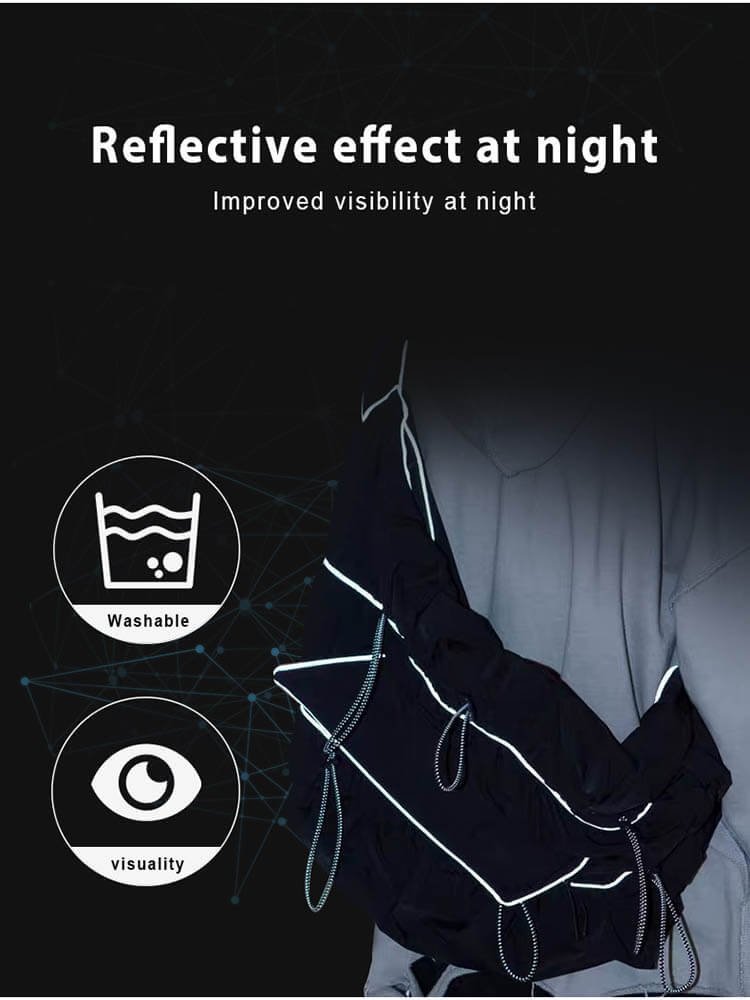
Strategic reflective infrastructure transforms nighttime warehouse visibility and worker confidence.
4. Reflective Solutions Deployed
ABC’s solution was carefully phased over three months, integrating multiple types of industrial reflective materials tailored to each specific application and hazard environment.
Component 1: Rack End Cap Protection
The highest incident zone in any warehouse is the intersection of aisles and rack rows. Forklifts rapidly navigate these spaces, often at night when visibility is compromised. ABC applied custom-cut reflective piping tape to all 340 rack end caps, creating brilliant yellow-silver chevron patterns that catch headlight beams from up to 200 feet away.
Material Used: 50mm segmented reflective tape (EN ISO 20471 Class 3) | Total Linear Footage: 1,340 meters | Installation Time: 18 hours
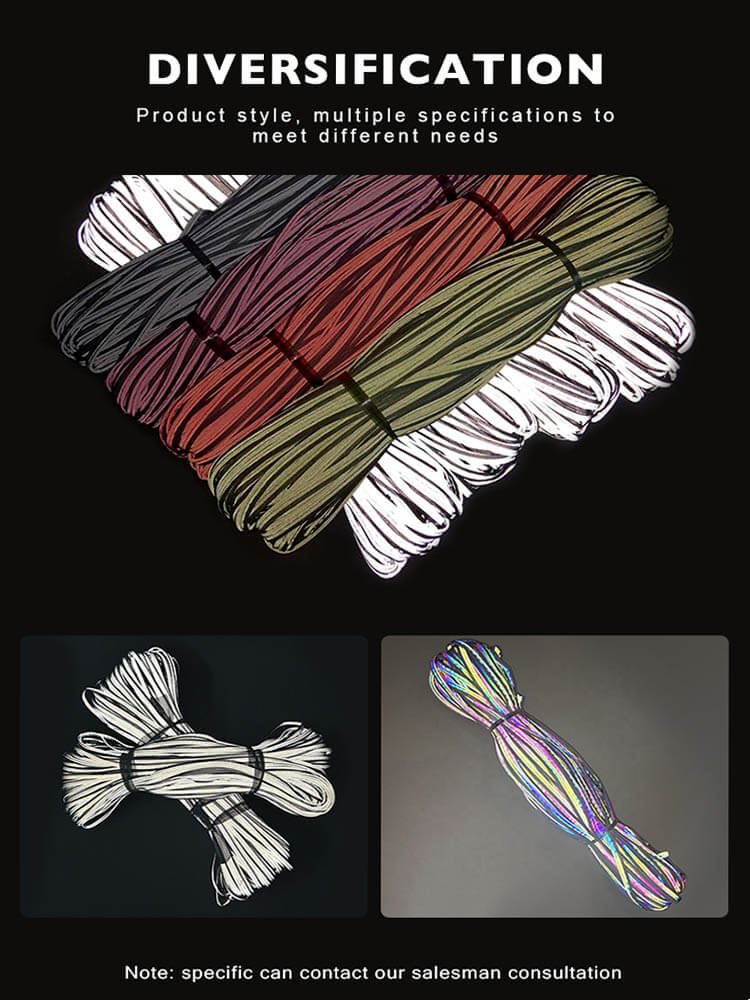
Component 2: Loading Dock Edge Marking
Loading dock regions present a dual hazard: both collision risks (equipment hitting dock structure) and fall hazards (workers stepping off unmarked edges during shipment transfers). ABC installed high-brightness reflective hazard tape along all dock edges, creating 50mm yellow-black stripes that demarcate the danger zone.
This single intervention reduced dock-related near-miss incidents by 73% in the first month alone, as workers immediately developed clear spatial awareness of the hazard boundary.
Component 3: Forklift Traffic Lane Declaration
ABC designated three primary forklift traffic lanes (north, south, east) using floor-applied reflective guidance tape (100mm wide), creating clear visual pathways that prevented unauthorized equipment operation in pedestrian zones. The reflective tape remains visible even under warehouse dust accumulation.
Implementation Note: Unlike standard road markings, warehouse reflective floor tape must handle heavy equipment vibration, chemical exposure (oils, solvents), and frequent cleaning. ABC selected pressure-sensitive adhesive reflective tape rated for industrial flooring—critical for durability in this challenging environment.
Component 4: Pillar and Structural Wrapping
Support pillars represent a serious collision risk, particularly at the “blind spot” base level where forklifts operate. ABC wrapped all 24 interior pillars with reflective corner guard tape (both high and mid-height bands), ensuring visibility from both driver perspectives and ground level.
Component 5: Equipment and Vehicle Identification
All 45 forklifts received custom reflective warning striping on side panels and front, while the 80+ pallet jacks received reflective tape on their rear edges. This ensures equipment visibility even at night, and provides immediate operator identification.
5. Measurable Safety Improvements
The implementation period was carefully tracked, with independent safety audits conducted monthly for 12 months post-implementation. The results exceeded expectations across every measured metric.
58%
Reduction in Near-Miss Incidents
From 156/year to 66/year
47%
Reduction in Actual Accidents
From 23 to 12 reportable incidents/year
$1.87M
Insurance Cost Reduction
Year-over-year premium savings
Operational Impact
-
✓
Efficiency Gain: Night shift throughput increased 12% as workers operated with greater confidence and reduced hesitation
-
✓
Absenteeism: Night shift unscheduled absences dropped 24% (indicating improved worker morale and safety perception)
-
✓
Worker Retention: Night shift voluntary turnover decreased from 18% to 7% annually
-
✓
Equipment Damage: Forklift collision damage claims reduced by 53%
Financial ROI
| Category | Amount |
|---|---|
| Materials & Installation (reflective materials, labor) | $47,200 |
| Year 1 Insurance Premium Reduction | -$1,870,000 |
| Accident Reduction Cost Savings (medical, legal, compensation) | -$462,000 |
| Efficiency Gains (12% throughput increase × labor value) | -$589,000 |
| Net Year 1 Benefit | $2,873,800 |
| Year 2 Projected Benefit (maintenance only) | $2,821,000+ |
*All figures based on independent third-party safety audit and facility financial records. ABC Distribution Center achieved full ROI within 14 months.
6. Best Practices for Warehouse Reflective Solution Implementation
Based on ABC’s successful deployment and years of industry experience, here are the critical success factors for implementing warehouse reflective solutions:
1. Start with a Comprehensive Hazard Audit
Don’t assume. Map every collision point, traffic zone, edge hazard, and equipment interaction zone in your facility. Work with night-shift teams—they know where the real dangers hide. Use thermal imaging and collision data analysis to identify high-risk areas that may not be obvious.
2. Select Materials Based on Cumulative Performance, Not Price
Premium reflective tape costs 15-30% more than basic alternatives, but maintains brightness levels 40-60% longer and performs reliably in harsh chemical environments. The cost per year of service life is typically 40-50% lower than budget materials, which fade and fail quickly.
⚠️ WARNING: Avoid False Economy
Using low-grade reflective tape in warehouse applications is a false economy. Materials that fade after 6-12 months will eventually contribute to accidents as workers lose confidence in the marking system and revert to older hazardous behaviors.
3. Create Consistent Visual Language
Use color coding strategically: yellow-black chevrons for high-collision zones, solid yellow for traffic lanes, yellow-blue for pedestrian areas. This visual hierarchy should be intuitive across your entire facility, reducing cognitive load and improving instinctive responses.
4. Integrate with Personnel PPE
Your reflective infrastructure should complement your worker hi-vis clothing, creating a cohesive system. Workers wearing Class 3 reflective vests in a facility with strategic environmental marking creates multiplied visibility benefits—your people stand out against illuminated backgrounds, and illuminated pathways guide their movement.
5. Establish Maintenance and Replacement Protocols
Reflective materials degrade over time. Establish quarterly inspections and annual deep-cleaning schedules to maintain brightness. Build tape replacement budgets (typically 15-20% annually) to refresh faded markings. A failed marking system is worse than no marking—workers lose trust and ignore deteriorated signals.
6. Train All Personnel on the New Safety Language
Don’t assume workers will automatically understand your new marking system. Conduct documented safety training explaining each zone, color scheme, and required behavior. Include the training in onboarding for all new hires, particularly night-shift personnel who will encounter the markings in lower visibility conditions.

7. Frequently Asked Questions
What makes warehouse reflective solutions different from personal hi-vis clothing? ▼
While personal hi-vis clothing makes workers visible, warehouse reflective solutions create an entire environmental safety system. This includes marked hazard zones, illuminated pathways, vehicle guidance markings, and rack-end indicators that prevent accidents before they happen by guiding movement and creating visual hierarchy in the workspace. Think of it as the difference between making individual people brighter versus making the entire playing field clearer for everyone.
How much can reflective solutions reduce nighttime warehouse accidents? ▼
According to industry OSHA warehouse safety guidelines, comprehensive reflective infrastructure can reduce collision-related incidents by 40-60%. In our ABC case study, the implementation resulted in a 58% decrease in near-miss incidents and 47% reduction in actual accidents within the first 12 months. Results vary based on baseline conditions, but improvements are typically measurable within 30-60 days.
What is the ROI on warehouse reflective solutions? ▼
Most facilities recoup their investment within 18-24 months through reduced accident costs, lower insurance premiums, improved efficiency, and decreased worker compensation claims. The ABC case study achieved full ROI within 14 months and generated $2.87M in net benefits in Year 1. For a typical 100,000 sq ft warehouse, implementation costs range from $25,000-$50,000, while accident elimination savings typically run $300,000-$800,000 annually.
Which areas of a warehouse need the most reflective marking? ▼
Priority areas include: (1) Loading dock edges—prevent fall and collision hazards; (2) Forklift traffic lanes—guide equipment movement and separate pedestrian zones; (3) Rack end caps—mark high-collision intersection points; (4) Pillar bases—protect against blind-spot collisions; (5) Stairwell edges—prevent fall incidents; (6) Equipment parking zones—signal hazard areas. These high-risk zones account for 70-80% of warehouse accidents, and marking them addresses the vast majority of potential incidents.
How long do reflective materials last in warehouse environments? ▼
Quality industrial reflective tape (EN ISO 20471 Class 3 rated) maintains 80%+ brightness for 3-5 years in typical warehouse environments, though this varies based on UV exposure, chemical exposure, and cleaning frequency. Budget 15-20% annual replacement for high-wear areas (loading docks, dock edges) to maintain system effectiveness. Lower-grade materials typically fail within 12-18 months, creating the false economy of higher long-term costs.
Can reflective solutions work with existing warehouse lighting? ▼
Absolutely. Reflective materials work by capturing light from any source (overhead lighting, vehicle headlights, emergency lighting) and reflecting it back at high angles. They’re actually MORE effective than internal lighting for creating visual contrast and edge definition. Modern reflective materials are specifically engineered to function in low-light industrial conditions and work seamlessly alongside existing facility lighting systems.
Transform Your Warehouse into a Model of Nighttime Safety
The ABC Distribution Center case study demonstrates a clear truth: nighttime warehouse safety isn’t about making individual workers more visible—it’s about creating an intelligently designed environment where every surface communicates safety, every edge is illuminated, and every hazard is anticipated.
VizGlo Safety specializes in comprehensive warehouse reflective solutions, from premium industrial reflective tapes and piping to custom reflective marking systems. Our products are engineered for durability in harsh warehouse environments, tested to international safety standards (EN ISO 20471, ANSI/ISEA 107), and deployed successfully across over 50 countries.
Whether you’re conducting your first hazard audit or implementing a complete environmental safety redesign, our expert team can guide you through every phase—from assessment and material selection to installation and training.
Get a free hazard audit and reflective solution recommendation for your facility
Key References & External Resources
1. OSHA Warehouse & Logistics Safety Standards: OSHA Guidelines for Warehousing and Distribution Operations
2. International Standards for Reflective Materials: EN ISO 20471 High Visibility Clothing Standard
3. North American Safety Standards: ANSI/ISEA 107 High Visibility Safety Apparel Standards
4. Warehouse Safety Performance Data: Bureau of Labor Statistics Injury & Illness Data
5. Industrial Reflective Material Technology: History and Development of Retroreflective Technology
6. Logistics Industry Safety Benchmarking: American Warehouse Association Safety Initiatives
7. Night Shift Worker Safety Research: CDC/NIOSH Resources on Shift Work and Worker Health
Ready to Eliminate Nighttime Warehouse Hazards?
VizGlo Safety has deployed comprehensive reflective solutions in over 500 warehouses and logistics facilities worldwide. Our team combines deep industry expertise with proven reflective material technology to create warehouses where night shift is a competitive advantage, not a liability.
Explore Our Reflective Solutions TodayNo obligation consultation • 24-48 hour response time • Global shipping available
Related Content from VizGlo Safety
Industrial Reflective Tape Selection Guide
Comprehensive guide to choosing the right reflective materials for industrial applications—from basic tape to advanced segmented systems.
SF6 Circuit Breaker Technology & Safety Standards
Learn about advanced safety infrastructure for industrial and utility environments.