Top 5 Safety Features to Look for in Warehouse & Logistics Workwear
Essential safety considerations that can save lives and reduce workplace injuries in high-risk environments
When selecting workwear for warehouse and logistics operations, five critical safety features stand out above all others: maximum visibility reflective systems, exceptional durability against abrasion and tears, all-day comfort for 12-hour shifts, functional storage solutions, and weather-resistant protection. These features work together to create a comprehensive safety ecosystem that protects workers in the fast-paced, equipment-heavy environment of modern logistics facilities, where the constant movement of forklifts, dim lighting conditions, and physical demands create unique safety challenges that standard workwear simply cannot address.
1. Maximum Visibility Reflective Systems
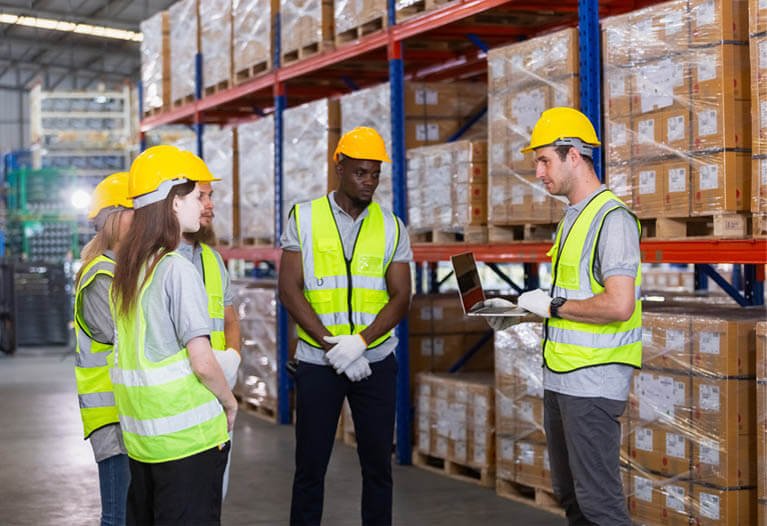
In warehouse and logistics environments, visibility is literally a matter of life and death. The combination of fast-moving equipment, varying light conditions, and busy work zones creates a perfect storm for accidents. The most critical safety feature is a multi-layered visibility system that works across all lighting conditions.
Key Visibility Components:
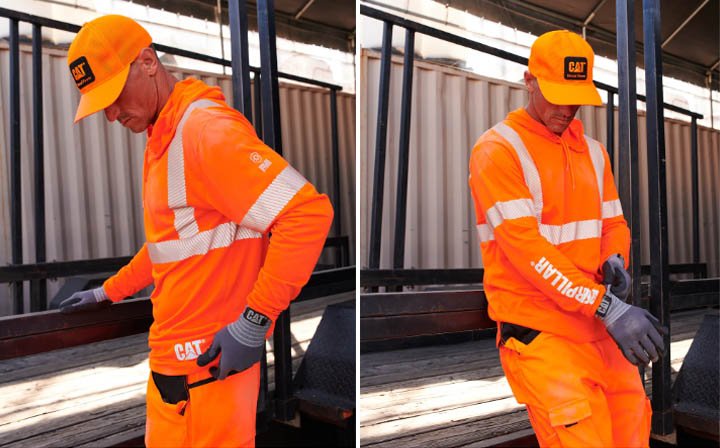
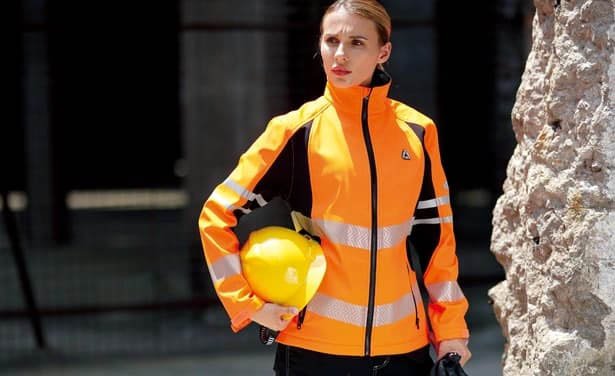
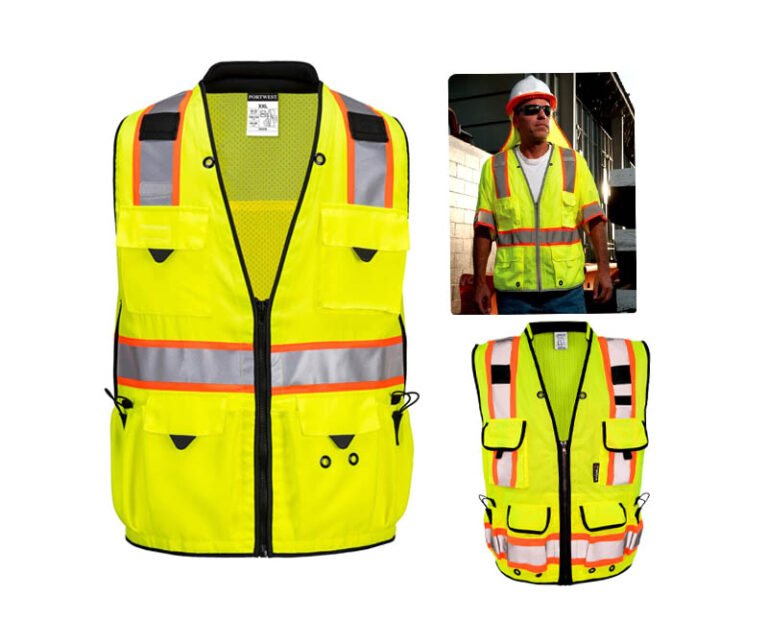
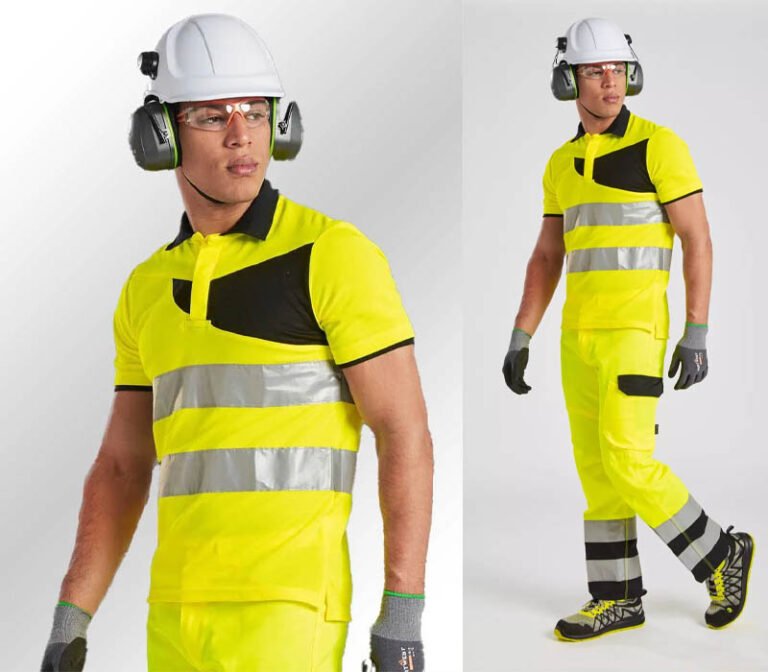
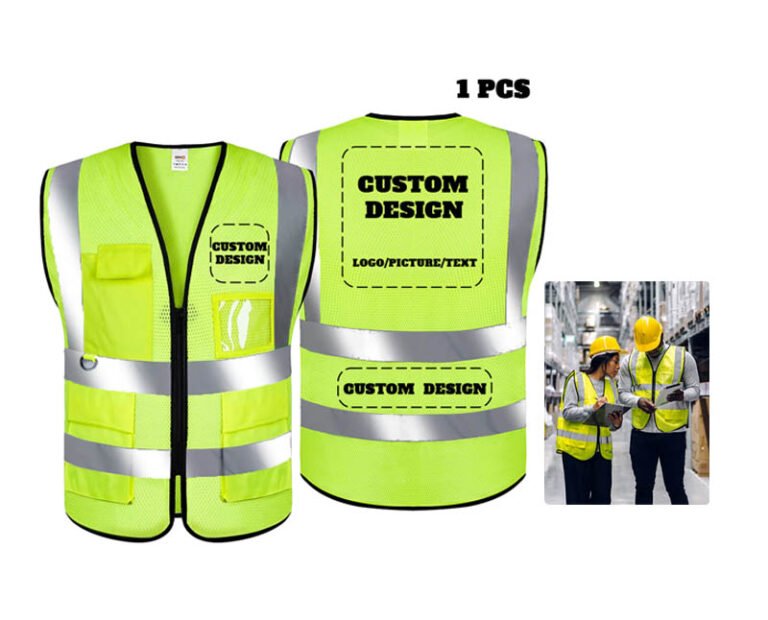
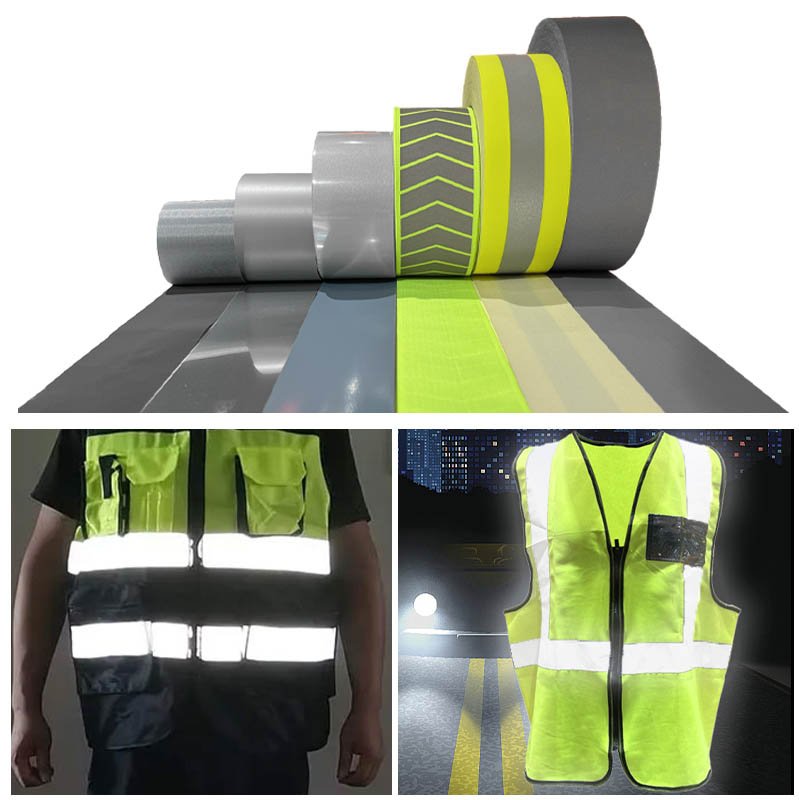
- 360-Degree Reflective Tape Placement: Horizontal chest bands, shoulder straps, and back panels ensure visibility from all angles
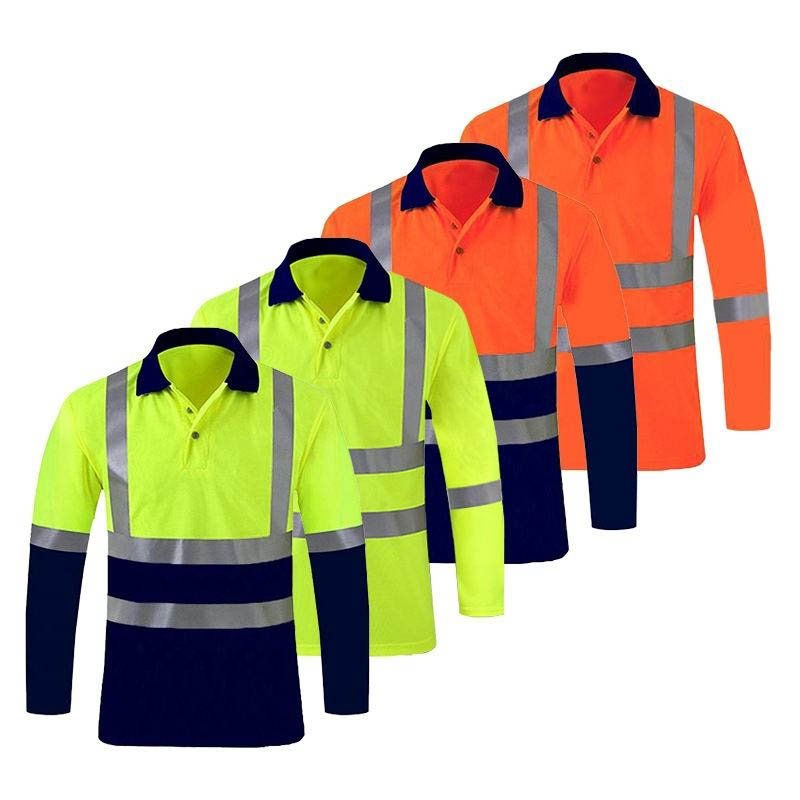
- High-Contrast Background Colors: Fluorescent lime, orange, or yellow that remains visible in low-light conditions
- Retroreflective Material Grade: Look for materials meeting or exceeding ANSI Class 2 or 3 requirements
- Strategic Reflective Positioning: Tape placement that follows body movement and maintains visibility during work tasks
For warehouse operations, understanding ANSI classification systems is crucial. Class 2 workwear provides adequate protection for most warehouse tasks, while Class 3 is essential for loading dock areas and outdoor logistics operations where vehicle traffic is heavy.
2. Durability Against Daily Wear
Warehouse work is tough on clothing. Workers constantly brush against shelving, handle rough materials, and work in environments where garments face daily abuse. Durability isn’t just about longevity—it’s about maintaining safety features throughout the garment’s life.
Critical Durability Features:
- Reinforced High-Stress Areas: Double stitching at pocket corners, sleeve attachments, and side seams
- Abrasion-Resistant Fabrics: Polyester blends or cotton-poly mixes that resist tearing and fraying
- Quality Reflective Material: Reflective tape that maintains adhesion and brightness after repeated washing
- Industrial-Grade Hardware: Heavy-duty zippers, snaps, and fasteners rated for commercial use
- Colorfast Materials: Fabrics that resist fading to maintain visibility over time
The concept of GSM (grams per square meter) in workwear becomes crucial here. Higher GSM fabrics (typically 200-300 GSM) provide better durability while still maintaining breathability for warehouse environments.
3. Comfort for Long Shifts
Comfort directly impacts safety compliance. If workwear is uncomfortable, workers will remove it, modify it, or avoid wearing it altogether—defeating the entire purpose of safety equipment. For 12-hour warehouse shifts, comfort features become non-negotiable.
Fabric Technology
- Moisture-wicking properties
- Breathable mesh panels
- Stretch fabric integration
- Temperature regulation features
Ergonomic Design
- Athletic cut for range of motion
- Gusseted underarms
- Articulated sleeves
- Non-restrictive fit through shoulders
Many logistics operations are now transitioning to custom hi-vis hoodies and professional sweatshirts for year-round comfort, especially in climate-controlled warehouses where layering flexibility is essential.
4. Functional Storage Solutions
Warehouse workers need immediate access to tools, scanners, phones, and documentation. Poorly designed storage leads to inefficiency and safety risks as workers reach for items in awkward positions or carry equipment unsecured.
Essential Storage Features:
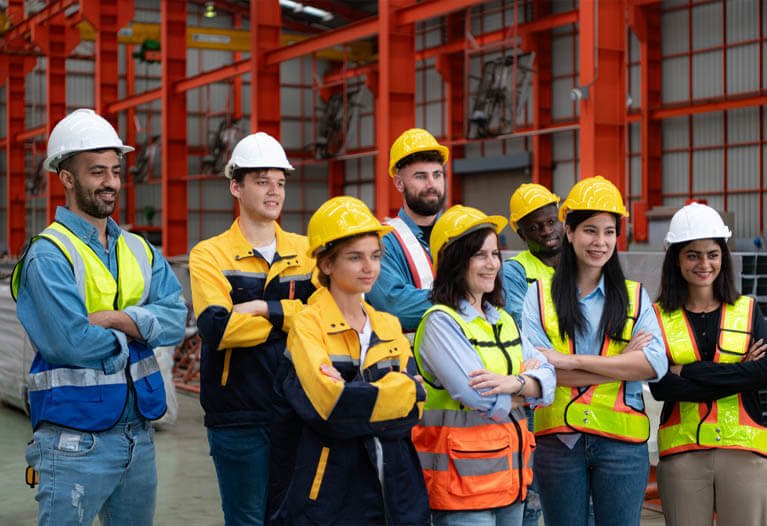
- Multiple Pocket Configurations: Chest pockets for phones and small tools, side pockets for gloves and personal items
- Secure Closures: Velcro, zippers, or snap closures that keep items secure during bending and movement
- Tool Loops and D-Rings: Attachment points for equipment lanyards and tool tethering
- Radio Loops: Dedicated loops for two-way radios common in warehouse operations
- Pen Slots: Designated slots that prevent pens from falling during overhead reaching
Modern warehouse operations often require integration of technology devices. Look for workwear designed with dedicated pockets sized for barcode scanners, tablets, and other logistics equipment that has become standard in today’s operations.
5. Weather-Resistant Protection
While many warehouse operations are indoors, logistics workers frequently transition between climate-controlled interiors and outdoor loading areas. Weather protection ensures consistent safety coverage regardless of conditions.
Weather Protection Considerations:
- Layering Compatibility: Base garments that work with winter work hoodies and outer shells
- Water-Resistant Coatings: Light rain protection without compromising breathability
- Wind Resistance: Fabric weave that blocks wind while maintaining air circulation
- Quick-Dry Properties: Materials that shed moisture and dry rapidly
For operations requiring full weather protection, having a coordinated system where hi-vis base layers work seamlessly with protective outer garments ensures workers maintain visibility and protection in all conditions.

💡 Expert Industry Insight
“From my conversations with hundreds of logistics managers and safety officers worldwide, the most common oversight isn’t choosing the wrong color; it’s failing to see the warehouse as a dynamic, high-risk ecosystem. They often focus solely on ANSI or EN compliance, which is a baseline, not the full solution. The real challenge is the constant interplay between fast-moving forklifts, dimly lit picking aisles, and the chaos of a busy loading dock. A simple vest that’s sufficient for an outdoor road crew might be inadequate here. My clients’ biggest ‘aha!’ moment comes when they realize that the best workwear must address three things simultaneously: maximum conspicuity in varied lighting, durability to withstand the daily grind of snagging and abrasion, and comfort that ensures their team actually keeps the gear on for a full 12-hour shift. If it’s not durable or comfortable, your safety investment is wasted from day one.”
Implementing These Features in Your Operation
Successfully implementing these safety features requires a systematic approach. Consider partnering with experienced manufacturers who understand the unique challenges of warehouse and logistics environments.
Companies like VizGlo Safety specialize in creating comprehensive team workwear solutions that can be customized for specific operational needs, whether you need small pilot programs or large-scale fleet orders.
Ready to Upgrade Your Warehouse Safety Program?
Get expert guidance on selecting the right safety workwear features for your specific logistics operation.
Consult with Safety ExpertsFrequently Asked Questions
What’s the difference between Class 2 and Class 3 hi-vis workwear for warehouses?
Class 2 hi-vis workwear provides adequate visibility for most indoor warehouse operations and low-speed vehicle environments. Class 3 workwear is required for areas with vehicle speeds above 25 mph, outdoor loading docks, and operations where workers are exposed to highway traffic. For comprehensive guidance, check our complete ANSI classification guide.
How often should warehouse workwear be replaced?
Replace workwear when reflective materials lose brightness, fabric shows significant wear, or colors fade below visibility standards. Typically, high-quality warehouse workwear should last 6-12 months with daily use, depending on working conditions and care. Regular inspection every 30 days helps identify wear before it compromises safety.
Can hi-vis workwear be customized with company logos without affecting safety ratings?
Yes, when done properly. Professional customization using techniques like screen printing vs embroidery can add company branding without compromising safety standards. The key is working with manufacturers who understand ANSI requirements and ensure customization doesn’t interfere with required reflective tape placement or visibility areas.
What’s the best approach for ordering workwear for a large logistics operation?
Start with a pilot program to test fit, durability, and worker acceptance before placing large orders. Consider bulk ordering strategies that allow for phased implementation. Work with manufacturers experienced in large-scale logistics operations who can provide consistent quality and sizing across multiple shipments.
Are there specific color requirements for warehouse hi-vis clothing?
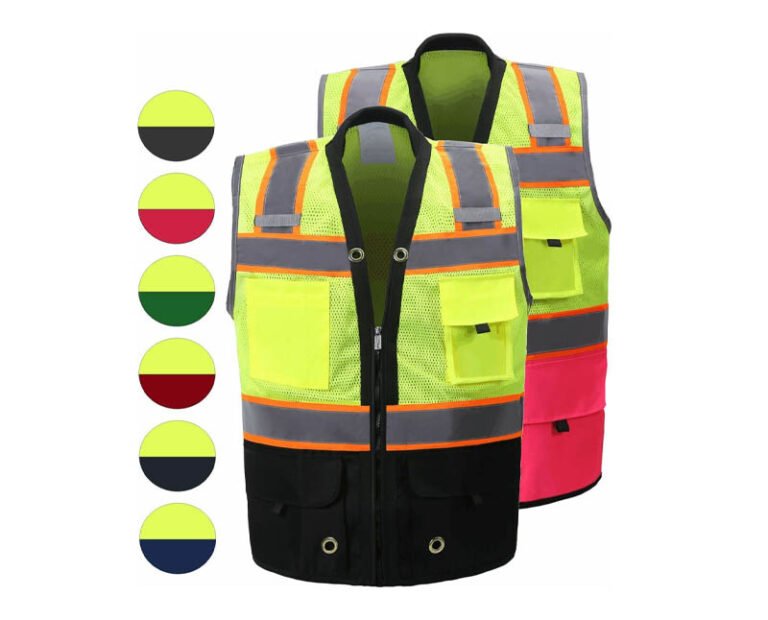
ANSI standards specify fluorescent lime, orange, or yellow as acceptable background colors. Some companies wonder about black or other colored hi-vis options, but these are not ANSI compliant for safety applications. Choose colors based on your specific environment—lime typically provides best contrast in warehouse settings, while orange may be better for outdoor logistics operations.