Beyond the Vest: Essential Hi Vis Gear for Railway and Roadside Workers
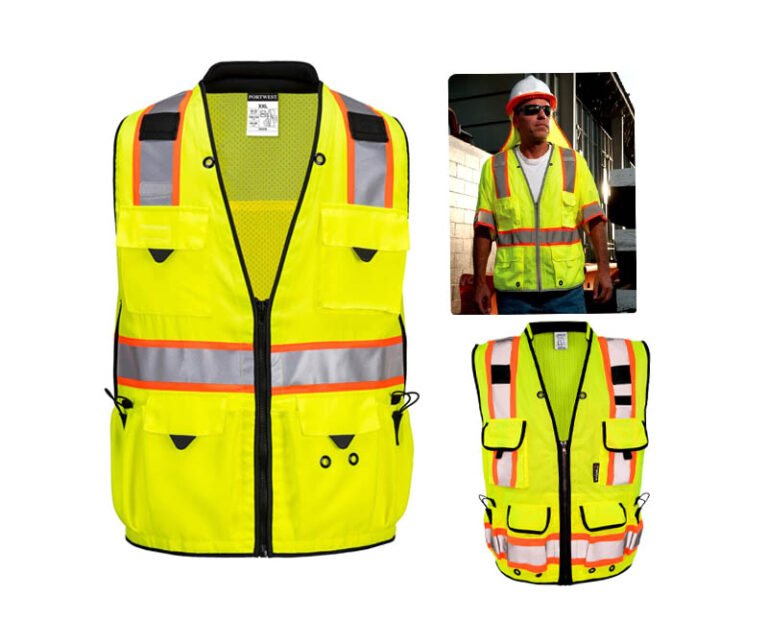
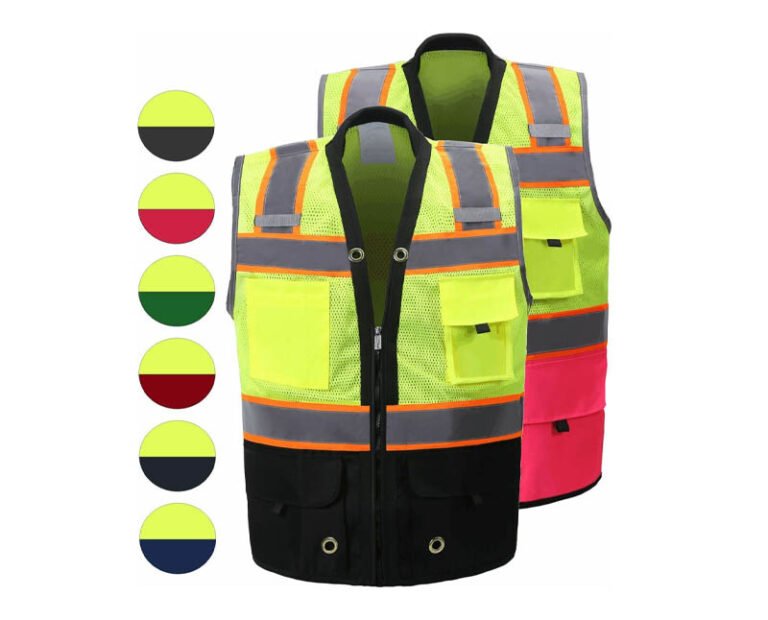
The iconic hi-vis vest is just the starting point. True safety in high-risk environments like railways and roadsides demands a complete system of protective apparel. Let’s explore what your team really needs.
What is Essential Hi-Vis Gear Beyond a Vest?
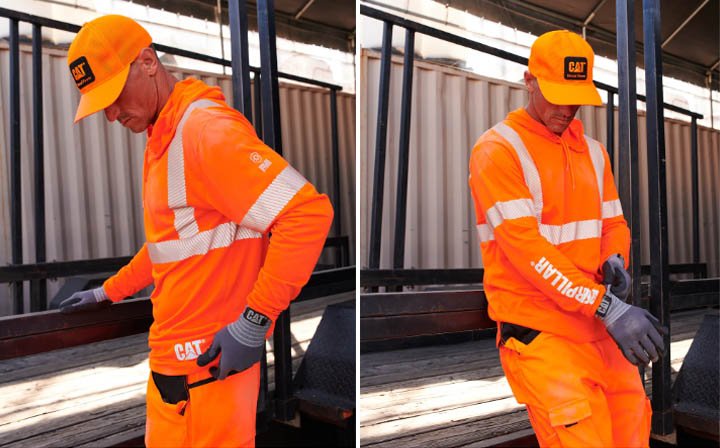
For railway and roadside workers, essential hi-vis gear beyond a basic vest includes a complete system designed for 360-degree visibility, weather protection, and task-specific functionality. This includes hi-vis jackets (waterproof and thermal options), hi-vis trousers or coveralls to ensure lower body visibility when bending or kneeling, hi-vis polo shirts or t-shirts for warm weather safety, and specialized hi-vis rainwear. For railway workers, gear must often comply with specific standards like RIS-3279-TOM, mandating a particular shade of orange for maximum conspicuity against the track environment. This integrated approach ensures workers are seen and protected, regardless of posture, weather, or lighting conditions.
In over 15 years of outfitting teams globally, I’ve seen a common misconception: a simple vest is “good enough.” But when your team is facing down speeding traffic or a freight train in the pouring rain, “good enough” is a dangerous gamble. The reality is that roadside and railway work are some of the most hazardous occupations on the planet. True safety isn’t just about meeting a minimum requirement; it’s about building a robust system that accounts for the environment, the weather, and the human factor.
The Hi-Vis Jacket: Your Primary Shield
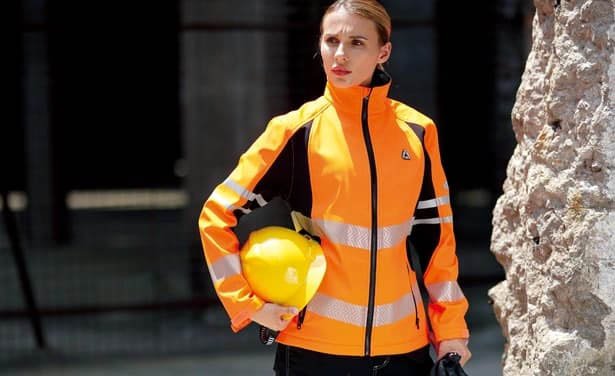
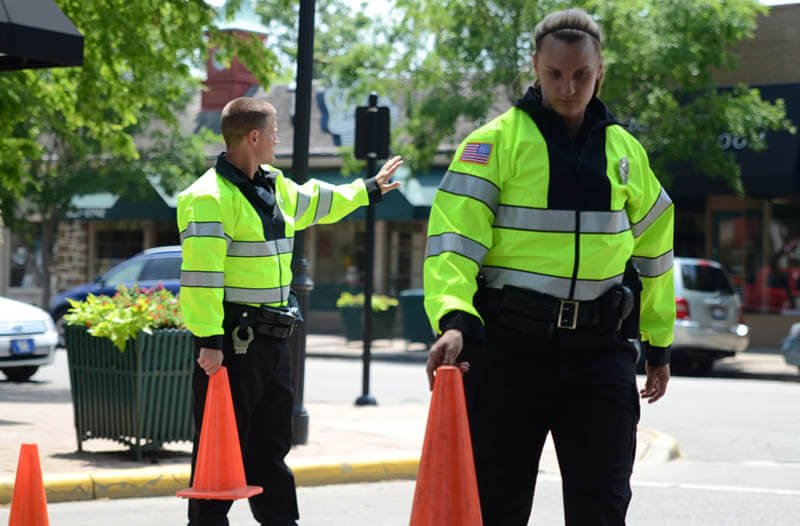
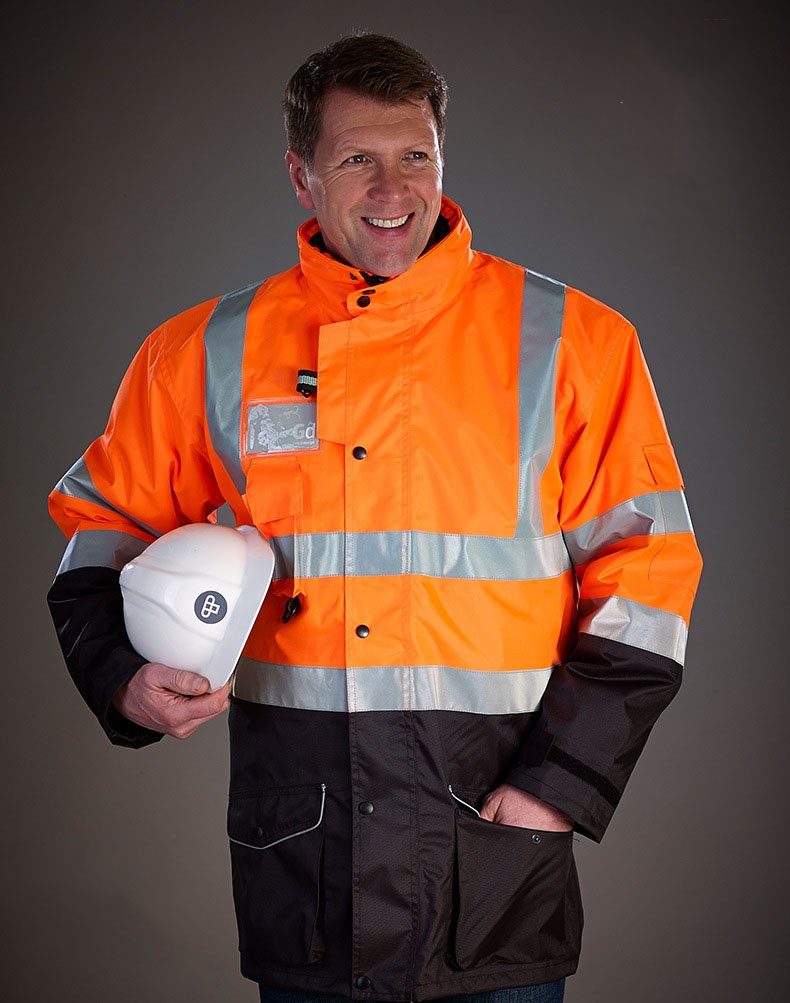
A hi-vis jacket is arguably the most critical piece of gear after the vest, serving a dual purpose: superior visibility and environmental protection. Unlike a vest, a jacket provides a huge canvas of fluorescent material and reflective tape covering the torso and arms. This is vital for “biomotion”—the way our brains recognize a human shape by the movement of its limbs.
Key Features to Demand in a Hi-Vis Jacket:
- Weatherproofing (EN 343): Look for jackets compliant with EN 343, the European standard for protection against rain. This certification rates both water penetration and breathability. A non-breathable jacket can leave a worker soaked in their own sweat, leading to chilling and discomfort, which are safety risks themselves.
- Thermal Insulation: For cold climates, a quilted or fleece-lined bomber jacket provides warmth without compromising on visibility standards. For variable weather, a “3-in-1” jacket with a removable liner offers the best flexibility.
- Durable Construction: Check for reinforced stitching in high-stress areas, sturdy zippers, and storm flaps over zips to keep wind and rain out. The fabric itself should be robust enough to withstand a tough work environment.
Hi-Vis Trousers: Don’t Neglect Lower Body Visibility
Visibility is a top-to-bottom concern. When a worker is bending, kneeling, or partially obscured by machinery or barriers, their upper body might be hidden. Hi-vis trousers ensure they remain a conspicuous, full-body silhouette to approaching traffic.
Pro Tip: Always opt for trousers with two bands of reflective tape around the lower leg. This is a common requirement for Class 3 compliance under ANSI/ISEA 107 and is crucial for being seen from the side.
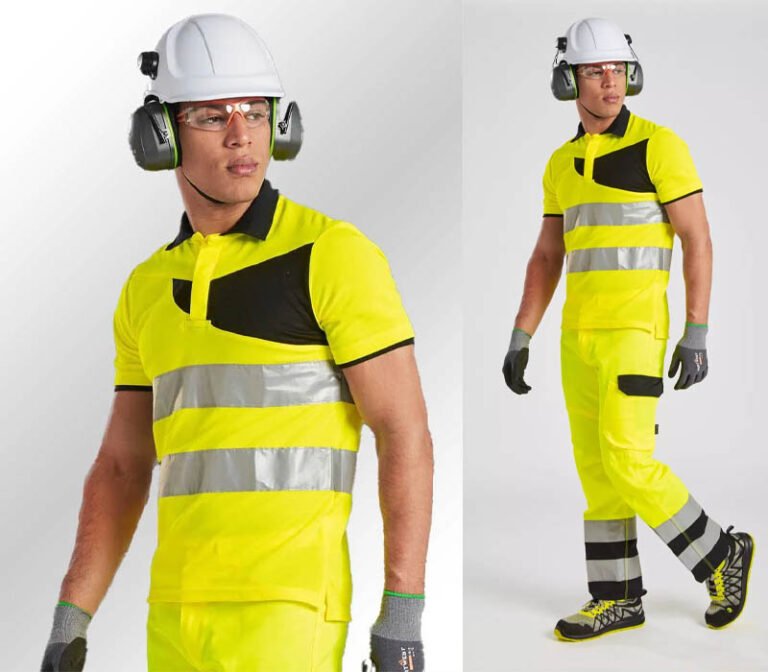
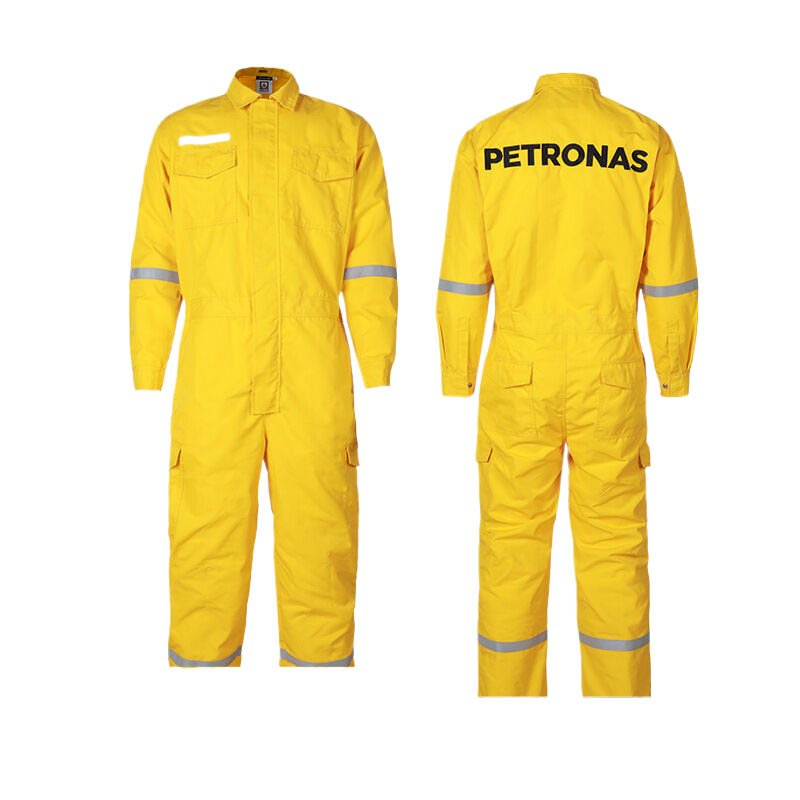
Modern hi-vis work trousers also come with critical functional features like reinforced knee pad pockets to protect workers’ joints, tough fabric like poly-cotton blends for durability, and multiple cargo pockets for keeping essential tools at hand.
The All-Season System: Polos, T-Shirts, and Rainwear
Weather is unpredictable, and work doesn’t stop. A smart hi-vis system allows for layering, ensuring workers are both safe and comfortable whether it’s 35°C or 5°C.
Warm Weather & High Exertion:
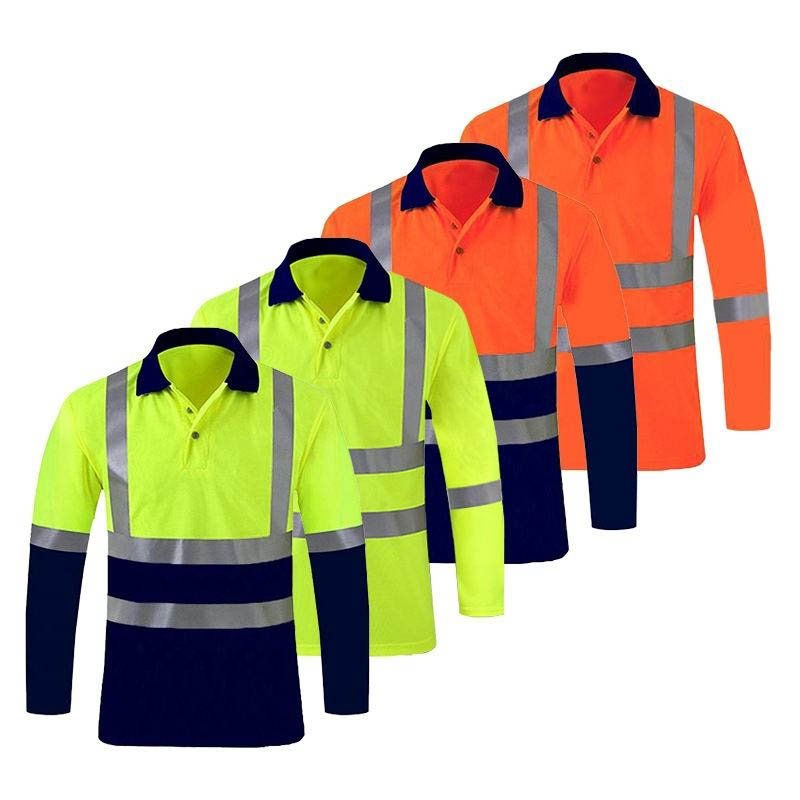
In summer heat, a heavy jacket is not an option. This is where hi-vis polo shirts and t-shirts become essential. Made from lightweight, moisture-wicking “bird’s-eye” polyester, they keep workers cool and dry while maintaining full fluorescent and reflective protection. When a worker removes their jacket, they shouldn’t become invisible.
Foul Weather: The Non-Negotiable Rain Suit
A wet worker is a distracted and miserable worker. A dedicated hi-vis rain suit, with a jacket and trousers featuring sealed or welded seams, is non-negotiable for anyone working outdoors in regions with frequent rain, like the UK, Pacific Northwest, or New Zealand. These garments are designed specifically to be a waterproof outer shell, often worn over warmer layers, ensuring the entire system works together to keep the user dry and visible.
Special Consideration: The “Railway Orange” Mandate
Working on or near railway lines presents a unique challenge: the background. Trees, foliage, soil, and ballast can all create a visually “noisy” environment where traditional yellow hi-vis can blend in.
This is why standards like the UK’s RIS-3279-TOM (formerly GO/RT 3279) were created. This standard mandates a specific, vibrant shade of orange for all apparel worn by trackside workers. This “Railway Orange” has been scientifically proven to provide the best conspicuity against both rural and urban railway backgrounds, ensuring train drivers can spot workers from the maximum possible distance. It also ensures the safety clothing does not conflict with any of the trackside signaling colors.
When procuring gear for railway contracts, simply asking for “orange” is not enough. You must ensure it is certified to the relevant railway standard for that country or region.
Build a Safety System That Works for Your Team
Relying on a single vest is leaving your team’s safety to chance. A comprehensive, head-to-toe system of specialized jackets, trousers, layers, and rainwear is the only professional approach. It demonstrates a commitment to your workers’ well-being and ensures compliance in the face of demanding regulations and ever-changing conditions.
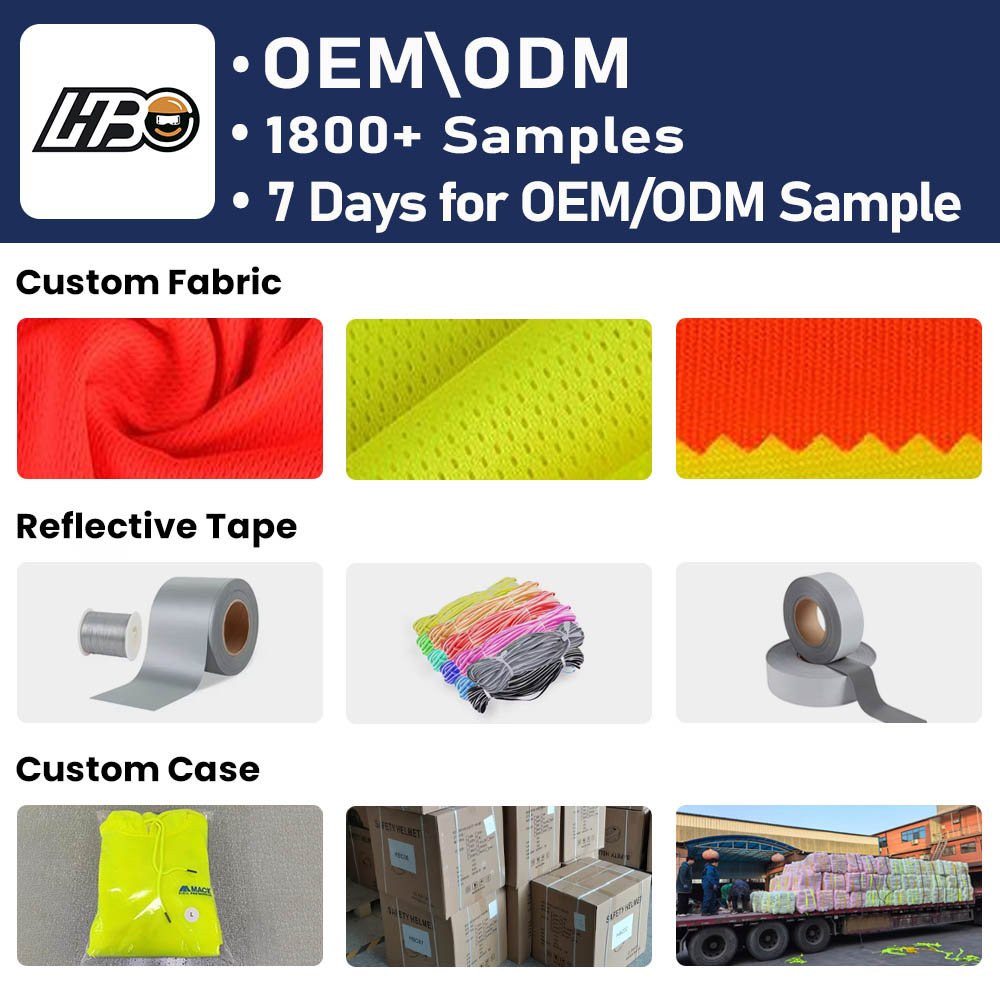
At VizGlo Safety, we don’t just sell products; we partner with you to build the exact OEM/ODM solution your team needs. From choosing the right fabrics for your climate to ensuring compliance with railway standards, we provide a complete manufacturing service.
Ready to go beyond the vest? Explore our complete range of customizable high-visibility workwear or get in touch with our experts today.
Frequently Asked Questions
Why is a hi-vis system better than just a vest? ▼
A system provides complete, 360-degree protection. Vests only cover the torso, leaving arms and legs invisible, especially when a worker is bending or kneeling. A full system with jackets and trousers ensures the entire human form is visible (biomotion), provides protection from weather, and ensures compliance even when outer layers are removed in heat.
What’s the difference between yellow and orange hi-vis? ▼
Both fluorescent yellow-green and fluorescent orange-red are highly effective. Yellow-green is the brightest color to the human eye and offers excellent contrast against most urban backgrounds. Orange-red is mandated for railway work in some regions (like the UK’s RIS-3279-TOM) because it offers superior contrast against natural foliage and does not clash with railway signal colors. The best choice depends on your specific work environment and regulations.
How do I care for my hi-vis clothing to maintain its effectiveness? ▼
Always follow the manufacturer’s care label. Generally, wash in cooler temperatures, avoid harsh detergents, fabric softeners, and bleach, as these can degrade the fluorescent material and reflective tape. Do not wash with heavily soiled or dark garments. Air drying is often recommended over high-heat tumble drying. Clean gear is effective gear—dirt and grime will significantly reduce its visibility.
When should hi-vis clothing be replaced? ▼
Replace hi-vis clothing when it is faded, torn, dirty, or when the reflective tape is cracked or peeling. The fluorescent properties of the fabric diminish with sun exposure and wash cycles. A good rule of thumb is to compare an old garment to a new one; if there is a noticeable difference in color brightness, it’s time to retire the old one. Most garments have a maximum number of wash cycles indicated on the label.