How to Properly Clean & Care for Your Hi-Vis Rain Gear (Without Damaging It)
To properly wash your hi-vis rain jacket: Use cold water (max 30°C/86°F) with mild liquid detergent on a gentle cycle. Never use bleach, fabric softener, or hot water. Turn the garment inside-out, close all zippers and velcro, and air-dry or tumble dry on low heat. This preserves both the reflective properties and waterproof coating. After 15-20 washes, reapply DWR (Durable Water Repellent) treatment to restore waterproofness. Following these steps ensures your PPE remains compliant with safety standards like ANSI/ISEA 107 while maximizing its lifespan and protecting your investment.
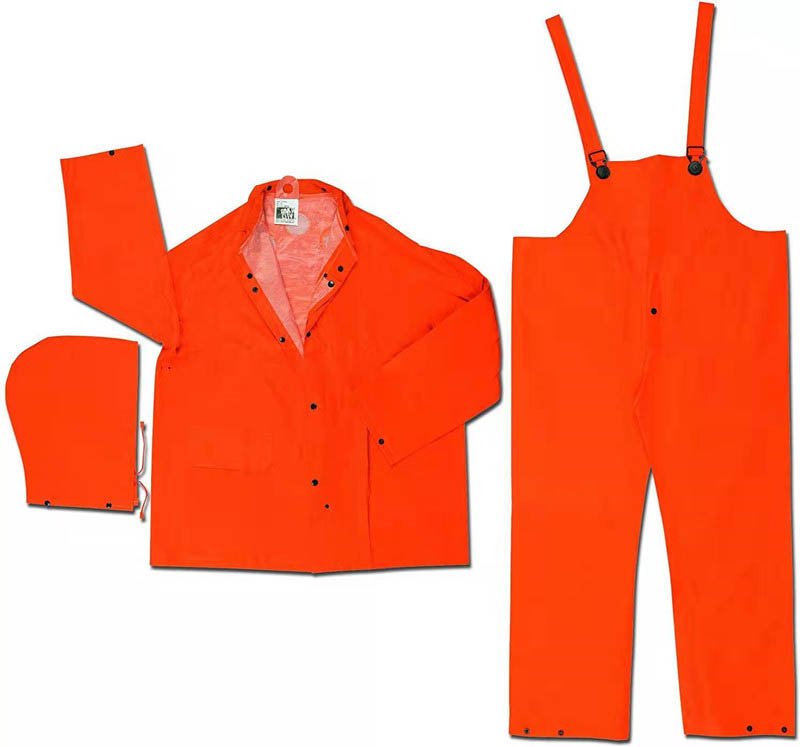
Why Proper Care is Critical for PPE Performance
Here’s something many procurement managers and safety officers don’t realize until it’s too late: that faded, poorly maintained hi-vis rain jacket hanging in your equipment room isn’t just an eyesore—it’s a compliance risk and a liability waiting to happen.
In my fifteen years working with safety managers across construction, logistics, and transportation sectors, I’ve seen this pattern repeat: companies invest in quality PPE, then unknowingly destroy its protective properties through improper care. A “clean” jacket that’s lost its reflective performance or waterproofing doesn’t just fail to protect workers—it creates a false sense of security that’s actually more dangerous than no PPE at all.
The Real Cost of Improper Care: When hi-vis rain gear loses its retro-reflective properties through poor washing practices, it no longer meets safety standards like ANSI/ISEA 107 or EN ISO 20471. This means your workers aren’t legally protected, your company faces compliance violations, and you’re exposed to significant liability if an incident occurs.
The good news? Following proper care instructions isn’t complicated—it’s actually the single most cost-effective way to maximize your PPE investment. Quality rain gear from manufacturers like VizGlo Safety is engineered to withstand 50+ wash cycles while maintaining full safety compliance, but only if you care for it correctly.
Pre-Wash Preparation Checklist
Before you toss that dirty rain jacket in the washer, take five minutes to prepare properly. This prevents damage and ensures effective cleaning:
- Empty all pockets completely – Forgotten items can damage fabric or reflective tape during agitation
- Close all zippers, buttons, and velcro fasteners – Open fasteners can snag fabric and tear reflective tape
- Turn the garment inside-out – Protects outer fluorescent fabric and reflective elements from abrasion
- Read the care label – Manufacturers provide specific instructions for their fabric technology
- Spot-treat heavy soiling – Pre-treat mud or grease stains with mild soap before washing
- Wash separately or with similar items only – Avoid washing with heavy jeans or items with zippers/hardware
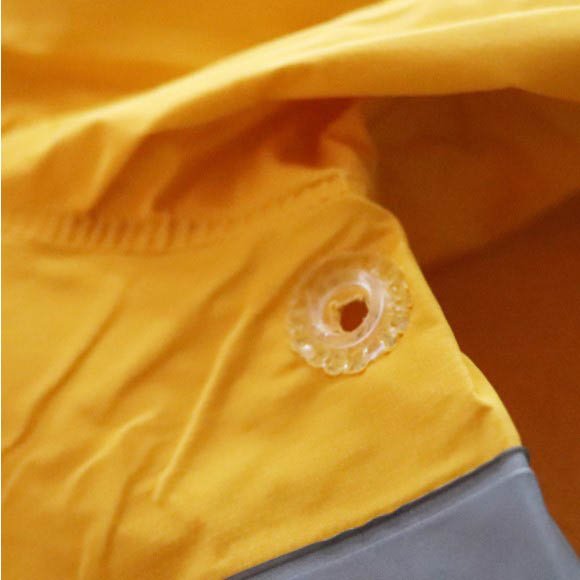
Step-by-Step Washing Instructions
Machine Washing (Recommended Method)
-
Step 1:
Set water temperature to COLD (maximum 30°C/86°F)
Hot water breaks down the DWR coating, fades fluorescent colors, and can damage adhesive bonds in reflective tape. Cold water is just as effective for cleaning and preserves all performance properties.
-
Step 2:
Select gentle/delicate cycle
High-speed agitation can cause unnecessary wear on seams and reflective elements. A gentle cycle provides adequate cleaning while minimizing mechanical stress.
-
Step 3:
Use mild liquid detergent only
Use 1/3 to 1/2 the normal amount. Technical garment cleaners like Nikwax Tech Wash or Grangers Performance Wash are ideal. Never use:
- Powder detergents (clog fabric pores)
- Fabric softeners (coat fabric, blocking waterproofing)
- Bleach or chlorine products (destroy reflective properties and fluorescent dyes)
- Stain removers with harsh chemicals
-
Step 4:
Run an extra rinse cycle
Residual detergent interferes with DWR performance. An extra rinse ensures all cleaning agents are completely removed.
-
Step 5:
Remove promptly after cycle ends
Don’t let wet garments sit in the machine—this can cause mildew and odors in waterproof fabrics.
Hand Washing (For Spot Cleaning or Delicate Items)
Fill a large tub or sink with cold water and add a small amount of mild liquid detergent. Submerge the garment and gently agitate by hand for 2-3 minutes. Focus on soiled areas with a soft brush or cloth. Rinse thoroughly in cold water until no soap remains. Gently press (don’t wring) to remove excess water.
Proper Drying Techniques
How you dry your hi-vis rain gear is just as important as how you wash it. Improper drying can permanently damage waterproof membranes and reflective materials.
✓ Air Drying (Best Method)
- • Hang on a wide, padded hanger
- • Keep away from direct sunlight (fades fluorescent colors)
- • Ensure good air circulation
- • Never use radiators or direct heat sources
- • Allow to dry completely before storing
⚡ Tumble Drying (Use Carefully)
- • Only if care label permits
- • Use LOW heat setting only
- • Remove promptly to avoid wrinkles
- • Brief tumbling (15-20 min) can reactivate DWR
- • Never use high heat or extended cycles
“After washing, we recommend a 20-minute tumble dry on low heat to reactivate the DWR coating. This heat application causes the water-repellent molecules to ‘stand up’ again, restoring the fabric’s ability to shed water.”
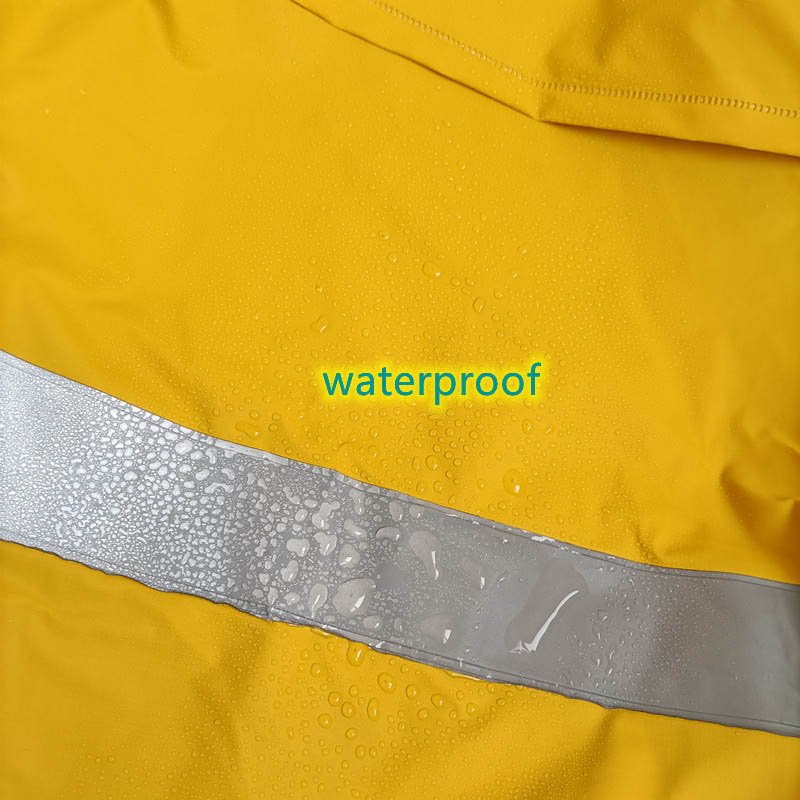
Restoring and Maintaining Waterproofness
Even with perfect washing technique, the DWR (Durable Water Repellent) coating will gradually wear down after 15-20 wash cycles. When you notice water soaking into the fabric instead of beading up on the surface, it’s time to reapply DWR treatment.
Three Methods to Restore Waterproofness:
Method 1: Heat Reactivation (Try This First)
Sometimes the DWR is still present but just needs reactivating. After washing and while garment is still slightly damp:
- Tumble dry on low heat for 20 minutes, OR
- Iron on low heat (no steam) with a thin cloth between iron and fabric
Test by sprinkling water on fabric—it should bead up and roll off.
Method 2: Spray-On DWR Treatment
For targeted reapplication on high-wear areas (shoulders, hood, sleeves):
- Clean garment first and let dry completely
- Apply spray evenly in well-ventilated area
- Wipe off excess and let air-dry
- Heat-activate with tumble dryer or iron
Recommended products: Nikwax TX.Direct Spray, Grangers Clothing Repel
Method 3: Wash-In DWR Treatment
For complete reproofing when overall waterproofing has degraded:
- Clean garment with tech wash first
- Add wash-in waterproofing product to machine
- Run on gentle cycle with cold water
- Tumble dry on low or air-dry, then heat-activate
Recommended products: Nikwax TX.Direct Wash-In, Grangers Clothing Repel Wash-In
⚠️ Important Note:
Only use DWR products specifically designed for technical waterproof fabrics. Regular waterproofing sprays (like Scotchgard) can damage breathable membranes and are not suitable for PPE garments.
Storage Best Practices
Proper storage between uses extends the life of your rain gear significantly:
-
🧥
Hang, don’t fold:
Use wide hangers to prevent creases. Folding creates stress points where coatings can crack over time.
-
🌡️
Store in cool, dry location:
Avoid damp basements, hot attics, or areas with temperature extremes. Ideal storage temperature: 10-25°C (50-77°F).
-
☀️
Protect from direct sunlight:
UV rays degrade fluorescent dyes and can make waterproof fabrics brittle. Store in a closet or covered garment rack.
-
💨
Ensure good ventilation:
Never store in sealed plastic bags—trapped moisture causes mildew. If using garment bags, choose breathable fabric ones.
-
✅
Always store completely dry:
Even slightly damp garments can develop mold or odors. Allow 24 hours air-drying after rain exposure before storing.
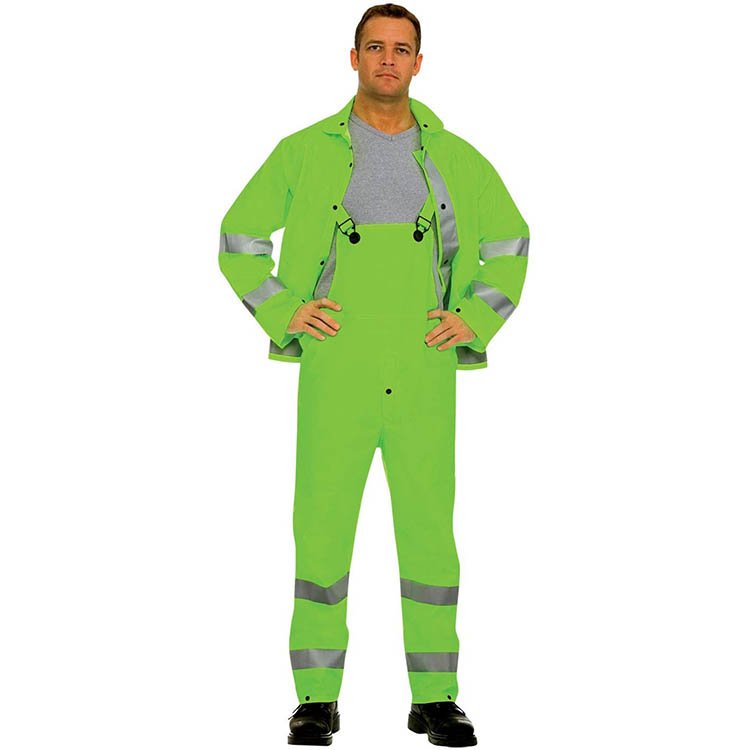
5 Common Mistakes That Damage Your Gear
In my work with safety managers, I’ve seen these costly mistakes repeated across industries. Avoid them at all costs:
❌ Mistake #1: Using Fabric Softener
Fabric softener leaves a coating on fibers that blocks the DWR and makes waterproof fabrics absorb water. This single mistake can permanently ruin your rain gear’s performance. Solution: Never add fabric softener—period.
❌ Mistake #2: Hot Water or High Heat Drying
Heat above 30°C/86°F degrades adhesives in reflective tape, fades fluorescent colors, and damages waterproof membranes. Some damage is immediate and irreversible. Solution: Always use cold water and low/no heat drying.
❌ Mistake #3: Over-Washing
Every wash cycle wears down DWR coating and stresses fabric fibers. Many companies wash uniforms on a fixed schedule regardless of actual soiling. Solution: Wash only when visibly dirty; spot-clean between washes.
❌ Mistake #4: Using Bleach or Harsh Stain Removers
Chlorine bleach destroys fluorescent dyes and reflective elements’ optical properties. A single bleach exposure can make your PPE non-compliant with safety standards. Solution: Use only mild, pH-neutral detergents designed for technical fabrics.
❌ Mistake #5: Dry Cleaning
Dry cleaning solvents strip DWR coating and can damage waterproof membranes. Most hi-vis rain gear is explicitly labeled “Do Not Dry Clean.” Solution: Only wash at home or commercial laundries familiar with technical PPE care.
When to Replace vs. Repair
Even with perfect care, hi-vis rain gear has a finite lifespan. Here’s how to assess whether your garment can be salvaged or needs replacement:
🚫 Replace Immediately If:
- • Reflective tape is peeling, cracked, or has reduced brightness (fails visibility testing)
- • Fluorescent fabric has faded significantly (no longer meets ANSI/EN color standards)
- • Seam tape is delaminating or showing gaps
- • Fabric shows tears, holes, or abrasion damage
- • Waterproofing fails completely despite DWR reapplication
- • Zippers are broken or no longer waterproof
✓ Can Be Repaired/Restored If:
- • Minor loss of water-beading (DWR reapplication fixes this)
- • Small snag or minor seam separation (can be professionally repaired)
- • Slight dulling of fluorescent color but still within acceptable range
- • Reflective tape intact but needs cleaning
- • Pull cord or adjustment hardware needs replacement
- • Hood or pocket needs minor stitching repair
Professional Tip: Conduct monthly visual inspections of all PPE. Keep a log of each garment’s wash count and inspection results. Most quality hi-vis raincoats will last 50-75 wash cycles (1-3 years with weekly use) when properly maintained, but individual garment condition—not time—should determine replacement.
Frequently Asked Questions
Can I machine wash my hi-vis rain jacket?
Yes, but use cold water (max 30°C/86°F), gentle cycle, and mild detergent only. Avoid bleach, fabric softeners, and hot water. Always check the care label first and close all zippers/velcro before washing.
How often should I wash my hi-vis rain gear?
Wash only when visibly soiled. Over-washing degrades DWR coating and reflective properties. For daily users, every 2-3 weeks is typical. Spot-clean between full washes when possible.
Will washing damage the reflective tape?
Proper washing won’t damage quality reflective tape. Use cold water, gentle cycle, and avoid bleach. Turn garment inside-out and close all fasteners. Air-dry or tumble dry on low heat only. Quality tape from manufacturers like VizGlo Safety maintains performance through 50+ wash cycles when properly cared for.
How do I restore waterproofness after washing?
After washing, reactivate DWR coating by tumble drying on low heat for 20 minutes or ironing on low (no steam) with a cloth barrier. If water no longer beads on surface, apply a spray-on or wash-in DWR treatment designed for technical fabrics (like Nikwax TX.Direct or Grangers Clothing Repel).
Can I use regular laundry detergent?
Use mild, liquid detergent only—avoid powder (can clog fabric pores) and never use fabric softener or bleach. Technical garment cleaners like Nikwax Tech Wash are ideal as they clean without leaving residue that blocks waterproofing.
Why is my rain jacket no longer waterproof even though it looks clean?
The DWR coating has worn off. This is normal after 15-20 washes. Test by sprinkling water—if it soaks in rather than beading up, reapply DWR treatment. If fabric itself feels wet after reproofing, the waterproof membrane may be compromised and the garment needs replacement.
Can I iron my hi-vis rain jacket?
Only on LOW heat with NO steam, and always with a thin cloth (like a cotton pillowcase) between the iron and garment. Brief low-heat ironing can help reactivate DWR, but excessive heat will damage waterproof coatings and reflective tape. Never iron directly on reflective elements.
What’s the expected lifespan of properly maintained hi-vis rain gear?
Quality rain gear should last 50-75 wash cycles (typically 1-3 years with weekly use) when properly maintained. However, replace immediately if reflective properties degrade, fluorescent color fades significantly, or waterproofing fails despite reproofing attempts—regardless of age.
Protect Your Investment, Protect Your Team
Following these proper care instructions isn’t just about keeping garments clean—it’s about maintaining the safety compliance and protective performance that your workers’ lives depend on. When you invest in quality hi-vis rain gear, proper maintenance ensures maximum ROI and, most importantly, guaranteed worker safety.
At VizGlo Safety, we manufacture hi-vis rain gear engineered for durability and designed to maintain full safety compliance through dozens of wash cycles—when cared for correctly. Our technical team provides ongoing support to help you maximize the lifespan of your PPE investment.
Need bulk orders or custom branding? Our OEM/ODM team provides complete solutions from design to delivery. Contact us for enterprise pricing and customization options.
Related Resources
Understanding ANSI/ISEA 107 Standards for Hi-Vis Clothing
Learn what makes PPE compliant and how to verify your gear meets requirements.
Choosing the Right Hi-Vis Rain Gear for Your Industry
Complete buyer’s guide covering construction, logistics, road work, and more.
The Complete Guide to Reflective Materials & Technologies
Understand different types of reflective tape and how they perform.