Choosing OSHA-Compliant Hi Vis Rain Gear for the US Market
A definitive guide to selecting rain gear that protects workers from both the elements and workplace hazards while meeting strict US safety standards
What Makes Rain Gear Truly OSHA-Compliant?
When choosing OSHA-compliant hi-vis rain gear for the US market, the critical factor isn’t just the presence of reflective tape—it’s strict adherence to the ANSI/ISEA 107 standard, combined with genuine waterproofing performance that doesn’t compromise worker comfort. Many safety managers make the costly mistake of focusing solely on retro-reflectivity while ignoring breathability. The reality is that cheap rain gear with poor seam-sealing or unbreathable PVC coatings causes workers to sweat from the inside out, leading to eventual non-compliance as workers simply stop wearing the gear. True OSHA compliance means selecting rain gear with third-party verified ANSI/ISEA 107 certification, a minimum hydrostatic head rating of 5,000mm for waterproofing, breathable membrane construction, and properly sealed seams—all backed by laboratory testing reports you can present during workplace inspections.
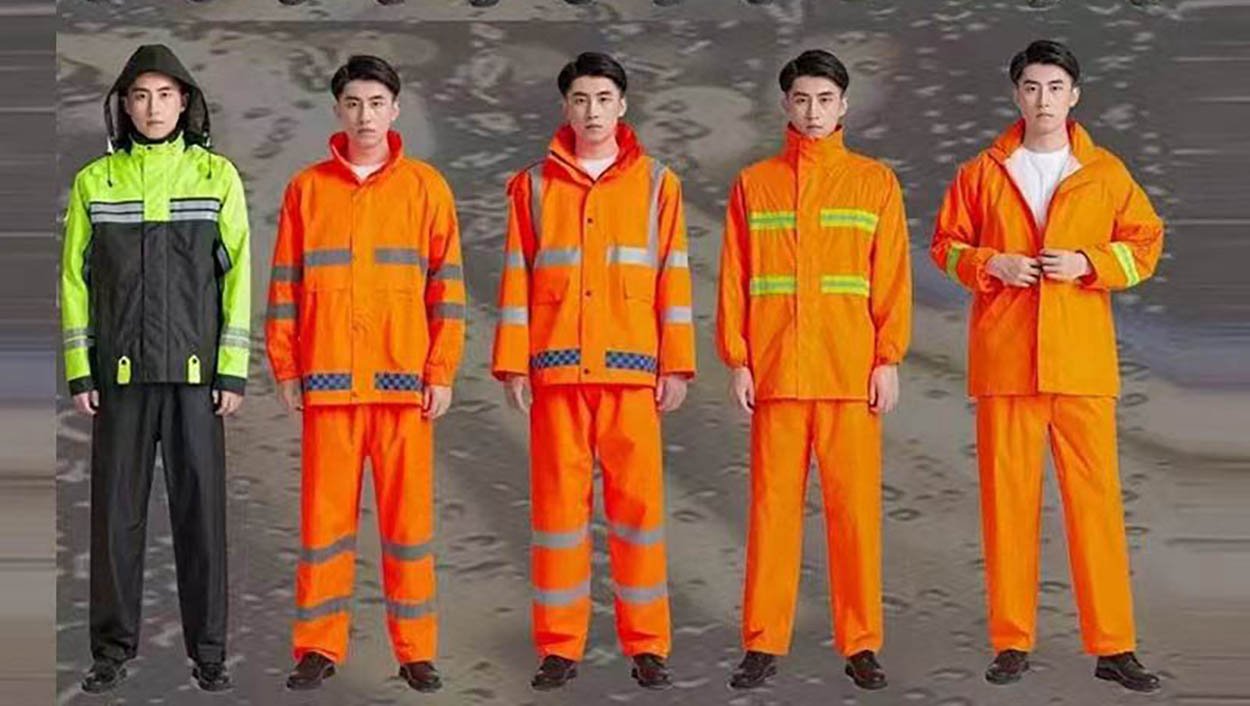
Understanding OSHA’s Rain Gear Requirements
The Occupational Safety and Health Administration (OSHA) doesn’t manufacture or certify safety equipment directly. Instead, OSHA regulations reference consensus standards developed by organizations like the American National Standards Institute (ANSI) and the International Safety Equipment Association (ISEA). When OSHA inspectors evaluate osha compliant rain gear, they’re looking for compliance with ANSI/ISEA 107, the voluntary consensus standard that has become the de facto requirement for high-visibility safety apparel in the United States.
For workers exposed to vehicular traffic or operating mobile equipment in rain or low-light conditions, OSHA’s General Duty Clause (Section 5(a)(1)) effectively mandates employers provide appropriate high-visibility rain gear. The standard applies across industries—from highway construction and utility work to logistics operations and emergency response. Understanding these requirements isn’t just about regulatory compliance; it’s about protecting your workforce and your organization from potentially devastating liability claims.
“After fifteen years of exporting to North America, I can confirm that US buyers are looking for two things above all: zero legal liability and genuine worker acceptance. You can’t achieve either with substandard rain gear.”
Decoding ANSI/ISEA 107: The Real Standard Behind OSHA Compliance
The ANSI/ISEA 107 standard defines three performance classes for high-visibility safety apparel, with Class 2 and Class 3 being most relevant for rain gear used in hazardous work environments. Understanding these classifications is essential when sourcing american hi vis standards compliant products:
ANSI/ISEA 107 Performance Classes
-
2
Class 2: Requires minimum 775 square inches of background material and 201 square inches of retro-reflective material. Suitable for workers in areas with traffic exceeding 25 mph or in complex backgrounds.
-
3
Class 3: Requires minimum 1,240 square inches of background material and 310 square inches of retro-reflective material. Mandatory for highway work zones and high-speed traffic exposure.
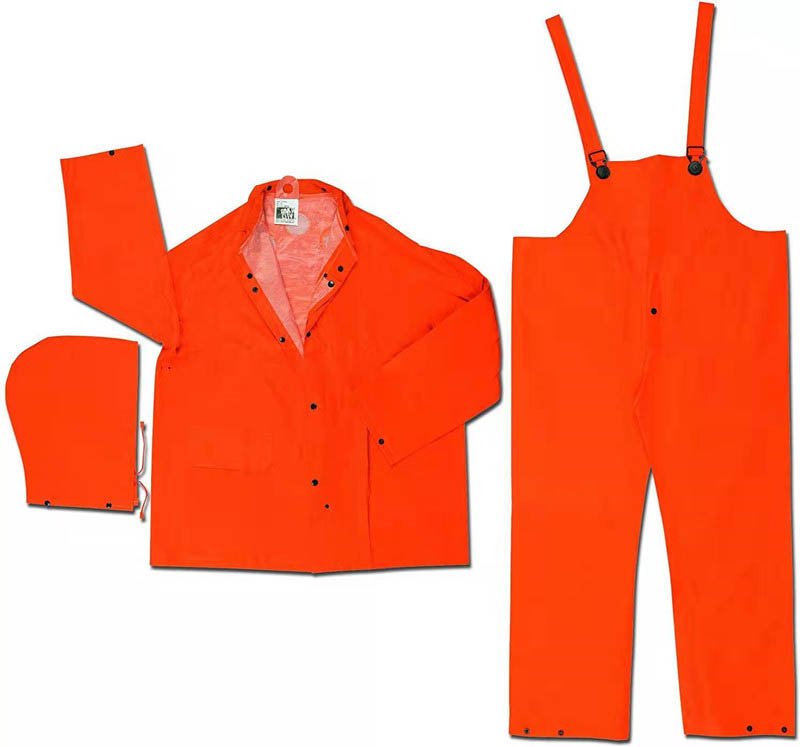
What many buyers overlook is that the reflective material must maintain its performance after 50 home launderings or 25 commercial wash cycles. For rain gear, this presents unique challenges because the waterproof coating interacts with the adhesive systems used to bond reflective tape. Premium manufacturers address this through specialized bonding techniques and protective top-coating of reflective elements—details that should be verified through third-party testing documentation.
For comprehensive information on how these standards apply to our complete rain gear line, visit our hi-vis raincoats collection, where every product meets or exceeds ANSI/ISEA 107 requirements.
The Breathability Crisis: Why Cheap Rain Gear Fails Workers
Here’s an uncomfortable truth from the field: the most common reason workers refuse to wear rain gear isn’t the weight or bulk—it’s the sweat accumulation from non-breathable materials. A safety manager once shared with me that their crew called their cheap PVC rain suits “portable saunas.” The crew eventually stopped wearing them entirely, creating a compliance nightmare and exposing the company to serious liability.
❌ Non-Breathable Materials (PVC, Basic Polyurethane)
- • Zero moisture vapor transmission
- • Creates internal condensation
- • Worker discomfort leads to non-compliance
- • Heat stress risk in moderate conditions
- • Heavy, clammy feel reduces mobility
✓ Breathable Membrane Technologies
- • 5,000-15,000 g/m²/24hr moisture vapor transmission
- • Regulates body temperature
- • Maintains waterproof integrity (5,000mm+ hydrostatic head)
- • Lighter weight construction
- • Higher worker acceptance and compliance
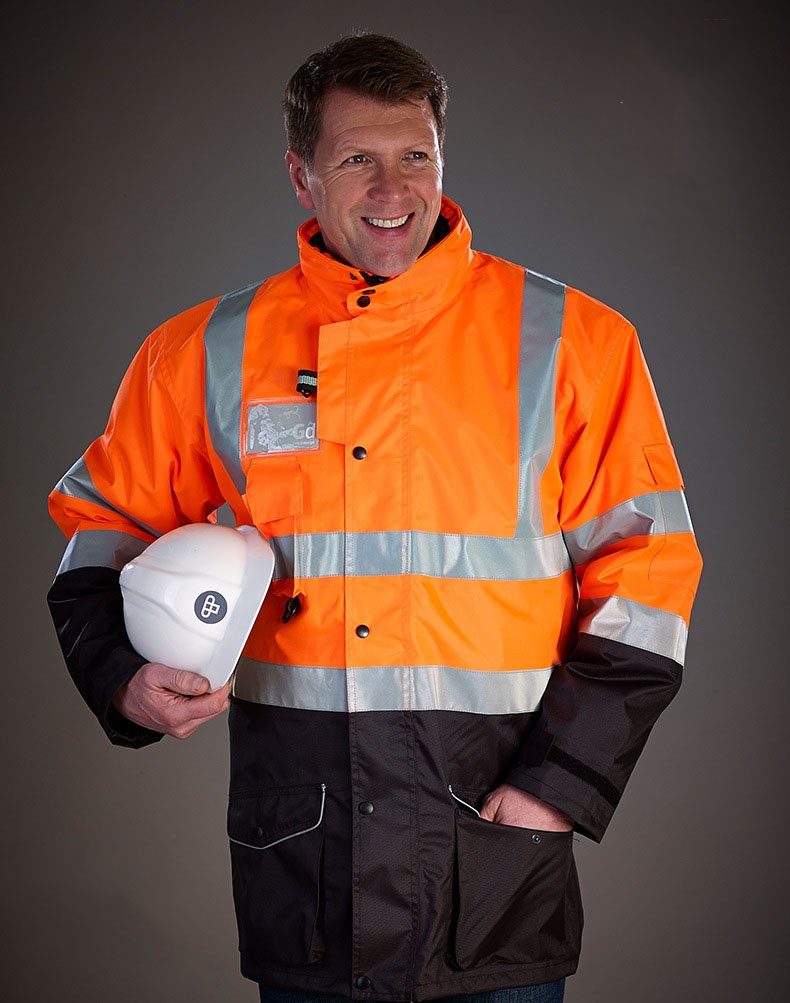
When evaluating the best raincoats for us workers, demand technical specifications that include both waterproof rating (minimum 5,000mm hydrostatic head) and breathability rating (measured in grams of moisture vapor transmission per square meter over 24 hours). A proper balance—such as 10,000mm waterproofing with 8,000 g/m²/24hr breathability—ensures workers stay dry from both external rain and internal perspiration.
Third-Party Testing: Your Shield Against Liability
Here’s where many importers and safety managers stumble: they accept manufacturer claims at face value without demanding independent verification. In fifteen years of supplying the North American market, I’ve seen the pattern repeatedly—buyers focus on getting the lowest price, only to discover during an OSHA inspection or after an incident that their “compliant” gear doesn’t meet the standard.
Essential Documentation Checklist
Before placing a bulk order, insist on receiving:
- ANSI/ISEA 107 Certification: From an accredited third-party testing laboratory (e.g., UL, Intertek, Bureau Veritas)
- Photometric Performance Reports: Showing retro-reflectivity values for both new material and after washing cycles
- Waterproofing Test Results: Hydrostatic head testing per AATCC 127 or ISO 811
- Breathability Test Results: Moisture vapor transmission rate per ASTM E96 or ISO 11092
- Seam Integrity Testing: Demonstrating sealed seams maintain waterproof performance
- Colorfastness Certification: Proving fluorescent fabric maintains visibility after exposure and washing
A legitimate manufacturer will readily provide these documents. Hesitation or vague responses should raise immediate red flags. Remember: in the event of a workplace incident, OSHA investigators and plaintiff attorneys will scrutinize your procurement documentation. The absence of third-party testing reports can transform a tragic accident into a negligence lawsuit with devastating financial and reputational consequences.
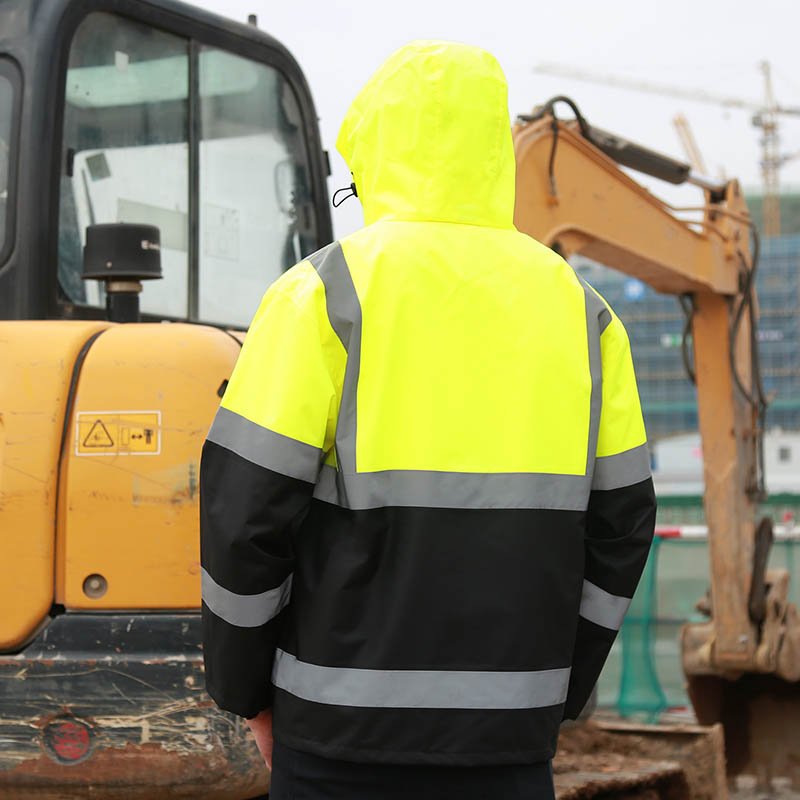
The Professional Buyer’s Selection Checklist
Whether you’re a safety manager, purchasing agent, or distributor, use this systematic approach to evaluate potential suppliers and products:
1. Compliance Foundation
Verify ANSI/ISEA 107 certification class matches your application requirements (Class 2 vs. Class 3). Ensure background material uses ANSI-specified fluorescent yellow-green or orange-red colors.
2. Material Performance
Demand waterproof ratings ≥5,000mm hydrostatic head. Verify breathability specifications (target 5,000+ g/m²/24hr for moderate activity levels). Confirm UV resistance testing to prevent premature fluorescent color fade.
3. Construction Quality
Inspect seam sealing methodology (heat-taped seams are superior to stitched-and-sealed). Evaluate zipper quality and storm flap coverage. Assess reflective tape bonding technique and edge finishing.
4. Functional Design
Look for adjustable cuffs and hem to seal out water. Verify adequate ventilation features (underarm vents, back cape vents). Ensure pocket design doesn’t compromise water resistance. Confirm hood design allows peripheral vision when worn.
5. Sizing and Fit
Request comprehensive size charts based on chest, sleeve, and length measurements. Verify availability of sizes accommodating layering underneath. Consider if sizing runs true to US standards (many Asian manufacturers run small).
Industry-Specific Considerations
Different work environments demand specific features beyond basic ANSI/ISEA 107 compliance. Understanding these nuances prevents costly procurement mistakes:
| Industry | Critical Requirements | Recommended Class |
|---|---|---|
| Highway Construction | Class 3 mandatory; consider flame-resistant options for hot work zones | Class 3 |
| Utility/Power Line Work | Arc flash protection; ASTM F1506 compliance if electrical hazard exposure | Class 3 |
| Railroad Maintenance | Specific FRA requirements may exceed ANSI standards; check local regulations | Class 3 |
| Airport Operations | Often requires specific color schemes (orange for airside); Class 2 typically sufficient | Class 2 |
| Warehouse/Logistics | Class 2 adequate for most indoor/outdoor applications; prioritize comfort for all-day wear | Class 2 |
Frequently Asked Questions
Is all hi-vis rain gear automatically OSHA compliant?
No. OSHA compliance requires adherence to ANSI/ISEA 107 standards, which specify precise requirements for background material area, reflective material area, placement, and performance. Simply having fluorescent color and reflective tape doesn’t guarantee compliance. Always verify third-party certification to the appropriate ANSI/ISEA 107 class.
What’s the difference between Class 2 and Class 3 rain gear?
Class 3 provides greater visibility through increased background and reflective material coverage. It’s mandatory for workers in high-speed traffic areas (typically highways) or complex backgrounds. Class 2 is acceptable for lower-speed environments but offers less visibility. When in doubt, Class 3 provides superior protection and broader regulatory compliance.
How do I verify a supplier’s compliance claims?
Request complete third-party testing documentation from accredited laboratories (UL, Intertek, Bureau Veritas, etc.). Ask for specific test reports showing photometric performance values, wash durability results, and waterproofing data. Reputable manufacturers maintain these documents readily available and will provide them without hesitation. Be suspicious of suppliers who only offer self-certification or generic compliance statements.
Why does breathability matter for rain gear compliance?
While breathability isn’t explicitly mandated by ANSI/ISEA 107, it’s critical for practical compliance. Non-breathable rain gear causes worker discomfort and heat stress, leading to non-compliance when workers refuse to wear it. Additionally, OSHA’s General Duty Clause requires employers to provide a workplace free from recognized hazards—heat stress from non-breathable rain gear in moderate conditions could constitute a violation.
Can I use flame-resistant rain gear for electrical utility work?
Yes, but verify it meets both ANSI/ISEA 107 for visibility AND ASTM F1506 for arc flash protection. Many utility companies require dual-certified garments. Standard waterproof coatings can compromise flame resistance, so specialized FR-rated waterproof materials are necessary. Always request testing documentation showing compliance with both standards simultaneously.
How often should rain gear be replaced to maintain compliance?
ANSI/ISEA 107 certification is based on performance after 50 home washes or 25 commercial launderings. However, physical damage, significant fading of fluorescent color, or degradation of reflective material requires immediate replacement regardless of wash count. Implement regular visual inspections and establish replacement protocols based on actual garment condition rather than arbitrary time periods.
Ready to Source Compliant Rain Gear You Can Trust?
With over 15 years of experience supplying ANSI/ISEA 107 certified rain gear to the North American market, VizGlo Safety provides third-party tested, breathable rain protection that workers actually want to wear. Request complete testing documentation and samples today.
Get Your Compliance Documentation PackageThe Bottom Line: Compliance Starts with Verification
Choosing OSHA-compliant hi-vis rain gear for the US market isn’t simply about checking boxes on a purchase order. It’s about understanding that true compliance requires the intersection of regulatory adherence (ANSI/ISEA 107), genuine waterproof performance, breathable construction that ensures worker acceptance, and independent third-party verification that protects you from liability.
The difference between compliant rain gear and merely hi-vis rain gear can mean the difference between a safe worksite and a catastrophic incident. It can determine whether you pass an OSHA inspection or face citations. Most importantly, it impacts whether your workers arrive home safely after every shift.
When evaluating suppliers, remember that legitimate manufacturers in this space welcome scrutiny. They maintain comprehensive testing documentation, understand the nuances of US standards, and build products designed for the demanding conditions American workers face daily. Your procurement decision should balance initial cost against long-term value—factoring in worker safety, regulatory compliance, replacement frequency, and the potential costs of non-compliance.
For more information on our complete line of certified high-visibility rain protection, including detailed technical specifications and compliance documentation, explore our comprehensive hi-vis raincoat collection. Every product comes backed by independent third-party testing and our commitment to worker safety.